
-
×

Subtotal: £12.00
Original price was: £20.49.£17.42Current price is: £17.42.
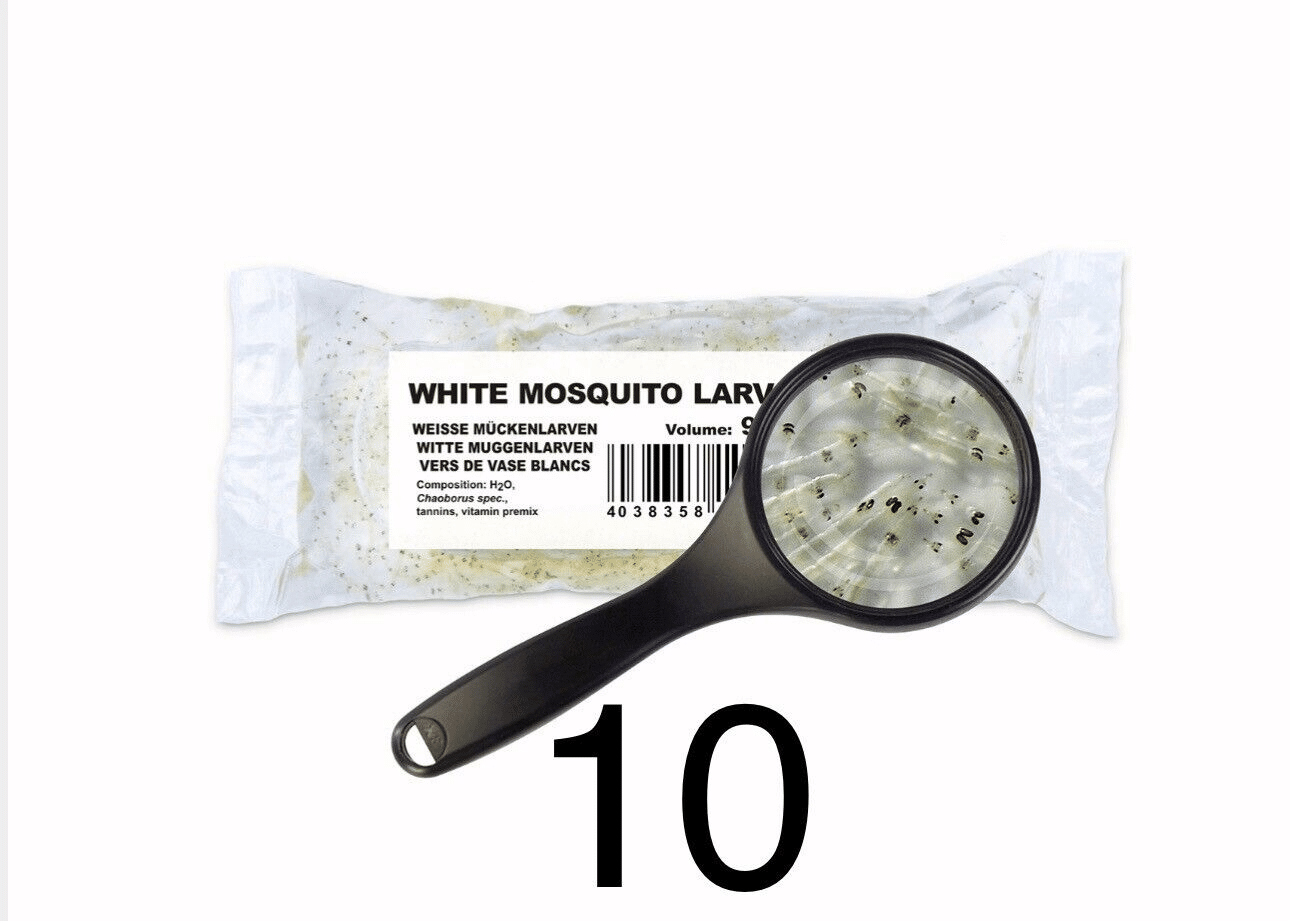
Welcome these beautiful creatures into your aquarium with our 10 X 90 ML LIVE WHITE MOSQUITO LARVAE. This premium fish food enhances your Betta fish diet, promoting vibrant colors and optimal health. Ideal for aquarists seeking to enrich their aquatic companions’ lives.
In stock
The live white mosquito larvae, scientifically known as Culex pipiens, serve as a natural food source that can significantly enhance the diet of your betta fish (Betta splendens). These larvae thrive in freshwater habitats, particularly in stagnant water bodies such as ponds and marshes. This nutrient-rich food not only provides essential proteins but also stimulates the natural hunting instincts of your betta fish, encouraging them to exhibit their vibrant colors and lively behavior.
In their natural habitat, mosquito larvae play a crucial role in the aquatic food web, serving as prey for various fish species, including bettas. Providing these larvae in your aquarium can mimic their natural diet, promoting optimal health and vitality in your aquatic companions.
| Optimal Living Conditions | |
|---|---|
| 🌡️ Water Temperature | 24-27°C (75-81°F) |
| 🧪 pH Level | 6.5-7.5 |
| 💧 Water Hardness | 4-12 dKH |
| 🏠 Minimum Tank Size | 80L (20 gal) |
| 🧂 Salinity | Freshwater |
| ⚡ Care Level | Beginner Friendly |
Betta fish are known for their vibrant colors and unique personalities. They exhibit a range of behaviors that can be fascinating to observe. In the presence of live mosquito larvae, bettas often display increased activity levels, showcasing their natural hunting instincts. They will dart around the tank, flaring their fins and displaying their colors as they chase after the larvae. This not only provides mental stimulation but also promotes physical health through exercise.
Bettas are generally territorial and can exhibit aggressive behavior towards other fish, particularly males. Therefore, it is essential to consider their temperament when selecting tank mates. Providing a suitable environment with plenty of hiding spots and territories will help reduce stress and aggression, allowing your betta to thrive.
Creating an ideal environment for your betta fish is crucial for their overall well-being. A tank size of at least 5 gallons is recommended to provide ample swimming space and maintain stable water conditions. The substrate can be fine gravel or sand to mimic their natural habitat. Incorporating live plants, such as Java fern or Anubias, not only enhances the aesthetics of the tank but also provides hiding spots and breeding grounds.
Decorations should be smooth and free of sharp edges to prevent injury to your betta’s delicate fins. Additionally, a gentle filter is essential to maintain water quality without creating strong currents that can stress your fish. Regular water changes of 25-30% weekly will help keep the environment clean and healthy.
Maintaining optimal water quality is vital for the health of your betta fish and the live mosquito larvae. The ideal pH level for bettas ranges from 6.5 to 7.5, with a water temperature between 75-82°F (24-28°C). Regular testing of the water parameters using a reliable aquarium test kit will help ensure that the conditions remain stable.
Ammonia and nitrite levels should be kept at 0 ppm, while nitrate levels should remain below 20 ppm. A well-cycled tank will help maintain these levels. It is also important to monitor water hardness, ideally between 5-15 dGH, to ensure the well-being of your fish. Using a water conditioner during water changes can help remove harmful chemicals and chlorines, creating a safe environment for your aquatic friends.
Feeding your betta fish a varied diet is essential for their health and vitality. Live mosquito larvae are an excellent source of protein, promoting growth and enhancing the vibrant colors of your fish. It is recommended to feed your betta 2-3 times a day, offering only as much food as they can consume in 2-3 minutes. This feeding schedule mimics their natural hunting behavior and prevents overfeeding, which can lead to health issues.
Alongside live larvae, you can incorporate high-quality pellets and freeze-dried foods to provide a balanced diet. Always ensure that the food is appropriate for bettas, as their dietary needs differ from other fish species. Monitoring your fish’s response to the food will help you adjust the diet accordingly, ensuring optimal health and growth.
When considering tank mates for your betta fish, it is crucial to choose species that are compatible with their temperament. Bettas are known for their territorial nature, especially males, and may exhibit aggression towards other males or fin-nipping species. Ideal tank mates include peaceful fish such as neon tetras, Corydoras catfish, and certain species of rasboras.
Avoid keeping them with aggressive or brightly colored fish that may provoke their territorial instincts. It is also advisable to introduce new fish gradually, allowing the betta to acclimate to their presence. Providing plenty of hiding spots and visual barriers can help reduce stress and aggression in a community tank setup.
Maintaining the health and wellness of your betta fish involves regular monitoring for signs of illness and ensuring a clean environment. Common health issues include fin rot, ich, and swim bladder disease. Symptoms to watch for include changes in appetite, lethargy, abnormal swimming behavior, or visible lesions. Early detection is key to successful treatment, so it is essential to observe your fish closely.
Preventative measures include maintaining water quality, providing a balanced diet, and avoiding overcrowding in the tank. If health issues arise, prompt action is necessary, which may involve adjusting water parameters or administering appropriate treatments. Regular health checks will help ensure your betta remains vibrant and active.
Breeding betta fish can be a rewarding experience, but it requires careful planning and preparation. To initiate breeding, it is essential to select a healthy male and female of the same species. The breeding tank should be at least 10 gallons, with a gentle filter and plenty of hiding spots. The male will build a bubble nest at the water’s surface, which is crucial for the fry’s survival.
Once the female is ready, she will display vertical stripes and a rounded belly, indicating she is full of eggs. After spawning, the male will take care of the eggs, which will hatch in 24-36 hours. After the fry are free-swimming, it is important to remove the male to prevent him from eating them. Feeding the fry with infusoria or finely crushed flakes will support their growth during the early stages.
Introducing new fish to your aquarium requires a careful acclimation process to minimize stress and ensure a successful transition. Begin by floating the sealed bag containing the fish in the tank for about 15-20 minutes to equalize the temperature. After this, gradually mix small amounts of tank water into the bag every 5 minutes for about an hour, allowing the fish to adjust to the new water parameters.
Once acclimated, gently release the fish into the tank using a net to avoid adding bag water, which may contain harmful substances. Monitoring the new fish closely for signs of stress or aggression during the initial days is essential. Providing a peaceful environment with plenty of hiding spots will help ease their transition into their new home.
Caring for your betta fish involves understanding their lifecycle and growth expectations. Bettas can live for 3-5 years with proper care, and their growth can be influenced by diet, water conditions, and tank environment. Regular water changes, a balanced diet, and monitoring for signs of stress or illness are essential components of long-term care.
As your betta matures, you may notice changes in behavior and coloration, which are normal as they adapt to their environment. Providing a stimulating environment with various hiding spots and decorations will contribute to their overall happiness and health. Keeping a close eye on their development will help ensure they thrive throughout their life.
Recreating a natural habitat for your betta fish can enhance their well-being and encourage natural behaviors. In the wild, bettas inhabit shallow waters with plenty of vegetation and hiding spots. Incorporating live plants, such as floating plants and dense foliage, will mimic their natural environment and provide essential cover.
Using driftwood and rocks can create territories and hiding spots, allowing your betta to feel secure. Maintaining a gentle water flow and ensuring the tank is well-lit will help promote plant growth, contributing to a healthy ecosystem. Regularly trimming and maintaining plants will also keep the environment clean and vibrant, benefiting both the fish and the aquatic plants.
Seasonal changes can impact the care requirements of your betta fish. During warmer months, it is essential to monitor the water temperature closely, as high temperatures can lead to stress and health issues. Using a heater with a thermostat can help maintain stable temperatures.
In colder months, ensure the tank does not drop below the recommended temperature range. Adjusting the lighting schedule to mimic natural daylight cycles can also support your betta’s well-being. Additionally, be mindful of any changes in feeding habits or activity levels, as these can indicate how your fish is adapting to seasonal shifts. Regular observation and adjustments will help ensure your betta remains healthy year-round.
For those looking to enhance their betta care experience, consider implementing these expert tips. First, invest in high-quality water testing kits to monitor parameters accurately, as fluctuations can lead to stress and health issues. Second, diversify your betta’s diet by including a variety of live, frozen, and high-quality pellet foods to ensure balanced nutrition.
Third, provide enrichment through toys and interactive feeding methods, such as using feeding rings or floating devices to encourage natural hunting behaviors. Finally, maintain a consistent routine for water changes and tank maintenance to create a stable environment for your fish. By following these tips, you can foster a thriving and vibrant aquarium for your betta fish.
Despite best efforts, issues may arise in your aquarium that require troubleshooting. If your betta shows signs of stress, such as hiding or rapid gill movement, check water parameters immediately. High ammonia or nitrite levels can be harmful and should be addressed promptly.
Additionally, if your betta’s fins appear frayed or discolored, this may indicate fin rot or other health issues that require treatment. Ensure that your tank mates are compatible and not causing stress. Regularly cleaning the tank and maintaining proper filtration will help prevent many common problems. If health issues persist, consulting with an aquarium professional or veterinarian experienced in fish care may be necessary for effective treatment.
The betta fish, known scientifically as Betta splendens, belongs to the family Osphronemidae and is native to the shallow waters of Southeast Asia, particularly Thailand, Cambodia, and Vietnam. They are known for their vibrant colors and elaborate fins, which have made them popular in the aquarium trade.
Bettas are labyrinth fish, possessing a specialized organ that allows them to breathe atmospheric oxygen, making them well-suited for low-oxygen environments. Conservation efforts are crucial for their habitats, as pollution and habitat destruction threaten their populations. Understanding their natural history and biology is essential for providing the best care and ensuring their long-term survival in captivity.
For experienced aquarists, implementing advanced care techniques can further enhance the health and vitality of your betta fish. Consider establishing a breeding program to selectively breed for specific traits, such as color or fin shape. This requires a deep understanding of genetics and careful selection of breeding pairs.
Additionally, advanced filtration systems can help maintain optimal water quality, reducing the frequency of water changes. Utilizing a planted tank with a natural ecosystem can also promote a balanced environment, benefiting both the fish and plants. Regularly attending workshops or forums can provide valuable insights into the latest research and techniques in betta care, allowing you to continuously improve your aquarium practices.
💡 Monitoring Tip: Test water parameters weekly and perform regular water changes to maintain optimal conditions for your aquatic friends!
Betta fish thrive in tanks that are at least 19 litres (5 gallons) in size. A larger tank provides more stable water parameters, which is crucial for their health. Ensure the tank is well-filtered and heated, as Betta fish prefer warm water ranging from 24°C to 28°C (75°F to 82°F). A minimum of 10 litres is recommended for a single Betta to allow for swimming space and to establish a suitable environment. Avoid small bowls as they can lead to poor water quality and stress for your fish.
✓ Expert Tip
Consider adding live plants to your Betta tank, as they provide hiding spots and help maintain water quality.
Betta fish should be fed live mosquito larvae once or twice daily, depending on their size and activity level. A general rule of thumb is to offer an amount they can consume within a few minutes. Overfeeding can lead to water quality issues, so it is essential to monitor your fish’s appetite and adjust accordingly. Incorporate mosquito larvae as a staple food, but also provide a varied diet including high-quality pellets and freeze-dried foods for balanced nutrition.
✓ Expert Tip
Introduce new food gradually to avoid digestive issues and observe how your Betta reacts to different types of food.
Acclimatising your Betta fish is crucial for their health. Begin by floating the sealed bag in the tank for about 15-20 minutes to equalise the temperature. After this, gradually introduce tank water into the bag in small amounts every 5 minutes, increasing the volume over about an hour. This process helps your fish adjust to the water parameters of their new environment, reducing stress and the risk of shock. Once acclimatised, gently release your Betta into the tank without adding the bag water.
✓ Expert Tip
Always ensure your tank is cycled and stable before introducing new fish to avoid unnecessary stress.
A healthy Betta fish exhibits vibrant colours, clear eyes, and active behaviour. They should swim gracefully and respond to stimuli, such as food or movement. Their fins should be fully extended and free of tears or fraying. Additionally, healthy Betta fish show no signs of lethargy or abnormal swimming patterns. Regular observation is key; any changes in behaviour or appearance may indicate stress, illness, or poor water quality.
✓ Expert Tip
Maintain a consistent routine for feeding and tank maintenance to promote overall health and well-being.
Betta fish thrive in warm water, ideally between 24°C to 28°C (75°F to 82°F). Maintaining a stable temperature is crucial, as sudden fluctuations can stress your fish and lead to health issues. A reliable aquarium heater is recommended to keep the water temperature consistent. Regularly monitor the temperature using a thermometer to ensure it remains within the optimal range, as Betta fish are sensitive to cold temperatures, which can adversely affect their immune system.
✓ Expert Tip
Consider using a heater with a thermostat to maintain an even temperature, preventing overheating or cooling.
In captivity, Betta fish can live anywhere from 3 to 5 years, provided they are well cared for. Factors influencing their lifespan include water quality, diet, and general tank conditions. A well-maintained aquarium with stable parameters will contribute significantly to a longer, healthier life. Regular water changes, a balanced diet, and proper tank mates also play vital roles in their longevity. Observing your fish’s behaviour and health can help you identify any potential issues early.
✓ Expert Tip
Keep a journal of your Betta’s health and tank conditions for effective monitoring and adjustments.
For Betta fish, a soft substrate like fine gravel or sand is ideal. This type of substrate allows for easy movement and prevents injury to their delicate fins. Additionally, it supports beneficial bacteria that aid in maintaining water quality. Avoid sharp or coarse substrates, as they can harm your fish. If you plan to include live plants, ensure the substrate is suitable for plant growth to create a thriving environment for both your plants and Betta.
✓ Expert Tip
Consider using a layer of nutrient-rich substrate under the top layer to promote healthy plant growth.
Betta fish are known for their vibrant personalities and territorial behaviour. They often display aggressive behaviour towards their reflection or other males, especially in smaller tanks. Bettas enjoy exploring their environment and will often swim around, investigating plants and decorations. They can also exhibit playful behaviour, such as flaring their fins when excited or threatened. Understanding these behaviours can help you create a suitable environment that caters to their natural instincts.
✓ Expert Tip
Provide plenty of hiding spots and territories in the tank to reduce stress and aggression.
Preventing diseases in Betta fish primarily involves maintaining excellent water quality and a stable environment. Regular water changes (at least 25% weekly) help reduce harmful toxins. Ensure the tank is appropriately cycled, and monitor parameters such as pH, ammonia, nitrites, and nitrates. Quarantine new fish before introducing them to the main tank to prevent the spread of diseases. Additionally, providing a balanced diet enhances their immune system, making them less susceptible to illnesses.
✓ Expert Tip
Regularly inspect your Betta for signs of illness, such as changes in behaviour, eating habits, or physical appearance.
For Betta fish, it is essential to monitor water parameters regularly. The ideal pH level is between 6.5 and 7.5, while ammonia and nitrite levels should be at 0 ppm. Nitrate levels should be kept below 20 ppm for optimal health. Regular water testing will help you maintain these levels and ensure a safe environment for your fish. Additionally, using a quality water conditioner can help remove harmful chemicals from tap water.
✓ Expert Tip
Invest in a reliable water testing kit to make monitoring easier and more accurate.
When selecting tank mates for Betta fish, it is essential to choose species that are calm and non-aggressive. Suitable companions include certain types of snails, shrimp, and peaceful fish like neon tetras or Corydoras catfish. Avoid keeping Betta fish with other males or fin-nipping species, as this can lead to stress and aggression. Always monitor interactions after introducing new tank mates to ensure compatibility and reduce the risk of territorial disputes.
✓ Expert Tip
Introduce new tank mates gradually to help your Betta adjust to changes in their environment.
Feeding Betta fish live foods, such as mosquito larvae, can significantly enhance their colouration due to the high protein content and essential fatty acids found in these foods. The natural movement of live food stimulates hunting instincts and encourages vibrant colour expression. Additionally, live foods can improve overall health, which often reflects in the brightness of their scales and fins. Incorporating a variety of live foods into their diet promotes a more vivid and colourful appearance.
✓ Expert Tip
Rotate different types of live foods to provide a balanced diet and maximise colour enhancement.
Yes, mixing live mosquito larvae with other food types can provide a balanced diet for your Betta fish. Combining live foods with high-quality pellets or freeze-dried options ensures your fish receive a variety of nutrients. It is important to introduce new food types gradually to avoid digestive issues. Observe your Betta’s response to different foods and adjust their diet based on their preferences and health needs. A diverse diet can enhance their overall vitality.
✓ Expert Tip
Consider using a feeding ring to help keep food in one area, making it easier for your Betta to feed.
Live mosquito larvae should be stored in a cool, dark place, ideally in a refrigerator if they are not used immediately. Keep them in a breathable container with some water to maintain their vitality. It is important to use them within a few days for the best nutritional value. If the larvae begin to die or lose their movement, it is advisable to discard them to prevent any health risks to your Betta fish. Always prioritise fresh food for optimal health.
✓ Expert Tip
Label containers with the date of storage to ensure you use the freshest food available.
Live food, such as mosquito larvae, is highly beneficial for the digestive health of Betta fish. The natural enzymes present in live food aid in digestion and improve nutrient absorption. Additionally, the movement of live food encourages natural hunting behaviour, which can stimulate appetite and promote overall well-being. However, it is essential to feed live food in moderation and balance it with other dietary options to prevent digestive issues.
✓ Expert Tip
Observe your Betta’s feeding habits and adjust portions to avoid overfeeding, which can lead to bloating.





Emily Carter (verified owner) –
I’ve been keeping fish for over five years, and I can honestly say that these live white mosquito larvae are a game-changer for my betta fish. After using them for about two weeks, I noticed my betta, named Finn, was more energetic and vibrant than ever! He goes absolutely wild for them, and it has significantly improved his overall health and happiness.
These larvae are packed with nutrients, making them an excellent choice for a balanced fish diet. I initially tried freeze-dried alternatives, but they just didn’t have the same appeal for Finn. The convenience of the 90 ML packs means they stay fresh longer, and I love that they’re easy to store in my fridge.
If you’re a caring fish parent like me, I highly recommend this product, especially for any betta enthusiasts. Just a quick tip: I like to soak the larvae in tank water for a few minutes before feeding to ensure they’re at the right temperature. Overall, I’ll definitely be purchasing these again!
Emily Carter (verified owner) –
As a dedicated fish parent, I always strive to provide the best nutrition for my Betta fish, and the 10 X 90 ML Live White Mosquito Larvae have truly exceeded my expectations! After just a week of incorporating these live larvae into their diet, I noticed a significant boost in my Betta’s energy levels and overall vibrancy. The colors have become more vivid, and they seem more active during feeding time, eagerly chasing and devouring these little treats.
I’ve tried other freeze-dried alternatives, but nothing compares to the excitement and nutritional value of live food. Plus, I appreciate that these larvae are harvested responsibly, ensuring fish welfare is a priority.
The packaging was user-friendly, allowing me to easily portion out the right amount for my fish. My only minor concern is that they need to be kept cool to maintain freshness, but that’s easily manageable. For any fellow Betta lovers or aquarists looking to enhance fish nutrition, I wholeheartedly recommend these live mosquito larvae. They are perfect for keeping your fish healthy and happy!
Emily Carter (verified owner) –
I recently purchased the 10 X 90 ML Live White Mosquito Larvae for my betta fish, and I couldn’t be happier! After just a week of incorporating these into his diet, I noticed a remarkable boost in his color and energy levels. He absolutely loves them, eagerly jumping up to the surface during feeding time! The larvae come in perfect portions, and I appreciate that they’re live food, enhancing not only my fish’s nutrition but providing a more stimulating feeding experience. Compared to the frozen options I’ve previously used, these live larvae are much fresher and attract my betta’s interest much more. I do recommend feeding them in moderation, as it’s easy to get carried away with how much my little guy enjoys them. If you’re a fellow fish parent who prioritizes your betta’s health and happiness, I wholeheartedly recommend these live mosquito larvae – they’re a fantastic addition to any aquarium feeding regimen! Overall, a great buy that arrived quickly and as described!
Emily Carter (verified owner) –
As a devoted aquarist, I’m always on the lookout for high-quality food for my betta fish, and the 10 X 90 ML Live White Mosquito Larvae has truly exceeded my expectations! I introduced these live larvae as a supplement to their diet about two weeks ago, and the difference has been remarkable. My betta’s colors have become more vibrant, and his energy levels are through the roof!
I love knowing that I’m providing him with natural fish nutrition that promotes healthy growth and activity. It’s great to see him eagerly darting around after the larvae—a sign that he truly enjoys this food!
I’ve previously tried freeze-dried options, but they just didn’t compare; my fish would often ignore them. The live larvae not only provide better nutrition but also keep my betta engaged and active.
One small downside is that you need to store them properly, but the packaging is manageable and straightforward. Honestly, if you’re a betta fish parent like me who cares about fish health, I can’t recommend this product enough. It’s perfect for enhancing your fish’s diet and well-being. I’ll definitely be purchasing this again!