Pagoda Snail – Brotia Pagodula – Horned Armour Snail – Freshwater Gastropod


Original price was: £11.49.£9.68Current price is: £9.68.
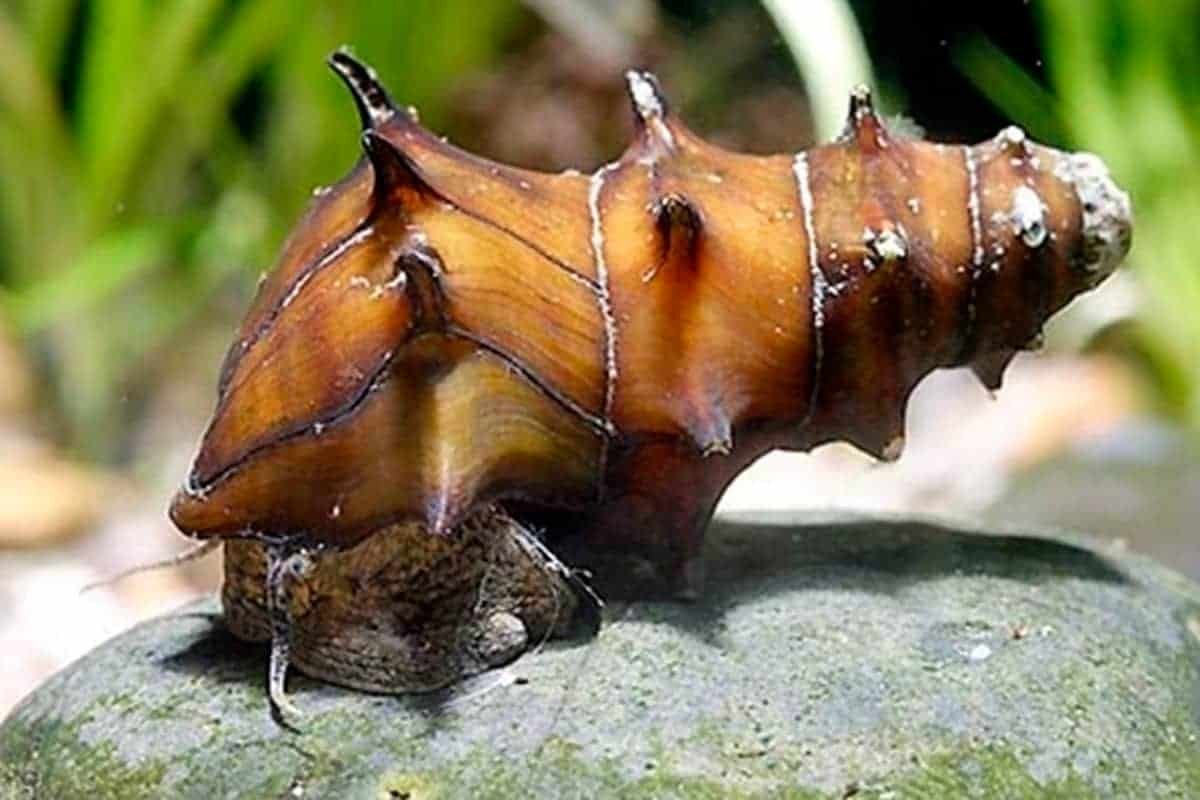
Welcome the elegant Pagoda Snail, also known as the Horned Armor Snail, into your aquarium. These stunning freshwater snails enhance plant growth and contribute to a thriving ecosystem. Perfect for aquarists seeking peaceful companions for their tropical fish tanks.
In stock


Species Introduction
The Pagoda Snail, scientifically known as Brotia pagodula, is a fascinating aquatic gastropod native to the freshwater rivers and streams of Southeast Asia, particularly found in the lush landscapes of Myanmar. These snails are characterized by their striking horn-like structures that adorn their shells, resembling a pagoda, which is how they got their name. The unique morphology not only adds an aesthetic appeal to your aquarium but also serves as a protective feature against predators. Pagoda Snails thrive in environments rich in aquatic plants, which provide them with both food and shelter, making them an ideal addition to a well-planted tropical fish tank. Their natural habitat consists of slow-moving waters with plenty of organic matter, where they play a crucial role in the ecosystem by aiding in the decomposition of detritus and algae, thus contributing to a healthy aquatic environment.
Care Requirements Dashboard
Essential Care Guide for Your Pagoda Snail
| Optimal Living Conditions | |
|---|---|
| Water Temperature | 24-27°C (75-81°F) |
| pH Level | 6.5-7.5 |
| Water Hardness | 4-12 dKH |
| Minimum Tank Size | 80L (20 gal) |
| Salinity | Freshwater |
| Care Level | Beginner Friendly |
✓ Care Level: Easy
Tank Size: Minimum 10 gallons
Water Temperature: 72°F – 82°F (22°C – 28°C)
pH Level: 6.5 – 7.5
Hardness: 5 – 15 dGH
Providing the right care for your Pagoda Snail is essential for their health and well-being. They are relatively easy to care for, making them suitable for both novice and experienced aquarists. A minimum tank size of 10 gallons is recommended to ensure they have enough space to roam and thrive. The water temperature should be maintained between 72°F and 82°F, with a pH level between 6.5 and 7.5. The hardness should ideally be between 5 and 15 dGH. Regular water changes and monitoring of these parameters will help maintain a stable environment for your snails.
Natural Behavior & Temperament
Pagoda Snails are peaceful and gentle creatures, making them excellent companions for a variety of fish and other invertebrates in a community tank. They exhibit slow-moving behavior, often seen grazing on algae and decaying plant matter. Their natural instinct is to remain close to the substrate, where they can find food and hide from potential threats. Unlike some other snail species, Pagoda Snails are not known to be aggressive and typically do not disturb the plants in the aquarium. Their calm demeanor allows them to coexist harmoniously with tropical fish, making them a valuable addition to any freshwater aquarium setup. Observing their behavior can be quite rewarding, as they often engage in social interactions with one another, displaying a level of curiosity that is endearing to aquarists.
Tank Setup Guide
Creating the ideal environment for your Pagoda Snails involves careful consideration of tank setup and decorations. They thrive in a well-planted aquarium that mimics their natural habitat. Use a soft substrate, such as sand or fine gravel, to allow them to burrow and explore. Incorporate live plants, such as Java Fern, Anubias, and other aquatic vegetation, which not only provide food but also create hiding spots for the snails. Rocks, driftwood, and other decorations can be added to enhance the aesthetic appeal of the aquarium while providing additional shelter. Ensure that the tank has a gentle water flow, as Pagoda Snails prefer calm waters. Avoid sharp or rough decorations that could harm their delicate shells. Regularly monitor the tank for algae growth, as this will serve as a primary food source for your snails.
Water Quality Management
✓ Good water quality is essential for snails
pH Level: 6.5 – 7.5
Temperature: 72°F – 82°F (22°C – 28°C)
Hardness: 5 – 15 dGH
Maintaining optimal water quality is crucial for the health of your Pagoda Snails. Regular water changes of 10-20% weekly will help keep the parameters stable and reduce the buildup of harmful substances. Monitor the pH level, ensuring it remains between 6.5 and 7.5, as fluctuations can stress the snails. The temperature should be kept within the range of 72°F to 82°F, which is ideal for their metabolic processes. Additionally, maintaining a hardness level between 5 and 15 dGH will support their shell development. Use a reliable water testing kit to keep track of these parameters and ensure a healthy environment for your aquatic companions.
Feeding & Nutrition
Pagoda Snails are primarily herbivorous and thrive on a diet rich in plant matter. They enjoy grazing on algae, decaying leaves, and other organic materials found in the aquarium. To ensure they receive balanced nutrition, supplement their diet with high-quality sinking pellets designed for herbivorous snails and invertebrates. Additionally, blanched vegetables such as zucchini, cucumber, and spinach can be offered as treats. It is important to feed them small amounts that they can consume within a few hours to prevent water quality issues. A feeding schedule of 2-3 times a week is generally sufficient, allowing them to forage naturally in between feedings. Observing their feeding habits can provide insight into their health and well-being, as active grazing indicates a thriving snail.
Compatibility Guide
✓ Ideal tank mates for Pagoda Snails
Peaceful fish species: Tetras, Guppies, Corydoras
Avoid aggressive species: Cichlids, Betta fish
Pagoda Snails are known for their peaceful nature, making them compatible with a variety of community fish species. Ideal tank mates include small, non-aggressive fish such as Tetras, Guppies, and Corydoras. These species coexist harmoniously, allowing the snails to thrive without fear of predation. However, it is crucial to avoid pairing them with aggressive species like Cichlids or Betta fish, as these fish may see the snails as potential food. When selecting tank mates, consider the overall temperament of the fish and ensure that they are suitable for a community aquarium setting. Observing interactions between species will help maintain a balanced and peaceful environment.
Health & Wellness
Maintaining the health of your Pagoda Snails is essential for their longevity and well-being. Regular observation is key; look for signs of distress, such as a retracted body or damaged shells. Common issues include shell erosion, which can occur due to poor water quality or insufficient calcium in their diet. To prevent this, ensure they have access to calcium-rich foods and maintain stable water parameters. If you notice any unusual behavior or physical changes, it is advisable to isolate the affected snail to prevent potential spread of disease. Regular water changes and proper feeding will significantly reduce the risk of health issues. By providing a clean and stable environment, you can help your snails thrive and enjoy a long, healthy life.
Breeding Information
✓ Breeding Pagoda Snails in captivity
Reproduction: Egg-laying
Fry care: Minimal, natural
Pagoda Snails are capable of breeding in captivity, and their reproduction process is relatively straightforward. They lay eggs in clusters, typically on the underside of leaves or other surfaces in the aquarium. The eggs are small and can be easily overlooked, but they will hatch within a few weeks under optimal conditions. Once hatched, the fry are miniature versions of their parents and will begin to forage for food almost immediately. Providing plenty of hiding spots and a well-planted environment will help protect the young snails from potential predators in the tank. Minimal intervention is required for fry care, as they can thrive in the same conditions as adult snails. Observing the growth of the young Pagoda Snails can be a rewarding experience for aquarists.
Acclimation Process
Introducing your Pagoda Snails to a new aquarium requires a careful acclimation process to minimize stress and ensure their successful transition. Begin by floating the sealed bag containing the snails in the aquarium for about 15-20 minutes to equalize the temperature. After this, gradually introduce small amounts of aquarium water into the bag every 5 minutes, allowing the snails to adjust to the new water chemistry. This process should last about an hour. Once acclimated, gently place the snails into the tank using a net to avoid introducing any contaminants from the bag. Avoid placing them directly into the tank from the bag to ensure a smooth transition. Monitoring their behavior for the first few days will help you gauge their adjustment to their new home.
Long-term Care
Pagoda Snails can live for several years with proper care, making them a long-term commitment for any aquarist. Their growth rate is relatively slow, and they will reach maturity in about 6-12 months, depending on the conditions provided. Regular monitoring of water quality, feeding, and tank conditions will support their health throughout their lifespan. As they grow, you may need to adjust their diet and ensure that they have adequate calcium for shell development. Additionally, maintaining a stable environment will help prevent stress and promote overall well-being. With attentive care, your Pagoda Snails will thrive and contribute positively to your aquarium ecosystem.
Natural Habitat Recreation
Recreating the natural habitat of Pagoda Snails in your aquarium can enhance their well-being and provide a more enriching environment. Focus on incorporating a variety of live plants, as these not only serve as food sources but also mimic the dense vegetation found in their natural streams. Use driftwood and rocks to create hiding spots and structures that resemble their native environment. The substrate should be soft and fine to allow for natural foraging behavior. Additionally, maintaining a gentle water flow will replicate the calm waters of their natural habitat. By creating a biotope that reflects their native conditions, you will promote healthier and more active snails.
Seasonal Care Adjustments
Seasonal changes can affect the water parameters in your aquarium, which may require adjustments to ensure the comfort of your Pagoda Snails. During warmer months, monitor the water temperature closely, as higher temperatures can lead to stress. Ensure that the tank is not exposed to direct sunlight, which can cause overheating. In colder months, consider using a heater to maintain the ideal temperature range. Additionally, seasonal changes may affect the availability of natural food sources, so be prepared to adjust their diet accordingly. Regular water testing during these transitions will help you maintain stable conditions, ensuring your snails remain healthy and thriving.
Expert Tips
For those looking to provide the best care for their Pagoda Snails, here are some expert tips to consider. First, ensure a varied diet that includes both algae and plant matter to promote optimal health. Regularly check for algae growth in the tank, as this serves as a natural food source. Second, maintain a consistent water quality by performing regular water changes and using a quality filtration system. Third, observe your snails closely for any signs of distress or health issues, as early intervention can prevent more serious problems. Lastly, consider keeping a small group of Pagoda Snails together, as they are social creatures and thrive in the company of their own kind.
Troubleshooting
If you encounter issues with your Pagoda Snails, it is important to address them promptly. Common problems include shell erosion, which can indicate a calcium deficiency or poor water quality. To remedy this, ensure that their diet includes calcium-rich foods and that the water parameters are stable. If you notice a snail that is not moving or appears withdrawn, check for signs of stress, such as poor water quality or aggressive tank mates. Isolating the affected snail may be necessary to prevent further issues. Regular maintenance and observation are key to preventing problems and ensuring a thriving aquarium environment.
Scientific Background
The Pagoda Snail belongs to the family of Planorbidae, which encompasses a diverse group of freshwater snails. Their unique shell structure and peaceful nature make them a popular choice among aquarists. Research into their behavior and ecology has shown that they play a vital role in maintaining the health of freshwater ecosystems by consuming detritus and algae. Understanding their biology and natural habits can enhance the care provided to these snails, promoting a balanced aquarium environment. Conservation efforts are also important, as habitat destruction poses a threat to their natural populations. By keeping Pagoda Snails in captivity, aquarists can contribute to awareness and appreciation of these remarkable creatures.
Advanced Care Techniques
For experienced aquarists looking to take their care of Pagoda Snails to the next level, consider implementing advanced techniques. One approach is to create a dedicated snail tank, which allows for focused care and observation. This setup can include a variety of plants and substrates to encourage natural behaviors. Additionally, experimenting with different food sources can enhance their diet and health. Consider growing algae on rocks or using a dedicated algae culture to provide a continuous food supply. Monitoring water parameters closely and adjusting them as needed will ensure a thriving environment. Engaging in breeding efforts can also provide valuable insights into their life cycle and contribute to the understanding of their care needs.
Water Quality Parameters
Optimal Range
24-27°C
6.5-7.5
0 ppm
Caution Zone
22-24°C or 27-29°C
6.0-6.5 or 7.5-8.0
0.25-0.5 ppm
Danger Zone
<22°C or >29°C
<6.0 or >8.0
>0.5 ppm
Monitoring Tip: Test water parameters weekly and perform regular water changes to maintain optimal conditions for your aquatic friends!
Frequently Asked Questions
Q: What tank size is required for Pagoda Snails?
Pagoda Snails, or Brotia pagodula, thrive best in a tank of at least 20 litres. This size provides ample space for them to explore and forage. Larger tanks are preferable, particularly if you intend to keep them alongside other species, as they require a stable environment with consistent water parameters. A spacious tank also allows for the establishment of a varied aquascape, which is beneficial for their natural behaviour. It is essential to ensure adequate filtration and water circulation, as these snails prefer well-oxygenated water. Regular maintenance, including water changes, will contribute to a healthy environment for your aquatic companions.
✓ Expert Tip
Consider adding live plants to your tank; they not only enhance the aesthetics but also provide natural hiding spots for your snails.
Q: What water parameters do Pagoda Snails require?
Pagoda Snails prefer slightly acidic to neutral water conditions, with a pH level ranging from 6.5 to 7.5. The water temperature should ideally be maintained between 22°C to 28°C, providing a comfortable environment for their activity. It is crucial to monitor hardness, aiming for a range of 5 to 15 dGH, as these snails benefit from calcium in the water, which aids in shell development. Regular testing of water parameters will help ensure your snails remain healthy and active. Maintaining good water quality is essential, as poor conditions can lead to stress and health issues.
✓ Expert Tip
Utilising a quality water conditioner can help stabilise parameters and remove harmful chemicals from tap water.
Q: How often should I feed Pagoda Snails?
Feeding Pagoda Snails should occur every other day, ensuring they receive a balanced diet without overfeeding. These snails are primarily herbivorous, favouring algae and decaying plant matter. You can supplement their diet with high-quality sinking pellets or blanched vegetables such as zucchini or spinach. It is essential to remove any uneaten food after a few hours to prevent water quality issues. Observing their feeding habits will help you adjust the quantity as necessary, ensuring your snails remain healthy and active.
✓ Expert Tip
Consider rotating their diet to include different vegetables and algae wafers for optimal nutrition.
Q: What are the best tank mates for Pagoda Snails?
Pagoda Snails are generally peaceful and can coexist with a variety of freshwater fish, including tetras, rasboras, and peaceful cichlids. It is advisable to avoid aggressive species that may harass the snails. Additionally, ensure that tank mates do not consume the snails, as some larger fish may see them as food. Keeping them with smaller, non-aggressive species will create a harmonious environment. Always monitor interactions to ensure all inhabitants are comfortable and stress-free.
✓ Expert Tip
Introducing snails to a well-established tank can help reduce stress and allow them to acclimatise more effectively.
Q: How do I properly acclimatise Pagoda Snails to my aquarium?
Acclimatisation is crucial for the health of Pagoda Snails. Begin by floating the sealed bag in your aquarium for 15-20 minutes to equalise the temperature. Afterward, gradually introduce aquarium water into the bag over a period of 30 minutes. This can be done by adding small amounts of water to the bag every few minutes. Once acclimatised, gently place the snails into the tank using a net to avoid adding any bag water that may contain pollutants. This method reduces shock and helps your snails adjust smoothly to their new environment.
✓ Expert Tip
Keep the aquarium lights dimmed for the first few hours post-acclimatisation to help reduce stress.
Q: What are the signs of healthy Pagoda Snails?
Healthy Pagoda Snails exhibit vibrant shell colours and maintain a firm, intact shell. They should actively forage for food and display normal behaviour patterns, such as moving around the tank and interacting with their environment. Additionally, the foot of the snail should be moist and not show signs of dryness, which can indicate stress or dehydration. Regular observation is key; any significant change in behaviour or appearance may require further investigation to ensure their wellbeing.
✓ Expert Tip
Provide a varied diet and stable water conditions to support their overall health.
Q: How do I successfully breed Pagoda Snails?
Breeding Pagoda Snails can be achieved by providing optimal conditions, including stable water parameters and a nutritious diet. They typically breed in groups, so keeping several snails increases the likelihood of reproduction. Look for signs of mating behaviour, such as snails climbing on each other. Once fertilised, the eggs will typically be laid on surfaces within the tank. Ensure that the environment remains undisturbed and provide adequate food to support the growth of hatchlings, which can emerge after several weeks.
✓ Expert Tip
Consider dedicating a small breeding tank to monitor the growth of young snails effectively.
Q: What temperature should I maintain for Pagoda Snails?
The ideal temperature range for Pagoda Snails is between 22°C to 28°C. Maintaining a stable temperature within this range supports their metabolic processes and overall health. It is advisable to use a reliable aquarium heater and thermometer to monitor the temperature accurately. Rapid fluctuations can stress these snails, so gradual adjustments are recommended. Regular checks will help ensure that the environment remains optimal for your aquatic companions.
✓ Expert Tip
Consider using a heater with a built-in thermostat for consistent temperature control.
Q: How long do Pagoda Snails typically live in captivity?
In a well-maintained aquarium, Pagoda Snails can live for 3 to 5 years. Factors such as water quality, diet, and tank conditions play a significant role in their longevity. Providing a stable environment with consistent water parameters and a balanced diet will contribute to their health and lifespan. Regular monitoring and maintenance of their habitat will help ensure these lovely aquatic companions thrive and live a full life.
✓ Expert Tip
Maintaining optimal water quality and a varied diet can significantly enhance their lifespan.
Q: What type of substrate is most suitable for Pagoda Snails?
A soft, sandy substrate is ideal for Pagoda Snails, as it allows them to burrow and exhibit natural behaviours. Avoid sharp substrates that could damage their delicate shells. Additionally, incorporating fine gravel or nutrient-rich soil can promote plant growth and provide a varied environment. A well-chosen substrate not only supports the snails’ needs but also contributes to the overall aesthetics of the aquarium.
✓ Expert Tip
Consider adding leaf litter to the substrate, as it provides food and shelter for the snails.
Q: What behavioural patterns should I expect from Pagoda Snails?
Pagoda Snails are generally active and exhibit fascinating behaviours, including grazing on algae and exploring their environment. They are primarily nocturnal, becoming more active during the evening and night. You may observe them climbing on tank decorations or retreating into their shells when startled. This behaviour is normal and indicates a healthy level of activity. Providing ample hiding spots and structures will encourage natural behaviours and enhance their habitat.
✓ Expert Tip
Creating a well-planted tank will provide enrichment and stimulate their natural behaviours.
Q: How can I prevent common diseases in Pagoda Snails?
Preventing diseases in Pagoda Snails begins with maintaining excellent water quality. Regular water changes and monitoring parameters will help keep the environment stable. Additionally, avoid overfeeding, as excess food can lead to poor water quality. Quarantine new snails before introducing them to your aquarium to prevent the spread of potential pathogens. Observing your snails for any signs of illness, such as lethargy or shell damage, will help you address issues promptly.
✓ Expert Tip
Regularly clean the tank and avoid overcrowding to minimise stress and disease risks.
Q: What natural habitat conditions should I replicate for Pagoda Snails?
Pagoda Snails are native to freshwater habitats in Southeast Asia, often found in slow-moving rivers and streams with ample vegetation. To replicate these conditions, create a well-planted aquarium with hiding spots and gentle water flow. Utilising driftwood and rocks can provide additional shelter and mimic their natural environment. Maintaining stable water parameters and providing a varied diet will help ensure they thrive in captivity.
✓ Expert Tip
Consider using a sponge filter to provide gentle filtration and maintain water quality.
2 reviews for Pagoda Snail – Brotia Pagodula – Horned Armour Snail – Freshwater Gastropod
Add a review
Related products



Emily Carter (verified owner) –
I recently added the Pagoda Snail (Brotia Pagodula) to my freshwater aquarium, and I couldn’t be happier! These snails are not only beautiful with their unique horned shells, but they are also incredibly efficient at keeping the tank clean. I’ve had them for about two months now, and I’ve noticed a significant reduction in algae buildup. Unlike some other freshwater snails I’ve tried, the Pagoda Snails are super peaceful and coexist well with my fish. Their gentle nature is a big plus for me as I prioritize the happiness of my aquatic pets.
I initially hesitated because I wasn’t sure if they would thrive, but they’ve really settled in nicely. I’ve noticed them actively grazing on surfaces, and it’s fascinating to watch! Just a minor concern – they are not the fastest movers, so if you’re looking for snails that zoom around, these aren’t it. Nonetheless, I highly recommend them for anyone looking to enhance their freshwater aquarium. They’re perfect for beginners and seasoned hobbyists alike. Shipping was prompt, and they arrived in great condition! Overall, a fantastic addition!
Emily Carter (verified owner) –
I recently added a Pagoda Snail (Brotia pagodula) to my 20-gallon tropical fish tank, and I couldn’t be more thrilled! After just two weeks, I’ve noticed a significant improvement in my plant growth. These freshwater snails are not only beautiful with their unique horned shells but also work tirelessly to keep algae in check, allowing my plants to thrive. Compared to other snails I’ve kept, like the common Mystery Snail, the Pagoda Snail is much more active and seems to have a positive impact on the overall ecosystem of my tank.
It’s heartwarming to see how my fish and the snails coexist peacefully; the snails move about, cleaning up while the fish swim around them, creating a lively atmosphere. The only minor concern I had was their initial shyness—they took a few days to explore. But once they settled in, they were unstoppable! I highly recommend Pagoda Snails for any freshwater aquarium enthusiast looking to enhance their tank’s health and beauty. They are perfect for both experienced aquarists and beginners alike. Plus, they were shipped quickly and arrived in great condition, which really put my mind at ease. I would definitely buy more in the future!