

10 X Loreto Tetras – Hyphessobrycon Loretoensis – South American Tetras, Easy Care Neon Tetra Companions That Thrive in Community Tanks and Bring Joy to Aquarists
Original price was: £56.99.£48.38Current price is: £48.38.
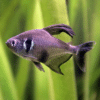
Welcome these beautiful Loreto Tetras (10 X Hyphessobrycon Loretoensis) into your aquarium! Their vibrant colors and graceful movements make them stunning community members. Ideal for beginners, they thrive in well-planted tanks, adding life and beauty to your aquatic environment.
In stock
Species Introduction
The Loreto Tetra, scientifically known as Hyphessobrycon loretoensis, is a captivating species of freshwater fish originating from the tranquil waters of South America. These small schooling fish are primarily found in the tributaries and streams of the Amazon River basin, where they thrive in soft, acidic waters rich in plant life. The Loreto Tetra is often admired for its shimmering body and vibrant colors, making it a popular choice among aquarists looking to create a lively community tank. With a maximum length of approximately 4 cm, these fish are perfect for smaller aquariums, where they can display their natural behaviors and social interactions. As a member of the Characidae family, the Loreto Tetra shares characteristics with other popular tetras, such as the Neon Tetra and the X-Ray Tetra, known for their peaceful nature and compatibility with various tank mates.
Essential Care Guide for Your Loreto Tetras
| Optimal Living Conditions | |
|---|---|
| Water Temperature | 24-27°C (75-81°F) |
| pH Level | 6.5-7.5 |
| Water Hardness | 4-12 dKH |
| Minimum Tank Size | 80L (20 gal) |
| Salinity | Freshwater |
| Care Level | Beginner Friendly |
To ensure the well-being of your Loreto Tetras, it is essential to provide them with a suitable environment that mimics their natural habitat. A minimum tank size of 20 gallons is recommended to accommodate a small school of these fish, as they thrive in groups of six or more. Maintaining stable water parameters is crucial; the ideal pH range is between 6.0 and 7.5, with a temperature of 22 to 28 degrees Celsius (72 to 82 degrees Fahrenheit). Additionally, keeping the water hardness between 2 and 10 dGH will help promote optimal health and longevity.
Natural Behavior & Temperament
Loreto Tetras are known for their peaceful and social behavior, making them ideal candidates for community aquariums. In their natural habitat, they are often found swimming in schools, which provides them with a sense of security and encourages their natural schooling instincts. These fish exhibit active swimming patterns, darting around the tank and exploring their environment, especially when provided with ample hiding spots and vegetation. Their sociable nature allows them to coexist harmoniously with other non-aggressive species, such as other tetras, small cichlids, and peaceful bottom dwellers. However, it is essential to avoid keeping them with larger, more aggressive fish that may view them as prey. Observing their interactions within a community tank can be a delightful experience, as they engage in playful displays and establish social hierarchies.
Tank Setup Guide
Creating an ideal environment for your Loreto Tetras is crucial for their health and well-being. To replicate their natural habitat, consider using a substrate that mimics the sandy or soft bottom of their native waters. Fine gravel or sand is an excellent choice, as it allows for easy digging and foraging. Incorporating plenty of live plants, such as Java Fern, Anubias, and Cryptocoryne, will not only enhance the aesthetic appeal of the tank but also provide hiding spots and grazing areas for your fish friends. Additionally, adding driftwood and rocks can create natural shelters, promoting a sense of security. Ensure that the tank is well-planted, as Loreto Tetras enjoy swimming among the foliage. A gentle filtration system is recommended to maintain water quality without creating strong currents, as these fish prefer calm waters. Lastly, consider using a dim lighting setup to mimic the dappled sunlight found in their natural habitat, which will help reduce stress and encourage natural behaviors.
Water Quality Management
⚠ Important Water Parameter Notice
Maintain pH levels between 6.0 and 7.5, temperature between 22-28°C (72-82°F), and hardness between 2-10 dGH.
Maintaining optimal water quality is essential for the health of your Loreto Tetras. Regular water testing is recommended to monitor pH, ammonia, nitrite, and nitrate levels. Ammonia and nitrite should always be at 0 ppm, while nitrates should be kept below 20 ppm. Regular water changes of 25% every two weeks will help maintain water quality, removing toxins and replenishing essential minerals. A reliable filtration system is crucial for keeping the water clean and well-oxygenated. Additionally, consider using a water conditioner to remove harmful chemicals from tap water before introducing it to the tank. Keeping the water temperature stable is also vital; sudden fluctuations can stress your fish and lead to health issues. Investing in a quality heater and thermometer will help you maintain the ideal temperature range.
Feeding & Nutrition
✓ Diet: Omnivorous
Feeding Schedule: 2-3 times daily
Loreto Tetras are omnivorous and thrive on a varied diet that includes high-quality flake foods, micro-pellets, and occasional live or frozen foods such as brine shrimp, daphnia, and bloodworms. Providing a balanced diet is essential for their growth, coloration, and overall health. Feed them small amounts 2-3 times daily, ensuring that they consume the food within a few minutes to prevent overfeeding and maintain water quality. It is also beneficial to include vegetable matter in their diet, such as blanched spinach or spirulina flakes, to promote digestive health. Observing their feeding behavior can be quite entertaining, as they eagerly dart around the tank to catch their food. Additionally, consider rotating their diet to include different types of food to ensure they receive all necessary nutrients.
Health & Wellness
⚠ Common Health Issues
Watch for signs of stress, disease, and poor water quality.
To ensure the health and well-being of your Loreto Tetras, it is essential to monitor them regularly for any signs of stress or illness. Common health issues include ich (white spot disease), fin rot, and poor water quality. Signs of stress may include rapid gill movement, lethargy, or abnormal swimming patterns. Maintaining stable water parameters and providing a balanced diet are crucial for preventing these issues. In the event of illness, prompt action is necessary; consider isolating affected fish in a quarantine tank and consulting with an aquatic veterinarian or experienced aquarist for treatment options. Regularly cleaning the tank and performing water changes will help prevent the buildup of harmful toxins and promote a healthy environment. Additionally, keeping an eye on their behavior and appearance will allow you to catch any potential issues early on.
Breeding Information
Breeding Loreto Tetras can be a rewarding experience for aquarists willing to provide the right conditions. To encourage spawning, it is best to set up a separate breeding tank with soft, acidic water and plenty of fine-leaved plants for the eggs to adhere to. A temperature of around 26-28 degrees Celsius (78-82 degrees Fahrenheit) is ideal for breeding. When ready to spawn, a male will chase a female, and they will engage in a courtship display. After spawning, the adults should be removed from the tank to prevent them from eating the eggs. The eggs will hatch within 24-36 hours, and the fry will become free-swimming after about 5 days. During this period, it is essential to provide infusoria or finely crushed flakes to feed the young fry until they are large enough to consume larger foods. Monitoring the fry’s growth and health is vital during this stage, as they are particularly vulnerable to changes in water quality and food availability.
Acclimation Process
Introducing your Loreto Tetras to a new aquarium requires a careful acclimation process to minimize stress and ensure a smooth transition. Begin by floating the sealed bag containing the fish in the aquarium for about 15-20 minutes to equalize the temperature. After the temperature has stabilized, gradually mix small amounts of tank water into the bag every 5 minutes for about 30 minutes. This process helps the fish adjust to the new water chemistry. Once acclimated, gently net the fish and place them into the aquarium, avoiding adding bag water to prevent introducing any potential contaminants. Monitor the fish closely for the first few days to ensure they are adapting well to their new environment. Providing a well-planted tank with plenty of hiding spots will help reduce stress during this transition period.
Long-term Care
Caring for Loreto Tetras involves understanding their lifecycle and growth expectations. These fish typically reach their maximum size of around 4 cm within 6-12 months, depending on their diet and environmental conditions. Regular tank maintenance, including water changes and monitoring water parameters, is essential for their long-term health. As they age, it is crucial to observe any changes in behavior or appearance, as this may indicate health issues. Providing a varied diet and maintaining stable water conditions will contribute to their longevity, which can range from 3 to 5 years in a well-maintained aquarium. Additionally, consider the social dynamics of your tank; as they mature, they may establish a pecking order within their school, which can lead to minor squabbles. Ensuring that they are kept in appropriate group sizes will help mitigate any aggression and promote a peaceful community.
Natural Habitat Recreation
Recreating the natural habitat of Loreto Tetras in your aquarium can enhance their well-being and encourage natural behaviors. In their native environment, they inhabit slow-moving waters with dense vegetation and plenty of hiding spots. To mimic this, use a combination of live plants, driftwood, and rocks to create a lush aquascape. Incorporating floating plants can provide shade and help diffuse lighting, creating a comfortable environment for your fish friends. Additionally, consider using a dark substrate to enhance their colors and provide a natural look. Maintaining a gentle water flow will replicate the calm conditions of their habitat, allowing them to swim freely without stress. Regularly trimming plants and cleaning the tank will help maintain a healthy ecosystem for your Loreto Tetras, promoting their natural behaviors and overall happiness.
Expert Tips
To provide the best care for your Loreto Tetras, consider implementing these expert tips. First, ensure that you are feeding a high-quality diet that includes a variety of food types to promote optimal health and coloration. Regularly observe their behavior and interactions within the tank to identify any potential issues early on. Maintaining a consistent maintenance schedule, including regular water changes and tank cleanings, will help prevent the buildup of harmful substances and promote a healthy environment. Additionally, consider keeping a journal to track water parameters, feeding schedules, and any changes in behavior or health. This can help you identify patterns and make informed decisions regarding their care. Lastly, connect with other aquarists through forums or local clubs to share experiences and gain insights into best practices for keeping Loreto Tetras and other community fish.
Water Quality Parameters
Optimal Range
24-27°C
6.5-7.5
0 ppm
Caution Zone
22-24°C or 27-29°C
6.0-6.5 or 7.5-8.0
0.25-0.5 ppm
Danger Zone
<22°C or >29°C
<6.0 or >8.0
>0.5 ppm
Monitoring Tip: Test water parameters weekly and perform regular water changes to maintain optimal conditions for your aquatic friends!
Frequently Asked Questions
Q: What tank size is required for Loreto Tetras?
Loreto Tetras thrive best in a tank of at least 60 litres (15 gallons). This size allows for a suitable school of 10 fish, which is essential for their social behaviour. A larger tank not only provides ample swimming space but also helps maintain stable water parameters. It’s advisable to include plenty of plants and hiding spots to mimic their natural habitat, which promotes comfort and reduces stress. Remember that overcrowding can lead to poor water quality and increased aggression, so ensure to adhere to recommended stocking levels.
✓ Expert Tip
Consider using a larger tank if you plan to add more species, as Loreto Tetras are best kept in community settings.
Q: What water parameters do Loreto Tetras require?
Loreto Tetras prefer soft, acidic water with a pH between 6.0 and 7.0 and a temperature range of 24°C to 28°C (75°F to 82°F). Regular testing of water parameters is crucial to ensure a healthy environment. They thrive in well-filtered water with a gentle current, so consider using a sponge filter to maintain optimal conditions. Partial water changes of 10-15% weekly will help keep the water clean and stable, which is vital for their overall health.
✓ Expert Tip
Using a water conditioner can help remove harmful chemicals and ensure a safe environment for your fish.
Q: How often should I feed Loreto Tetras?
Feeding Loreto Tetras should be done 2-3 times daily with small amounts of high-quality flake or pellet food. They are omnivorous, so supplementing their diet with frozen or live foods like brine shrimp or daphnia will enhance their colouration and vitality. Be cautious not to overfeed, as uneaten food can pollute the water. A good rule of thumb is to provide only what they can consume in a few minutes.
✓ Expert Tip
Introduce variety in their diet to ensure they receive all necessary nutrients.
Q: What are the best tank mates for Loreto Tetras?
Loreto Tetras are peaceful and sociable fish, making them ideal for community tanks. They pair well with other small, non-aggressive species such as Rasboras, Guppies, and Corydoras. Avoid larger or aggressive fish that may bully them, as this can lead to stress and health issues. Keeping them in a school of at least six will help them feel secure and display their natural behaviours.
✓ Expert Tip
Introduce new tank mates gradually to minimise territorial disputes.
Q: How do I properly acclimatise Loreto Tetras to my aquarium?
Acclimatising Loreto Tetras is crucial to prevent shock. Begin by floating the sealed bag in your aquarium for about 15 minutes to equalise the temperature. Then, gradually introduce small amounts of aquarium water into the bag every 5-10 minutes for about an hour. This process helps them adjust to the water parameters. After acclimatisation, gently release the fish into the tank without adding bag water to maintain water quality.
✓ Expert Tip
Always keep the tank lights dimmed during the first few hours after introducing new fish to reduce stress.
Q: What are the signs of healthy Loreto Tetras?
Healthy Loreto Tetras exhibit bright colours, active swimming behaviour, and a good appetite. Their fins should be intact and held high, not clamped against their bodies. Observing their interactions with tank mates is also important; they should show curiosity and social behaviour rather than hiding excessively or displaying signs of aggression. Regular health checks will help spot any issues early on, ensuring their well-being.
✓ Expert Tip
Look for any changes in behaviour or appearance, as these can indicate stress or illness.
Q: How do I successfully breed Loreto Tetras?
Breeding Loreto Tetras can be a rewarding experience, but it requires specific conditions. Set up a separate breeding tank with soft, slightly acidic water and fine-leaved plants for spawning. Condition the breeding pair with high-quality live foods. Once ready, the female will scatter eggs among the plants. After spawning, remove the parents to prevent them from eating the eggs. Maintain stable water conditions, and the fry will hatch in about 24-36 hours.
✓ Expert Tip
Feed the fry infusoria or finely crushed flakes until they are large enough for larger foods.
Q: What temperature should I maintain for Loreto Tetras?
Loreto Tetras thrive at temperatures between 24°C and 28°C (75°F to 82°F). Maintaining this temperature range is essential for their health and activity levels. Use a reliable aquarium heater and thermometer to monitor the temperature closely. Sudden fluctuations can lead to stress and illness, so it is advisable to avoid drastic changes. Regularly check the heater’s functionality to ensure it is operating correctly.
✓ Expert Tip
Consider using a heater with a built-in thermostat for optimal temperature control.
Q: How long do Loreto Tetras typically live in captivity?
With proper care, Loreto Tetras can live for 5 to 7 years in captivity. Their lifespan can be influenced by water quality, diet, and overall tank conditions. Regular maintenance, including water changes and tank cleaning, plays a crucial role in their longevity. Providing a stress-free environment with suitable tank mates will also contribute to their well-being and lifespan.
✓ Expert Tip
Monitor their health regularly to catch any potential issues early.
Q: What type of substrate is most suitable for Loreto Tetras?
Loreto Tetras prefer soft substrates, such as fine gravel or sand, which mimic their natural habitat. These substrates allow for easy foraging and do not harm their delicate fins. A darker substrate can enhance their vibrant colours and provide a visually appealing contrast. Additionally, incorporating live plants will help create a natural environment, further benefiting their well-being.
✓ Expert Tip
Avoid sharp substrates that could injure your fish; always prioritise their safety.
Q: What behavioural patterns should I expect from Loreto Tetras?
Loreto Tetras are known for their active and playful behaviour. They enjoy swimming in schools, which is a natural instinct that helps them feel secure. You will often see them darting around the tank, exploring their environment. They also exhibit social behaviour, often interacting with one another and their tank mates. Providing plenty of plants and hiding spots can encourage natural behaviours and reduce stress.
✓ Expert Tip
Observe their interactions regularly to ensure a harmonious community tank.
Q: How can I prevent common diseases in Loreto Tetras?
Preventing diseases in Loreto Tetras primarily involves maintaining excellent water quality and a stable environment. Regular water changes, proper filtration, and avoiding overcrowding are key factors. Quarantining new fish before introducing them to the main tank can prevent the spread of pathogens. Additionally, feeding a balanced diet and ensuring they are not stressed will bolster their immune system against diseases.
✓ Expert Tip
Regularly monitor for any changes in behaviour or appearance, as early detection is crucial.
Q: What lighting conditions do Loreto Tetras prefer?
Loreto Tetras thrive in moderate lighting conditions, as they are naturally found in shaded areas of their habitat. A lighting setup that mimics dawn and dusk can enhance their colouration and promote natural behaviours. Consider using a timer to maintain a consistent lighting schedule of about 10-12 hours daily. This will not only benefit the fish but also support plant growth within the aquarium.
✓ Expert Tip
Use floating plants to diffuse light and provide additional cover for your fish.
Q: How do I recognise stress in Loreto Tetras?
Stress in Loreto Tetras can manifest through various signs, including erratic swimming, hiding excessively, or clamped fins. Changes in colouration, such as fading or darkening, can also indicate stress. It is essential to observe their behaviour regularly; if they seem less active or are not eating, it may signal an underlying issue. Creating a stable environment with appropriate tank mates and maintaining water quality are vital in reducing stress levels.
✓ Expert Tip
If you notice signs of stress, assess the tank conditions immediately to identify and rectify any issues.
Q: What natural habitat conditions should I replicate for Loreto Tetras?
To create a suitable environment for Loreto Tetras, replicate their natural habitat found in the slow-moving waters of South America. Incorporate fine substrate, plenty of plants, and driftwood to provide shelter and foraging opportunities. Maintaining slightly acidic water with low hardness is essential. Additionally, ensure adequate cover from floating plants or decorations to mimic their shaded habitat, which helps them feel secure and reduces stress.
✓ Expert Tip
Creating a biotope aquarium can greatly enhance the well-being of your fish friends.
1 review for 10 X Loreto Tetras – Hyphessobrycon Loretoensis – South American Tetras, Easy Care Neon Tetra Companions That Thrive in Community Tanks and Bring Joy to Aquarists
Add a review
Related products



Emily Carter (verified owner) –
I recently added 10 Loreto Tetras to my aquarium, and I couldn’t be happier! These South American Tetras have brought such life and color to my tank. Initially, I was drawn to their vibrant colors, which remind me of the beloved neon tetras, but they have their own unique charm with their striking patterns. After about two weeks, I’ve noticed they are incredibly social, schooling beautifully together and interacting with my other fish. It’s heartwarming to see them thrive in a well-planted environment, where they dart in and out of the foliage.
I did experience a minor hiccup when they arrived a little stressed from shipping, but after a gentle acclimation process, they quickly settled in. Compared to other tetras I’ve kept, the Loreto Tetras seem to have a more engaging personality, making them perfect for a community tank. I’d recommend these lovely fish to anyone looking for lively and friendly additions to their aquarium. Just be sure to provide them with plenty of space to swim and play. I will definitely purchase more in the future!