
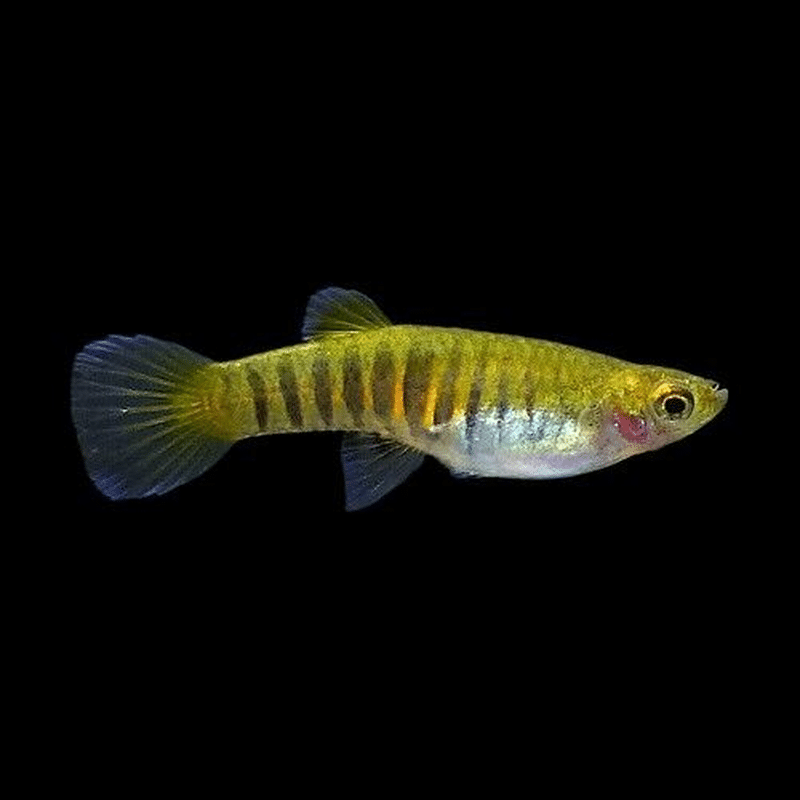
Tiger Teddy – Neoheterandria Elegans – Livebearer

Original price was: £9.49.£7.74Current price is: £7.74.
Welcome these beautiful Neoheterandria Elegans, also known as Tiger Teddy, to your aquarium. These vibrant livebearers bring color and activity, thriving in community tanks. Ideal for beginners, they are peaceful companions that flourish in well-decorated environments.
In stock
Species Introduction
The Neoheterandria elegans, commonly known as the Tiger Teddy, is a small live-bearing fish that belongs to the Goodeidae family. This vibrant species is native to the freshwater streams and rivers of Mexico, where it thrives in a variety of aquatic environments. The Tiger Teddy is recognized for its striking appearance, characterized by a unique pattern of stripes that resemble the markings of a tiger. This species is not only visually appealing but also plays an important role in its natural habitat, contributing to the ecological balance by feeding on algae and small invertebrates. As a livebearer, the Tiger Teddy gives birth to live young, which is a fascinating aspect of its reproductive behavior. Understanding the natural habitat and behavior of this species is crucial for providing optimal care and creating a suitable environment in your aquarium.
Care Requirements Dashboard
| Optimal Living Conditions | |
|---|---|
| Water Temperature | 24-27°C (75-81°F) |
| pH Level | 6.5-7.5 |
| Water Hardness | 4-12 dKH |
| Minimum Tank Size | 80L (20 gal) |
| Salinity | Freshwater |
| Care Level | Beginner Friendly |
✓ Care Level: Easy
Tank Size: 20 gallons minimum
Water Temperature: 22-28°C (72-82°F)
pH Level: 6.5-7.5
Hardness: 5-15 dGH
Natural Behavior & Temperament
The Tiger Teddy is known for its active swimming patterns and peaceful temperament, making it an ideal addition to community tanks. These fish are social creatures that thrive in groups, exhibiting a range of behaviors that include playful interactions and gentle displays of dominance. They are not aggressive and can coexist harmoniously with a variety of tank mates, provided those tank mates are similarly peaceful. Observing their natural behavior can be a delightful experience, as they often engage in playful chasing and darting through the plants and decorations in the aquarium. Creating a stimulating environment with plenty of hiding spots and open swimming spaces will enhance their natural behaviors and contribute to their overall well-being.
Tank Setup Guide
Setting up an aquarium for the Neoheterandria elegans requires careful consideration of their natural habitat to ensure they thrive in captivity. A minimum tank size of 20 gallons is recommended to provide ample swimming space and to maintain stable water parameters. The substrate should be soft and sandy, mimicking the riverbeds they are accustomed to. Incorporating live plants, such as Java moss and Anubias, will not only enhance the aesthetic appeal of the tank but also provide hiding spots and breeding grounds for the fish. Additionally, using driftwood and rocks can create a more natural environment, allowing the fish to explore and feel secure. It is essential to maintain good water circulation and filtration to keep the environment clean and healthy for these aquatic companions.
Water Quality Management
Maintaining optimal water quality is crucial for the health and longevity of the Tiger Teddy. The ideal water temperature ranges from 22-28°C (72-82°F), and it is important to monitor this closely, as fluctuations can stress the fish. The pH level should be maintained between 6.5 and 7.5, while the hardness should be kept between 5-15 dGH. Regular water changes of 20-30% every two weeks will help to keep the water clean and free of harmful toxins. Utilizing a high-quality water conditioner can also assist in removing chlorine and chloramine from tap water. Regular testing of water parameters using reliable test kits is essential to ensure a stable and healthy environment for your fish friends.
Feeding & Nutrition
Important Feeding Note
The Tiger Teddy is an omnivorous fish, which means they require a balanced diet that includes both plant and animal matter. High-quality flakes, pellets, and frozen foods such as brine shrimp and daphnia are excellent options for feeding. It is important to feed them small portions 2-3 times a day, ensuring that all food is consumed within a few minutes to prevent water quality issues. Additionally, incorporating live foods into their diet can enhance their health and vitality. Providing a varied diet will not only promote growth but also improve coloration and overall well-being.
Compatibility Guide
The Tiger Teddy is known for its peaceful nature, making it a great choice for community tanks. They can coexist with a variety of other peaceful fish species such as guppies, tetras, and other small livebearers. However, it is essential to avoid placing them with aggressive or territorial species, as this can lead to stress and potential harm. When introducing new tank mates, it is crucial to monitor their interactions closely to ensure compatibility. A well-planned community tank with diverse species can create a harmonious environment that benefits all inhabitants.
Tank Mate Compatibility Guide
Great Tank Mates
- Guppies
- Tetras
- Other small livebearers
Avoid These Tank Mates
- Aggressive species
- Territorial fish
Compatibility Note: Always research specific species requirements and observe fish behavior when introducing new tank mates. Individual fish personalities can vary!
Health & Wellness
Maintaining the health and wellness of your Tiger Teddy involves regular monitoring for common health issues. These fish can be susceptible to diseases such as ich and fin rot if water quality is not maintained. Signs of illness can include lethargy, loss of appetite, and abnormal swimming behavior. It is essential to act quickly if any signs of illness are observed. Preventative measures include maintaining good water quality, providing a balanced diet, and ensuring that the tank is not overcrowded. Regular health checks and prompt treatment of any issues will help ensure that your aquatic companions remain healthy and vibrant.
Breeding Information
Breeding the Tiger Teddy can be a rewarding experience for aquarists. These fish are livebearers, meaning they give birth to free-swimming fry rather than laying eggs. To encourage breeding, it is recommended to provide a separate breeding tank with plenty of hiding spots and soft plants. The female will carry the fertilized eggs for about 4-6 weeks before giving birth. After the fry are born, it is essential to provide them with small foods such as infusoria or finely crushed flakes. Careful monitoring of the fry’s growth and health is crucial during this stage, as they are vulnerable and require optimal conditions to thrive.
Acclimation Process
When introducing your Tiger Teddy to a new tank, it is important to acclimate them properly to reduce stress and prevent shock. The acclimation process should involve gradually introducing the fish to the new water conditions. This can be done by floating the sealed bag containing the fish in the aquarium for about 15-20 minutes to equalize the temperature. After this, slowly add small amounts of tank water to the bag over the course of an hour. Once the fish have acclimated, gently release them into the tank. This careful approach will help ensure a smooth transition and promote a healthy start in their new environment.
Long-term Care
The lifespan of the Tiger Teddy can range from 3 to 5 years with proper care. To ensure they live a long and healthy life, it is essential to provide consistent care, including regular water changes, a balanced diet, and monitoring water parameters. As they grow, it is important to assess their tank size and make adjustments as necessary to accommodate their needs. Regular interaction and observation will help you understand their behavior and health, allowing you to provide the best possible care for your fish friends.
Natural Habitat Recreation
Creating a biotope that mimics the natural habitat of the Tiger Teddy can enhance their well-being and promote natural behaviors. In the wild, these fish inhabit freshwater streams with plenty of vegetation and hiding spots. To recreate this environment in your aquarium, use a combination of live plants, driftwood, and rocks to create a natural landscape. Ensure that there are open swimming areas as well as sheltered spots where the fish can retreat when they feel threatened. This setup will not only provide a comfortable home for your fish but also create an aesthetically pleasing display in your aquarium.
Seasonal Care Adjustments
As seasons change, it is important to make adjustments to your care routine for the Tiger Teddy. In warmer months, ensure that the water temperature does not exceed 28°C (82°F) to prevent heat stress. Conversely, during cooler months, you may need to use a heater to maintain a stable temperature. Additionally, adjusting the lighting duration can help mimic natural conditions and promote healthy plant growth. Regularly monitoring water parameters will help you make informed decisions about any necessary adjustments to ensure a stable and healthy environment for your aquatic companions.
Expert Tips
For those looking to enhance their experience with the Tiger Teddy, consider implementing some expert tips into your care routine. Regularly rotating tank decorations can provide stimulation and prevent boredom for your fish. Additionally, maintaining a varied diet that includes live foods can significantly improve their health and coloration. Engaging with your fish through gentle interaction can also help build trust and reduce stress. Finally, staying informed about the latest research and best practices in fish care will empower you to provide the best possible environment for your Tiger Teddies.
Troubleshooting
If you encounter any issues with your Tiger Teddy, it is important to troubleshoot effectively. Common problems include stress from aggressive tank mates, poor water quality, or inadequate diet. If your fish are exhibiting signs of stress, such as hiding or erratic swimming, reassess their environment and make necessary adjustments. Regularly testing water parameters will help identify any issues that may be affecting their health. If you notice any signs of illness, such as discoloration or abnormal behavior, consult a veterinarian specializing in aquatic animals for guidance on treatment options.
Scientific Background
The Neoheterandria elegans is a fascinating species within the Goodeidae family, which is known for its unique reproductive strategies and ecological significance. Research on this species has highlighted its adaptability to varying freshwater environments and its role in maintaining the health of aquatic ecosystems. Conservation efforts are essential to protect their natural habitats from pollution and habitat destruction. Understanding the scientific background of the Tiger Teddy can enhance your appreciation for these beautiful creatures and their importance in the aquatic world.
Advanced Care Techniques
For experienced aquarists looking to take their care of the Tiger Teddy to the next level, consider implementing advanced techniques such as selective breeding to enhance desirable traits. Monitoring genetic diversity within your breeding stock can help prevent inbreeding and maintain a healthy population. Additionally, experimenting with different plant species and tank layouts can promote natural behaviors and improve the overall health of your fish. Engaging in community discussions and forums can also provide valuable insights and tips from fellow enthusiasts, further enhancing your knowledge and skills in fish husbandry.
Water Quality Parameters
Optimal Range
24-27°C
6.5-7.5
0 ppm
Caution Zone
22-24°C or 27-29°C
6.0-6.5 or 7.5-8.0
0.25-0.5 ppm
Danger Zone
<22°C or >29°C
<6.0 or >8.0
>0.5 ppm
Monitoring Tip: Test water parameters weekly and perform regular water changes to maintain optimal conditions for your aquatic friends!
Frequently Asked Questions
Q: What tank size is required for Neoheterandria Elegans?
The Neoheterandria Elegans, commonly known as the Tiger Teddy, thrives in a minimum tank size of 20 litres. This provides ample swimming space and helps maintain stable water parameters. A larger tank is preferable, especially if you plan to keep multiple individuals, as these fish are social creatures that enjoy the company of their own kind. Additionally, ensuring adequate filtration and a well-planted environment will enhance their well-being. Always consider the number of fish you wish to keep; overcrowding can lead to stress and health issues. Regular water changes and monitoring water quality are crucial in smaller tanks to maintain a healthy environment.
✓ Expert Tip
Consider using a tank divider if you are introducing new fish to avoid territorial disputes.
Q: What water parameters do Neoheterandria Elegans require?
Neoheterandria Elegans prefers slightly acidic to neutral water, ideally with a pH range of 6.5 to 7.5. The temperature should be maintained between 22°C and 26°C, with stable conditions being paramount for their health. Regular monitoring of ammonia, nitrite, and nitrate levels is essential, as these fish are sensitive to poor water quality. A well-cycled aquarium will significantly reduce harmful spikes in these parameters. Additionally, soft to moderately hard water is preferred, which can be achieved by using reverse osmosis systems or specific additives. Regular water changes of 10-15% weekly will help maintain optimal conditions.
✓ Expert Tip
Utilise a reliable water testing kit to regularly check parameters and ensure a healthy environment.
Q: How often should I feed Neoheterandria Elegans?
Feeding Neoheterandria Elegans should ideally occur 2-3 times daily to mimic their natural foraging behaviour. Offer small portions that can be consumed within a few minutes to prevent overfeeding, which can lead to water quality issues. A varied diet is crucial; high-quality flake food, micro-pellets, and live or frozen foods such as daphnia or brine shrimp will provide essential nutrients. Additionally, consider offering vegetable matter, such as blanched spinach or spirulina, to promote digestive health. Observe their feeding habits; if they appear uninterested, reduce the quantity slightly, as overfeeding can cause stress and health issues.
✓ Expert Tip
Rotate different food types weekly to ensure a balanced diet and enhance colouration.
Q: What are the best tank mates for Neoheterandria Elegans?
When selecting tank mates for Neoheterandria Elegans, it’s crucial to choose peaceful species that share similar water requirements. Suitable companions include small tetras, rasboras, and guppies. Avoid larger or aggressive fish, as they may stress or prey upon these small livebearers. Ideally, maintain a community tank with ample hiding spots and plants to create a secure environment. This will allow your Tiger Teddies to exhibit their natural behaviours without feeling threatened. Keep in mind that these fish are social and thrive in groups, so consider keeping them in small schools of at least five or six to promote their well-being.
✓ Expert Tip
Introduce new tank mates gradually to minimise stress and observe interactions closely.
Q: How do I properly acclimatise Neoheterandria Elegans to my aquarium?
Acclimatising Neoheterandria Elegans is vital to reduce shock and ensure their successful integration into your aquarium. Begin by floating the sealed bag in your tank for about 15 minutes to equalise the temperature. Then, gradually mix tank water into the bag over the next hour, adding small amounts every 10-15 minutes. This process helps the fish adjust to any differences in water chemistry. After an hour, gently release the fish into the tank, avoiding adding bag water to your aquarium, which may contain harmful substances. Monitor their behaviour closely for the first few days to ensure they settle in well.
✓ Expert Tip
Consider using a drip acclimation method for a more gradual transition.
Q: What are the signs of healthy Neoheterandria Elegans?
Healthy Neoheterandria Elegans display vibrant colours, active swimming behaviour, and clear, bright eyes. Their fins should be fully extended and free from tears or fraying. Observe their feeding habits; a healthy fish will readily accept food and exhibit enthusiasm during feeding times. Additionally, check for any signs of stress, such as hiding excessively or displaying erratic swimming patterns, which may indicate poor water quality or compatibility issues. Regular health checks will help you identify any concerns early and ensure they maintain their optimal health.
✓ Expert Tip
Keep a journal of your fish’s behaviour and health to easily spot any changes.
Q: How do I successfully breed Neoheterandria Elegans?
Breeding Neoheterandria Elegans is a rewarding endeavour for any aquarium keeper. Begin by ensuring you have a healthy group of both males and females, with at least one male to every two females to reduce stress. Provide a separate breeding tank with fine-leaved plants or spawning mops where females can deposit eggs. The ideal water temperature for breeding is around 24°C, with slightly acidic pH. After spawning, remove the adults to prevent them from consuming the eggs. Fry will hatch within a few days; feed them infusoria or finely crushed flake food until they are large enough to accept larger foods. Regular water changes will ensure a healthy environment for the developing fry.
✓ Expert Tip
Maintain stable water conditions throughout breeding to enhance success rates.
Q: What temperature should I maintain for Neoheterandria Elegans?
The ideal temperature range for Neoheterandria Elegans is between 22°C and 26°C. Maintaining this temperature is crucial for their health and well-being, as they are sensitive to fluctuations. A stable environment promotes optimal metabolic function and behaviour. Use a reliable aquarium heater and thermometer to monitor and adjust the temperature as necessary. It is advisable to avoid sudden changes in temperature, as this can lead to stress and illness. Regularly check the heater’s functionality and ensure it is suitable for the size of your tank.
✓ Expert Tip
Consider using a temperature controller for precise adjustments.
Q: How long do Neoheterandria Elegans typically live in captivity?
In a well-maintained aquarium, Neoheterandria Elegans can live for approximately 3 to 5 years. Their lifespan largely depends on water quality, diet, and overall care. Providing a stable environment with appropriate water parameters, regular feeding, and good tank mates will contribute to their longevity. Monitoring their health and promptly addressing any issues will also enhance their quality of life. Remember, these fish thrive in groups, so keeping them in a social environment can improve their well-being and potentially extend their lifespan.
✓ Expert Tip
Regular health assessments can help catch issues early, ensuring a longer life for your fish friends.
Q: What type of substrate is most suitable for Neoheterandria Elegans?
When selecting substrate for Neoheterandria Elegans, opt for fine gravel or sand. These substrates not only mimic their natural habitat but also facilitate easy cleaning and maintenance. Fine substrates allow for natural foraging behaviour, which is beneficial for their mental stimulation. Avoid sharp or coarse materials that could injure their delicate bodies. Additionally, consider incorporating live plants into the substrate, as these provide hiding spots and enhance the aesthetic of the aquarium. Regular vacuuming during water changes will help maintain substrate cleanliness and overall water quality.
✓ Expert Tip
Consider using a substrate heater if you have a heavily planted tank to promote root growth.
Q: What behavioural patterns should I expect from Neoheterandria Elegans?
Neoheterandria Elegans is known for its lively and curious nature. They are active swimmers, often darting about the tank and exploring their environment. You will observe social interactions among them, including playful chasing and displays of courtship behaviour. They tend to thrive in groups, so solitary individuals may exhibit signs of stress or lethargy. Additionally, these fish are often seen foraging along the substrate, displaying their natural instincts. Providing them with ample space, hiding spots, and a well-planted environment will encourage their natural behaviours and contribute to a vibrant aquarium ecosystem.
✓ Expert Tip
Introduce varied decor to stimulate exploration and reduce stress.
Q: How can I prevent common diseases in Neoheterandria Elegans?
Preventing diseases in Neoheterandria Elegans requires diligent care and maintenance. Regular water quality checks are essential; ensure ammonia and nitrite levels remain at zero, with nitrates kept low. Maintain a stable temperature and avoid sudden fluctuations, which can stress the fish and make them susceptible to illness. Quarantine new arrivals before introducing them to your main tank to prevent disease transmission. Additionally, provide a varied diet rich in nutrients to bolster their immune systems. Observing your fish regularly for any signs of distress or illness will enable you to address potential issues before they escalate.
✓ Expert Tip
Consider using a preventative treatment in your aquarium as a precaution during stressful periods, such as after water changes or during breeding.
Q: What lighting conditions do Neoheterandria Elegans prefer?
Neoheterandria Elegans thrives under moderate lighting conditions, ideally mimicking their natural habitat. A combination of ambient lighting and shaded areas created by plants will help them feel secure. Bright lights can be stressful, leading to hiding behaviour, so consider using a dimmable LED system or placing floating plants to diffuse the light. A photoperiod of around 10-12 hours per day is optimal, as this simulates day and night cycles. Regularly clean light fixtures to ensure maximum brightness and efficiency, while also considering the needs of any plants you may have in the aquarium.
✓ Expert Tip
Use a timer to maintain consistent lighting schedules for your aquarium.
Q: How do I recognise stress in Neoheterandria Elegans?
Recognising stress in Neoheterandria Elegans is crucial for their well-being. Signs of stress may include erratic swimming patterns, excessive hiding, or loss of appetite. They may also display faded colours or clamped fins. Sudden changes in behaviour, such as aggression towards tank mates or lethargy, can indicate stress. Environmental factors, such as poor water quality or inadequate tank mates, often contribute to these symptoms. Regular observation and maintaining optimal tank conditions will help prevent stress. If you notice any signs, assess the environment and make necessary adjustments to alleviate the stressors.
✓ Expert Tip
Consider using a stress coat additive during periods of high stress to promote healing.
Q: What natural habitat conditions should I replicate for Neoheterandria Elegans?
In the wild, Neoheterandria Elegans inhabits shallow, densely vegetated areas of streams and rivers. To replicate these conditions, create a well-planted aquarium with plenty of hiding spots. Using driftwood, rocks, and live plants will help mimic their natural environment and provide security. Soft, slightly acidic water with moderate flow is preferred, so consider incorporating a sponge filter to create gentle water movement. Maintaining a natural light cycle with moderate lighting will also enhance their comfort. This setup will not only benefit the fish but also create a beautiful aquascape for your aquarium.
✓ Expert Tip
Regularly adjust decor to keep the environment stimulating and prevent boredom.
1 review for Tiger Teddy – Neoheterandria Elegans – Livebearer
Add a review
Related products



Emily Carter (verified owner) –
I recently added the Neoheterandria Elegans, also known as the Tiger Teddy, to my freshwater tank, and I couldn’t be happier! These small live-bearing fish are not only adorable but also incredibly active and social. I’ve had them for about two months now, and they have thrived beautifully in my tropical setup. Their unique stripes and playful behavior make them a joy to watch, and they seem to get along well with my other fish, which is a big plus for me as a caring fish parent.
One of the standout features of these fish is their hardiness. Compared to other livebearers I’ve kept, the Tiger Teddies adapt quickly to water conditions, showing no signs of stress. I did ensure the water parameters were just right during their acclimation, as I always prioritize fish health.
While they do breed readily (which can be a bit of a surprise!), managing their population is manageable, and I’ve found that the fry are just as charming as their parents. If you’re looking for lively, engaging freshwater fish that bring a spark to your aquarium, I wholeheartedly recommend the Neoheterandria Elegans. They are perfect for both beginners and seasoned aquarists alike. Just remember to provide plenty of hiding spots for the little ones! Happy fishkeeping!