Neolamprologus Boulengeri – Lepidiolamprol

Original price was: £13.99.£11.61Current price is: £11.61.
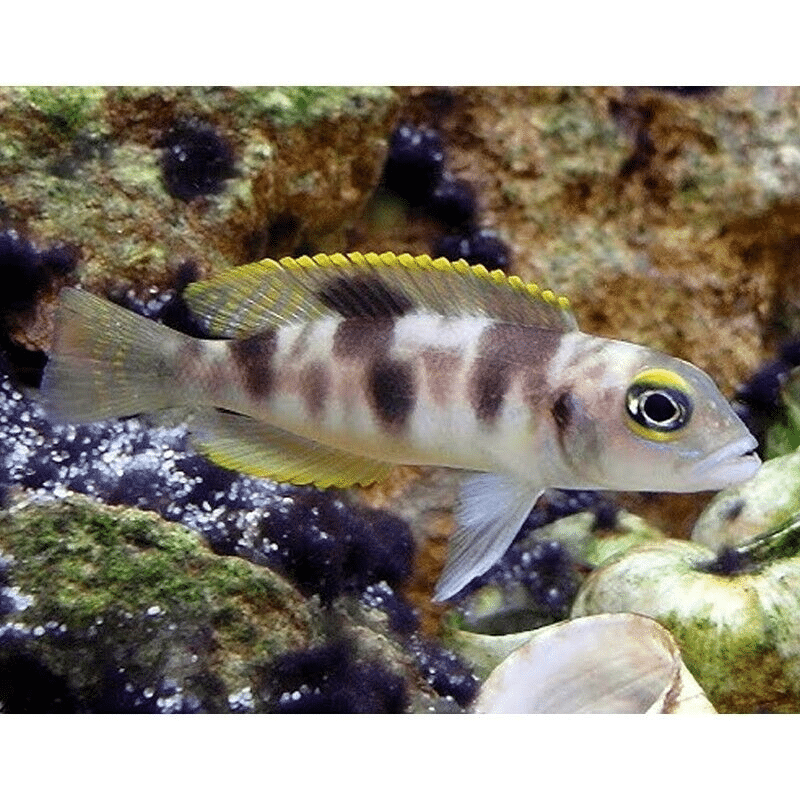
Welcome the stunning Neolamprologus Boulengeri, a vibrant Lake Tanganyika Cichlid. Known for its beautiful colors and graceful movements, this peaceful companion thrives in well-maintained aquariums. Ideal for aquarists seeking elegant inhabitants for their tropical fish tanks.
In stock

Species Introduction
The Neolamprologus Boulengeri, commonly referred to as Lepidiolamprol, is a captivating species of cichlid native to the stunning waters of Lake Tanganyika in East Africa. This species is renowned for its vibrant colors and intriguing behaviors, making it a cherished addition to freshwater aquariums. The natural habitat of the Neolamprologus Boulengeri consists of rocky substrates and clear waters, where they thrive among the crevices and caves that provide shelter and breeding grounds.
These fish exhibit a unique combination of beauty and personality, showcasing a range of colors from deep blues and yellows to striking patterns that can vary significantly among individuals. As a member of the Lake Tanganyika cichlids, they play a vital role in their ecosystem, contributing to the biodiversity of this ancient lake. Understanding their natural environment is crucial for replicating their needs in an aquarium setting, ensuring their health and happiness as aquatic companions.
Key Features – Neolamprologus Boulengeri – Lepidiolamprol
| Specification | Details |
|---|---|
| Benefits | Enhances your aquarium ecosystem |
| Quality | Premium aquarium-grade materials |
| Ease of Use | Simple setup and maintenance |
Care Requirements Dashboard
To provide a suitable home for Neolamprologus Boulengeri, it is essential to consider their specific care requirements:
- Tank Size: Minimum of 50 gallons
- pH Level: 7.8 to 9.0
- Temperature: 75°F to 82°F (24°C to 28°C)
- Water Hardness: 10 to 20 dGH
- Water Changes: 20-30% weekly
Natural Behavior & Temperament
Neolamprologus Boulengeri exhibits fascinating natural behaviors that are a joy to observe in an aquarium setting. These fish are known for their territorial nature, particularly during breeding periods. Males can become quite aggressive in defending their territory, while females tend to be more passive. In the wild, they are often found in pairs or small groups, so it is advisable to keep them in a similar social structure within the aquarium. They enjoy exploring their environment, often darting in and out of rock formations and caves, which mimics their natural habitat.
Tank Setup Guide
Creating an ideal environment for Neolamprologus Boulengeri involves careful consideration of their natural habitat. The tank should be designed to mimic the rocky shores of Lake Tanganyika, incorporating plenty of hiding spots and caves. Use a substrate of fine gravel or sand, as this allows for easy burrowing and helps to maintain water quality. Rock formations should be arranged to create caves and crevices, providing both shelter and breeding sites.
Water Quality Management
Maintaining optimal water quality is crucial for the health of Neolamprologus Boulengeri. These fish thrive in alkaline conditions, with a pH level between 7.8 and 9.0 being ideal. Regular testing of water parameters is essential to ensure that the conditions remain stable. Temperature should be kept between 75°F and 82°F (24°C to 28°C), and it is advisable to use a reliable heater to maintain consistent warmth.
Feeding & Nutrition
Feeding Neolamprologus Boulengeri requires a balanced diet to ensure optimal health and vitality. These cichlids are primarily carnivorous, and their diet should consist of high-quality pellets specifically formulated for cichlids, as well as frozen or live foods such as brine shrimp, bloodworms, and daphnia. Offering a varied diet not only enhances their coloration but also promotes healthy growth and development.
Compatibility Guide
When considering tank mates for Neolamprologus Boulengeri, it is essential to choose species that can coexist peacefully. These cichlids can exhibit territorial behavior, especially during breeding, so selecting compatible companions is key to maintaining harmony in the aquarium. Suitable tank mates include other Lake Tanganyika cichlids such as Chalinochromis brichardi, which share similar water requirements and temperaments.
Health & Wellness
The health and wellness of Neolamprologus Boulengeri are paramount for their longevity and vitality. Regular observation is essential to detect any signs of illness or stress. Common issues that may arise include ich, fin rot, and stress-related behaviors, often resulting from poor water quality or aggressive tank mates.
Breeding Information
Breeding Neolamprologus Boulengeri can be a rewarding experience for aquarists. These cichlids are mouthbrooders, meaning that the female will carry the fertilized eggs in her mouth until they hatch. To encourage breeding, it is essential to provide a suitable environment with plenty of hiding spots and caves.
Acclimation Process
Introducing Neolamprologus Boulengeri to a new aquarium requires a careful acclimation process to minimize stress and ensure a smooth transition. Start by floating the sealed bag containing the fish in the aquarium for about 15-20 minutes to equalize the temperature.
Long-term Care
Caring for Neolamprologus Boulengeri over the long term involves consistent attention to their needs and environment. These cichlids can live for several years with proper care, so establishing a routine is essential.
Natural Habitat Recreation
Recreating the natural habitat of Neolamprologus Boulengeri is essential for their well-being and happiness in captivity. This involves mimicking the rocky shores and clear waters of Lake Tanganyika, where they thrive in their natural environment.
Seasonal Care Adjustments
As seasons change, adjustments to the care of Neolamprologus Boulengeri may be necessary to ensure their continued health and happiness. During warmer months, it is essential to monitor water temperatures closely, as higher temperatures can lead to decreased oxygen levels.
Expert Tips
For aquarists seeking to provide the best care for Neolamprologus Boulengeri, several expert tips can enhance their experience. Firstly, investing in a high-quality filtration system is crucial for maintaining water quality, as these cichlids can be sensitive to changes in their environment.
Troubleshooting
Despite best efforts, issues may arise in the care of Neolamprologus Boulengeri. Common problems include aggression, poor water quality, and health issues. If aggression is observed, it may be necessary to rearrange tank decorations to disrupt established territories or consider adding more hiding spots.
Scientific Background
The Neolamprologus Boulengeri belongs to the Cichlidae family, which is known for its diverse and colorful species. This particular cichlid is part of the Lake Tanganyika cichlid group, renowned for their unique adaptations to the specific conditions of their habitat.
Advanced Care Techniques
For experienced aquarists looking to take their care of Neolamprologus Boulengeri to the next level, several advanced techniques can enhance their aquarium experience.
Frequently Asked Questions
Q: What tank size is required for Neolamprologus Boulengeri?
Neolamprologus Boulengeri, also known as the Lepidiolamprologus, thrives best in a tank of at least 100 litres. This species is naturally territorial, particularly during breeding periods, so providing ample space is crucial. A larger tank helps reduce aggression and allows for the establishment of territories. Additionally, incorporating caves and hiding spots made from rocks or driftwood will create a more natural environment, mimicking their habitat in Lake Tanganyika. Ensure to maintain a proper layout that offers both open swimming areas and sheltered spaces for the fish to retreat when feeling threatened.
✓ Expert Tip
Consider using a sandy substrate, as this mimics their natural environment and allows for natural behaviours such as digging.
Q: What water parameters do Neolamprologus Boulengeri require?
For optimal health, Neolamprologus Boulengeri requires specific water parameters. The ideal temperature range is between 24-28°C, with a pH level of 7.8 to 9.0, reflecting their natural alkaline habitat. Hard water with a hardness level of 10-20 dGH is also preferred. Regular testing of these parameters using reliable kits is essential for maintaining a stable environment. Fluctuations in water quality can lead to stress and health issues, so ensure that your aquarium is equipped with a good filtration system and perform routine water changes of approximately 25% every two weeks to maintain water quality.
✓ Expert Tip
Using a reverse osmosis (RO) system can help achieve the desired water parameters, especially in areas with soft tap water.
Q: How often should I feed Neolamprologus Boulengeri?
Feeding Neolamprologus Boulengeri should be done 2-3 times a day, with small amounts that they can consume within a few minutes. A varied diet is essential for their health; high-quality pellets, frozen or live foods such as brine shrimp, and daphnia are excellent choices. This species benefits from a protein-rich diet, especially during the breeding season, which can enhance their reproductive success. Avoid overfeeding, as uneaten food can pollute the water and lead to health issues. Regularly monitor their body condition and adjust feeding amounts accordingly to prevent obesity.
✓ Expert Tip
Incorporating occasional vegetable matter, such as spirulina flakes, can aid in maintaining digestive health.
Q: What are the best tank mates for Neolamprologus Boulengeri?
Choosing compatible tank mates for Neolamprologus Boulengeri is crucial due to their territorial nature. Ideal companions include other cichlids from Lake Tanganyika, such as Cyprichromis and Julidochromis species. However, avoid aggressive or overly large fish that may intimidate them. It’s advisable to maintain a ratio of one male to several females to reduce aggression. Introducing tank mates simultaneously can help establish a peaceful environment. Additionally, providing plenty of hiding spots will allow all species to feel secure and minimise territorial disputes.
✓ Expert Tip
Consider the size of your aquarium when selecting tank mates, as overcrowding can lead to stress and aggression.
Q: How do I properly acclimatise Neolamprologus Boulengeri to my aquarium?
Acclimatising Neolamprologus Boulengeri is vital to ensure their health and reduce stress. Start by floating the sealed bag containing the fish in your aquarium for about 15-20 minutes to equalise the temperature. Then, gradually introduce aquarium water into the bag over the next hour, using a small cup to transfer water. This process helps the fish adjust to the new water chemistry. Once acclimatised, gently place the fish into the tank using a net to avoid adding bag water, which may contain harmful substances. Always monitor their behaviour closely for signs of stress or illness after introducing them.
✓ Expert Tip
Performing acclimatisation in dim lighting can help reduce stress during the transition.
Q: What are the signs of healthy Neolamprologus Boulengeri?
Healthy Neolamprologus Boulengeri exhibit vibrant colours and active behaviour. They should swim confidently and interact with their environment and tank mates. Look for clear eyes, intact fins, and a healthy appetite as indicators of good health. Additionally, they should not display signs of stress, such as excessive hiding or aggression towards other fish. Regular observation is essential; if you notice any behavioural changes, such as lethargy or loss of appetite, it may indicate underlying health issues. Early detection is key to effective treatment.
✓ Expert Tip
Regular water quality checks will help maintain a healthy environment, contributing to the overall well-being of your fish.
Q: How do I successfully breed Neolamprologus Boulengeri?
Breeding Neolamprologus Boulengeri requires careful planning and optimal conditions. Firstly, ensure you have a breeding pair, which can be identified by their behaviour; males are typically larger and more dominant. Provide a breeding site, such as a flat rock or cave, where the female can lay eggs. Maintain stable water conditions and a temperature of around 26-28°C. After spawning, the female will guard the eggs, and it’s essential to provide plenty of hiding spots for the fry once they hatch. Feed them infusoria or finely crushed flakes to support their growth. Regular monitoring is crucial to ensure the health of both the parents and the fry.
✓ Expert Tip
Be prepared to separate the fry if aggression arises, as adult fish may view them as intruders in their territory.
Q: What temperature should I maintain for Neolamprologus Boulengeri?
The optimal temperature range for Neolamprologus Boulengeri is between 24-28°C. Maintaining this temperature is crucial for their metabolic processes and overall health. Sudden fluctuations can lead to stress and increased susceptibility to diseases. It is advisable to use a reliable aquarium heater equipped with a thermostat to ensure a stable environment. Regularly check the temperature with a high-quality thermometer to avoid any discrepancies. Additionally, ensure that the heater is appropriately rated for the size of your aquarium to maintain the desired temperature effectively.
✓ Expert Tip
Place the heater near the filter outlet for even heat distribution throughout the tank.
Q: How long do Neolamprologus Boulengeri typically live in captivity?
With proper care, Neolamprologus Boulengeri can live for 8-12 years in captivity. Their lifespan is significantly influenced by the quality of care they receive, including water parameters, diet, and overall tank environment. Providing a stable and clean habitat, along with a balanced diet, will contribute to their longevity. Regular health checks and prompt action to address any issues can also enhance their lifespan. Observing their behaviour and physical condition can help you identify any potential health concerns early.
✓ Expert Tip
Consider keeping a detailed log of water parameters and any health observations to track changes over time.
Q: What type of substrate is most suitable for Neolamprologus Boulengeri?
Neolamprologus Boulengeri prefers a sandy substrate, which closely resembles their natural habitat in Lake Tanganyika. A finer grain substrate allows them to exhibit natural behaviours such as digging and burrowing, which is essential for their comfort and well-being. Avoid sharp or coarse substrates that could injure their delicate fins. A depth of at least 5-10 cm is recommended to facilitate their digging activities. Additionally, incorporating smooth rocks and caves can enhance the aesthetic appeal of the aquarium while providing essential hiding spots for these fish.
✓ Expert Tip
Rinsing the substrate thoroughly before adding it to the aquarium helps remove any dust or contaminants that could affect water quality.
Q: What behavioural patterns should I expect from Neolamprologus Boulengeri?
Neolamprologus Boulengeri exhibit unique and fascinating behaviour patterns. They are known for their territorial nature, especially males during breeding periods. You may observe them patrolling their designated area, displaying aggressive postures towards perceived intruders. They often engage in digging and rearranging substrate, which is part of their natural behaviour. When kept in pairs, they can display bonding behaviours, including mutual cleaning and swimming together. It is essential to provide ample hiding spots to allow them to retreat and feel secure, helping to reduce stress and aggression.
✓ Expert Tip
Observing their behaviour closely can provide insights into their health and well-being, allowing for timely interventions if necessary.
Q: How can I prevent common diseases in Neolamprologus Boulengeri?
Preventing diseases in Neolamprologus Boulengeri involves maintaining a stable and clean aquarium environment. Regular water changes and monitoring water parameters are key practices. Ensure that your filtration system is appropriately sized for the tank and replace filter media as needed. Quarantining new arrivals before introducing them to the main tank can prevent the spread of diseases. Additionally, providing a balanced diet rich in nutrients will enhance their immune systems. Be vigilant for signs of stress or illness, such as changes in appetite or behaviour, and address any issues promptly to prevent escalation.
✓ Expert Tip
Consider adding aquarium salt to the water in small amounts during stressful situations, as it can help alleviate stress and promote healing.
Q: What lighting conditions do Neolamprologus Boulengeri prefer?
Neolamprologus Boulengeri thrive under moderate lighting conditions. They benefit from a light cycle of approximately 10-12 hours per day, which mimics their natural habitat. Avoid overly bright lighting, as it can cause stress and encourage hiding behaviour. Using a combination of ambient and spot lighting can create a more natural environment. Additionally, incorporating shaded areas with rocks and plants can provide refuge and help them feel secure. Regularly check the lighting equipment to ensure it functions correctly and replace bulbs as needed to maintain optimal brightness.
✓ Expert Tip
Using a timer can help maintain a consistent light cycle, which is beneficial for the overall health of your aquarium.
Q: How do I recognise stress in Neolamprologus Boulengeri?
Recognising stress in Neolamprologus Boulengeri is vital for maintaining their health. Signs of stress may include excessive hiding, loss of appetite, and aggressive behaviour towards tank mates. Additionally, they may exhibit rapid gill movement or darting around the tank. Changes in colouration, such as dulling of their vibrant hues, can also indicate stress. Providing a stable environment with appropriate tank mates and hiding spots can help alleviate stress. If you observe these signs, assess water parameters and tank conditions to identify and resolve any underlying issues promptly.
✓ Expert Tip
Regularly interacting with your fish and observing their behaviours can help you identify changes more effectively.
Q: What natural habitat conditions should I replicate for Neolamprologus Boulengeri?
To ensure Neolamprologus Boulengeri thrive, it is essential to replicate their natural habitat from Lake Tanganyika. This includes maintaining slightly alkaline water with a pH of 7.8 to 9.0 and a temperature range of 24-28°C. A sandy substrate with plenty of rocks and caves is crucial, as they naturally inhabit rocky areas and require hiding spots for comfort. Additionally, moderate water movement mimics their natural environment, so incorporating a gentle filter can help. Regular water changes are necessary to maintain clean conditions, and monitoring water parameters will contribute to their overall well-being.
✓ Expert Tip
Researching the natural behaviour and habitat of Neolamprologus Boulengeri can provide further insights into creating an ideal environment.
1 review for Neolamprologus Boulengeri – Lepidiolamprol
Add a review
Related products




Emily Carter (verified owner) –
I recently added the Neolamprologus Boulengeri to my Lake Tanganyika cichlid aquarium, and I couldn’t be happier! These fish are absolutely captivating and bring such personality to the tank. After just two weeks, I noticed their vibrant colors have intensified, showcasing their beauty. The way they interact with each other is fascinating. I’ve kept a variety of freshwater fish, but these cichlids stand out with their unique behaviors and social dynamics.
I initially considered other cichlids, but the Boulengeri’s adaptability and striking appearance tipped the scales for me. They are much more engaging than some of the more common species I’ve tried. One minor concern is that they can be a bit territorial, so I’d recommend providing plenty of hiding spots and space for each fish.
Overall, I think these tropical fish would be perfect for any hobbyist looking to add a bit of excitement to their setup. They’ve truly become the stars of my aquarium, and I can’t wait to see them thrive! This purchase has certainly enriched my passion for fishkeeping.