Species Introduction
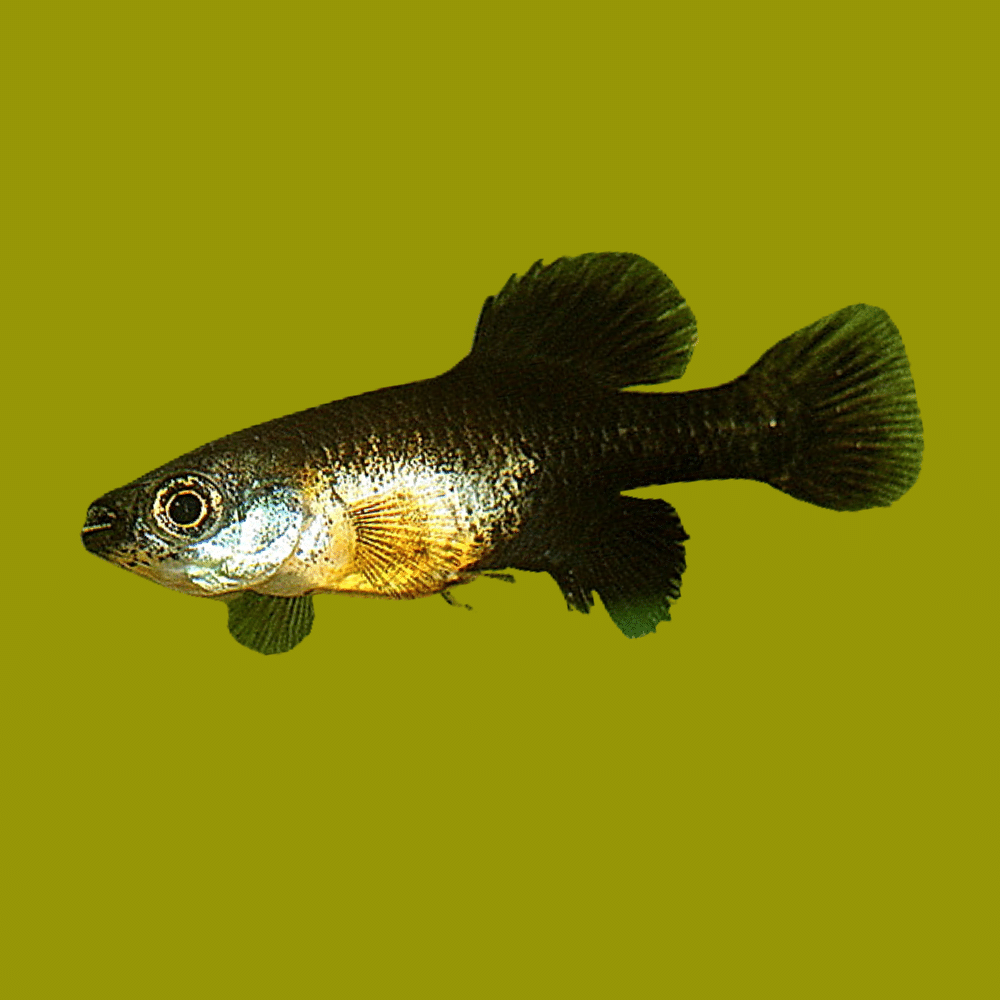
Welcome these beautiful creatures, the Neotoca Bilineata Female, commonly known as the Twoline Skiffia or Butterfly Splitfin. This captivating species of freshwater fish belongs to the Goodeid family and is native to the warm, shallow waters of Mexico. These elegant livebearers thrive in various aquatic environments, from slow-moving streams to lush ponds. Found primarily in Michoacán and Guerrero, the Neotoca Bilineata is recognized for its striking coloration and peaceful demeanor, making it a popular choice among aquarists. Understanding their origin and natural habitat is crucial for providing the best care and ensuring their well-being in your aquarium.
Key Features – Neotoca Bilineata Female – Twoline Skiffia – Goodeid – Livebearer
| Specification | Details |
|---|---|
| Benefits | Enhances your aquarium ecosystem |
| Quality | Premium aquarium-grade materials |
| Ease of Use | Simple setup and maintenance |
Care Requirements Dashboard
To successfully care for Neotoca Bilineata, it is essential to create an environment that mimics their natural habitat. The recommended tank size for a small group is at least 20 gallons, providing ample swimming space and territories. Water parameters should be carefully monitored, with a pH range of 6.5 to 8.0, a temperature between 70°F to 80°F, and a hardness of 5 to 15 dGH. These fish are considered easy to care for, making them suitable for beginner aquarists. Regular water changes of 25% every two weeks will help maintain water quality and promote a healthy environment for your aquatic companions. Additionally, incorporating live plants and hiding spots will enhance their well-being and reduce stress levels.
✓ Care Level: Easy
✓ Ideal for beginner aquarists
Natural Behavior & Temperament
The Neotoca Bilineata is known for its peaceful and sociable nature, making it an excellent addition to community tanks. These fish are active swimmers, often seen darting around the tank in search of food and exploring their surroundings. They thrive in groups, so it is advisable to keep them in schools of at least five to six individuals. Their social behavior can be quite entertaining, as they interact with one another and establish a hierarchy within the group. However, it is important to avoid housing them with overly aggressive species, as this can lead to stress and health issues. Overall, their friendly disposition and lively antics make them a joy to observe in any aquarium setting.
Tank Setup Guide
Creating the ideal environment for Neotoca Bilineata involves replicating their natural habitat as closely as possible. A well-planted tank with plenty of hiding spots will help these fish feel secure and reduce stress. Use a fine substrate, such as sand or small gravel, to mimic the riverbeds they are accustomed to. Incorporating driftwood, rocks, and live plants like Java fern and Anubias will not only enhance the aesthetic appeal of your aquarium but also provide essential hiding spots for your fish friends. Ensure that the tank is well-cycled before introducing them, as stable water parameters are crucial for their health. Additionally, consider adding a gentle filtration system to maintain water clarity and quality without creating strong currents that could disturb these delicate swimmers.
Water Quality Management
Maintaining optimal water quality is vital for the health and longevity of Neotoca Bilineata. Regular testing of water parameters is essential to ensure they remain within the recommended ranges. The ideal pH should be between 6.5 and 8.0, with a temperature range of 70°F to 80°F. Hardness levels should be maintained between 5 to 15 dGH. To achieve this, invest in a reliable water testing kit and perform regular water changes of at least 25% bi-weekly. This practice will help eliminate harmful toxins and replenish essential minerals in the water. Additionally, consider using a high-quality water conditioner to remove chlorine and chloramines from tap water before adding it to the tank. By prioritizing water quality management, you can create a thriving environment for your aquatic companions.
Feeding & Nutrition
Neotoca Bilineata is an omnivorous species that thrives on a varied diet. To ensure their health and vitality, provide a balanced mix of high-quality flake food, pellets, and live or frozen foods such as brine shrimp, daphnia, and bloodworms. A diet rich in protein will support their growth and enhance their coloration. Feed them small amounts two to three times a day, ensuring that they consume all food within a few minutes to prevent water quality issues. Additionally, incorporating plant matter into their diet, such as spirulina flakes or blanched vegetables like zucchini, will provide essential nutrients and promote digestive health. By offering a diverse diet, you can ensure that your Neotoca Bilineata remain healthy and vibrant.
Important Feeding Note
Avoid overfeeding, as this can lead to obesity and water quality issues.
Compatibility Guide
When selecting tank mates for Neotoca Bilineata, it is essential to choose peaceful species that share similar water parameter requirements. Ideal companions include other Goodeid species, small tetras, rasboras, and peaceful barbs. Avoid housing them with aggressive or fin-nipping fish, as this can lead to stress and potential injury. Additionally, it is important to consider the size of the tank and the number of fish to prevent overcrowding, which can lead to territorial disputes. By carefully selecting compatible tank mates, you can create a harmonious community that allows your Neotoca Bilineata to thrive.
Health & Wellness
Maintaining the health and wellness of your Neotoca Bilineata involves regular monitoring for signs of illness and stress. Common health issues include ich, fin rot, and swim bladder disorders. To prevent these problems, ensure that water quality is consistently high and that the tank is properly maintained. Regularly observe your fish for any changes in behavior, such as lethargy, loss of appetite, or unusual swimming patterns, as these can indicate underlying health issues. If you notice any signs of illness, it is crucial to isolate the affected fish and seek appropriate treatment. By prioritizing their health and wellness, you can help your Neotoca Bilineata live a long and happy life.
Breeding Information
Breeding Neotoca Bilineata can be a rewarding experience for aquarists. This livebearer species typically breeds readily in captivity, given the right conditions. To encourage breeding, maintain a stable environment with optimal water parameters and provide plenty of hiding spots for the pregnant females. The gestation period lasts approximately four to six weeks, after which females will give birth to live fry. It is essential to separate the fry from adult fish to prevent predation. Feed the fry a diet of finely crushed flakes or specialized fry food to ensure proper growth. By understanding their breeding behavior and providing the necessary care, you can successfully raise the next generation of Neotoca Bilineata.
Acclimation Process
Introducing Neotoca Bilineata to a new aquarium requires careful acclimation to minimize stress and ensure a smooth transition. Begin by floating the sealed bag containing the fish in the aquarium for about 15-20 minutes to equalize the temperature. After this, gradually introduce small amounts of tank water into the bag every 5-10 minutes for about an hour. This process will help the fish adjust to the new water chemistry. Once acclimated, gently release the fish into the tank using a net to avoid adding any transport water that may contain harmful substances. By following these steps, you can help your Neotoca Bilineata adapt to their new home with minimal stress.
Long-term Care
The average lifespan of Neotoca Bilineata is around 3 to 5 years, depending on the quality of care provided. To ensure their long-term health, focus on maintaining stable water parameters, providing a balanced diet, and monitoring for signs of illness. Regular water changes and tank maintenance will help keep the environment clean and healthy. Additionally, providing enrichment through plants and decorations will promote natural behaviors and reduce stress. By committing to their care and well-being, you can enjoy the beauty and companionship of Neotoca Bilineata for many years to come.
Natural Habitat Recreation
Creating a biotope that reflects the natural habitat of Neotoca Bilineata can enhance their well-being and provide a more enriching environment. Focus on replicating the shallow, warm waters they inhabit in the wild, using sandy substrates, smooth stones, and driftwood to create hiding spots and territories. Incorporate live plants that mimic their natural surroundings, such as Vallisneria or Hornwort, to provide cover and promote natural behaviors. By recreating their natural habitat, you can help your Neotoca Bilineata thrive and exhibit their natural behaviors.
Seasonal Care Adjustments
As seasons change, it is important to adjust the care routine for Neotoca Bilineata to ensure their comfort and health. During warmer months, monitor the water temperature closely and consider using a fan or heater to maintain stability. In colder months, ensure that the tank is adequately heated to prevent temperature fluctuations that could stress the fish. Additionally, consider the lighting schedule, as longer days in summer may require adjustments to prevent excessive algae growth. By being attentive to seasonal changes, you can provide optimal care for your Neotoca Bilineata throughout the year.
Expert Tips
For those looking to enhance their experience with Neotoca Bilineata, consider implementing some expert tips for optimal care. Regularly observe your fish for signs of stress or illness, and be proactive in addressing any issues that arise. Additionally, consider creating a varied diet that includes both dry and live foods to promote health and vitality. Incorporating a small number of shrimp or snails can also help maintain tank cleanliness and provide additional food sources. By applying these expert tips, you can create a thriving environment for your Neotoca Bilineata and enjoy their vibrant presence in your aquarium.
Troubleshooting
If you encounter any issues with your Neotoca Bilineata, it is important to troubleshoot effectively to ensure their well-being. Common problems include stress from aggressive tank mates, poor water quality, and dietary deficiencies. If your fish are displaying signs of stress, such as hiding or erratic swimming, assess the tank environment and make necessary adjustments. Regular water testing can help identify any chemical imbalances that may be affecting their health. By addressing these issues promptly, you can help your Neotoca Bilineata thrive and maintain a healthy aquarium.
Scientific Background
The Neotoca Bilineata belongs to the Goodeidae family, which is known for its unique reproductive methods and diverse range of species. This family of fish is primarily found in freshwater habitats in Mexico and Central America. The Goodeids are notable for their livebearing reproduction, where females give birth to fully formed fry rather than laying eggs. This adaptation allows for greater survival rates in their natural environments. Understanding the scientific background of Neotoca Bilineata can enhance your appreciation for these remarkable fish and inform your care practices.
Advanced Care Techniques
For experienced aquarists looking to take their care of Neotoca Bilineata to the next level, consider implementing advanced techniques such as selective breeding for specific traits or creating a more complex biotope that mimics their natural environment. Additionally, experimenting with different feeding regimes can help optimize their health and coloration. Regularly engaging in water parameter testing and adjusting as necessary will ensure a stable environment. By applying these advanced care techniques, you can foster a thriving community of Neotoca Bilineata and deepen your understanding of their needs.
Frequently Asked Questions
Q: What tank size is required for the Neotoca Bilineata female?
The Neotoca Bilineata, or Twoline Skiffia, thrives best in a tank of at least 60 litres. This size provides ample swimming space and allows for the establishment of territories, which is essential for their comfort and well-being. When setting up the tank, it is advisable to include plenty of hiding spots and plants, as these fish enjoy exploring and seeking refuge. A larger tank also helps maintain stable water parameters, which is crucial for their health.
✓ Expert Tip
Consider creating a biotope setup that mimics their natural habitat, where they are found in slow-moving waters with abundant vegetation. This will enhance their natural behaviour and overall well-being.
Q: What water parameters do Neotoca Bilineata require?
Neotoca Bilineata prefers slightly acidic to neutral water, ideally with a pH range of 6.5 to 7.5. The temperature should be maintained between 22°C to 26°C, with a gentle water flow. Regular water changes of 10-15% weekly are essential to keep water quality high, as they are sensitive to poor conditions. Ammonia and nitrite levels should always be at zero, while nitrate should be kept below 20 mg/L for optimal health.
✓ Expert Tip
Invest in a reliable water testing kit to monitor these parameters regularly, ensuring your aquatic companions remain healthy and vibrant.
Q: How often should I feed Neotoca Bilineata?
Feeding Neotoca Bilineata should be done 2-3 times a day with small amounts of high-quality flake or pellet food, supplemented with live or frozen foods such as daphnia or brine shrimp. This ensures they receive a varied diet, which is crucial for their health and colouration. Overfeeding can lead to water quality issues, so it is advisable to only provide what they can consume in a few minutes.
✓ Expert Tip
Consider using a feeding ring to prevent food from floating away, ensuring that all fish can access their meal without competition.
Q: What are the best tank mates for Neotoca Bilineata?
Neotoca Bilineata is generally peaceful and can be housed with other small, non-aggressive fish. Ideal tank mates include other Goodeids, small tetras, and rasboras. Avoid larger or overly aggressive species that may stress them. It’s advisable to introduce tank mates gradually and monitor interactions closely, especially during the initial acclimatisation period.
✓ Expert Tip
Adding plants and decorations can provide hiding spots, reducing stress and aggression among tank mates.
Q: How do I properly acclimatise Neotoca Bilineata to my aquarium?
Acclimatisation is crucial for the health of Neotoca Bilineata. Start by floating the sealed bag in the tank for about 15-20 minutes to equalise the temperature. After that, gradually introduce tank water into the bag over the next hour. This method helps them adjust to the water parameters of your aquarium without causing shock. Once acclimatised, gently release them into the tank using a net to avoid adding bag water.
✓ Expert Tip
Avoid pouring the bag water into your tank, as it may contain harmful substances or pathogens.
Q: What are the signs of healthy Neotoca Bilineata?
Healthy Neotoca Bilineata exhibit vibrant colouration and clear, bright eyes. They should swim actively and exhibit natural behaviours, such as foraging and exploring their environment. Look for signs of distress, such as hiding excessively, lethargy, or any unusual swimming patterns, which may indicate stress or illness. Regular monitoring can help you catch any potential issues early.
✓ Expert Tip
Keep an eye on their fins; any fraying or clamping can indicate health issues that need addressing.
Q: How do I successfully breed Neotoca Bilineata?
Breeding Neotoca Bilineata can be rewarding, as they are livebearers. Create a breeding tank with soft, slightly acidic water and plenty of plants for cover. Males will display courtship behaviour to attract females. Once pregnant, females will give birth to live fry after a gestation period of about 4-6 weeks. Provide fine foods like infusoria or crushed flakes for the fry to ensure their growth.
✓ Expert Tip
Consider using a breeding trap to protect the fry from being eaten by adults, as these fish can be quite opportunistic.
Q: What temperature should I maintain for Neotoca Bilineata?
The ideal temperature for Neotoca Bilineata ranges between 22°C to 26°C. Maintaining a stable temperature is vital for their health, so utilise a reliable heater and thermometer to monitor conditions. Sudden fluctuations can lead to stress and susceptibility to diseases. It’s best to keep the tank in a stable environment away from direct sunlight and drafts, which can cause temperature changes.
✓ Expert Tip
Use a heater with a thermostat for precise temperature control, ensuring a comfortable environment for your aquatic companions.
Q: How long do Neotoca Bilineata typically live in captivity?
Under optimal conditions, Neotoca Bilineata can live for 3 to 5 years in captivity. Providing a spacious tank with stable water parameters, a healthy diet, and regular maintenance will contribute to their longevity. Regular monitoring for signs of illness and stress can also help ensure a long and healthy life for your fish friends.
✓ Expert Tip
Keep a log of your tank maintenance and fish health to track any changes over time, helping you to provide the best care possible.
Q: What type of substrate is most suitable for Neotoca Bilineata?
A fine sand or soft gravel substrate is most suitable for Neotoca Bilineata, as it allows them to forage naturally without harming their delicate fins. Avoid sharp or coarse substrates that could injure them. Additionally, having a substrate that supports plant growth can enhance the aesthetic of the aquarium and provide natural hiding places, which the fish appreciate.
✓ Expert Tip
Consider adding a layer of leaf litter on top of the substrate to mimic their natural habitat and provide additional foraging opportunities.
Q: What behavioural patterns should I expect from Neotoca Bilineata?
Neotoca Bilineata exhibits lively and inquisitive behaviour. They are known to be social creatures, often seen swimming in groups and exploring their environment. Males may display territorial behaviours, especially during breeding, but they are generally peaceful. Providing ample hiding spots and plants will encourage natural behaviours and reduce stress, allowing them to thrive in your aquarium.
✓ Expert Tip
Observing their interactions can be fascinating; spend time watching them to appreciate their unique personalities and behaviours.
Q: How can I prevent common diseases in Neotoca Bilineata?
Preventing diseases in Neotoca Bilineata involves maintaining optimal water quality, providing a balanced diet, and avoiding overcrowding. Regular water changes and tank cleaning are essential to prevent the build-up of harmful bacteria and parasites. Quarantining new arrivals before introducing them to the main tank can also help prevent the spread of diseases.
✓ Expert Tip
Keep an eye out for any signs of illness, such as abnormal swimming patterns or loss of colour, and address any issues promptly to ensure the health of your aquatic companions.
Q: What lighting conditions do Neotoca Bilineata prefer?
Neotoca Bilineata thrives under moderate lighting conditions, which mimic their natural habitat. A 10-12 hour light cycle is ideal, as it promotes healthy plant growth and brings out their vibrant colours. Avoid intense lighting, as it may cause stress or encourage excessive algae growth. Incorporating floating plants can also provide shaded areas, helping to create a comfortable environment.
✓ Expert Tip
Consider using a timer for your aquarium lights to maintain a consistent light cycle, promoting a stable environment for your fish friends.
Q: How do I recognise stress in Neotoca Bilineata?
Signs of stress in Neotoca Bilineata can include erratic swimming, hiding frequently, or displaying clamped fins. Changes in colour, such as fading or darkening, can also indicate distress. Monitoring their behaviour closely and ensuring optimal water conditions, diet, and tank mates can help mitigate stress. If you notice these signs, it may be necessary to evaluate the environment and make adjustments accordingly.
✓ Expert Tip
Creating a well-planted tank with hiding spots can help reduce stress levels and promote a more natural behaviour.
Q: What natural habitat conditions should I replicate for Neotoca Bilineata?
In the wild, Neotoca Bilineata inhabit slow-moving waters with plenty of vegetation. To replicate this environment, ensure your aquarium has ample plants, driftwood, and rocks for hiding and foraging. The substrate should be soft, and water conditions should be slightly acidic to neutral. Maintaining stable temperatures and gentle water flow will further mimic their natural habitat, making them feel at home in your aquarium.
✓ Expert Tip
Adding leaf litter can enhance the tank’s natural appearance and provide additional foraging opportunities for your fish friends.
Emily Harper (verified owner) –
As an aquarium hobbyist, I can’t express enough how wonderful the Neotoca Bilineata females are! I received mine about two months ago, and they’ve truly brought my setup to life. Not only are they visually stunning with their delicate colors, but their temperament is perfect for a community tank. I initially added them to a 20-gallon freshwater aquarium, and their active behavior has captivated both me and my guests.
I appreciate that these livebearers are quite hardy and have a manageable lifespan, staying healthy even with a few beginner mistakes on my part. Compared to other livebearers I’ve had, like guppies, these little ones seem much more resilient and engaging. One minor concern: they can be a bit shy at first, so giving them plenty of plants and hiding spots really helps them feel secure.
If you’re looking for tropical fish that thrive in a community setting, I highly recommend the Neotoca Bilineata. They’ve added so much joy to my aquarium experience, and I can see myself buying more in the future! Plus, the shipping was fast and everything arrived in great condition. Just remember to acclimate them slowly to avoid stress!