
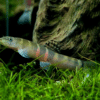
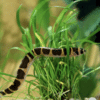
Blue Red Fin Loach – Yasuhikotakia Modesta – Botia
Original price was: £40.99.£34.84Current price is: £34.84.
Welcome the stunning Premium Blue Red Fin Loach Yasuhikotakia Modesta Botia into your aquarium. With vibrant blue and red fins, these peaceful companions thrive in well-maintained environments. Ideal for intermediate aquarists, they flourish for 8-10 years with proper care.
In stock


Species Introduction
The Premium Blue Red Fin Loach, scientifically known as Yasuhikotakia modesta, is a captivating freshwater fish that enchants aquarists with its striking coloration and playful demeanor. Originating from the lush waters of Southeast Asia, particularly in regions like Thailand and Cambodia, this species thrives in slow-moving rivers and streams adorned with dense vegetation and natural debris. The Premium Blue Red Fin Loach is characterized by its elongated, slender body that can reach a maximum length of approximately 10 cm, making it an ideal inhabitant for a variety of aquarium sizes. Its vibrant blue and red fins, coupled with a subtle striped pattern along its body, create a visually stunning aquatic companion that adds life and color to any freshwater aquarium setup.
Care Requirements Dashboard
| Optimal Living Conditions | |
|---|---|
| Water Temperature | 24-27°C (75-81°F) |
| pH Level | 6.5-7.5 |
| Water Hardness | 4-12 dKH |
| Minimum Tank Size | 80L (20 gal) |
| Salinity | Freshwater |
| Care Level | Beginner Friendly |
✓ Care Level: Easy
Tank Size: Minimum 20 gallons
Water Temperature: 24-28°C (75-82°F)
pH Level: 6.0-7.5
Water Hardness: 5-15 dGH
This species is relatively easy to care for, making it a perfect choice for both novice and experienced aquarists. A minimum tank size of 20 gallons is recommended to provide ample swimming space and hiding spots, which are essential for their comfort and well-being. Maintaining a stable water temperature between 24-28°C (75-82°F) is crucial, as fluctuations can lead to stress and health issues. The pH level should be kept between 6.0 and 7.5, while water hardness should range from 5 to 15 dGH. Regular water changes and filtration will help maintain optimal water quality, ensuring a healthy environment for your Premium Blue Red Fin Loach.
Natural Behavior & Temperament
The Premium Blue Red Fin Loach is known for its active and playful nature, often seen darting around the aquarium in search of food or exploring its surroundings. These fish are bottom dwellers, which means they prefer to inhabit the lower levels of the tank where they can forage for food among the substrate and decorations. They exhibit a peaceful temperament, making them excellent community fish that can coexist harmoniously with a variety of tank mates. However, it is essential to provide them with plenty of hiding spots and structures, such as caves, driftwood, and plants, to ensure they feel secure in their environment. Their social behavior is enhanced when kept in groups of at least five or more, as they thrive on the companionship of their own kind.
Tank Setup Guide
Creating an ideal environment for your Premium Blue Red Fin Loach involves replicating their natural habitat as closely as possible. Begin with a substrate that mimics the soft, sandy bottoms of their native waters; fine gravel or sand is recommended to ensure their comfort. Incorporate plenty of decorations such as driftwood, rocks, and live plants to provide hiding spots and create a sense of security. Plants like Java Fern, Anubias, and Cryptocoryne are excellent choices, as they not only enhance the aesthetic appeal of the tank but also offer shelter for these shy fish. Ensure that the tank is well-filtered to maintain water quality, but avoid strong currents that may stress your loaches. A gentle filtration system will help keep the water clean while mimicking the slow-moving waters they are accustomed to.
Water Quality Management
✓ Good Water Quality
pH: 6.0-7.5
Temperature: 24-28°C (75-82°F)
Hardness: 5-15 dGH
Maintaining optimal water quality is vital for the health and well-being of your Premium Blue Red Fin Loach. Regular water testing is essential to monitor parameters such as pH, temperature, and hardness. A stable pH level between 6.0 and 7.5 is ideal, as this range closely resembles their natural habitat. The water temperature should be kept consistently between 24-28°C (75-82°F) to prevent stress and promote healthy activity levels. Additionally, water hardness should be maintained between 5 and 15 dGH, as this range supports their physiological needs. Performing regular water changes of 20-30% weekly will help remove toxins and maintain a clean environment, ensuring your loaches thrive.
Feeding & Nutrition
The Premium Blue Red Fin Loach is an omnivorous fish that enjoys a varied diet, which is essential for their health and vitality. In the wild, they forage for small invertebrates, plant matter, and detritus, so it’s important to replicate this diverse diet in captivity. High-quality sinking pellets or wafers designed for bottom feeders are an excellent staple food. Additionally, supplement their diet with frozen or live foods such as bloodworms, brine shrimp, and daphnia, which will enhance their coloration and promote healthy growth. Feeding should occur once or twice a day, with only as much food as they can consume within a few minutes to prevent overfeeding and water quality issues. It’s also beneficial to provide blanched vegetables like zucchini or spinach occasionally, as these will contribute to their overall well-being and digestive health.
Compatibility Guide
✓ Peaceful Community Fish
Compatible Tank Mates: Tetras, Rasboras, Gouramis
Avoid: Aggressive species, larger cichlids
The Premium Blue Red Fin Loach is known for its peaceful nature, making it an excellent addition to community tanks. Suitable tank mates include small to medium-sized fish such as Tetras, Rasboras, and Gouramis, which share similar water requirements and temperaments. However, it is crucial to avoid housing them with aggressive species or larger cichlids that may view them as prey. When creating a community tank, ensure that there is ample space and hiding spots to reduce stress and territorial disputes. Keeping them in groups of five or more will also enhance their social behavior, as they feel more secure and exhibit natural schooling tendencies.
Health & Wellness
Maintaining the health and wellness of your Premium Blue Red Fin Loach involves regular monitoring and preventive care. Common health issues include ich, fin rot, and parasitic infections, which can arise from poor water quality or stress. Signs of illness may include lethargy, loss of appetite, or visible changes in appearance, such as frayed fins or spots on the body. To prevent these issues, ensure that water parameters are stable and perform regular water changes. Quarantine any new fish before introducing them to the main tank to avoid spreading diseases. Additionally, providing a balanced diet and minimizing stress through proper tank conditions will contribute to their overall health. If health issues arise, consult a knowledgeable aquarist or veterinarian for appropriate treatment options.
Breeding Information
Breeding the Premium Blue Red Fin Loach can be a rewarding experience, although it may require specific conditions to encourage spawning. These fish are known to be egg scatterers, meaning they will lay their eggs among plants or substrate. To initiate breeding, it is essential to maintain optimal water quality and provide a well-planted tank with plenty of hiding spots. A slight increase in temperature and a change in lighting can also stimulate spawning behavior. Once the eggs are laid, it is advisable to remove the adult fish from the breeding tank to prevent them from eating the eggs. The eggs typically hatch within 24-48 hours, and the fry will require infusoria or finely crushed flakes until they are large enough to eat small pellets. Providing a separate rearing tank for the fry will help ensure their survival and growth.
Acclimation Process
✓ Important Acclimation Steps
Temperature Adjustment: Gradual acclimation over 1-2 hours
Avoiding Shock: Float the bag in the tank
When introducing your Premium Blue Red Fin Loach to a new aquarium, it is crucial to acclimate them properly to minimize stress and shock. Begin by floating the sealed bag containing the fish in the tank for about 15-20 minutes to equalize the temperature. After this, gradually add small amounts of tank water into the bag every 10 minutes for 1-2 hours. This process allows the fish to adjust to the new water parameters slowly. Once acclimated, gently release the fish into the tank using a net to avoid adding any transport water that may contain harmful substances. Proper acclimation will help ensure a smooth transition for your new aquatic friend, promoting a healthy start in their new home.
Long-term Care
Caring for your Premium Blue Red Fin Loach involves understanding their long-term needs and growth expectations. In a well-maintained aquarium, these fish can live for several years, often reaching a lifespan of 5-10 years with proper care. As they grow, it is essential to monitor their health and adjust their diet accordingly to ensure they receive the necessary nutrients for growth and vitality. Regular water quality checks, routine maintenance, and a balanced diet will contribute to their longevity. Additionally, providing an enriched environment with plenty of hiding spots and companions will help reduce stress and promote natural behaviors, ensuring a happy and healthy life for your loach.
Natural Habitat Recreation
✓ Creating a Natural Biotope
Substrate: Fine gravel or sand
Plants: Java Fern, Anubias, Cryptocoryne
Decorations: Driftwood and rocks
To create a natural habitat for your Premium Blue Red Fin Loach, focus on replicating the conditions found in their native waters. Begin with a substrate that resembles the soft, sandy bottoms of rivers and streams, such as fine gravel or sand. Incorporate a variety of live plants like Java Fern, Anubias, and Cryptocoryne, which provide both aesthetic appeal and essential hiding spots for your loaches. Adding driftwood and rocks will not only enhance the tank’s appearance but also create territories and shelter for your fish friends. This biotope setup will encourage natural behaviors, reduce stress, and promote a thriving ecosystem within your aquarium.
Seasonal Care Adjustments
As seasons change, it is important to adjust your care routine for your Premium Blue Red Fin Loach to accommodate varying environmental conditions. During warmer months, ensure that the water temperature does not exceed the upper limit of 28°C (82°F) by monitoring the tank closely and utilizing fans or chillers if necessary. Conversely, in cooler months, maintain a stable temperature within the recommended range to prevent stress. Additionally, consider adjusting the lighting duration to mimic natural daylight cycles, which can influence the loach’s activity levels and breeding behaviors. Seasonal adjustments to feeding routines may also be beneficial, as fish may require different nutritional needs based on their activity levels and growth stages.
Expert Tips
✓ Professional Advice
Consider adding a protein-rich food during breeding season.
Maintain a varied diet for optimal health.
Regularly check for signs of stress or illness.
For those looking to provide the best care for their Premium Blue Red Fin Loach, consider these expert tips. During breeding season, adding a protein-rich food can enhance the chances of successful spawning and fry development. Additionally, maintaining a varied diet is crucial for their overall health, as it helps prevent nutritional deficiencies. Regularly inspect your fish for signs of stress or illness, such as changes in behavior or appearance, and address any issues promptly to ensure a thriving aquarium environment. By following these expert recommendations, you will foster a healthy and vibrant community for your aquatic companions.
Troubleshooting
Despite providing optimal care, you may encounter challenges with your Premium Blue Red Fin Loach. Common issues include stress, aggression from tank mates, and health problems such as ich or fin rot. If you notice your loach hiding excessively or displaying unusual behavior, it may indicate stress, often caused by inadequate hiding spots or unsuitable tank mates. In such cases, reassess the tank environment and consider adding more decorations or relocating aggressive fish. For health concerns, ensure water quality is maintained and consult with an aquarist for treatment options if necessary. By being proactive and observant, you can effectively address issues and ensure a healthy habitat for your loaches.
Scientific Background
The Premium Blue Red Fin Loach belongs to the family Botiidae, which encompasses a diverse group of freshwater fish known for their unique adaptations and behaviors. While specific scientific data on Yasuhikotakia modesta may be limited, loaches are generally recognized for their elongated bodies and bottom-dwelling habits. Research into their natural habitats reveals that these fish play an essential role in maintaining the ecological balance of their environments by foraging for food and contributing to the nutrient cycle. Conservation efforts are crucial for preserving their habitats, as pollution and habitat destruction pose significant threats to their populations. Understanding the scientific background of your Premium Blue Red Fin Loach will enhance your appreciation for these remarkable creatures and their role in aquatic ecosystems.
Advanced Care Techniques
For experienced aquarists looking to take their care of the Premium Blue Red Fin Loach to the next level, consider implementing advanced techniques to enhance their environment and well-being. One such technique is to create a dynamic aquascape that mimics their natural habitat, incorporating varying heights of plants and decorations to provide diverse swimming and hiding areas. Additionally, consider experimenting with water parameters to find the optimal conditions that promote vibrant coloration and health. Regularly enriching the diet with high-quality, varied foods will also support their growth and vitality. Lastly, engaging in regular observation and monitoring will allow you to detect any subtle changes in behavior or health, enabling you to respond promptly and effectively to ensure the continued happiness and health of your aquatic companions.
Frequently Asked Questions
Q: What tank size is required for the Premium Blue Red Fin Loach?
For the Premium Blue Red Fin Loach, a minimum tank size of 100 litres (around 26 gallons) is recommended. These loaches are active swimmers and enjoy having ample space to explore. A larger tank allows for better water quality and provides more stable conditions, which is crucial for their health. Additionally, consider incorporating hiding spots such as caves and plants, as these loaches appreciate security within their environment. If kept in groups, which is advisable as they are social fish, the tank should be even larger to accommodate their schooling behaviour.
✓ Expert Tip
Consider adding a varied substrate, as these loaches enjoy digging and foraging, which promotes natural behaviour.
Q: What water parameters do the Premium Blue Red Fin Loach require?
The ideal water parameters for the Premium Blue Red Fin Loach include a temperature range of 24-28°C (75-82°F), a pH level between 6.5 and 7.5, and a hardness of 5-15 dGH. These loaches thrive in well-maintained water, so regular testing and partial water changes are essential. They are sensitive to sudden changes in their environment, so ensure any adjustments are gradual. It is also beneficial to utilise a good filtration system to maintain water quality and provide adequate oxygenation.
✓ Expert Tip
Consider using a sponge filter to avoid strong currents, as these fish prefer calmer waters.
Q: How often should I feed the Premium Blue Red Fin Loach?
Feeding the Premium Blue Red Fin Loach should be done once or twice a day, with only as much food as they can consume in a few minutes. A varied diet is crucial for their health; consider offering high-quality pellets, frozen or live foods such as bloodworms and brine shrimp, and vegetable matter like blanched courgette. Overfeeding can lead to poor water quality and health issues, so it is essential to monitor their intake. Additionally, ensuring their diet is rich in fibre supports their digestive health.
✓ Expert Tip
Introduce a variety of foods to stimulate their foraging instinct and enhance their colouration.
Q: What are the best tank mates for the Premium Blue Red Fin Loach?
The Premium Blue Red Fin Loach is generally peaceful and can coexist with a variety of fish species. Ideal tank mates include other loaches, rasboras, tetras, and peaceful cichlids. Avoid keeping them with aggressive or fin-nipping species, as this can lead to stress and injury. It is also advisable to maintain a balanced tank with sufficient hiding spots to reduce territorial disputes. When introducing new fish, ensure they are of similar size to avoid predation risks.
✓ Expert Tip
Establish a well-planted tank to provide territories and reduce stress amongst tank mates.
Q: How do I properly acclimatise the Premium Blue Red Fin Loach to my aquarium?
Acclimatisation is crucial for the health of your Premium Blue Red Fin Loach. Begin by floating the sealed bag in your aquarium for about 15-20 minutes to equalise the temperature. Next, gradually introduce small amounts of aquarium water into the bag every 5-10 minutes for up to an hour. This process helps the fish adjust to differences in water chemistry. Finally, gently transfer the fish into the aquarium using a net, discarding the bag water to minimise the risk of introducing contaminants.
✓ Expert Tip
Avoid adding too many fish at once; introduce them gradually to maintain water quality.
Q: What are the signs of healthy Premium Blue Red Fin Loach?
Healthy Premium Blue Red Fin Loaches exhibit vibrant colours, clear eyes, and smooth skin without any lesions or signs of distress. They should be active, swimming around their tank, and displaying natural behaviours such as foraging and socialising with other fish. Observe their eating habits; a healthy loach will readily accept food. Changes in behaviour, such as lethargy or hiding excessively, can indicate stress or illness, necessitating immediate attention to water quality and tank conditions.
✓ Expert Tip
Regularly check water parameters and observe your fish daily for early signs of illness.
Q: How do I successfully breed the Premium Blue Red Fin Loach?
Breeding the Premium Blue Red Fin Loach can be a challenge as they are not commonly bred in captivity. However, providing a well-planted tank with soft, slightly acidic water can encourage spawning. A breeding group of at least five individuals is recommended to increase the chances of successful breeding. During breeding, the female will lay eggs on the leaves of plants, and males will fertilise them. After spawning, it is advisable to remove the adults to prevent them from eating the eggs. Ensure optimal water conditions and a nutritious diet to support the parents and fry.
✓ Expert Tip
Consider using a sponge filter in the breeding tank to provide gentle water flow without harming the eggs.
Q: What temperature should I maintain for the Premium Blue Red Fin Loach?
The ideal temperature range for the Premium Blue Red Fin Loach is between 24-28°C (75-82°F). Maintaining a stable temperature within this range is crucial for their well-being. Sudden fluctuations can lead to stress and health issues. Using a reliable aquarium heater and thermometer can help ensure consistent conditions. It is also advisable to regularly check the temperature, especially during seasonal changes, as this can impact the fish’s activity levels and overall health.
✓ Expert Tip
Avoid placing the tank in direct sunlight to prevent overheating.
Q: How long do Premium Blue Red Fin Loaches typically live in captivity?
In captivity, Premium Blue Red Fin Loaches can live up to 10-15 years with proper care. Providing a suitable environment, maintaining water quality, and ensuring a balanced diet are essential factors that contribute to their longevity. Regular health checks and prompt attention to any signs of stress or illness can also help extend their lifespan. By creating a stable and enriching habitat, aquarium keepers can enjoy the company of these beautiful fish for many years.
✓ Expert Tip
Keep a detailed record of water parameters and fish health to identify any issues early.
Q: What type of substrate is most suitable for the Premium Blue Red Fin Loach?
The Premium Blue Red Fin Loach thrives in a substrate that allows them to exhibit their natural foraging behaviour. A fine gravel or sand substrate is ideal, as it is gentle on their delicate bodies and encourages digging. Loaches enjoy sifting through the substrate in search of food, so an environment that mimics their natural habitat will promote their well-being. Avoid sharp substrates that could injure their skin; instead, opt for smoother materials that provide a comfortable environment.
✓ Expert Tip
Incorporate leaf litter or sand in the substrate to provide additional foraging opportunities.
Q: What behavioural patterns should I expect from the Premium Blue Red Fin Loach?
The Premium Blue Red Fin Loach is known for its active and inquisitive nature. They tend to swim around their tank and enjoy exploring their surroundings. These loaches are social creatures and thrive in groups, often seen interacting with one another. They also exhibit a playful behaviour, frequently darting in and out of hiding spots. Additionally, they may engage in a form of digging or sifting through the substrate, which is a natural behaviour that helps keep them stimulated and healthy.
✓ Expert Tip
Provide plenty of hiding spaces and enrichment to keep their behaviour active and engaging.
Q: How can I prevent common diseases in the Premium Blue Red Fin Loach?
Preventing diseases in the Premium Blue Red Fin Loach primarily revolves around maintaining optimal water conditions and a stress-free environment. Regular water changes, monitoring water parameters, and ensuring proper filtration are essential steps. Quarantine new fish before introducing them to the main tank to avoid introducing pathogens. Additionally, providing a varied diet and ensuring the fish are not overcrowded will help boost their immune systems. Observing their behaviour regularly can also help identify any issues early.
✓ Expert Tip
Incorporate natural remedies such as garlic in their diet to help improve their overall health.
Q: What lighting conditions do the Premium Blue Red Fin Loach prefer?
The Premium Blue Red Fin Loach prefers moderate lighting conditions that mimic their natural habitat. Bright lights can cause stress, so it is advisable to use subdued lighting or provide shaded areas with plants and decorations. This will not only create a comfortable environment for the loaches but also enhance their vibrant colours. If using LED lights, consider a timer to maintain a consistent light cycle of around 10-12 hours a day, which is beneficial for both the fish and the plants in the aquarium.
✓ Expert Tip
Use floating plants to diffuse light and create a more natural environment.
Q: How do I recognise stress in the Premium Blue Red Fin Loach?
Recognising stress in the Premium Blue Red Fin Loach can be done by observing changes in behaviour and physical appearance. Signs of stress include excessive hiding, lethargy, or erratic swimming patterns. If they are frequently darting around the tank or showing signs of aggression towards tank mates, this may indicate stress. Additionally, monitor for changes in colouration, as stressed fish may appear dull or faded. Ensuring a stable environment and promptly addressing any water quality issues can help alleviate stress.
✓ Expert Tip
Create a well-structured environment with plenty of hiding spots to help reduce stress levels.
Q: What natural habitat conditions should I replicate for the Premium Blue Red Fin Loach?
To replicate the natural habitat of the Premium Blue Red Fin Loach, consider a densely planted aquarium with plenty of hiding spots. They typically inhabit rivers with moderate flow, so incorporating driftwood and rocks can create a more natural environment. Aim for a soft, sandy substrate to mimic their natural foraging behaviour. Ensure the water is well-oxygenated and slightly acidic to neutral, with a stable temperature. Providing a varied diet and maintaining good water quality will further enhance their well-being in captivity.
✓ Expert Tip
Use natural materials to create a biotope that closely resembles their wild environment.
1 review for Blue Red Fin Loach – Yasuhikotakia Modesta – Botia
Add a review
Related products


Emily Carter (verified owner) –
I recently purchased the Premium Blue Red Fin Loach (Yasuhikotakia Modesta) for my 55-gallon freshwater setup, and I couldn’t be more thrilled! These little guys are not just stunning with their vibrant colors, but they also have such playful personalities. After two weeks in my tank, they’ve settled in beautifully and seem to thrive. They enjoy exploring every nook and cranny, and I love how they sift through the substrate, helping to keep my aquarium clean, which is a delightful bonus for any fish parent.
I’ve kept Kuhli Loaches before, but these Blue Red Fin Loaches are a notch above. They are more active and social compared to the Kuhli Loach, making them a joy to watch! Plus, their peaceful nature makes them perfect companions for my guppies and tetras.
I did notice they love to hide, so I made sure to provide ample hiding spots with driftwood and plants. If you’re considering adding some life to your aquarium, I highly recommend these loaches! They’re perfect for both beginners and experienced hobbyists alike. Just be prepared for their charming antics! The shipping was quick, and they arrived in great condition, which gave me peace of mind. Would absolutely buy again!