
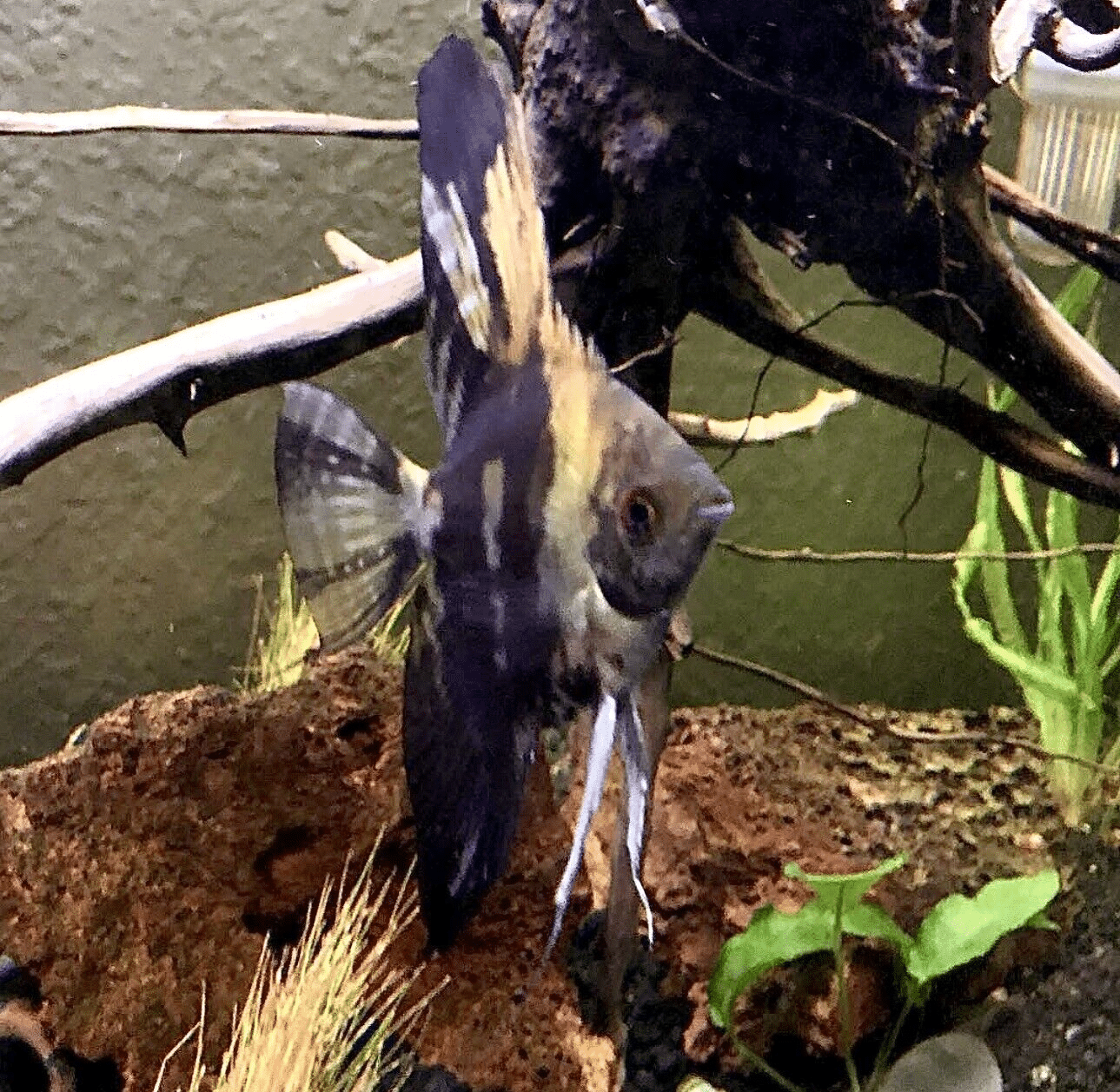
Smoke Angelfish – Pterophyllum Scalare
Original price was: £10.49.£8.71Current price is: £8.71.
Welcome these stunning Smoke Angelfish, beautiful South American cichlids known for their elegant, smoke-like coloration. Ideal for peaceful community tanks, these graceful freshwater fish thrive in well-planted aquariums. Provide a loving home for these exquisite aquarium inhabitants.
In stock
Species Introduction
The Smoke Angelfish, scientifically known as Pterophyllum scalare, is a captivating freshwater fish belonging to the Cichlidae family. Originating from the tranquil waters of South America, particularly the Amazon Basin, these graceful swimmers are known for their stunning appearance and gentle demeanor. Their natural habitat consists of slow-moving rivers, streams, and flooded forests, where they thrive among lush aquatic vegetation. The Smoke Angelfish is characterized by its unique coloration, which includes a blend of soft grays and blacks, creating a smoky effect that is both mesmerizing and elegant. As a member of the cichlid species, they exhibit complex social behaviors and are often found in small groups in the wild, making them ideal candidates for community aquariums.
Care Requirements Dashboard
| Optimal Living Conditions | |
|---|---|
| Water Temperature | 24-27°C (75-81°F) |
| pH Level | 6.5-7.5 |
| Water Hardness | 4-12 dKH |
| Minimum Tank Size | 80L (20 gal) |
| Salinity | Freshwater |
| Care Level | Beginner Friendly |
Natural Behavior & Temperament
Smoke Angelfish are known for their peaceful and social nature, making them excellent companions in a community tank. They exhibit a unique swimming pattern, often gliding gracefully through the water column, showcasing their elegant fins. In their natural habitat, they form small groups, which helps them feel secure and reduces stress. These fish are generally non-aggressive but can exhibit territorial behavior, especially during breeding. It’s essential to provide them with ample space and hiding spots to establish territories without conflict. Their social behavior also makes them interactive; they often display curiosity towards their owners and other tank mates, adding a lively dynamic to your aquarium.
Tank Setup Guide
Creating an ideal environment for your Smoke Angelfish involves replicating their natural habitat as closely as possible. A well-planted tank with plenty of hiding spots is essential for their comfort and security. Use a fine substrate, such as sand or small gravel, to mimic the riverbeds they inhabit. Incorporate a variety of live plants like Amazon swords, Java ferns, and floating plants to provide cover and create a natural look. Additionally, include driftwood and rocks to enhance the aesthetic and create territories. Ensure the tank has a gentle filtration system to maintain water quality without creating strong currents, as these fish prefer calm waters. Lighting should be moderate, as too much brightness can stress them; consider using floating plants to diffuse light.
Water Quality Management
Maintaining optimal water quality is crucial for the health and well-being of your Smoke Angelfish. Regular water changes of 20-30% weekly are recommended to keep nitrate levels low and ensure a clean environment. The ideal pH level for these fish ranges from 6.0 to 7.5, with a temperature between 24°C and 28°C (75°F – 82°F). Monitor the hardness of the water, aiming for a range of 5 to 15 dGH. Use a reliable water testing kit to regularly check these parameters, adjusting as necessary. Additionally, avoid sudden changes in water conditions, as this can stress your fish. A good quality filtration system is essential, but be sure it does not create strong currents that could disturb the fish.
Feeding & Nutrition
Smoke Angelfish are omnivorous and thrive on a varied diet that includes high-quality flake foods, pellets, and frozen or live foods. A balanced diet is essential for their health and coloration. Feed them a mix of spirulina flakes, high-protein pellets, and occasional treats like bloodworms or brine shrimp to ensure they receive all necessary nutrients. It is recommended to feed them small amounts two to three times a day, ensuring they consume everything within a few minutes to prevent water quality issues. Monitor their feeding habits and adjust portion sizes accordingly to maintain a healthy weight. Always remove any uneaten food promptly to avoid contamination.
Compatibility Guide
✓ Peaceful Tank Mates
Ideal companions include tetras, rasboras, and peaceful cichlids such as keyhole cichlids. Avoid aggressive species that may stress or harm your angelfish.
When selecting tank mates for your Smoke Angelfish, consider their peaceful nature and social behavior. They thrive in community tanks with other non-aggressive species. Good companions include small to medium-sized tetras, such as Neon Tetras and Rummy Nose Tetras, as well as Corydoras catfish and peaceful rasboras. However, avoid larger or aggressive fish that may bully or harm them, such as some species of barbs or larger cichlids. It’s essential to monitor interactions, especially during feeding times, to ensure harmony within the tank. Providing plenty of hiding spots will help mitigate any territorial disputes.
Health & Wellness
The health of your Smoke Angelfish is paramount, and regular observation is key to identifying any potential issues early. Common health problems include ich, fin rot, and other parasitic infections. Signs of distress can include changes in behavior, such as hiding or lethargy, as well as physical symptoms like white spots on the body or frayed fins. To prevent these issues, maintain high water quality, avoid overfeeding, and ensure a balanced diet. Quarantine any new fish before introducing them to your main tank to prevent the spread of disease. If you notice any signs of illness, consult with a veterinarian specializing in fish or a knowledgeable aquarium store for appropriate treatment options.
Breeding Information
Breeding Smoke Angelfish can be a rewarding experience for aquarists. To encourage breeding, provide a separate breeding tank with a flat surface for egg-laying, such as a clean slate or broad-leafed plant. The ideal conditions for breeding include slightly warmer water temperatures (around 28°C or 82°F) and a slightly acidic pH. Once the female lays eggs, both parents will typically guard and care for the fry. After hatching, the fry will require infusoria or finely crushed flakes for the first few days. As they grow, gradually introduce larger foods. It’s essential to monitor the fry closely, as they can be vulnerable to predation from adult fish.
Acclimation Process
When introducing your Smoke Angelfish to a new aquarium, acclimation is crucial to ensure their health and reduce stress. Begin by floating the sealed bag containing the fish in the aquarium for about 15-20 minutes to equalize the temperature. After this, gradually mix small amounts of tank water into the bag over the next hour. This process helps the fish adjust to the new water chemistry. Finally, gently release the fish into the tank, avoiding adding any water from the bag to your aquarium. Monitor their behavior closely for the first few days to ensure they are adjusting well to their new environment.
Long-term Care
Long-term care of Smoke Angelfish involves regular maintenance of their environment and monitoring their health. These fish can live for 10 years or more with proper care. Ensure that your aquarium is well-maintained with regular water changes and monitoring of water parameters. As they grow, be aware of their size and ensure your tank is adequately spacious to accommodate their needs. Regularly observe their behavior and health, and adjust their diet as necessary to keep them healthy and thriving. Providing a varied diet and a stress-free environment will contribute to their longevity and overall well-being.
Natural Habitat Recreation
To recreate the natural habitat of Smoke Angelfish, focus on creating a biotope that reflects the Amazon River ecosystem. Incorporate a dense planting scheme with a variety of aquatic plants, providing hiding spots and breeding areas. Use driftwood to simulate the submerged structures found in their natural environment. The substrate should be soft and dark to mimic the riverbed, enhancing the fish’s natural colors. Maintaining a gentle filtration system will help keep the water clean while avoiding strong currents that could disturb the fish. This setup not only provides a comfortable living space for your angelfish but also creates a stunning visual display in your home.
Seasonal Care Adjustments
As seasons change, so do the conditions in your aquarium. In the warmer months, ensure that the water temperature remains stable, as high temperatures can stress your Smoke Angelfish. Consider using a fan or air conditioning to prevent overheating. In the winter, monitor the temperature closely and use a heater if necessary to maintain the ideal range. Additionally, adjust your lighting schedule to mimic natural day/night cycles, which can help regulate their behavior and breeding patterns. Seasonal changes may also affect plant growth, so be prepared to trim and maintain your aquascape regularly.
Expert Tips
For those looking to provide the best care for their Smoke Angelfish, consider the following expert tips. First, always quarantine new fish before introducing them to your main tank to prevent disease spread. Second, maintain a consistent feeding schedule to promote healthy growth and coloration. Third, regularly check for signs of stress or illness, as early detection is key to successful treatment. Lastly, engage with your fish by observing their behavior and interactions, which can enhance your experience as an aquarist. By following these tips, you can create a thriving environment for your Smoke Angelfish and enjoy their beauty for years to come.
Troubleshooting
If you encounter issues with your Smoke Angelfish, such as signs of illness or aggression, it’s important to address them promptly. Common problems include fin rot, which can be prevented by maintaining good water quality and avoiding overcrowding. If you notice your fish hiding excessively, it may be a sign of stress or bullying from tank mates. In such cases, reassess the compatibility of your fish and consider rearranging the tank to reduce territorial disputes. For any health concerns, consult with a knowledgeable aquarium professional for diagnosis and treatment options. Remember, a proactive approach is key to ensuring the health and happiness of your aquatic companions.
Scientific Background
The Smoke Angelfish, or Pterophyllum scalare, is a fascinating species within the Cichlidae family. This family is known for its diverse range of freshwater fish, many of which are popular in the aquarium trade. The scientific classification of the Smoke Angelfish places it within the order Cichliformes, which includes various cichlid species. Research into the natural behaviors and habitats of these fish has revealed much about their adaptability and social structures. Conservation efforts are vital to protect their natural habitats, as deforestation and pollution threaten their populations in the wild. Understanding their biology and ecology can help aquarists provide better care and contribute to conservation initiatives.
Advanced Care Techniques
For experienced aquarists looking to take their care of Smoke Angelfish to the next level, consider implementing advanced techniques such as breeding and selective feeding strategies. Breeding these fish requires attention to detail, including creating optimal conditions for spawning and caring for the fry. Additionally, experimenting with different food types, including live and frozen options, can enhance their coloration and overall health. Regularly adjusting water parameters and maintaining a diverse plant life can also contribute to a more thriving ecosystem within your aquarium. Engaging with the latest research on cichlid care can provide insights into enhancing your fish’s environment and well-being.
Frequently Asked Questions
Q: What tank size is required for Smoke Angelfish?
For Smoke Angelfish, a minimum tank size of 100 litres is recommended. This provides ample swimming space and allows for the establishment of territories. Angelfish are relatively peaceful but can exhibit territorial behaviour, especially during breeding. A larger tank not only accommodates their growth but also helps maintain stable water parameters, which is crucial for their health. Additionally, a well-planted aquarium with hiding spots will offer comfort and reduce stress. Remember to consider the number of fish; overcrowding can lead to aggressive behaviours, so it’s best to keep a small group of 3-6 individuals in an appropriately sized tank.
✓ Expert Tip
Ensure your tank has a secure lid, as angelfish are known to jump when startled.
Q: What water parameters do Smoke Angelfish require?
Smoke Angelfish thrive in slightly acidic to neutral water, with a pH range of 6.5 to 7.5. The water hardness should be kept between 3-10 dGH. Additionally, maintain a temperature between 24°C to 28°C, as these conditions closely mimic their natural habitat in the Amazon River basin. Regular water changes of 10-20% weekly are essential to keep nitrite and nitrate levels low, promoting a healthy environment. Investing in a reliable water testing kit will help you monitor these parameters effectively. Stability in water conditions is key to preventing stress-related illnesses.
✓ Expert Tip
Utilise a high-quality filter to ensure efficient water circulation and filtration.
Q: How often should I feed Smoke Angelfish?
Feed Smoke Angelfish 2-3 times a day, offering only as much food as they can consume within 3-5 minutes. A varied diet is essential for their health; include high-quality flakes, pellets, and occasional live or frozen foods such as brine shrimp or bloodworms. This not only ensures balanced nutrition but also supports their vibrant colours and overall well-being. Overfeeding can lead to water quality issues and health problems, so it’s important to monitor their intake. Adjust feeding frequency based on their growth stage and activity level.
✓ Expert Tip
Consider using a feeding ring to prevent food from floating away and ensure all fish get their share.
Q: What are the best tank mates for Smoke Angelfish?
Smoke Angelfish are generally peaceful, making them suitable for community tanks. Ideal tank mates include tetras, rasboras, and other smaller cichlids. However, avoid keeping them with overly aggressive species or very small fish that may be seen as food. It is advisable to introduce new tank mates gradually and monitor interactions, as angelfish can become territorial, particularly during breeding. Ensure that any new additions are of similar size to prevent bullying. A well-planted aquarium can also help reduce territorial disputes.
✓ Expert Tip
Consider keeping a larger group of the same species to distribute aggression and create a more harmonious environment.
Q: How do I properly acclimatise Smoke Angelfish to my aquarium?
To acclimatise Smoke Angelfish, float the sealed bag in your aquarium for about 15-20 minutes to equalise the temperature. Then, gradually introduce aquarium water into the bag over the next hour. This can be done by adding small amounts of water every 10-15 minutes. After an hour, gently transfer the fish into the tank using a net, discarding the bag water to prevent introducing any contaminants. This gradual acclimatisation process helps reduce stress and shock, ensuring a smoother transition into their new environment.
✓ Expert Tip
Always ensure your aquarium is stable and properly cycled before introducing new fish.
Q: What are the signs of healthy Smoke Angelfish?
Healthy Smoke Angelfish exhibit vibrant colours, clear eyes, and active swimming behaviour. Their fins should be fully extended and free of tears or fraying. Observe their feeding habits; a healthy angelfish will eagerly consume food without hesitation. Additionally, watch for smooth, unblemished skin, as lesions or discoloration can indicate health issues. Regular monitoring of their behaviour and appearance will enable you to catch any potential problems early, ensuring that your fish friends remain in optimal condition.
✓ Expert Tip
Keep a journal of your fish’s behaviour and appearance to track any changes over time.
Q: How do I successfully breed Smoke Angelfish?
Breeding Smoke Angelfish can be a rewarding experience. To encourage breeding, provide a separate breeding tank with stable water parameters, including a slightly lower pH and higher temperature (around 28°C). Introduce flat surfaces such as slate or broad leaves for the female to lay eggs on. Once the eggs are laid, both parents will guard them fiercely. After 2-3 days, the eggs will hatch, and the fry will become free-swimming after a week. At this stage, provide them with infusoria or finely crushed flake food until they grow larger.
✓ Expert Tip
Ensure that the breeding tank is well-filtered but avoid strong currents, as fry are delicate.
Q: What temperature should I maintain for Smoke Angelfish?
Maintain a temperature range of 24°C to 28°C for Smoke Angelfish. Consistency is critical; fluctuations can cause stress and health issues. A reliable aquarium heater with an accurate thermostat is advisable to achieve and maintain these temperatures. Regularly check the temperature with a thermometer placed in the tank. If you notice significant deviations, adjust the heater settings gradually to avoid shocking the fish. Additionally, ensure that the heater is properly sized for your aquarium volume to provide efficient heating.
✓ Expert Tip
Position the heater near the filter outlet to ensure even distribution of heat throughout the tank.
Q: How long do Smoke Angelfish typically live in captivity?
In captivity, Smoke Angelfish can live for 10-15 years with proper care. Factors contributing to their longevity include maintaining optimal water parameters, providing a nutritious diet, and ensuring a stress-free environment. Regular health checks and prompt treatment of any diseases also play a crucial role in their lifespan. By providing a stable and clean habitat, along with appropriate companionship, you can enjoy many years with these beautiful aquatic companions. Keeping a well-maintained aquarium will significantly enhance their quality of life.
✓ Expert Tip
Engage with your fish daily to help reduce stress and enhance their well-being.
Q: What type of substrate is most suitable for Smoke Angelfish?
A fine-grained substrate is ideal for Smoke Angelfish, as it mimics their natural habitat. Options such as sand or smooth gravel are preferable, allowing for easy digging and foraging behaviour. The substrate should be free of sharp edges to prevent injury to their delicate fins. Additionally, a darker substrate can enhance their colours, making them stand out beautifully in the aquarium. It’s also essential to ensure that the substrate is deep enough to support plant roots if you choose to incorporate live plants into the tank.
✓ Expert Tip
Consider adding a layer of nutrient-rich substrate beneath the top layer to support plant growth.
Q: What behavioural patterns should I expect from Smoke Angelfish?
Smoke Angelfish are known for their graceful swimming and inquisitive nature. They tend to establish territories, particularly when breeding, and may display courtship behaviours such as fin flaring and swimming in circles. During non-breeding times, they are generally peaceful and can often be seen exploring their environment or interacting with tank mates. However, they can become shy if startled or if their environment is too chaotic. Providing plenty of hiding spots and plants will help them feel secure and reduce stress. Regular observation will help you learn their unique personalities.
✓ Expert Tip
Introduce new tank mates slowly to avoid overwhelming your angelfish.
Q: How can I prevent common diseases in Smoke Angelfish?
Preventing diseases in Smoke Angelfish involves maintaining excellent water quality and providing a stress-free environment. Regular water changes and monitoring parameters are essential. Quarantine new arrivals before introducing them to your main tank to avoid introducing pathogens. Additionally, a varied diet rich in nutrients will strengthen their immune systems. Observe your fish closely; any signs of distress or illness should be addressed promptly. Keeping the tank clean and ensuring proper filtration will further reduce the risk of disease outbreaks.
✓ Expert Tip
Consider investing in a UV steriliser for added protection against pathogens.
Q: What lighting conditions do Smoke Angelfish prefer?
Smoke Angelfish prefer moderate lighting that mimics their natural habitat. Soft, diffused light is ideal, as it reduces glare and helps them feel secure. You can achieve this by using LED lights with a dimming feature or adding floating plants to the surface, which can provide shade. Lighting should be on for about 10-12 hours daily to promote healthy plant growth and establish a natural day-night cycle. Be mindful of algae growth, as excessive light can lead to unsightly blooms that may affect water quality.
✓ Expert Tip
Use a timer to maintain consistent lighting schedules, ensuring your fish have a regular routine.
Q: How do I recognise stress in Smoke Angelfish?
Signs of stress in Smoke Angelfish can include rapid gill movement, hiding excessively, and loss of colour vibrancy. They may also display erratic swimming patterns or aggression towards tank mates. If you notice these behaviours, it is crucial to assess their environment, including water quality, tank mates, and overall habitat conditions. Stress can lead to weakened immune systems and susceptibility to diseases, so addressing any issues promptly is essential. Providing plenty of hiding spots and maintaining stable water parameters will help reduce stress levels.
✓ Expert Tip
Regular observation will help you catch stress signals early, allowing for timely intervention.
Q: What natural habitat conditions should I replicate for Smoke Angelfish?
To replicate the natural habitat of Smoke Angelfish, aim for a well-planted aquarium with plenty of hiding spaces. They thrive in soft, acidic water with plenty of organic material. Incorporate driftwood and leaf litter to mimic their natural environment. A gentle water flow is also important, as they are accustomed to slow-moving waters in the Amazon. Use a substrate that allows for foraging behaviour, and consider adding floating plants to provide shade. These elements will help create a comfortable and stimulating environment for your fish friends.
✓ Expert Tip
Regularly rearranging decorations can help stimulate your fish’s curiosity and reduce stress.
2 reviews for Smoke Angelfish – Pterophyllum Scalare
Add a review
Related products



Emily Carter (verified owner) –
I recently added a Smoke Angelfish to my 55-gallon tank, and I couldn’t be happier! After about two months of care, this beautiful South American cichlid has truly become the centerpiece of my aquarium. The iridescent colors are mesmerizing, especially when the light hits just right—a true testament to their stunning appearance.
What I love most about these angel fish is their gentle temperament. They get along well with my other tropical fish, which includes tetras and guppies. They are peaceful yet curious, often exploring the tank and interacting in a way that brings the whole setup to life. It’s also fascinating to watch them thrive when given a well-maintained environment with plenty of hiding spots and live plants.
I did encounter a slight challenge regarding their dietary needs at first; they are picky eaters. However, once I found a high-quality flake food specifically for angel fish, they took right to it! If you’re new to fishkeeping or looking to add a dash of elegance to your aquarium, I highly recommend the Smoke Angelfish. Their beauty and behavior will surely bring joy to your home. Just be mindful of their social needs and provide a suitable tank environment for optimal health!
Overall, these fish are worth every bit of care, and I would definitely purchase again!
Emily Carter (verified owner) –
I recently added the Smoke Angelfish to my 75-gallon community tank, and I couldn’t be happier! These stunning freshwater fish not only add a unique aesthetic with their smoky coloration, but they also have such gentle personalities, making them fantastic community members. After just a couple of weeks, I noticed how well they adapted to their new environment, gracefully swimming among my other peaceful species.
Compared to other angel fish I’ve kept in the past, the Smoke Angelfish seem more active and confident, which is a joy to observe. They do appreciate some hiding spots, so I made sure to include plenty of plants and decorations. Just a tip for fellow aquarists: keep an eye on their tank mates, as they thrive best with non-aggressive fish.
The shipping was prompt, and they arrived healthy and stress-free, which is always a priority for me as a caring fish parent. If you’re a beginner exploring tropical fish care, I can’t recommend these angel fish enough – they are beautiful, hardy, and a perfect addition to any peaceful aquarium setup!