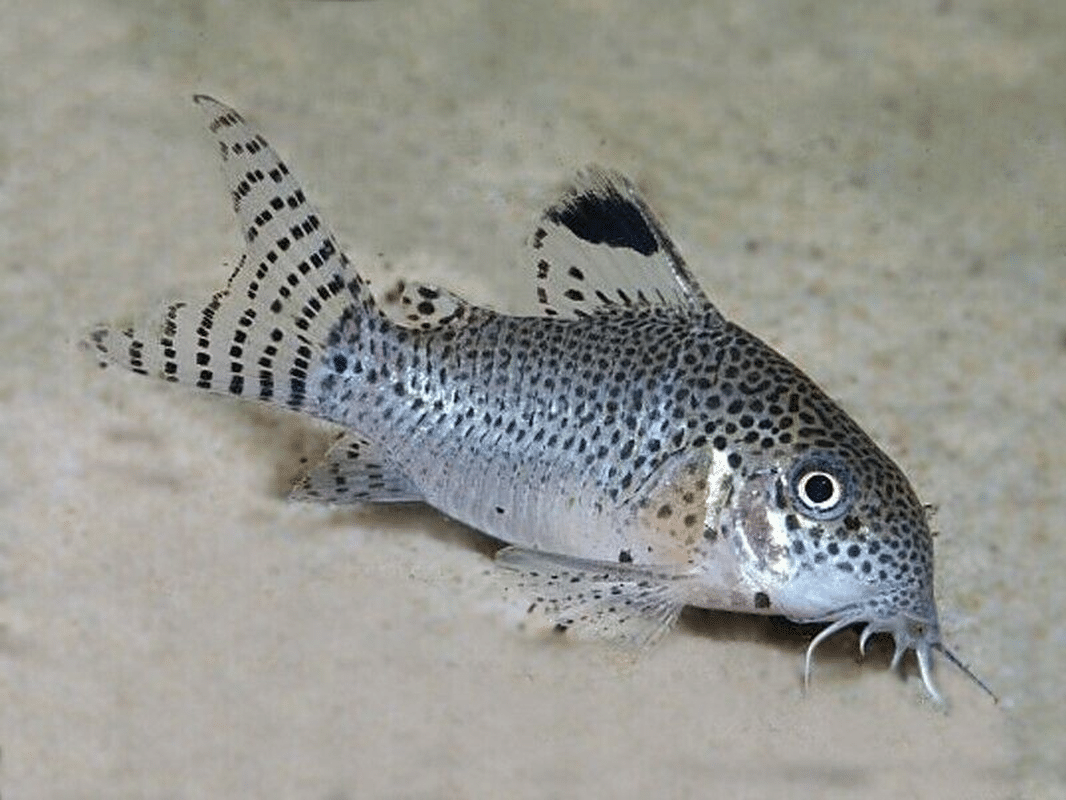
Corydoras punctatus – Spotted Cory | South American Catfish

Original price was: £10.49.£8.71Current price is: £8.71.
Welcome these beautiful Spotted Corys, or Corydoras Punctatus, into your aquarium. Known for their stunning patterns and graceful movements, these peaceful South American catfish thrive in community tanks, making them ideal for aquarists seeking vibrant, tranquil inhabitants.
In stock


Species Introduction
The Spotted Cory, scientifically known as Corydoras punctatus, is a captivating species of freshwater catfish that hails from the tranquil waters of South America. This charming bottom dweller is often found in slow-moving rivers and streams, where it thrives in sandy substrates and enjoys the company of its fellow aquatic companions. With its distinctive spotted pattern and peaceful demeanor, the Spotted Cory is a delightful addition to any community aquarium.
These beautiful inhabitants are not only visually appealing but also play a crucial role in maintaining the ecological balance of their environment by scavenging for leftover food and algae, making them excellent partners for algae control. Their gentle nature and social behavior make them ideal for community tanks, where they can coexist harmoniously with a variety of other fish species.
Care Requirements Dashboard
Essential Care Guide for Your Spotted Cory
| Optimal Living Conditions | |
|---|---|
| Water Temperature | 22-28°C (72-82°F) |
| pH Level | 6.0-7.5 |
| Water Hardness | 2-15 dKH |
| Minimum Tank Size | 120L (30 gal) |
| Salinity | Freshwater |
| Care Level | Beginner to Intermediate |
Natural Behavior & Temperament
Spotted Corys are known for their playful and inquisitive behavior. They are social fish that thrive in groups, often seen foraging together on the tank bottom. Their natural instinct is to scavenge for food, which includes detritus, algae, and leftover fish food. This behavior not only keeps them active and healthy but also helps maintain the cleanliness of the aquarium substrate. In a community setting, these peaceful companions exhibit a calm demeanor, making them suitable companions for a wide range of other species.
Tank Setup Guide
Creating an ideal environment for your Spotted Corys involves replicating their natural habitat as closely as possible. Begin with a spacious tank of at least 20 gallons, as these fish prefer to swim freely and explore their surroundings. Use a soft, sandy substrate to mimic the riverbeds of their native waters, allowing them to burrow and forage naturally. Incorporate plenty of hiding spots using driftwood, rocks, and live plants, which provide shelter and security. Plants such as Java Fern and Anubias are excellent choices, as they thrive in similar conditions and enhance the aesthetic appeal of your aquarium.
Ensure that the tank is well-filtered to maintain water quality, as Corydoras are sensitive to poor water conditions. A gentle current is preferable, as it mimics the slow-moving waters they are accustomed to, while still allowing for adequate oxygenation.
Water Quality Management
Maintaining optimal water quality is crucial for the health and well-being of your Spotted Corys. The ideal water parameters include a temperature range of 72°F to 78°F (22°C to 26°C), a pH level between 6.0 and 7.5, and a hardness of 2 to 12 dGH. Regular water changes of 20-30% every week are recommended to keep nitrate levels low and ensure a clean environment.
Invest in a reliable water testing kit to monitor these parameters regularly, as fluctuations can lead to stress and health issues in your fish. Additionally, consider using a high-quality water conditioner to remove harmful chemicals such as chlorine and chloramine from tap water before adding it to your tank. By prioritizing water quality management, you can create a thriving habitat for your Spotted Corys and other aquatic friends.
Feeding & Nutrition
Feeding your Spotted Corys a balanced and nutritious diet is essential for their growth and overall health. In their natural habitat, these fish are omnivorous, feeding on a variety of plant matter, detritus, and small invertebrates. In captivity, a high-quality sinking pellet formulated for catfish will serve as a staple food source. Supplement their diet with occasional offerings of frozen or live foods such as bloodworms, brine shrimp, and daphnia to enhance their nutritional intake and encourage natural foraging behavior.
It is recommended to feed them small amounts 2-3 times a day, ensuring that all food is consumed within a few minutes to prevent water quality issues. Be mindful of overfeeding, as uneaten food can lead to poor water conditions. A varied diet will not only keep your Spotted Corys healthy but also bring out their vibrant colors and lively personalities.
Compatibility Guide
Spotted Corys are known for their peaceful nature, making them excellent additions to community tanks. They thrive in groups of at least six individuals, which helps reduce stress and promotes natural behaviors. Compatible tank mates include other peaceful species such as tetras, rasboras, guppies, and dwarf cichlids.
It is important to avoid aggressive or fin-nipping species, as these can cause stress and injury to your Corydoras. Additionally, larger fish may see them as prey, so it’s best to keep them with similarly sized or smaller fish. When setting up a community tank, consider the swimming levels of different species to ensure that all fish have ample space to thrive. By carefully selecting compatible tank mates, you can create a harmonious aquatic environment that showcases the beauty of your Spotted Corys and their companions.
Health & Wellness
Maintaining the health and wellness of your Spotted Corys involves regular monitoring and proactive care. Common health issues include ich, fin rot, and bacterial infections, which can arise from poor water quality or stress. Signs of illness may include lethargy, loss of appetite, or abnormal swimming patterns.
To prevent these issues, ensure that your tank is properly cycled, and perform regular water changes to maintain excellent water quality. Quarantine new fish before introducing them to your main tank to avoid introducing diseases. If you notice any signs of illness, promptly isolate the affected fish and consult a veterinarian or aquatic specialist for guidance on treatment options. By being vigilant and attentive to your fish’s needs, you can help ensure a long and healthy life for your Spotted Corys.
Breeding Information
Breeding Spotted Corys can be a rewarding experience for aquarists. To encourage spawning, provide a separate breeding tank with soft, slightly acidic water, and include fine-leaved plants or spawning mops for the females to lay their eggs. The breeding process typically begins with courtship displays, where males will chase females and perform various swimming patterns.
Once a female is ready to spawn, she will deposit eggs on the substrate or plants, which the male will then fertilize. After spawning, it is advisable to remove the adults from the breeding tank, as they may eat the eggs or fry. The eggs will hatch within 3-5 days, and the fry can be fed infusoria or powdered fry food until they are large enough to consume finely crushed flakes. With proper care and attention, you can successfully breed and raise a new generation of Spotted Corys.
Acclimation Process
Introducing your Spotted Corys to their new home requires a careful acclimation process to minimize stress and ensure a smooth transition. Start by floating the sealed bag containing the fish in the aquarium for about 15-20 minutes to equalize the temperature. After this, gradually introduce small amounts of tank water into the bag every 5 minutes for about an hour. This slow acclimation allows the fish to adjust to the water parameters of their new environment.
Once acclimated, gently release the Corydoras into the tank using a net, avoiding adding any of the store water to your aquarium. This method helps prevent introducing any potential contaminants. With proper acclimation, your Spotted Corys will adapt more readily to their new surroundings and thrive in their new home.
Long-term Care
Caring for your Spotted Corys throughout their lifespan involves understanding their growth expectations and providing consistent care. These fish typically reach a size of 2 to 3 inches (5 to 7.5 cm) and can live for 5 to 10 years with proper care. Regular monitoring of water quality, diet, and tank conditions is essential to maintain their health.
As they grow, you may need to adjust their environment to accommodate their needs, such as increasing tank size or adding more hiding spots. Keeping a close eye on their behavior and health will help you identify any issues early on, allowing for timely intervention. By providing a stable and enriching environment, you can enjoy the beauty and companionship of your Spotted Corys for many years to come.
Natural Habitat Recreation
Recreating the natural habitat of Spotted Corys in your aquarium can enhance their well-being and promote natural behaviors. To achieve this, focus on replicating the soft, sandy riverbeds found in their native South American waters. Incorporate a variety of decorations, such as driftwood and smooth stones, to create hiding spots and territories.
Live plants not only provide shelter but also contribute to water quality by absorbing nitrates. Consider adding floating plants to diffuse light and create shaded areas, which can help mimic their natural environment. Additionally, maintaining a gentle water flow will help replicate the slow-moving waters they are accustomed to. By carefully designing your tank setup, you can create a thriving ecosystem that supports the health and happiness of your Spotted Corys.
Seasonal Care Adjustments
As seasons change, so too may the needs of your Spotted Corys. During warmer months, ensure that the water temperature remains stable and does not exceed 78°F (26°C), as higher temperatures can stress these fish. Consider using a fan or air conditioning to help regulate the temperature if necessary.
In contrast, during cooler months, monitor the water temperature closely, as drops below 72°F (22°C) can be detrimental. Adjust lighting duration to mimic natural daylight cycles, providing about 10-12 hours of light each day to promote plant growth and maintain a healthy environment. Seasonal changes may also affect feeding habits; be observant of your fish’s behavior and adjust their diet accordingly to ensure they receive the proper nutrition year-round.
Expert Tips
To ensure the best care for your Spotted Corys, consider the following expert tips. First, always maintain a stable environment; fluctuations in water parameters can lead to stress and health issues. Regularly test your water and perform partial water changes to keep conditions optimal.
Second, encourage natural foraging behavior by providing a varied diet that includes high-quality sinking pellets and occasional live or frozen foods. Third, create a comfortable and enriching environment by incorporating plenty of hiding spots and plants, which can help reduce stress and promote natural behaviors. Lastly, observe your fish regularly for any signs of illness or stress, and be proactive in addressing any issues that arise. By implementing these tips, you can foster a thriving community tank and enjoy the beauty and charm of your Spotted Corys for years to come.
Troubleshooting
Despite best efforts, challenges may arise in keeping Spotted Corys. Common issues include stress from aggressive tank mates, poor water quality, or inadequate hiding spots. If you notice signs of stress, such as hiding excessively or abnormal swimming behavior, evaluate your tank setup and make necessary adjustments.
Ensure that all tank mates are compatible and that the environment provides ample shelter. If health issues arise, such as signs of ich or fin rot, promptly isolate affected fish and consult with an aquatic veterinarian for treatment options. Regular maintenance, including water testing and changes, is vital to prevent health problems. By being proactive and attentive to your Spotted Corys’ needs, you can effectively troubleshoot and resolve any issues that may arise, ensuring a healthy and thriving aquarium.
Scientific Background
The Spotted Cory, or Corydoras punctatus, belongs to the family Callichthyidae, which encompasses a diverse group of catfish known for their unique adaptations and behaviors. Corydoras species are characterized by their armored bodies, which are covered in bony plates that provide protection from predators. They are primarily found in freshwater habitats across South America, where they inhabit rivers, streams, and floodplains.
Research has shown that Corydoras play a significant role in their ecosystems by contributing to nutrient cycling and maintaining water quality. Conservation efforts are essential to protect their natural habitats from pollution and habitat destruction. Understanding the scientific background of Spotted Corys can deepen your appreciation for these remarkable fish and highlight the importance of responsible aquarium keeping.
Advanced Care Techniques
For experienced aquarists looking to enhance their care for Spotted Corys, consider implementing advanced techniques that promote their well-being. One such technique is creating a biotope aquarium that closely resembles their natural habitat. This involves selecting appropriate plants, substrates, and decorations that reflect the specific conditions of South American rivers.
Additionally, consider experimenting with breeding techniques, such as conditioning your fish with high-quality foods to encourage spawning behavior. Regularly participating in local aquarium clubs or online forums can provide valuable insights and tips from fellow enthusiasts. Lastly, staying informed about the latest research and advancements in aquatic husbandry can help you refine your care practices and ensure the best possible environment for your Spotted Corys. By adopting these advanced techniques, you can elevate your aquarium experience and contribute to the welfare of these beautiful fish.
Water Quality Parameters
Optimal Range
24-27°C
6.5-7.5
0 ppm
Caution Zone
22-24°C or 27-29°C
6.0-6.5 or 7.5-8.0
0.25-0.5 ppm
Danger Zone
<22°C or >29°C
<6.0 or >8.0
>0.5 ppm
Monitoring Tip: Test water parameters weekly and perform regular water changes to maintain optimal conditions for your aquatic friends!
Frequently Asked Questions
Q: What tank size is required for the Spotted Cory?
The Spotted Cory, or Corydoras Punctatus, thrives in a tank that is at least 75 litres. This size allows for sufficient swimming space and helps maintain stable water parameters. As these fish are social creatures, it is advisable to keep them in groups of at least six to encourage natural behaviour. A larger tank also provides better water quality and reduces stress levels, which is crucial for their overall health.
✓ Expert Tip
Consider adding a well-planted area or hiding spots, as this will make your Spotted Cory feel more secure.
Q: What water parameters do Spotted Cories require?
Spotted Cories prefer a water temperature between 22-28°C, with a pH level of 6.0 to 7.5 and a hardness of 2-15 dGH. Regular water changes of 10-15% weekly can help maintain these parameters. Investing in a reliable water testing kit is essential for monitoring these levels, as fluctuations can lead to stress and health issues in your fish. Keeping the water clean and well-filtered also contributes to their overall well-being.
✓ Expert Tip
Utilise a sponge filter to prevent strong currents, as Spotted Cories prefer calmer waters.
Q: How often should I feed Spotted Cories?
Spotted Cories should be fed 2-3 times per day, with only what they can consume in a few minutes. A balanced diet consisting of high-quality sinking pellets, frozen or live food such as brine shrimp, and occasional vegetable matter will provide the necessary nutrients. It’s essential to vary their diet to prevent nutritional deficiencies and ensure they remain healthy and active.
✓ Expert Tip
Consider using algae wafers as a supplementary food source to support their natural foraging behaviour.
Q: What are the best tank mates for Spotted Cories?
Spotted Cories are peaceful fish that thrive in community tanks. Ideal tank mates include small, non-aggressive species such as tetras, rasboras, and other corydoras species. Avoid keeping them with larger or aggressive fish that may bully them. A well-planned community setup ensures that all species coexist harmoniously and reduces stress levels for your Spotted Cories.
✓ Expert Tip
Introduce new tank mates gradually to allow all fish to acclimatise to one another.
Q: How do I properly acclimatise Spotted Cories to my aquarium?
Acclimatising Spotted Cories is crucial for their health. Begin by floating the sealed bag in your tank for about 15-20 minutes to equalise temperature. After that, gradually mix tank water into the bag every 5 minutes for about an hour. This slow introduction helps them adjust to the new water parameters. Finally, gently release them into the aquarium using a net to avoid adding any bag water.
✓ Expert Tip
Avoid abrupt changes in water temperature or chemistry to minimise stress during acclimatisation.
Q: What are the signs of healthy Spotted Cories?
Healthy Spotted Cories exhibit active behaviour, swimming freely and foraging on the substrate. Their colouration should be vibrant, and their fins should be fully extended without signs of fraying or damage. Observe their eating habits; a healthy fish will readily accept food. Additionally, they should not exhibit signs of stress, such as excessive hiding or rapid gill movement.
✓ Expert Tip
Regularly monitor your fish for any changes in behaviour or appearance, as early detection of issues is key to effective treatment.
Q: How do I successfully breed Spotted Cories?
Breeding Spotted Cories requires a separate breeding tank with soft, acidic water and plenty of hiding spots. To encourage spawning, condition them with high-quality live foods for a few weeks. Once ready, females will lay eggs on flat surfaces, and males will fertilise them. After laying, remove the parents to prevent them from eating the eggs. Ensure proper aeration and regular water changes to maintain optimal conditions for egg development.
✓ Expert Tip
Provide a sponge filter to maintain gentle water movement, which is ideal for fry.
Q: What substrate is most suitable for Spotted Cories?
Spotted Cories thrive best in a soft, fine substrate like sand or smooth gravel. This allows them to forage comfortably without risking injury to their barbels. Avoid sharp substrates, as they can cause damage to their sensitive skin and barbels. Regularly cleaning the substrate by siphoning waste will help maintain water quality and keep your fish healthy.
✓ Expert Tip
Consider adding smooth stones or driftwood to create a more natural environment for your Spotted Cories.
Q: How can I prevent common diseases in Spotted Cories?
Preventing diseases in Spotted Cories involves maintaining optimal water quality, avoiding overcrowding, and providing a balanced diet. Regular water changes and proper filtration are crucial. Additionally, observe your fish for any signs of illness, such as abnormal behaviour or physical changes. Quarantining new arrivals for a few weeks can also help prevent the introduction of pathogens into your established tank.
✓ Expert Tip
Consider integrating plants and natural decor to provide hiding spots, which help reduce stress and promote health.
Q: What natural habitat conditions should I replicate for Spotted Cories?
In their natural habitat, Spotted Cories inhabit slow-moving waters with plenty of vegetation and soft substrates. Replicating these conditions in your aquarium involves creating a well-planted environment with hiding places and gentle water flow. This not only mimics their natural surroundings but also promotes their well-being and reduces stress levels.
✓ Expert Tip
Incorporate floating plants to diffuse light and create shaded areas, mimicking their natural habitat.
2 reviews for Corydoras punctatus – Spotted Cory | South American Catfish
Add a review
Related products


Emily Carter (verified owner) –
I recently added Spotted Corys to my tank, and I couldn’t be happier! As a caring fish parent, I prioritize the health and happiness of my aquarium fish, and these little guys did not disappoint. After just two weeks, I noticed how active and social they are, happily darting around the substrate and foraging for food. Their playful nature brings so much joy to my 30-gallon community tank.
What I love most is how they help keep the bottom clean—much better than the other bottom feeders I’ve tried in the past. Plus, their vibrant spots and sleek bodies are a beautiful sight.
I will say that they prefer being in groups, so getting at least three is essential for their well-being. I also recommend providing plenty of hiding spots, as it makes them feel secure. Overall, if you’re looking for a friendly and beneficial addition to your aquarium, the Spotted Corydoras is an excellent choice for both beginners and experienced hobbyists. I will definitely be purchasing more!
Emily Carter (verified owner) –
I recently added Spotted Corys (Corydoras Punctatus) to my 55-gallon community tank, and they have been a game changer! After only two weeks, I noticed a significant improvement in water quality. These little catfish are fantastic at sifting through the substrate, helping to keep algae at bay while also scavenging for leftover food. Their playful nature is a joy to watch, especially as they dart about in groups. Compared to other bottom dwellers I’ve had, such as the common pleco, these corydoras are far less disruptive and much more sociable with my other fish.
They are a peaceful species, making them ideal for community tanks. I recommend at least six for optimal comfort and social interaction. The only minor concern I had was ensuring that my substrate was smooth enough to prevent any injuries, but a little research helped me set up a safe environment. Overall, I’m thrilled with these little guys and would definitely recommend them to fellow aquarists looking for lively and beneficial aquarium fish!