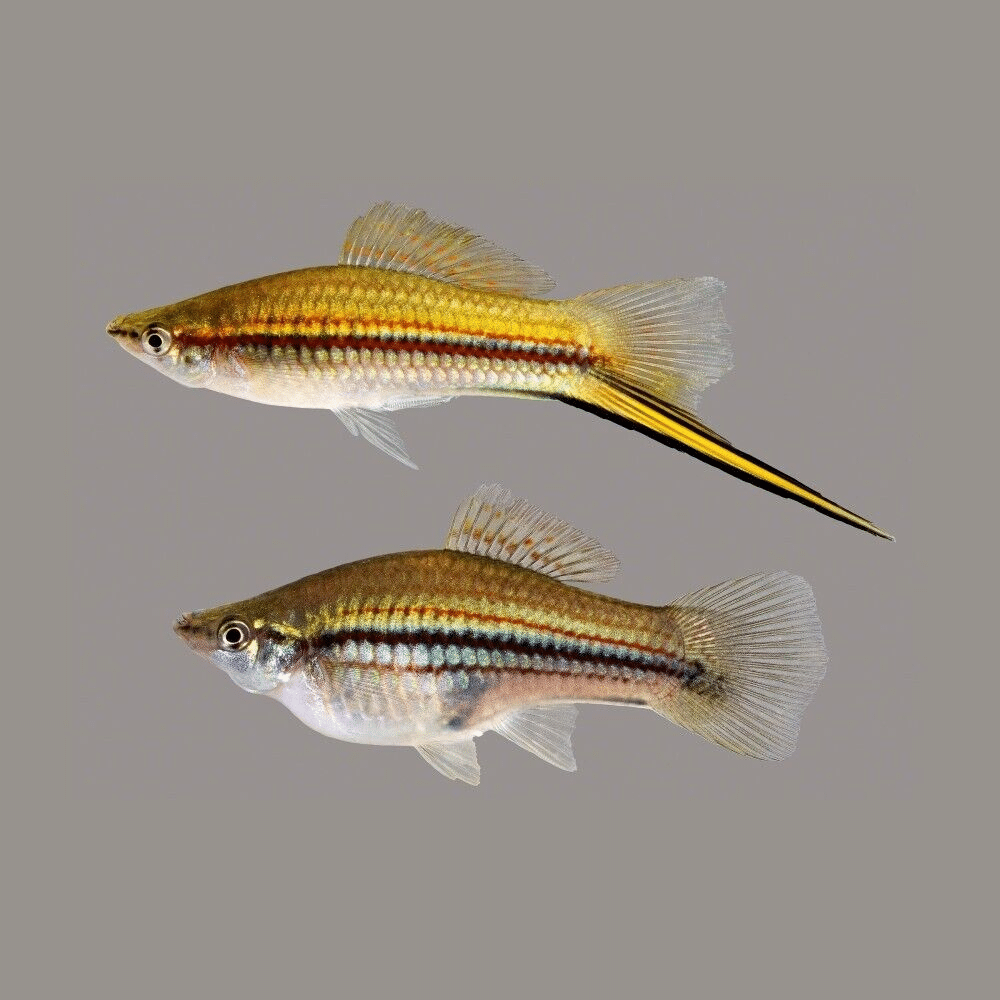
Yucatan Wild Swordtail Male – Xiphophorus Hellerii – Mexico Livebearer
Original price was: £134.49.£114.18Current price is: £114.18.
Welcome the vibrant Male Xiphophorus Hellerii ‘Yucatán’ to your aquarium! This stunning livebearer from Mexico brings color and elegance, thriving in community tanks. Perfect for aquarists seeking peaceful companions with a long lifespan and easy care requirements.
In stock
Species Introduction
The Male of Xiphophorus Hellerii, commonly known as the Yucatán Swordtail, is a stunning freshwater fish native to the rivers and streams of Mexico. This species is a member of the Poeciliidae family, which is known for its vibrant colors and lively behavior. The Yucatán Swordtail is particularly admired among aquarists for its striking appearance, characterized by a long, sword-like tail that adds an elegant touch to any aquarium setup. In their natural habitat, these fish thrive in warm, shallow waters with abundant aquatic vegetation, which provides them with both food and shelter. Their adaptability to various water conditions makes them a popular choice for both novice and experienced fish keepers alike.
Care Requirements Dashboard
Caring for the Yucatán Swordtail is relatively straightforward, making them an excellent choice for those new to the aquarium hobby. They prefer a tank size of at least 20 gallons, which allows ample space for swimming and social interaction. The ideal water parameters include a pH range of 7.0 to 8.0, a temperature of 72°F to 82°F, and a hardness level between 10 to 28 dGH. These fish are livebearers, meaning they give birth to free-swimming young rather than laying eggs, which adds to their appeal for aquarists interested in breeding. Regular water changes and monitoring of water quality are essential to ensure the health and longevity of your aquatic companions.
✓ Care level: Easy
Yucatán Swordtails are thriving and adaptable, making them suitable for beginners.
Natural Behavior & Temperament
The Yucatán Swordtail is known for its peaceful demeanor and sociable nature. These fish are generally non-aggressive and thrive in community tanks with other peaceful species. They exhibit interesting swimming patterns, often darting around the tank and displaying their vibrant colors. Males tend to be more colorful and exhibit more pronounced sword-like tails, while females are typically larger and less colorful. It’s essential to keep them in groups, as they feel more secure and display more natural behaviors when surrounded by their own kind. This species also enjoys exploring their environment, so providing plenty of hiding spots and plants will enhance their well-being.
Tank Setup Guide
Creating an ideal environment for your Yucatán Swordtails involves replicating their natural habitat as closely as possible. Start with a spacious tank of at least 20 gallons, filled with clean, dechlorinated water. Use a substrate of fine gravel or sand, which allows for easy planting of aquatic plants. Incorporate live plants such as Java Fern, Anubias, and Hornwort to provide hiding spots and grazing opportunities. Additionally, include driftwood and rocks to create territories and enhance the aesthetic appeal of the aquarium. Ensure that the tank is well-filtered to maintain water quality, and consider adding a gentle current to mimic their natural stream habitats.
Water Quality Management
Maintaining optimal water quality is crucial for the health of your Yucatán Swordtails. Regular testing of water parameters is essential to ensure they remain within the ideal ranges. The pH level should be kept between 7.0 and 8.0, with a temperature range of 72°F to 82°F. Hardness levels should be maintained between 10 to 28 dGH. Performing regular water changes of 20-30% weekly will help remove toxins and replenish essential minerals. Additionally, using a quality filtration system will aid in maintaining clear water and a stable environment. Be vigilant for signs of stress or illness, such as changes in behavior or appearance, and take immediate action if needed.
Feeding & Nutrition
Feeding your Yucatán Swordtails a varied diet is essential for their health and vibrancy. They are omnivorous and thrive on a balanced diet that includes high-quality flake food, pellets, and live or frozen foods such as brine shrimp, daphnia, and bloodworms. A feeding schedule of 2-3 small meals per day is recommended, ensuring that all food is consumed within a few minutes to prevent water quality issues. It’s also beneficial to occasionally offer blanched vegetables like spinach or zucchini to provide additional nutrients. Monitoring their feeding habits will help you gauge their health and adjust their diet as necessary.
Compatibility Guide
When selecting tank mates for your Yucatán Swordtails, it’s important to choose species that share similar temperaments and water requirements. Ideal companions include other peaceful fish such as guppies, tetras, danios, and other livebearers. Avoid keeping them with aggressive species or those that may nip at their fins. A well-planned community tank will not only enhance the beauty of your aquarium but also promote a harmonious environment where all fish can thrive. It’s advisable to introduce new fish gradually and monitor interactions to ensure compatibility.
Health & Wellness
Maintaining the health and wellness of your Yucatán Swordtails involves regular monitoring and proactive care. Common health issues include ich, fin rot, and swim bladder disease. To prevent these conditions, ensure that water quality is consistently high and that the tank is not overcrowded. Observe your fish for any signs of stress, such as changes in behavior, loss of appetite, or unusual swimming patterns. Quarantine any new arrivals before introducing them to the main tank to minimize the risk of disease transmission. If health issues arise, prompt treatment is essential, and consulting with a knowledgeable aquarist or veterinarian can provide valuable guidance.
Breeding Information
Breeding Yucatán Swordtails can be a rewarding experience for aquarists. These fish are livebearers, meaning that they give birth to live young rather than laying eggs. To encourage breeding, provide a separate breeding tank with plenty of hiding spots and plants. The ideal conditions include slightly warmer water temperatures and stable water parameters. After mating, females will carry the fry for about 4-6 weeks before giving birth. Once the fry are born, it is crucial to provide them with appropriate food, such as finely crushed flakes or specialized fry food, to ensure their growth and survival. Monitoring the fry closely will help you gauge their health and developmental needs.
Acclimation Process
When introducing your Yucatán Swordtails to a new aquarium, a proper acclimation process is essential to minimize stress and ensure a smooth transition. Begin by floating the sealed bag containing the fish in the tank for about 15-20 minutes to equalize the temperature. After that, gradually introduce small amounts of tank water into the bag over the course of an hour. This process helps the fish adjust to the new water parameters. Finally, gently release the fish into the tank using a net to avoid adding excess bag water, which may contain harmful substances. Monitoring the fish after introduction will help you identify any signs of stress or discomfort.
Long-term Care
Caring for your Yucatán Swordtails over the long term involves regular maintenance and observation. These fish can live for several years with proper care, so establishing a routine for water changes, feeding, and tank cleaning is essential. Monitor their growth and behavior, and be prepared to adjust their environment as needed. As they mature, you may notice changes in their coloration and behavior, particularly during breeding seasons. Keeping a close eye on their health and well-being will ensure that your aquatic companions thrive in their home.
Natural Habitat Recreation
To create a biotope that closely resembles the natural habitat of the Yucatán Swordtail, consider incorporating elements that mimic their environment. This includes using a sandy substrate, adding driftwood, and planting a variety of aquatic plants that provide cover and grazing opportunities. The addition of rocks can create territories and hiding spots, which are essential for their comfort and security. Ensure that the lighting is suitable to promote plant growth while also providing shaded areas where the fish can retreat. This setup not only enhances the aesthetic appeal of your aquarium but also promotes the natural behaviors of your fish friends.
Seasonal Care Adjustments
As seasons change, it is important to make adjustments to your Yucatán Swordtails’ care routine. During warmer months, ensure that the tank temperature remains stable and does not exceed 82°F, as higher temperatures can stress the fish. In colder months, consider using a heater to maintain a consistent temperature. Additionally, monitor the water quality closely during seasonal changes, as fluctuations can impact the health of your fish. Adjusting the lighting schedule to mimic natural daylight cycles can also benefit the overall well-being of your aquatic companions.
Expert Tips
For those looking to enhance their experience with Yucatán Swordtails, consider these expert tips. Regularly rotate tank decorations to create a stimulating environment, which encourages natural behaviors and reduces stress. Additionally, maintaining a diverse diet will promote vibrant colors and overall health. Keep a close eye on your fish’s interactions with tank mates to ensure harmony within the community. Finally, documenting your observations can provide valuable insights into their behavior and health, allowing you to make informed decisions for their care.
Troubleshooting
If you encounter issues with your Yucatán Swordtails, prompt action is crucial. Common problems include stress from aggressive tank mates, poor water quality, or inadequate diet. If you notice signs of stress, such as hiding or erratic swimming, assess the tank environment and make necessary adjustments. Regular water testing can help identify any imbalances that need to be addressed. If health problems arise, consult with a knowledgeable aquarist or veterinarian for guidance on treatment options.
Scientific Background
The Yucatán Swordtail, scientifically known as Xiphophorus Hellerii, belongs to the Poeciliidae family, which encompasses various livebearing fish species. This species is known for its adaptability and resilience in varying water conditions. Research into their natural habitat reveals that they thrive in freshwater environments with abundant vegetation, which provides both food and shelter. Understanding their scientific background can enhance your appreciation for these beautiful creatures and inform your care practices.
Advanced Care Techniques
For aquarists seeking to elevate their care of Yucatán Swordtails, advanced techniques can be employed. Consider implementing a breeding program to observe the fascinating life cycle of these fish. Additionally, experimenting with different plant species can create a dynamic and visually appealing environment. Regularly participating in aquarist forums or communities can provide valuable insights and tips from experienced fish keepers. Continuous learning and adaptation will enhance your ability to provide a thriving habitat for your aquatic companions.
✓ Ideal for Community Tanks
These fish thrive in peaceful community setups with similar-sized tank mates.
⚠ Important Notice
Ensure that tank mates are compatible to prevent stress and aggression.
✓ Care level: Easy
Yucatán Swordtails are thriving and adaptable, making them suitable for beginners.
⚠ Water Parameter Notice
Maintain a pH of 7.0-8.0 and a temperature of 72°F-82°F for optimal health.
Frequently Asked Questions
Q: What tank size is required for the Male Xiphophorus Hellerii «Yucatán»?
For the Male Xiphophorus Hellerii «Yucatán», a minimum tank size of 60 litres is recommended. This provides ample swimming space and helps maintain stable water conditions, which are vital for their health. Larger tanks are preferable as they allow for better water quality management and create a more natural environment. Additionally, these fish are social creatures and thrive in groups, so a larger tank can accommodate a small school, enhancing their comfort and reducing stress.
✓ Expert Tip
Consider adding plants and decorations to create hiding spots, as this mimics their natural habitat and reduces stress.
Q: What water parameters do these fish require?
Xiphophorus Hellerii «Yucatán» prefer slightly alkaline water with a pH range of 7.0 to 8.0, and a temperature of 22-28°C. It is vital to maintain stable water conditions, as fluctuations can lead to stress and health issues. Regular testing for ammonia, nitrites, and nitrates is essential; ammonia and nitrites should be at 0 ppm, while nitrates should be kept below 20 ppm. A well-maintained filtration system and routine water changes will help achieve and sustain these parameters.
✓ Expert Tip
Utilise a reliable water conditioner to remove harmful chemicals from tap water during changes.
Q: How often should I feed my Male Xiphophorus Hellerii?
Feeding should occur once or twice a day, providing only what they can consume within a few minutes. A varied diet is important for their health; high-quality flake or pellet food supplemented with frozen or live foods, such as brine shrimp or daphnia, will promote colour and vitality. Avoid overfeeding, as it can lead to poor water quality and health problems. Monitor their condition and adjust feeding amounts as necessary for optimal health.
✓ Expert Tip
Incorporate vegetable matter, such as spirulina flakes, to ensure a balanced diet.
Q: What are the best tank mates for the Male Xiphophorus Hellerii?
These fish are generally peaceful and can coexist with many other species. Ideal tank mates include other livebearers, such as guppies, platies, and mollies, as well as peaceful schooling fish like tetras and rasboras. Avoid keeping them with aggressive species or those that may nip fins, as this can lead to stress and injury. When introducing new tank mates, ensure that the aquarium is spacious enough to prevent territorial disputes.
✓ Expert Tip
Introduce new fish gradually to allow for proper acclimatisation and minimise stress.
Q: How do I properly acclimatise my Male Xiphophorus Hellerii to my aquarium?
Acclimatisation is crucial for the health of your new fish. Start by floating the sealed bag in the aquarium for about 15-20 minutes to equalise the temperature. Then, gradually introduce small amounts of aquarium water into the bag every 5-10 minutes. After about an hour, gently transfer the fish into the aquarium using a net, discarding the bag water to prevent introducing contaminants. This process helps reduce stress and allows the fish to adjust to their new environment.
✓ Expert Tip
Always monitor your fish closely for signs of stress or illness after acclimatisation.
Q: What are the signs of a healthy Male Xiphophorus Hellerii?
Healthy Male Xiphophorus Hellerii exhibit vibrant colours, clear eyes, and active swimming behaviour. They should be social and interact with tank mates. Look for signs of stress or illness, such as lethargy, loss of colour, or abnormal swimming patterns. Regular observation is essential; any sudden changes in behaviour or appearance warrant immediate investigation, including checking water parameters and ensuring a proper diet.
✓ Expert Tip
Keep a journal of your fish’s behaviour and health to spot trends and issues early.
Q: How do I successfully breed my Male Xiphophorus Hellerii?
Breeding Xiphophorus Hellerii is relatively straightforward. Ensure that you have a ratio of one male to two or three females to reduce stress on the females. Provide a breeding tank with plenty of plants for cover, as females will seek shelter to give birth. Maintain stable water conditions and a slightly higher temperature (around 26-28°C) to encourage breeding. After a gestation period of about 4-6 weeks, the female will give birth to live fry, which should be separated from adults to prevent predation.
✓ Expert Tip
Feed the fry with finely crushed flakes or specialised fry food to ensure proper growth.
Q: What temperature should I maintain for my Male Xiphophorus Hellerii?
The optimal temperature range for Male Xiphophorus Hellerii is between 22-28°C. Maintaining a stable temperature within this range is crucial for their health and well-being. Sudden fluctuations can cause stress and lead to health issues. A reliable aquarium heater and thermometer will help achieve and monitor the desired temperature. It’s advisable to perform regular checks, particularly during seasonal changes, to ensure consistency.
✓ Expert Tip
Consider using a temperature controller for precise regulation.
Q: How long do Male Xiphophorus Hellerii typically live in captivity?
In captivity, Male Xiphophorus Hellerii can live for 3 to 5 years, provided they are kept in optimal conditions. Factors such as water quality, diet, and tank mates play a significant role in their longevity. Regular maintenance and prompt attention to any health issues can help maximise their lifespan. It’s essential to create a stress-free environment to promote overall well-being and longevity.
✓ Expert Tip
Monitor their health regularly and provide a varied diet to enhance their lifespan.
Q: What type of substrate is most suitable for Male Xiphophorus Hellerii?
A sandy or fine gravel substrate is ideal for Male Xiphophorus Hellerii. This type of substrate mimics their natural habitat and allows for easier digging and foraging, which they enjoy. Additionally, avoid sharp substrates that can injure their delicate fins. Incorporating live plants can also enhance the environment, providing shelter and improving water quality through natural filtration. Regular cleaning of the substrate is necessary to prevent the build-up of waste and debris.
✓ Expert Tip
Consider using a substrate vacuum during water changes to maintain cleanliness.
Q: What behavioural patterns should I expect from Male Xiphophorus Hellerii?
Male Xiphophorus Hellerii are generally active and social, often seen swimming around the tank or exploring their environment. They exhibit curious behaviour and enjoy interacting with their tank mates, making them a lively addition to any aquarium. Males may display territorial behaviour, particularly during breeding, so providing ample space and hiding spots can help reduce aggression. Observing their behaviour is key to understanding their needs and ensuring a harmonious tank environment.
✓ Expert Tip
Regularly rearranging decorations can stimulate their curiosity and reduce territorial disputes.
Q: How can I prevent common diseases in Male Xiphophorus Hellerii?
Preventing diseases in Male Xiphophorus Hellerii involves maintaining excellent water quality, providing a balanced diet, and ensuring a stress-free environment. Regular water changes and monitoring parameters are crucial. Quarantine new arrivals before introducing them to the main tank to avoid potential contamination. Observe your fish regularly for signs of illness, such as changes in behaviour, colour, or appetite. Prompt treatment of any issues is vital for their health.
✓ Expert Tip
Consider adding aquarium salt to the water in small amounts to promote health and reduce stress.
Q: What lighting conditions do Male Xiphophorus Hellerii prefer?
Male Xiphophorus Hellerii thrive in moderate lighting conditions that simulate their natural habitat. A combination of ambient and direct lighting will enhance their vibrant colours and promote plant growth. It is advisable to provide around 10-12 hours of light per day, with a period of darkness to mimic natural day/night cycles. Avoid overly bright lighting, as this can cause stress and encourage algae growth.
✓ Expert Tip
Use a timer to regulate lighting schedules for consistency.
Q: How do I recognise stress in Male Xiphophorus Hellerii?
Signs of stress in Male Xiphophorus Hellerii include lethargy, hiding, loss of colour, rapid gill movement, and erratic swimming behaviour. Stress can result from poor water quality, overcrowding, or aggressive tank mates. If you observe these symptoms, it is essential to assess the tank environment and make necessary adjustments. Maintaining optimal conditions and a peaceful community is crucial for their well-being.
✓ Expert Tip
Consider adding more hiding spots or plants to reduce stress levels in your fish.
Q: What natural habitat conditions should I replicate for Male Xiphophorus Hellerii?
To replicate the natural habitat of Male Xiphophorus Hellerii, focus on creating a warm, well-planted environment with plenty of hiding spots. They originate from rivers and streams in Mexico, where they inhabit areas with dense vegetation and moderate water flow. Include a sandy or fine gravel substrate, along with live plants and smooth rocks or driftwood. This setup not only mimics their natural surroundings but also promotes their natural behaviours.
✓ Expert Tip
Utilising a sponge filter can provide gentle water movement, mimicking their natural habitat.
2 reviews for Yucatan Wild Swordtail Male – Xiphophorus Hellerii – Mexico Livebearer
Add a review
Related products




Emily Carter (verified owner) –
I recently added a male Xiphophorus Hellerii ‘Yucatán’ to my community tank, and I couldn’t be happier! This wild swordtail is such a vibrant addition, with stunning colors that bring my aquarium to life. Over the last month, I’ve noticed how social and active he is, constantly interacting with the other fish. His health seems excellent, and I appreciate that he’s a hardy livebearer, making him perfect for both beginners and seasoned aquarists.
One thing I love about these swordtail species is their peaceful nature, which allows for a harmonious tank environment. I’ve kept other varieties, but this one stands out for its unique markings and lively temperament. On the flip side, I did have to ensure they had enough swimming space, as they thrive in a well-planted tank—so keep that in mind when setting up!
Overall, I highly recommend the Xiphophorus Hellerii for anyone looking to add some color and personality to their aquarium. They’re truly a joy to care for and have brightened up my fishkeeping journey immensely!
Emily Roberts (verified owner) –
I recently added a male Xiphophorus Hellerii «Yucatán» to my 55-gallon aquarium, and I couldn’t be happier! This wild swordtail is not only stunning with its vibrant colors and striking sword-like tail, but it has also brought so much life to my tank. After about two months of keeping him, he has proven to be incredibly hardy and easy to care for, making him perfect for both beginners and seasoned aquarists alike. I love how he interacts with my other fish and gracefully swims around the aquatic plants I’ve carefully chosen for their health and happiness.
Compared to other livebearers I’ve tried, the Yucatán swordtail stands out due to its unique coloration and lively personality. He’s always exploring and engaging, which truly enhances the ambiance of my aquarium. My only minor concern is that he can be a bit assertive during feeding time, so I suggest ensuring there are ample food options for your tank mates.
If you’re looking to add a splash of color and character to your setup, I wholeheartedly recommend this stunning fish. It’s truly a rewarding experience watching him thrive in a well-planted environment, and I’m excited to see how he continues to grow!