
6 X Blue Moon Danio – Devario Xyrops – Cyprinid Fish
Original price was: £43.49.£36.77Current price is: £36.77.
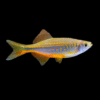
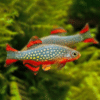
Welcome these beautiful Blue Moon Danios (Devario Xyrops) into your aquarium. Their stunning blue coloration and graceful movements make them a perfect addition to any community tank. This listing includes 6 individual fish, thriving in peaceful environments with proper care.
In stock


Species Introduction
The Blue Moon Danios, scientifically known as Devario xyrops, are delightful freshwater fish that belong to the Cyprinidae family. These vibrant aquatic companions originate from the lush waters of Southeast Asia, where they thrive in a variety of freshwater habitats, including rivers, streams, and ponds. Their natural environment is characterized by dense vegetation and a moderate current, which provides them with ample hiding spots and foraging opportunities. As a small fish species, Blue Moon Danios typically reach a maximum length of around 6 cm (2.4 inches), making them an ideal choice for community tanks and aquariums of various sizes. Their striking coloration, featuring iridescent blue and silver hues, adds a splash of vibrancy to any aquatic setup, making them a popular choice among aquarium enthusiasts.
Care Requirements Dashboard
| Optimal Living Conditions | |
|---|---|
| Water Temperature | 24-27°C (75-81°F) |
| pH Level | 6.5-7.5 |
| Water Hardness | 4-12 dKH |
| Minimum Tank Size | 80L (20 gal) |
| Salinity | Freshwater |
| Care Level | Beginner Friendly |
✓ Care Level: Easy
Tank Size: Minimum 20 gallons
Water Parameters: pH 6.5-7.5, Temperature 22-28°C (72-82°F), Hardness 5-15 dGH
To ensure the well-being of your Blue Moon Danios, it is crucial to maintain optimal water conditions and provide a spacious environment. A minimum tank size of 20 gallons is recommended to accommodate their active swimming behavior. The water parameters should be kept stable, with a pH level ranging from 6.5 to 7.5, a temperature between 22 to 28 degrees Celsius (72 to 82 degrees Fahrenheit), and a hardness level of 5 to 15 dGH. Regular water changes and filtration are essential to keep the water clean and free from harmful toxins. These fish are known for their resilience and adaptability, making them suitable for both novice and experienced aquarists.
Natural Behavior & Temperament
Blue Moon Danios are lively and sociable fish that exhibit a variety of natural behaviors. In their natural habitat, they are often found swimming in schools, which provides them with safety and security from predators. This schooling behavior is essential for their well-being, as they thrive in the company of their own kind. When welcomed into a community tank, it is recommended to have at least six individuals to promote a healthy social structure. These fish are generally peaceful and can coexist harmoniously with other community aquarium fish, making them an excellent choice for a mixed-species setup. Their active swimming patterns and playful interactions bring life to the aquarium, providing endless entertainment for fish keepers.
Tank Setup Guide
Creating an ideal environment for your Blue Moon Danios involves careful consideration of tank setup and decorations. These fish prefer a well-planted aquarium with plenty of hiding spots and open swimming areas. Incorporating live aquarium plants, such as Java Fern or Anubias, not only enhances the aesthetic appeal of the tank but also provides natural cover for the fish. A sandy or fine gravel substrate is recommended to mimic their natural habitat and allow for easy foraging. Additionally, the use of driftwood or rocks can create territories and provide shelter. It is essential to ensure that the tank is well-cycled and that water parameters are stable before introducing your fish friends. Proper filtration and aeration will help maintain water quality, ensuring a healthy environment for your aquatic companions.
Water Quality Management
⚠ Water Parameter Notice
pH: 6.5-7.5, Temperature: 22-28°C (72-82°F), Hardness: 5-15 dGH
Maintaining optimal water quality is crucial for the health and longevity of your Blue Moon Danios. Regular testing of water parameters using reliable aquarium test kits will help you monitor pH, temperature, and hardness levels. It is advisable to perform partial water changes of 10-20% weekly to keep the water clean and free from harmful pollutants. Additionally, ensuring proper filtration will help maintain clarity and oxygenation in the tank. If you notice any fluctuations in water parameters, take immediate action to rectify the situation, as sudden changes can stress your fish and lead to health issues.
Feeding & Nutrition
Blue Moon Danios are omnivorous fish that thrive on a varied diet. In the wild, they consume a mix of small invertebrates, algae, and plant matter. In captivity, it is essential to provide a balanced diet that includes high-quality flake food, micro-pellets, and occasional live or frozen foods such as brine shrimp, daphnia, and bloodworms. Feeding should occur 2-3 times a day, with only what they can consume in a few minutes to prevent overfeeding and maintain water quality. It is also beneficial to include vegetable-based foods to ensure they receive adequate nutrients for optimal health. A well-rounded diet will not only enhance their coloration but also support their overall vitality.
Compatibility Guide
✓ Peaceful Fish
Compatible with: Tetras, Rasboras, Gouramis, and other small, peaceful species.
When selecting tank mates for your Blue Moon Danios, it is important to choose peaceful fish species that share similar water requirements. They are compatible with a variety of community tank fish, including Tetras, Rasboras, and Gouramis. Avoid keeping them with aggressive or larger species that may see them as prey. The ideal community aquarium should feature a mix of small, peaceful fish to create a harmonious environment. Observing the social dynamics of your tank will also help ensure that all fish are thriving and comfortable in their shared habitat.
Health & Wellness
Maintaining the health and wellness of your Blue Moon Danios requires regular observation and proactive care. Common health issues include ich, fin rot, and other parasitic infections. To prevent these problems, ensure that water quality is consistently monitored and maintained. Quarantine new fish before introducing them to your main tank to prevent the spread of diseases. Signs of stress or illness in Danios may include lethargy, loss of appetite, and abnormal swimming behavior. If you notice any of these symptoms, it is crucial to take immediate action by adjusting water parameters or consulting with an aquatic veterinarian for appropriate treatment options. Regularly providing a stress-free environment and a balanced diet will contribute to their overall health and longevity.
Breeding Information
Breeding Blue Moon Danios can be a rewarding experience for aquarists. These fish are egg layers and typically spawn in the early morning hours. To encourage breeding, it is advisable to set up a separate breeding tank with fine-leaved plants or spawning mops where the female can lay her eggs. The ideal water conditions for breeding include slightly acidic pH and a temperature of around 24-26°C (75-79°F). Once the eggs are laid, it is essential to remove the adult fish from the breeding tank, as they may eat the eggs. The eggs will hatch within 24-48 hours, and the fry will become free-swimming in about a week. At this stage, it is important to provide them with finely crushed flake food or specialized fry food to ensure healthy growth.
Acclimation Process
Introducing your Blue Moon Danios to their new home requires a careful acclimation process to minimize stress. Begin by floating the sealed bag containing the fish in the aquarium for about 15-20 minutes to equalize the temperature. After this, gradually mix small amounts of aquarium water into the bag over the course of an hour. This will help the fish adjust to the new water parameters. Once acclimated, gently release the fish into the tank using a net to avoid adding excess bag water. It is advisable to monitor the fish closely for the first few days to ensure they are adapting well to their new environment. Providing a calm and stable habitat will help them settle in comfortably.
Long-term Care
Blue Moon Danios are known for their longevity, often living for 3-5 years when provided with proper care. To ensure their long-term health, regular maintenance of the aquarium is essential. This includes consistent water changes, monitoring water parameters, and maintaining a balanced diet. As they grow, it is important to observe their behavior and adjust tank conditions as needed. Keeping the tank clean and well-maintained will help prevent disease and promote a thriving community. Additionally, regular interaction with your fish can help you become more attuned to their needs and behaviors, enhancing your experience as an aquarist.
Natural Habitat Recreation
Recreating the natural habitat of Blue Moon Danios in your aquarium can greatly enhance their well-being. Mimicking their native environment involves incorporating live plants, such as floating and rooted varieties, to provide cover and foraging opportunities. The addition of driftwood and rocks can create natural hiding spots and territories, allowing the fish to exhibit their natural behaviors. Maintaining a moderate water flow will also help replicate their natural habitat, as these fish are accustomed to swimming in slightly moving waters. By creating a biotope that reflects their natural surroundings, you not only enhance the aesthetic appeal of your aquarium but also promote the health and happiness of your aquatic companions.
Seasonal Care Adjustments
As seasons change, so too may the needs of your Blue Moon Danios. During warmer months, it is essential to monitor the water temperature closely, as higher temperatures can lead to decreased oxygen levels. Ensure that your aquarium is adequately aerated and consider using fans or chillers if necessary. In colder months, maintaining a stable temperature is crucial, as fluctuations can stress the fish. Adjusting the lighting duration to mimic natural daylight cycles can also benefit their health throughout the year. Regular observation of your fish during seasonal changes will help you identify any adjustments needed to keep them thriving.
Expert Tips
For those looking to provide the best care for their Blue Moon Danios, here are some expert tips to enhance their living conditions. First, consider adding a varied diet that includes both high-quality flake food and live or frozen options to promote vibrant coloration and health. Additionally, maintaining a well-planted aquarium not only enhances their habitat but also provides natural foraging opportunities. Regularly check for signs of stress or illness, and be proactive in addressing any issues that arise. Finally, engaging with your fish through feeding and observation can help you build a deeper connection and ensure their happiness in your care.
Troubleshooting
If you encounter any issues while caring for your Blue Moon Danios, it is essential to address them promptly. Common problems may include stress due to poor water quality, aggression from tank mates, or inadequate hiding spots. If you notice signs of illness, such as abnormal swimming behavior, lethargy, or loss of appetite, it is crucial to test water parameters and make necessary adjustments. Quarantine new fish before introducing them to prevent disease transmission. Seeking advice from experienced aquarists or aquatic veterinarians can also provide valuable insights into resolving any challenges you may face.
Scientific Background
The Blue Moon Danios belong to the family Cyprinidae, which encompasses a wide variety of freshwater fish species. Their scientific classification is as follows: Kingdom Animalia, Phylum Chordata, Class Actinopterygii, Order Cypriniformes, Family Cyprinidae, Genus Devario, and Species xyrops. This classification highlights their close relationship with other popular aquarium fish, such as Tetras and Barbs. Research on Danios has contributed to our understanding of fish behavior, genetics, and environmental adaptations, making them a valuable species for both scientific study and aquarium keeping. Conservation efforts are also essential to protect their natural habitats, ensuring that future generations can enjoy these beautiful creatures.
Advanced Care Techniques
For experienced aquarists looking to take their care of Blue Moon Danios to the next level, consider implementing advanced techniques such as breeding programs or biotope aquariums. Breeding these fish can provide insights into their reproductive behaviors and contribute to the preservation of the species. Creating a biotope aquarium that mimics their natural environment can enhance their well-being and provide a unique aesthetic experience. Additionally, experimenting with different plant species and tank layouts can promote natural behaviors and improve the overall health of your fish. Continuous learning and adaptation are key to successful aquarium keeping, allowing you to provide the best possible care for your aquatic friends.
Frequently Asked Questions
Q: What tank size is required for Blue Moon Danios?
Blue Moon Danios, or Devario xyrops, thrive in a minimum tank size of 75 litres. This size allows them ample swimming space and helps maintain stable water parameters. They are active swimmers and enjoy having room to explore. A larger tank can also help dilute waste products, contributing to better water quality. If you plan on keeping a school of these fish, which is recommended as they are social creatures, consider increasing the tank size accordingly. A 100-litre tank would be ideal for keeping a small group of six or more, ensuring they feel secure and can exhibit natural behaviours.
✓ Expert Tip
Ensure the tank is well-planted with open swimming areas to mimic their natural habitat.
Q: What water parameters do Blue Moon Danios require?
Blue Moon Danios prefer slightly acidic to neutral water, with a pH range of 6.5 to 7.5. The temperature should be maintained between 22°C and 26°C for optimal health. Additionally, they thrive in well-oxygenated water, so a good filtration system is essential. Regular water changes of 10-15% weekly will help maintain water quality. Ammonia and nitrite levels should ideally be at 0 ppm, while nitrates should not exceed 20 ppm. Using a good quality water conditioner can also assist in establishing a stable environment.
✓ Expert Tip
Invest in a reliable test kit to regularly monitor water parameters.
Q: How often should I feed Blue Moon Danios?
Blue Moon Danios should be fed small amounts two to three times daily. It is crucial to provide only what they can consume in a few minutes to avoid overfeeding, which can lead to poor water quality. A balanced diet consisting of high-quality flake food, supplemented with frozen or live foods such as brine shrimp or daphnia, will promote their health and vibrant colours. Be mindful of their feeding habits; they are active feeders and will appreciate variety in their diet.
✓ Expert Tip
Consider using a feeding ring to prevent food from drifting away in the current.
Q: What are the best tank mates for Blue Moon Danios?
Blue Moon Danios are peaceful and sociable fish, making them excellent tank mates for a variety of species. Ideal companions include other small, non-aggressive fish such as Tetras, Rasboras, and small Gouramis. Avoid larger or more aggressive species, as they may stress the Danios. It’s advisable to keep them in groups of at least six, as they feel more secure and display more natural behaviours in numbers. Always monitor interactions when introducing new tank mates to ensure compatibility.
✓ Expert Tip
Research potential tank mates thoroughly to ensure a harmonious aquarium environment.
Q: How do I properly acclimatise Blue Moon Danios to my aquarium?
Acclimatisation is crucial for the health of Blue Moon Danios. Begin by floating the sealed bag containing the fish in your aquarium for about 15-20 minutes to equalise the temperature. After that, gradually introduce small amounts of aquarium water into the bag every 5-10 minutes for about an hour. This process helps them adjust to the water chemistry. Once acclimatised, gently release the fish into the tank using a net, avoiding adding the bag water to your aquarium to prevent contamination.
✓ Expert Tip
Be patient and avoid rushing the acclimatisation process to reduce stress.
Q: What are the signs of healthy Blue Moon Danios?
Healthy Blue Moon Danios exhibit vibrant colours, clear eyes, and active swimming behaviour. They should be responsive to stimuli and display social interactions with their tank mates. Look for signs of stress, such as hiding, lethargy, or clamped fins, which may indicate poor water quality or illness. Regularly observing their behaviour and appearance can help you catch potential health issues early. Keeping the tank clean and maintaining proper water parameters will further promote their well-being.
✓ Expert Tip
Consider keeping a journal of their behaviour and tank conditions to spot trends.
Q: How do I successfully breed Blue Moon Danios?
Breeding Blue Moon Danios can be rewarding and relatively straightforward. To encourage spawning, provide a separate breeding tank with fine-leaved plants or spawning mops. Ensure the water temperature is slightly elevated to around 26°C and maintain excellent water quality. Once the female is ready, she will lay eggs, which the male fertilises. After spawning, remove the adults to prevent them from eating the eggs. The eggs typically hatch within 24-48 hours, and the fry can be fed infusoria or finely crushed flakes until they are large enough for larger food.
✓ Expert Tip
Provide gentle filtration in the breeding tank to ensure the eggs remain undisturbed.
Q: What temperature should I maintain for Blue Moon Danios?
The ideal temperature range for Blue Moon Danios is between 22°C and 26°C. Maintaining this temperature range is vital for their overall health and activity levels. A stable temperature is crucial; fluctuations can stress the fish, leading to health issues. It is advisable to use an aquarium heater with a reliable thermostat to ensure the temperature remains consistent. Regularly check the temperature with a high-quality thermometer to ensure it stays within the desired range.
✓ Expert Tip
Place the heater near the filter outlet for even temperature distribution.
Q: How long do Blue Moon Danios typically live in captivity?
In captivity, Blue Moon Danios can live between 4 to 6 years with proper care. Their lifespan can be influenced by factors such as water quality, diet, and tank conditions. Providing a well-maintained environment, a balanced diet, and regular health checks will contribute to their longevity. It is essential to monitor their wellbeing and address any health concerns promptly to ensure they thrive throughout their lifespan.
✓ Expert Tip
Keep a consistent aquarium routine to help ensure their health and happiness.
Q: What type of substrate is most suitable for Blue Moon Danios?
Blue Moon Danios are quite adaptable when it comes to substrate. However, a fine gravel or sandy substrate is recommended, as it allows for easy movement and digging without harming their delicate bodies. Additionally, a natural substrate can help create a more visually appealing environment that mimics their natural habitat. Ensure that any substrate used is clean and free of sharp edges to prevent injuries.
✓ Expert Tip
Consider adding plants to the substrate for a more natural and stimulating environment.
Q: What behavioural patterns should I expect from Blue Moon Danios?
Blue Moon Danios are known for their lively and active behaviour. They display a playful nature, often swimming in groups and darting about the tank. This social behaviour is crucial for their wellbeing, as they are schooling fish. You may observe them engaging in playful chases and establishing a hierarchy within the group. They are generally peaceful and can be seen interacting harmoniously with their tank mates. Providing them with ample space and hiding spots will encourage their natural behaviour.
✓ Expert Tip
Introduce a few decorations to provide enrichment and encourage exploration.
Q: How can I prevent common diseases in Blue Moon Danios?
Preventing diseases in Blue Moon Danios starts with maintaining excellent water quality. Regular water changes, proper filtration, and monitoring parameters are essential. Quarantine any new fish before introducing them to your tank to prevent the spread of diseases. Additionally, avoid overfeeding, as this can lead to poor water quality and health issues. Providing a varied diet rich in nutrients will enhance their immune system and resilience against diseases.
✓ Expert Tip
Regularly inspect your fish for any signs of illness or distress.
Q: What lighting conditions do Blue Moon Danios prefer?
Blue Moon Danios thrive under moderate lighting conditions. They appreciate a well-lit aquarium that mimics their natural habitat, but excessive brightness can cause stress. A combination of ambient lighting and shaded areas created by plants and decorations will provide a comfortable environment. Using a good quality aquarium light for around 10-12 hours a day will help maintain a healthy balance of light and dark, promoting plant growth and the wellbeing of your fish.
✓ Expert Tip
Consider utilising a timer to maintain consistent lighting schedules.
Q: How do I recognise stress in Blue Moon Danios?
Signs of stress in Blue Moon Danios can include hiding, lethargy, and clamped fins. They may also display erratic swimming patterns or excessive darting around the tank. Stress can be caused by poor water quality, overcrowding, or aggressive tank mates. Regular observation of their behaviour is key to identifying any potential issues. If you notice signs of stress, investigate and rectify the underlying cause to help your fish return to a healthy state.
✓ Expert Tip
Maintain a calm environment and avoid sudden changes to their habitat.
Q: What natural habitat conditions should I replicate for Blue Moon Danios?
In their natural habitat, Blue Moon Danios inhabit rivers and streams with moderate flow, often surrounded by vegetation. To replicate these conditions, provide a well-planted aquarium with open swimming areas and gentle water movement. Using a combination of live plants and decorations will create hiding spots and encourage natural behaviours. Additionally, maintaining slightly acidic to neutral water conditions will help mimic their natural environment, promoting their overall health and wellbeing.
✓ Expert Tip
Incorporate driftwood or rocks to enhance the natural aesthetic of the aquarium.
1 review for 6 X Blue Moon Danio – Devario Xyrops – Cyprinid Fish
Add a review
Related products




Emily Carter (verified owner) –
I recently added a group of 6 Blue Moon Danios (Devario xyrops) to my 50-gallon freshwater tank, and I couldn’t be happier! These little guys are a joy to watch as they dart around, showcasing their beautiful iridescent blue hues. After just a couple of weeks, I’ve noticed they are quite social and get along beautifully with my other tropical fish.
One of the standout features is how active they are. They seem to thrive in a well-planted environment, and I truly believe a larger tank enhances their happiness. I’ve compared these to some standard zebra danios I used to have, and the Blue Moon Danios are definitely more vibrant and engaging.
I had a minor concern about their initial shyness, but it only took a few days for them to come out of their shells and explore. If you’re looking for lively, colorful aquarium fish, I highly recommend these little beauties! They’re perfect for community tanks and a fantastic choice for both beginner and experienced aquarists.
Just a tip: ensure your tank is well-cycled and stable to help them adjust better. I love watching them and can’t wait to see how they grow. Will definitely purchase again!