
Subtotal: £5.81
Sale!
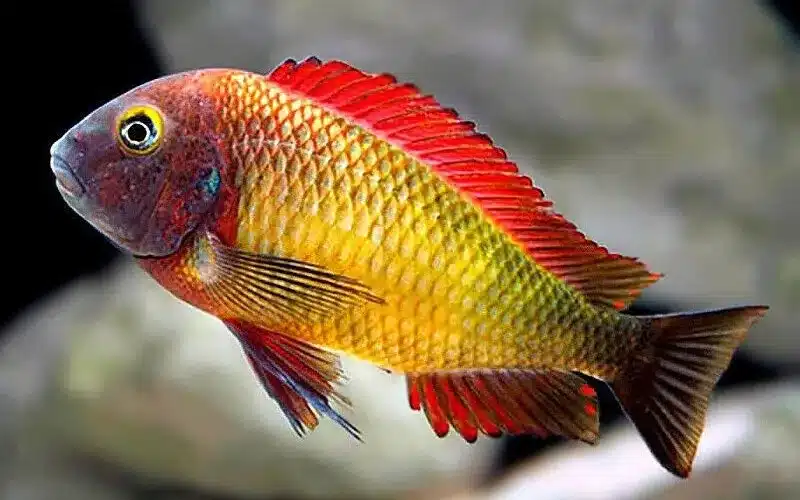
Orange II Blunthead Cichlid – Tropheus Moorii «Orange II» – Tanganyika Lake
Original price was: £51.49.£43.54Current price is: £43.54.
Welcome the stunning Orange II Blunthead Cichlid, a beautiful inhabitant of Lake Tanganyika. This vibrant fish thrives in well-maintained aquariums and pairs beautifully with peaceful companions. Perfect for aquarists seeking colorful, tropical fish that bring life to any freshwater setup.
In stock

Species Introduction
The Orange II Blunthead Cichlid, scientifically known as Tropheus Moorii, is a stunning freshwater fish native to the rocky shores of Lake Tanganyika in East Africa. This vibrant cichlid is celebrated for its striking orange coloration, which can vary in intensity and hue among individuals. The natural habitat of these fish consists of rocky outcrops and sandy substrates, where they thrive in stable water conditions. As a member of the cichlid family, the Orange II Blunthead Cichlid exhibits a unique blend of beauty and personality, making it a popular choice for aquarists seeking to create a captivating aquatic environment. These fish are known for their territorial nature and social behavior, often forming small groups or harems in their natural habitat, which adds to their charm as aquarium inhabitants.
Care Requirements Dashboard
Essential Care Guide for Your Orange II Blunthead Cichlid – Tropheus Moorii «Orange II» – Tanganyika Lake
| Optimal Living Conditions | |
|---|---|
| Water Temperature | 24-26°C (75-79°F) |
| pH Level | 8.1-8.4 |
| Water Hardness | 8-12 dKH |
| Minimum Tank Size | 200L (50 gal) |
| Salinity | 1.020-1.025 SG |
| Care Level | Intermediate |
When welcoming the Orange II Blunthead Cichlid into your aquarium, it is essential to provide optimal care to ensure their health and happiness. The recommended tank size for these cichlids is a minimum of 75 gallons, as they require ample swimming space and territories to establish. The ideal water parameters include a pH range of 8.0 to 9.0, a temperature between 75°F to 82°F, and a hardness of 10 to 20 dGH. These fish thrive in stable conditions, so regular water changes and quality monitoring are crucial. The care level for the Orange II Blunthead Cichlid is moderate, making them suitable for aquarists with some experience. Proper filtration and aeration are also essential to maintain water quality, as these fish are sensitive to changes in their environment.
Natural Behavior & Temperament
The Orange II Blunthead Cichlid exhibits fascinating natural behaviors that reflect their origins in Lake Tanganyika. In the wild, these fish are known to inhabit rocky crevices, where they establish territories and engage in social interactions. They are primarily herbivorous, grazing on algae and plant matter, which is essential for their health. In an aquarium setting, you will observe their active swimming patterns, with males often displaying territorial behavior, especially during breeding seasons. Their temperament can be described as semi-aggressive, particularly towards other cichlids of similar shape or color. It is important to provide hiding spots and territories within the tank to reduce aggression and allow for natural behaviors to flourish.
Tank Setup Guide
Creating an ideal environment for your Orange II Blunthead Cichlid involves careful planning and consideration of their natural habitat. A well-structured tank should include plenty of rocky formations, caves, and hiding spots to mimic the rocky shores of Lake Tanganyika. A sandy substrate is recommended, as it allows for natural digging behavior and provides a comfortable environment for these fish. When aquascaping, consider using live plants that can withstand the cichlids’ grazing habits, such as Anubias or Java Fern, as they can enhance the aesthetic appeal of the aquarium while providing additional cover. Proper water flow is also important; a gentle current can help simulate their natural environment, while ensuring that the fish feel secure and comfortable.
Water Quality Management
Maintaining optimal water quality is paramount for the health of your Orange II Blunthead Cichlid. These fish thrive in alkaline conditions, so it is crucial to regularly test the pH levels, aiming for a range of 8.0 to 9.0. The temperature should be kept stable between 75°F to 82°F, and the hardness should be maintained at 10 to 20 dGH. Regular water changes of 20-30% every two weeks will help keep the water clean and free from harmful toxins. Additionally, using a high-quality filtration system is essential to ensure proper water circulation and to remove debris and waste. Monitoring ammonia, nitrite, and nitrate levels is also important, as cichlids are sensitive to poor water conditions, which can lead to stress and health issues.
Feeding & Nutrition
The diet of the Orange II Blunthead Cichlid should closely resemble their natural feeding habits in the wild. As primarily herbivores, they thrive on a diet rich in plant matter. High-quality spirulina flakes or pellets should form the staple of their diet, supplemented with blanched vegetables such as zucchini, spinach, and peas. Feeding should occur 2-3 times a day, with only what they can consume in a few minutes to prevent overfeeding and maintain water quality. It is also beneficial to include occasional protein sources, such as brine shrimp or bloodworms, to enhance their coloration and overall health. Monitoring their feeding habits will help you gauge their health and ensure they are receiving a balanced diet.
Compatibility Guide
When considering tank mates for the Orange II Blunthead Cichlid, it is important to choose species that can coexist peacefully in a community setting. Ideal companions include other Lake Tanganyika cichlids, such as Chalinochromis brichardi and Julidochromis species, as they share similar water requirements and temperaments. However, it is crucial to avoid keeping them with overly aggressive or territorial fish, as this can lead to stress and conflict. Providing ample hiding spots and territories will help reduce aggression and allow for a harmonious community. Always monitor interactions and be prepared to separate fish if aggression occurs, ensuring a peaceful environment for all aquatic companions.
Health & Wellness
Maintaining the health and wellness of your Orange II Blunthead Cichlid involves regular monitoring and proactive care. Common health issues include ich, fin rot, and other parasitic infections, which can arise from poor water quality or stress. It is essential to observe your fish for any signs of illness, such as changes in behavior, loss of appetite, or visible lesions. Preventative measures include maintaining stable water parameters, providing a balanced diet, and minimizing stress through proper tank setup and social dynamics. If health issues arise, prompt treatment with appropriate medications and improved water conditions can help restore your fish to optimal health.
Breeding Information
Breeding the Orange II Blunthead Cichlid can be a rewarding experience for dedicated aquarists. These fish are mouthbrooders, meaning the female carries and protects her eggs in her mouth until they are ready to hatch. To encourage breeding, it is essential to provide a suitable environment that mimics their natural habitat, including caves and flat surfaces for spawning. The female will lay eggs on a flat surface, which the male will fertilize. After fertilization, the female will collect the eggs in her mouth for incubation, typically lasting around three weeks. Once the fry are ready to swim freely, it is important to provide them with finely crushed flake food or specialized fry food to ensure healthy growth. Monitoring the fry’s development and providing appropriate care will increase their chances of survival.
Acclimation Process
The acclimation process is critical for the successful introduction of your Orange II Blunthead Cichlid into a new aquarium. To minimize stress, it is recommended to use the drip acclimation method, which involves slowly introducing the fish to the new water conditions over a period of several hours. Begin by floating the sealed bag containing the fish in the aquarium for about 15 minutes to equalize the temperature. Then, gradually add small amounts of aquarium water to the bag every 15 minutes, allowing the fish to adjust to the new parameters. Once the salinity and temperature are similar, gently transfer the fish into the aquarium using a net, avoiding the water from the bag to prevent contamination. This careful acclimation process will help ensure a smooth transition and reduce the risk of shock.
Long-term Care
Long-term care for the Orange II Blunthead Cichlid involves understanding their growth expectations and providing a stable environment throughout their lives. These fish can grow to a maximum length of approximately 6 to 8 inches, depending on their diet and living conditions. As they mature, it is essential to monitor their growth and adjust their diet accordingly to support healthy development. Regular water quality testing and maintenance will be crucial to their long-term health, as cichlids are sensitive to fluctuations in their environment. Additionally, maintaining a suitable social structure within the tank will contribute to their well-being, as these fish thrive in stable, peaceful communities.
Natural Habitat Recreation
Recreating the natural habitat of the Orange II Blunthead Cichlid is essential for their overall health and happiness. In their native Lake Tanganyika, these fish inhabit rocky areas with plenty of hiding spots and algae growth. To replicate this environment in your aquarium, incorporate a variety of rocks and caves, ensuring that there are ample spaces for the fish to explore and establish territories. Additionally, using a sandy substrate will mimic the lake’s bottom and allow for natural digging behavior. Consider adding live plants that can thrive in alkaline conditions, as they will provide a natural source of food and enhance the aesthetic appeal of the tank. By creating a biotope that closely resembles their natural habitat, you will promote the well-being of your Orange II Blunthead Cichlid.
Seasonal Care Adjustments
As with any aquatic species, seasonal care adjustments may be necessary to ensure the health and comfort of your Orange II Blunthead Cichlid. During warmer months, it is crucial to monitor the water temperature closely, as higher temperatures can lead to stress and health issues. Ensure that the tank is adequately aerated and consider using a fan or chiller if temperatures rise significantly. In contrast, during cooler months, maintaining a stable temperature is essential; consider using a reliable aquarium heater to prevent fluctuations. Additionally, adjusting the lighting duration to mimic natural daylight cycles can help regulate their behavior and promote a healthy environment. By being proactive with seasonal care adjustments, you can create a stable and comfortable habitat for your fish friends.
Expert Tips
For aquarists looking to provide the best care for their Orange II Blunthead Cichlid, here are some expert tips to enhance their experience. First, consider keeping a small group of these fish, as they thrive in social settings. A ratio of one male to several females can help reduce aggression and promote natural behaviors. Secondly, regular maintenance of the aquarium, including water changes and substrate cleaning, will help prevent the buildup of harmful toxins. Lastly, investing in high-quality food and supplements can significantly improve their coloration and vitality. By following these expert tips, you can create a thriving environment for your Orange II Blunthead Cichlid.
Troubleshooting
Despite best efforts, aquarists may encounter challenges while caring for their Orange II Blunthead Cichlid. Common issues include aggression among tank mates, poor water quality, and health problems. If aggression arises, consider rearranging the tank decor to disrupt established territories and reduce stress. For water quality issues, regular testing and maintenance are crucial; ensure that ammonia and nitrite levels remain at zero, and nitrates are kept below 20 ppm. If health problems occur, promptly isolate any affected fish and treat with appropriate medications. By being proactive and observant, you can effectively troubleshoot and resolve issues that may arise in your aquarium.
Scientific Background
The Orange II Blunthead Cichlid belongs to the family Cichlidae, which is known for its diverse range of species and complex behaviors. Lake Tanganyika, where these fish are found, is one of the oldest and deepest freshwater lakes in the world, hosting a unique ecosystem with numerous endemic species. The cichlid family is renowned for its evolutionary adaptations, including mouthbrooding and diverse feeding strategies. Research into cichlid behavior and ecology continues to provide valuable insights into their care and conservation. Understanding the scientific background of the Orange II Blunthead Cichlid can enhance your appreciation for these remarkable fish and their role in the aquatic ecosystem.
Advanced Care Techniques
For experienced aquarists looking to take their care for the Orange II Blunthead Cichlid to the next level, consider implementing advanced care techniques. One approach is to establish a breeding colony, which involves keeping multiple males and females to encourage natural breeding behaviors. Additionally, experimenting with different types of food, including homemade recipes, can enhance coloration and overall health. Regularly rotating tank decorations can also stimulate the fish’s natural curiosity and reduce stress. By applying these advanced techniques, you can create a dynamic and enriching environment for your aquatic companions.
✓ Care Level: Moderate
These cichlids require stable water conditions and a well-structured environment to thrive.
⚠ Important Notice
Ensure to monitor water quality regularly to prevent stress and health issues.
⚠ Tank Size Requirement
A minimum tank size of 75 gallons is recommended for these cichlids.
✓ Ideal Tank Mates
Consider pairing with Chalinochromis brichardi or Julidochromis species for a peaceful community.
Frequently Asked Questions
Q: What tank size is required for the Orange II Blunthead Cichlid?
The Orange II Blunthead Cichlid, or Tropheus Moorii, requires a minimum tank size of 200 litres (approximately 52 gallons) to thrive. These fish are active swimmers and can become territorial, particularly as they mature. A larger tank allows for adequate space to establish territories and reduces stress. Additionally, it is advisable to maintain a group of at least six individuals to help distribute aggression and promote natural behaviour. A larger setup not only provides ample swimming space but also allows for the incorporation of various hiding spots and visual barriers, which are essential for their comfort and well-being.
✓ Expert Tip
Consider using a tank with a footprint of at least 120 cm (4 feet) in length to provide ample swimming space.
Q: What water parameters do Orange II Blunthead Cichlids require?
Orange II Blunthead Cichlids thrive in specific water conditions that mimic their natural habitat in Lake Tanganyika. They prefer a pH level between 8.0 and 9.0, with a hardness range of 10 to 15 dGH. Maintaining stable water temperatures between 24°C to 28°C (75°F to 82°F) is crucial. Regular water changes of about 20-30% weekly are recommended to ensure optimal water quality. These fish are sensitive to fluctuations in water parameters, so employing a reliable filtration system and using a heater with a thermometer can assist in maintaining these conditions.
✓ Expert Tip
Utilise a good quality test kit to monitor water parameters regularly, ensuring they remain stable.
Q: How often should I feed my Orange II Blunthead Cichlid?
Feeding your Orange II Blunthead Cichlid should be done two to three times a day, with small amounts of food each time. A varied diet consisting of high-quality cichlid pellets, spirulina flakes, and occasional vegetable matter such as blanched zucchini or peas will provide the necessary nutrients and enhance their colouration. It is vital to avoid overfeeding as this can lead to water quality issues and health problems. Observing their behaviour during feeding can help you gauge if they are receiving adequate nutrition.
✓ Expert Tip
Consider using a feeding ring to prevent food from floating away and ensure all fish have access.
Q: What are the best tank mates for Orange II Blunthead Cichlids?
When selecting tank mates for Orange II Blunthead Cichlids, it is essential to choose species that can tolerate similar water conditions and are not overly aggressive. Suitable companions include other Tanganyikan cichlids, such as Cyprichromis and Julidochromis species. Avoid smaller fish that may be seen as prey or overly aggressive species that could stress the cichlids. It is advisable to keep them in a species-specific setup or ensure that the tank is spacious enough to allow for territorial behaviour without undue stress.
✓ Expert Tip
Introduce new tank mates gradually and monitor interactions closely to ensure harmony.
Q: How do I properly acclimatise my Orange II Blunthead Cichlid to my aquarium?
Acclimatisation is vital for the health of your Orange II Blunthead Cichlid. Begin by floating the sealed bag in the aquarium for about 15-20 minutes to equalise the temperature. After this, gradually introduce aquarium water into the bag over the next hour, allowing the fish to adapt to the new water parameters. This can be done by adding small amounts of tank water every 10-15 minutes. Once acclimatised, gently release the fish into the aquarium using a net to avoid adding any transport water, which may contain harmful substances.
✓ Expert Tip
Perform acclimatisation during quieter times of the day to reduce stress on the fish.
Q: What are the signs of a healthy Orange II Blunthead Cichlid?
Healthy Orange II Blunthead Cichlids exhibit vibrant colouration, clear eyes, and active swimming behaviour. They should be inquisitive and responsive to their environment. Observe for signs of abnormal behaviour, such as lethargy, loss of appetite, or frayed fins, which may indicate stress or illness. Regularly monitoring their behaviour and physical condition will help you identify any potential issues early, allowing for timely intervention.
✓ Expert Tip
Keep a journal to track your fish’s behaviour and health over time for better insights.
Q: How do I successfully breed Orange II Blunthead Cichlids?
Breeding Orange II Blunthead Cichlids can be rewarding but requires careful attention to detail. To encourage breeding, maintain stable water parameters and provide ample hiding places using rocks and caves. A breeding pair may form naturally, or you can select one male and several females to encourage spawning. Females typically lay eggs on flat surfaces, which they will guard fiercely. After fertilisation, the female will mouth-brood the eggs until they hatch, which usually takes around three weeks. Once the fry are free-swimming, they can be fed with specialised fry food.
✓ Expert Tip
Separate the fry into a different tank to prevent overcrowding and to monitor their growth more effectively.
Q: What temperature should I maintain for Orange II Blunthead Cichlids?
The ideal temperature range for Orange II Blunthead Cichlids is between 24°C and 28°C (75°F to 82°F). Maintaining this temperature is crucial to their health and well-being, as they are accustomed to the warm waters of Lake Tanganyika. Use a reliable aquarium heater and thermometer to monitor the temperature accurately. Sudden temperature fluctuations can lead to stress and health issues, so it is essential to make any adjustments gradually.
✓ Expert Tip
Consider using a heater with an adjustable thermostat to maintain consistent temperatures.
Q: How long do Orange II Blunthead Cichlids typically live in captivity?
In captivity, Orange II Blunthead Cichlids can live for approximately 10 to 15 years, provided they are given proper care and optimal living conditions. Factors such as water quality, diet, and tank environment significantly influence their lifespan. Regular maintenance, including water changes and monitoring of water parameters, will contribute to their longevity. Furthermore, a stress-free environment with appropriate tank mates will enhance their quality of life.
✓ Expert Tip
Keep a consistent care routine to help maintain their health and extend their lifespan.
Q: What type of substrate is most suitable for Orange II Blunthead Cichlids?
For Orange II Blunthead Cichlids, a substrate that mimics their natural habitat is ideal. A sandy substrate is preferred as it allows for natural digging and sifting behaviour, which is common in their wild counterparts. Fine gravel can also be used, but it should be smooth to prevent injury. Avoid sharp-edged substrates that could harm their delicate skin and fins. Incorporating rocks and caves into the tank will create hiding spots and territories, further enriching their environment.
✓ Expert Tip
Rinse the substrate thoroughly before adding it to the tank to remove any dust or contaminants.
Q: What behavioural patterns should I expect from Orange II Blunthead Cichlids?
Orange II Blunthead Cichlids are known for their active and curious nature. They exhibit territorial behaviour, especially as they mature, and can be quite aggressive towards their own kind if not provided with sufficient space. They are often seen grazing on algae and exploring their environment, making them fascinating to observe. Additionally, they communicate through body language and vocalisations, which can include soft grunts or clicks. Providing plenty of hiding spaces and visual barriers can help mitigate aggression and encourage natural behaviours.
✓ Expert Tip
Observe their interactions closely to better understand their social dynamics and reduce stress.
Q: How can I prevent common diseases in Orange II Blunthead Cichlids?
Preventing diseases in Orange II Blunthead Cichlids involves maintaining high water quality and a stable environment. Regular water changes, proper filtration, and monitoring of water parameters are essential. Quarantining new fish before adding them to the main tank can help prevent the introduction of pathogens. Additionally, providing a balanced diet rich in nutrients will boost their immune system. Watch for signs of stress or illness, such as changes in behaviour or appearance, and address any issues promptly to ensure the health of your fish.
✓ Expert Tip
Consider adding natural treatments, such as garlic, to their diet to enhance their resistance to disease.
Q: What lighting conditions do Orange II Blunthead Cichlids prefer?
Orange II Blunthead Cichlids thrive under moderate lighting conditions that mimic their natural habitat. Soft, diffuse lighting is preferable, as it helps reduce stress and allows them to exhibit their natural colours. LED lights with adjustable intensity can be beneficial, as they provide flexibility in creating the desired ambiance. Additionally, incorporating shaded areas using rocks or plants can offer refuge from direct light, allowing the fish to feel secure. A balanced light cycle of 10-12 hours per day is recommended to promote healthy behaviours.
✓ Expert Tip
Use a timer for consistent lighting schedules, helping to regulate their natural circadian rhythms.
Q: How do I recognise stress in Orange II Blunthead Cichlids?
Recognising stress in Orange II Blunthead Cichlids is crucial for their health. Signs of stress may include erratic swimming, hiding excessively, or displaying faded colours. Additionally, they may exhibit signs of aggression towards tank mates or become overly timid. If you notice these behaviours, check water parameters and consider potential stressors, such as overcrowding or unsuitable tank mates. Addressing these issues promptly can help alleviate stress and improve their overall well-being.
✓ Expert Tip
Observe your fish regularly to become familiar with their normal behaviour, making it easier to spot any changes.
Q: What natural habitat conditions should I replicate for Orange II Blunthead Cichlids?
To replicate the natural habitat of Orange II Blunthead Cichlids, aim for a biotope resembling Lake Tanganyika. This includes creating a rocky environment with plenty of hiding spots and caves, as they are naturally found among rocks in the wild. Use a sandy substrate to allow for natural digging behaviour. Maintain stable, alkaline water conditions with a temperature range of 24°C to 28°C (75°F to 82°F). Incorporating live plants can also enhance the aesthetic while providing additional hiding spots, although ensure they are robust species that can withstand the cichlids’ behaviour.
✓ Expert Tip
Research the natural habitat closely to ensure your setup meets the specific needs of these beautiful fish.
1 review for Orange II Blunthead Cichlid – Tropheus Moorii «Orange II» – Tanganyika Lake
Add a review
Related products


Out of stock



Price range: £16.45 through £49.34
This product has multiple variants. The options may be chosen on the product page
Emily Carter (verified owner) –
I’ve been keeping freshwater fish for over five years, and I can confidently say that the Orange II Blunthead Cichlid has captured my heart! I added two of these beauties to my 75-gallon tank about two months ago, and the transformation has been incredible. Their vibrant orange hue and unique personality light up my aquarium, and I love how their playful nature brings life to the tank.
These cichlids are known for their peaceful demeanor, and I have noticed how they interact with my other fish, making them perfect for a community setup. Compared to other similar fish I’ve kept, they are more active and seem to thrive in a well-planted environment. Just a tip: make sure to provide plenty of hiding spots and territories, as they enjoy exploring!
Although they can be a bit shy at first, they quickly adapted to their new home, and now they’re often the stars of the show during feeding time! If you’re a fellow fish enthusiast looking for tropical fish that are both stunning and engaging, I highly recommend adding the Orange II Blunthead Cichlid to your collection. You won’t be disappointed!