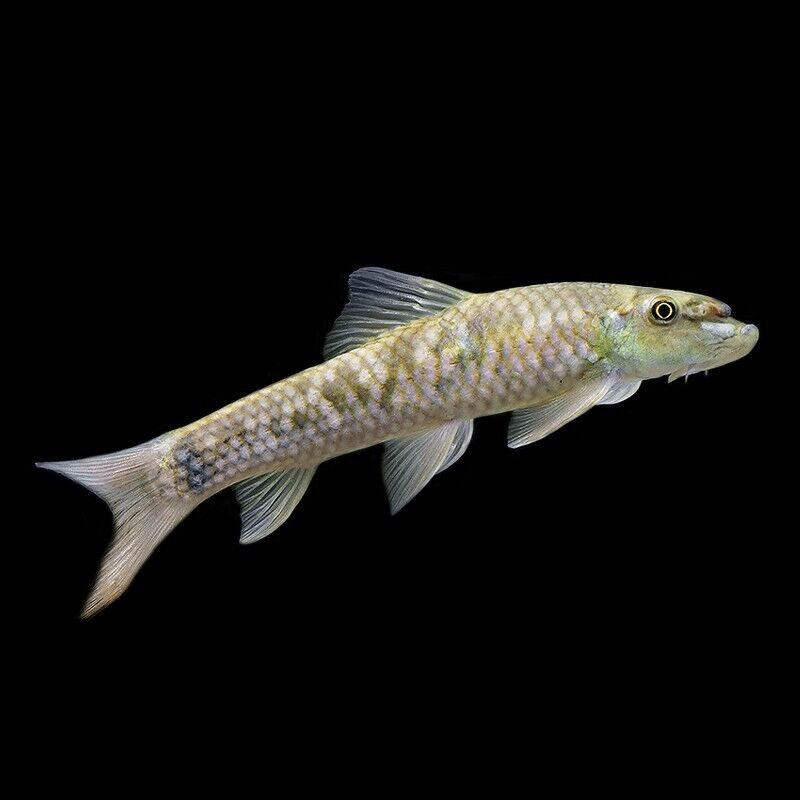
10 X Sucker Head – Garra Gotyla – Cyprinid Fish
Original price was: £45.99.£38.71Current price is: £38.71.
Welcome these beautiful Garra Gotyla, a stunning algae eater perfect for your freshwater aquarium. This listing includes 10 individual fish that thrive in community settings, gracefully removing algae while adding natural beauty to your tank. Ideal for aquarists seeking efficient algae control.
In stock


Species Introduction
The Garra Gotyla, commonly known as the Gold Chinese Algae Eater, is a fascinating member of the Cyprinid family. This species is native to the freshwater rivers and streams of Southeast Asia, particularly in the regions of India and Nepal. These beautiful aquatic companions are well-known for their algae-eating habits, making them a popular choice among aquarists looking to maintain a clean and healthy aquarium environment. The Garra Gotyla exhibits a striking coloration, with a golden hue that can vary in intensity depending on their habitat and diet. In the wild, they thrive in fast-flowing waters where they graze on algae and biofilm that accumulates on rocks and substrates. Their natural habitat is characterized by a rich diversity of flora and fauna, which provides them with both food and shelter. As a result, recreating a similar environment in your aquarium is essential for their health and wellbeing.
Care Requirements Dashboard
Essential Care Guide for Your 10 X Sucker Heads – Garra Gotyla – Cyprinid Fish
| Optimal Living Conditions | |
|---|---|
| Water Temperature | 24-27°C (75-81°F) |
| pH Level | 6.5-7.5 |
| Water Hardness | 4-12 dKH |
| Minimum Tank Size | 80L (20 gal) |
| Salinity | Freshwater |
| Care Level | Beginner Friendly |
Natural Behavior & Temperament
The Garra Gotyla is an active and social fish that tends to thrive in community tank settings. They exhibit fascinating swimming patterns, often seen darting around the tank, exploring their environment, and interacting with their tank mates. These fish are generally peaceful but can display territorial behavior, especially during feeding times or when they feel their space is being encroached upon. It is essential to provide them with adequate space and hiding spots to reduce stress and prevent aggression. Their social nature makes them ideal companions for other peaceful species, but caution should be exercised when selecting tank mates, as their behavior can change based on the dynamics of the aquarium. Understanding their natural behavior and temperament is crucial for creating a harmonious aquarium environment.
Tank Setup Guide
Creating an ideal environment for your Garra Gotyla involves replicating their natural habitat as closely as possible. A minimum tank size of 30 gallons is recommended to provide ample swimming space. The substrate should consist of fine gravel or sand, which allows them to forage naturally. Incorporating rocks, driftwood, and live plants will not only enhance the aesthetic appeal of your aquarium but also provide hiding spots and grazing surfaces for algae. The lighting should be moderate to mimic their natural habitat, with areas of shade to create a comfortable environment. Additionally, a good filtration system is essential to maintain water quality, as these fish prefer clean, well-oxygenated water. Regular water changes and monitoring of water parameters will contribute to the overall health and wellbeing of your aquatic companions.
Water Quality Management
Maintaining optimal water quality is vital for the health of your Garra Gotyla. These fish thrive in a pH range of 6.5 to 7.5, with a water hardness of 5-15 dGH. The temperature should be kept between 22-28°C (72-82°F). Regular testing of water parameters is essential to ensure they remain within these ideal ranges. Ammonia and nitrite levels should always be at 0 ppm, while nitrate levels should be kept below 20 ppm to prevent stress and health issues. A reliable filtration system is crucial for maintaining water clarity and quality. Regular water changes of 20-30% every 1-2 weeks will help to keep the environment stable and healthy. Additionally, consider using a water conditioner to remove harmful chemicals from tap water before adding it to the aquarium.
Feeding & Nutrition
The diet of the Garra Gotyla is primarily herbivorous, focusing on algae and plant matter. In the aquarium, they can be fed a variety of high-quality fish food, including algae wafers, spirulina flakes, and blanched vegetables such as zucchini and spinach. It is essential to provide a balanced diet that meets their nutritional needs while ensuring they receive enough fiber to aid in digestion. Feeding should occur once or twice daily, with only as much food as they can consume in a few minutes. Overfeeding can lead to poor water quality and health issues, so it’s important to monitor their intake. Supplementing their diet with occasional protein sources, such as bloodworms or brine shrimp, can enhance their health and vitality.
Compatibility Guide
When considering tank mates for your Garra Gotyla, it is essential to choose peaceful species that can coexist harmoniously. They generally do well with other community fish, such as tetras, rasboras, and danios. However, caution should be exercised with more aggressive species, as the Garra Gotyla may be bullied or stressed. Additionally, larger fish that may see them as food should be avoided. It is advisable to introduce new fish gradually and monitor their interactions closely. Providing plenty of hiding spots and territories will help to reduce stress and aggression in the tank. Understanding the social dynamics of your aquarium is crucial for creating a peaceful environment for all inhabitants.
Health & Wellness
Maintaining the health and wellness of your Garra Gotyla involves regular monitoring for signs of illness or stress. Common issues include ich, fin rot, and swim bladder disease. To prevent these problems, ensure that water quality is maintained, and avoid overcrowding in the tank. Signs of stress may include hiding, loss of appetite, or abnormal swimming behavior. If you notice any of these symptoms, it is crucial to address the underlying issues promptly. Quarantine any new fish before introducing them to the main tank to prevent the spread of diseases. Regular health checks and a well-maintained environment will significantly contribute to the longevity and vitality of your aquatic companions.
Breeding Information
Breeding Garra Gotyla in captivity can be a rewarding experience, although it may require specific conditions to encourage spawning. These fish are egg layers and typically breed during the warmer months when water temperatures rise. To create a suitable environment for breeding, it is recommended to set up a separate breeding tank with fine-leaved plants or spawning mops where the female can lay her eggs. The male will court the female by displaying and chasing her around the tank. After spawning, it is advisable to remove the parents, as they may eat the eggs. The eggs will hatch within 3-5 days, and the fry can be fed infusoria or finely crushed flakes until they are large enough to consume more substantial food. Careful attention to water quality and tank conditions during this period is crucial for the survival of the fry.
Acclimation Process
Acclimating your Garra Gotyla to a new aquarium is a critical step in ensuring their health and wellbeing. When introducing them to a new environment, it is essential to take your time and avoid sudden changes in water parameters. Begin by floating the sealed bag containing the fish in the aquarium for about 15-20 minutes to equalize the temperature. After this, gradually introduce small amounts of tank water into the bag over the course of an hour. This process helps the fish adjust to the new water conditions. Once acclimated, gently release them into the tank without adding the water from the bag. Monitoring their behavior during the first few days in their new home is essential to ensure they are adjusting well.
Long-term Care
The Garra Gotyla can live for several years in a well-maintained aquarium, with proper care and attention to their needs. As they grow, it is essential to monitor their size and ensure that they have adequate space to swim and thrive. Regular maintenance of the aquarium, including water changes and substrate cleaning, will help to prevent the buildup of harmful substances and promote a healthy environment. Additionally, keeping an eye on their diet and ensuring they receive a balanced nutrition will contribute to their overall health. As they mature, you may notice changes in their behavior and coloration, which is a natural part of their development. Understanding their lifecycle and growth expectations will help you provide the best possible care for your aquatic companions.
Natural Habitat Recreation
Recreating the natural habitat of the Garra Gotyla in your aquarium is essential for their health and happiness. These fish thrive in environments that mimic their natural surroundings, characterized by flowing water, rocky substrates, and abundant vegetation. To achieve this, consider incorporating smooth rocks, driftwood, and live plants into your tank setup. Creating areas of varying depth and flow will help replicate the conditions they experience in the wild. Additionally, providing ample hiding spots will help reduce stress and allow them to exhibit their natural behaviors. A well-planned aquascape not only enhances the beauty of your aquarium but also contributes to the overall wellbeing of your fish friends.
Seasonal Care Adjustments
As the seasons change, so too may the needs of your Garra Gotyla. During warmer months, it is essential to monitor the water temperature closely, as higher temperatures can lead to decreased oxygen levels and increased stress. Consider using a fan or aquarium chiller to maintain optimal conditions. In contrast, during cooler months, ensure that the water temperature remains stable and does not drop below the recommended range. Additionally, adjusting the lighting schedule to mimic natural daylight cycles can help maintain their biological rhythms. Regularly checking water parameters and making necessary adjustments will ensure your aquatic companions remain healthy and vibrant throughout the year.
Expert Tips
For those looking to provide the best care for their Garra Gotyla, consider these expert tips. First, invest in a high-quality aquarium test kit to regularly monitor water parameters. This will help you catch any fluctuations early and address them promptly. Additionally, consider adding a powerhead or water pump to increase water movement, as these fish are accustomed to flowing waters in their natural habitat. Regularly rotating the placement of decorations and plants can also stimulate their curiosity and encourage natural foraging behaviors. Lastly, engage with your fish friends by observing their behaviors and interactions, as this will deepen your understanding of their needs and preferences.
Troubleshooting
If you encounter any issues with your Garra Gotyla, it is crucial to address them promptly. Common problems include poor water quality, which can lead to stress and illness. Regular testing and maintenance are key to preventing these issues. If you notice signs of illness, such as loss of appetite or abnormal swimming behavior, consider isolating the affected fish and consulting a veterinarian or aquatic specialist. Additionally, if you observe aggression among tank mates, reevaluate the compatibility of your fish and consider rearranging the tank to reduce territorial disputes. Keeping a close eye on your aquatic companions will help you catch any problems early and ensure they remain healthy and happy.
Scientific Background
The Garra Gotyla belongs to the family Cyprinidae, which encompasses a diverse group of freshwater fish. While specific scientific data regarding their classification is limited, they are recognized for their unique adaptations and ecological roles in their native habitats. Research on their behavior and dietary preferences has contributed to a better understanding of their needs in captivity. Conservation efforts are essential to protect their natural environments, as habitat destruction and pollution pose significant threats to their populations. By providing a suitable home for these beautiful creatures, you contribute to their conservation and well-being.
Advanced Care Techniques
For advanced aquarists looking to enhance the care of their Garra Gotyla, consider implementing advanced techniques such as creating a biotope aquarium that closely resembles their natural habitat. This involves carefully selecting plants, substrates, and decorations that reflect their native environment. Additionally, experimenting with different feeding techniques, such as target feeding or using feeding rings, can encourage natural foraging behaviors and improve their overall health. Regularly documenting their growth and behavior can also provide valuable insights into their care and development. Engaging in community forums or groups focused on this species can further enhance your knowledge and skills in providing exceptional care for your aquatic companions.
Frequently Asked Questions
Q: What tank size is required for Garra Gotyla?
Garra Gotyla, commonly known as the Suckerhead fish, thrives in a tank of at least 100 litres. This size allows them ample swimming space and helps maintain stable water parameters. A larger tank is preferable, especially if you plan to keep multiple specimens, as they exhibit social behaviour and enjoy being in groups. Ensure the tank is well-planted with hiding spots, as this mimics their natural habitat and reduces stress. Regular water changes and proper filtration are essential to maintain water quality, which is critical for their health and longevity.
✓ Expert Tip
Consider using a sand or fine gravel substrate, as it is gentle on their delicate bodies.
Q: What water parameters do Garra Gotyla require?
Garra Gotyla prefers slightly acidic to neutral water with a pH between 6.5 and 7.5. The water temperature should be maintained between 22°C and 26°C, with stable conditions being crucial for their wellbeing. Ammonia and nitrite levels must remain at 0 ppm, whilst nitrate levels should be kept below 20 ppm. Regular testing of these parameters is essential, as fluctuations can lead to stress and illness. A well-maintained filtration system and regular water changes will help you achieve these ideal conditions.
✓ Expert Tip
Utilising a heater with a thermometer can help maintain consistent temperature levels.
Q: How often should I feed Garra Gotyla?
Feeding Garra Gotyla should occur 2-3 times per day, offering only what they can consume within a few minutes. A varied diet is crucial for their health; incorporate high-quality flakes, pellets, and occasional vegetable matter such as blanched zucchini or spinach. This variety not only promotes colour enhancement but also ensures they receive essential nutrients. Monitor their feeding habits, as overfeeding can lead to water quality issues and health problems.
✓ Expert Tip
Consider using a feeding ring to prevent food from floating away and ensure they can access it easily.
Q: What are the best tank mates for Garra Gotyla?
Garra Gotyla is generally peaceful and can be kept with a variety of community fish, such as tetras, rasboras, and other small to medium-sized cyprinids. Avoid aggressive species or those that may outcompete them for food. Providing ample swimming space and hiding spots will reduce territorial disputes. It is advisable to keep them in groups, as they thrive in a social environment, which also helps to diffuse any potential stress.
✓ Expert Tip
Introduce new tank mates gradually to help establish a harmonious community.
Q: How do I properly acclimatise Garra Gotyla to my aquarium?
Acclimatising Garra Gotyla is essential to minimise stress. Begin by floating the sealed bag in your aquarium for about 15-20 minutes to equalise the temperature. After this, open the bag and gradually mix aquarium water into the bag over the next hour. This process helps them adjust to the water parameters of your tank. Once acclimatised, gently release them into the aquarium, avoiding adding the bag water to maintain water quality. Proper acclimatisation can significantly enhance their chances of thriving in your aquarium.
✓ Expert Tip
Consider using a drip acclimatisation method for more sensitive species.
Q: What are the signs of healthy Garra Gotyla?
Healthy Garra Gotyla exhibit vibrant colours, clear eyes, and active swimming behaviour. They should display a keen interest in their surroundings and readily accept food. Observe for any signs of distress, such as lethargy, clamped fins, or unusual swimming patterns, which may indicate health issues. Regularly monitoring their behaviour and appearance will allow you to detect potential problems early, ensuring prompt attention and care.
✓ Expert Tip
Keep a journal of their behaviour to spot any changes over time.
Q: How do I successfully breed Garra Gotyla?
Breeding Garra Gotyla can be rewarding, requiring a separate breeding tank with soft, slightly acidic water. Provide spawning sites such as flat stones or fine-leaved plants. Increase the temperature slightly to encourage spawning during warmer months. Once spawning occurs, the parents should be separated to prevent them from eating the eggs. The eggs will hatch in about 4-7 days; ensure the fry are fed infusoria or finely crushed flakes until they are large enough for more substantial food. Monitoring water quality is crucial during this time.
✓ Expert Tip
Consider conditioning the breeding pair with high-quality foods prior to breeding.
1 review for 10 X Sucker Head – Garra Gotyla – Cyprinid Fish
Add a review
Related products


Emily Carter (verified owner) –
As an experienced hobbyist, I can’t recommend the Garra Gotyla enough! I added these 10 sucker heads to my 75-gallon community tank about two months ago, and they’ve completely transformed the algae situation. These little guys are voracious eaters and have done wonders in keeping my tank clean. Unlike other algae eaters I’ve tried, like the Gyrinocheilus aymonieri, the Garra Gotyla are much more peaceful, allowing my other fish to thrive without stress.
Watching them work is fascinating; they really love to graze on the surfaces, and they’ve visibly reduced the green spots on my decorations. I do want to mention that they are quite active, so they need plenty of space to roam and explore. If you’re not prepared for that, it could be a concern.
Overall, I highly recommend these for anyone dealing with algae issues or looking for interesting additions to their aquarium setup. They are perfect for both beginner and seasoned aquarists alike. I would definitely purchase again, and they arrived in great condition, which is always a plus! Happy fishkeeping!