

10 X Chinese Algae Eater – Gyrinocheilus Aymonieri – Cyprinid Fish
Original price was: £50.49.£42.58Current price is: £42.58.
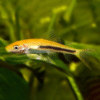
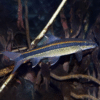
Welcome these beautiful 10 X Chinese Algae Eaters (Gyrinocheilus Aymonieri) into your aquarium for efficient algae control. These graceful freshwater fish thrive in peaceful community setups, bringing natural beauty and vibrant movement to your tank. Perfect for beginners!
In stock


Species Introduction
The Chinese Algae Eater, scientifically known as Gyrinocheilus aymonieri, is a fascinating freshwater fish native to the rivers and streams of Southeast Asia. These remarkable aquatic companions are often found in the clear waters of China, Thailand, and Vietnam, where they thrive in various freshwater habitats. Known for their unique appearance and algae-eating capabilities, they are a popular choice among aquarists looking to maintain a clean and healthy aquarium environment. The Chinese Algae Eater is a member of the Cyprinid family, which includes many other beloved aquarium species. As they grow, these fish can reach a maximum length of approximately 10 inches, making them a prominent feature in any aquarium setup. Their elongated bodies, adorned with a distinctive coloration that ranges from olive green to brown with darker spots, enable them to blend seamlessly into their natural surroundings. This ability to camouflage serves them well in the wild, where they can evade predators and thrive in their aquatic ecosystems.
Care Requirements Dashboard
Essential Care Guide for Your 10 X Chinese Algae Eaters
| Optimal Living Conditions | |
|---|---|
| Water Temperature | 24-27°C (75-81°F) |
| pH Level | 6.5-7.5 |
| Water Hardness | 4-12 dKH |
| Minimum Tank Size | 80L (20 gal) |
| Salinity | Freshwater |
| Care Level | Beginner Friendly |
✓ Care Level: Moderate
Tank Size: Minimum 30 gallons
Water Temperature: 72°F – 82°F (22°C – 28°C)
pH Level: 6.5 – 7.5
Water Hardness: 5 – 15 dGH
When caring for Chinese Algae Eaters, it is crucial to provide them with a spacious aquarium that mimics their natural habitat. A minimum tank size of 30 gallons is recommended to accommodate their active swimming behavior. The water temperature should be maintained between 72°F and 82°F, with a pH level ranging from 6.5 to 7.5 to ensure their overall health and well-being. Additionally, the water hardness should be kept between 5 to 15 dGH, which provides the necessary minerals for their growth and vitality. Regular water changes and quality testing are essential to maintain a stable environment, as these fish are sensitive to fluctuations in water parameters. Providing a well-filtered tank with plenty of hiding spots, such as caves and plants, will help reduce stress and promote natural behaviors.
Natural Behavior & Temperament
Chinese Algae Eaters are known for their unique swimming patterns and social behavior. In their natural habitat, they are often seen grazing on algae-covered surfaces, using their specialized mouths to scrape off food. This behavior not only helps keep their environment clean but also showcases their active and inquisitive nature. These fish are generally peaceful and can coexist with a variety of tank mates, making them suitable for community aquariums. However, they can become territorial as they mature, particularly towards other bottom-dwelling species. It is essential to monitor their interactions with tank mates to prevent aggression and ensure a harmonious environment. Chinese Algae Eaters are also known for their playful antics, often darting around the tank and exploring their surroundings. Providing them with ample space and hiding spots will encourage these natural behaviors and contribute to their overall happiness.
Tank Setup Guide
Creating an ideal environment for your Chinese Algae Eaters involves replicating their natural habitat as closely as possible. Start with a spacious aquarium, ideally 30 gallons or larger, to provide ample swimming space. The substrate should consist of fine gravel or sand, allowing them to forage comfortably. Incorporating live plants, such as Java Fern or Anubias, will not only enhance the aesthetic appeal of the tank but also provide hiding spots and grazing opportunities for your fish friends. Additionally, include driftwood and rocks to create caves and territories, which will help reduce stress and promote natural behaviors. Lighting should be moderate to low, as excessive brightness can cause stress and inhibit algae growth, which is an essential food source for these fish. A reliable filtration system is crucial to maintain water quality, and it is advisable to include a heater to keep the water temperature stable. Regular maintenance, including water changes and cleaning, will ensure a healthy environment for your aquatic companions.
Water Quality Management
Maintaining optimal water quality is vital for the health and well-being of your Chinese Algae Eaters. Regular testing of water parameters is essential to ensure that conditions remain stable. Aim for a pH level between 6.5 and 7.5, as fluctuations can lead to stress and health issues. The ideal temperature range for these fish is between 72°F and 82°F, which can be maintained with a reliable aquarium heater. Additionally, water hardness should be kept between 5 to 15 dGH to provide the necessary minerals for their growth. Regular water changes, approximately 25% every two weeks, will help remove toxins and maintain a clean environment. It is also important to monitor ammonia, nitrite, and nitrate levels, as high concentrations can be harmful to your fish. Utilizing a quality filtration system will aid in maintaining water clarity and quality, contributing to the overall health of your aquatic companions.
Feeding & Nutrition
✓ Feeding Schedule: 1-2 times daily
Diet: Algae-based foods, vegetables, high-quality pellets
Chinese Algae Eaters are primarily herbivorous, making them excellent algae control fish for your aquarium. Their diet should consist of high-quality algae-based foods, which can be supplemented with blanched vegetables such as zucchini, spinach, and cucumber. These fish are known to graze on algae, so providing a tank with ample algae growth will ensure they have a natural food source. It is essential to feed them 1-2 times daily, offering only what they can consume in a few minutes to prevent overfeeding and maintain water quality. High-quality sinking pellets designed for herbivorous fish can also be included in their diet to ensure they receive balanced nutrition. Monitoring their feeding habits will help you assess their health and adjust their diet as needed. Providing a varied diet will not only promote their health but also enhance their vibrant colors and overall vitality.
Compatibility Guide
✓ Suitable Tank Mates: Tetras, Guppies, Danios
⚠ Avoid: Aggressive or territorial species
When selecting tank mates for your Chinese Algae Eaters, it is crucial to choose peaceful species that will not provoke aggression. Ideal companions include small schooling fish such as Tetras, Guppies, and Danios, which will create a lively community atmosphere. However, it is important to avoid aggressive or territorial species, as these can lead to stress and conflict within the tank. As Chinese Algae Eaters mature, they may become more territorial, particularly towards other bottom-dwelling fish. Therefore, providing ample hiding spots and territories will help reduce potential conflicts. Observing the interactions between your fish friends will allow you to ensure a harmonious community and make any necessary adjustments to the tank setup. A well-balanced community tank will not only enhance the beauty of your aquarium but also promote the health and well-being of all its inhabitants.
Health & Wellness
⚠ Common Health Issues: Ich, fin rot, stress
Signs of Illness: Lethargy, loss of appetite, abnormal swimming
Maintaining the health and wellness of your Chinese Algae Eaters is essential for their longevity and vitality. Common health issues include ich, fin rot, and stress-related conditions. Signs of illness may manifest as lethargy, loss of appetite, or abnormal swimming patterns. Regular monitoring of water quality, along with a balanced diet, will significantly reduce the risk of disease. If you notice any signs of illness, it is crucial to act promptly by isolating the affected fish and treating the tank as necessary. Quarantine new fish before introducing them to your main tank to prevent the spread of diseases. Maintaining a stress-free environment with plenty of hiding spots and appropriate tank mates will also contribute to their overall health. Regular maintenance, including water changes and tank cleaning, will help keep your aquatic companions healthy and thriving.
Breeding Information
Breeding Chinese Algae Eaters in captivity can be challenging, as they require specific conditions to encourage spawning. These fish are not known to breed readily in home aquariums. However, providing a separate breeding tank with optimal water conditions can increase the chances of successful breeding. The breeding tank should have a soft substrate, ample hiding spots, and a gentle filtration system to create a suitable environment. To encourage breeding, it is essential to maintain a stable temperature between 76°F and 80°F and ensure that the water is clean and well-oxygenated. During the breeding process, the male will display courtship behaviors, such as chasing the female and showing off his colors. After successful spawning, the female will lay eggs on flat surfaces or plants. Once the eggs are laid, it is advisable to remove the parents to prevent them from eating the eggs. The fry will hatch within a few days and should be fed infusoria or finely crushed flakes until they are large enough to consume regular fish food. Providing proper care for the fry is crucial to ensure their survival and growth.
Acclimation Process
Acclimating your Chinese Algae Eaters to their new environment is a critical step in ensuring their health and well-being. When introducing new fish to your aquarium, it is essential to take the time to acclimate them properly to minimize stress and prevent shock. Begin by floating the sealed bag containing the fish in the aquarium for approximately 15-20 minutes to equalize the temperature. After this initial period, gradually introduce small amounts of tank water into the bag every 5-10 minutes, allowing the fish to adjust to the water parameters. This process should continue for about an hour, after which the fish can be gently released into the aquarium. It is advisable to avoid adding the water from the bag to the tank, as it may contain harmful substances. Observing the fish closely during the first few days in their new home will help you monitor their behavior and ensure they are adjusting well to their environment.
Long-term Care
Long-term care for your Chinese Algae Eaters involves regular monitoring of their health and maintaining optimal living conditions. These fish can live for several years with proper care, so it is essential to provide a stable environment that meets their needs. Regular water changes, testing for ammonia, nitrite, and nitrate levels, and maintaining appropriate water parameters are crucial for their long-term health. Additionally, providing a varied diet that includes algae-based foods and vegetables will support their growth and vitality. Observing their behavior and interactions with tank mates will help you identify any potential issues early on. As your Chinese Algae Eaters mature, they may become more territorial, so it is important to ensure that they have enough space and hiding spots to reduce stress. By providing consistent care and attention, you can enjoy the beauty and companionship of these remarkable fish for many years.
Natural Habitat Recreation
Recreating the natural habitat of Chinese Algae Eaters in your aquarium is essential for their well-being and happiness. These fish thrive in environments that mimic their native waters, which are typically characterized by slow-moving streams and rivers with plenty of vegetation and hiding spots. To achieve this, consider incorporating a variety of live plants, such as Java Moss and Vallisneria, which not only enhance the aesthetic appeal of the tank but also provide natural grazing areas for your fish friends. Adding driftwood and rocks will create natural structures for them to explore and hide in, promoting their natural behaviors. The use of a gentle filtration system will help maintain a calm water flow, similar to their natural habitat. By creating a biotope that reflects their native environment, you will not only enhance the beauty of your aquarium but also contribute to the overall health and happiness of your Chinese Algae Eaters.
Seasonal Care Adjustments
Seasonal care adjustments are important for maintaining the health of your Chinese Algae Eaters throughout the year. As temperatures fluctuate with the seasons, it is essential to monitor and adjust the water temperature in your aquarium accordingly. During the warmer months, ensure that the water temperature remains within the ideal range of 72°F to 82°F, as higher temperatures can lead to stress and health issues. Conversely, during colder months, it may be necessary to use a heater to maintain stable temperatures. Additionally, lighting conditions may need to be adjusted based on seasonal changes. Providing a consistent light cycle will help regulate their natural behaviors and promote overall well-being. Regular water changes and monitoring of water parameters will help ensure a healthy environment for your fish friends, regardless of the season. By being proactive in your seasonal care adjustments, you can help your Chinese Algae Eaters thrive year-round.
Expert Tips
For those looking to provide the best possible care for their Chinese Algae Eaters, here are some expert tips to enhance their living conditions and overall health. First, consider introducing a variety of algae-based foods to their diet, as this will not only promote their health but also encourage natural foraging behaviors. Additionally, providing a well-planted tank with plenty of hiding spots will help reduce stress and promote a sense of security. Regularly monitoring water parameters and conducting routine maintenance will ensure a stable environment for your fish friends. If you notice any signs of aggression or territorial behavior, consider rearranging the tank decor to disrupt established territories and reduce conflicts. Lastly, engaging with your fish through observation and interaction will help you understand their behaviors and needs better, allowing you to provide the best care possible.
Troubleshooting
Troubleshooting common issues with Chinese Algae Eaters involves being observant and proactive in addressing potential problems. If you notice any signs of illness, such as lethargy or loss of appetite, it is crucial to assess water quality and parameters immediately. Conducting a water test will help identify any issues that may be affecting your fish’s health. If aggression or territorial behavior arises, consider adding more hiding spots or rearranging the tank decor to reduce established territories. Regularly monitoring their diet and feeding habits will also help you identify any nutritional deficiencies or overfeeding issues. If you encounter persistent health problems, consulting with a veterinarian experienced in fish care may provide additional insights and solutions. By being proactive and attentive to your Chinese Algae Eaters’ needs, you can ensure a healthy and thriving aquarium environment.
Scientific Background
The scientific classification of the Chinese Algae Eater, Gyrinocheilus aymonieri, places it within the family Cyprinidae, which encompasses a diverse range of freshwater fish species. This family is known for its adaptability and variety, making it a popular choice among aquarists. Research into the natural habitat and behavior of Chinese Algae Eaters has provided valuable insights into their care requirements and compatibility with other species. Conservation efforts are essential to ensure the continued survival of these fish in their native habitats, as pollution and habitat destruction pose significant threats. Understanding the ecological role of Chinese Algae Eaters in their natural environments can help aquarists appreciate the importance of providing optimal care and conditions in captivity. By fostering a deeper understanding of their biology and behavior, aquarists can enhance the quality of life for their fish friends and contribute to the preservation of aquatic ecosystems.
Advanced Care Techniques
For experienced aquarists seeking to elevate their care for Chinese Algae Eaters, advanced techniques can enhance the living conditions and overall health of these fish. Implementing a well-planned aquascaping strategy that incorporates a variety of plants and structures can create a more stimulating environment for your fish friends. Additionally, utilizing a high-quality filtration system with a UV sterilizer can help maintain water clarity and reduce the risk of disease. Experimenting with different feeding techniques, such as introducing live or frozen foods, can provide a varied diet that promotes health and vitality. Regularly engaging with your fish through observation and interaction will help you better understand their behaviors and needs, allowing for more tailored care. By applying advanced care techniques, you can create a thriving environment that fosters the natural beauty and behaviors of your Chinese Algae Eaters.
Frequently Asked Questions
Q: What tank size is required for Chinese Algae Eaters?
Chinese Algae Eaters thrive best in a tank of at least 100 litres. This provides ample space for them to swim and establish territories. They are active swimmers and require room to exhibit their natural behaviour. A larger tank also helps maintain stable water parameters, which is crucial for their health. If you plan to keep multiple algae eaters, consider increasing the tank size to accommodate their social dynamics and reduce territorial disputes.
✓ Expert Tip
Ensure your tank has plenty of hiding spots, such as caves and plants, to help reduce stress amongst these fish.
Q: What water parameters do Chinese Algae Eaters require?
For optimal health, Chinese Algae Eaters prefer water temperatures between 22-28°C, with a pH level between 6.5 and 7.5. They thrive in well-oxygenated water, so ensure you have efficient filtration and regular water changes to maintain water quality. Regularly test your water parameters to ensure they remain stable, as fluctuations can stress your fish and lead to illness. Additionally, keeping the hardness between 5-15 dGH will provide a comfortable environment for them.
✓ Expert Tip
Invest in a quality water testing kit to monitor these parameters regularly and ensure a healthy habitat.
Q: How often should I feed my Chinese Algae Eaters?
Chinese Algae Eaters should be fed once or twice a day, providing them with only as much food as they can consume in a few minutes. A varied diet is essential, including algae wafers, fresh vegetables like zucchini or spinach, and occasional protein sources such as frozen or live food. Overfeeding can lead to poor water quality and health issues, so it’s crucial to monitor their intake and adjust accordingly. Ensure any uneaten food is promptly removed to maintain tank hygiene.
✓ Expert Tip
Introduce new food types gradually to avoid digestive issues and promote healthy eating habits.
Q: What are the best tank mates for Chinese Algae Eaters?
Chinese Algae Eaters can coexist peacefully with various species, including tetras, barbs, and peaceful cichlids. However, it is crucial to avoid pairing them with aggressive or overly territorial fish, as this can lead to stress and potential injury. They can exhibit some territorial behaviour, especially in smaller tanks, so providing plenty of hiding spots and visual barriers can help mitigate conflicts. Always monitor interactions closely when introducing new tank mates.
✓ Expert Tip
Consider keeping them with species that occupy different levels of the tank to reduce competition and aggression.
Q: How do I properly acclimatise Chinese Algae Eaters to my aquarium?
Acclimatisation is vital for the health of your new Chinese Algae Eaters. Begin by floating the sealed bag in your aquarium for about 15-20 minutes, allowing the temperature to equalise. After this, gradually introduce small amounts of your aquarium water into the bag every 5-10 minutes. Continue this process for approximately an hour before gently transferring the fish into the tank. Avoid adding bag water to your aquarium to prevent introducing contaminants. This slow acclimatisation helps reduce shock and increases the chances of a successful transition.
✓ Expert Tip
Consider using a drip acclimatisation method for a more gradual approach, especially for sensitive species.
Q: What are the signs of healthy Chinese Algae Eaters?
Healthy Chinese Algae Eaters exhibit clear signs of vitality, including active swimming, bright colours, and clear eyes. Their fins should be intact and not frayed, and they should readily accept food. A healthy fish will display a robust appetite and engage in natural behaviours, such as grazing on algae and exploring their environment. Regular observation is essential for early detection of any health issues. If you notice lethargy, loss of appetite, or unusual markings, it may indicate stress or illness, and you should take immediate action.
✓ Expert Tip
Maintain a regular schedule for water changes and tank maintenance to promote overall fish health.
Q: What temperature should I maintain for Chinese Algae Eaters?
Chinese Algae Eaters thrive in a temperature range of 22-28°C. Maintaining a stable temperature within this range is crucial for their health and wellbeing. Sudden fluctuations can cause stress and lead to health issues. Use a reliable aquarium heater and thermometer to monitor the temperature consistently. During colder months, ensure that the heater is functioning correctly to prevent drops in temperature. In addition, avoid placing your aquarium in direct sunlight or near heating vents, as this can cause temperature spikes.
✓ Expert Tip
Consider using a heater with a built-in thermostat for more accurate temperature control.
Q: How long do Chinese Algae Eaters typically live in captivity?
In captivity, Chinese Algae Eaters can live for approximately 10-15 years with proper care. Factors such as water quality, diet, and tank conditions significantly impact their lifespan. Regular monitoring of water parameters, providing a balanced diet, and maintaining a clean environment are essential for ensuring their longevity. Additionally, keeping them in a suitable tank size and providing adequate space can help reduce stress and enhance their quality of life.
✓ Expert Tip
Document their growth and health changes over time to identify any potential issues early.
Q: What type of substrate is most suitable for Chinese Algae Eaters?
Chinese Algae Eaters prefer a soft substrate, such as fine gravel or sand, as this mimics their natural habitat. A softer substrate is gentler on their delicate bodies and allows for comfortable movement. Avoid sharp-edged substrates, as these can injure their fins. Additionally, consider incorporating live plants and decorations that provide hiding spots, as this helps reduce stress and promotes natural behaviour. A well-planned substrate also aids in maintaining water quality by providing beneficial bacteria.
✓ Expert Tip
Consider planting fast-growing aquatic plants to provide additional grazing surfaces for your algae eaters.
Q: What behavioural patterns should I expect from Chinese Algae Eaters?
Chinese Algae Eaters are generally active and curious fish. They spend a significant amount of time grazing on algae and exploring their environment. Their behaviour can vary based on tank conditions; they may become more territorial if space is limited. They tend to establish a hierarchy within their group, which can lead to some mild aggression. Providing ample hiding spots and territories can help mitigate this. Observing their behaviour will also allow you to identify any signs of stress or illness early on.
✓ Expert Tip
Monitor their behaviour closely during the first few weeks in your aquarium to ensure they are adjusting well.
Q: How can I prevent common diseases in Chinese Algae Eaters?
Preventing diseases in Chinese Algae Eaters requires maintaining a clean and stable environment. Regular water changes, proper filtration, and monitoring water parameters are essential. Quarantine new fish before introducing them to your tank to prevent the spread of diseases. Additionally, providing a varied diet rich in nutrients can enhance their immune system. Be vigilant for signs of stress, such as hiding excessively or changes in eating behaviour, as early intervention can prevent health issues from escalating.
✓ Expert Tip
Consider using a high-quality water conditioner to remove harmful chemicals and improve water quality.
Q: What lighting conditions do Chinese Algae Eaters prefer?
Chinese Algae Eaters prefer moderate lighting that mimics their natural habitat. Bright lighting can cause stress and encourage algae overgrowth, which may lead to poor water quality. Consider using a combination of natural and artificial light, allowing for a light cycle of approximately 10-12 hours daily. Providing shaded areas with plants or decorations can help them feel secure. This balanced approach to lighting promotes healthy plant growth while ensuring your algae eaters feel comfortable.
✓ Expert Tip
Utilise a timer for your aquarium lights to maintain a consistent day-night cycle.
Q: How do I recognise stress in Chinese Algae Eaters?
Recognising stress in Chinese Algae Eaters involves observing their behaviour and physical condition. Signs of stress may include hiding excessively, rapid gill movement, loss of appetite, or erratic swimming patterns. Additionally, you might notice changes in colour or the development of fin clamping. If you observe these symptoms, it’s essential to assess the tank conditions, including water quality, temperature, and compatibility with tank mates. Addressing any issues promptly can help alleviate stress and improve their wellbeing.
✓ Expert Tip
Maintain a peaceful tank environment by avoiding aggressive species and providing adequate hiding spaces.
Q: What natural habitat conditions should I replicate for Chinese Algae Eaters?
To create a suitable environment for Chinese Algae Eaters, replicate their natural habitat by providing a tank with plenty of plants, rocks, and driftwood. They thrive in environments with moderate water flow and ample hiding spots. Use a substrate that mimics their natural riverbed, such as fine gravel or sand. Additionally, ensure the water is well-filtered and moderately lit, as this will support both fish and plant health. Regular maintenance of these conditions will help ensure your algae eaters live a long and healthy life.
✓ Expert Tip
Research the specific types of plants and decorations that suit their natural habitat to enhance their environment.
1 review for 10 X Chinese Algae Eater – Gyrinocheilus Aymonieri – Cyprinid Fish
Add a review
Related products


Laura Bennett (verified owner) –
I couldn’t be happier with my purchase of the 10 Chinese Algae Eaters! I’ve had them in my 55-gallon freshwater tank for about two months now, and they’ve worked wonders in keeping the algae at bay. These little guys are not only efficient at cleaning but also quite entertaining to watch as they zip around. Their personalities have started to emerge, and they interact beautifully with my other tropical fish.
One of the things I love most is their peaceful nature; they coexist wonderfully with my tetras and guppies, unlike some other algae eaters I’ve tried in the past. Initially, I was worried about their size, but they’ve grown into their full potential without any issues – they’re now around 4 inches long!
While they do occasionally nibble on some of my plants, it’s nothing too drastic, and I can live with it knowing they are doing such an excellent job with the algae. I also appreciate that they are hardy fish, which is crucial for a beginner like myself. Overall, I highly recommend these algae eaters for anyone looking to enhance their tank’s cleanliness while adding some lively energy. You won’t regret it!