
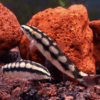
10 X Three-Lined Pencilfish – Nannostomus Trifasciatus – South American Characin

Original price was: £27.49.£23.22Current price is: £23.22.
Welcome these beautiful 10 X Three-Lined Pencilfish – Nannostomus Trifasciatus – to your aquarium. These peaceful companions thrive in well-planted tanks, showcasing their vibrant colors. Perfect for community tanks, they create a serene aquatic environment for both beginners and experts alike.
In stock


Species Introduction
The Three-Lined Pencilfish, scientifically known as Nannostomus trifasciatus, is a captivating member of the Characin family, native to the freshwater rivers and streams of South America. These small, schooling fish are particularly found in the Amazon River basin, where they thrive in slow-moving waters rich in vegetation. The Three-Lined Pencilfish is characterized by its slender body, which displays a striking pattern of three horizontal lines running along its length, giving it a unique appearance that is both elegant and mesmerizing. This species is often sought after by aquarists for its peaceful nature and vibrant coloration, making it an ideal choice for community tanks filled with other small, compatible fish. As you welcome these beautiful creatures into your aquarium, you will not only enhance the aesthetic appeal of your underwater world but also contribute to the conservation of their natural habitat by ensuring they are cared for in a responsible manner.
Essential Care Guide for Your 10 X Three-Lined Pencilfish – Nannostomus Trifasciatus – South American Characin
| Optimal Living Conditions | |
|---|---|
| Water Temperature | 24-27°C (75-81°F) |
| pH Level | 6.5-7.5 |
| Water Hardness | 4-12 dKH |
| Minimum Tank Size | 80L (20 gal) |
| Salinity | Freshwater |
| Care Level | Beginner Friendly |
✓ Care Level: Easy
Tank Size: Minimum 20 gallons
Water Temperature: 75°F – 82°F (24°C – 28°C)
pH Level: 6.0 – 7.5
Water Hardness: 2 – 15 dGH
Natural Behavior & Temperament
The Three-Lined Pencilfish exhibits a gentle and peaceful temperament, making it an excellent addition to community tanks. These fish are known for their schooling behavior; they thrive when kept in groups of at least six individuals, which helps to reduce stress and promote natural behaviors. In their natural habitat, they are often found darting among the vegetation, foraging for small invertebrates and plant matter. Their swimming patterns are characterized by quick bursts of activity followed by periods of calm as they explore their surroundings. This social nature allows them to interact harmoniously with other small, peaceful fish, such as Neon Tetras and Rummy Nose Tetras. As you observe these beautiful creatures in your aquarium, you will witness their dynamic interactions and the vibrant display of colors that they bring to your aquatic community.
Tank Setup Guide
Creating an ideal environment for your Three-Lined Pencilfish involves replicating their natural habitat as closely as possible. A well-planted aquarium with plenty of hiding spots is essential for their comfort and well-being. Use a soft substrate, such as sand or fine gravel, to mimic the riverbeds they inhabit. Incorporate live plants like Java Fern, Anubias, and floating plants to provide cover and create a sense of security. Additionally, consider adding driftwood and rocks to enhance the aesthetic appeal and provide additional hiding spots. The lighting should be moderate, as overly bright lights can stress these fish. A good filtration system is crucial to maintain water quality, but ensure that the water flow is gentle, as these fish prefer calm waters. By setting up a well-balanced environment, you will foster a thriving community for your Three-Lined Pencilfish and other compatible tank mates.
Water Quality Management
Maintaining optimal water quality is crucial for the health and longevity of your Three-Lined Pencilfish. The ideal water temperature for these fish ranges from 75°F to 82°F (24°C to 28°C), which mimics their natural habitat. Regular water testing is essential to ensure that the pH level remains between 6.0 and 7.5, as fluctuations outside this range can cause stress and health issues. Additionally, the water hardness should be maintained between 2 to 15 dGH, providing a suitable environment for these delicate fish. Regular water changes, approximately 25% weekly, will help to keep the water clean and free from harmful toxins. Utilize a high-quality water conditioner to remove chlorine and chloramines from tap water before adding it to the tank. By diligently managing water quality, you will create a healthy and thriving environment for your aquatic companions.
Feeding & Nutrition
The diet of the Three-Lined Pencilfish should consist of high-quality flake food, micro-pellets, and live or frozen foods such as brine shrimp, daphnia, and bloodworms. These fish are omnivorous and require a varied diet to thrive. Feeding should occur two to three times a day, with small portions that can be consumed within a few minutes. This feeding schedule not only ensures that they receive adequate nutrition but also prevents overfeeding, which can lead to water quality issues. It is essential to observe their feeding behavior and adjust the portion sizes accordingly. Additionally, incorporating vegetable matter, such as spirulina flakes or blanched vegetables, can enhance their diet and promote overall health. By providing a balanced and nutritious diet, you will support the growth and vitality of your Three-Lined Pencilfish.
Compatibility Guide
✓ Peaceful Community Fish
Compatible Tank Mates: Neon Tetras, Rummy Nose Tetras, Corydoras Catfish, Guppies, Endlers, and other small, peaceful species.
⚠ Avoid aggressive or larger fish that may see them as prey.
The Three-Lined Pencilfish is best cared for in a community tank with other peaceful species. Ideal tank mates include Neon Tetras, Rummy Nose Tetras, Corydoras Catfish, and Guppies. These fish share similar water parameter requirements and temperaments, creating a harmonious environment. It is crucial to avoid aggressive or larger fish, as they may pose a threat to the Three-Lined Pencilfish. By selecting compatible tank mates, you will foster a thriving aquatic community that showcases the beauty of these fish friends.
Health & Wellness
To ensure the health and wellness of your Three-Lined Pencilfish, it is essential to monitor their behavior and appearance regularly. Common health issues include ich, fin rot, and swim bladder disorders. Signs of illness may include lethargy, loss of appetite, or abnormal swimming patterns. Preventative measures include maintaining optimal water quality, providing a balanced diet, and ensuring that tank mates are compatible. Regular water changes and proper filtration are crucial in preventing disease outbreaks. If you notice any signs of illness, it is vital to act quickly, isolating affected fish and treating them appropriately. By prioritizing the health of your aquatic companions, you will enjoy a vibrant and thriving aquarium.
Breeding Information
Breeding Three-Lined Pencilfish can be a rewarding experience for aquarists. To encourage spawning, provide a separate breeding tank with soft, slightly acidic water and plenty of fine-leaved plants for the eggs to adhere to. The ideal conditions for breeding include a temperature range of 78°F to 80°F (25°C to 27°C) and a pH level of around 6.0 to 6.5. Once the breeding pair has been selected, introduce them to the breeding tank and observe their courtship behavior. After spawning, the parents should be removed to prevent them from eating the eggs. The eggs will hatch within 24 to 36 hours, and the fry will become free-swimming after about a week. At this stage, you can begin feeding them infusoria or finely crushed flake food. By understanding the breeding process, you can successfully contribute to the propagation of this beautiful species.
Acclimation Process
Acclimating your Three-Lined Pencilfish to their new environment is a critical step in ensuring their health and well-being. Begin by floating the sealed bag containing the fish in the aquarium for about 15-20 minutes to equalize the temperature. After this, gradually introduce small amounts of tank water into the bag over the course of an hour. This process allows the fish to adjust to the water parameters of their new home. Once acclimated, gently release the fish into the aquarium using a net to avoid adding any transport water. It is important to avoid sudden changes in water conditions, as this can lead to stress or shock. By following a careful acclimation process, you will help your Three-Lined Pencilfish settle into their new environment with ease.
Long-term Care
The Three-Lined Pencilfish has a lifespan of approximately 5 to 7 years when provided with optimal care. To ensure their longevity, it is essential to maintain stable water parameters, provide a balanced diet, and monitor their health regularly. As these fish grow, they may reach sizes of up to 2 inches (5 cm), so it is important to ensure that your aquarium is adequately sized to accommodate their growth. Regular maintenance, including water changes and tank cleanings, will help to keep the environment healthy and thriving. By committing to long-term care, you will enjoy the beauty and companionship of your Three-Lined Pencilfish for many years to come.
Natural Habitat Recreation
Recreating the natural habitat of the Three-Lined Pencilfish in your aquarium is essential for their well-being. In the wild, these fish inhabit slow-moving waters with dense vegetation, providing them with cover and foraging opportunities. To mimic this environment, use a combination of live plants, such as Amazon Sword and Java Moss, along with driftwood and rocks to create hiding spots. The substrate should be soft and sandy to replicate the riverbeds they are accustomed to. Additionally, consider incorporating floating plants to diffuse light and create shaded areas. By carefully designing your aquarium to resemble their natural habitat, you will provide a comfortable and stimulating environment for your Three-Lined Pencilfish.
Seasonal Care Adjustments
As seasons change, it is essential to adjust the care of your Three-Lined Pencilfish accordingly. During warmer months, ensure that the water temperature does not exceed 82°F (28°C) by monitoring the aquarium closely and using fans or chillers if necessary. In cooler months, maintain a stable temperature within the recommended range of 75°F to 80°F (24°C to 27°C) to prevent stress. Additionally, consider adjusting the lighting schedule to mimic natural daylight cycles, which can promote healthy growth and behavior. Regularly checking water parameters and maintaining a consistent routine will help ensure the well-being of your aquatic companions throughout the year.
Expert Tips
For those looking to enhance their experience with Three-Lined Pencilfish, here are some expert tips: First, consider keeping a larger school of these fish to observe their natural behavior and social interactions. Second, be mindful of feeding; providing a varied diet will promote vibrant colors and overall health. Third, regularly monitor water quality and perform routine maintenance to prevent any potential issues. Lastly, consider adding a few floating plants to create shaded areas and reduce stress. By following these expert tips, you will create a thriving environment for your Three-Lined Pencilfish and enjoy their beauty for years to come.
Troubleshooting
If you encounter issues with your Three-Lined Pencilfish, it is important to troubleshoot effectively. Common problems include signs of stress, such as hiding or erratic swimming patterns. Check water parameters immediately, as fluctuations can lead to health issues. If you notice any signs of disease, such as white spots or frayed fins, consider isolating the affected fish and treating them in a quarantine tank. Additionally, ensure that your tank mates are compatible, as aggression from other fish can lead to stress. By staying vigilant and proactive, you can address any issues that arise and ensure the continued health of your aquatic companions.
Scientific Background
The Three-Lined Pencilfish belongs to the family Lebiasinidae, which encompasses various species of small characins. Taxonomically, they are classified under the genus Nannostomus, which is known for its elongated body shape and peaceful demeanor. Research on this species has highlighted its importance in maintaining the ecological balance within their natural habitats. Conservation efforts are crucial to ensure the survival of these fish, as habitat destruction and pollution pose significant threats. By welcoming these beautiful creatures into your aquarium, you are not only enhancing your aquatic environment but also supporting the conservation of their species.
Advanced Care Techniques
For experienced aquarists looking to take their care of Three-Lined Pencilfish to the next level, consider implementing advanced techniques such as breeding and biotope aquariums. Creating a biotope that closely resembles their natural habitat can enhance their well-being and promote natural behaviors. Additionally, experimenting with different plant species and tank layouts can provide mental stimulation and reduce stress. Regularly participating in community forums and engaging with other aquarists can also provide valuable insights and tips for improving the care of your fish friends. By embracing these advanced care techniques, you will foster a thriving environment for your Three-Lined Pencilfish and deepen your understanding of their needs.
Water Quality Parameters
Optimal Range
24-27°C
6.5-7.5
0 ppm
Caution Zone
22-24°C or 27-29°C
6.0-6.5 or 7.5-8.0
0.25-0.5 ppm
Danger Zone
<22°C or >29°C
<6.0 or >8.0
>0.5 ppm
Monitoring Tip: Test water parameters weekly and perform regular water changes to maintain optimal conditions for your aquatic friends!
Frequently Asked Questions
Q: What tank size is required for Three-Lined Pencilfish?
Three-Lined Pencilfish (Nannostomus trifasciatus) thrive best in a minimum tank size of 60 litres (15 gallons). This allows ample swimming space and helps maintain stable water parameters. A larger tank is preferable, particularly if you wish to keep a small school of these fish, as they are social creatures that feel more secure in groups of at least six. Ensure that the tank is well-planted with plenty of hiding spots, as this mimics their natural habitat and reduces stress. Additionally, a longer tank is better than a taller one, as these fish prefer to swim horizontally rather than vertically.
✓ Expert Tip
Consider adding floating plants to diffuse light and create a more natural environment for your Pencilfish.
Q: What water parameters do Three-Lined Pencilfish require?
Three-Lined Pencilfish prefer slightly acidic to neutral pH levels, ideally between 6.0 and 7.5. The water hardness should be soft to moderately hard, ranging from 2 to 15 dGH. Maintaining a stable temperature between 24°C and 28°C (75°F to 82°F) is crucial for their well-being. Regular monitoring of these parameters with reliable test kits is essential, as fluctuations can lead to stress and health issues. Additionally, ensure the water is well-filtered and oxygenated, as these fish thrive in clean, clear environments.
✓ Expert Tip
Utilise a quality water conditioner to remove harmful chemicals from tap water before adding it to the aquarium.
Q: How often should I feed Three-Lined Pencilfish?
Feeding Three-Lined Pencilfish should occur once or twice a day, providing only what they can consume within a few minutes. A varied diet is essential for their health; high-quality flake or pellet food can be supplemented with live or frozen foods such as brine shrimp or daphnia. This not only ensures they receive the necessary nutrients but also encourages natural foraging behaviour. Overfeeding can lead to poor water quality, so it’s crucial to monitor their intake and remove any uneaten food promptly.
✓ Expert Tip
Consider using a feeding ring to prevent food from floating away in the current, ensuring all fish get their share.
Q: What are the best tank mates for Three-Lined Pencilfish?
Three-Lined Pencilfish are peaceful and sociable, making them suitable for community tanks. Ideal tank mates include small, non-aggressive species such as Tetras, Rasboras, and Corydoras. Avoid larger or aggressive fish that may intimidate them. It is advisable to keep them in schools of six or more, as this reduces stress and promotes natural behaviour. When introducing new tank mates, ensure they are of a similar size to prevent any potential predation and maintain a harmonious environment in the aquarium.
✓ Expert Tip
Observe interactions closely for the first few days after introducing new fish, to ensure compatibility.
Q: How do I properly acclimatise Three-Lined Pencilfish to my aquarium?
Acclimatising Three-Lined Pencilfish is essential to ensure a smooth transition to their new environment. Begin by floating the sealed bag in the aquarium for about 15-20 minutes to equalise the temperature. After that, gradually mix small amounts of tank water into the bag every 5 minutes for approximately an hour. This process helps them adjust to the water parameters. Finally, gently transfer the fish into the aquarium using a net, discarding the bag water to avoid introducing any contaminants. This method minimises stress and promotes a successful acclimatisation.
✓ Expert Tip
Always monitor your fish for signs of stress or illness for a few days after acclimatisation.
Q: What are the signs of healthy Three-Lined Pencilfish?
Healthy Three-Lined Pencilfish exhibit vibrant colours and active behaviour, swimming gracefully throughout the tank. Their fins should be fully extended, and they should not display any signs of lethargy or hiding excessively. Clear eyes and a well-rounded body are also indicators of good health. Additionally, observe their feeding habits; they should readily accept food without hesitation. Any changes in behaviour, such as unusual hiding or loss of appetite, may suggest stress or illness, necessitating immediate attention.
✓ Expert Tip
Keep a close eye on any tank mates, as their health can affect the Pencilfish’s well-being.
Q: How do I successfully breed Three-Lined Pencilfish?
Breeding Three-Lined Pencilfish can be a rewarding experience for the aquarium keeper. To initiate breeding, it is best to set up a separate breeding tank with soft, slightly acidic water and plenty of fine-leaved plants for spawning. Introduce a pair of healthy adults, preferably in the early morning hours. The female will lay eggs among the plants, which should be removed after spawning to prevent the parents from eating them. The eggs typically hatch within 24-36 hours. Once the fry are free-swimming, they can be fed infusoria or finely crushed flakes.
✓ Expert Tip
Maintain consistent water parameters to encourage successful breeding and fry development.
Q: What temperature should I maintain for Three-Lined Pencilfish?
The ideal temperature range for Three-Lined Pencilfish is between 24°C and 28°C (75°F to 82°F). Maintaining a stable temperature within this range is crucial for their health and activity levels. Sudden fluctuations can induce stress and weaken their immune systems, making them susceptible to diseases. It is advisable to use a reliable aquarium heater and thermometer to monitor the temperature consistently. Regular checks and adjustments will help ensure that your aquatic companions remain comfortable and healthy.
✓ Expert Tip
Consider placing the heater near the filter output to promote even temperature distribution throughout the tank.
Q: How long do Three-Lined Pencilfish typically live in captivity?
In captivity, Three-Lined Pencilfish can live for approximately 5 to 7 years when provided with optimal care. Factors such as water quality, diet, and tank conditions greatly influence their lifespan. Maintaining a clean environment, ensuring regular water changes, and providing a balanced diet will contribute significantly to their longevity. Additionally, keep an eye on their health and behaviour, as early detection of any issues can lead to successful interventions, further extending their lifespan.
✓ Expert Tip
Consider keeping a journal to track water parameters and any changes in behaviour to help monitor their health.
Q: What type of substrate is most suitable for Three-Lined Pencilfish?
Three-Lined Pencilfish do well with a soft substrate, such as fine gravel or sand, which allows them to forage comfortably. Avoid sharp-edged substrates that could injure their delicate bodies. A natural appearance can be achieved by incorporating a mix of substrate types, alongside plenty of plants and decorations that provide hiding spots and foraging opportunities. This setup not only enhances their comfort but also mimics their natural habitat, promoting healthier behaviour and lower stress levels.
✓ Expert Tip
Regularly vacuum the substrate during water changes to maintain cleanliness and reduce waste accumulation.
Q: What behavioural patterns should I expect from Three-Lined Pencilfish?
Three-Lined Pencilfish are known for their peaceful and social nature. They often swim in small schools, exhibiting a coordinated swimming pattern that can be quite captivating to observe. During the day, they are active and tend to stay near the middle to upper levels of the tank. When feeling secure, they may display playful darting behaviours. They also appreciate areas with plants where they can hide and feel safe. It is crucial to provide suitable tank mates and a well-structured environment to encourage their natural behaviour.
✓ Expert Tip
Observe their interactions with tank mates to ensure a harmonious community environment.
Q: How can I prevent common diseases in Three-Lined Pencilfish?
Preventing diseases in Three-Lined Pencilfish begins with maintaining optimal water quality. Regular water changes, appropriate filtration, and monitoring parameters are essential. Quarantine new fish before introducing them to prevent the spread of illnesses. Ensure that the fish are not stressed, as stress can weaken their immune system, making them more susceptible to diseases. Providing a varied diet rich in nutrients can also bolster their health. In case of illness, prompt isolation and treatment are crucial to protect the rest of the aquarium.
✓ Expert Tip
Invest in a quality water testing kit to monitor parameters regularly and catch issues early.
Q: What lighting conditions do Three-Lined Pencilfish prefer?
Three-Lined Pencilfish thrive in moderate lighting conditions that mimic their natural habitat. Bright lighting can cause stress and make them retreat to hiding spots. Using a combination of LED lights with a dimming feature can help create a more suitable environment. Additionally, incorporating floating plants can provide shaded areas, allowing the fish to feel secure while swimming freely. A consistent light cycle of around 10 to 12 hours a day will promote healthy behaviours and support plant growth within the tank.
✓ Expert Tip
Utilise a timer for your lighting to ensure a consistent day-night cycle for your fish.
Q: How do I recognise stress in Three-Lined Pencilfish?
Recognising stress in Three-Lined Pencilfish is vital for their well-being. Signs of stress may include excessive hiding, erratic swimming patterns, or fin clamping. Additionally, a loss of appetite or changes in colouration can indicate distress. If you notice these behaviours, assess the water parameters, tank mates, and overall environment to identify potential stressors. Addressing these issues promptly can help restore a calm environment and improve the health of your aquatic companions.
✓ Expert Tip
Consider conducting regular tank maintenance to prevent stress-inducing factors.
Q: What natural habitat conditions should I replicate for Three-Lined Pencilfish?
Three-Lined Pencilfish are native to the slow-moving waters of South America, characterised by densely vegetated areas. To replicate their natural habitat, provide a well-planted aquarium with plenty of hiding spots using driftwood and rocks. Soft substrate mimics their natural foraging environment. Maintain slightly acidic to neutral water conditions, and include floating plants to create shaded areas. Creating a calm and secure environment will encourage natural behaviours and promote the overall health of your fish.
✓ Expert Tip
Regularly trim and maintain plants to prevent overcrowding and ensure a healthy environment.
1 review for 10 X Three-Lined Pencilfish – Nannostomus Trifasciatus – South American Characin
Add a review
Related products



Emily Carter (verified owner) –
I recently purchased 10 Three-Lined Pencilfish (Nannostomus Trifasciatus) for my community tank, and I couldn’t be happier! These little guys are not only stunning with their delicate, shimmering stripes, but they’re also incredibly peaceful, making them perfect companions for my neon tetras and other tropical fish. After about two weeks of care, I’ve noticed their playful nature, and they swim gracefully throughout the mid-level of the tank.
Their small size of around 2 inches allows them to fit perfectly in my 30-gallon setup without any overcrowding issues. I appreciate how they tend to stay in a school, which adds a wonderful dynamic to my aquarium. Compared to my previous experience with goldfish, these Pencilfish are much more suited for a planted tank and thrive in slightly warmer water, which is ideal as I’ve been keeping it around 76°F.
One minor concern was that they were a bit shy at first, but with some floating plants for cover, they quickly adapted to their new environment. If you’re looking for a charming, active fish that enhances your aquarium’s aesthetic while keeping peace, I wholeheartedly recommend the Three-Lined Pencilfish. They are not only beautiful but also contribute to a happy, healthy tank!