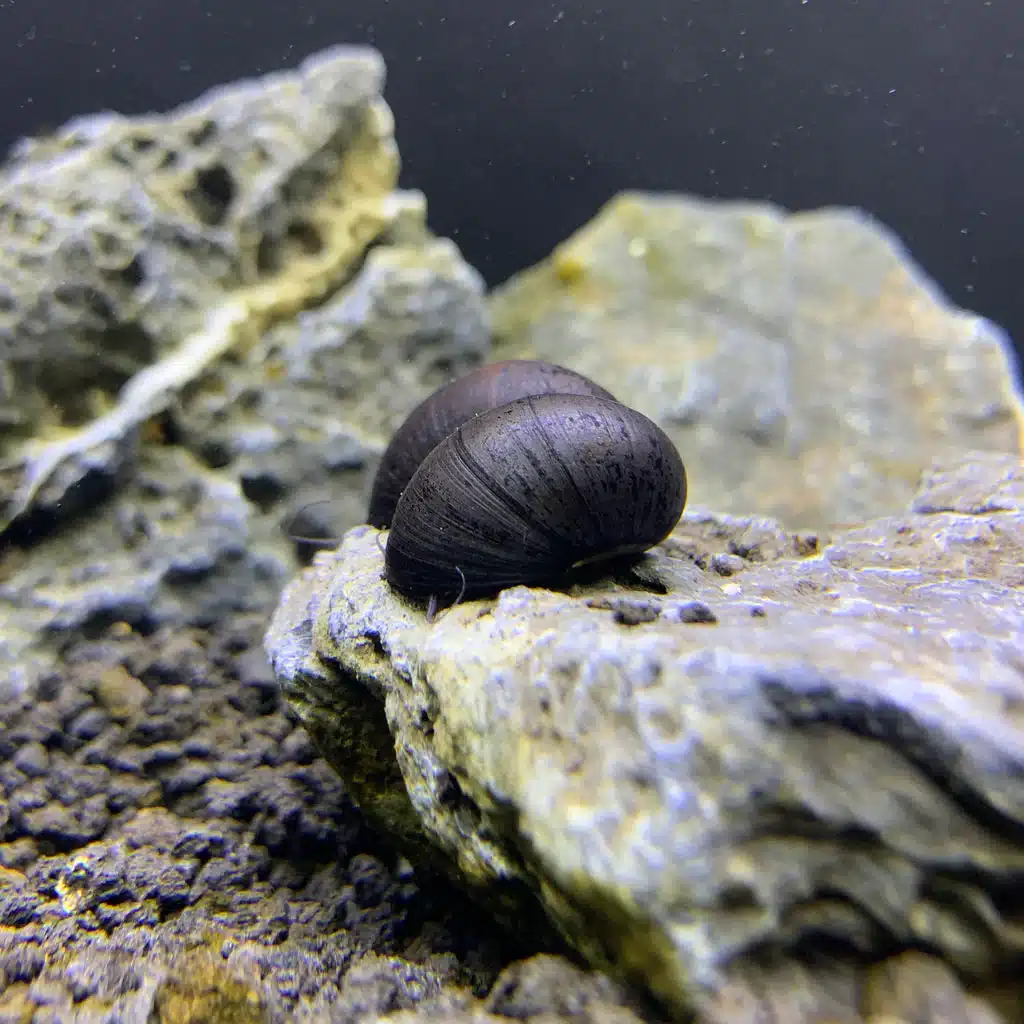
4 X Black Helmet Nerite Snail – Neritina Pulligera – Algae Eater


Original price was: £10.49.£8.71Current price is: £8.71.
Welcome these beautiful Black Helmet Snails (4X) into your aquarium for effortless algae control. These peaceful companions thrive alongside various fish species, enhancing your tank’s health. Perfect for beginners and planted aquariums, they create a balanced environment with their elegant presence.
In stock


Species Introduction
The Black Helmet Snail, scientifically known as Neritina Pulligera, is an intriguing member of the aquatic ecosystem, primarily found in the freshwater habitats of Southeast Asia. These snails are not only visually appealing with their unique black and yellow striped shells, but they also play a vital role in maintaining the health of your aquarium. Originating from rivers and streams, they thrive in environments rich in aquatic plants and algae, making them ideal companions for your aquarium plants. Their natural habitat consists of slow-moving waters, where they can graze on algae and detritus, contributing to the overall cleanliness of their surroundings. As an algae eater, they are particularly effective in controlling unwanted algae growth, ensuring a balanced ecosystem for your fish friends.
Care Requirements Dashboard
✓ Care Level: Easy
Tank Size: Minimum 10 gallons
Water Temperature: 72°F – 78°F
pH Level: 7.0 – 8.0
Hardness: 5 – 15 dGH
The Black Helmet Snail is considered an easy care species, making it suitable for both beginner fishkeepers and seasoned aquarists alike. A minimum tank size of 10 gallons is recommended to provide ample space for these snails to roam and graze. Maintaining water temperatures between 72°F and 78°F is crucial for their health, as they thrive in warmer conditions. Additionally, a pH level between 7.0 and 8.0 will help replicate their natural environment, promoting optimal growth and activity. The hardness of the water should be kept between 5 and 15 dGH to ensure their shells remain strong and healthy. Regular water changes and monitoring of these parameters will contribute to a thriving habitat for your aquatic companions.
Natural Behavior & Temperament
Black Helmet Snails are known for their peaceful demeanor and interesting behaviors. They are primarily herbivorous, feeding on algae, detritus, and decaying plant matter. Their grazing habits contribute significantly to the cleanliness of the tank, as they help control algae growth and prevent excess waste buildup. These snails are relatively slow-moving creatures, often found exploring the substrate and surfaces of decorations in the aquarium. They exhibit a fascinating behavior known as ‘climbing,’ where they ascend the walls of the tank or decorations in search of algae. This behavior not only aids in their feeding but also helps keep the aquarium clean. Socially, they are non-aggressive and can coexist peacefully with a variety of fish species, making them ideal for community tanks. Their calm nature allows them to thrive alongside other peaceful fish, enhancing the overall harmony of your aquatic environment.
Tank Setup Guide
Creating an ideal environment for your Black Helmet Snails involves careful consideration of the tank setup. Begin with a minimum tank size of 10 gallons, as this provides ample space for them to explore and graze. The substrate should consist of fine gravel or sand, as this allows the snails to burrow and search for food without damaging their delicate bodies. Incorporating live plants into the tank not only enhances the aesthetic appeal but also provides natural hiding spots and grazing areas for the snails. Suitable plants include Java Fern, Anubias, and Hornwort, which are hardy and can thrive in the same water conditions as the snails. Additionally, include decorations such as rocks and driftwood to create territories and climbing surfaces, allowing the snails to exhibit their natural behaviors. Ensure that all decorations are smooth and free from sharp edges to prevent injury to your aquatic companions. Proper filtration and aeration are also essential to maintain water quality and provide a healthy environment for both the snails and any accompanying fish.
Water Quality Management
Maintaining optimal water quality is crucial for the health and wellbeing of your Black Helmet Snails. Regular monitoring of water parameters is essential to ensure a stable environment. The pH level should be maintained between 7.0 and 8.0, as this range mimics their natural habitat and promotes healthy shell development. Temperature control is equally important; aim for a range of 72°F to 78°F to keep your snails active and thriving. Water hardness should be kept between 5 and 15 dGH to support their shell integrity. Regular water changes of 10-20% weekly will help remove toxins and replenish essential minerals. Additionally, using a high-quality water conditioner can help neutralize harmful chemicals and chlorine, ensuring a safe environment for your aquatic friends. Investing in a reliable water testing kit will allow you to keep track of these parameters, ensuring that your tank remains a healthy habitat for your snails and any other fish companions.
Feeding & Nutrition
Feeding your Black Helmet Snails is a straightforward process, as they are primarily herbivorous and enjoy a varied diet. Their natural diet consists mainly of algae, so providing a tank with ample algae growth will help them thrive. However, to supplement their diet, you can offer high-quality algae wafers, blanched vegetables such as zucchini or spinach, and specialized snail food available in pet stores. It is important to avoid overfeeding; a small amount of food every few days is sufficient, as excess food can lead to water quality issues. Observe their feeding habits to determine the right amount, ensuring that all food is consumed within a few hours. Additionally, providing calcium-rich foods or supplements will help maintain their shell strength and overall health. A consistent feeding schedule, ideally every 2-3 days, will ensure that your snails remain healthy and active.
Compatibility Guide
The Black Helmet Snail is a peaceful species that can coexist harmoniously with a variety of fish and invertebrates in a community tank. They are particularly well-suited for tanks with other calm fish species, such as Tetras, Guppies, and Corydoras. However, it is essential to avoid pairing them with aggressive or territorial fish, such as Cichlids, as these can pose a threat to the snails. Additionally, larger fish may see the snails as a food source, so careful selection of tank mates is crucial. In general, the Black Helmet Snail does well in mixed community tanks, providing they are housed with compatible species. When introducing new tank mates, monitor their interactions closely to ensure that all inhabitants coexist peacefully. A well-planned community tank will enhance the overall health and wellbeing of your aquatic ecosystem.
Health & Wellness
Maintaining the health of your Black Helmet Snails involves regular observation and proactive care. Common health issues include shell erosion, which can occur due to poor water quality or insufficient calcium in their diet. To prevent this, ensure that the water parameters are stable and provide calcium-rich foods or supplements. Additionally, monitor for signs of stress, such as inactivity or a retracted foot, which may indicate poor water conditions or aggression from tank mates. If you notice any abnormalities, perform a water change and test the parameters to identify any issues. Regular maintenance, including cleaning the tank and ensuring a balanced diet, will contribute to the overall wellness of your snails. If any health concerns arise, consult with an aquatic veterinarian for guidance on treatment options.
Breeding Information
Breeding Black Helmet Snails in captivity can be a rewarding experience, although it requires specific conditions to encourage reproduction. These snails are dioecious, meaning that there are distinct male and female individuals. To successfully breed them, ensure that the water quality is optimal and that they are well-fed. Breeding typically occurs when the snails are mature, which can take several months. During the breeding process, females will lay eggs, which are often attached to surfaces in the tank. The eggs appear as small, white clusters and will hatch into juvenile snails after a few weeks. Providing ample hiding spots and food sources for the young snails is essential for their survival. As the juveniles grow, they will require similar care as the adults, including appropriate water parameters and a balanced diet.
Acclimation Process
Acclimating your Black Helmet Snails to their new environment is a crucial step in ensuring their health and wellbeing. Begin by floating the sealed bag containing the snails in the aquarium for about 15-20 minutes, allowing the temperature to equalize. After this initial period, gradually introduce small amounts of tank water into the bag every 5-10 minutes, over the course of an hour. This process helps the snails adjust to the water parameters of their new home. Once acclimated, gently release the snails into the tank, avoiding any sudden movements that could stress them. Monitor their behavior closely during the first few days to ensure they are adjusting well to their new environment. Proper acclimation will minimize stress and promote a smooth transition for your aquatic companions.
Long-term Care
The long-term care of your Black Helmet Snails involves ongoing attention to their habitat and health. These snails can live for several years with proper care, making them a lasting addition to your aquarium. Regular water changes, monitoring of water parameters, and a balanced diet are essential components of their care routine. Additionally, ensure that the tank is well-maintained, with clean surfaces and minimal algae buildup, as this will contribute to their overall health. As they grow, you may need to adjust the tank setup to accommodate their needs, including providing more hiding spots and grazing areas. Keeping an eye on their behavior and health will help you identify any potential issues early, allowing you to take proactive measures to ensure their continued wellbeing. By providing a stable and nurturing environment, you can enjoy the beauty and benefits of your Black Helmet Snails for years to come.
Natural Habitat Recreation
Recreating the natural habitat of Black Helmet Snails in your aquarium is essential for their health and happiness. These snails thrive in environments that mimic their native waters, which are typically slow-moving with plenty of vegetation. To achieve this, incorporate a variety of live plants, such as Java Moss and Water Wisteria, which provide both food and shelter. Additionally, include smooth rocks and driftwood to create natural hiding spots and climbing surfaces. The substrate should be fine gravel or sand, allowing the snails to burrow and search for food. Maintaining a gentle water flow will help replicate their natural environment, while also ensuring that the water remains well-oxygenated. By carefully designing your aquarium to reflect their natural habitat, you will enhance the quality of life for your Black Helmet Snails and create a thriving ecosystem.
Seasonal Care Adjustments
Seasonal changes can impact the care of your Black Helmet Snails, and it is important to make necessary adjustments to ensure their continued health. During the warmer months, monitor the water temperature closely, as higher temperatures can lead to decreased oxygen levels. Ensure that the tank is well-aerated and consider using a fan or air conditioning to maintain a stable environment. In contrast, during colder months, it may be necessary to use a heater to keep the water temperature within the ideal range of 72°F to 78°F. Additionally, adjust the lighting schedule to mimic natural daylight patterns, as this can affect the growth of algae and plants, which are essential for the snails’ diet. By being attentive to seasonal changes and making necessary adjustments, you can provide a stable and comfortable environment for your Black Helmet Snails.
Expert Tips
For those looking to provide the best care for their Black Helmet Snails, consider these expert tips. First, ensure that your tank is well-planted with a variety of aquatic vegetation, as this not only provides food but also creates a more natural environment. Regularly check for algae growth, as this is a primary food source for the snails. Additionally, avoid using copper-based medications in the tank, as these can be harmful to snails. When cleaning the tank, be gentle and avoid disturbing the substrate too much, as this can stress the snails. Lastly, consider keeping a small group of snails together, as they can benefit from social interactions and will exhibit more natural behaviors. By following these expert tips, you can create a thriving environment for your Black Helmet Snails, ensuring their health and happiness for years to come.
Troubleshooting
If you encounter issues with your Black Helmet Snails, it is important to address them promptly to ensure their health. Common problems include shell erosion, which can be caused by poor water quality or insufficient calcium intake. To combat this, regularly test water parameters and provide calcium-rich foods. If snails appear inactive or withdrawn, check for signs of stress, such as aggressive tank mates or poor water conditions. In cases of illness, it may be necessary to isolate affected snails to prevent the spread of any potential disease. Always consult with an aquatic veterinarian if you are unsure about the health of your snails. By being proactive and attentive to their needs, you can troubleshoot common issues and maintain a healthy environment for your Black Helmet Snails.
Scientific Background
The Black Helmet Snail, or Neritina Pulligera, belongs to the family Neritidae, which encompasses a diverse group of freshwater and marine snails. This family is known for its unique shell morphology and ecological significance in aquatic environments. The scientific classification of these snails places them within the class Gastropoda, which includes all snails and slugs. Research has shown that Neritina species play a crucial role in controlling algae populations and contributing to nutrient cycling in freshwater ecosystems. Conservation efforts are important for preserving their natural habitats, as many freshwater environments face threats from pollution and habitat destruction. Understanding the scientific background of your Black Helmet Snails can enhance your appreciation for these remarkable creatures and their role in maintaining a balanced aquarium ecosystem.
Advanced Care Techniques
For experienced aquarists looking to enhance their care for Black Helmet Snails, consider implementing advanced techniques. One approach is to establish a dedicated breeding tank, where optimal conditions can be maintained for reproduction. This tank should be well-planted and equipped with gentle filtration to create a stable environment for the snails and their offspring. Additionally, incorporating a calcium supplement into their diet can promote stronger shell growth and overall health. Regularly monitoring water parameters and conducting routine maintenance will help ensure a thriving environment. Experimenting with different plant species and tank setups can also provide insights into the preferences of your snails, allowing you to tailor their habitat for optimal wellbeing. By employing these advanced care techniques, you can further enhance the quality of life for your Black Helmet Snails and enjoy the beauty they bring to your aquarium.
Frequently Asked Questions
Q: What tank size is required for Black Helmet Snails?
Black Helmet Snails, or Neritina Pulligera, thrive in aquariums of at least 20 litres. This size ensures they have ample space to roam and graze on algae. While they are not particularly large, a larger tank helps maintain stable water parameters, which is crucial for their health. Additionally, a well-planted tank with hiding spots and open areas will provide them with a comfortable environment. It’s also essential to avoid overcrowding to prevent stress and competition for food. Keeping a few snails together can enhance their natural behaviours, but ensure your tank has the capacity to accommodate them comfortably.
✓ Expert Tip
Consider adding a small filter to maintain water quality, as snails are sensitive to pollutants.
Q: What water parameters do Black Helmet Snails require?
For optimal health, Black Helmet Snails prefer water temperatures between 24°C and 28°C. They thrive in slightly brackish water with a specific gravity of 1.005 to 1.010, so you may need to add marine salt to your freshwater aquarium. The pH level should ideally be between 7.0 and 8.0, as they prefer neutral to slightly alkaline conditions. Regular water changes are vital to maintain these parameters and reduce harmful toxins. Monitoring ammonia and nitrite levels is crucial because snails are particularly sensitive to these substances.
✓ Expert Tip
Use a reliable water testing kit to regularly check your water parameters and ensure a stable environment.
Q: How often should I feed Black Helmet Snails?
Feeding Black Helmet Snails should be done 2-3 times a week, as they are primarily herbivores that graze on algae. In a well-established aquarium, they often obtain sufficient nourishment from the algae growth on tank surfaces. However, to supplement their diet, you can provide blanched vegetables such as zucchini or spinach, which they enjoy. Ensure that any uneaten food is removed after a few hours to maintain water quality. Overfeeding can lead to poor water conditions, which may adversely affect their health.
✓ Expert Tip
Introduce variety in their diet to ensure they receive essential nutrients for growth and overall health.
Q: What are the best tank mates for Black Helmet Snails?
Black Helmet Snails are generally peaceful and can coexist with various tank mates, including small community fish such as tetras, guppies, and rasboras. It is advisable to avoid aggressive species or larger fish that may view snails as food. Additionally, ensure that any tank mates do not disturb the snails’ habitat or compete for the same food sources. Keeping them with other peaceful invertebrates, like shrimp, can create a harmonious environment. Always monitor interactions to ensure all inhabitants thrive.
✓ Expert Tip
Introduce new tank mates gradually to avoid stressing your snails and other inhabitants.
Q: How do I properly acclimatise Black Helmet Snails to my aquarium?
Acclimatising Black Helmet Snails is crucial to minimise stress and ensure their survival. Begin by floating the sealed bag containing the snails in your aquarium for about 15-20 minutes to equalise the temperature. After this, gradually mix small amounts of your aquarium water into the bag over the next hour, allowing the snails to adjust to the new water chemistry. Once acclimatised, gently release them into the tank using a net to avoid introducing any store water. This method ensures a smooth transition and helps prevent shock.
✓ Expert Tip
Acclimatisation is vital for all aquatic companions, so take your time to ensure a smooth transition.
Q: What are the signs of a healthy Black Helmet Snail?
Healthy Black Helmet Snails exhibit a glossy, well-formed shell and are active in their environment. Their behaviour should include grazing on algae and moving about the tank. Look for clear, intact shells without any signs of damage or pitting, as these indicate good health. Additionally, a healthy snail will retract into its shell when disturbed but will emerge promptly when it feels safe. If you notice lethargy, a lack of appetite, or a damaged shell, these can be signs of stress or illness that require immediate attention.
✓ Expert Tip
Regularly observe your snails for any changes in behaviour or appearance to catch potential health issues early.
Q: How do I successfully breed Black Helmet Snails?
Breeding Black Helmet Snails can be a delightful endeavour. These snails are dioecious, meaning males and females are distinct. To breed them, ensure you have a healthy male-to-female ratio, ideally 1:2. Provide optimal water conditions, including slightly brackish water, and maintain stable temperatures. The female will lay eggs above the waterline on surfaces, which will appear as small, jelly-like clusters. After a few weeks, the young snails will hatch and will require similar care as adults. Ensure that the young snails have access to algae and soft foods to support their growth.
✓ Expert Tip
Monitor the growth of the young snails closely to ensure they are thriving and adjust their diet as necessary.
Q: What temperature should I maintain for Black Helmet Snails?
The ideal temperature range for Black Helmet Snails is between 24°C and 28°C. Maintaining this range is essential for their overall health and activity levels. Temperatures below 24°C may slow their metabolism, while temperatures above 28°C can stress them and lead to health issues. It’s advisable to use a reliable aquarium heater and thermometer to monitor the water temperature closely. A stable environment is crucial, as sudden fluctuations can cause stress and impact their well-being. Regularly check your heater’s functioning to ensure it operates efficiently.
✓ Expert Tip
Invest in a quality heater with a thermostat to maintain a consistent temperature for your aquatic companions.
Q: How long do Black Helmet Snails typically live in captivity?
In a well-maintained aquarium, Black Helmet Snails can live for 3 to 5 years. Their lifespan is influenced by various factors, including water quality, diet, and overall care. Providing a stable environment with appropriate water parameters, regular feeding, and maintaining cleanliness can help extend their life. Observing for any signs of stress or illness is also vital, as prompt attention can prevent complications that may shorten their lifespan. Ensuring they have a balanced diet rich in calcium will support shell health and longevity.
✓ Expert Tip
Regularly check for calcium levels in the water, as this is essential for maintaining healthy shell growth.
Q: What type of substrate is most suitable for Black Helmet Snails?
Black Helmet Snails prefer a substrate that is soft and smooth to prevent damage to their delicate bodies. Fine sand or small gravel is ideal, as it allows them to move freely and dig without risk of injury. Avoid sharp or coarse substrates, as these can cause abrasions on their shells and bodies. Additionally, a substrate that can support beneficial bacteria will help maintain good water quality. Incorporating live plants can also enhance their habitat, providing cover and a natural food source.
✓ Expert Tip
Consider using a combination of fine sand and smooth pebbles to create a diverse environment for your snails.
Q: What behavioural patterns should I expect from Black Helmet Snails?
Black Helmet Snails are generally active and curious creatures. They spend much of their time grazing on algae and exploring their environment. You may observe them climbing on tank decorations or glass, utilising their strong foot. They are primarily nocturnal, becoming more active during the evening hours. This behaviour can change slightly based on their environment and tank mates. If they are disturbed, they may retract into their shells, but they typically emerge quickly. Understanding these behaviours can enhance your interaction and enjoyment of these fascinating snails.
✓ Expert Tip
Provide plenty of hiding spots and climbing opportunities to encourage natural behaviours and reduce stress.
Q: How can I prevent common diseases in Black Helmet Snails?
Preventing diseases in Black Helmet Snails involves maintaining high water quality and stable parameters. Regular water changes are essential to remove toxins and keep the environment healthy. Additionally, avoid overfeeding, as uneaten food can decay and pollute the water. Regularly check for any signs of stress or illness, such as a lack of movement or unusual shell appearance. Quarantine new snails before introducing them to your main tank to prevent the spread of diseases. Ensuring a varied diet also supports their immune system, helping them resist infections.
✓ Expert Tip
Incorporate calcium-rich foods to support shell health and overall resilience against diseases.
Q: What lighting conditions do Black Helmet Snails prefer?
Black Helmet Snails do not have specific lighting requirements; however, they thrive in moderate lighting conditions. This helps promote algae growth, which is a primary food source for them. Bright lighting can sometimes lead to excessive algae growth or stress, so a balance is key. If your tank has live plants, consider using a light that supports both plant growth and the natural behaviour of the snails. A regular day-night cycle is essential to mimic their natural habitat, promoting a healthy lifestyle and overall well-being.
✓ Expert Tip
Use a timer for your aquarium lighting to ensure consistent light and dark periods, promoting a natural environment.
Q: How do I recognise stress in Black Helmet Snails?
Recognising stress in Black Helmet Snails can be subtle. Common signs include prolonged retraction into their shells and a lack of movement. If they remain withdrawn for an extended period, it may indicate discomfort. Additionally, if their shells appear dull or damaged, this can be a sign of poor water quality or health issues. Sudden changes in behaviour, such as not grazing on algae or avoiding certain areas of the tank, should also raise concerns. Regular observation is key to identifying these signs early and addressing any potential problems.
✓ Expert Tip
Maintain a consistent environment and keep stress levels low by ensuring proper tank mates and conditions.
Q: What natural habitat conditions should I replicate for Black Helmet Snails?
To create an environment that mimics their natural habitat, ensure your aquarium has slightly brackish water, as Black Helmet Snails are often found in mangrove swamps and estuaries. Incorporate sandy substrates and provide hiding spots using rocks, driftwood, or plants to replicate their environment. Maintain stable water temperatures and parameters to ensure their comfort. Including algae and biofilm will provide a natural food source, while gentle water movement will simulate their natural waters. By replicating these conditions, you can help your snails thrive.
✓ Expert Tip
Regularly observe and adjust your aquarium conditions to ensure they closely match their natural habitat for optimal health.
1 review for 4 X Black Helmet Nerite Snail – Neritina Pulligera – Algae Eater
Add a review
Related products


Emily Carter (verified owner) –
I recently added 4 Black Helmet Snails (Neritina Pulligera) to my freshwater aquarium, and I couldn’t be happier! These little guys have been nothing short of amazing at keeping my tank clean. After just two weeks, the algae build-up that was starting to cloud my beautiful aquarium plants is completely gone. Their unique black and white shell patterns also add an interesting visual element to my tank!
I love how these snails are peaceful – they get along well with my Flying Fox and other tank mates. They are a perfect choice for anyone who wants to maintain a healthy environment without adding stress to their fish. Compared to other algae eaters I’ve tried, like the common Pleco, I find the Black Helmet Snails are much less invasive and don’t grow too large, making them ideal for smaller setups.
One thing to note is they do require calcium in their diet for shell health, so be sure you have a good mineral balance in your tank. Overall, I highly recommend these snails to other freshwater fish enthusiasts looking for a reliable cleaning crew. I will definitely be purchasing more in the future!