
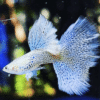
Galaxy Blue Tail Guppy Pair (1 Male + 1 Female) – Poecilia Reticulata

Original price was: £25.49.£21.29Current price is: £21.29.
Welcome these beautiful Galaxy Blue Tail Guppies into your freshwater tank! This listing includes one male and one female, creating a stunning display of color. Perfect for beginners, these peaceful companions thrive in community settings, bringing elegance to your aquarium.
In stock


Species Introduction
The Guppy, scientifically known as Poecilia reticulata, is a vibrant and lively freshwater fish that originates from the streams and rivers of South America. Known for their dazzling colors and unique patterns, Guppies have become one of the most popular choices among aquarists, both novice and experienced. These fish thrive in a variety of environments, making them ideal for community tanks. Their natural habitat includes shallow waters with plenty of aquatic plants, which provide them with both shelter and food. Guppies are particularly noted for their adaptability and resilience, making them suitable for beginners looking to create a colorful and dynamic aquarium setup.
Care Requirements Dashboard
Essential Care Guide for Your Guppy Poecilia Ret in Pairs Galaxy Blue Tail Guppies (1 Male + Female)
| Optimal Living Conditions | |
|---|---|
| Water Temperature | 24-27°C (75-81°F) |
| pH Level | 6.5-7.5 |
| Water Hardness | 4-12 dKH |
| Minimum Tank Size | 80L (20 gal) |
| Salinity | Freshwater |
| Care Level | Beginner Friendly |
✓ Care Level: Easy
Tank Size: Minimum 10 gallons
Water Temperature: 22-28°C (72-82°F)
pH Level: 6.8-7.8
Hardness: 10-30 dGH
Guppies are relatively easy to care for, making them an excellent choice for beginners. A minimum tank size of 10 gallons is recommended to provide ample swimming space. The water temperature should be maintained between 22-28°C (72-82°F) to ensure optimal health and vitality. Additionally, the pH level should range from 6.8 to 7.8, with a hardness of 10-30 dGH. Regular water changes and monitoring of water parameters are crucial to maintaining a healthy environment for these beautiful fish.
Natural Behavior & Temperament
Guppies are known for their lively and playful nature. They are peaceful fish that thrive in community tanks, making them ideal companions for a variety of other species. Their natural behavior includes swimming in schools, which provides them with a sense of security. Guppies are also known for their graceful movements and vibrant displays, especially during mating rituals. Males often display their colorful tails to attract females, showcasing their beauty and vitality. This social behavior not only enhances their well-being but also adds a dynamic aspect to the aquarium environment.
Tank Setup Guide
Creating an ideal environment for your Guppies is essential for their health and happiness. Start with a minimum tank size of 10 gallons, which allows for adequate swimming space. Incorporate a substrate of fine gravel or sand, which is gentle on their delicate fins. Adding live plants not only enhances the aesthetic appeal of the aquarium but also provides hiding spots and breeding areas for your fish friends. Decorations such as driftwood and rocks can create territories and reduce stress. Ensure that the tank is equipped with a reliable filtration system to maintain water quality and circulation, as Guppies thrive in clean, well-oxygenated water.
Water Quality Management
✓ Good Water Quality is Essential
pH Level: 6.8-7.8
Temperature: 22-28°C (72-82°F)
Hardness: 10-30 dGH
Maintaining optimal water quality is crucial for the health of your Guppies. Regular testing of pH, temperature, and hardness is necessary to ensure a stable environment. Aim for a pH level between 6.8 and 7.8, as Guppies prefer slightly alkaline conditions. The water temperature should consistently stay within the range of 22-28°C (72-82°F). Additionally, monitor the hardness, keeping it between 10 and 30 dGH. Regular water changes of 10-20% weekly will help remove toxins and replenish essential minerals, promoting a healthy habitat for your aquatic companions.
Feeding & Nutrition
Guppies are omnivorous and require a varied diet to thrive. A high-quality flake food specifically designed for tropical fish should form the basis of their diet. Supplement this with live or frozen foods such as brine shrimp, daphnia, and bloodworms to enhance their color and vitality. Additionally, providing blanched vegetables like zucchini or spinach can offer essential nutrients. Feed your Guppies small amounts two to three times a day, ensuring that they consume all food within a few minutes to prevent water quality issues. A balanced diet will not only promote health but also encourage vibrant colors and active behavior.
Compatibility Guide
✓ Peaceful Community Fish
Compatible Tank Mates: Tetras, Corydoras, Rasboras, Platies
Guppies are known for their peaceful temperament, making them excellent additions to community tanks. They can coexist harmoniously with other small, non-aggressive species such as Tetras, Corydoras, Rasboras, and Platies. However, it is essential to avoid larger or aggressive fish that may see Guppies as food or become territorial. When selecting tank mates, consider the size and temperament of all species to ensure a balanced and peaceful environment. A well-planned community tank will provide a dynamic and engaging experience for both the fish and the aquarist.
Health & Wellness
Maintaining the health of your Guppies involves regular observation and proactive care. Common health issues include fin rot, ich, and swim bladder disease. To prevent these ailments, ensure optimal water quality and avoid overcrowding in the tank. Signs of illness may include lethargy, loss of appetite, or abnormal swimming patterns. If you notice any of these symptoms, it is crucial to isolate the affected fish and consult with an aquatic veterinarian if necessary. Regular maintenance, including water changes and tank cleaning, will significantly contribute to the overall health and longevity of your Guppies.
Breeding Information
Guppies are livebearers, meaning they give birth to free-swimming fry rather than laying eggs. To encourage breeding, maintain a ratio of one male to two or three females in the tank. Provide plenty of hiding spots using plants or decorations to protect the fry from being eaten by adult fish. The gestation period for Guppies is approximately 28 days, after which the female will give birth to 20-100 fry, depending on her health and age. It is advisable to move the fry to a separate tank or breeding box to ensure their survival, as adult Guppies may consume them. Feeding the fry with finely crushed flakes or specialized fry food will promote healthy growth.
Acclimation Process
Introducing your new Guppies to their aquarium home requires careful acclimation to minimize stress. Begin by floating the sealed bag containing the Guppies in the tank for about 15-20 minutes to equalize the temperature. After that, gradually mix small amounts of tank water into the bag over the next 30 minutes. This process helps the fish adjust to the water parameters of their new environment. Once acclimated, gently release the Guppies into the tank using a net to avoid introducing any transport water that may contain harmful substances. Proper acclimation is essential for ensuring the health and well-being of your new aquatic companions.
Long-term Care
Guppies have a lifespan of around 2 to 3 years, depending on their care and environment. To ensure they thrive throughout their lives, maintain consistent water quality, provide a balanced diet, and monitor their health regularly. As they grow, be aware of their breeding habits and manage the population accordingly to prevent overcrowding. Regularly check for signs of stress or illness, and be proactive in addressing any issues that arise. By providing a stable and nurturing environment, you can enjoy the beauty and companionship of your Guppies for years to come.
Natural Habitat Recreation
To recreate the natural habitat of Guppies, consider incorporating live plants, driftwood, and rocks into your aquarium setup. A well-planted tank not only provides hiding spots but also mimics the shallow waters of their native environment. Use a substrate that resembles natural riverbeds, such as fine gravel or sand, to enhance the aesthetic appeal. Additionally, maintaining a gentle water flow will replicate the currents found in their natural habitat, promoting healthy swimming behavior. By creating a biotope that reflects their origins, you can provide a more enriching environment for your Guppies.
Seasonal Care Adjustments
As seasons change, so do the environmental conditions in your aquarium. During warmer months, monitor the water temperature closely, ensuring it remains within the ideal range of 22-28°C (72-82°F). If temperatures rise, consider using a fan or air conditioning to maintain a stable environment. In colder months, ensure that the tank heater is functioning properly to prevent drastic temperature drops. Additionally, adjust the lighting duration to mimic natural daylight cycles, promoting healthy growth and well-being for your Guppies throughout the year.
Expert Tips
✓ Advanced Care Techniques
Consider using a breeding box for fry, maintain a diverse diet, and monitor water parameters regularly.
For those looking to elevate their Guppy care experience, consider implementing advanced techniques such as using a breeding box for fry to ensure their safety and growth. Additionally, maintaining a diverse diet will enhance their coloration and overall health. Regularly monitoring water parameters is crucial for preventing issues before they arise. Staying informed about the latest advancements in aquarium care will help you provide the best possible environment for your Guppies.
Troubleshooting
Common problems with Guppies may include stress from aggressive tank mates, poor water quality, or inadequate diet. If you notice signs of stress, such as hiding or erratic swimming, evaluate the tank environment and make necessary adjustments. Ensure that all tank mates are compatible and that the water parameters are within the recommended ranges. If dietary issues arise, reevaluate the food being offered and consider adding variety to their diet. By being proactive and observant, you can quickly address any problems that may arise and ensure the well-being of your Guppies.
Scientific Background
The Guppy, or Poecilia reticulata, belongs to the Poeciliidae family, which is known for its livebearing fish. This species has been extensively studied for its reproductive habits and adaptability to various environments. Guppies are often used in scientific research due to their rapid reproduction rates and ease of care. Conservation efforts are in place to protect their natural habitats, as urbanization and pollution threaten their populations in the wild. Understanding the scientific background of Guppies can enhance your appreciation for these remarkable fish and their role in the aquatic ecosystem.
Advanced Care Techniques
For aquarists looking to take their Guppy care to the next level, consider implementing advanced techniques such as selective breeding to enhance desirable traits. This process involves pairing specific males and females to produce offspring with enhanced coloration or patterning. Additionally, maintaining a well-balanced ecosystem within the aquarium will promote the health of not only your Guppies but all tank inhabitants. Regularly researching best practices and staying updated on the latest aquarium care techniques will ensure that you provide the best possible environment for your aquatic friends.
Frequently Asked Questions
Q: What tank size is required for Guppy Poecilia Ret?
For Guppy Poecilia Ret, a tank size of at least 40 litres is recommended. This provides ample space for swimming, breeding, and establishing territories. Guppies are social creatures and thrive in groups, so having a larger tank allows for a more stable environment. Additionally, a larger tank helps maintain water quality, as it dilutes toxins and reduces fluctuations in parameters. If you plan to keep more than one pair, consider increasing the tank size to accommodate their social needs and reduce stress. Ensure the tank is well-filtered and has a secure lid, as guppies can be jumpy.
✓ Expert Tip
A well-planted tank can provide hiding spots and reduce stress for your guppies, enhancing their overall well-being.
Q: What water parameters do Guppy Poecilia Ret require?
Guppy Poecilia Ret thrive in freshwater with specific water parameters. Ideally, maintain a temperature between 24°C to 28°C, a pH of 6.8 to 7.8, and a hardness of 10-30 dGH. Regular water changes of 10-15% weekly are essential to keep the water clean and free from harmful toxins. Monitoring ammonia and nitrite levels is crucial, as these should remain at 0 mg/L, while nitrate should be kept below 20 mg/L. Using a reliable water testing kit will help you maintain these parameters, ensuring a healthy environment for your aquatic companions.
✓ Expert Tip
Consider using a heater and a quality filter to help stabilise water conditions and ensure a comfortable habitat for your guppies.
Q: How often should I feed Guppy Poecilia Ret?
Guppies should be fed small amounts two to three times a day. A varied diet is essential for their health, including high-quality flakes, pellets, and occasional live or frozen foods like brine shrimp or daphnia. Ensure that they consume the food within a few minutes to prevent excess waste, which can deteriorate water quality. Overfeeding can lead to health issues, so it is best to err on the side of caution. During breeding periods, slightly increase the frequency to support the nutritional needs of both the parents and the fry.
✓ Expert Tip
Mixing different types of food can enhance their colouration and provide a balanced diet.
Q: What are the best tank mates for Guppy Poecilia Ret?
Guppy Poecilia Ret are generally peaceful and can coexist with various species. Suitable tank mates include neon tetras, rasboras, and other small, non-aggressive fish. Avoid larger or aggressive species, as they may stress or harm your guppies. Additionally, providing ample hiding spots and plants can help reduce territorial disputes and create a harmonious environment. Ensure that all tank mates have similar water requirements to maintain a stable ecosystem.
✓ Expert Tip
Introducing new fish slowly can help minimise stress and ensure compatibility.
Q: How do I properly acclimatise Guppy Poecilia Ret to my aquarium?
Acclimatising your Guppy Poecilia Ret is vital for their health. Upon arrival, float the sealed bag in your aquarium for about 15-20 minutes to equalise the temperature. Then, gradually mix small amounts of your tank water into the bag, over a period of 30 minutes. This helps them adjust to the water parameters. Afterward, gently net the guppies into the tank, avoiding adding the bag water to your aquarium to prevent introducing contaminants. This method reduces stress and helps ensure a smooth transition to their new home.
✓ Expert Tip
Monitor your guppies closely for the first few days to ensure they are adjusting well.
Q: What are the signs of healthy Guppy Poecilia Ret?
Healthy Guppy Poecilia Ret exhibit vibrant colours and clear eyes. They should swim actively and display normal behaviour without signs of distress, such as hiding excessively or staying at the surface. Their fins should be fully extended, and they should not show any signs of lesions or swelling. Regularly checking for these indicators can help you identify potential health issues early. Maintaining stable water conditions and a balanced diet will contribute to their overall well-being.
✓ Expert Tip
Keep a close eye on any changes in behaviour or appearance, as early detection can prevent serious health issues.
Q: How do I successfully breed Guppy Poecilia Ret?
Breeding Guppy Poecilia Ret can be a rewarding experience. To encourage breeding, maintain a well-planted tank with plenty of hiding spots. Ensure the water temperature is around 26°C and provide a nutritious diet. Once a male and female pair are established, you will notice the male displaying courtship behaviour. After a gestation period of about 28 days, the female will give birth to live fry. Separating the fry from the adults soon after birth is crucial, as adult guppies may eat their young. Ensure to provide adequate food for the fry, such as powdered flakes or infusoria.
✓ Expert Tip
Consider using a breeding box or separate tank to raise fry safely.
Q: What temperature should I maintain for Guppy Poecilia Ret?
Guppy Poecilia Ret thrive in a temperature range of 24°C to 28°C. Maintaining stable temperatures within this range is crucial for their health and well-being. Fluctuations can lead to stress and susceptibility to diseases. A reliable aquarium heater is recommended to ensure consistent temperature. Regularly check the temperature with a thermometer, and adjust as necessary. During colder months, ensure the heater is functioning correctly, as guppies are sensitive to cold water.
✓ Expert Tip
Avoid placing the tank near drafts or direct sunlight to help maintain a stable temperature.
Q: How long do Guppy Poecilia Ret typically live in captivity?
In captivity, Guppy Poecilia Ret can live for approximately 2 to 3 years with proper care. Factors such as water quality, diet, and tank conditions significantly influence their lifespan. Regular maintenance, including water changes and monitoring parameters, is essential for their longevity. Providing a balanced diet and ensuring a stress-free environment will contribute to their overall health. Keeping them in a suitable tank with compatible tank mates can also enhance their quality of life.
✓ Expert Tip
Keep a consistent care routine to maximise their lifespan and overall health.
Q: What type of substrate is most suitable for Guppy Poecilia Ret?
For Guppy Poecilia Ret, a soft substrate such as fine gravel or sand is ideal. This type of substrate allows for easy digging and mimics their natural habitat. It is essential to avoid sharp substrates, as they can injure the delicate fins of guppies. A well-maintained substrate also supports beneficial bacteria, which play a vital role in maintaining water quality. Moreover, incorporating plants can enhance the aesthetic appeal and provide hiding spots, contributing to a more natural environment.
✓ Expert Tip
Regularly vacuuming the substrate can help prevent the buildup of waste and maintain water quality.
Q: What behavioural patterns should I expect from Guppy Poecilia Ret?
Guppy Poecilia Ret are known for their lively and social behaviour. They often swim in schools, displaying playful interactions with one another. Males are particularly active and may exhibit courtship displays, showcasing their vibrant colours and fin movements to attract females. Guppies enjoy exploring their environment, so providing plants and decorations can encourage natural behaviour. They may also establish a hierarchy, with dominant males asserting their position. Observing these behaviours can enhance your understanding and appreciation of these beautiful creatures.
✓ Expert Tip
Creating an enriched environment with various hiding spots will promote natural behaviour and reduce stress.
Q: How can I prevent common diseases in Guppy Poecilia Ret?
Preventing diseases in Guppy Poecilia Ret involves maintaining optimal water quality and a stress-free environment. Regular water changes and monitoring parameters are essential for their health. Quarantining new fish before introducing them to the main tank can prevent the spread of diseases. Additionally, avoiding overfeeding and ensuring a balanced diet will boost their immune system. Keeping the tank clean by performing routine maintenance, such as cleaning filters and substrate, also contributes to disease prevention. Observing your guppies regularly for any signs of illness allows for early intervention.
✓ Expert Tip
Consider adding aquarium salt in moderation, as it can help prevent certain diseases.
Q: What lighting conditions do Guppy Poecilia Ret prefer?
Guppy Poecilia Ret thrive under moderate lighting conditions. They appreciate a natural light cycle, so aim for 10-12 hours of light daily, supplemented with LED or fluorescent lights. Bright lighting can enhance their colours but should be balanced with shaded areas to provide refuge. Incorporating live plants can help diffuse light and create a comfortable environment for your guppies. Avoid sudden changes in lighting, as this can cause stress; gradual adjustments are best.
✓ Expert Tip
Using a timer for your aquarium lights can help maintain a consistent light cycle.
Q: How do I recognise stress in Guppy Poecilia Ret?
Recognising stress in Guppy Poecilia Ret is crucial for their health. Signs include excessive hiding, erratic swimming, or rapid gill movement. Additionally, if they are not eating or displaying their usual vibrant colours, it may indicate stress. Environmental factors such as poor water quality, aggressive tank mates, or sudden changes in temperature can contribute to stress. Regular monitoring and maintaining optimal conditions will help minimise stress levels, ensuring a healthy and happy environment for your guppies.
✓ Expert Tip
Addressing stress factors promptly can prevent serious health issues in your guppies.
Q: What natural habitat conditions should I replicate for Guppy Poecilia Ret?
To replicate their natural habitat, Guppy Poecilia Ret thrive in warm, shallow waters rich in vegetation. Incorporating live plants, such as java moss or hornwort, will provide hiding spots and mimic their natural surroundings. Soft substrates, along with rocks and driftwood, can enhance the aesthetic appeal while promoting natural behaviours. Maintaining stable water parameters and providing a varied diet will further support their well-being, creating an environment that closely resembles their native habitats.
✓ Expert Tip
Regularly trimming plants will help maintain a healthy balance and prevent overgrowth.
3 reviews for Galaxy Blue Tail Guppy Pair (1 Male + 1 Female) – Poecilia Reticulata
Add a review
Related products



Jessica Harrington (verified owner) –
I recently purchased a pair of Galaxy Blue Tail Guppies (1 male and 1 female), and I couldn’t be happier! After just two weeks in my 20-gallon tank, they have not only adapted beautifully but have also added such vibrant life to my aquarium. The male is absolutely stunning, flaunting his deep blue tail, which really pops against the natural aquarium decorations I have.
I’ve kept guppies for years, and I can genuinely say these are among the healthiest I’ve encountered. They swim around actively, displaying playful behavior while exploring every nook and cranny of their new home. I appreciate that they arrived well-packaged and healthy—no signs of stress or illness.
Compared to other guppy pairs I’ve bought in the past, these Galaxy Blue Tails seem to have a more lively personality, which makes them a joy to watch. My only minor concern was that the female initially hid a bit more than expected, but she has since come out of her shell.
I highly recommend these beautiful aquarium guppies for both new and experienced fish parents. They are perfect for community tanks and thrive in a peaceful environment. If you’re looking to brighten up your aquarium, these guppies are a fantastic choice!
Emily Parker (verified owner) –
I recently purchased a pair of Galaxy Blue Tail Guppies (1 male and 1 female) and I couldn’t be happier! These little freshwater fish not only bring life to my aquarium, but their vibrant colors are mesmerizing. After about two weeks, I’ve noticed how they interact with each other and explore their environment. It’s heartwarming to see them thrive together.
I appreciate that they are ideal for both beginners and seasoned enthusiasts like myself. Their care is straightforward, requiring a well-filtered tank and a bit of plant cover. Compared to other guppies I’ve kept, these guys are much more active and social.
One minor thing to keep in mind is that they are livebearers, so if you’re not prepared for fry, you may want to consider keeping only males. I also recommend using a gentle filter to avoid stressing them out.
Overall, I highly recommend these Galaxy Blue Tail Guppies for anyone looking to add beautiful and engaging community fish to their tank. They’ve brought so much joy to our home, and I can’t wait to see how they continue to flourish!
Emily Carter (verified owner) –
I recently purchased a pair of the Galaxy Blue Tail Guppies, and I couldn’t be happier with my choice! These little beauties have brought a vibrant burst of color to my freshwater tank. After just two weeks, they’ve settled in perfectly and are thriving. The male’s iridescent blue tail and the female’s sleek body make them a captivating addition to my community fish setup.
I’ve kept fish for several years, and I can confidently say these guppies are some of the easiest tropical fish to care for, making them ideal for both beginners and seasoned aquarists like myself. They acclimated quickly, and I’ve noticed how active and social they are, constantly swimming together and interacting with my other fish.
One minor concern is that they can breed quite readily in a community tank, but I see that as more of an exciting opportunity than a drawback! Overall, I highly recommend these guppies to anyone looking to add some charm to their aquarium. They’re a delightful, low-maintenance option that truly enhances the beauty of any freshwater setup. I will definitely be purchasing more in the future!