

Nothobranchius Rachovii Beira 98 Pair – Killifish

Original price was: £31.99.£27.10Current price is: £27.10.
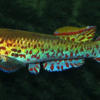
Welcome these stunning Nothobranchius Rachovii «Beira 98» killifish into your aquarium. Their vibrant colors and graceful movements enhance any aquascaping setup. Perfect for aquarists seeking beautiful companions, these peaceful fish thrive in well-planted environments.


Species Introduction
The Nothobranchius Rachovii, commonly known as the Beira 98 Killifish, is a stunning species native to the freshwater habitats of Mozambique. This beautiful killifish is renowned for its vibrant colors and graceful movements, making it a popular choice among aquarists who seek to enhance their aquarium setups with dynamic displays. The Beira 98 variant is particularly sought after due to its striking appearance, which features a blend of iridescent blues, yellows, and reds, reminiscent of a tropical sunset. These fish thrive in well-planted tanks, where they can exhibit their natural behaviors and provide a lively atmosphere. Understanding their natural habitat is crucial for creating a suitable environment that mimics the conditions they are accustomed to in the wild.
Care Requirements Dashboard
Essential Care Guide for Your Nothobranchius Rachovii «Beira 98» – Male & Female
| Optimal Living Conditions | |
|---|---|
| Water Temperature | 24-27°C (75-81°F) |
| pH Level | 6.5-7.5 |
| Water Hardness | 4-12 dKH |
| Minimum Tank Size | 80L (20 gal) |
| Salinity | Freshwater |
| Care Level | Beginner Friendly |
✓ Care Level: Easy
Tank Size: Minimum 10 gallons
Water Temperature: 22-28°C (72-82°F)
pH Level: 6.5-7.5
Hardness: 5-15 dGH
Natural Behavior & Temperament
Nothobranchius Rachovii is known for its lively and energetic behavior. These fish are typically found swimming in the upper layers of the water column, where they exhibit playful and dynamic movements. Their social nature makes them ideal for community tanks, as they tend to be peaceful and non-aggressive. However, it is essential to provide ample space and hiding spots to reduce stress and territorial disputes, especially among males. Understanding their social interactions and swimming patterns can enhance the overall aquarium experience, allowing aquarists to appreciate the beauty and grace of these aquatic companions.
Tank Setup Guide
Creating an ideal environment for Nothobranchius Rachovii involves replicating their natural habitat as closely as possible. A well-planted tank with plenty of vegetation provides hiding spots and encourages natural behaviors. Use a soft substrate, such as sand or fine gravel, to mimic their natural breeding grounds. Incorporating driftwood and rocks can enhance the aesthetic appeal while providing additional shelter. It is essential to ensure that the tank is covered, as these fish are known to jump. Proper filtration and regular water changes will help maintain optimal water quality, crucial for the health and well-being of these beautiful killifish.
Water Quality Management
✓ Good Water Quality
Maintaining proper water parameters is vital for the health of Nothobranchius Rachovii. The ideal pH range is between 6.5 and 7.5, with a temperature between 22-28°C (72-82°F). Regular testing of water hardness is also essential, aiming for a range of 5-15 dGH. Ensure that the water is clean and well-oxygenated, as these fish thrive in clear water conditions. Implementing a reliable filtration system and performing weekly water changes will help maintain these parameters, promoting a healthy and vibrant aquarium environment.
Feeding & Nutrition
Nothobranchius Rachovii are omnivorous and thrive on a varied diet. A combination of high-quality flake food, freeze-dried or frozen foods such as bloodworms, brine shrimp, and daphnia will provide them with the necessary nutrients for optimal health. Feeding should occur 2-3 times a day, with small portions that can be consumed within a few minutes. It’s important to avoid overfeeding, as this can lead to water quality issues. Additionally, incorporating live foods can enhance their coloration and vitality, making them even more stunning in your aquarium setup.
Compatibility Guide
✓ Peaceful Community Fish
Nothobranchius Rachovii is generally compatible with other peaceful fish species. However, it is advisable to avoid aggressive tank mates that may stress these delicate creatures. Suitable companions include small tetras, rasboras, and other non-aggressive killifish. When introducing new fish to the tank, monitor their interactions closely to ensure that all residents coexist harmoniously. Providing ample space and hiding spots will help mitigate any territorial disputes, ensuring a peaceful community environment.
Health & Wellness
Monitoring the health of your Nothobranchius Rachovii is essential for their longevity and well-being. Common health issues include ich, fin rot, and swim bladder disorders. Regular observation of their behavior and physical appearance can help identify any potential problems early. Maintaining optimal water quality and a balanced diet are crucial preventive measures. If any signs of illness are observed, prompt action should be taken, including potential quarantine of affected individuals and treatment with appropriate medications. Regular health checks will ensure that your aquatic companions remain vibrant and healthy.
Breeding Information
✓ Breeding Killifish
Breeding Nothobranchius Rachovii can be a rewarding experience. These fish are egg layers and prefer to spawn in a well-planted area of the tank. To encourage breeding, provide a separate breeding tank with soft, slightly acidic water and plenty of vegetation. The female will lay eggs among the plants, which can be collected and incubated in a separate container. After a few weeks, the eggs will hatch into fry, which should be fed infusoria or finely crushed flakes until they are large enough to consume standard foods. Breeding these beautiful killifish not only enhances your aquarium but also contributes to their conservation.
Acclimation Process
When introducing Nothobranchius Rachovii to your aquarium, a proper acclimation process is essential to minimize stress and ensure a smooth transition. Begin by floating the sealed bag containing the fish in the aquarium for 15-20 minutes, allowing the water temperature to equalize. After this, gradually mix small amounts of aquarium water into the bag over the course of an hour. This process helps the fish adjust to the water parameters of their new home. Once acclimated, gently release the fish into the tank, avoiding the introduction of bag water to maintain water quality. Monitoring their behavior closely after introduction will help ensure they adapt well to their new environment.
Long-term Care
✓ Lifespan: 2-3 years
Nothobranchius Rachovii typically has a lifespan of 2-3 years, depending on the care provided. Regular maintenance of water quality, diet, and tank conditions will significantly influence their longevity. As these fish mature, their colors may become even more vibrant, adding to the aesthetic appeal of your aquarium. Regular health checks and prompt attention to any issues will ensure that your aquatic companions thrive throughout their lives. Keeping a detailed log of their care routines can help track their health and well-being over time.
Natural Habitat Recreation
Recreating the natural habitat of Nothobranchius Rachovii is essential for their well-being and behavior. In the wild, these fish inhabit shallow waters with abundant vegetation, providing both shelter and breeding grounds. To mimic this environment, aquarists should incorporate live plants, such as Java moss and Anubias, into their tank setup. Using natural materials like driftwood and rocks can also enhance the biotope effect. Additionally, maintaining a gentle water flow will replicate their natural surroundings, allowing these beautiful killifish to exhibit their natural behaviors and thrive in a more familiar environment.
Seasonal Care Adjustments
✓ Seasonal Care Tips
As seasons change, adjustments to the care of Nothobranchius Rachovii may be necessary. During warmer months, ensure that the water temperature remains stable and does not exceed 28°C (82°F). Increased evaporation rates may require more frequent water top-offs. In cooler months, consider using a heater to maintain optimal temperatures. Additionally, monitor the lighting duration, as fish may require longer light periods during winter to mimic natural daylight cycles. These seasonal adjustments will help maintain a healthy and thriving environment for your aquatic companions.
Expert Tips
For those looking to provide the best care for Nothobranchius Rachovii, consider implementing some expert tips. Regularly monitor water parameters and perform partial water changes to maintain quality. Introduce a varied diet to enhance their coloration and health, including live and frozen foods. Create a diverse tank environment with various hiding spots and open swimming areas to cater to their natural behaviors. Additionally, keeping a close eye on their social dynamics will help prevent stress and aggression among tank mates. By following these expert tips, you can ensure that your beautiful killifish thrive in their aquarium home.
Troubleshooting
✓ Common Issues
Common problems with Nothobranchius Rachovii may include stress from aggressive tank mates, poor water quality, or inadequate diet. If you notice signs of stress, such as hiding or loss of color, assess the tank environment and make necessary adjustments. Ensure that water parameters are within the recommended ranges and that tank mates are compatible. If health issues arise, such as fin rot or ich, prompt treatment is essential. Quarantine affected fish and consult with an aquatic veterinarian if needed. By addressing these common issues, you can maintain a healthy and thriving aquarium.
Scientific Background
The Nothobranchius genus is part of the family Cyprinodontidae and includes several species of killifish. They are primarily found in Africa, inhabiting seasonal water bodies that can fluctuate dramatically in conditions. The Beira 98 variant is particularly noted for its vibrant coloration and unique patterns, making it a favorite among aquarists. Understanding the taxonomy and natural behaviors of Nothobranchius Rachovii can enhance your appreciation for these beautiful fish and inform better care practices. Conservation efforts are essential for maintaining their populations in the wild, as habitat destruction poses a significant threat to their natural environments.
Advanced Care Techniques
✓ Expert-Level Husbandry
For advanced aquarists, implementing specialized care techniques can enhance the health and vitality of Nothobranchius Rachovii. Consider establishing a breeding program to help maintain genetic diversity and contribute to conservation efforts. Utilize live plants not only for aesthetic purposes but also to improve water quality and provide natural filtration. Experiment with different feeding regimens, incorporating high-quality live foods to enhance coloration and health. Additionally, keeping detailed records of water parameters, feeding schedules, and health observations can help refine your care practices over time. By adopting these advanced techniques, you can ensure that your aquatic companions flourish in your care.
Water Quality Parameters
Optimal Range
24-27°C
6.5-7.5
0 ppm
Caution Zone
22-24°C or 27-29°C
6.0-6.5 or 7.5-8.0
0.25-0.5 ppm
Danger Zone
<22°C or >29°C
<6.0 or >8.0
>0.5 ppm
Monitoring Tip: Test water parameters weekly and perform regular water changes to maintain optimal conditions for your aquatic friends!
Frequently Asked Questions
Q: What tank size is required for Nothobranchius Rachovii «Beira 98»?
For Nothobranchius Rachovii «Beira 98», a tank size of at least 60 litres is recommended to provide ample swimming space and territory. These fish are naturally found in shallow waters, so a longer tank is preferable to allow for horizontal swimming. Ensure the aquarium is well-planted and includes hiding spots, as this species enjoys exploring and requires areas to retreat to. An appropriate tank size not only enhances their natural behaviour but also aids in maintaining stable water parameters, which is crucial for their health.
✓ Expert Tip
Consider using a 90-litre tank if you plan to introduce multiple pairs or other species, ensuring a harmonious environment.
Q: What water parameters do Nothobranchius Rachovii require?
Nothobranchius Rachovii thrive in slightly acidic to neutral water conditions, ideally with a pH range of 6.5 to 7.5. The water temperature should be maintained between 22°C and 26°C, mimicking their natural African habitat. It’s essential to perform regular water changes of 15-20% weekly to maintain water quality, as these fish are sensitive to poor conditions. Ammonia and nitrite levels should remain at zero, while nitrate should be kept below 20ppm. Regular testing kits can help keep track of these parameters.
✓ Expert Tip
Utilise a good quality filter to aid in maintaining these parameters and consider using peat filtration to soften the water.
Q: How often should I feed Nothobranchius Rachovii?
Nothobranchius Rachovii should be fed two to three times daily with a diet that includes high-quality flake food, live or frozen foods such as brine shrimp and daphnia. It’s vital to provide a varied diet to ensure they receive essential nutrients. Feed them only what they can consume within a few minutes to prevent water quality issues from uneaten food. Adjust the quantity based on their activity levels and growth stages, as younger fish may require more frequent feedings to support their rapid growth.
✓ Expert Tip
Consider introducing a high-protein food during breeding periods to enhance reproductive success.
Q: What are the best tank mates for Nothobranchius Rachovii?
When selecting tank mates for Nothobranchius Rachovii, consider peaceful species that thrive in similar water conditions. Good companions include small tetras, rasboras, and other non-aggressive killifish. Avoid larger or aggressive species that may stress or harm your killifish. It’s essential to ensure that the tank is spacious enough to prevent territorial disputes, especially during breeding. Always introduce new fish gradually and monitor their interactions to ensure a harmonious community.
✓ Expert Tip
Consider keeping them in a species-only tank if you notice stress or aggression towards other fish.
Q: How do I properly acclimatise Nothobranchius Rachovii to my aquarium?
Acclimatisation is crucial for the health of your Nothobranchius Rachovii. Begin by floating the sealed bag in your aquarium for about 15-20 minutes to equalise the temperature. Next, gradually introduce small amounts of aquarium water into the bag over the next hour, allowing the fish to adjust to the new water parameters. Finally, gently transfer the fish into the aquarium using a net, discarding the bag water to prevent contamination. This method reduces stress and promotes a smoother transition to their new home.
✓ Expert Tip
Perform acclimatisation during low-light conditions to reduce stress on the fish.
Q: What are the signs of healthy Nothobranchius Rachovii?
Healthy Nothobranchius Rachovii exhibit vibrant colours, active swimming behaviour, and clear, bright eyes. They should show no signs of distress, such as rapid gill movement or unusual hiding. Additionally, healthy fish will have a well-defined body shape, without visible signs of lesions or fin damage. Regular observation is key; any changes in behaviour, such as lethargy or reduced appetite, could indicate stress or illness. Maintaining optimal water conditions will help keep your fish thriving.
✓ Expert Tip
Keep a close eye on their behaviour and health, especially after introducing new tank mates.
Q: How do I successfully breed Nothobranchius Rachovii?
Breeding Nothobranchius Rachovii requires a separate breeding tank with soft, slightly acidic water and plenty of fine-leaved plants or spawning mops. Condition the breeding pair with high-quality foods rich in protein. Once the female is ready, she will lay eggs amongst the plants. After spawning, remove the parents to prevent them from eating the eggs. The eggs can be left to hatch after a few weeks, depending on the temperature. Ensure the fry are fed suitable foods, such as infusoria or finely crushed flakes, to support their early growth.
✓ Expert Tip
Maintain stable water conditions during breeding to increase the chances of successful hatching.
Q: What temperature should I maintain for Nothobranchius Rachovii?
Nothobranchius Rachovii thrive in temperatures between 22°C and 26°C. A stable temperature within this range is crucial for their metabolic processes and overall health. It’s advisable to avoid rapid temperature fluctuations, which can lead to stress and health issues. Using a reliable aquarium heater can help maintain the desired temperature, and regular monitoring with a thermometer is essential. Ensure that any changes in temperature are gradual to promote comfort and stability for your aquatic companions.
✓ Expert Tip
Consider using a heater with a thermostat for precise temperature control.
Q: How long do Nothobranchius Rachovii typically live in captivity?
In captivity, Nothobranchius Rachovii can live for approximately 2 to 3 years, although some may live longer with optimal care. Their lifespan can be influenced by water quality, diet, and overall tank conditions. Providing a balanced diet and maintaining stable water parameters are crucial for extending their life. Regular health checks and prompt attention to any signs of disease will also contribute to their longevity. Remember, each fish is unique, and individual care can significantly impact their lifespan.
✓ Expert Tip
Keep a journal of their health and behaviour to better understand their needs over time.
Q: What type of substrate is most suitable for Nothobranchius Rachovii?
For Nothobranchius Rachovii, a soft substrate such as fine sand or small gravel is ideal. This mimics their natural habitat and allows for natural foraging behaviour. A softer substrate is also gentler on their delicate fins and bodies. Additionally, incorporating live plants can enhance the aesthetic appeal of the aquarium while providing cover and hiding spaces. Be mindful of the substrate depth; a couple of inches is sufficient without causing issues with water circulation.
✓ Expert Tip
Consider using a layer of nutrient-rich substrate under the top layer to support plant growth.
Q: What behavioural patterns should I expect from Nothobranchius Rachovii?
Nothobranchius Rachovii are known for their lively and curious behaviour. They enjoy exploring their environment and are often seen darting around the tank. Males can be territorial and may display vibrant colours and fin flaring to assert dominance, especially during breeding. It’s common for them to establish territories within the aquarium, so providing ample space and hiding spots is essential to reduce stress. Observing their interactions can be quite fascinating, as they exhibit social behaviours amongst their peers.
✓ Expert Tip
Provide plenty of plants and decorations to stimulate their natural behaviours and reduce stress.
Q: How can I prevent common diseases in Nothobranchius Rachovii?
Preventing diseases in Nothobranchius Rachovii involves maintaining optimal water quality and a stress-free environment. Regular water changes, proper filtration, and avoiding overfeeding are crucial. Quarantine new arrivals for at least two weeks before introducing them to the main tank to prevent the spread of potential pathogens. Additionally, keeping an eye on their behaviour and appearance will help catch any issues early. If you notice signs of illness, such as lethargy or unusual swimming patterns, consult a veterinarian specialised in fish health.
✓ Expert Tip
Consider adding aquarium salt in moderation to help with stress and prevent certain diseases.
Q: What lighting conditions do Nothobranchius Rachovii prefer?
Nothobranchius Rachovii appreciate moderate lighting that mimics their natural environment. Bright light can cause stress, so providing shaded areas with plants or decorations is beneficial. A lighting schedule of 10-12 hours per day will help maintain their circadian rhythm. LED lights are a popular choice, offering energy efficiency and adjustable brightness. Ensure that the lighting promotes plant growth if you have live plants, which in turn can enhance the fish’s habitat.
✓ Expert Tip
Consider using a timer to maintain a consistent lighting schedule, reducing stress for your fish.
Q: How do I recognise stress in Nothobranchius Rachovii?
Signs of stress in Nothobranchius Rachovii include excessive hiding, rapid gill movement, and erratic swimming patterns. They may also exhibit dull colours and an unwillingness to eat. If you observe these behaviours, it may indicate issues such as poor water quality, overcrowding, or aggressive tank mates. Addressing these factors promptly can help alleviate stress. Maintaining optimal tank conditions and providing a peaceful environment are key to ensuring the well-being of your aquatic companions.
✓ Expert Tip
Regularly monitor your fish’s behaviour and environment to catch any signs of stress early.
Q: What natural habitat conditions should I replicate for Nothobranchius Rachovii?
To replicate the natural habitat of Nothobranchius Rachovii, aim for a well-planted tank with areas of open swimming space. Incorporate fine substrate and provide hiding spots using rocks and driftwood. The water should be soft and slightly acidic, mimicking the seasonal pools they inhabit in Africa. Additionally, ensure good water circulation and filtration to replicate the natural flow of their environment. Creating a biotope that reflects their natural surroundings will enhance their behaviour and overall health.
✓ Expert Tip
Research the specific conditions of their native habitat to optimise their living conditions.
2 reviews for Nothobranchius Rachovii Beira 98 Pair – Killifish
Add a review
Related products


Emily Carter (verified owner) –
I recently added a pair of Nothobranchius Rachovii «Beira 98» to my aquarium, and I couldn’t be happier! These stunning killifish have brought so much life and color to my setup. The male’s iridescent scales shimmer beautifully under the tank lights, while the female is equally captivating with her gentle colors. After about a month of observing their behavior, I can confidently say they are not only gorgeous but also quite interactive and curious.
I appreciate how easy they are to care for; they thrive in a well-planted tank with some floating cover, which I set up specifically for them. One minor concern was that they can be a bit shy at first, but providing hiding spots helped them acclimate better. Compared to other killifish I’ve kept, these are definitely more sociable and active, making them a joy to watch.
I highly recommend these lovely fish for anyone wanting to enhance their aquarium. They are perfect for both beginners and seasoned hobbyists who want an eye-catching addition. Just remember to provide them with a suitable environment! I’m thrilled with this purchase and would definitely buy more in the future!
Emily Turner (verified owner) –
I recently purchased a pair of Nothobranchius Rachovii «Beira 98» and I couldn’t be happier! After about two weeks of having them in my aquarium, I can confidently say that these killifish are a fantastic addition. Their vibrant colors are mesmerizing, with the males displaying striking iridescent blues and yellows that bring my aquascape to life. I love how gracefully they swim, darting about with such personality.
I initially hesitated since I’ve had mixed experiences with killifish in the past, but these ones are thriving! I set them up in a 20-gallon heavily-planted tank, and they seem to enjoy the environment I created. It’s crucial to keep their water clean and parameters stable, so I recommend regular water changes.
One minor concern is that they can be a bit shy at first, but after a week, they started to come out more, especially during feeding time. If you’re considering adding these beauties to your setup, I wholeheartedly recommend them, especially for fellow aquarists who appreciate vibrant and active fish. You won’t regret it!