

Barred Bichir – Polypterus Delhezi – Armoured Bichir
Original price was: £22.99.£19.35Current price is: £19.35.
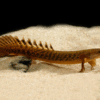
Welcome the stunning Polypterus Delhezi, also known as the Barred Bichir. This beautiful freshwater fish thrives in spacious aquariums with ample hiding spots. Perfect for aquarists seeking unique aquatic inhabitants, this elegant species grows up to 20 inches and showcases captivating behaviors.
In stock
Species Introduction
The Polypterus Delhezi, commonly known as the Barred Bichir or Armoured Bichir, is a fascinating freshwater fish that hails from the rivers and swamps of Central and West Africa. This species is part of the ancient lineage of fish known as the Polypteridae, which are characterized by their unique body structure and primitive features. The Barred Bichir is particularly notable for its elongated body, which is covered with tough, bony plates instead of scales, giving it an armoured appearance. These fish thrive in slow-moving waters where they can find ample hiding spots among the vegetation and debris. Their natural habitats are rich in organic material, which contributes to their dietary needs and overall health. As aquarium enthusiasts, welcoming these beautiful creatures into your home requires an understanding of their specific needs and natural behaviors, ensuring they thrive in a well-maintained environment.
Key Features – Polypterus Delhezi – Barred Bichir – Armoured Bichir – Banded Bichir
| Specification | Details |
|---|---|
| Benefits | Enhances your aquarium ecosystem |
| Quality | Premium aquarium-grade materials |
| Ease of Use | Simple setup and maintenance |
Care Requirements Dashboard
✓ Care Level: Easy
Tank Size: Minimum 75 gallons
Water Temperature: 75°F to 82°F
pH Level: 6.5 to 7.5
Hardness: 5 to 15 dGH
Natural Behavior & Temperament
The Barred Bichir exhibits a range of interesting behaviors that aquarium enthusiasts find captivating. These fish are primarily nocturnal, preferring to explore their environment during the night. They are known for their unique swimming patterns, often using their pectoral fins to navigate through the substrate and vegetation. Socially, they can be somewhat territorial, especially during feeding times, and may exhibit aggressive tendencies towards smaller fish or those that invade their space. However, they can coexist peacefully with larger, non-aggressive tank mates. It is essential to provide ample hiding spots and territories within the aquarium to reduce stress and promote natural behaviors. Their inquisitive nature makes them a joy to observe, as they often interact with their environment and display a range of personalities.
Tank Setup Guide
Creating an ideal environment for the Polypterus Delhezi is crucial for their well-being. A minimum tank size of 75 gallons is recommended to accommodate their size and swimming needs. The substrate should be soft and sandy to prevent injury to their sensitive undersides. Incorporating driftwood, rocks, and live plants will not only enhance the aesthetic appeal of the aquarium but also provide hiding spots and territories for the fish. Ensure that the decorations are stable and secure, as these fish may rearrange their environment during exploration. Additionally, a secure lid is necessary, as Bichirs are known to be escape artists. Proper filtration is essential to maintain water quality, and a gentle water flow is preferred to mimic their natural habitat. Lighting should be moderate, as excessive brightness can stress these fish; consider using floating plants to diffuse the light and create shaded areas.
Water Quality Management
Maintaining optimal water quality is vital for the health of your Barred Bichir. The ideal water temperature should range between 75°F and 82°F, with a stable pH level of 6.5 to 7.5. Regular water testing is recommended to monitor these parameters, as fluctuations can lead to stress and health issues. The hardness of the water should be kept between 5 to 15 dGH, as this range mimics their natural habitat. Regular water changes of 20-30% weekly will help maintain water quality and remove harmful toxins. It’s important to use a reliable water conditioner to eliminate chlorine and chloramine from tap water. Additionally, consider using a high-quality aquarium filter that can handle the bioload of your tank, as Bichirs can produce significant waste. Monitoring ammonia, nitrite, and nitrate levels is crucial, as elevated levels can be harmful to your fish friends.
Feeding & Nutrition
The Barred Bichir is a carnivorous species, requiring a diet rich in protein to thrive. In their natural habitat, they primarily feed on small fish, crustaceans, and invertebrates. In captivity, a varied diet is essential to ensure optimal health and growth. High-quality pellets designed for carnivorous fish should be the staple of their diet, supplemented with frozen or live foods such as bloodworms, brine shrimp, and earthworms. Feeding should occur 2-3 times a week, with portions that can be consumed within a few minutes to prevent overfeeding and water quality issues. It’s important to monitor their feeding habits and adjust the diet as necessary, as some individuals may develop preferences for certain food types. Additionally, consider incorporating vitamins and supplements to enhance their nutritional intake and overall vitality.
Compatibility Guide
When selecting tank mates for your Polypterus Delhezi, it’s crucial to consider their temperament and size. These fish are best kept with larger, non-aggressive species that can withstand their occasional territorial behavior. Suitable tank mates include larger cichlids, catfish, and other robust freshwater fish. Avoid keeping them with small or timid species, as they may become prey. It’s also advisable to avoid keeping them with overly aggressive fish that may stress or harm the Bichir. Providing ample space and hiding spots will help reduce territorial disputes and promote a peaceful community tank. Before introducing new fish, ensure they are healthy and quarantined to prevent the spread of diseases.
Health & Wellness
Maintaining the health and wellness of your Barred Bichir is essential for their longevity and quality of life. Regular monitoring of their behavior and physical appearance is crucial, as any signs of stress, lethargy, or unusual swimming patterns may indicate health issues. Common problems in Bichirs include skin parasites, bacterial infections, and swim bladder disorders. To prevent these issues, ensure that water quality is consistently high, and provide a balanced diet. Quarantine new fish before introducing them to the main tank to minimize the risk of disease transmission. If health issues arise, consult with an aquatic veterinarian for appropriate treatment options. Regularly inspect their body for any signs of injury or abnormal growths, and take immediate action if any concerns are noted.
Breeding Information
Breeding Polypterus Delhezi in captivity can be challenging, as they require specific conditions to spawn successfully. These fish are egg layers, and spawning typically occurs in the presence of suitable nesting sites and optimal water conditions. To encourage breeding, maintain a slightly higher water temperature of around 80°F and ensure that the water is clean and well-oxygenated. Providing flat surfaces or caves for the female to lay her eggs can increase the chances of successful spawning. After spawning, the parents should be removed to prevent them from eating the eggs. The eggs will hatch in approximately 2-3 days, and the fry will require infusoria or finely crushed flakes until they are large enough to consume larger foods. Careful monitoring of the fry’s growth and health is essential during this delicate stage.
Acclimation Process
Introducing your Barred Bichir to a new aquarium environment requires a careful acclimation process to minimize stress and ensure a smooth transition. Begin by floating the sealed bag containing the fish in the aquarium for about 15-20 minutes to equalize the temperature. After this, gradually introduce small amounts of tank water into the bag over the course of an hour. This process helps the fish adjust to the new water parameters. Once acclimated, gently release the Bichir into the tank, avoiding any sudden movements that could frighten the fish. Monitor their behavior closely for the first few days to ensure they are adjusting well to their new home. Providing a calm environment with dim lighting during their initial introduction can help reduce stress levels.
Long-term Care
The Barred Bichir has a long lifespan, often living 10-15 years or more with proper care. As they grow, it is essential to monitor their growth rate and adjust their living conditions accordingly. Regular water changes, consistent feeding schedules, and maintaining a stable environment will contribute significantly to their long-term health. As they mature, ensure that their tank size is adequate to accommodate their growth, as they can reach lengths of up to 12-15 inches. Additionally, keep an eye on their social dynamics within the tank, as changes in behavior may indicate the need for adjustments in tank mates or environmental conditions. Regular health checks and a balanced diet are key components in ensuring your Bichir remains a vibrant and active member of your aquatic family.
Natural Habitat Recreation
Creating a biotope that mimics the natural habitat of the Barred Bichir can enhance their overall well-being and encourage natural behaviors. In their native environment, these fish inhabit slow-moving waters with abundant vegetation and organic debris. To recreate this setting, utilize dark substrates, such as fine sand or soft gravel, and incorporate driftwood and rocks to provide hiding spots. Live plants can also be added to create a lush environment, but ensure they are hardy enough to withstand the Bichir’s exploratory nature. Additionally, consider adding leaf litter or decaying plant matter to replicate the organic material found in their natural habitat. This not only provides a more comfortable environment for the fish but also contributes to the overall aesthetics of the aquarium.
Seasonal Care Adjustments
As seasons change, so do the environmental conditions in your aquarium. During warmer months, monitor the water temperature closely, ensuring it remains within the ideal range of 75°F to 82°F. If temperatures rise, consider using a fan or chiller to maintain a stable environment. In colder months, ensure that the heater is functioning correctly to prevent temperature fluctuations. Additionally, adjust the lighting schedule to mimic natural daylight cycles, as this can influence the fish’s behavior and well-being. Regularly check water parameters, as seasonal changes can impact water quality. Being proactive in these adjustments will help maintain a healthy and thriving environment for your Barred Bichir.
Expert Tips
For those looking to provide the best care for their Barred Bichir, consider these expert tips. First, always research and understand the specific needs of your fish friends, as knowledge is key to successful husbandry. Regularly observe their behavior and interactions to identify any potential issues early on. Additionally, invest in high-quality equipment, such as reliable filtration and heating systems, to ensure optimal living conditions. When selecting tank mates, prioritize compatibility and size to avoid stress and aggression. Lastly, keep a detailed log of water parameters, feeding schedules, and health observations to track any changes over time. This proactive approach will help you provide a nurturing and supportive environment for your aquatic companions.
Troubleshooting
Despite your best efforts, you may encounter challenges while caring for your Barred Bichir. Common issues include poor water quality, stress from aggressive tank mates, or dietary deficiencies. If you notice signs of stress, such as hiding or erratic swimming, assess the tank environment and make necessary adjustments. If health issues arise, such as lesions or abnormal swimming patterns, consider isolating the affected fish and consulting with an aquatic veterinarian for guidance. Regular maintenance and monitoring will help prevent many common problems, ensuring a healthy and thriving aquarium for your Bichir.
Scientific Background
The Polypterus Delhezi belongs to the family Polypteridae, which is known for its ancient lineage and unique evolutionary adaptations. These fish are often referred to as ‘living fossils’ due to their primitive features, which have remained relatively unchanged for millions of years. The study of Bichirs has provided valuable insights into the evolution of vertebrates, particularly regarding the transition from aquatic to terrestrial life. Their unique anatomical structures, including the ability to breathe air through a modified swim bladder, highlight their adaptability to varying environmental conditions. Conservation efforts are essential to protect their natural habitats, as many species within the Polypteridae family face threats from habitat destruction and pollution.
Advanced Care Techniques
For experienced aquarists looking to elevate their care for the Barred Bichir, consider implementing advanced techniques such as creating a dynamic biotope that mimics their natural environment closely. Experiment with different types of substrate and vegetation to encourage natural foraging behaviors. Additionally, consider using a variety of food sources, including live and frozen options, to enhance their diet and stimulate natural hunting instincts. Regularly rotating tank decorations can provide mental stimulation and prevent boredom. Furthermore, advanced monitoring techniques, such as using automated water testing systems, can help maintain optimal water quality with minimal effort. Engaging in community forums and discussions with fellow enthusiasts can also provide valuable insights and tips for advanced Bichir care.
Frequently Asked Questions
Q: What tank size is required for Polypterus Delhezi?
Polypterus Delhezi, also known as the Banded Bichir, requires a minimum tank size of 200 litres (approximately 53 gallons) to thrive. These fish can grow quite large, reaching lengths of up to 30 cm (12 inches), and they require ample swimming space. It is advisable to provide a larger tank if you plan to keep more than one specimen or if you intend to add tank mates. Ensure the tank is well-filtered and has plenty of hiding spots, such as caves or dense vegetation, as Bichirs enjoy exploring their environment. A spacious tank promotes a healthy and active lifestyle for these fascinating creatures.
✓ Expert Tip
Consider a tank with a longer footprint rather than just height, as Bichirs are bottom dwellers and prefer horizontal space.
Q: What water parameters do Polypterus Delhezi require?
The ideal water parameters for Polypterus Delhezi include a temperature range of 24-28°C (75-82°F), a pH level between 6.5 and 7.5, and a hardness of 5-15 dGH. Regular water changes are crucial to maintain excellent water quality; aim for a 25% change every two weeks. Additionally, ensure that ammonia and nitrite levels are kept at 0 ppm, whilst nitrate should be below 20 ppm. Investing in a reliable water testing kit can help monitor these parameters effectively, ensuring a healthy environment for your Bichir.
✓ Expert Tip
Consider using a sponge filter to avoid strong currents, as Bichirs prefer calm waters.
Q: How often should I feed Polypterus Delhezi?
Feeding Polypterus Delhezi should occur 2-3 times per week. These fish are carnivorous, and their diet can include high-quality pellets, live or frozen foods such as bloodworms, brine shrimp, and earthworms. It is important to feed them in moderation to prevent overfeeding, which can lead to health issues. Observe your fish and adjust feeding amounts accordingly; they should consume the food within a few minutes. A varied diet will help maintain their health and vibrancy.
✓ Expert Tip
Consider using sinking pellets, as Bichirs are bottom feeders and may miss floating food.
Q: What are the best tank mates for Polypterus Delhezi?
Polypterus Delhezi can be kept with other semi-aggressive fish that share similar water parameters. Suitable tank mates include larger tetras, cichlids, and peaceful catfish. Avoid small fish that may be seen as prey, as Bichirs have a tendency to eat smaller companions. It’s also advisable to avoid overly aggressive species, as they may stress the Bichir. Always introduce new fish gradually and monitor interactions closely to ensure compatibility.
✓ Expert Tip
When introducing new tank mates, consider using a divider initially to prevent territorial disputes.
Q: How do I properly acclimatise Polypterus Delhezi to my aquarium?
Acclimatisation is crucial for the health of your Polypterus Delhezi. Begin by floating the sealed bag in the aquarium for about 15-20 minutes to equalise the temperature. After this, gradually introduce small amounts of tank water into the bag every 10-15 minutes for an hour, allowing the fish to adjust to the new water parameters. Finally, gently net the fish into the tank, avoiding adding bag water to your aquarium, which may contain harmful substances. This method helps reduce stress and ensures a smoother transition.
✓ Expert Tip
Perform acclimatisation during the evening when the aquarium lights are dimmed to further reduce stress levels.
Q: What are the signs of healthy Polypterus Delhezi?
Healthy Polypterus Delhezi exhibit vibrant colours and clear, bright eyes. They should be active, swimming gracefully and exploring the tank environment. Look for normal feeding behaviour; they should eagerly accept food. Additionally, their fins should be intact and free of any fraying or tears. Regularly monitor for unusual behaviour, such as excessive hiding or lethargy, which may indicate stress or health issues. Maintaining optimal water quality and diet will contribute significantly to their overall health.
✓ Expert Tip
Keep a close eye on your fish’s behaviour during feeding times as this can be a key indicator of their health.
Q: How do I successfully breed Polypterus Delhezi?
Breeding Polypterus Delhezi can be challenging, as they are not prolific breeders in captivity. To encourage breeding, provide a spacious tank with plenty of hiding spots and a soft substrate for egg laying. Maintaining water parameters within the ideal range is crucial, alongside a well-balanced diet rich in protein to condition the breeders. Introduce a pair of mature Bichirs, typically around 2-3 years old, and observe their behaviour for signs of courtship. It may take time, and not all pairings will be successful, so patience is essential.
✓ Expert Tip
Consider separating the fry into a dedicated breeding tank to protect them from potential predation by adults.
Q: What temperature should I maintain for Polypterus Delhezi?
The ideal temperature range for Polypterus Delhezi is between 24-28°C (75-82°F). Maintaining a stable temperature is crucial, as fluctuations can stress the fish and lead to health problems. Using a reliable aquarium heater will help achieve and maintain the desired temperature. Regularly monitor the temperature using a thermometer, and place it away from direct heat sources to ensure accurate readings. A stable environment contributes significantly to the well-being of your Bichir.
✓ Expert Tip
Consider using a heater guard to prevent accidental burns or injuries to your fish.
Q: How long do Polypterus Delhezi typically live in captivity?
Polypterus Delhezi can live for 10 to 15 years in captivity, provided they are given proper care and optimal living conditions. Factors such as water quality, diet, and tank environment play a significant role in their longevity. Regular maintenance, including water changes and monitoring of parameters, will help ensure a healthy life for your Bichir. Additionally, providing a stress-free environment with suitable tank mates will contribute to their well-being and lifespan.
✓ Expert Tip
Keep a detailed log of water parameters and fish behaviour to identify any issues early on.
Q: What type of substrate is most suitable for Polypterus Delhezi?
For Polypterus Delhezi, a soft substrate such as sand or fine gravel is recommended. These materials are gentle on their sensitive barbels and allow for natural foraging behaviour. Avoid sharp substrates, as they can injure the fish. Additionally, a sandy substrate can help maintain water quality by allowing beneficial bacteria to thrive. Incorporating plants and decorations into the substrate can also enhance the aesthetic of the tank while providing hiding spots for your Bichir.
✓ Expert Tip
Consider adding smooth stones or driftwood to create a more natural environment for your fish.
Q: What behavioural patterns should I expect from Polypterus Delhezi?
Polypterus Delhezi are generally nocturnal and prefer to explore their environment during the evening. They may hide during the day, so providing ample hiding spots is essential. These fish exhibit a curious nature, often investigating their surroundings and displaying interesting behaviours, such as burrowing in the substrate or swimming in a serpentine motion. They are relatively peaceful but can become territorial, especially during breeding. Observing their behaviour can provide insights into their health and well-being, allowing for prompt intervention if required.
✓ Expert Tip
Consider dimming the lights during the evening to encourage more natural behaviour from your Bichir.
Q: How can I prevent common diseases in Polypterus Delhezi?
Preventing diseases in Polypterus Delhezi starts with maintaining optimal water quality and parameters. Regular water changes and a reliable filtration system are key. Quarantine new fish before introducing them to the main tank to prevent the spread of illness. Additionally, ensure a varied diet to boost their immune system. Monitor your fish for signs of stress or illness, such as changes in behaviour or appearance, and address any issues promptly. Regularly cleaning the tank and decorations will also help reduce the risk of disease.
✓ Expert Tip
Consider adding aquarium salt to the water in moderation to help prevent certain diseases.
Q: What lighting conditions do Polypterus Delhezi prefer?
Polypterus Delhezi prefers subdued lighting, as they are naturally found in darker habitats. Using a dim LED light or placing the tank in a location with indirect sunlight can create a comfortable atmosphere for them. Excessive bright light can cause stress and encourage hiding behaviour. It’s also beneficial to establish a natural day-night cycle to mimic their natural environment. A timer can help automate this process, ensuring your Bichir experiences consistent lighting conditions.
✓ Expert Tip
Consider adding floating plants to diffuse light and create shaded areas in the tank.
Q: How do I recognise stress in Polypterus Delhezi?
Recognising stress in Polypterus Delhezi involves observing their behaviour and physical condition. Signs of stress may include excessive hiding, rapid gill movement, or lethargy. Additionally, look for changes in coloration, as stressed fish may appear dull or washed out. Aggression towards tank mates can also indicate discomfort. If you notice any of these symptoms, assess the tank environment, including water quality, temperature, and tank mates, to identify potential stressors. Addressing these issues promptly can help restore your fish’s health and well-being.
✓ Expert Tip
Consider adding more hiding spots or rearranging the tank to reduce stress levels.
Q: What natural habitat conditions should I replicate for Polypterus Delhezi?
To replicate the natural habitat of Polypterus Delhezi, consider a setup that mimics their native African rivers and lakes. Use soft, sandy substrates and incorporate plenty of hiding spots such as rocks, driftwood, and aquatic plants. The water should be slightly acidic to neutral, with a gentle current. Aim for a well-planted aquarium with open swimming areas to accommodate their behaviour. Maintaining consistent water temperature and quality is also essential to replicate their natural environment, promoting health and well-being.
✓ Expert Tip
Consider adding leaf litter to the substrate to enhance the natural look and provide additional hiding spots.
1 review for Barred Bichir – Polypterus Delhezi – Armoured Bichir
Add a review
Related products


Jessica Lane (verified owner) –
I recently welcomed a Polypterus Delhezi, known as the Barred Bichir, into my aquarium, and I couldn’t be more thrilled! After about two months of care, this unique freshwater fish has truly become the centerpiece of my tank. Its armored body and vibrant patterns have garnered admiration from everyone who visits. The way it glides gracefully along the substrate searching for food is mesmerizing! I initially hesitated due to its carnivorous nature, but it has adapted well to a varied diet of high-quality pellets and occasional frozen treats.
One thing to note is that while it can be shy, providing plenty of hiding spots has made it feel right at home. Compared to other tropical fish I’ve owned, the Bichir has a distinct personality and is incredibly engaging to watch. I highly recommend this fish to anyone who has a larger tank (at least 75 gallons) and is ready for a delightful challenge. Just be mindful of its tank mates, as it can be both a predator and a scavenger. Overall, I would definitely purchase another Polypterus Delhezi in the future. Happy fishkeeping!