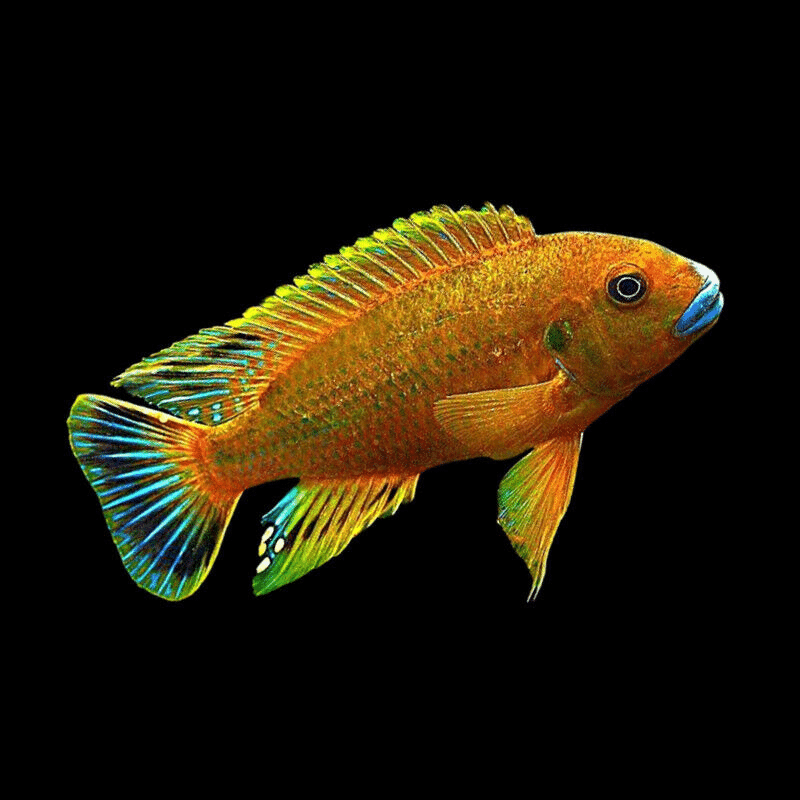
Williams Red Top Mbuna – Pseudotropheus Williamsi – Blue Lips Malawi Cichlid


Original price was: £21.99.£18.39Current price is: £18.39.
Welcome the stunning Williams Red Top Mbuna, or Pseudotropheus Williamsi, a vibrant Lake Malawi cichlid known for its breathtaking blue lips. Perfect for community tanks, these beautiful inhabitants thrive in well-maintained aquariums. Create a colorful aquatic environment today!
In stock


Species Introduction
The Williams Red Top Mbuna, scientifically known as Pseudotropheus williamsi, is a stunning freshwater fish native to the rocky shores of Lake Malawi in East Africa. This vibrant species is renowned for its striking coloration, particularly the vivid blue lips that contrast beautifully with its yellow-orange body. These fish thrive in their natural habitat, which consists of rocky outcrops and caves, providing them with plenty of hiding spots and territories. The Williams Red Top Mbuna is a part of the mbuna group of cichlids, which are known for their aggressive behavior and territorial nature. As such, they require careful consideration when setting up a community tank. Understanding their natural environment is crucial for recreating a suitable habitat in your aquarium, ensuring that these aquatic companions flourish and exhibit their natural behaviors.
Care Requirements Dashboard
Essential Care Guide for Your Williams Red Top Mbuna
| Optimal Living Conditions | |
|---|---|
| Water Temperature | 24-27°C (75-81°F) |
| pH Level | 6.5-7.5 |
| Water Hardness | 4-12 dKH |
| Minimum Tank Size | 80L (20 gal) |
| Salinity | Freshwater |
| Care Level | Beginner Friendly |
✓ Care Level: Moderate
Tank Size: Minimum 50 gallons
Water Temperature: 75°F – 82°F
pH Level: 7.8 – 8.6
Water Hardness: 10 – 20 dGH
The Williams Red Top Mbuna requires a well-maintained aquarium with stable water parameters. A minimum tank size of 50 gallons is recommended to provide ample swimming space and territories for these cichlids. The water temperature should be maintained between 75°F and 82°F, with a pH level ranging from 7.8 to 8.6 to mimic their natural habitat. Additionally, a hardness level of 10 to 20 dGH is ideal for their health and well-being. Regular water changes and monitoring of water quality are essential to prevent stress and ensure a thriving environment for your fish friends.
Natural Behavior & Temperament
Williams Red Top Mbuna are known for their lively and sometimes aggressive behavior, particularly when it comes to establishing territories. In their natural habitat, they often engage in displays of dominance, which can include chasing and nipping at other fish. This behavior is typical among mbuna cichlids, and it is essential to provide enough space and hiding spots within the aquarium to reduce stress and aggression. These fish are social creatures and can thrive in a community tank if paired with compatible species. However, caution should be exercised when selecting tank mates, as their territorial nature can lead to conflicts. Observing their interactions and ensuring a balanced environment will help maintain harmony in your aquarium.
Tank Setup Guide
Creating an ideal environment for your Williams Red Top Mbuna involves replicating the rocky substrate and caves found in Lake Malawi. Use a combination of smooth rocks and caves to provide hiding spots and territories for these fish. A sandy substrate is preferred, as it mimics their natural habitat and allows for digging behaviors. The layout should include various hiding spots to reduce aggression and stress, especially during breeding periods. Proper filtration is crucial to maintain water quality, as cichlids can be sensitive to changes in their environment. Additionally, consider adding live plants that can tolerate hard water, as they can enhance the aesthetics of your aquarium while providing shelter for your fish friends.
Water Quality Management
⚠ Important Water Parameter Notice
Regularly test your aquarium water to ensure optimal conditions for your Williams Red Top Mbuna.
Maintaining high water quality is vital for the health of your Williams Red Top Mbuna. Regular water changes of 20-30% weekly will help keep ammonia and nitrite levels low, which is essential for their well-being. The pH should be regularly monitored, as fluctuations can stress these fish. Use a reliable water testing kit to check for ammonia, nitrites, nitrates, pH, and hardness levels. Additionally, ensure that your aquarium is equipped with a high-quality filter that can handle the bioload of cichlids. A sponge filter or canister filter is recommended to maintain clear and clean water, providing a healthy environment for your aquatic companions.
Feeding & Nutrition
Feeding your Williams Red Top Mbuna a balanced diet is crucial for their health and vibrant coloration. These cichlids are primarily herbivorous, so a diet rich in spirulina, algae, and high-quality cichlid pellets is recommended. Offer a variety of foods, including blanched vegetables like zucchini and spinach, to ensure they receive essential nutrients. A feeding schedule of 2-3 times per day is ideal, with only what they can consume in a few minutes to prevent overfeeding and maintain water quality. It’s important to observe their feeding behavior and adjust the diet accordingly, as well-fed fish are more likely to exhibit their natural behaviors and colors.
Compatibility Guide
✓ Suitable Tank Mates: Other Mbuna Cichlids, Tangs, and Peaceful Bottom Dwellers
⚠ Avoid: Larger, aggressive species that may outcompete for food.
When selecting tank mates for your Williams Red Top Mbuna, it is essential to choose species that can coexist peacefully. Other mbuna cichlids are generally compatible, as they share similar water requirements and behaviors. However, it is crucial to avoid larger or overly aggressive species that may bully or outcompete them for food. Peaceful bottom dwellers like catfish or loaches can be excellent companions, as they tend to stay out of the way of the more aggressive cichlids. Always monitor interactions closely, especially during feeding times, to ensure a harmonious community tank.
Health & Wellness
Keeping your Williams Red Top Mbuna healthy involves regular observation and proactive care. Common health issues among cichlids include ich, fin rot, and bloat. Signs of illness may include lethargy, loss of appetite, or abnormal swimming patterns. To prevent these issues, maintain optimal water quality and provide a balanced diet. In case of illness, it is essential to isolate affected fish to prevent the spread of disease. Treatment can often be achieved with appropriate medications, but early detection is key. Regularly inspect your fish for any signs of distress or illness, and consult with a veterinarian specializing in aquatic animals if necessary.
Breeding Information
Breeding Williams Red Top Mbuna can be a rewarding experience for aquarists. These cichlids are mouthbrooders, meaning the female will carry the fertilized eggs in her mouth until they hatch. To encourage breeding, provide a breeding pair with ample hiding spots and a separate breeding tank if necessary. The female will lay eggs on flat surfaces, and the male will fertilize them. After a few days, the female will begin to carry the fry in her mouth, where they will remain until they are ready to swim freely. During this time, it is crucial to provide high-quality fry food and maintain excellent water quality to support their growth.
Acclimation Process
Introducing your Williams Red Top Mbuna to a new aquarium requires a careful acclimation process to minimize stress. Begin by floating the sealed bag in the aquarium for about 15-20 minutes to equalize the temperature. After that, gradually introduce small amounts of tank water into the bag over the next hour. This gradual mixing helps the fish adjust to the new water parameters. Once acclimated, gently transfer the fish into the aquarium using a net to avoid adding any transport water. This method ensures a smoother transition and reduces the risk of shock.
Long-term Care
Caring for your Williams Red Top Mbuna over the long term involves regular maintenance and monitoring of their environment. These fish can live for several years with proper care, so it is essential to establish a routine for water changes, feeding, and health checks. Keep an eye on their growth and adjust their diet and tank conditions as needed. Regularly clean the aquarium and check for any signs of algae or detritus buildup, which can affect water quality. By providing a stable and nurturing environment, you can enjoy the beauty and personality of your Williams Red Top Mbuna for many years.
Natural Habitat Recreation
To recreate the natural habitat of the Williams Red Top Mbuna, focus on incorporating elements that mimic their rocky environment. Use a variety of rocks to create caves and crevices, allowing the fish to establish territories and feel secure. The substrate should consist of fine sand or gravel, which allows for natural digging behaviors. Additionally, consider adding driftwood or natural decorations that provide hiding spots and enhance the aesthetic appeal of the aquarium. By replicating their natural habitat, you will encourage natural behaviors and contribute to the overall well-being of your aquatic companions.
Seasonal Care Adjustments
As seasons change, so do the conditions in your aquarium. During warmer months, ensure that the water temperature remains stable, as higher temperatures can lead to stress and health issues. Use a heater with a thermostat to maintain the desired temperature range. In colder months, monitor the water temperature closely, as fluctuations can affect the fish’s immune system. Additionally, consider adjusting the lighting schedule to mimic natural day and night cycles, which can influence breeding behaviors and overall health. Regularly check water parameters and make necessary adjustments to maintain a stable environment for your Williams Red Top Mbuna.
Expert Tips
For experienced aquarists looking to enhance their care for Williams Red Top Mbuna, consider implementing advanced techniques such as selective breeding to promote desirable traits. Keeping a detailed log of water parameters, feeding schedules, and health observations can help identify patterns and improve overall care. Additionally, investing in high-quality filtration systems and regular water testing kits will ensure a healthy environment. Engaging with local aquarist communities can provide valuable insights and support for maintaining a thriving aquarium. By sharing experiences and knowledge, you can contribute to the well-being of these beautiful fish and enhance your own aquarium journey.
Troubleshooting
If you encounter issues with your Williams Red Top Mbuna, it is essential to address them promptly to prevent further complications. Common problems include aggression among tank mates, which can often be resolved by providing additional hiding spots and territories. If you notice signs of illness, such as lethargy or abnormal swimming patterns, isolate the affected fish and assess water quality. Adjusting water parameters and ensuring a balanced diet can often resolve health issues. If problems persist, consulting with an aquatic veterinarian may be necessary. Being proactive and attentive to your fish’s needs will help maintain a healthy and harmonious aquarium.
Scientific Background
The Williams Red Top Mbuna belongs to the diverse family of cichlids, which are known for their unique behaviors and adaptations. This species is part of the Pseudotropheus genus, which encompasses various colorful and vibrant cichlids native to Lake Malawi. The evolutionary history of these fish is fascinating, as they have adapted to the specific conditions of their environment, leading to a wide variety of forms and behaviors. Research into the conservation of Lake Malawi’s cichlids is ongoing, as habitat degradation and overfishing pose threats to their populations. Understanding the scientific background of your aquatic companions can enhance your appreciation for their beauty and the importance of preserving their natural habitats.
Advanced Care Techniques
For those looking to elevate their care for Williams Red Top Mbuna, consider implementing advanced techniques such as creating a biotope aquarium that closely resembles their natural habitat. This involves using specific substrates, rocks, and plants that mimic the conditions of Lake Malawi. Additionally, experimenting with different feeding strategies, such as incorporating live foods or supplements, can enhance their coloration and health. Regularly participating in aquatic workshops or forums can provide valuable insights into the latest care techniques and breeding practices. By staying informed and engaged, you can ensure the best possible care for your Williams Red Top Mbuna, fostering a thriving and vibrant aquarium.
Frequently Asked Questions
Q: What tank size is required for Williams Red Top Mbuna?
The Williams Red Top Mbuna, or Pseudotropheus Williamsi, thrives in a minimum tank size of 200 litres (approximately 52 gallons). This allows ample space for swimming and establishes territories, which is crucial for their behaviour. Mbuna cichlids are known for their territorial nature, so providing enough room helps to minimise aggression. Additionally, the tank should be decorated with rocks and caves, mimicking their natural habitat in Lake Malawi. This not only provides hiding spots but also promotes a more enriching environment for your aquatic companions.
✓ Expert Tip
Consider using a larger tank if you wish to keep multiple Mbuna species together, as this can help reduce territorial disputes.
Q: What water parameters do Williams Red Top Mbuna require?
Williams Red Top Mbuna prefer water that is alkaline, with a pH level between 7.8 and 8.6, closely mimicking their natural habitat in Lake Malawi. The water temperature should be maintained between 24°C and 28°C (75°F to 82°F). Regular water changes, ideally 10-15% weekly, will help maintain these parameters and ensure a healthy environment. Additionally, using a quality aquarium test kit can help you monitor the water conditions effectively, allowing for timely adjustments if needed.
✓ Expert Tip
Consider using aragonite substrate to help maintain the desired pH and hardness levels in the aquarium.
Q: How often should I feed Williams Red Top Mbuna?
Williams Red Top Mbuna should be fed a varied diet, ideally three to four times a day. A mix of high-quality cichlid pellets, spirulina flakes, and blanched vegetables will provide balanced nutrition. It is crucial to avoid overfeeding, as this can lead to poor water quality and health issues. Only offer what they can consume within a few minutes to prevent uneaten food from decomposing in the tank.
✓ Expert Tip
Introduce new foods gradually to avoid digestive issues, particularly if switching between different types of food.
Q: What are the best tank mates for Williams Red Top Mbuna?
When selecting tank mates for Williams Red Top Mbuna, consider other African cichlids that share similar care requirements and temperament. Suitable companions include other Mbuna species, such as the Demasoni or Yellow Labs. Avoid keeping them with larger, more aggressive cichlids or slow-moving species, as they may become stressed or bullied. It’s crucial to ensure that the tank is spacious enough to provide territories for each fish, reducing aggression and establishing a peaceful community.
✓ Expert Tip
Introduce new fish gradually, and monitor interactions closely to ensure harmonious coexistence.
Q: How do I properly acclimatise Williams Red Top Mbuna to my aquarium?
Acclimatising Williams Red Top Mbuna is essential for their health. Start by floating the sealed bag in your aquarium for about 15-20 minutes to equalise the temperature. Then, gradually add small amounts of your aquarium water to the bag every 5 minutes for an hour. This helps them adjust to the pH and water chemistry. After this period, gently release the fish into the tank without adding the bag water, which may contain harmful substances.
✓ Expert Tip
Avoid adding multiple fish at once to reduce stress; introduce them in small groups instead.
Q: What are the signs of healthy Williams Red Top Mbuna?
Healthy Williams Red Top Mbuna exhibit bright, vibrant colours and clear eyes. They should be active, swimming around the tank with curiosity. Look out for behaviours such as chasing and establishing territories, which are normal for this species. Additionally, their fins should be intact without any signs of fraying or lesions. Regular observation will help you spot any changes, such as lethargy or loss of appetite, which may indicate health issues that require attention.
✓ Expert Tip
Maintain a stress-free environment with proper tank mates and hiding spots to promote their overall health.
Q: How do I successfully breed Williams Red Top Mbuna?
Breeding Williams Red Top Mbuna can be rewarding if conditions are right. Create a breeding environment by providing plenty of hiding spots and flat surfaces for spawning. Maintain stable water parameters and ensure a diet rich in protein to enhance breeding readiness. The female will lay eggs in a safe location, and the male will fertilise them. After a few days, the female will mouth-brood the eggs until they hatch, which can take about three weeks. Monitor the tank closely to ensure the fry are safe and well cared for.
✓ Expert Tip
Consider transferring the female to a separate tank during the breeding period to reduce stress and protect the fry.
Q: What temperature should I maintain for Williams Red Top Mbuna?
For optimal health, maintain the water temperature for Williams Red Top Mbuna between 24°C and 28°C (75°F to 82°F). A stable temperature is crucial, as fluctuations can stress the fish and make them susceptible to diseases. Use a reliable aquarium heater with a thermostat to ensure consistency, and regularly monitor the temperature with an accurate thermometer. Adjustments should be made gradually to avoid shocking the fish.
✓ Expert Tip
Consider placing the heater near the filter outlet to ensure even distribution of heat throughout the tank.
Q: How long do Williams Red Top Mbuna typically live in captivity?
In captivity, Williams Red Top Mbuna can live for approximately 8 to 10 years with proper care. This lifespan can be influenced by factors such as water quality, diet, and overall tank conditions. Regular maintenance, including water changes and monitoring of water parameters, is essential to ensure a long, healthy life. Providing a varied diet and minimising stress will also contribute to their longevity.
✓ Expert Tip
Keep a close eye on their health and behaviour; early detection of issues can significantly impact their lifespan.
Q: What type of substrate is most suitable for Williams Red Top Mbuna?
A sandy substrate is ideal for Williams Red Top Mbuna, as it closely resembles their natural habitat. Sand allows them to dig and sift through it, which is a natural behaviour for this species. It is also important to ensure the substrate is free from sharp edges to prevent injury to their delicate fins. Additionally, incorporating rocks and caves into the tank will create a more stimulating environment, helping them feel secure and reducing stress.
✓ Expert Tip
Rinse the substrate thoroughly before adding it to the tank to remove any dust or debris, ensuring optimal water quality from the start.
Q: What behavioural patterns should I expect from Williams Red Top Mbuna?
Williams Red Top Mbuna are known for their lively and active behaviour. They often establish territories and can be quite aggressive towards each other, especially during breeding periods. Expect to see them engage in chasing and displaying to assert dominance. Providing plenty of hiding spots will help mitigate aggression and allow fish to retreat when necessary. Regularly observing their interactions will help you understand their social hierarchy and ensure a harmonious tank environment.
✓ Expert Tip
Monitor behaviour closely, as signs of excessive aggression may indicate that the tank is overcrowded or that territorial disputes need addressing.
Q: How can I prevent common diseases in Williams Red Top Mbuna?
Preventing diseases in Williams Red Top Mbuna begins with maintaining high water quality. Regular water changes and monitoring parameters will significantly reduce stress and the risk of disease outbreaks. Quarantine new fish before introducing them to the main tank to prevent the spread of pathogens. Additionally, providing a varied diet rich in nutrients will bolster their immune systems. Be vigilant for signs of illness, such as changes in behaviour or appearance, to catch any issues early.
✓ Expert Tip
Consider adding aquarium salt to the tank during stressful situations or when treating minor ailments, as it can help reduce stress and promote healing.
Q: What lighting conditions do Williams Red Top Mbuna prefer?
Williams Red Top Mbuna thrive under moderate lighting conditions that mimic their natural environment. Bright lighting can be overwhelming, so it’s best to use a combination of ambient and focused lighting. This not only enhances their vibrant colours but also helps create a more comfortable environment. Consider using LED lights with a timer to simulate a natural day-night cycle, which is crucial for their overall health and well-being.
✓ Expert Tip
Position decorations strategically to create shaded areas where the fish can retreat if they feel stressed.
Q: How do I recognise stress in Williams Red Top Mbuna?
Recognising stress in Williams Red Top Mbuna involves observing behavioural changes. Signs of stress include hiding excessively, reduced activity, or aggressive behaviour towards tank mates. Additionally, if you notice clamped fins, rapid gill movement, or loss of appetite, these may indicate stress or health issues. Maintaining stable water parameters and ensuring a suitable environment will help minimise stress levels. Addressing any aggressive interactions promptly is also essential in fostering a peaceful aquarium.
✓ Expert Tip
If stress signs are observed, consider rearranging tank decor to disrupt established territories and reduce conflicts.
Q: What natural habitat conditions should I replicate for Williams Red Top Mbuna?
To replicate the natural habitat of Williams Red Top Mbuna, aim for a rocky, sandy substrate with plenty of hiding spots. In Lake Malawi, these fish inhabit rocky shores with varying depths. Incorporating caves and crevices will mimic their natural environment and provide essential shelter. Additionally, maintaining alkaline water conditions and stable temperatures will help create a comfortable habitat, allowing your aquatic companions to thrive and exhibit natural behaviours.
✓ Expert Tip
Regularly rearranging tank decor can stimulate exploration and reduce territorial disputes among fish.
1 review for Williams Red Top Mbuna – Pseudotropheus Williamsi – Blue Lips Malawi Cichlid
Add a review
Related products



Emily Carter (verified owner) –
I recently added the Williams Red Top Mbuna, or Pseudotropheus Williamsi, to my 55-gallon freshwater fish aquarium, and I couldn’t be more thrilled with their vibrant colors and energetic personality! After just two weeks, I noticed my tank had come alive; their stunning blue lips and striking red tops create a beautiful contrast against the natural decor. These little guys are not only visually stunning but also very active, which keeps my other fish engaged.
Compared to other cichlids I’ve had, the Williamsi are far more social and exhibit fascinating behaviors, especially during feeding time. However, I would recommend ensuring your aquarium maintenance is on point, as they thrive in stable water conditions. One minor concern is their territorial nature; I’ve had to rearrange my rocks a couple of times to minimize squabbles, but that’s part of the fun!
I highly recommend this species for anyone looking to add some dynamic flair to their tank. They’re perfect for intermediate aquarists who enjoy observing unique fish behaviors! Overall, I’m delighted with my purchase and plan to buy more to expand my collection. Happy fishkeeping!