Species Introduction
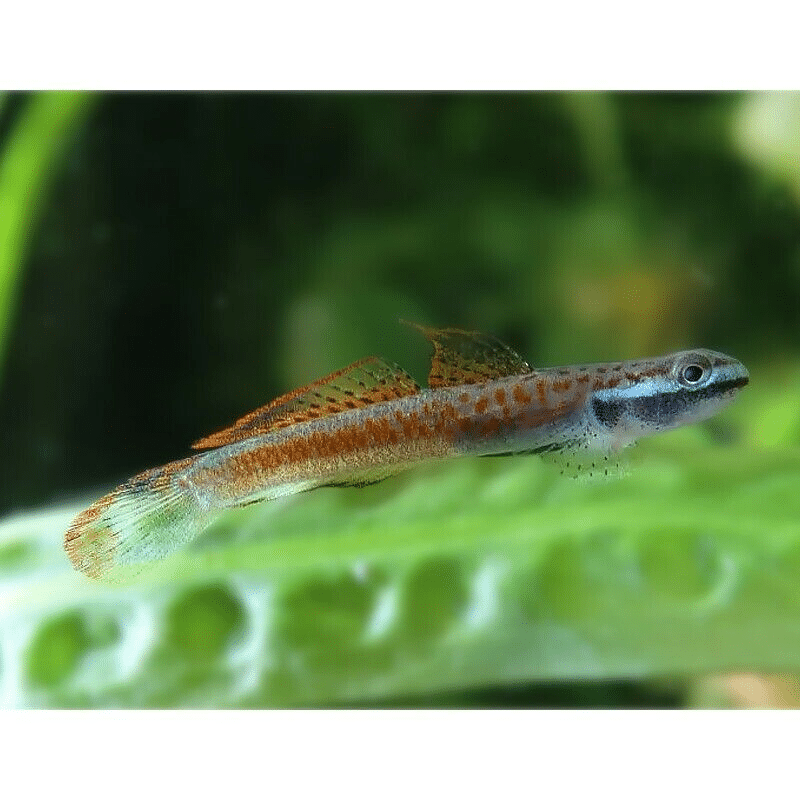
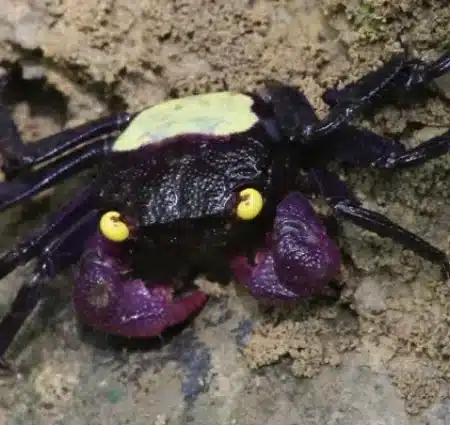
The Stiphodon Sp. – Red Neon Sumatra Goby is a captivating freshwater dwarf goby that hails from the lush river systems of Sumatra, Indonesia. Known for its vibrant colors and unique behavior, this species belongs to the Oxudercidae family and is often sought after by aquarium enthusiasts for its striking appearance and relatively manageable care requirements.
These fish thrive in environments that mimic their natural habitats, which typically consist of slow-moving waters rich in vegetation and substrate that provides ample hiding spots. The Red Neon Sumatra Goby is not just another addition to your aquarium; it is a living testament to the beauty of aquatic biodiversity. Their fascinating interactions and social behaviors make them a joy to observe, turning any aquarium into a lively ecosystem.
Key Features – Stiphodon Sp. – Red Neon Sumatra Goby – Freshwater Dwarf Goby
| Specification | Details |
|---|---|
| Benefits | Enhances your aquarium ecosystem |
| Quality | Premium aquarium-grade materials |
| Ease of Use | Simple setup and maintenance |
✓ Care Level: Easy
Tank Size: Minimum 20 gallons
Water Temperature: 24-28°C (75-82°F)
pH Level: 6.5-7.5
Hardness: 5-15 dGH
To successfully care for the Stiphodon Sp. – Red Neon Sumatra Goby, it is crucial to provide a suitable environment that meets their specific needs. A minimum tank size of 20 gallons is recommended to ensure ample swimming space and to maintain stable water parameters. The water temperature should be kept between 24-28°C (75-82°F), which closely replicates their natural habitat. Maintaining a pH level between 6.5 to 7.5 is essential for their health and well-being, as is ensuring a hardness range of 5-15 dGH. Regular monitoring of these parameters will help prevent stress and promote a healthy, thriving environment for your aquatic companions.
Natural Behavior & Temperament
The Stiphodon Sp. – Red Neon Sumatra Goby exhibits a range of fascinating behaviors that make them a delight to observe. These fish are known for their playful nature and social interactions, often seen darting around the aquarium in small groups. They are bottom dwellers, preferring to explore the substrate and search for food among the rocks and plants.
Their natural behavior includes establishing territories, especially during breeding seasons, where males may display vibrant colors to attract females. This species is generally peaceful but can exhibit territorial behavior towards other gobies or similar-sized fish, so it is important to choose tank mates wisely. Understanding their social dynamics and providing ample hiding spots will enhance their well-being and allow for a more harmonious aquarium environment.
Tank Setup Guide
Creating an ideal environment for the Stiphodon Sp. – Red Neon Sumatra Goby involves replicating their natural habitat as closely as possible. Begin with a substrate of fine gravel or sand, which allows them to forage naturally. Incorporating live plants such as Java moss, Anubias, or other hardy aquatic plants will not only provide hiding spots but also contribute to water quality.
Rocks and driftwood can be arranged to create caves and territories, fostering a sense of security. Ensure that the tank has a gentle filtration system to maintain water clarity without creating strong currents, as these fish prefer calm waters. Lighting should be moderate, allowing for shadows and highlights that mimic their natural environment, ultimately enhancing their vibrant colors.
Water Quality Management
Maintaining optimal water quality is paramount for the health and longevity of the Stiphodon Sp. – Red Neon Sumatra Goby. Regular testing of water parameters such as pH, temperature, and hardness is essential. Aim for a pH level between 6.5 and 7.5, with a temperature range of 24-28°C (75-82°F). Water hardness should be kept between 5-15 dGH to mimic their natural habitat.
Regular water changes of 10-20% weekly will help maintain stable conditions and remove any accumulated toxins. Additionally, using a quality water conditioner can help neutralize harmful chemicals in tap water. A well-maintained aquarium not only ensures the health of your fish friends but also enhances the overall aesthetic of your aquatic environment.
Feeding & Nutrition
✓ Diet: Omnivorous
Feeding Schedule: 2-3 times daily
Food Types: High-quality flakes, pellets, and frozen foods
The Stiphodon Sp. – Red Neon Sumatra Goby is an omnivorous species that thrives on a varied diet. A combination of high-quality flakes, pellets, and occasional frozen foods such as brine shrimp or bloodworms will provide the necessary nutrients for their growth and vitality.
It is recommended to feed them 2-3 times daily, ensuring that the portions are small enough for them to consume within a few minutes. Overfeeding can lead to water quality issues, so it is important to monitor their intake closely. Additionally, incorporating live foods into their diet can enhance their natural foraging behavior and provide enrichment, contributing to their overall well-being.
Compatibility Guide
✓ Suitable Tank Mates: Peaceful community fish
Recommended Tank Mates: Tetras, Rasboras, Corydoras
Avoid: Larger aggressive fish
When selecting tank mates for the Stiphodon Sp. – Red Neon Sumatra Goby, it is essential to choose peaceful community fish that will not pose a threat to their well-being. Suitable tank mates include small tetras, rasboras, and corydoras, which share similar water requirements and temperaments.
Avoid larger or aggressive species that may intimidate or harm your gobies. The key to a harmonious aquarium is to ensure that all inhabitants can coexist peacefully, allowing for a thriving community that showcases the beauty of each species.
Health & Wellness
⚠ Common Health Issues: Ich, fin rot
Prevention: Maintain water quality, regular monitoring
The health of your Stiphodon Sp. – Red Neon Sumatra Goby is directly linked to the quality of their environment. Common health issues such as ich or fin rot can arise if water quality is not maintained. Regular monitoring of water parameters and performing routine water changes will help prevent these issues.
Additionally, observing your fish for any signs of distress, such as changes in behavior or appearance, is crucial for early detection of health problems. If any issues arise, prompt action should be taken, including potential quarantine of affected individuals and treatment with appropriate medications.
Breeding Information
Breeding the Stiphodon Sp. – Red Neon Sumatra Goby can be a rewarding experience for dedicated aquarists. These fish typically reach sexual maturity at around 6 months of age. To encourage breeding, it is essential to provide a separate breeding tank with suitable conditions, including optimal water parameters and ample hiding spots.
Males will often display vibrant colors to attract females during courtship. After successful spawning, the female will lay eggs in hidden areas, and the male will guard the nest until the eggs hatch. Once the fry are free-swimming, they can be fed infusoria or finely crushed flakes until they are large enough to accept larger foods. Careful monitoring of the fry’s growth and health will ensure a successful breeding experience.
Acclimation Process
Acclimating your Stiphodon Sp. – Red Neon Sumatra Goby to a new environment is a crucial step in ensuring their health and well-being. Begin by floating the sealed bag containing the fish in the aquarium for about 15-20 minutes to equalize the temperature. After this, gradually introduce small amounts of tank water into the bag over the next hour, allowing the fish to adapt to the new water parameters.
This slow acclimation process helps reduce stress and prevents shock. Once acclimated, gently release the fish into the tank using a net to avoid adding any transport water that may contain harmful substances.
Long-term Care
The Stiphodon Sp. – Red Neon Sumatra Goby can live for several years when provided with proper care. It is important to regularly monitor their growth and health, ensuring they have adequate space and resources in the aquarium. As they mature, continue to provide a varied diet and maintain optimal water conditions.
Regular water changes and tank maintenance will contribute to a stable environment, promoting longevity and vitality. Observing their behavior and interactions will also provide insights into their well-being, allowing you to make necessary adjustments to their care as needed.
Natural Habitat Recreation
Recreating the natural habitat of the Stiphodon Sp. – Red Neon Sumatra Goby in your aquarium can enhance their quality of life and overall health. Incorporate elements such as smooth rocks, driftwood, and live plants to mimic the lush environments they thrive in. A well-planted tank not only provides hiding spots but also contributes to water quality through natural filtration.
Consider using a substrate that resembles their natural environment, such as fine sand or gravel, which allows them to forage naturally. The addition of gentle water flow and appropriate lighting will further enhance their habitat, creating a vibrant and dynamic ecosystem.
Seasonal Care Adjustments
As seasons change, it is important to adjust the care routine for your Stiphodon Sp. – Red Neon Sumatra Goby. During warmer months, ensure that the water temperature remains stable, as fluctuations can lead to stress. Consider using a heater with a thermostat to maintain consistent temperatures.
In colder months, monitor the tank closely to prevent temperature drops. Additionally, adjusting lighting duration can help simulate natural seasonal changes, promoting healthy growth and breeding behaviors. Regularly observing your fish will provide insights into their comfort and health, allowing for timely adjustments to their care.
Expert Tips
For those looking to provide the best care for their Stiphodon Sp. – Red Neon Sumatra Goby, consider investing in high-quality filtration systems that maintain water clarity and quality. Regularly test water parameters to catch any fluctuations early on.
Additionally, providing a varied diet that includes both dry and frozen foods will enhance their health and coloration. Observing their behavior can also provide insights into their happiness; if they are active and social, it is a good sign that they are thriving.
Lastly, connecting with other fish enthusiasts through forums or local clubs can provide valuable insights and tips for enhancing your aquarium experience.
Troubleshooting
If you encounter any issues with your Stiphodon Sp. – Red Neon Sumatra Goby, it is important to address them promptly. Common problems include stress from aggressive tank mates, poor water quality, or inadequate hiding spots. If you notice signs of stress, such as hiding or decreased activity, reassess the tank environment and make necessary adjustments.
If health issues arise, such as discoloration or abnormal swimming patterns, consider isolating the affected fish and consulting with a veterinarian for appropriate treatment options. Maintaining a proactive approach to their care will help ensure a thriving aquarium.
Scientific Background
The Stiphodon Sp. – Red Neon Sumatra Goby belongs to the Oxudercidae family, which encompasses various species of gobies known for their unique adaptations to both freshwater and brackish environments. These fish are characterized by their flattened bodies and specialized fins that allow them to navigate through their habitats effectively.
Research on this species has highlighted their importance in maintaining ecological balance within their natural environments. Understanding their biology and behavior can enhance our appreciation for these aquatic companions and inform better care practices in captivity.
Advanced Care Techniques
For experienced aquarists looking to elevate their care for the Stiphodon Sp. – Red Neon Sumatra Goby, consider implementing advanced techniques such as breeding programs or biotope aquariums. Creating a biotope that closely resembles their natural habitat can enhance their health and behavior.
Additionally, exploring breeding techniques can lead to successful fry rearing, contributing to the conservation of this species in captivity. Engaging in ongoing education about their care and habitat will further enrich your experience as a fish enthusiast, allowing you to provide the best possible environment for these beautiful creatures.
Frequently Asked Questions
Q: What tank size is required for Stiphodon Sp.?
Stiphodon Sp., also known as Red Neon Sumatra Goby, thrive best in tanks of at least 60 litres (15 gallons). This provides ample swimming space and helps maintain stable water parameters. A larger tank is preferable, especially if you plan to keep more than one individual or introduce tank mates. Ensure the tank has proper filtration and water movement, as these fish are used to flowing waters in their natural habitat. Providing hiding spots such as rocks or plants will also contribute to their well-being.
✓ Expert Tip
Consider a tank with a sandy substrate to mimic their natural environment, as they often forage along riverbeds.
Q: What water parameters do Stiphodon Sp. require?
Stiphodon Sp. prefer slightly acidic to neutral water, with a pH range of 6.5 to 7.5. The water hardness should be kept between 5 to 15 dGH. These fish thrive in a temperature range of 24°C to 28°C (75°F to 82°F). Regular water changes, approximately 20-30% weekly, are essential to maintain optimal water quality and prevent the build-up of harmful substances. Investing in a reliable water testing kit will help ensure these parameters are consistently met, promoting a healthy environment for your aquatic companions.
✓ Expert Tip
Utilise a good quality filtration system to maintain water clarity and remove toxins effectively.
Q: How often should I feed Stiphodon Sp.?
Stiphodon Sp. should be fed small amounts two to three times daily. Their diet should consist of high-quality pellets, frozen or live foods like brine shrimp and daphnia. They are also known to graze on algae, so providing a well-established tank with algae growth can be beneficial. It is essential to observe their feeding behaviour; remove any uneaten food promptly to prevent water quality issues. A varied diet will help ensure your fish receive all the necessary nutrients for optimal growth and health.
✓ Expert Tip
Consider using algae wafers as a supplementary food source, as they enjoy foraging for food.
Q: What are the best tank mates for Stiphodon Sp.?
Stiphodon Sp. are generally peaceful and can coexist with various species. Ideal tank mates include small community fish such as tetras, rasboras, and other dwarf gobies. Avoid larger or aggressive species that may intimidate or harm them. When introducing new tank mates, ensure that they share similar water requirements and temperament. Always monitor interactions closely after introducing new fish to prevent stress or territorial disputes.
✓ Expert Tip
Creating a well-planted tank with hiding spots can help reduce stress for all inhabitants.
Q: How do I properly acclimatise Stiphodon Sp. to my aquarium?
Acclimatisation is crucial for the health of your new Stiphodon Sp. Begin by floating the sealed bag in your aquarium for approximately 15-20 minutes to equalise the temperature. Then, gradually introduce small amounts of your tank water into the bag every 5-10 minutes, allowing the fish to adjust to the new water parameters. After about an hour, gently transfer the fish into the tank using a net, discarding the water from the bag. This method helps minimise stress and potential shock.
✓ Expert Tip
Avoid adding the bag water to your aquarium, as it may contain harmful substances.
Q: What are the signs of healthy Stiphodon Sp.?
Healthy Stiphodon Sp. exhibit vibrant colours, active swimming behaviour, and a keen interest in their surroundings. Their fins should be fully extended, and they should display no signs of distress, such as clamped fins or lethargy. Regular feeding habits and a willingness to forage on substrate or plants are also indicators of good health. Regular observation will help you detect any changes in behaviour or appearance that may signal health issues.
✓ Expert Tip
Keep an eye out for changes in appetite or activity level, as these can be early signs of stress or illness.
Q: How do I successfully breed Stiphodon Sp.?
Breeding Stiphodon Sp. can be challenging but rewarding. To encourage breeding, maintain a stable environment with optimal water parameters and provide plenty of hiding spots. A slight increase in temperature and water flow can stimulate spawning behaviour. Males will display more vibrant colours during courtship. After spawning, the eggs are typically laid on hard surfaces, and parents should be removed to prevent them from eating the eggs. Ensure to provide a separate breeding tank if possible, with similar water conditions.
✓ Expert Tip
Utilise a sponge filter in the breeding tank to ensure gentle water flow while maintaining water quality.
Q: What temperature should I maintain for Stiphodon Sp.?
Stiphodon Sp. thrive in a temperature range of 24°C to 28°C (75°F to 82°F). Maintaining a consistent temperature is vital, as fluctuations can cause stress and health issues. A reliable aquarium heater with a thermostat can help achieve this. Regularly monitor the temperature using an aquarium thermometer, and adjust the heater as necessary. Avoid placing the tank in direct sunlight or near heating vents, as this can lead to temperature spikes.
✓ Expert Tip
Consider using a heater guard to prevent any accidental burns or injuries to your fish.
Q: How long do Stiphodon Sp. typically live in captivity?
In a well-maintained aquarium, Stiphodon Sp. can live for 5 to 7 years. Their lifespan can be influenced by various factors, including water quality, diet, and tank conditions. Regular maintenance, such as water changes and tank cleaning, is essential to ensure a healthy environment. Providing a balanced diet and monitoring for signs of illness or stress can also contribute to a longer lifespan for these beautiful aquatic companions.
✓ Expert Tip
Keep a log of your tank parameters and fish behaviour to help identify any potential issues early.
Q: What type of substrate is most suitable for Stiphodon Sp.?
Stiphodon Sp. prefer a sandy substrate, mimicking their natural habitat of riverbeds. This allows them to forage and dig, replicating their natural behaviour. Fine gravel can also be used, but it should be smooth to avoid injuring their delicate bodies. Avoid sharp or coarse substrates, as these can cause injuries. Additionally, a sandy substrate can help support beneficial bacteria, which contribute to a healthy aquarium ecosystem.
✓ Expert Tip
Consider adding some smooth stones or driftwood to create a more natural environment.
Q: What behavioural patterns should I expect from Stiphodon Sp.?
Stiphodon Sp. exhibit fascinating behaviours, often seen foraging on the substrate or grazing on algae. They are relatively shy fish, preferring to hide amongst plants or rocks when startled. These gobies are social creatures, often found in small groups, displaying interesting interactions with one another. You may observe males displaying territorial behaviours, especially during breeding seasons. Providing plenty of hiding spots and plants will help reduce stress and encourage natural behaviours.
✓ Expert Tip
Creating a diverse environment with different levels of hiding spots can promote healthy social interactions.
Q: How can I prevent common diseases in Stiphodon Sp.?
Preventing diseases in Stiphodon Sp. involves maintaining high water quality and a stable environment. Regular water changes, proper filtration, and monitoring water parameters are crucial. Avoid overfeeding, as uneaten food can lead to poor water quality. Quarantine any new fish before introducing them to prevent the spread of diseases. Additionally, providing a varied diet and ensuring the fish have hiding spots can help reduce stress, making them less susceptible to illness.
✓ Expert Tip
Regularly inspect your fish for any signs of illness, such as faded colours or unusual swimming patterns.
Q: What lighting conditions do Stiphodon Sp. prefer?
Stiphodon Sp. thrive in moderate lighting conditions. Bright lighting can cause stress and promote algae growth, which may hinder their foraging behaviour. It is advisable to provide a balanced light cycle of 10-12 hours per day, with the option for shaded areas created by plants or decorations. This mimics their natural environment and allows for a healthy balance of light and dark periods, supporting both the fish and any live plants in the aquarium.
✓ Expert Tip
Use a timer to maintain consistent lighting schedules, which helps reduce stress in your fish.
Q: How do I recognise stress in Stiphodon Sp.?
Signs of stress in Stiphodon Sp. can include clamped fins, erratic swimming, hiding excessively, or loss of appetite. Fading colours or unusual behaviours, such as rubbing against surfaces, may also indicate stress or illness. If you notice these signs, assess your tank’s water quality and environmental conditions. Ensuring a stable environment, appropriate tank mates, and providing hiding spots can help alleviate stress and contribute to the overall well-being of your aquatic companions.
✓ Expert Tip
Consider using stress coat products or aquarium salt (if appropriate) to help reduce stress levels.
Q: What natural habitat conditions should I replicate for Stiphodon Sp.?
In their natural habitat, Stiphodon Sp. inhabit freshwater rivers and streams with sandy substrates and plenty of vegetation. To replicate these conditions, ensure your aquarium has a sandy substrate, smooth rocks, and live plants to mimic natural cover. Additionally, maintaining a gentle water flow and stable water parameters will help create a comfortable environment. Regular water changes and a well-maintained filtration system will further support a thriving ecosystem for your fish friends.
✓ Expert Tip
Incorporating driftwood can also provide hiding spots and create a natural aesthetic.
Emily Carter (verified owner) –
I’ve been an aquarium hobbyist for over five years, and I recently decided to add the Stiphodon Sp. – Red Neon Sumatra Goby to my tank. These little guys are nothing short of spectacular! After about two weeks of watching them acclimate, I can confidently say they bring so much life to my 20-gallon freshwater tank. Their vibrant colors and unique behavior make them a joy to observe. I love how they interact with the substrate and even engage with my other fish. It’s heartwarming to see them thrive!
In terms of care, they prefer a well-planted tank with gentle water flow, which I’ve created with live plants and driftwood. Compared to other goby fish I’ve kept, their energy and curiosity are unmatched. One minor note: they can be a bit shy at first, so I recommend providing plenty of hiding spots.
I highly recommend these dwarf gobies for both new and experienced hobbyists looking to enhance their aquarium. They’re not just fish; they’re little personalities that brighten up your space. I’d happily purchase more in the future!