
Subtotal: £5.81
Sale!
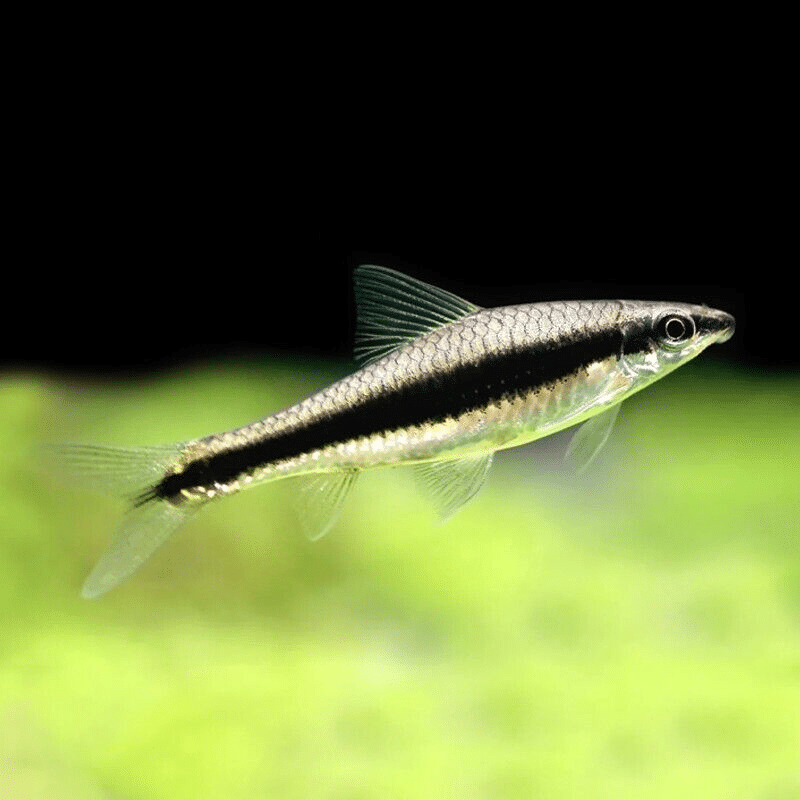
10 X Siamese Algae Eater – Crossocheilus Oblongus – Cyprinid Fish

Original price was: £30.99.£26.13Current price is: £26.13.
Welcome these beautiful Siamese Algae Eaters (10 X Crossocheilus Oblongus) into your aquarium for effective algae control. Known for their graceful swimming and peaceful nature, they thrive in community tanks, making them ideal for beginner aquarists. Create a vibrant aquatic environment today!
In stock


Species Introduction
The Siamese Algae Eater, scientifically known as Crossocheilus oblongus, is a captivating freshwater fish that originates from the rivers and streams of Southeast Asia. This species has garnered attention in the aquarium community for its remarkable algae-eating capabilities, making it a favored choice among aquarists looking to maintain a clean and healthy aquarium environment.
With its sleek body and distinctive markings, the Siamese Algae Eater not only serves a functional purpose but also adds aesthetic value to any aquarium setup. These fish thrive in well-planted tanks, where they can exhibit their natural behavior while contributing to the overall health of the aquatic ecosystem. In their natural habitat, they are often found in fast-flowing waters, which influences their swimming patterns and social interactions. Understanding their origins and natural behaviors is crucial for providing a suitable home for these beautiful creatures.
Care Requirements Dashboard
| Optimal Living Conditions | |
|---|---|
| Water Temperature | 24-27°C (75-81°F) |
| pH Level | 6.5-7.5 |
| Water Hardness | 4-12 dKH |
| Minimum Tank Size | 80L (20 gal) |
| Salinity | Freshwater |
| Care Level | Beginner Friendly |
Providing a suitable environment for the Siamese Algae Eater is essential for its health and well-being. These fish are relatively adaptable and can thrive in various water conditions, but maintaining stable parameters is key to preventing stress and disease. A minimum tank size of 20 gallons is recommended to allow these fish ample swimming space and to accommodate their social nature. Regular water changes and monitoring of water quality will help ensure a thriving environment for your aquatic companions.
Natural Behavior & Temperament
Siamese Algae Eaters are known for their active and engaging behavior, making them a joy to observe in a home aquarium. These fish are social creatures that thrive in groups, and it is recommended to keep them in schools of at least three to five individuals. Their natural swimming patterns involve darting around the tank, often grazing on algae-covered surfaces, which contributes to their role as effective algae control fish. In addition to their algae-eating habits, they exhibit a range of social behaviors, including playful interactions with tank mates and establishing hierarchies within their group.
Tank Setup Guide
Creating an ideal environment for your Siamese Algae Eaters involves careful consideration of tank setup and decorations. These fish thrive in a well-planted aquarium with plenty of hiding spots and open swimming areas. A substrate of fine gravel or sand is recommended, as it allows for easy grazing and mimics their natural habitat. Incorporating live plants such as Java Fern, Anubias, and Amazon Swords not only enhances the aesthetic appeal of the tank but also provides essential cover and foraging opportunities for these fish.
Water Quality Management
Maintaining optimal water quality is crucial for the health and longevity of Siamese Algae Eaters. Regular monitoring of water parameters such as pH, temperature, and hardness is essential to ensure a stable environment. The ideal pH range for these fish is between 6.5 and 7.5, and it is recommended to use a reliable pH testing kit to keep track of levels. Water temperature should be maintained between 75°F and 82°F (24°C to 28°C) to mimic their natural tropical habitat. Additionally, water hardness should be kept between 5 to 15 dGH to provide the best conditions for their health.
Feeding & Nutrition
Siamese Algae Eaters are primarily herbivorous, with a diet that consists mainly of algae, but they also benefit from a varied diet that includes high-quality fish food. Offering a balanced diet is essential for their health and vitality. Commercial algae wafers, spirulina flakes, and blanched vegetables such as zucchini and spinach can be excellent food choices. It is important to feed them small amounts multiple times a day, ensuring that all food is consumed within a few minutes to prevent water quality issues.
Compatibility Guide
Siamese Algae Eaters are generally peaceful and can coexist with a variety of community fish, making them an excellent addition to a well-planned aquarium. They thrive in community tanks with other peaceful species such as tetras, rasboras, and other small to medium-sized fish. However, it is essential to avoid aggressive or territorial species that may stress or harm them. Ideal tank mates include species like guppies, danios, and corydoras catfish, which share similar water requirements and temperaments.
Tank Mate Compatibility Guide
Great Tank Mates
- Guppies
- Danios
- Corydoras Catfish
- Tetras
- Rasboras
Avoid These Tank Mates
- Aggressive species
- Territorial fish
Compatibility Note: Always research specific species requirements and observe fish behavior when introducing new tank mates. Individual fish personalities can vary!
Health & Wellness
Maintaining the health and wellness of your Siamese Algae Eaters requires vigilance and proactive care. Common health issues include ich, fin rot, and stress-related ailments, which can arise from poor water quality or aggressive tank mates. Regular water testing and maintenance are essential to prevent these issues. Signs of stress or illness may include lethargy, loss of appetite, and abnormal swimming patterns.
Breeding Information
Breeding Siamese Algae Eaters in captivity can be a rewarding experience, although it is relatively rare in home aquariums. These fish are egg layers and prefer to spawn in a well-planted tank with plenty of hiding spots. To encourage breeding, it is essential to maintain optimal water conditions and provide a varied diet to promote health and vitality.
Acclimation Process
Acclimating your new Siamese Algae Eaters to their new home is a crucial step that should not be overlooked. Proper acclimation helps reduce stress and increases the chances of successful integration into your aquarium. Begin by floating the sealed bag containing the fish in the aquarium for about 15-20 minutes to equalize the temperature.
Long-term Care
Long-term care of Siamese Algae Eaters involves regular maintenance and monitoring of their environment. These fish can live for several years if provided with proper care, making it essential to establish a routine that includes regular water changes, tank cleaning, and health checks.
Natural Habitat Recreation
Recreating the natural habitat of Siamese Algae Eaters in your aquarium can enhance their well-being and encourage natural behaviors. In the wild, these fish inhabit rivers and streams with plenty of vegetation, rocks, and driftwood.
Seasonal Care Adjustments
Seasonal changes can impact the care and maintenance of your Siamese Algae Eaters. During warmer months, it is crucial to monitor water temperature closely, as higher temperatures can lead to decreased oxygen levels and increased stress.
Expert Tips
For those looking to provide the best care for their Siamese Algae Eaters, here are some expert tips to enhance their living conditions and overall health.
Troubleshooting
Despite your best efforts, you may encounter challenges while caring for Siamese Algae Eaters. Common issues include algae overgrowth, stress from aggressive tank mates, and dietary deficiencies.
Scientific Background
The Siamese Algae Eater belongs to the family Cyprinidae, which includes a wide variety of freshwater fish species. This family is known for its diverse range of fish, many of which are popular in the aquarium trade.
Advanced Care Techniques
For experienced aquarists looking to take their care of Siamese Algae Eaters to the next level, consider implementing advanced techniques that enhance their living conditions.
Frequently Asked Questions
Q: What tank size is required for Siamese Algae Eaters?
Siamese Algae Eaters thrive in a minimum tank size of 75 litres (20 gallons). This size allows them ample space to swim and explore their environment. They are active and social fish, often best kept in groups of at least five. A larger tank not only provides more swimming space but also helps maintain stable water parameters, which is crucial for their health. Additionally, it’s beneficial if the tank is well-planted with hiding spots, as this mimics their natural habitat and reduces stress. Regular water changes and a good filtration system are essential to keep the environment clean and healthy.
✓ Expert Tip
Consider adding driftwood or rocks to create a more natural environment, which can encourage foraging behaviour.
Q: What water parameters do Siamese Algae Eaters require?
Siamese Algae Eaters prefer slightly acidic to neutral water with a pH range of 6.5 to 7.5. The ideal temperature should be maintained between 24°C to 28°C (75°F to 82°F). Hardness should be around 5-15 dGH. Consistent water quality is vital, so regular testing is recommended. Ammonia and nitrite levels must be kept at 0 mg/L, while nitrate levels should be below 20 mg/L. To achieve optimal water conditions, perform regular water changes and ensure your filtration system is functioning well to remove waste and toxins.
✓ Expert Tip
Invest in a reliable water testing kit to monitor your aquarium’s parameters regularly.
Q: How often should I feed Siamese Algae Eaters?
Siamese Algae Eaters are primarily herbivores and should be fed a varied diet. Offer high-quality algae wafers or spirulina-based foods once or twice daily. Supplement their diet with blanched vegetables such as zucchini, cucumber, or spinach. It is essential to provide enough food to ensure they have a full belly but avoid overfeeding, as this can lead to poor water quality. Monitor their consumption to adjust feeding amounts as necessary, ensuring they consume all offered food within a few hours to prevent decay.
✓ Expert Tip
Introduce a variety of food items to keep them engaged and promote optimal health.
Q: What are the best tank mates for Siamese Algae Eaters?
Siamese Algae Eaters are generally peaceful and can coexist with a variety of fish. Suitable tank mates include tetras, rasboras, and other peaceful species of similar size. Avoid keeping them with overly aggressive or territorial fish, as this can lead to stress and potential conflict. They tend to do well in community tanks, provided there is ample space and hiding places. It is advisable to observe interactions closely, especially when introducing new tank mates, to ensure compatibility and harmony within the aquarium.
✓ Expert Tip
Keeping them in groups can enhance their natural behaviour and reduce stress.
Q: How do I properly acclimatise Siamese Algae Eaters to my aquarium?
Acclimatisation is crucial for the health of your Siamese Algae Eaters. Start by floating the sealed bag in your aquarium for about 15 minutes to equalise the temperature. Then, gradually introduce aquarium water into the bag by adding small amounts every 5-10 minutes for approximately an hour. This process helps them adjust to the water parameters. After this, gently release them into the tank using a net to avoid adding any transport water that may contain pollutants. Monitor them closely for signs of stress during the first few hours.
✓ Expert Tip
Perform acclimatisation during low-light hours to reduce stress.
Q: What are the signs of healthy Siamese Algae Eaters?
Healthy Siamese Algae Eaters exhibit vibrant colours, clear eyes, and active swimming behaviour. They should be alert and social, often swimming in groups. Their body should be free from lesions, fin rot, or other visible signs of disease. Additionally, they should be seen foraging for food on surfaces within the tank. If they are hiding excessively or showing signs of lethargy, it may indicate stress or health issues. Regular observation and maintaining stable water conditions are key to their overall well-being.
✓ Expert Tip
Routine water testing and tank maintenance can prevent health issues.
Q: How do I successfully breed Siamese Algae Eaters?
Breeding Siamese Algae Eaters can be challenging, as they require specific conditions. Ideally, a separate breeding tank should be set up with a temperature of 26°C to 28°C (79°F to 82°F) and a pH of 6.5 to 7.0. Provide fine-leaved plants for spawning. The breeding pair will engage in courtship behaviour, laying eggs on the leaves. After spawning, remove the parents to prevent them from eating the eggs. The eggs will hatch in about 24-48 hours. Fry should be fed infusoria or powdered fry food until they are large enough for small flakes.
✓ Expert Tip
Maintain excellent water quality to encourage breeding success.
Q: What temperature should I maintain for Siamese Algae Eaters?
The ideal temperature range for Siamese Algae Eaters is between 24°C to 28°C (75°F to 82°F). Maintaining a stable temperature within this range is crucial for their health and well-being. Sudden fluctuations can cause stress, which may lead to illness. A reliable aquarium heater and thermometer will assist in achieving and monitoring the desired temperature. Regular checks are advisable, especially during seasonal changes, to ensure the environment remains comfortable for your aquatic companions.
✓ Expert Tip
Consider using a heater with a built-in thermostat for precise temperature control.
Q: How long do Siamese Algae Eaters typically live in captivity?
In captivity, Siamese Algae Eaters can live for approximately 5 to 10 years, provided they are given proper care and a suitable environment. Factors such as water quality, diet, and tank conditions significantly influence their lifespan. Regular maintenance, including water changes and monitoring of water parameters, is essential for their health. A balanced diet rich in nutrients will also contribute to their longevity. Observing their behaviour and health regularly can help identify potential issues early, ensuring they thrive for many years.
✓ Expert Tip
A well-planned aquarium setup can significantly enhance their quality of life.
Q: What type of substrate is most suitable for Siamese Algae Eaters?
Siamese Algae Eaters prefer a substrate that mimics their natural habitat. A fine, sandy substrate is ideal, as it allows them to forage without injury. Alternatively, smooth gravel can also be suitable, provided it is not sharp. Avoid rough or jagged substrates that may harm their delicate bodies. The substrate should be easy to clean, as waste can accumulate in the tank. Regular cleaning and maintenance will help ensure a healthy environment for your fish friends.
✓ Expert Tip
Consider layering the substrate with larger gravel underneath to enhance stability.
Q: What behavioural patterns should I expect from Siamese Algae Eaters?
Siamese Algae Eaters are known for their active and social behaviour. They tend to swim in groups, displaying a playful nature. They are primarily herbivorous and often forage on algae-covered surfaces, which is a natural behaviour. You may observe them engaging in cleaning activities, which can be quite entertaining. They may also exhibit territorial behaviour during breeding times but are generally peaceful. Providing ample hiding spots and a well-planted environment will help reduce any potential stress and encourage natural behaviours.
✓ Expert Tip
Introduce new tank mates gradually to allow for a smoother integration process.
Q: How can I prevent common diseases in Siamese Algae Eaters?
Preventing diseases in Siamese Algae Eaters involves several key practices. Maintaining excellent water quality is paramount; regular testing and water changes will help keep harmful toxins at bay. Ensure that your tank is not overcrowded, as this can lead to stress and increased susceptibility to illness. A varied and nutritious diet will bolster their immune system. Quarantining new fish for at least two weeks before introducing them to the main tank can prevent the spread of diseases. Observing your fish regularly for any signs of illness will allow for early intervention, enhancing their chances of a healthy life.
✓ Expert Tip
Consider adding plants and natural decor to reduce stress and improve overall tank health.
Q: What lighting conditions do Siamese Algae Eaters prefer?
Siamese Algae Eaters thrive in moderate lighting conditions that mimic their natural habitat. They prefer a well-lit environment to encourage algae growth, which is a crucial part of their diet. However, excessive lighting can lead to algae blooms, which can disrupt water quality. A lighting duration of 10-12 hours a day is generally suitable. Using a timer can help maintain consistency. Providing shaded areas with plants or decorations will also give them a comfortable space to retreat when they need a break from the light.
✓ Expert Tip
Experiment with different lighting types to find the best balance for your tank.
Q: How do I recognise stress in Siamese Algae Eaters?
Recognising stress in Siamese Algae Eaters is essential for their well-being. Signs of stress may include hiding excessively, lack of appetite, or erratic swimming patterns. They may also display faded colours or clamped fins. Stress can be caused by various factors, including poor water quality, overcrowding, or aggressive tank mates. If you observe these signs, it is crucial to assess the tank environment and make necessary adjustments. Creating a calm and stable habitat will help alleviate stress and promote a healthy lifestyle.
✓ Expert Tip
Introduce stress-relieving elements such as plants and hiding spots to create a more comfortable environment.
Q: What natural habitat conditions should I replicate for Siamese Algae Eaters?
Siamese Algae Eaters are native to rivers and streams in Southeast Asia, preferring environments with plenty of vegetation. To replicate their natural habitat, include live plants, driftwood, and rocks in your aquarium. A sandy or fine gravel substrate mimics their natural foraging ground. Ensure good water movement to simulate their natural riverine environment. Maintaining stable water parameters and providing hiding spots will create a comfortable and enriching environment for your fish friends, promoting their health and well-being.
✓ Expert Tip
Regularly research and adjust your setup to ensure it meets the evolving needs of your fish.
1 review for 10 X Siamese Algae Eater – Crossocheilus Oblongus – Cyprinid Fish
Add a review
Related products

Price range: £16.45 through £49.34
This product has multiple variants. The options may be chosen on the product page

Price range: £5.06 through £11.39
This product has multiple variants. The options may be chosen on the product page

Out of stock



Emily Carter (verified owner) –
I recently purchased 10 Siamese Algae Eaters for my 55-gallon freshwater tank, and I couldn’t be happier! These little guys have been a game changer for my aquarium. After about two weeks, they tackled the pesky algae that was starting to take over my tank. Their sleek bodies and active nature make them a joy to watch as they scurry around, doing their job efficiently.
What I love most is that they’re peaceful and coexist beautifully with my other tropical fish. Compared to other algae eaters I’ve tried, like the common plecostomus, these Siamese Algae Eaters are much more effective and won’t grow to be massive tank-busters. They stay relatively small, which is perfect for my fish stocking plans. I also appreciate their diet; they’re happy to munch on algae, but they will also accept sinking pellets and blanched vegetables, which I think keeps them healthier.
If you’re considering these for your tank, I highly recommend them! Just be sure to provide them with plenty of hiding spots, as they do appreciate having places to retreat to. Overall, they’ve added so much energy and health to my aquarium, and I can’t wait to see how they continue to thrive! Would definitely buy again.
Shipping was quick, and they arrived healthy and lively, which is always a plus!