

Senegal Bichir – Polypterus Senegalus – Gray Bichir
Original price was: £22.99.£19.35Current price is: £19.35.
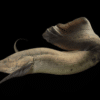
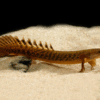
Welcome the stunning Polypterus Senegalus, also known as the Senegal Bichir. This unique freshwater fish thrives in a 30-gallon aquarium, showcasing its graceful movements. Ideal for aquarists seeking beautiful inhabitants with interesting behavior, they can live up to 15 years with proper care.
In stock
Species Introduction
The Polypterus Senegalus, commonly known as the Senegal Bichir, Gray Bichir, or Cuvier’s Bichir, is a unique species of freshwater fish that hails from the warm, slow-moving waters of Africa. This fascinating fish is part of the Polypteridae family and is renowned for its prehistoric appearance, featuring a long, eel-like body and a distinctive dorsal fin that runs the length of its back. The Senegal Bichir is primarily found in rivers, swamps, and lakes across countries such as Senegal, Mali, and the Democratic Republic of Congo. In its natural habitat, it thrives in environments rich in vegetation and submerged structures, which provide it with ample hiding spots and hunting grounds. The Senegal Bichir is a nocturnal predator, primarily feeding on smaller fish, crustaceans, and insects. Its unique adaptations, such as the ability to breathe air through a modified swim bladder, allow it to survive in low-oxygen environments, making it a resilient addition to any aquarium setup.
Key Features – Polypterus Senegalus
| Specification | Details |
|---|---|
| Benefits | Enhances your aquarium ecosystem |
| Quality | Premium aquarium-grade materials |
| Ease of Use | Simple setup and maintenance |
Care Requirements Dashboard
✓ Care Level: Moderate
Tank Size: Minimum 75 gallons
Water Temperature: 75°F to 82°F (24°C to 28°C)
pH Level: 6.5 to 7.5
Hardness: 5 to 20 dGH
The Senegal Bichir is moderately easy to care for, making it suitable for both novice and experienced aquarists. However, due to its size and specific habitat needs, it is essential to provide a spacious aquarium with plenty of hiding spots and open swimming areas. A minimum tank size of 75 gallons is recommended to accommodate its growth and territorial nature. The ideal water temperature should be maintained between 75°F and 82°F, with a pH range of 6.5 to 7.5 to ensure optimal health. Regular water changes and monitoring of water parameters are crucial to maintain a stable environment for your aquatic companion.
Natural Behavior & Temperament
The Senegal Bichir exhibits a fascinating array of natural behaviors that make it an intriguing addition to any aquarium. As a nocturnal species, it is most active during the night, often utilizing its keen sense of smell to hunt for food. During the day, it tends to hide among rocks, plants, and other decorations, making it essential to provide ample hiding spots in the aquarium setup. This fish is generally peaceful but can exhibit territorial behavior, especially as it matures. While it can coexist with larger, non-aggressive fish, caution should be exercised when selecting tank mates, as smaller fish may become prey. The Senegal Bichir is known for its unique swimming patterns, often gliding gracefully through the water, utilizing its pectoral fins for maneuverability. This behavior not only adds visual interest to the aquarium but also highlights the species’ adaptability and resilience in various environments.
Tank Setup Guide
Creating an ideal environment for your Senegal Bichir involves careful planning and consideration of its natural habitat. The aquarium should be spacious, with a minimum capacity of 75 gallons, allowing for ample swimming space. A sandy substrate is recommended, as it mimics the natural riverbed and provides a comfortable surface for the fish. Incorporating various decorations such as driftwood, rocks, and live plants will create hiding spots and territories, which are essential for the Bichir’s well-being. Additionally, it is crucial to ensure that the decorations have no sharp edges to prevent injury to the fish. The tank should be equipped with a reliable filtration system to maintain water quality, as Bichirs produce a significant amount of waste. A gentle water flow is ideal, as it mimics the slow-moving waters of their natural habitat. Proper lighting is also essential; while Bichirs do not require intense lighting, a subdued light can help create a comfortable environment. Regular maintenance, including water changes and cleaning of the substrate, will help maintain a healthy ecosystem for your aquatic friends.
Water Quality Management
Maintaining optimal water quality is paramount for the health and longevity of your Senegal Bichir. Regular monitoring of water parameters is essential to ensure a stable environment. The ideal pH level for Bichirs ranges from 6.5 to 7.5, with a hardness level between 5 to 20 dGH. The water temperature should be consistently maintained between 75°F and 82°F to promote optimal health. A high-quality filtration system is crucial, as it helps to remove toxins and maintain clarity in the water. Weekly water changes of 20-30% are recommended to keep nitrate levels in check and ensure a clean environment. Additionally, it is advisable to use a water conditioner to remove harmful chemicals such as chlorine and chloramine from tap water before adding it to the aquarium. Regular testing of water parameters using reliable test kits will help you identify any fluctuations and address them promptly. By prioritizing water quality management, you can create a thriving habitat for your Senegal Bichir, enhancing its overall well-being and vitality.
Feeding & Nutrition
Feeding your Senegal Bichir a balanced and nutritious diet is essential for its growth and overall health. Being carnivorous, Bichirs thrive on a diet rich in protein. High-quality pellets designed for carnivorous fish can form the basis of their diet, supplemented with a variety of meaty foods such as frozen or live foods including bloodworms, brine shrimp, and small fish. It is important to vary their diet to ensure they receive all necessary nutrients and to prevent boredom. A feeding schedule of 2-3 times a week is recommended, with portions that can be consumed within a few minutes. Overfeeding should be avoided, as it can lead to water quality issues and health problems. Observing your fish during feeding time can provide insights into their health; a healthy Bichir will actively hunt and consume its food. Additionally, providing a balanced diet will enhance the fish’s coloration and vitality, ensuring that it thrives in your aquarium setup.
Compatibility Guide
Choosing compatible tank mates for your Senegal Bichir is crucial to maintaining a harmonious aquarium environment. While Bichirs are generally peaceful, they can exhibit territorial behavior, especially as they mature. It is advisable to keep them with larger, non-aggressive fish that can coexist without being seen as potential prey. Suitable tank mates include larger cichlids, catfish, and other robust freshwater species. However, caution should be exercised when introducing smaller fish, as they may be viewed as food. Avoid keeping Bichirs with overly aggressive species, as this can lead to stress and injury. Additionally, providing adequate hiding spots and territories will help reduce aggression and allow all fish to establish their own space. Regular observation of tank dynamics is essential to ensure all fish are thriving and to address any compatibility issues promptly.
Health & Wellness
The health and wellness of your Senegal Bichir are paramount to ensuring a long and fulfilling life. Regular monitoring of your fish’s behavior and appearance is essential for early detection of potential health issues. Common problems in Bichirs include skin parasites, fungal infections, and swim bladder disorders. Maintaining optimal water quality through regular testing and water changes is crucial in preventing these issues. Additionally, providing a varied and nutritious diet will enhance the fish’s immune system and overall vitality. If you notice any signs of distress, such as lethargy, loss of appetite, or abnormal swimming patterns, it is important to investigate potential causes immediately. Quarantining new fish before introducing them to the main tank can help prevent the spread of diseases. Regular health checks and prompt action in response to any concerns will contribute to the longevity and well-being of your Senegal Bichir.
Breeding Information
Breeding Senegal Bichirs in captivity can be a rewarding experience for dedicated aquarists. To encourage breeding, it is essential to provide a suitable environment that mimics their natural habitat. This includes a spacious tank with plenty of hiding spots and a soft substrate for spawning. The ideal breeding conditions involve slightly elevated water temperatures (around 80°F) and stable water parameters. During the breeding process, males will exhibit courtship behaviors, often displaying their vibrant colors and engaging in elaborate swimming displays to attract females. After successful mating, females will lay eggs, which should be carefully monitored to prevent predation by the parents. The eggs typically hatch within a few days, and the fry will require specialized care, including infusoria or finely crushed flakes for initial feeding. Providing a separate rearing tank for the fry will help ensure their survival and growth, allowing them to thrive into healthy juvenile Bichirs.
Acclimation Process
Proper acclimation is crucial when introducing your Senegal Bichir to a new aquarium environment. Sudden changes in water parameters can cause stress and harm to your fish. To acclimate your Bichir, begin by floating the sealed bag containing the fish in the aquarium for about 15-20 minutes. This allows the water temperature in the bag to gradually equalize with that of the tank. After this initial period, open the bag and slowly add small amounts of tank water to the bag every 5-10 minutes for about an hour. This gradual mixing of water will help your fish adjust to the new water chemistry. Once acclimated, gently release the Bichir into the tank using a net to avoid introducing any excess bag water into the aquarium. Monitoring your fish closely during the first few days in its new environment is essential to ensure it adapts well and displays normal behavior.
Long-term Care
Caring for your Senegal Bichir involves a long-term commitment to maintaining a healthy and stable environment. These fish can live for 15 years or more with proper care, making them a long-term aquatic companion. Regular maintenance of the aquarium, including water changes, substrate cleaning, and monitoring of water parameters, is essential to ensure the well-being of your Bichir. Additionally, providing a varied diet and addressing any health concerns promptly will contribute to a long and healthy life. As your Bichir matures, it is important to reassess tank size and compatibility with other fish, as its territorial behavior may change. Creating a comfortable and enriching environment will not only enhance the quality of life for your Senegal Bichir but also provide you with many years of enjoyment as you observe its unique behaviors and interactions.
Natural Habitat Recreation
Recreating the natural habitat of the Senegal Bichir in your aquarium can enhance its overall well-being and provide a stimulating environment. In the wild, these fish inhabit slow-moving rivers and swamps with plenty of vegetation and submerged structures. To replicate this environment, consider using a sandy substrate to mimic the riverbed, along with driftwood and rocks to create hiding spots and territories. Incorporating live plants will not only provide additional cover but also contribute to water quality by absorbing excess nutrients. The layout should include open swimming areas to allow the Bichir to glide gracefully through the water. Additionally, maintaining a gentle water flow will help simulate the natural currents of its habitat. Regularly rearranging decorations can also provide mental stimulation for your fish, keeping its environment dynamic and engaging.
Seasonal Care Adjustments
As seasons change, so too may the care requirements for your Senegal Bichir. During warmer months, it is essential to monitor the water temperature closely, ensuring it remains within the ideal range of 75°F to 82°F. If temperatures rise significantly, consider using a fan or aquarium chiller to maintain a stable environment. In colder months, maintaining consistent heating is crucial to prevent temperature fluctuations that could stress your fish. Additionally, adjusting the lighting schedule to mimic natural daylight cycles can help regulate your fish’s behavior and well-being. Regularly checking water parameters during seasonal transitions is vital to ensure that your Bichir remains healthy and comfortable. By being proactive and attentive to seasonal changes, you can provide the best possible care for your aquatic companion.
Expert Tips
For those looking to provide the best care for their Senegal Bichir, consider these expert tips. First, always prioritize water quality management, as poor water conditions can lead to health issues. Invest in a high-quality filtration system and conduct regular water tests to monitor parameters. Second, ensure a varied diet to promote optimal health and coloration; consider incorporating high-quality pellets, frozen foods, and occasional live foods. Third, be mindful of tank mates; while Bichirs can be social, they require careful selection to avoid aggression and stress. Fourth, observe your fish regularly to detect any changes in behavior or health; early intervention is key to preventing serious issues. Lastly, consider joining local or online aquarium communities to share experiences and learn from other Bichir enthusiasts. By implementing these expert tips, you can create a thriving environment for your Senegal Bichir and enjoy the beauty of this remarkable species.
Troubleshooting
Despite your best efforts, you may encounter challenges while caring for your Senegal Bichir. Common issues include stress from incompatible tank mates, poor water quality, or dietary deficiencies. If your Bichir exhibits signs of stress, such as hiding excessively or displaying erratic swimming patterns, it may be necessary to reassess the tank environment and make adjustments. Ensure that water parameters are stable and within the recommended ranges, and consider relocating aggressive tank mates. If your fish shows signs of illness, such as discoloration or lesions, prompt action is essential; quarantining the affected fish and consulting a veterinarian or aquatic specialist can help address health concerns. Regular maintenance and attention to detail will go a long way in preventing issues and ensuring a healthy, thriving Senegal Bichir.
Scientific Background
The Senegal Bichir, scientifically known as Polypterus Senegalus, belongs to the Polypteridae family, which is characterized by its ancient lineage and unique anatomical features. This family of fish is often referred to as ‘bichirs’ and is known for its distinctive appearance, including a long, cylindrical body and a series of dorsal finlets. The Senegal Bichir is particularly notable for its ability to breathe air through a modified swim bladder, allowing it to thrive in low-oxygen environments. This adaptation is a key factor in its survival in the wild, where it often inhabits stagnant waters. The Polypteridae family is considered a living fossil, with ancestors dating back over 300 million years. This evolutionary history contributes to the Bichir’s unique characteristics and behaviors, making it a fascinating species for aquarists and researchers alike. Understanding the scientific background of the Senegal Bichir can enhance your appreciation for this remarkable fish and inform your care practices.
Advanced Care Techniques
For those looking to elevate their care for Senegal Bichirs, advanced techniques can enhance their environment and overall well-being. Consider implementing a biotope aquarium that closely mimics their natural habitat, incorporating specific plant species, substrate types, and decorations that reflect their native environment. Additionally, utilizing a breeding setup can encourage natural spawning behaviors, providing a more enriching experience for your fish. Advanced feeding strategies, such as incorporating live foods or specialized supplements, can promote optimal health and coloration. Regularly engaging with your fish through observation and interaction can also foster a deeper bond and understanding of their needs. By adopting advanced care techniques, you can create a thriving ecosystem for your Senegal Bichir, ensuring a long and fulfilling life for your aquatic companion.
Frequently Asked Questions
Q: What tank size is required for the Senegal Bichir?
The Senegal Bichir, a fascinating aquatic companion, thrives best in a spacious aquarium of at least 200 litres (around 52 gallons). Given their elongated bodies and active nature, they require ample swimming space. A larger tank is preferable, especially if you plan to keep multiple fish or other tank mates. It is essential to ensure that the aquarium is equipped with a secure lid, as these fish are known to be escape artists. Additionally, providing hiding spots using rocks or driftwood can help them feel secure and reduce stress. Regular maintenance and water changes are crucial for their wellbeing, so a larger tank can also facilitate better water quality management.
✓ Expert Tip
Consider using a substrate of fine sand or smooth gravel to prevent injury to their sensitive underbellies.
Q: What water parameters do Senegal Bichirs require?
Senegal Bichirs thrive in slightly acidic to neutral water conditions, with a pH level ranging from 6.5 to 7.5. The ideal water temperature should be maintained between 24°C to 28°C (75°F to 82°F). It is essential to ensure that the water is well-filtered and maintained at a hardness level of 5 to 20 dGH. Regular testing of water parameters is crucial, as fluctuations can lead to stress and health issues. A reliable water conditioner can also help eliminate harmful chemicals from tap water. Additionally, performing weekly water changes of around 25% can significantly enhance their environment, promoting overall health and vitality.
✓ Expert Tip
Utilise a high-quality water testing kit to monitor parameters consistently.
Q: How often should I feed my Senegal Bichir?
Feeding your Senegal Bichir should occur 2-3 times per week, ensuring a balanced diet that includes high-quality pellets, frozen or live foods such as bloodworms, and earthworms. They are opportunistic feeders and can overeat, so portion control is essential. A general guideline is to provide them with an amount they can consume within 5-10 minutes. Be mindful of the tank mates’ dietary needs as well, as some may compete for food. Regular observation during feeding times can help you assess their appetite and general health. Adjust feeding frequency based on growth stages, as younger fish may require more frequent feedings.
✓ Expert Tip
Introduce a variety of food types to enhance their nutritional intake and stimulate natural foraging behaviour.
Q: What are the best tank mates for Senegal Bichirs?
When selecting tank mates for Senegal Bichirs, it is advisable to choose species that are similarly sized and non-aggressive. Suitable companions include larger tetras, peaceful cichlids, and catfish. Avoid smaller fish, as they may be seen as prey. It is also important to consider the swimming habits of potential tank mates, as fast swimmers can stress the Bichir. Additionally, providing ample hiding spots and territory can help reduce aggression. Always monitor interactions closely, especially during the initial introduction phase, to ensure all fish are comfortable in their environment.
✓ Expert Tip
Research potential tank mates thoroughly to ensure compatibility and avoid territorial disputes.
Q: How do I properly acclimatise Senegal Bichirs to my aquarium?
Acclimatising your Senegal Bichir properly is crucial for their health. Begin by floating the sealed bag in your aquarium for about 15-20 minutes to equalise the temperature. Then, gradually introduce small amounts of aquarium water into the bag over the next hour to help them adjust to the water parameters. After this, gently net the Bichir into the aquarium, avoiding adding any of the transport water. This method reduces stress and mitigates the risk of introducing harmful pathogens. Monitor the fish closely for signs of stress or illness during the first few days in their new environment.
✓ Expert Tip
Maintain low lighting during the acclimatisation process to create a calming environment.
Q: What are the signs of healthy Senegal Bichirs?
Healthy Senegal Bichirs exhibit vibrant colours, active swimming patterns, and a strong appetite. Their skin should be free from lesions, parasites, or unusual discolouration. Observe their gills for proper movement and colour, which should be pink and healthy. Regularly check for signs of stress, such as hiding excessively or lethargic behaviour. A healthy Bichir will also respond well during feeding times. If you notice any changes in behaviour or appearance, it may indicate underlying health issues. Early detection and prompt action are key to ensuring the wellbeing of your aquatic companions.
✓ Expert Tip
Keep a regular observation schedule to become familiar with their normal behaviour patterns.
Q: How do I successfully breed Senegal Bichirs?
Breeding Senegal Bichirs can be a rewarding challenge. To encourage breeding, establish a separate breeding tank with soft, slightly acidic water. Ensure the tank has plenty of hiding spots and flat surfaces for egg-laying. The temperature should be elevated to around 28°C (82°F) during this period. Once the female lays eggs, remove the parents to prevent them from eating the eggs. The eggs typically hatch within 2-3 days, and the fry should be fed infusoria or powdered fry food until they can consume larger foods. Maintaining optimal water quality is crucial for the health of the fry during this delicate stage.
✓ Expert Tip
Research breeding behaviours and prepare adequately before initiating the breeding process.
Q: What temperature should I maintain for Senegal Bichirs?
The optimal temperature range for Senegal Bichirs is between 24°C to 28°C (75°F to 82°F). Maintaining a consistent temperature within this range is crucial to their health and wellbeing. Sudden fluctuations can lead to stress or illness. Employing a reliable aquarium heater and thermometer can assist in achieving and monitoring the desired temperature. It is advisable to place the heater at one end of the tank to create a gradient, allowing the Bichir to choose their preferred temperature. Regularly check the temperature, particularly during seasonal changes, to ensure a stable environment for your aquatic companions.
✓ Expert Tip
Consider using a temperature controller for precise regulation.
Q: How long do Senegal Bichirs typically live in captivity?
In a well-maintained aquarium, Senegal Bichirs can live for 10-15 years, provided they are given optimal living conditions. Factors such as diet, water quality, and tank mates significantly affect their lifespan. Regular water changes, a balanced diet, and a stress-free environment contribute to their longevity. It is also essential to monitor their health closely, as timely intervention can prevent potential diseases that may shorten their lifespan. Creating a stable habitat that mimics their natural environment can enhance their quality of life and promote a longer lifespan.
✓ Expert Tip
Keep a detailed record of their health and any changes in behaviour to identify potential issues early.
Q: What type of substrate is most suitable for Senegal Bichirs?
Senegal Bichirs prefer a substrate of fine sand or smooth gravel, as it is gentle on their sensitive underbellies. Avoid sharp or rough substrates that could cause injury. A sandy substrate also allows for natural digging behaviour, which is a part of their instinctual habits. Additionally, it promotes a more natural aesthetic and can help maintain water quality by providing a habitat for beneficial bacteria. When setting up the tank, consider layering the substrate to create a more dynamic environment, which can enhance their overall wellbeing and encourage natural behaviours.
✓ Expert Tip
Regularly clean the substrate to prevent waste accumulation, which can affect water quality.
Q: What behavioural patterns should I expect from Senegal Bichirs?
Senegal Bichirs are predominantly nocturnal, exhibiting more activity during the evening and night hours. They are curious and intelligent fish, often exploring their environment and interacting with their surroundings. Expect them to spend time hiding among rocks or plants, especially during the day. They are also known to exhibit a unique swimming pattern, using their pectoral fins to manoeuvre gracefully through the water. Providing plenty of hiding spots and enrichment can help reduce stress and encourage natural behaviours, making for a more dynamic and engaging aquarium experience.
✓ Expert Tip
Introduce new decorations or rearrange existing ones to stimulate their curiosity and keep them engaged.
Q: How can I prevent common diseases in Senegal Bichirs?
Preventing diseases in Senegal Bichirs involves maintaining optimal water quality, providing a balanced diet, and ensuring a stress-free environment. Regular water changes and monitoring parameters are essential to prevent outbreaks of diseases such as ich or fin rot. Quarantine new fish before introducing them to the main tank to prevent the spread of pathogens. Additionally, keep an eye on their feeding habits and behaviours, as changes can indicate illness. Regularly cleaning the tank and decorations can also help minimise the risk of disease. Should you notice any signs of illness, prompt action is crucial for treatment and recovery.
✓ Expert Tip
Consider using natural remedies and treatments to support their health and immune system.
Q: What lighting conditions do Senegal Bichirs prefer?
Senegal Bichirs generally prefer subdued lighting, as bright lights can cause stress. It is advisable to use low-intensity lighting or incorporate floating plants to create shaded areas within the aquarium. This mimics their natural habitat, which typically consists of dimly lit waters. A light cycle of around 10-12 hours is ideal, allowing for periods of darkness to simulate their nocturnal behaviour. Ensure that any lighting used is safe and suitable for aquatic environments to avoid any adverse effects on water temperature or quality.
✓ Expert Tip
Use a timer to maintain a consistent lighting schedule, promoting a natural day-night cycle.
Q: How do I recognise stress in Senegal Bichirs?
Recognising stress in Senegal Bichirs is essential for their wellbeing. Signs of stress may include excessive hiding, lethargy, or erratic swimming behaviour. They may also exhibit a loss of appetite or show signs of aggression towards tank mates. Changes in coloration, such as fading or darkening, can indicate stress levels. Monitoring their environment is crucial; sudden changes in water parameters, overcrowding, or aggressive tank mates can contribute to stress. If any signs of stress are observed, it is vital to assess their habitat and make necessary adjustments to promote a more comfortable environment.
✓ Expert Tip
Provide plenty of hiding spots and maintain a stable environment to help reduce stress.
Q: What natural habitat conditions should I replicate for Senegal Bichirs?
To create a suitable habitat for Senegal Bichirs, replicate their natural environment found in slow-moving rivers and swamps. Use a soft sandy substrate, and incorporate plenty of hiding spots using driftwood, rocks, and plants. Maintaining slightly acidic to neutral water with a temperature range of 24°C to 28°C (75°F to 82°F) is crucial. These fish thrive in slightly dim lighting, so consider adding floating plants or using low-intensity lights. Regular water changes and monitoring water parameters will help maintain a healthy environment, mimicking their natural habitat and promoting their overall wellbeing.
✓ Expert Tip
Research their natural habitat further to enhance your aquascaping efforts.
1 review for Senegal Bichir – Polypterus Senegalus – Gray Bichir
Add a review
Related products




Emily Carter (verified owner) –
I recently added a Polypterus Senegalus to my aquarium, and I couldn’t be happier! This bichir fish has brought so much character and charm to my tank. After just two weeks, I noticed how it interacts with both the other fish and its environment. The Senegal Bichir is such a fascinating creature; I love watching it gracefully glide along the bottom of my tank. It thrives in my setup, and I’ve ensured it has plenty of hiding spots to mimic its natural habitat.
Compared to other freshwater fish I’ve kept, this one stands out for its unique appearance and behavior. While some species can be skittish, the Senegal Bichir is surprisingly calm and confident. However, I recommend keeping it in a larger tank, as it can grow to about 12-15 inches. It’s essential for its welfare and happiness!
If you’re a caring fish parent looking to add a tropical fish that’s both beautiful and engaging, I highly recommend the Polypterus Senegalus. Just be ready for its charming personality to steal the spotlight. I’ll definitely be looking to get another one soon! Plus, shipping was quick, and it arrived healthy and vibrant, which is a huge plus in my book!