
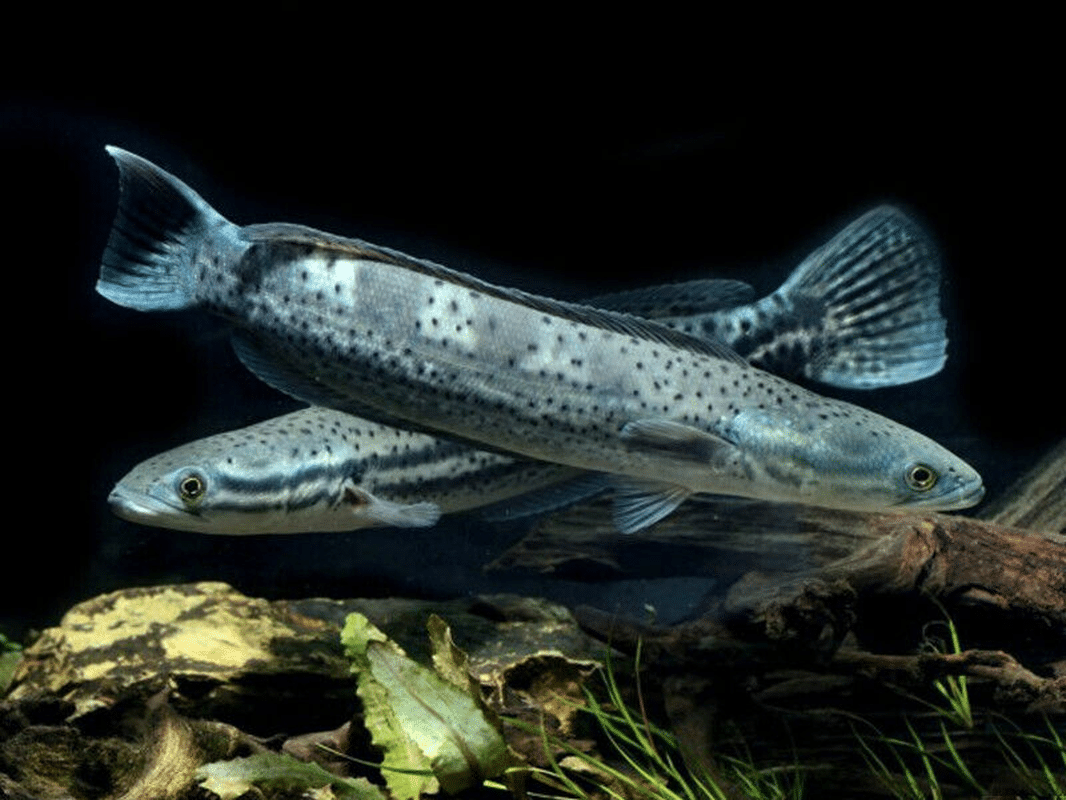
Malabar Snakehead – Channa Diplogramma – Freshwater Fish
Original price was: £43.49.£36.77Current price is: £36.77.
Welcome the Malabar Snakehead (Channa Diplogramma), a striking freshwater fish that enhances any aquarium. Known for its graceful movements and unique patterns, this beautiful inhabitant thrives in well-maintained tanks. Perfect for aquarists seeking captivating species for their aquatic collection.
In stock
Species Introduction
The Malabar Snakehead, scientifically known as Channa diplogramma, is an intriguing freshwater fish that captivates aquarists with its unique appearance and behavior. Originating from the Malabar region of India, this species thrives in freshwater habitats characterized by slow-moving rivers, marshes, and lakes. The Malabar Snakehead is known for its elongated body, which can reach impressive lengths, making it a striking centerpiece in any aquarium. Its natural habitat is rich in vegetation, providing ample hiding spots and foraging opportunities, which are essential for its well-being. As a member of the Channidae family, this species showcases a fascinating array of colors and patterns that can vary depending on its environment and health. Understanding the natural habitat of the Malabar Snakehead is crucial for replicating the ideal conditions in your aquarium, ensuring that these beautiful creatures thrive and exhibit their natural behaviors.
Care Requirements Dashboard
Essential Care Guide for Your Malabar Snakehead – Channa Diplogramma – Freshwater Fish
| Optimal Living Conditions | |
|---|---|
| Water Temperature | 24-27°C (75-81°F) |
| pH Level | 6.5-7.5 |
| Water Hardness | 4-12 dKH |
| Minimum Tank Size | 80L (20 gal) |
| Salinity | Freshwater |
| Care Level | Beginner Friendly |
✓ Care Level: Intermediate
Natural Behavior & Temperament
The Malabar Snakehead exhibits a fascinating array of natural behaviors that make it a captivating addition to any aquatic collection. Known for its predatory instincts, this fish is an opportunistic feeder, often displaying remarkable hunting prowess. In the wild, they are solitary and territorial, preferring to establish their own space within their habitat. In an aquarium setting, it is essential to provide ample hiding spots and territories to reduce aggression and stress. Their swimming patterns are characterized by a slow, deliberate glide, punctuated by bursts of speed when chasing prey. Socially, they can display aggression towards other fish, particularly those that encroach on their territory. Therefore, it is crucial to choose tank mates wisely, ensuring compatibility to promote a harmonious environment. Understanding the natural behavior and temperament of the Malabar Snakehead will aid in creating a thriving ecosystem where these magnificent creatures can flourish.
Tank Mate Compatibility Guide
Great Tank Mates
- Species-specific research recommended
Avoid These Tank Mates
- Consult compatibility guides
Compatibility Note: Always research specific species requirements and observe fish behavior when introducing new tank mates. Individual fish personalities can vary!
Tank Setup Guide
Creating the ideal environment for your Malabar Snakehead is essential for its health and well-being. Start with a spacious aquarium of at least 75 gallons, as these fish require ample swimming space. The substrate should mimic their natural habitat, so consider using a mix of fine gravel and sand, which allows for natural behavior such as burrowing. Incorporate plenty of hiding spots using driftwood, rocks, and live plants, which not only provide shelter but also enhance the aesthetic appeal of the tank. Floating plants can be beneficial as they create shaded areas and help maintain water quality. Ensure that the tank is equipped with a robust filtration system to maintain excellent water quality, as these fish are sensitive to poor conditions. Additionally, consider adding a heater to maintain a stable temperature, as fluctuations can stress the fish. By carefully planning the tank setup, you can create a thriving ecosystem that allows your Malabar Snakehead to exhibit its natural behaviors and flourish.
Water Quality Management
Maintaining optimal water quality is paramount for the health of your Malabar Snakehead. These freshwater fish thrive in stable conditions, so regular monitoring of water parameters is essential. The ideal pH level for the Malabar Snakehead ranges from 6.5 to 7.5, which mimics their natural habitat. It is advisable to use a high-quality water conditioner to remove harmful chemicals and toxins from tap water before introducing it to the aquarium. The temperature should be kept between 75°F and 82°F (24°C to 28°C), and a reliable heater is crucial for maintaining this range. Water hardness should be maintained between 5 to 15 dGH, as extreme fluctuations can lead to stress and health issues. Regular water changes of 20-30% every two weeks will help keep nitrate levels low and ensure a healthy environment. By diligently managing water quality, you can promote the overall health and longevity of your Malabar Snakehead, allowing it to thrive in your care.
Feeding & Nutrition
Feeding your Malabar Snakehead a balanced and nutritious diet is essential for its growth and health. As a carnivorous species, these fish thrive on a diet rich in protein. Suitable food options include high-quality pellets specifically designed for carnivorous fish, live or frozen foods such as bloodworms, brine shrimp, and small fish. It is recommended to feed them once or twice a day, providing only what they can consume within a few minutes to prevent overfeeding and maintain water quality. Additionally, incorporating a variety of food sources will not only enhance their nutritional intake but also stimulate their natural hunting instincts. Monitor their feeding habits closely, as changes in appetite can be an early indicator of health issues. By providing a well-rounded diet, you can ensure that your Malabar Snakehead remains healthy, vibrant, and active in your aquarium.
Health & Wellness
Maintaining the health and wellness of your Malabar Snakehead requires vigilance and proactive care. Common health issues include ich, fin rot, and swim bladder disease, which can arise from stress, poor water quality, or inadequate nutrition. Regular water testing and maintenance are essential to prevent these issues. Observing your fish for signs of illness, such as changes in behavior, appetite, or physical appearance, is crucial for early detection. Quarantining new arrivals before introducing them to the main tank can help prevent the spread of diseases. Additionally, providing a balanced diet and ensuring optimal water conditions will strengthen their immune system. In case of health issues, consult with a knowledgeable aquarist or veterinarian specializing in fish care for appropriate treatment options. By prioritizing health and wellness, you can ensure that your Malabar Snakehead remains a vibrant and active part of your aquatic collection.
Breeding Information
Breeding the Malabar Snakehead can be a rewarding experience for dedicated aquarists. In their natural habitat, these fish exhibit parental care, with the male often guarding the eggs and fry. To encourage breeding in captivity, it is essential to replicate their natural conditions, including providing a spacious tank with plenty of hiding spots and suitable spawning sites. The water temperature should be slightly elevated to around 80°F (27°C), and the pH should remain stable. Once the female lays eggs, which can number in the hundreds, the male will fertilize them and guard them until they hatch, usually within a few days. After hatching, the fry will require infusoria or finely crushed flakes until they are large enough to consume small live foods. Close monitoring of the fry’s growth and health is essential during this delicate stage. By understanding the breeding habits of the Malabar Snakehead, you can successfully propagate this fascinating species in your aquarium.
Acclimation Process
Proper acclimation is vital for the successful introduction of your Malabar Snakehead to its new environment. When you first bring your fish home, it is essential to allow it to adjust gradually to the water conditions of your aquarium. Start by floating the sealed bag containing the fish in the aquarium for about 15-20 minutes to equalize the temperature. After this, gradually introduce small amounts of aquarium water into the bag over the course of an hour. This process helps the fish acclimate to the new water chemistry. Once the acclimation period is complete, gently transfer the fish into the aquarium, avoiding adding the bag water to prevent introducing any contaminants. Monitor the fish closely for the first few days to ensure it adapts well to its new home. A proper acclimation process is key to reducing stress and promoting a smooth transition for your Malabar Snakehead.
Long-term Care
Caring for your Malabar Snakehead involves a commitment to providing optimal living conditions throughout its lifespan. These fish can live for several years with proper care, so establishing a routine for tank maintenance is crucial. Regular water changes, monitoring water parameters, and maintaining a clean environment will contribute to their longevity. Additionally, keeping an eye on their growth and adjusting tank size or decorations as needed will ensure they have enough space to thrive. As they mature, their dietary needs may change, so it is essential to adapt their feeding regimen accordingly. Regular health checks and prompt attention to any signs of illness will help maintain their well-being. By committing to long-term care, you can enjoy the beauty and companionship of your Malabar Snakehead for many years to come.
Natural Habitat Recreation
Recreating the natural habitat of the Malabar Snakehead in your aquarium is vital for its health and behavior. This species thrives in environments rich in vegetation, slow-moving waters, and plenty of hiding spots. To replicate these conditions, consider adding a variety of aquatic plants, driftwood, and rocks to create a complex environment. Floating plants can provide shade and cover, while rooted plants can enhance the aesthetic appeal of the tank. The substrate should mimic the soft, muddy bottoms found in their natural habitat, allowing for natural foraging behavior. Additionally, maintaining a gentle water flow will help simulate their natural environment. By thoughtfully recreating the Malabar Snakehead’s habitat, you can promote its natural behaviors and overall well-being.
Seasonal Care Adjustments
As seasons change, so too do the needs of your Malabar Snakehead. During warmer months, it is essential to monitor water temperatures closely, as higher temperatures can stress the fish. Ensure that the tank is well-aerated, as warmer water holds less oxygen. In contrast, during cooler months, maintaining a stable temperature becomes crucial, so consider using a heater to prevent drastic fluctuations. Additionally, lighting adjustments may be necessary to mimic natural light cycles, promoting healthy growth and behavior. Regularly assess the tank environment and make necessary adjustments to ensure your Malabar Snakehead remains comfortable and healthy throughout the year. By being proactive in seasonal care, you can enhance the quality of life for your aquatic companion.
Expert Tips
For those looking to provide the best care for their Malabar Snakehead, here are some expert tips to enhance your experience. First, always research and understand the specific needs of this species, as knowledge is key to successful husbandry. Create a varied diet that includes both high-quality pellets and live or frozen foods to stimulate natural hunting behaviors. Regularly monitor water parameters and invest in a reliable filtration system to maintain excellent water quality. Additionally, consider keeping a journal to track your fish’s growth, behavior, and health over time, which can provide valuable insights into their needs. Finally, engage with online communities or local aquarist groups for support and advice, as sharing experiences can lead to improved care practices. By implementing these expert tips, you can foster a thriving environment for your Malabar Snakehead and enjoy the beauty of these remarkable fish.
Troubleshooting
Despite your best efforts, you may encounter challenges while caring for your Malabar Snakehead. Common issues include stress, aggression, or health problems related to water quality. If you notice signs of stress, such as hiding or erratic swimming, evaluate your tank conditions, including water parameters and tank mates. Aggression can often be mitigated by providing more hiding spots and territories. If health issues arise, promptly quarantine affected fish and consult with a knowledgeable aquarist or veterinarian. Regular maintenance and monitoring can prevent many common problems, so stay vigilant and proactive in your care routine. By addressing issues early and effectively, you can ensure a healthy and thriving environment for your Malabar Snakehead.
Scientific Background
The Malabar Snakehead belongs to the Channidae family, which encompasses a diverse group of freshwater fish known for their unique adaptations and behaviors. While specific scientific data on this species may be limited, research indicates that snakeheads are highly adaptable and resilient, capable of thriving in various freshwater environments. Their evolutionary history showcases remarkable adaptations, including the ability to breathe air, which allows them to survive in low-oxygen conditions. As an important species in their native ecosystems, snakeheads play a crucial role in maintaining ecological balance. Understanding the scientific background of the Malabar Snakehead not only enhances your appreciation for these fish but also informs your care practices, ensuring that you provide the best possible environment for them.
Advanced Care Techniques
For experienced aquarists looking to take their care of the Malabar Snakehead to the next level, consider implementing advanced care techniques. One approach is to create a biotope aquarium that closely mimics the natural habitat of the Malabar Snakehead, incorporating specific plant species and substrate types found in their native environment. Additionally, utilizing advanced filtration systems can help maintain optimal water quality, while regular testing of water parameters ensures a stable environment. Consider experimenting with different feeding techniques, such as target feeding or using feeding stations, to engage your fish and promote natural behaviors. Regularly participating in aquarist forums or workshops can also provide valuable insights and techniques to enhance your care routine. By embracing advanced care techniques, you can ensure that your Malabar Snakehead thrives and exhibits its natural beauty in your aquarium.
Water Quality Parameters
Optimal Range
24-27°C
6.5-7.5
0 ppm
Caution Zone
22-24°C or 27-29°C
6.0-6.5 or 7.5-8.0
0.25-0.5 ppm
Danger Zone
<22°C or >29°C
<6.0 or >8.0
>0.5 ppm
Monitoring Tip: Test water parameters weekly and perform regular water changes to maintain optimal conditions for your aquatic friends!
Frequently Asked Questions
Q: What tank size is required for the Malabar Snakehead?
The Malabar Snakehead, or Channa Diplogramma, requires a spacious tank of at least 200 litres to thrive. This allows ample swimming space and helps maintain stable water parameters. A larger tank is preferable, particularly if you wish to keep more than one specimen or introduce tank mates. Ensure the tank is well-cycled before introducing your fish, as sudden changes in water quality can be detrimental to their health. Additionally, provide plenty of hiding spots using rocks and plants, which can help reduce stress and replicate their natural habitat.
✓ Expert Tip
Consider using a larger tank if you plan to keep multiple Snakeheads or if you wish to introduce other species.
Q: What water parameters do Malabar Snakeheads require?
Malabar Snakeheads thrive in slightly acidic to neutral pH levels, ideally between 6.5 and 7.5. The water temperature should be maintained between 24°C and 28°C for optimal health. Additionally, ensure good water quality with low ammonia and nitrite levels, and perform regular water changes of 20-30% weekly to keep nitrate levels in check. Use a reliable water testing kit to monitor these parameters regularly, as fluctuations can lead to stress or illness in your fish.
✓ Expert Tip
Consider using a high-quality water conditioner to remove harmful chemicals and chlorine before adding tap water to the tank.
Q: How often should I feed my Malabar Snakehead?
Feeding your Malabar Snakehead should be done 2-3 times a week, ensuring that you provide a varied diet. They are carnivorous and thrive on a mix of high-quality pellets, live food such as worms, and frozen options like shrimp or fish. Monitor the feeding amounts closely; the fish should consume all food within a few minutes. Overfeeding can lead to poor water quality and health issues, so always err on the side of caution. Adjust feeding frequency based on their activity levels and growth.
✓ Expert Tip
Introduce new foods gradually to ensure your Snakehead adapts without digestive issues.
Q: What are the best tank mates for the Malabar Snakehead?
Malabar Snakeheads are known for their territorial behaviour and can be aggressive towards smaller or similarly shaped fish. Ideal tank mates include larger, robust species such as certain cichlids or catfish that can hold their own. It is advisable to avoid keeping them with smaller fish or peaceful community species, as they may be seen as prey. Always monitor interactions when introducing new tank mates and have a backup plan in case of aggression.
✓ Expert Tip
Introduce new tank mates during the day and ensure plenty of hiding spots to reduce stress during acclimatisation.
Q: How do I properly acclimatise my Malabar Snakehead to my aquarium?
Acclimatising your Malabar Snakehead is crucial to ensure a smooth transition into your aquarium. Begin by floating the sealed bag in your tank for about 15-20 minutes to equalise the temperature. After that, gradually introduce tank water into the bag over the next hour, using a small cup to add water every 10-15 minutes. This approach helps the fish adjust to the new water chemistry. Finally, gently transfer the fish into the tank using a net to avoid adding bag water, which may contain harmful substances.
✓ Expert Tip
Perform water tests on the new tank water to ensure it is safe before introducing your fish.
Q: What are the signs of a healthy Malabar Snakehead?
A healthy Malabar Snakehead will exhibit vibrant colours, clear eyes, and active swimming behaviour. Their fins should be fully extended without any tears or lesions. Observe for regular feeding habits and a healthy appetite. Additionally, pay attention to their breathing; it should be calm and steady. If you notice any signs of lethargy, refusal to eat, or abnormal swimming patterns, it may indicate stress or illness, necessitating immediate attention to water quality and health checks.
✓ Expert Tip
Regularly monitor your Snakehead’s behaviour to detect any changes early, allowing for prompt action.
Q: How do I successfully breed Malabar Snakeheads?
Breeding Malabar Snakeheads can be a rewarding challenge. To encourage breeding, maintain optimal conditions with stable water parameters and a temperature around 26°C. Provide a spacious breeding area with plenty of hiding spots. Once the female lays eggs, she will guard them fiercely. It’s essential to separate the parents after hatching to prevent them from eating the fry. Feed the fry with finely crushed flakes or specialised fry food until they are large enough to consume larger offerings.
✓ Expert Tip
Ensure the breeding tank is well-filtered but avoid strong currents that may disturb the eggs.
Q: What temperature should I maintain for my Malabar Snakehead?
The ideal temperature range for Malabar Snakeheads is between 24°C and 28°C. Maintaining a stable temperature is crucial for their health and behaviour. Sudden fluctuations can lead to stress and susceptibility to diseases. Investing in a reliable aquarium heater and thermometer will help you monitor and adjust the temperature as required. Regular checks are essential, especially during seasonal changes, to ensure the environment remains comfortable for your Snakehead.
✓ Expert Tip
Consider using a heater with a built-in thermostat for added convenience and accuracy.
Q: How long do Malabar Snakeheads typically live in captivity?
In captivity, Malabar Snakeheads can live for approximately 10 to 15 years, provided they are given the right care and environment. Proper tank maintenance, appropriate feeding, and regular health checks are vital for longevity. Stress factors such as poor water quality, unsuitable tank mates, and abrupt changes in their environment can significantly reduce their lifespan. Therefore, focus on creating a stable, stress-free habitat to ensure your fish friends thrive for many years.
✓ Expert Tip
Keep a detailed log of your Snakehead’s health and tank conditions to identify patterns and potential issues over time.
Q: What type of substrate is most suitable for Malabar Snakeheads?
For Malabar Snakeheads, a fine to medium-grained substrate such as sand or smooth gravel is recommended. This type of substrate allows them to sift through it naturally, mimicking their behaviour in the wild. It also helps maintain water quality by preventing debris accumulation. Avoid sharp substrates as they can injure your fish. Additionally, consider adding some natural decorations like driftwood or rocks to create hiding spots, which will enhance their comfort and reduce stress.
✓ Expert Tip
Regularly clean the substrate with a siphon to maintain optimal water quality and prevent waste build-up.
Q: What behavioural patterns should I expect from Malabar Snakeheads?
Malabar Snakeheads are generally territorial and can display aggressive behaviour, particularly towards their own kind. They are known for their curiosity and may explore their surroundings actively. Observing them can be quite fascinating as they exhibit unique hunting behaviours, often stalking prey before striking. During breeding season, males may become particularly aggressive, defending their territory fiercely. Providing ample hiding spots and territories can help mitigate aggression and create a more harmonious environment in your aquarium.
✓ Expert Tip
Observe their interactions closely during the initial introduction to ensure compatibility with tank mates.
Q: How can I prevent common diseases in Malabar Snakeheads?
Preventing diseases in Malabar Snakeheads requires maintaining excellent water quality and a stress-free environment. Regular water changes and monitoring parameters are essential. Quarantine new fish before introducing them to the main tank to prevent disease transmission. Additionally, ensure a varied and nutritious diet to bolster their immune system. Observe for any signs of illness, such as changes in behaviour, appetite, or appearance, and act swiftly to address any potential issues.
✓ Expert Tip
Consider consulting an aquatic vet if you notice persistent health issues or if you’re uncertain about treatment options.
Q: What natural habitat conditions should I replicate for Malabar Snakeheads?
To replicate the natural habitat of Malabar Snakeheads, aim for a densely planted tank with plenty of hiding spots. They thrive in slow-moving waters with ample vegetation, so incorporating live plants and natural decorations like driftwood can create a suitable environment. Maintain slightly acidic to neutral pH and stable temperatures between 24°C and 28°C. Additionally, using a filtration system that mimics natural water flow can further enhance their comfort and well-being.
✓ Expert Tip
Research their natural environment to create a more authentic habitat that promotes natural behaviours.
1 review for Malabar Snakehead – Channa Diplogramma – Freshwater Fish
Add a review
Related products


Emily Carter (verified owner) –
I recently added the Malabar Snakehead (Channa Diplogramma) to my aquarium, and I couldn’t be happier! After about two weeks of observing it in my 75-gallon fish tank, I can confidently say this fish is not just beautiful but also a fascinating character. The colors are absolutely stunning, with those iridescent scales catching the light perfectly. They have such personality, often swimming around and exploring their environment.
I’ve kept many types of freshwater fish, but this one stands out for its intelligence and charm. Compared to other species I’ve owned, the Malabar Snakehead is much more interactive and curious. The only downside is that they do require a bit more space and can be territorial, so I recommend it for seasoned aquarists who understand their needs.
If you’re looking to enhance your aquatic collection with a unique fish that brings life and energy to your tank, I highly recommend the Malabar Snakehead. Just make sure to provide plenty of hiding spots and adequate space for them to thrive. Shipping was prompt, and the fish arrived in excellent condition, which is always a plus in my book. Would definitely buy again!