
African Transvestite Dwarf Cichlid – Nanochromis Transvestitus
Original price was: £15.99.£13.55Current price is: £13.55.
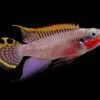
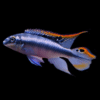
Welcome the stunning Nanochromis Transvestitus, an African Transvestite Dwarf Cichlid, to your aquarium. With vibrant colors and graceful movements, these peaceful companions add beauty to any setup. Ideal for community tanks, they thrive in proper care and enrich your aquatic display.
In stock
Species Introduction
The Nanochromis Transvestitus, commonly known as the African Transvestite Dwarf Cichlid, is a captivating addition to any freshwater aquarium. This species hails from the lush waters of Africa, primarily found in the Congo River Basin. These beautiful fish are part of the Cichlidae family and are recognized for their vibrant colors and unique behaviors. The males often display a striking array of hues, especially during mating rituals, while females tend to exhibit more subdued colors. This species thrives in densely vegetated habitats, which provide both shelter and breeding grounds. As a monogamous fish, the Nanochromis Transvestitus forms strong pair bonds, making them a fascinating choice for aquarists interested in breeding and observing natural behaviors.
Care Requirements Dashboard
✓ Care Level: Moderate
Tank Size: Minimum 20 gallons
Water Temperature: 75-82°F (24-28°C)
pH Level: 6.5-7.5
Hardness: 5-15 dGH
Essential Care Guide for Your Nanochromis Transvestitus
To successfully care for the Nanochromis Transvestitus, a well-maintained aquarium environment is essential. A minimum tank size of 20 gallons is recommended to provide ample space for swimming and territorial behaviors. The water temperature should be kept within the range of 75-82°F (24-28°C), with a pH level between 6.5 and 7.5 to mimic their natural habitat. Regular water changes and monitoring of water quality are vital to ensure the health and well-being of these fish. Additionally, a hardness level of 5-15 dGH is ideal for maintaining their overall health.
Natural Behavior & Temperament
The Nanochromis Transvestitus exhibits a range of interesting behaviors that make them a joy to observe. They are known for their peaceful temperament, especially when kept in a suitable community tank with compatible species. These fish tend to establish territories within the aquarium, and males can be particularly protective during breeding. They are active swimmers and enjoy exploring their environment, often darting in and out of hiding spots created by plants and decorations. Their social structure is fascinating, as they form strong pair bonds, which can lead to unique interactions during courtship and spawning. Understanding their natural behavior is crucial for providing the best care and environment for these beautiful aquatic companions.
Tank Setup Guide
Setting up an ideal environment for the Nanochromis Transvestitus involves creating a biotope that mimics their natural habitat. Start with a substrate of fine gravel or sand, which allows for easy digging and nesting. Incorporate plenty of live plants, such as Java fern and Anubias, to provide hiding spots and create a sense of security. Additionally, adding driftwood and rocks can enhance the aesthetic appeal while offering additional territories for these fish. Ensure that the tank is well-planted to encourage natural behaviors and reduce stress. Lighting should be moderate, as these fish prefer slightly dimmer conditions that replicate their natural environment. Regular maintenance, including pruning plants and cleaning the substrate, will help maintain a healthy ecosystem for your aquatic friends.
Water Quality Management
✓ Good Water Quality: Essential for Health
pH: 6.5-7.5
Temperature: 75-82°F (24-28°C)
Hardness: 5-15 dGH
Maintaining optimal water quality is crucial for the health and longevity of the Nanochromis Transvestitus. Regular testing of pH, temperature, and hardness levels should be conducted to ensure they remain within the recommended ranges. Water changes should be performed weekly, replacing 10-15% of the tank water to remove toxins and replenish essential minerals. Use a reliable water conditioner to eliminate harmful chemicals and chlorine. Additionally, consider investing in a high-quality filtration system to maintain clean and clear water. Monitoring ammonia and nitrite levels is essential, as these can be detrimental to fish health. Keeping a stable environment will significantly contribute to the well-being of your fish friends.
Feeding & Nutrition
✓ Balanced Diet: Key to Health
Diet: High-quality flakes, pellets, and live foods
Feeding Frequency: 2-3 times daily
The dietary needs of the Nanochromis Transvestitus are diverse, requiring a balanced diet to thrive. High-quality flakes and pellets specifically designed for cichlids should form the base of their diet. Supplementing with live or frozen foods, such as brine shrimp, daphnia, and bloodworms, will enhance their coloration and overall health. Feeding should occur 2-3 times daily, with portions that can be consumed within a few minutes to prevent overfeeding. It’s essential to observe their feeding habits and adjust accordingly, ensuring that all fish receive adequate nutrition. A well-fed fish is a happy fish, contributing to a vibrant and lively aquarium.
Compatibility Guide
✓ Peaceful Community Fish
Compatible Tank Mates: Tetras, Rasboras, Corydoras
Avoid: Aggressive species like larger Cichlids
The Nanochromis Transvestitus is generally a peaceful species, making them suitable for community tanks. Ideal tank mates include small to medium-sized fish such as tetras, rasboras, and corydoras, which can coexist harmoniously. It’s important to avoid aggressive species, particularly larger cichlids, as they may pose a threat to the Nanochromis and disrupt the peaceful environment. When introducing new tank mates, monitor interactions closely to ensure compatibility and reduce stress among the fish. Creating a balanced community will enhance the overall health and happiness of your aquarium.
Health & Wellness
✓ Regular Monitoring: Key to Preventing Illness
Common Issues: Ich, fin rot, and stress-related diseases
Signs of Health: Active swimming, bright colors, clear eyes
Monitoring the health of your Nanochromis Transvestitus is essential for preventing common issues. Some of the most prevalent health concerns include ich, fin rot, and stress-related diseases. Signs of a healthy fish include active swimming, bright coloration, and clear, bright eyes. If any abnormalities are observed, such as lethargy, discoloration, or unusual swimming patterns, immediate action should be taken. Quarantining affected fish and consulting with an aquatic veterinarian can help address health issues promptly. Regular water changes and maintaining optimal water quality will significantly reduce stress and promote overall health.
Breeding Information
Breeding the Nanochromis Transvestitus can be a rewarding experience for aquarists. These fish are known for their monogamous nature, often forming strong pair bonds. To encourage breeding, provide a separate breeding tank with suitable hiding spots and a fine substrate for spawning. The female will lay eggs on flat surfaces, and the male will fertilize them. After spawning, the parents will guard the eggs and fry, showcasing their protective behavior. It is crucial to provide proper care for the fry, including infusoria or finely crushed flakes as initial food sources. Monitoring water quality during this period is vital to ensure the health and growth of the young fish.
Acclimation Process
When introducing the Nanochromis Transvestitus to a new aquarium, proper acclimation is essential to minimize stress and ensure a smooth transition. Begin by floating the sealed bag containing the fish in the aquarium for about 15-20 minutes, allowing the temperature to equalize. After this, gradually introduce small amounts of aquarium water into the bag every 5-10 minutes for about an hour. This process helps the fish adjust to the new water parameters. Finally, gently release the fish into the aquarium using a net to avoid introducing excess bag water. Monitoring their behavior for the first few days will help ensure they settle in comfortably.
Long-term Care
Caring for the Nanochromis Transvestitus over the long term requires attention to their needs as they grow and mature. These fish typically reach a maximum length of around 3-4 inches, and their care requirements may evolve as they age. Regular monitoring of their health, water quality, and dietary needs is essential. As they mature, consider adjusting tank mates to ensure compatibility and reduce stress. Providing enrichment through plants and decorations will help maintain their natural behaviors and promote a healthy environment. A well-maintained aquarium will not only enhance the beauty of your fish but also contribute to their longevity.
Natural Habitat Recreation
Creating a biotope that closely resembles the natural habitat of the Nanochromis Transvestitus is beneficial for their well-being. In the wild, they inhabit densely vegetated areas with plenty of hiding spots and structures. To recreate this environment, use a substrate of fine sand or gravel and add a variety of live plants, such as Vallisneria and Cryptocoryne. Incorporating driftwood and rocks will provide additional shelter and mimic the natural landscape. Ensure that the tank is well-planted and has areas of open swimming space to accommodate their natural behavior. This setup will not only enhance the aesthetic appeal of your aquarium but also promote the health and happiness of your aquatic companions.
Seasonal Care Adjustments
As seasons change, so do the environmental conditions in your aquarium. During warmer months, monitor the water temperature closely, as it may rise above the optimal range for the Nanochromis Transvestitus. If necessary, use a fan or aquarium chiller to maintain a stable temperature. In winter, ensure that the water temperature remains consistent and avoid placing the tank near drafts or heating vents. Adjusting lighting duration may also be beneficial, as natural light cycles change. Regularly checking water parameters throughout the year will help ensure a stable and healthy environment for your fish friends.
Expert Tips
For those looking to provide the best care for their Nanochromis Transvestitus, consider the following expert tips. First, invest in a high-quality filtration system to maintain excellent water quality. Regularly clean the tank and perform water changes to keep the environment stable. Additionally, provide a varied diet to enhance their coloration and health. Observing their behavior will help you understand their needs and preferences, allowing for better care. Lastly, engage with fellow aquarists in forums or local clubs to share experiences and tips on keeping these beautiful fish.
Troubleshooting
Common issues with the Nanochromis Transvestitus may arise, and being prepared can help you address them effectively. If you notice signs of stress, such as hiding or loss of appetite, check water parameters immediately. Ensure that the tank is not overcrowded and that compatible tank mates are present. If health issues arise, such as fin rot or ich, consider isolating affected fish and treating them in a separate quarantine tank. Regular maintenance and monitoring will significantly reduce the likelihood of problems, ensuring a healthy and thriving aquarium.
Scientific Background
The Nanochromis Transvestitus belongs to the Cichlidae family, which encompasses a diverse range of species known for their complex behaviors and vibrant colors. Research on this species is ongoing, with studies focusing on their social structures, breeding habits, and ecological roles within their natural habitats. Understanding the scientific background of the Nanochromis Transvestitus can provide valuable insights into their care and conservation. As more information becomes available, aquarists can better appreciate the importance of preserving these stunning fish and their environments.
Advanced Care Techniques
For experienced aquarists looking to take their care of the Nanochromis Transvestitus to the next level, consider implementing advanced techniques. One approach is to create a species-specific breeding setup, which can enhance the chances of successful spawning. Additionally, experimenting with different plant species and tank layouts can stimulate natural behaviors and reduce stress. Regularly participating in aquatic workshops or seminars can also provide new insights and techniques for optimal care. By continuously learning and adapting your methods, you can ensure the health and happiness of your aquatic companions for years to come.
Frequently Asked Questions
Q: What tank size is required for the Nanochromis Transvestitus?
The Nanochromis Transvestitus, a stunning African dwarf cichlid, thrives in a tank of at least 60 litres (15 gallons). This size provides ample space for swimming and establishes territories, which is essential for their behaviour. A tank larger than this is preferable, particularly if you plan to keep multiple specimens, as they can be territorial. A well-planted aquarium with hiding spots will help reduce stress and encourage natural behaviours. Ensure the tank is properly cycled before introducing these fish to maintain a stable environment.
✓ Expert Tip
Consider using a black or dark substrate, which can enhance the colours and natural behaviours of these fish.
Q: What water parameters do Nanochromis Transvestitus require?
For optimal health, Nanochromis Transvestitus requires soft, slightly acidic to neutral water. Aim for a pH level between 6.5 and 7.5, and maintain hardness between 5-15 dGH. The temperature should ideally be kept between 24°C to 28°C (75°F to 82°F). Regular water changes of around 20% weekly will help maintain these parameters, contributing to a healthier environment. It’s crucial to monitor these conditions regularly, especially if you notice any changes in behaviour or health.
✓ Expert Tip
Utilise a reliable water testing kit to keep track of parameters and ensure a stable environment for your aquatic companions.
Q: How often should I feed Nanochromis Transvestitus?
Feed your Nanochromis Transvestitus a varied diet to ensure they receive all essential nutrients. A combination of high-quality pellets, frozen or live foods such as brine shrimp or daphnia, is recommended. Feed them once or twice daily, offering only what they can consume in a few minutes to prevent overfeeding and maintain water quality. Observing their feeding behaviour can help you assess their health; a keen appetite is often a good sign.
✓ Expert Tip
Consider rotating food types to enhance colouration and health; this can also help prevent dietary deficiencies.
Q: What are the best tank mates for Nanochromis Transvestitus?
Choosing suitable tank mates for Nanochromis Transvestitus is essential to avoid aggression and stress. Ideal companions include small, peaceful fish such as tetras, rasboras, and other dwarf cichlids. Avoid larger or more aggressive species that may intimidate these fish. Additionally, ensure that your tank is spacious and well-planted to provide hiding spots and territories, which can help reduce conflicts. Monitoring interactions is vital, particularly during the initial introduction phase.
✓ Expert Tip
Introduce new fish gradually and observe for any signs of aggression or stress, adjusting as necessary.
Q: How do I properly acclimatise Nanochromis Transvestitus to my aquarium?
Acclimatising your Nanochromis Transvestitus is crucial to reduce stress and ensure a smooth transition to their new environment. Begin by floating the sealed bag in the tank for about 15-20 minutes to equalise temperatures. Then, gradually introduce small amounts of tank water into the bag over the next hour. After this, gently release the fish into the aquarium, avoiding adding bag water. This process helps the fish adjust to the water chemistry and temperature of their new home.
✓ Expert Tip
Minimise stress by ensuring the tank is well-prepared with stable parameters before introducing your new fish friends.
Q: What are the signs of healthy Nanochromis Transvestitus?
Healthy Nanochromis Transvestitus exhibit vibrant colours, clear eyes, and active behaviour. They should swim confidently and interact with their surroundings. Look for signs of stress, such as hiding excessively or erratic swimming patterns, which may indicate poor water quality or compatibility issues. Regularly monitoring their feeding habits and faecal output can also provide insights into their health. A healthy fish will have a robust appetite, and their faeces should appear normal, not stringy or discoloured.
✓ Expert Tip
Regular health checks and maintaining excellent water conditions are key to ensuring the well-being of your fish.
Q: How do I successfully breed Nanochromis Transvestitus?
Breeding Nanochromis Transvestitus requires specific conditions. Start with a well-established pair in a breeding tank of at least 60 litres, with plenty of hiding spots and a sandy substrate. Maintain stable water parameters similar to their natural habitat, with a temperature around 26°C to 28°C (79°F to 82°F). Provide high-quality food to encourage breeding. Once breeding occurs, the female will lay eggs on flat surfaces, which she will guard diligently. After hatching, the fry can be fed infusoria or finely crushed flakes until they are large enough for powdered foods.
✓ Expert Tip
Breeding can be a rewarding experience; ensure you have a plan for rehoming fry, as they can quickly multiply.
Q: What type of substrate is most suitable for Nanochromis Transvestitus?
Nanochromis Transvestitus prefers a fine, sandy substrate that mimics their natural habitat in African rivers. This type of substrate allows them to dig and create hiding spots, which is essential for their behaviour and comfort. Avoid sharp or coarse substrates, as they can injure the fish’s delicate fins and bodies. A layer of around 2-5 cm is ideal, providing enough depth for them to exhibit natural behaviours without posing a threat to their well-being.
✓ Expert Tip
Consider adding smooth stones and driftwood to enhance the aesthetic and provide additional hiding spots.
Q: What behavioural patterns should I expect from Nanochromis Transvestitus?
Nanochromis Transvestitus is known for its intriguing behaviours. They are relatively peaceful yet can be territorial, especially during breeding. Males may display vibrant colours and engage in elaborate courtship rituals, while females will guard their nests. Observing them can be quite rewarding as they interact with their environment and establish hierarchies within the tank. They enjoy hiding and exploring their surroundings, so providing plenty of cover will encourage natural behaviours.
✓ Expert Tip
Provide a well-planted tank with caves and hiding spots to foster natural behaviours and reduce stress.
Q: How can I prevent common diseases in Nanochromis Transvestitus?
Preventing diseases in Nanochromis Transvestitus involves maintaining excellent water quality and a stress-free environment. Regular water changes, proper filtration, and monitoring water parameters are crucial. Quarantine new fish before introducing them to your main tank to avoid introducing pathogens. Additionally, providing a varied diet and ensuring a well-planted tank can enhance their immune systems. Observing fish for any signs of illness, such as lethargy or abnormal behaviour, allows for early intervention.
✓ Expert Tip
Consider adding aquarium salt in moderation to enhance gill function and reduce stress during treatment.
Q: What lighting conditions do Nanochromis Transvestitus prefer?
Nanochromis Transvestitus prefers subdued lighting that mimics their natural habitat. Bright lights can cause stress, so using a dimmable LED or fluorescent fixture is advisable. Incorporating floating plants or surface cover can help diffuse light and create shaded areas. A lighting schedule of 10-12 hours per day is optimal, promoting healthy plant growth while allowing the fish to exhibit natural behaviours without excessive stress from bright conditions.
✓ Expert Tip
Adjust lighting gradually to avoid shocking your fish; this helps them acclimatise to their environment.
Q: How do I recognise stress in Nanochromis Transvestitus?
Recognising stress in Nanochromis Transvestitus is crucial for their welfare. Signs include excessive hiding, erratic swimming, and loss of colour vibrancy. Additionally, a lack of appetite or aggression towards tank mates can indicate stress. Environmental factors, such as poor water quality or inappropriate tank mates, can contribute to these behaviours. Regular observation of your fish will help you spot these signs early, allowing for timely adjustments to their environment.
✓ Expert Tip
Introduce any changes gradually and monitor your fish closely during this time to prevent unnecessary stress.
Q: What natural habitat conditions should I replicate for Nanochromis Transvestitus?
To provide a suitable environment for Nanochromis Transvestitus, replicate their natural habitat found in the rivers of Africa. This includes soft, slightly acidic water with plenty of hiding spots among rocks and plants. Incorporating driftwood and smooth stones can mimic their environment and provide shelter. Additionally, maintaining a stable temperature and good water quality is vital for their health and well-being. Regular water changes and monitoring parameters will help create a thriving environment.
✓ Expert Tip
Research their specific habitat requirements to ensure you create the most suitable environment for your aquatic companions.
1 review for African Transvestite Dwarf Cichlid – Nanochromis Transvestitus
Add a review
Related products




Jessica Miller (verified owner) –
I recently added the Nanochromis Transvestitus to my aquarium, and I can’t express how thrilled I am! These stunning fish have an incredible personality and vibrant colors that really pop against the tank’s backdrop. After about two months of observing their behavior, I’ve seen them flourish and truly thrive in my 30-gallon setup. They’re such engaging little creatures, interacting with each other and even posing for the occasional photo!
Compared to my previous experience with Pelvicachromis Kribensis, the Transvestitus are much more active and social, which adds a dynamic feel to my aquarium. I appreciate their size; they only grow to about 3 inches, making them perfect for smaller tanks without overcrowding. While they can be territorial during breeding, I’ve managed my aquarium conditions to keep everyone peaceful.
If you’re looking for tropical fish that not only enhance the beauty of your tank but also have charming personalities, I highly recommend the Nanochromis Transvestitus. Just ensure you give them plenty of hiding spots and space to explore. I can’t wait to see how their colors develop even further as they mature!