
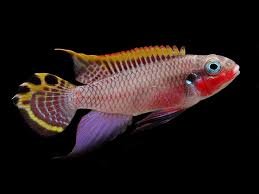
Nigerian Red Kribensis – Pelvicachromis Taeniatus – African Cichlid
Original price was: £13.99.£11.61Current price is: £11.61.
Welcome these beautiful Pelvicachromis Taeniatus «Nigerian Red»—a stunning Striped Kribensis that brings vibrant hues to your aquarium. Ideal for community setups, this peaceful African Cichlid thrives in well-maintained conditions, making it a favorite among aquarists.
In stock


Species Introduction
The Pelvicachromis Taeniatus, commonly known as the Striped Kribensis or Nigerian Red, is a captivating species of African cichlid that hails from the lush waters of West Africa. This species is renowned for its vibrant colors and intricate patterns, which make it a popular choice among aquarium enthusiasts. In its natural habitat, the Striped Kribensis can be found in slow-moving rivers, swamps, and floodplains, where it thrives in dense vegetation and sandy substrates. The Striped Kribensis is a relatively small cichlid, typically reaching a maximum length of about 10 cm (4 inches), making it suitable for a variety of aquarium sizes. Its striking appearance, characterized by bright red and blue hues, along with its peaceful temperament, makes it an ideal choice for community tanks. As a monogamous fish, the Striped Kribensis forms strong pair bonds, which adds a layer of intrigue to their behavior in a well-maintained aquarium setting.
Care Requirements Dashboard
✓ Care Level: Easy
Tank Size: Minimum 75 liters (20 gallons)
Water Temperature: 24-28°C (75-82°F)
pH Level: 6.5-7.5
Hardness: 5-15 dGH
Natural Behavior & Temperament
The Striped Kribensis exhibits fascinating behavior that is both entertaining and educational for aquarists. These fish are known for their territorial nature, particularly during breeding season, when they become more protective of their chosen nesting sites. In a community tank, they are generally peaceful and can coexist with other species, provided that the tank mates are not overly aggressive. Their swimming patterns are characterized by gentle gliding movements, often seen exploring their environment or darting into hiding spots when startled. This species is also known for its monogamous pairing, where a male and female will work together to care for their eggs and fry, showcasing a remarkable aspect of cichlid behavior. Observing their interactions can provide insight into their social structure and breeding practices, making them a delightful addition to any aquarium.
Tank Setup Guide
Creating an ideal environment for your Pelvicachromis Taeniatus is essential for their health and well-being. A well-planted aquarium with plenty of hiding spots will mimic their natural habitat and help reduce stress. Use a sandy substrate to allow them to dig and create their own territories. Incorporating driftwood, rocks, and dense aquatic plants will not only enhance the aesthetic appeal of the tank but also provide essential cover for these shy fish. A minimum tank size of 75 liters (20 gallons) is recommended to give them ample space to swim and establish territories. Ensure that the tank has a gentle filtration system to maintain water quality without creating strong currents, as these fish prefer calm waters. Regular water changes and monitoring of water parameters will contribute to a healthy and thriving aquarium.
Water Quality Management
Maintaining optimal water quality is crucial for the health of your Striped Kribensis. The ideal pH level for these fish ranges between 6.5 to 7.5, which closely resembles their natural habitat. Regular testing of water parameters, including pH, temperature, and hardness, is necessary to ensure a stable environment. The recommended water temperature is between 24-28°C (75-82°F), which can be maintained using a reliable aquarium heater. Additionally, the hardness should be kept within the range of 5-15 dGH to prevent stress and promote overall health. To keep the water clean, perform regular water changes of 10-20% weekly, and ensure the filtration system is functioning properly. Monitoring ammonia and nitrite levels is essential, as any spikes can be harmful to your aquatic companions. By prioritizing water quality management, you can create a thriving environment for your Striped Kribensis.
Feeding & Nutrition
Feeding your Pelvicachromis Taeniatus a balanced diet is vital for their health and vibrant coloration. In the wild, these fish are omnivorous, feeding on a variety of small invertebrates, plant matter, and detritus. In captivity, a high-quality diet should consist of a mix of flake food, pellets, and frozen or live foods such as brine shrimp, daphnia, and bloodworms. It is recommended to feed them small amounts 2-3 times a day, ensuring that all food is consumed within a few minutes to prevent water quality issues. Additionally, incorporating vegetable matter, such as spirulina or blanched vegetables, can provide essential nutrients and promote digestive health. Observing their feeding behavior can also help you gauge their preferences and adjust their diet accordingly. By providing a varied diet, you can enhance their colors and overall vitality.
Compatibility Guide
When considering tank mates for your Striped Kribensis, it is essential to choose species that share similar water parameters and temperament. These fish are generally peaceful, making them suitable for community tanks with other non-aggressive species. Ideal tank mates include smaller tetras, rasboras, and other dwarf cichlids. However, it is important to avoid larger or overly aggressive fish that may bully or stress the Kribensis. Additionally, providing ample hiding spots and territories will help reduce aggression and promote harmony within the tank. If you plan to breed your Kribensis, it is advisable to separate them from other fish during this time to prevent disturbances. By carefully selecting compatible species, you can create a thriving community aquarium that showcases the beauty of your Pelvicachromis Taeniatus.
Health & Wellness
Monitoring the health of your Striped Kribensis is crucial for ensuring their longevity and well-being. Common health issues include ich, fin rot, and swim bladder disease, which can arise from poor water quality or stress. Regularly observing your fish for any signs of illness, such as changes in behavior, appetite, or physical appearance, is essential for early detection and treatment. Maintaining optimal water quality, providing a balanced diet, and minimizing stressors in the aquarium will significantly reduce the risk of health issues. If you notice any signs of illness, it is important to take immediate action, such as isolating affected fish and treating the tank with appropriate medications. By prioritizing health and wellness, you can enjoy the vibrant beauty of your Pelvicachromis Taeniatus for years to come.
Breeding Information
Breeding Pelvicachromis Taeniatus can be a rewarding experience for aquarists. These fish are known for their monogamous breeding habits, forming strong pair bonds that enhance their nurturing behavior. To encourage breeding, provide a separate breeding tank with a sandy substrate and hiding spots, such as caves or flower pots. The female will lay eggs on a flat surface, and both parents will take turns guarding the eggs and caring for the fry once they hatch. It is important to maintain optimal water conditions during this time, as stress can lead to egg abandonment. After about 3-4 days, the fry will become free-swimming and can be fed infusoria or finely crushed flakes. As they grow, gradually introduce them to larger foods. By creating a safe and nurturing environment, you can successfully breed your Striped Kribensis and witness the joy of new life in your aquarium.
Acclimation Process
When introducing your Pelvicachromis Taeniatus to a new aquarium, it is crucial to acclimate them properly to minimize stress and ensure a smooth transition. Begin by floating the sealed bag containing the fish in the aquarium for about 15-20 minutes to equalize the temperature. After this, gradually introduce small amounts of aquarium water into the bag every 5-10 minutes for about an hour. This process helps the fish adjust to the new water chemistry. Once acclimated, gently release the fish into the aquarium using a net to avoid adding any transport water that may contain harmful substances. It is advisable to monitor your fish closely for the first few days after introduction to ensure they are adapting well to their new environment. By following a careful acclimation process, you can help your Striped Kribensis thrive in their new home.
Long-term Care
Caring for your Pelvicachromis Taeniatus involves understanding their long-term needs and ensuring they receive the best possible care throughout their lifespan. These fish can live up to 5-7 years in a well-maintained aquarium, making it essential to provide a stable environment. Regular maintenance, including water changes and monitoring water parameters, is crucial for their health. Additionally, adjusting their diet to include a variety of foods will help maintain their vibrant colors and overall vitality. As they age, you may need to adjust tank conditions, such as temperature and lighting, to accommodate their changing needs. By committing to long-term care, you can enjoy the beauty and companionship of your Striped Kribensis for many years.
Natural Habitat Recreation
Recreating the natural habitat of the Pelvicachromis Taeniatus in your aquarium can significantly enhance their well-being and reduce stress. In the wild, these fish inhabit slow-moving waters with plenty of vegetation and hiding spots. To mimic this environment, incorporate live plants, such as Java fern or Anubias, along with rocks and driftwood to create a natural-looking landscape. A sandy substrate allows them to dig and establish territories, which is a natural behavior for these fish. Additionally, providing areas of shade and open swimming space will help them feel secure while allowing for natural swimming patterns. By thoughtfully designing your aquarium to reflect their natural habitat, you can create a thriving environment for your Striped Kribensis.
Seasonal Care Adjustments
Seasonal changes can impact the care requirements of your Pelvicachromis Taeniatus. During warmer months, it is essential to monitor the water temperature closely, as higher temperatures can lead to stress and health issues. Ensure that the water temperature remains within the recommended range of 24-28°C (75-82°F) by using a reliable heater and thermometer. In colder months, consider using a heater to maintain a stable temperature, as fluctuations can be detrimental to their health. Additionally, adjust the lighting duration to simulate natural day-night cycles, which can help regulate their behavior and breeding patterns. By being mindful of seasonal changes and making necessary adjustments, you can provide optimal care for your Striped Kribensis throughout the year.
Expert Tips
As an aquarist, there are several expert tips that can help you successfully care for your Pelvicachromis Taeniatus. First, consider keeping a pair of Kribensis, as they thrive in monogamous relationships and will exhibit more natural behaviors when paired. Second, provide plenty of hiding spots and territories to minimize aggression and stress, especially during breeding. Additionally, regularly observe your fish for any signs of illness or stress, as early detection is key to successful treatment. Lastly, engage with your fish by observing their behavior and interactions, as this can enhance your appreciation for their beauty and complexity. By following these expert tips, you can create a harmonious and thriving environment for your Striped Kribensis.
Troubleshooting
Despite your best efforts, you may encounter challenges while caring for your Pelvicachromis Taeniatus. Common issues include aggression, poor water quality, and health problems. If you notice aggressive behavior, consider adding more hiding spots or rearranging the tank to break up sight lines. For water quality issues, regularly test and adjust parameters as needed, and perform water changes to maintain a healthy environment. If your fish show signs of illness, such as lethargy or loss of appetite, isolate them and consult with a veterinarian or aquatic specialist for appropriate treatment. By being proactive and addressing issues promptly, you can ensure the health and happiness of your Striped Kribensis.
Scientific Background
The Pelvicachromis Taeniatus belongs to the Cichlidae family, which is known for its diverse range of species and complex behaviors. This species is particularly notable for its striking coloration and unique breeding habits. Research on the Pelvicachromis genus has revealed insights into their social structures, territorial behaviors, and reproductive strategies. Conservation efforts are essential to protect their natural habitats, as many freshwater ecosystems face threats from pollution and habitat destruction. By understanding the scientific background of your Striped Kribensis, you can appreciate their role in the aquatic ecosystem and the importance of responsible fishkeeping practices.
Advanced Care Techniques
For experienced aquarists looking to take their care of Pelvicachromis Taeniatus to the next level, consider implementing advanced care techniques. These may include breeding programs that focus on genetic diversity and health, as well as specialized feeding regimens that enhance coloration and vitality. Additionally, consider experimenting with different aquascaping styles to create dynamic environments that stimulate natural behaviors. Regularly engaging with your fish and observing their interactions can provide valuable insights into their needs and preferences. By applying advanced care techniques, you can foster a thriving community of Striped Kribensis that showcases their beauty and complexity.
Frequently Asked Questions
Q: What tank size is required for Pelvicachromis Taeniatus «Nigerian Red»?
For Pelvicachromis Taeniatus «Nigerian Red», a minimum tank size of 80 litres is recommended. This allows ample space for swimming, hiding, and establishing territories, which is crucial for their comfort and well-being. A larger tank can accommodate additional tank mates and provide more stable water parameters. Aquatic companions thrive in a well-planted aquarium with plenty of hiding spots, such as caves and driftwood, to mimic their natural habitat. This not only enhances their behaviour but also reduces stress levels, promoting a healthier environment.
✓ Expert Tip
Consider adding a filter to maintain water quality, as these fish are sensitive to poor conditions.
Q: What water parameters do Pelvicachromis Taeniatus require?
Pelvicachromis Taeniatus «Nigerian Red» prefers slightly acidic to neutral water, with a pH range of 6.0 to 7.5. The ideal temperature should be maintained between 24°C to 28°C. Regular water changes are essential to keep parameters stable, as they thrive in clean environments. Conducting routine tests for ammonia, nitrite, and nitrate levels will help ensure a healthy habitat. Additionally, maintaining a hardness level of 5-15 dGH is beneficial for their overall health. Consistency in these parameters is vital for their well-being and longevity.
✓ Expert Tip
Invest in a reliable water testing kit to monitor your aquarium’s conditions regularly.
Q: How often should I feed Pelvicachromis Taeniatus?
Feeding Pelvicachromis Taeniatus should be done twice a day with a varied diet to ensure balanced nutrition. High-quality pellets, flakes, and frozen or live foods like brine shrimp or bloodworms are excellent choices. The key is to provide small amounts that can be consumed within a few minutes to prevent overfeeding, which can lead to poor water quality. Observing their feeding behaviour will help you gauge their appetite and adjust portions accordingly. A varied diet will also enhance their colouration and overall health.
✓ Expert Tip
Consider rotating different food types weekly to provide comprehensive nutrition.
Q: What are the best tank mates for Pelvicachromis Taeniatus?
Pelvicachromis Taeniatus is generally peaceful but can be territorial, especially during breeding. Suitable tank mates include smaller, non-aggressive fish such as tetras, rasboras, and some species of catfish. Avoid larger or overly aggressive species that may stress or harm them. It is crucial to provide ample hiding spots and territories to minimise confrontations. Keeping them in a species-specific breeding tank can also help reduce aggression and ensure successful breeding. Always monitor interactions and be prepared to separate fish if necessary.
✓ Expert Tip
Introduce new fish slowly to allow established tank mates to acclimatise and reduce stress.
Q: How do I properly acclimatise Pelvicachromis Taeniatus to my aquarium?
Acclimatising Pelvicachromis Taeniatus is crucial for their health. Start by floating the sealed bag in the aquarium for about 15-20 minutes to equalise the temperature. Next, gradually introduce small amounts of tank water into the bag every 5 minutes over the next hour. This process allows them to adjust to the water chemistry. After an hour, gently net the fish into the tank, discarding the bag water to avoid introducing contaminants. This method reduces stress and helps ensure a smooth transition into their new environment.
✓ Expert Tip
Always acclimatise new arrivals in low light conditions to minimise stress.
Q: What are the signs of a healthy Pelvicachromis Taeniatus?
Healthy Pelvicachromis Taeniatus exhibit vibrant colours, active swimming behaviour, and a good appetite. Their fins should be fully extended without tears or fraying, and they should show no signs of distress or lethargy. Regularly observing their behaviour can help you spot any changes that may indicate health issues. Healthy fish will also display a natural curiosity and explore their environment. Any signs of abnormal behaviour, such as hiding excessively or not eating, may indicate stress or illness, requiring immediate attention.
✓ Expert Tip
Keep a diary of your fish’s behaviour to help identify any changes over time.
Q: How do I successfully breed Pelvicachromis Taeniatus?
To breed Pelvicachromis Taeniatus, provide a separate breeding tank with ample hiding spots and suitable spawning sites, such as flat rocks or caves. Maintain optimal water conditions and a temperature of around 26°C. Introduce a compatible male and female, and they will often engage in courtship displays. Once spawning occurs, the female will guard the eggs, and the male will protect the territory. After hatching, the fry should be fed infusoria or finely crushed flakes. Regular water changes will help maintain a healthy environment for the fry.
✓ Expert Tip
Ensure that the breeding tank has minimal disturbances to encourage successful spawning.
Q: What temperature should I maintain for Pelvicachromis Taeniatus?
The ideal temperature range for Pelvicachromis Taeniatus is between 24°C to 28°C. Maintaining this temperature is essential for their metabolism, breeding, and overall health. Sudden temperature fluctuations can lead to stress and susceptibility to diseases. Using a reliable aquarium heater with a thermostat can help maintain consistent temperatures. Regularly monitor the water temperature with a thermometer to ensure it remains within the preferred range. This stability encourages natural behaviour and contributes to the longevity of these beautiful fish.
✓ Expert Tip
Consider using a heater with adjustable settings for precise temperature control.
Q: How long do Pelvicachromis Taeniatus typically live in captivity?
Pelvicachromis Taeniatus can live up to 5 years or more in a well-maintained aquarium. Factors such as water quality, diet, and tank conditions significantly impact their lifespan. Providing a stable environment with appropriate water parameters, regular feedings, and a stress-free atmosphere will enhance their longevity. Observing their behaviour and being proactive in disease prevention can also contribute to a longer life. Keeping a clean tank and performing regular maintenance will help ensure these beautiful fish remain healthy and vibrant.
✓ Expert Tip
Monitor their health closely, as early detection of issues can extend their lifespan.
Q: What type of substrate is most suitable for Pelvicachromis Taeniatus?
For Pelvicachromis Taeniatus, a fine sandy substrate is highly recommended. This mimics their natural habitat, allowing them to dig and explore, which is a natural behaviour for these fish. Sand is also gentle on their delicate fins and can help maintain water clarity by preventing debris buildup. Additionally, incorporating some smooth stones or slate can create hiding spots and breeding areas. Ensure the substrate is free of sharp edges to prevent injury. Regularly vacuuming the substrate will help keep the tank clean and maintain optimal water quality.
✓ Expert Tip
Consider layering substrate for aesthetic appeal and to create different zones within the tank.
Q: What behavioural patterns should I expect from Pelvicachromis Taeniatus?
Pelvicachromis Taeniatus exhibits a range of interesting behaviours. They are generally peaceful but can display territoriality, especially during breeding. Males may become more aggressive towards other males, showcasing vibrant colours and engaging in displays. They enjoy exploring their environment, often digging in the substrate to create hiding spots. These fish are also known for their social interactions, particularly during courtship, where they engage in elaborate dances. Observing these behaviours can provide insight into their health and well-being, allowing you to make necessary adjustments in their care.
✓ Expert Tip
Provide plenty of hiding spots to reduce stress and encourage natural behaviours.
Q: How can I prevent common diseases in Pelvicachromis Taeniatus?
Preventing diseases in Pelvicachromis Taeniatus begins with maintaining good water quality and stable environmental conditions. Regular water changes, proper filtration, and routine monitoring of parameters are vital. Quarantine new fish for at least two weeks before introducing them to the main tank to prevent disease transmission. Additionally, avoid overfeeding and ensure a balanced diet, as poor nutrition can weaken their immune system. Keeping an eye on their behaviour and appearance will help catch any potential issues early, allowing for prompt treatment if necessary.
✓ Expert Tip
Maintain a stress-free environment by avoiding sudden changes in the tank setup.
Q: What lighting conditions do Pelvicachromis Taeniatus prefer?
Pelvicachromis Taeniatus prefers moderate lighting, as they originate from densely vegetated areas in their natural habitat. A lighting setup that mimics natural daylight will help them feel secure. Using a combination of standard LED lights with floating plants can create shaded areas, providing them with a sense of security. Too much bright light can cause stress and encourage algae growth, so it’s essential to find a balance. A light cycle of around 10-12 hours a day is generally suitable, promoting natural behaviours and growth.
✓ Expert Tip
Adjust lighting intensity based on plant growth and fish behaviour for optimal results.
Q: How do I recognise stress in Pelvicachromis Taeniatus?
Recognising stress in Pelvicachromis Taeniatus is crucial for their well-being. Signs of stress include hiding excessively, reduced appetite, and abnormal swimming patterns, such as darting or remaining motionless. Changes in colouration, such as fading or darkening, can also indicate distress. Environmental factors, such as poor water quality or aggressive tank mates, can contribute to stress. Regular monitoring of their behaviour and environment will help you identify these signs early, allowing you to make necessary adjustments to create a more stable and comfortable habitat.
✓ Expert Tip
Provide a consistent environment to minimise stress and promote healthy behaviour.
Q: What natural habitat conditions should I replicate for Pelvicachromis Taeniatus?
To replicate the natural habitat of Pelvicachromis Taeniatus, aim for a soft, sandy substrate with plenty of hiding spots, such as caves and dense vegetation. Their natural environment consists of slow-moving waters with ample cover, so incorporating plants like Java fern and Anubias can create a suitable habitat. Maintaining slightly acidic to neutral pH levels and warm temperatures will also help mimic their conditions. Regular water changes are essential to keep the environment clean and healthy, reflecting the natural conditions they thrive in.
✓ Expert Tip
Consider adding driftwood to enhance the natural aesthetics and provide additional hiding spots.
1 review for Nigerian Red Kribensis – Pelvicachromis Taeniatus – African Cichlid
Add a review
Related products



Emily Carter (verified owner) –
I recently added the Pelvicachromis Taeniatus «Nigerian Red» to my aquarium, and I couldn’t be happier! After a couple of weeks, these beautiful striped Kribensis have really started to settle in and show their vibrant colors. Watching them explore their tank and interact with each other is absolutely enchanting. I initially worried about their compatibility with my other tropical fish, but they’ve proven to be quite peaceful.
One of the best features is their adaptability; they thrive in a variety of water conditions, which made it easy to introduce them to my setup without a hitch. Compared to other cichlids I’ve kept, these guys have a lovely temperament and are much less aggressive, making them perfect for a community tank.
The shipping was prompt, and they arrived healthy and active, which is always a major plus for me as a caring fish parent. My only tiny concern is that they were a bit shy at first, but that’s typical for new fish. Overall, I highly recommend these stunning aquarium fish to both beginners and seasoned aquarists alike. They are a true joy to watch and care for!