Albino Tiger Barb – Puntigrus Tetrazona – Cyprinid Fish

Original price was: £2.49.£1.94Current price is: £1.94.
Welcome these stunning Albino Tiger Barb Tetrazona live tropical fish into your aquarium! Their vibrant colors and graceful movements make them beautiful inhabitants. Ideal for community tanks, these peaceful companions thrive with proper aquarium care and filtration. Perfect for beginners!
In stock

Species Introduction
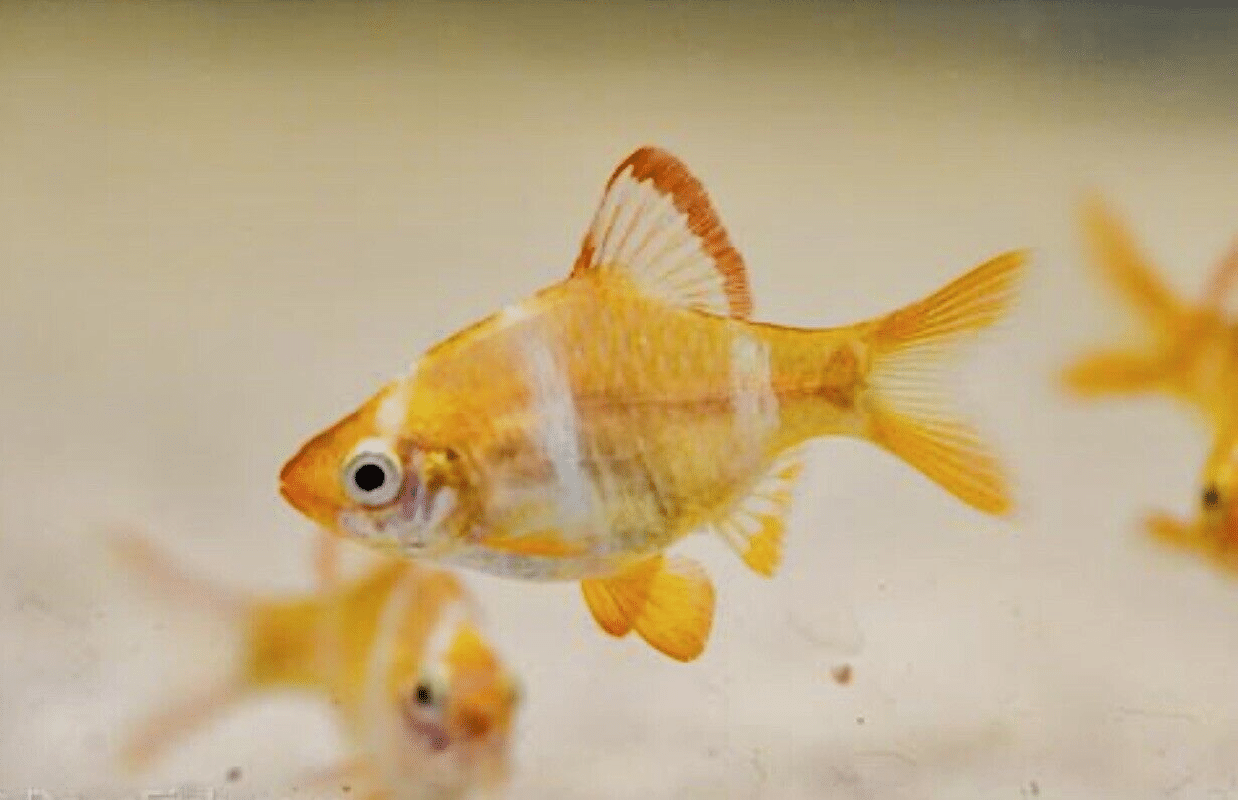
The Albino Tiger Barb, scientifically known as Puntius tetrazona, is a captivating freshwater fish belonging to the Cyprinidae family. Originating from the rivers and streams of Southeast Asia, particularly in regions such as Sumatra and Borneo, these fish thrive in warm, slow-moving waters surrounded by dense vegetation. The Albino Tiger Barb is a stunning variant of the traditional Tiger Barb, exhibiting a striking white body adorned with vibrant orange and black stripes. This unique coloration not only enhances their aesthetic appeal but also makes them a popular choice among aquarists. With a maximum length of about 5 cm, these fish are small yet lively, making them ideal for community tanks and beginner aquarists looking to add dynamic movement and color to their aquatic environments.
Care Requirements Dashboard
| Optimal Living Conditions | |
|---|---|
| Water Temperature | 24-27°C (75-81°F) |
| pH Level | 6.5-7.5 |
| Water Hardness | 4-12 dKH |
| Minimum Tank Size | 80L (20 gal) |
| Salinity | Freshwater |
| Care Level | Beginner Friendly |
✓ Care Level: Easy
Tank Size: Minimum 20 gallons
Water Parameters: pH 6.0 – 8.0, Temperature 22°C – 28°C, Hardness 5 – 15 dGH
To ensure the well-being of your Albino Tiger Barbs, it is essential to provide a suitable environment that mimics their natural habitat. A minimum tank size of 20 gallons is recommended, allowing ample swimming space for these active fish. The water parameters should be maintained within a pH range of 6.0 to 8.0, with a temperature between 22°C and 28°C. A hardness level between 5 and 15 dGH is ideal for promoting their health and vitality. Regular water changes and proper filtration are crucial to maintain optimal water quality, ensuring a thriving community tank.
Natural Behavior & Temperament
Albino Tiger Barbs are known for their active and playful nature, making them a delightful addition to any aquarium. These schooling fish exhibit fascinating swimming patterns, often darting around the tank in groups, which enhances their social behavior. They thrive in the company of their own kind and are best kept in schools of at least six individuals to promote their natural behavior. In a community tank, they can exhibit a mild temperament, but they may display territorial tendencies, especially during breeding. Observing their interactions can be a rewarding experience, as they engage in playful chases and establish hierarchies within their school.
Tank Setup Guide
Creating an ideal environment for your Albino Tiger Barbs involves careful consideration of tank setup. Begin by selecting a spacious aquarium with a minimum capacity of 20 gallons, as this will accommodate their active nature. The substrate can be a fine gravel or sand, allowing for easy movement and digging. Incorporate plenty of aquatic plants, such as Java Fern and Anubias, to provide hiding spots and create a natural feel. Additionally, include driftwood or rocks to enhance the aesthetics of the tank while offering territories for the fish. Ensure that the tank is well-filtered to maintain water clarity and quality, as these fish thrive in clean environments.
Water Quality Management
⚠ Important Water Parameter Notice
pH: 6.0 – 8.0, Temperature: 22°C – 28°C, Hardness: 5 – 15 dGH
Maintaining optimal water quality is essential for the health and longevity of your Albino Tiger Barbs. Regular testing of water parameters is crucial to ensure they remain within the recommended ranges. A pH level between 6.0 and 8.0 is ideal, and temperatures should be kept between 22°C and 28°C. The hardness of the water should be maintained between 5 and 15 dGH. Implementing a reliable filtration system will help in managing waste and maintaining water clarity. Regular water changes, ideally 25% weekly, will further enhance the living conditions for your aquatic companions.
Feeding & Nutrition
Albino Tiger Barbs are omnivorous fish, which means they thrive on a varied diet that includes both plant-based and protein-rich foods. A balanced diet is essential for their health and vibrant coloration. High-quality flake foods, pellets, and frozen or live foods such as brine shrimp and bloodworms can be offered to meet their nutritional needs. It is advisable to feed them small amounts two to three times a day, ensuring that all food is consumed within a few minutes to prevent water quality issues. A varied diet will not only enhance their health but also promote their natural behaviors, making feeding time an engaging experience for both the fish and the aquarist.
Compatibility Guide
✓ Suitable Tank Mates: Tetras, Rasboras, Danios
✓ Avoid: Slow-moving fish, long-finned species
When choosing tank mates for your Albino Tiger Barbs, it is essential to consider their active and sometimes boisterous nature. They are best kept with other active fish that can hold their own, such as Tetras, Rasboras, and Danios. However, caution should be exercised with slower-moving species or those with long fins, as the Tiger Barbs may nip at their fins out of curiosity or playfulness. Providing a well-planted tank with plenty of hiding spots can help reduce aggression and promote a peaceful community environment.
Health & Wellness
Maintaining the health and wellness of your Albino Tiger Barbs requires vigilance and proactive care. Common health issues include fin rot, ich, and swim bladder disease. Regularly observing your fish for any signs of distress, such as changes in behavior, appetite, or physical appearance, is crucial. Preventative measures, such as ensuring optimal water quality, maintaining a clean tank, and providing a balanced diet, will significantly reduce the risk of health problems. If any health issues arise, prompt treatment is essential to ensure the well-being of your aquatic companions.
Breeding Information
Breeding Albino Tiger Barbs can be a rewarding experience for aquarists. To successfully breed these fish, it is recommended to set up a separate breeding tank with a spawning mop or fine-leaved plants to provide suitable surfaces for egg laying. The water should be slightly acidic, with a temperature of around 26°C. Once the breeding pair is introduced, they will engage in courtship behaviors, which may include chasing and displaying. After spawning, the adults should be removed to prevent them from eating the eggs. The eggs will typically hatch within 24 to 36 hours, and the fry can be fed infusoria or finely crushed flake food until they are large enough to consume larger foods.
Acclimation Process
Acclimating your Albino Tiger Barbs to a new environment is crucial for their health and well-being. Upon introducing them to your aquarium, it is important to acclimatize them gradually to prevent shock. Begin by floating the sealed bag containing the fish in the tank for about 15-20 minutes to equalize the temperature. After this, slowly add small amounts of tank water to the bag over the course of an hour. This process allows the fish to adjust to the water parameters of their new home. Once acclimated, gently release the fish into the tank, avoiding adding any of the bag water to the aquarium.
Long-term Care
The long-term care of your Albino Tiger Barbs involves regular monitoring and maintenance to ensure they thrive throughout their lifespan, which can range from 5 to 7 years with proper care. Regular water changes, tank cleaning, and consistent feeding schedules are essential practices for maintaining a healthy environment. Additionally, keeping an eye on their behavior and health will help identify any potential issues early on. Providing a varied diet and ensuring they are housed in appropriate tank conditions will contribute to their longevity and overall well-being.
Natural Habitat Recreation
To create a natural habitat for your Albino Tiger Barbs, consider replicating the lush environments found in their native Southeast Asian waters. Incorporate dense vegetation, such as floating plants and rooted species, to provide cover and mimic their natural surroundings. The use of driftwood and rocks can also enhance the aesthetic appeal while serving as hiding spots and territories. Maintaining a gentle water flow with a good filtration system will help replicate their natural habitat, ensuring the fish feel secure and comfortable in their environment.
Seasonal Care Adjustments
Seasonal changes can impact the care requirements for your Albino Tiger Barbs. During warmer months, ensure that the water temperature remains stable and does not exceed the upper limit of 28°C. In colder months, consider using a heater to maintain optimal temperatures. Additionally, monitor the water parameters closely, as seasonal changes can affect pH and hardness levels. Adjusting lighting duration to mimic natural daylight cycles can also help maintain the health and well-being of your fish friends.
Expert Tips
For those looking to enhance their experience with Albino Tiger Barbs, consider implementing some expert tips to optimize their care. Regularly observe their behavior to identify any signs of stress or illness early on. Providing a balanced diet that includes a variety of foods will not only promote their health but also enhance their coloration. Additionally, maintaining a well-planted tank with adequate hiding spots can reduce aggression and promote a harmonious community. Lastly, engaging with your fish through feeding and observation can create a rewarding relationship between you and your aquatic companions.
Troubleshooting
Common issues that may arise with Albino Tiger Barbs can include fin nipping, stress from overcrowding, and health problems due to poor water quality. If you notice fin damage, it may be necessary to separate aggressive individuals or provide more hiding spots. Overcrowding can lead to stress and aggression, so ensure your tank is adequately sized for the number of fish you have. Regular water testing and maintenance will help prevent health issues, and prompt action should be taken if any signs of illness are observed.
Scientific Background
The Albino Tiger Barb, Puntius tetrazona, is a member of the Cyprinidae family, which is known for its diverse range of freshwater fish. This species is particularly notable for its adaptability and resilience, making it a favorite among aquarists. Understanding the taxonomy and natural history of this fish can enhance your appreciation for its place in the aquatic ecosystem. Conservation efforts in their native habitats are crucial to ensure the survival of this species, as habitat destruction and pollution pose significant threats to their populations.
Advanced Care Techniques
For experienced aquarists, implementing advanced care techniques can significantly enhance the health and well-being of your Albino Tiger Barbs. Consider utilizing a planted tank with a CO2 injection system to promote lush plant growth, which can improve water quality and provide additional hiding spots. Additionally, exploring breeding techniques, such as conditioning pairs with high-quality foods, can lead to successful spawning and fry rearing. Monitoring water parameters with precision and utilizing advanced filtration systems will further enhance the living conditions for these vibrant fish.
Water Quality Parameters
Optimal Range
24-27°C
6.5-7.5
0 ppm
Caution Zone
22-24°C or 27-29°C
6.0-6.5 or 7.5-8.0
0.25-0.5 ppm
Danger Zone
<22°C or >29°C
<6.0 or >8.0
>0.5 ppm
Monitoring Tip: Test water parameters weekly and perform regular water changes to maintain optimal conditions for your aquatic friends!
Frequently Asked Questions
Q: What tank size is required for Albino Tiger Barb Tetra?
Albino Tiger Barbs thrive in a minimum tank size of 60 litres. They are active swimmers and require ample space to explore. A larger tank not only provides room for swimming but also helps maintain stable water parameters, which is crucial for their health. It is advisable to keep them in groups of at least five to mitigate stress and encourage natural schooling behaviour. A well-planted aquarium with open swimming areas can also enhance their environment, allowing them to exhibit their lively nature. Ensure the tank has a secure lid, as these fish are known to jump.
✓ Expert Tip
Consider adding a gentle filtration system to maintain water quality and provide some current, which these fish enjoy.
Q: What water parameters do Albino Tiger Barbs require?
Albino Tiger Barbs prefer slightly acidic to neutral water, with a pH range of 6.0 to 7.5. The temperature should ideally be maintained between 24-27°C. Regular monitoring of ammonia, nitrites, and nitrates is essential; ammonia and nitrite levels should be zero, while nitrates should be kept below 40 ppm. Performing routine water changes of about 20-30% weekly can significantly help in maintaining these parameters. Additionally, using a quality water conditioner is advisable to neutralise harmful substances. Keeping the water clean and well-oxygenated will promote the overall well-being of your fish.
✓ Expert Tip
Consider using a sponge filter or a gentle power filter to avoid strong currents that may stress your fish.
Q: How often should I feed Albino Tiger Barbs?
Albino Tiger Barbs should be fed small amounts two to three times a day. A varied diet is essential for their health, comprising high-quality flake food, pellets, and occasional live or frozen foods such as brine shrimp or bloodworms. It is crucial to ensure that they consume all food within a few minutes to prevent water quality issues. Overfeeding can lead to uneaten food decomposing in the tank, which can adversely affect water parameters. Providing a balanced diet will help enhance their colouration and overall vitality.
✓ Expert Tip
Try to include vegetable matter in their diet, such as blanched spinach or spirulina, to promote digestive health.
Q: What are the best tank mates for Albino Tiger Barbs?
Albino Tiger Barbs are generally sociable and can coexist with various species. Ideal tank mates include other barbs, danios, tetras, and peaceful cichlids. However, avoid keeping them with fin-nipping species or overly aggressive fish, as this can lead to stress and injury. It is also important to consider the size of tank mates; smaller fish might become targets for their playful nipping behaviour. Always introduce new fish gradually and monitor interactions closely to ensure compatibility.
✓ Expert Tip
Consider adding hiding spots and plants to the aquarium to reduce aggression and provide shelter for smaller or more timid tank mates.
Q: How do I properly acclimatise Albino Tiger Barbs to my aquarium?
Acclimatising Albino Tiger Barbs involves a gradual process to reduce stress. Start by floating the sealed bag containing the fish in your aquarium for about 15-20 minutes. This allows the water temperature to equalise. After that, open the bag and slowly add small amounts of aquarium water into the bag every 5-10 minutes for about an hour. This helps them adjust to the water chemistry. Finally, gently transfer the fish into the aquarium using a net, discarding the water from the bag to avoid introducing contaminants. Monitor the fish closely for signs of stress after introduction.
✓ Expert Tip
Ensure your aquarium is well-prepared and stable before introducing new fish to minimise stress during acclimatisation.
Q: What are the signs of healthy Albino Tiger Barbs?
Healthy Albino Tiger Barbs exhibit bright colours, active swimming, and clear eyes. Their fins should be intact and unfrayed, and they should display natural behaviour, such as schooling and exploring. Additionally, they should be responsive to feeding and show no signs of distress or lethargy. Keep an eye out for any unusual swimming patterns, such as rubbing against objects, which could indicate health issues. Regular observation of your fish will help you quickly identify any changes in their behaviour or appearance.
✓ Expert Tip
Establish a routine for monitoring your fish’s health; this can help catch any potential issues early.
Q: How do I successfully breed Albino Tiger Barbs?
Breeding Albino Tiger Barbs requires specific conditions. Create a spawning tank with soft, slightly acidic water. Provide fine-leaved plants or spawning mops for the female to lay eggs. It is advisable to condition the breeding pair with high-quality food for a few weeks prior to breeding. During spawning, the male will chase the female, and she can lay hundreds of eggs. After spawning, remove the adults to prevent them from eating the eggs. The eggs will hatch in about 24-36 hours, and the fry should be fed infusoria until they are large enough for finely crushed flake food.
✓ Expert Tip
Ensure the breeding tank is well-filtered and maintained at a stable temperature for optimal breeding conditions.
Q: What temperature should I maintain for Albino Tiger Barbs?
The ideal temperature range for Albino Tiger Barbs is between 24-27°C. Maintaining a consistent temperature is vital for their health and well-being. Sudden fluctuations can induce stress, making them more susceptible to diseases. A reliable aquarium heater should be used to maintain the desired temperature. Regularly check the temperature with a quality thermometer, preferably one that can be read outside the tank for convenience. Keeping the aquarium in a stable environment away from drafts will also help maintain these temperature levels.
✓ Expert Tip
Utilise a thermometer with an alarm feature to alert you to any significant temperature changes.
Q: How long do Albino Tiger Barbs typically live in captivity?
Albino Tiger Barbs can live for 5 to 7 years in captivity, provided they are well cared for. Their lifespan can be influenced by factors such as water quality, diet, and overall tank conditions. Regular maintenance, including water changes and monitoring water parameters, is crucial for promoting longevity. Additionally, a varied diet and a stress-free environment contribute significantly to their health and lifespan. Observing them regularly can help you catch potential issues early, thereby enhancing their chances of a long and healthy life.
✓ Expert Tip
Keep a detailed log of your fish’s health and tank conditions to identify patterns that might affect their longevity.
Q: What type of substrate is most suitable for Albino Tiger Barbs?
Albino Tiger Barbs do well with a soft substrate, such as fine gravel or sand. This substrate type is gentle on their delicate bodies and provides a natural environment for foraging. It is advisable to avoid sharp or coarse substrates, as these can cause injury. You may also consider adding some live plants or decorations that can create hiding spots, which will help simulate their natural habitat. Additionally, ensure that the substrate is kept clean to prevent the accumulation of waste, which can negatively impact water quality.
✓ Expert Tip
Consider using a substrate vacuum during water changes to keep the substrate clean and free of debris.
Q: What behavioural patterns should I expect from Albino Tiger Barbs?
Albino Tiger Barbs are known for their energetic and playful behaviour. They are social fish that thrive in groups, often seen darting around the tank in a coordinated manner. Expect them to establish a hierarchy within their school, which is normal and helps reduce aggression. They may exhibit some nipping behaviour, especially towards long-finned fish, so it is essential to choose tank mates wisely. Overall, their lively nature and interactive behaviour make them a delightful addition to any community aquarium.
✓ Expert Tip
Provide plenty of swimming space and hiding spots to encourage natural behaviours and reduce potential stress.
Q: How can I prevent common diseases in Albino Tiger Barbs?
Preventing diseases in Albino Tiger Barbs primarily revolves around maintaining optimal water quality and a stable environment. Regular water changes, routine testing, and proper filtration are crucial. Additionally, avoid overcrowding the tank, as this can lead to stress and increased susceptibility to illness. Quarantining new fish before introducing them to your main tank can prevent the spread of diseases. A varied diet rich in vitamins will also bolster their immune system, further enhancing their resilience against common ailments.
✓ Expert Tip
Consider using aquarium salt in moderation to help prevent certain diseases and promote gill function.
Q: What natural habitat conditions should I replicate for Albino Tiger Barbs?
Albino Tiger Barbs are native to the rivers and streams of Southeast Asia, where they inhabit densely vegetated areas. To replicate their natural habitat, provide a well-planted aquarium with plenty of hiding spots and open swimming areas. Use driftwood and rocks to create structure, mimicking the riverbed environment. Maintaining slightly acidic to neutral pH and stable temperatures will also help them thrive. Consider using a gentle filtration system to simulate the natural water flow found in their habitat.
✓ Expert Tip
Incorporate live plants to provide natural cover and improve water quality through natural filtration.
Related products