
-
×


Subtotal: £5.81

Original price was: £14.99.£12.58Current price is: £12.58.
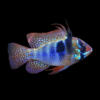
Welcome the Apistogramma Cf. Viejita II, a stunning dwarf South American cichlid that brings vibrant colors and peaceful companionship to your aquarium. These beautiful fish thrive with proper care and are perfect for community tanks. Create a lively aquatic environment with these graceful inhabitants today!
In stock
The Apistogramma Cf. Viejita II is a stunning dwarf cichlid that hails from the freshwater rivers and streams of South America. Known for their vibrant colors and intricate patterns, these fish are a favorite among aquarists looking to add a splash of life to their tanks. The scientific classification of this species is still under discussion, but they belong to the family Cichlidae, which is renowned for its diverse and colorful members. These fish typically grow to a maximum length of about 7 cm, making them ideal for smaller aquariums. Their natural habitat is characterized by densely planted areas with plenty of hiding spots, which is crucial for their well-being in captivity. In the wild, they thrive in soft, acidic waters, often found in blackwater environments that are rich in organic materials.
| Optimal Living Conditions | |
|---|---|
| Water Temperature | 24-27°C (75-81°F) |
| pH Level | 6.5-7.5 |
| Water Hardness | 4-12 dKH |
| Minimum Tank Size | 80L (20 gal) |
| Salinity | Freshwater |
| Care Level | Beginner Friendly |
The Apistogramma Cf. Viejita II is known for its peaceful demeanor, making it a wonderful addition to community tanks. These fish exhibit fascinating behaviors; they are territorial, especially during breeding, and will often claim a small area of the tank as their own. Male and female interactions can be quite engaging, as they perform courtship displays that involve vibrant color changes and fin flaring. In a well-planted aquarium, they will often dart in and out of hiding spots, showcasing their natural swimming patterns. It’s important to provide them with plenty of cover to reduce stress and encourage their natural behaviors. They are generally shy and prefer to swim in the lower levels of the tank, so creating a layered environment with various plants and decorations will help them feel secure.
Creating an ideal environment for your Apistogramma Cf. Viejita II involves replicating their natural habitat as closely as possible. Start with a minimum tank size of 60 liters, which provides enough space for swimming and territory establishment. Use a soft substrate, such as sand or fine gravel, to mimic the riverbeds they inhabit. Incorporate plenty of live plants like Java Fern, Anubias, and floating plants to create shaded areas and hiding spots. Additionally, include driftwood and rocks to enhance the aesthetic and provide natural territories. Ensure that the tank has low to moderate lighting, as these fish thrive in dimmer environments. A well-placed sponge filter will help maintain water quality without creating strong currents, which can stress these delicate fish.
Maintaining optimal water quality is crucial for the health of your Apistogramma Cf. Viejita II. These fish prefer slightly acidic to neutral pH levels, ideally between 6.0 and 7.5. Regular testing of water parameters is essential to ensure stability. The temperature should be kept between 24°C and 28°C, with a preference for warmer conditions during breeding periods. Water hardness should range from 5 to 15 dGH, which mimics their natural habitat. Frequent water changes of 10-15% weekly will help maintain water quality and remove toxins. Utilizing a quality water conditioner will also aid in removing harmful chemicals from tap water. Monitoring ammonia and nitrite levels is critical, as these should always be at 0 ppm, while nitrates should be kept below 20 ppm to prevent stress and health issues.
Feeding your Apistogramma Cf. Viejita II a balanced diet is essential for their health and vibrancy. These fish are omnivorous, requiring a varied diet that includes high-quality pellets, flakes, and live or frozen foods such as brine shrimp, daphnia, and bloodworms. A feeding schedule of 2-3 small meals per day is recommended to prevent overfeeding and maintain water quality. It’s important to observe their feeding habits and adjust portion sizes accordingly. Additionally, incorporating vegetable matter such as blanched spinach or spirulina can provide essential nutrients. Always ensure that any uneaten food is promptly removed from the tank to prevent water quality degradation. Regularly varying their diet will enhance their coloration and overall vitality.
✓ Suitable Tank Mates: Tetras, Rasboras, Corydoras, and other peaceful community fish.
⚠ Avoid aggressive species like larger cichlids or fish that may nip at their fins.
In terms of community dynamics, Apistogramma Cf. Viejita II can coexist with a variety of peaceful fish. Ideal tank mates include small tetras, rasboras, and bottom dwellers like Corydoras. It is crucial to avoid aggressive species that may stress or harm them, particularly during breeding periods. When introducing new fish, ensure that the tank is spacious enough to prevent territorial disputes. Observing interactions during the initial introduction phase can help gauge compatibility and make adjustments if necessary. Providing ample hiding spots and visual barriers can help reduce aggression and establish a harmonious community.
Maintaining the health of your Apistogramma Cf. Viejita II involves regular monitoring and preventive care. Common health issues include ich, fin rot, and stress-related ailments. Signs of illness can manifest as changes in behavior, such as lethargy, loss of appetite, or visible lesions. To prevent these issues, ensure that water quality is consistently maintained, and avoid overcrowding. Quarantining new arrivals before introducing them to the main tank can help prevent the spread of disease. Regularly inspect your fish for any signs of distress or illness, and be prepared to treat any conditions promptly. A well-balanced diet and stress-free environment are key components in promoting long-term health and vitality.
Breeding Apistogramma Cf. Viejita II can be a rewarding experience for aquarists. These fish typically reach sexual maturity at around six months of age. To encourage breeding, provide a separate breeding tank with suitable conditions, including slightly lower pH and warmer temperatures. The female will lay eggs on flat surfaces, such as leaves or stones, and both parents may exhibit protective behaviors towards the fry. After hatching, the fry will require infusoria or finely crushed flakes for the first few weeks. It is essential to monitor the parents, as they may become territorial and aggressive towards the fry as they grow. Separating the fry into their own tank once they are large enough to fend for themselves will ensure their continued growth and safety.
Introducing your new Apistogramma Cf. Viejita II to their new home requires a careful acclimation process to minimize stress. Begin by floating the sealed bag in the aquarium for about 15-20 minutes to equalize the temperature. After this, gradually introduce small amounts of tank water into the bag over the next hour. This slow acclimation allows the fish to adjust to the water parameters of their new environment. Once acclimated, gently release the fish into the tank using a net to avoid transferring any excess water from the bag. It is crucial to monitor their behavior closely during the first few days to ensure they are adjusting well and not exhibiting signs of stress or aggression.
Long-term care of your Apistogramma Cf. Viejita II involves regular maintenance and monitoring of their environment. These fish can live up to 5 years or more with proper care, so establishing a routine is essential. Regular water changes, substrate cleaning, and filter maintenance will help keep the tank environment stable. Additionally, keeping an eye on their diet and ensuring they receive a varied and nutritious selection of foods will promote their health and coloration. As they mature, be prepared to adjust tank conditions to accommodate their growth and breeding behaviors. Maintaining a peaceful community environment will also contribute to their long-term well-being.
To create a biotope that reflects the natural habitat of Apistogramma Cf. Viejita II, focus on replicating the soft, acidic waters of their native streams. Use dark substrates to mimic the riverbed and incorporate plenty of driftwood and leaf litter to provide shelter and foraging opportunities. Live plants should be used to create shaded areas, allowing these fish to feel safe and secure. The addition of floating plants can help diffuse light, creating a more natural environment. Incorporating natural decorations will not only enhance the aesthetic appeal of your aquarium but also provide essential hiding spots and territories for your fish friends.
As seasons change, so too may the requirements for your Apistogramma Cf. Viejita II. During warmer months, ensure that the tank temperature does not exceed 28°C, as higher temperatures can stress these fish and lead to health issues. Consider using a fan or air conditioning to maintain a stable environment. In cooler months, ensure the water temperature remains consistent and does not drop below 24°C. Lighting may also need to be adjusted to mimic natural daylight cycles, promoting healthy growth and breeding behaviors. Regularly check water parameters, as fluctuations can occur with seasonal changes.
For those looking to enhance their experience with Apistogramma Cf. Viejita II, consider implementing the following expert tips. First, always research potential tank mates thoroughly to ensure compatibility and reduce aggression. Secondly, invest in a quality water testing kit to monitor parameters effectively. Regularly observe your fish for behavioral changes, as these can be early indicators of stress or health issues. Additionally, consider creating multiple territories within the tank to reduce aggression among males, especially during breeding. Lastly, engage with local aquarist communities or forums to share experiences and gain insights from others who care for these beautiful fish.
If you encounter issues with your Apistogramma Cf. Viejita II, the first step is to identify the problem. Common issues include aggression, poor water quality, and health concerns. If aggression is noted, consider re-evaluating tank mates and providing additional hiding spots. For water quality issues, perform immediate water changes and test parameters to identify any imbalances. If health problems arise, isolate affected fish and consult with an aquatic veterinarian for treatment options. Regular maintenance and observation can prevent many common issues, ensuring a healthy and thriving aquarium environment.
The Apistogramma Cf. Viejita II is part of a complex group within the Apistogramma genus, which includes many species of dwarf cichlids. Research into their taxonomy is ongoing, with many species yet to be fully classified. Conservation efforts are vital for these fish, as their natural habitats are often threatened by pollution and habitat destruction. Understanding their ecological role in freshwater ecosystems can help promote awareness and conservation initiatives. As aquarists, we play a crucial role in preserving these beautiful creatures by ensuring responsible care and breeding practices.
For those looking to take their care of Apistogramma Cf. Viejita II to the next level, consider implementing advanced techniques such as breeding conditioning and specialized diets. Conditioning pairs for breeding can involve increasing the temperature slightly and providing high-quality live foods to enhance reproductive success. Additionally, maintaining a separate breeding tank can provide a stress-free environment for spawning. Utilizing advanced filtration systems can also help maintain optimal water quality, which is crucial for the health of these fish. Engaging in regular research and staying updated on best practices will contribute to the longevity and well-being of your aquatic companions.
Monitoring Tip: Test water parameters weekly and perform regular water changes to maintain optimal conditions for your aquatic friends!
Apistogramma Cf. Viejita II, being a dwarf cichlid, thrives best in a tank of at least 60 litres. This size allows them ample space to exhibit their natural behaviours and ensures that territorial disputes are minimised. A larger tank is beneficial if you plan to keep multiple specimens or pairs, as it provides more hiding spots and territories. Additionally, using a well-planted aquarium with caves and crevices will create a more comfortable environment, mimicking their natural habitat in South America. Remember, a stable environment is crucial for their well-being.
✓ Expert Tip
Consider using a tank divider if you introduce more than one male to avoid aggressive behaviour.
Apistogramma Cf. Viejita II prefers slightly acidic to neutral water conditions, with a pH level ranging from 6.0 to 7.0. The hardness should ideally be kept between 3-10 dGH, as softer water is more akin to their natural habitat. It is crucial to maintain a temperature range of 24-28°C, as fluctuations can lead to stress and health issues. Regular testing of your water parameters is recommended to ensure stability, as sudden changes can adversely affect these sensitive fish. Invest in a good quality water testing kit for accurate readings.
✓ Expert Tip
Consider using a sponge filter to provide gentle water movement and maintain water quality.
Feeding Apistogramma Cf. Viejita II should be done 1-2 times daily with small portions that they can consume within a few minutes. A varied diet is essential, including high-quality pellets, frozen or live foods such as brine shrimp and daphnia, and occasional vegetable matter like blanched spinach or zucchini. This variety ensures they receive the necessary nutrients for optimal health and colouration. Overfeeding should be avoided as it can lead to poor water quality and health issues.
✓ Expert Tip
Use feeding rings to prevent food from floating away and ensure that all fish can access it.
When selecting tank mates for Apistogramma Cf. Viejita II, consider smaller, peaceful species that occupy different water levels. Suitable companions include tetras, rasboras, and dwarf catfish, as these fish are generally non-aggressive and will not compete for territory. It is essential to avoid larger or aggressive species, as they may stress or harm your dwarf cichlids. Additionally, ensure that the tank is spacious and well-planted to provide hiding spots and reduce territorial disputes.
✓ Expert Tip
Introduce new fish gradually to minimise stress and allow time for acclimatisation.
Acclimatising Apistogramma Cf. Viejita II is crucial for their successful introduction into your aquarium. Begin by floating the sealed bag in the aquarium for 15-20 minutes to equalise the temperature. After this, gradually mix tank water into the bag over the next 30-60 minutes, allowing the fish to adapt slowly to the water parameters. Finally, gently transfer the fish into the tank using a net, avoiding adding any bag water to your aquarium. This method reduces stress and increases the likelihood of a smooth transition.
✓ Expert Tip
Perform water changes regularly to maintain optimal water quality during acclimatisation.
Healthy Apistogramma Cf. Viejita II exhibit vibrant colours, active swimming behaviour, and a good appetite. They should interact with their environment and show curiosity towards their surroundings. Watch for signs of stress or illness, such as faded colours, lethargy, or unusual swimming patterns, which may indicate health issues. Regular observation is key; ensuring that your fish display normal behaviour will help you identify any problems early, allowing for prompt intervention.
✓ Expert Tip
Keep a journal of your fish’s behaviour and health for better monitoring.
Breeding Apistogramma Cf. Viejita II can be rewarding, as they exhibit fascinating parental behaviours. To encourage breeding, provide a separate breeding tank with a soft substrate, caves, and low light conditions. The ideal temperature should be around 26-28°C, with slightly acidic water. Once a pair forms, they will lay eggs on flat surfaces, usually within a cave. After hatching, the parents will guard the fry, and it is essential to provide suitable food, such as infusoria or finely crushed flakes, to support their growth.
✓ Expert Tip
Remove any tank mates during breeding to ensure the safety of the fry.
The ideal temperature range for Apistogramma Cf. Viejita II is between 24-28°C. Maintaining a stable temperature within this range is crucial for their overall health and behaviour. Sudden fluctuations can lead to stress, which may result in illness or aggression. Use a reliable aquarium heater and thermometer to monitor the temperature accurately. Regular checks will help ensure your aquatic companions remain comfortable and thrive in their environment.
✓ Expert Tip
Consider using a heater with a built-in thermostat for more precise temperature control.
In captivity, Apistogramma Cf. Viejita II can live for approximately 5 to 8 years, provided they are given optimal care. This includes maintaining water quality, appropriate feeding, and a stress-free environment. Regular monitoring of their health and behaviour can help you address any issues early, contributing to a longer lifespan. Ensuring that their habitat is enriched and mimics their natural environment will also enhance their quality of life and longevity.
✓ Expert Tip
Keep a consistent routine for feeding and tank maintenance to ensure their well-being.
For Apistogramma Cf. Viejita II, a soft, fine substrate is recommended, such as sand or very small gravel. This type of substrate allows them to dig and forage, mimicking their natural behaviour in the wild. It also helps prevent damage to their delicate fins and scales. Additionally, ensure that the substrate is clean and free from sharp edges, as this can lead to injuries. Regular vacuuming during water changes will help maintain a healthy environment.
✓ Expert Tip
Use a substrate heater if you opt for a deeper substrate to promote beneficial bacteria growth.
Apistogramma Cf. Viejita II are known for their engaging and interactive behaviour. They exhibit a range of personalities, often showing curiosity towards their surroundings. Males can be territorial, especially during breeding, displaying vibrant colours and engaging in displays to attract females. They enjoy hiding and exploring, so providing plenty of plants and structures is beneficial. Regular observation will reveal their unique behaviours, helping you to create a more enriching environment for them.
✓ Expert Tip
Create a varied aquascape to encourage natural foraging and exploration behaviours.
Preventing diseases in Apistogramma Cf. Viejita II begins with maintaining optimal water quality and stable parameters. Regular water changes and tank maintenance are crucial. Quarantining new arrivals for at least two weeks can prevent introducing diseases. Additionally, ensure a balanced diet to strengthen their immune system. Keeping a stress-free environment by avoiding overcrowding and providing hiding spots will also significantly reduce the risk of disease.
✓ Expert Tip
Consider adding aquarium salt to freshwater tanks to enhance gill function and reduce stress.
Apistogramma Cf. Viejita II thrive under subdued lighting, which mimics their natural habitat in the dimly lit waters of the Amazon. Using floating plants or decorations can help diffuse the light and create shaded areas within the aquarium. A lighting schedule of 10-12 hours per day is ideal, allowing for a natural day-night cycle. Avoid bright, direct lighting, as this can cause stress and make them more vulnerable to illness.
✓ Expert Tip
Use a dimmable LED light to adjust brightness according to the time of day.
Recognising stress in Apistogramma Cf. Viejita II can be crucial for their health. Signs include hiding excessively, loss of colour vibrancy, rapid gill movement, and erratic swimming patterns. Additionally, if they exhibit fin clamping or aggression towards tank mates, these may indicate stress. Maintaining stable water conditions, appropriate tank mates, and a well-structured environment can help mitigate stress. Regular observation will aid in identifying any behavioural changes early.
✓ Expert Tip
Consider using stress coat treatments if you notice signs of stress or injury.
To replicate the natural habitat of Apistogramma Cf. Viejita II, focus on soft, acidic water with plenty of hiding places. Incorporate driftwood, rocks, and dense vegetation to create a complex environment. The substrate should be fine and soft, allowing for natural digging behaviour. Additionally, consider using leaf litter to mimic the forest floor, which can provide cover and breeding sites. Maintaining stable water parameters and temperature will further enhance their well-being.
✓ Expert Tip
Incorporate live plants to improve water quality and provide natural foraging opportunities.




Emily Carter (verified owner) –
I recently added the Apistogramma Cf. Viejita II to my aquarium, and I couldn’t be happier! These little beauties have such vibrant colors and unique personalities that truly light up my tank. After just two weeks, I’ve seen them flourish and even establish their own little territories. I’m especially impressed with how peaceful they are compared to other dwarf cichlids I’ve kept in the past. They get along beautifully with my other fish, which was a concern when I was looking for rare fish to add.
Their size is perfect for my 20-gallon tank, and they love to explore the plants and hideouts I’ve created. I also appreciate that they are hardy fish, which makes them suitable for both beginner and experienced aquarists.
One minor thing to keep in mind is that they prefer slightly warmer water, but that’s easy to manage with a good heater. Overall, I highly recommend the Apistogramma Cf. Viejita II to anyone looking to add a splash of color and charm to their aquarium. You won’t regret it!
Emily Carter (verified owner) –
I recently added the Apistogramma Cf. Viejita II to my 20-gallon tank, and I couldn’t be happier! These little beauties are not only stunning with their vibrant colors, but they also have such a unique personality. After about two weeks, I noticed them becoming more comfortable, and they’ve already started displaying their beautiful fins and colors.
I feed them a high-quality fish food specifically designed for tropical fish, and they absolutely thrive! I’ve kept several dwarf cichlids in the past, but I find the Viejita II so much more engaging. They are active, engaging, and love to explore their environment.
One thing to keep in mind is that they do appreciate hiding spots, so I added a few plants and driftwood, which they seem to love. Compared to other dwarf cichlids I’ve kept, these truly stand out in terms of color and temperament.
I’d recommend them for anyone from beginner to experienced hobbyists. Just ensure your water parameters are stable and provide a well-maintained tank. I would buy them again without hesitation!