
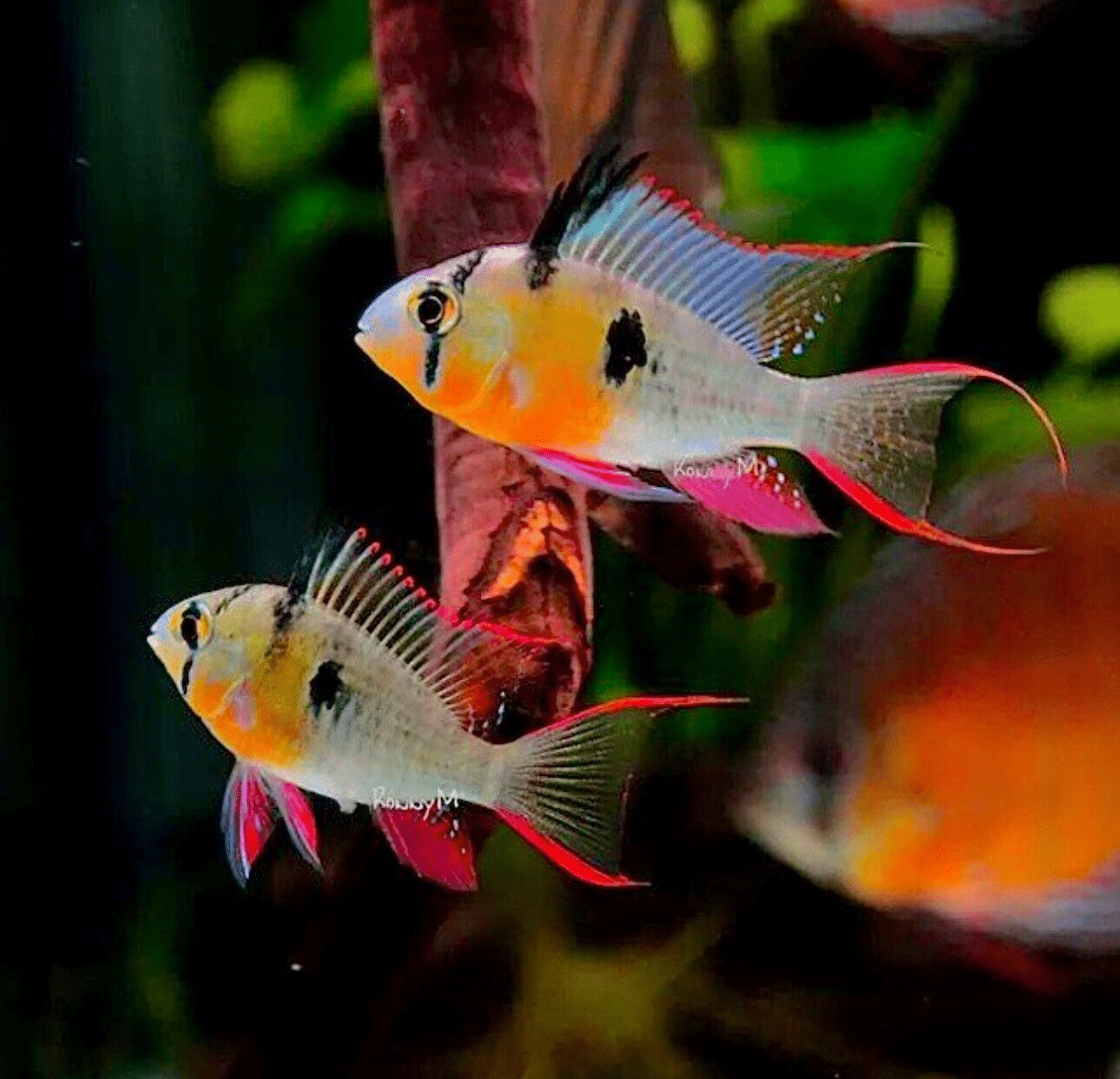
Papiliochromis Altispinosa Butterfly Bolivia Dwarf Cichlid (Pre Order)

Original price was: £20.49.£17.42Current price is: £17.42.
Welcome these beautiful Papiliochromis Altispinosa Butterfly Bolivia Dwarf Cichlids into your aquarium! With their vibrant colors and elegant movements, they make stunning additions to community tanks. Ideal for intermediate fish enthusiasts seeking peaceful companions. Enhance your aquatic decor today!
In stock


Species Introduction
The Papiliochromis Altispinosa, commonly known as the Bolivia Dwarf Cichlid, is a stunning tropical fish that captivates both novice and experienced aquarists alike. Originating from the freshwater rivers and streams of Bolivia, this species thrives in a variety of aquatic environments, making it an excellent choice for community tanks. With its vibrant colors and unique body shape, the Bolivia Dwarf Cichlid adds a touch of elegance to any aquarium setup. These fish are known for their peaceful demeanor, making them suitable for community tanks with other compatible species. The ideal habitat for these fish includes plenty of hiding spots, such as caves and dense vegetation, which mimic their natural environment. Understanding their natural habitat is crucial for providing optimal care and ensuring their well-being in captivity.
Care Requirements Dashboard
✓ Care Level: Intermediate
Tank Size: Minimum 20 gallons
Water Temperature: 75°F – 82°F (24°C – 28°C)
pH Level: 6.0 – 7.5
Water Hardness: 5 – 15 dGH
Natural Behavior & Temperament
Papiliochromis Altispinosa exhibits a fascinating range of behaviors that are both entertaining and educational to observe. These fish are generally peaceful and can coexist with a variety of community tank fish. They tend to establish territories, especially during breeding periods, and will often display vibrant colors to assert their dominance. Their social behavior is characterized by a hierarchy, where dominant individuals may exhibit more vivid coloration and engage in more pronounced swimming patterns. Observing their interactions can provide insights into their social structure and preferences. They enjoy swimming in the mid to lower levels of the tank, often darting in and out of hiding spots. It’s essential to provide ample space and decor to accommodate their natural behaviors and reduce stress.
Tank Setup Guide
Creating an ideal environment for your Bolivia Dwarf Cichlids involves careful consideration of tank setup elements. Start with a minimum tank size of 20 gallons to provide adequate swimming space. The substrate should be soft and sandy, as these fish enjoy foraging and digging. Incorporate plenty of hiding spots using caves, driftwood, and dense aquarium plants to mimic their natural habitat. Live plants not only enhance the aesthetic appeal but also contribute to water quality by providing oxygen and absorbing nitrates. Ensure that the tank has a gentle filtration system to maintain water clarity without creating strong currents, which can stress these delicate fish. Proper lighting is also crucial; moderate lighting helps plants thrive while allowing the fish to feel secure in their environment.
Water Quality Management
✓ Good Water Quality: Essential for Health
Maintaining optimal water quality is critical for the health and well-being of your Papiliochromis Altispinosa. Regular water changes of 20-30% every two weeks are recommended to keep ammonia and nitrate levels in check. Monitor water parameters closely, aiming for a pH level between 6.0 and 7.5, with a temperature range of 75°F to 82°F. The hardness should be maintained between 5 to 15 dGH. Utilize a reliable water testing kit to regularly check these parameters and make adjustments as necessary. Additionally, consider using a high-quality water conditioner to remove harmful chemicals from tap water before introducing it into the tank.
Feeding & Nutrition
Feeding your Bolivia Dwarf Cichlid a balanced diet is essential for their growth, coloration, and overall health. These fish are omnivorous and thrive on a varied diet that includes high-quality pellets, flakes, and live or frozen foods such as brine shrimp, daphnia, and bloodworms. A feeding schedule of two to three small meals per day is ideal, ensuring that they receive adequate nutrition without overfeeding. It’s important to observe their feeding behavior and adjust portion sizes accordingly to prevent waste and maintain water quality. Supplementing their diet with vegetable matter, such as blanched spinach or zucchini, can enhance their health and provide essential nutrients. Always remove uneaten food after a few minutes to prevent water contamination.
Compatibility Guide
✓ Peaceful Fish Species: Ideal Tank Mates
Papiliochromis Altispinosa is generally compatible with other peaceful community fish. Suitable tank mates include small tetras, rasboras, and other dwarf cichlids. However, avoid aggressive species that may stress them or compete for territory. When introducing new fish, ensure that the tank is adequately spacious and well-decorated to provide hiding spots. Monitor interactions closely, especially during the initial introduction phase. If aggression occurs, be prepared to separate incompatible species to ensure the well-being of all aquatic companions. A well-planned community tank can create a harmonious environment where all fish thrive.
Health & Wellness
Ensuring the health and wellness of your Bolivia Dwarf Cichlid involves regular monitoring and proactive care. Common health issues include ich, fin rot, and stress-related conditions. Signs of illness may include lethargy, loss of appetite, or abnormal swimming patterns. To prevent these issues, maintain stable water parameters and provide a balanced diet. Quarantine new fish before introducing them to the main tank to minimize the risk of disease transmission. In case of illness, consult a veterinarian specializing in aquatic animals for appropriate treatment options. Regular health checks and prompt attention to any changes in behavior or appearance will help keep your fish friends healthy and vibrant.
Breeding Information
Breeding Papiliochromis Altispinosa can be a rewarding experience for intermediate fish enthusiasts. These fish are known to form monogamous pairs, and breeding typically occurs in well-established tanks with plenty of hiding spots. To encourage spawning, maintain optimal water conditions and provide a flat surface for the female to lay her eggs, such as a smooth rock or leaf. The female will lay eggs, which the male will fertilize, and both parents will guard the eggs diligently. After hatching, the fry will require special care, including finely crushed food or specialized fry food. It’s essential to maintain stable water conditions during this period to ensure the survival and growth of the young fish.
Acclimation Process
Introducing new Papiliochromis Altispinosa to your aquarium requires a careful acclimation process to minimize stress and ensure a successful transition. Begin by floating the sealed bag containing the fish in the tank for about 15-20 minutes to equalize the temperature. After this, gradually introduce small amounts of tank water into the bag over the next hour. This slow acclimation helps the fish adjust to the water parameters of their new environment. Once acclimated, gently release the fish into the tank using a net to avoid adding any transport water that may contain harmful substances. Monitor the fish closely for signs of stress or aggression during the first few days in their new home.
Long-term Care
Caring for your Bolivia Dwarf Cichlid involves understanding their lifecycle and growth expectations. These fish can live for several years with proper care, typically reaching a maximum length of around 3-4 inches. As they grow, it’s essential to monitor their health and adjust their diet and tank conditions accordingly. Regular water changes and maintenance will help maintain a healthy environment. Pay attention to their behavior and interactions with other fish, as changes may indicate stress or health issues. Creating a stable and enriching environment will not only enhance their beauty but also contribute to their longevity and happiness.
Natural Habitat Recreation
Recreating the natural habitat of Papiliochromis Altispinosa in your aquarium can enhance their well-being and reduce stress. Consider using a sandy substrate to mimic the riverbeds they inhabit in the wild. Incorporate a variety of plants, such as Anubias and Java Fern, to provide cover and create a natural environment. Adding driftwood and rocks can create hiding spots and territories, which are essential for their comfort. Ensure that the layout allows for open swimming space while still providing areas for retreat. This biotope setup not only benefits the fish but also creates a visually appealing aquarium that showcases the beauty of these tropical fish.
Seasonal Care Adjustments
Seasonal changes can impact the care requirements for your Bolivia Dwarf Cichlid. During warmer months, monitor water temperature closely to prevent overheating, which can stress the fish. Consider using a fan or air conditioning to maintain optimal conditions. In colder months, ensure that the tank heater is functioning correctly to keep the water within the ideal range. Adjust lighting schedules as needed to simulate natural day and night cycles, promoting healthy behaviors and growth. Seasonal adjustments in feeding may also be necessary, as fish metabolism can change with temperature fluctuations. Regular observation will help you adapt care routines effectively.
Expert Tips
For those looking to provide the best care for their Papiliochromis Altispinosa, consider these expert tips. First, invest in a high-quality water testing kit to monitor parameters accurately. Regularly check for ammonia, nitrite, and nitrate levels to ensure a healthy environment. Additionally, consider adding a small group of these fish to promote natural social behavior, as they thrive in pairs or small groups. When breeding, provide a separate breeding tank to increase the chances of fry survival. Lastly, stay informed about potential health issues and treatments, as early intervention is key to maintaining the health of your aquatic companions.
Troubleshooting
Encountering issues with your Bolivia Dwarf Cichlid can be concerning, but many common problems have straightforward solutions. If you notice signs of stress, such as hiding or erratic swimming, check water parameters immediately. Fluctuations in temperature or pH can be detrimental to their health. If aggression arises, consider rearranging the tank to disrupt established territories. In cases of illness, observe for symptoms such as white spots or frayed fins, which may indicate ich or fin rot. Prompt treatment with appropriate medications can often resolve these issues. Regular maintenance and observation are key to preventing and addressing potential problems.
Scientific Background
The Papiliochromis Altispinosa belongs to the family Cichlidae, which is renowned for its diverse and colorful species. This particular cichlid is native to the freshwater environments of Bolivia, where it thrives in slow-moving waters rich in vegetation. The scientific classification of this fish highlights its unique adaptations and evolutionary traits, which contribute to its vibrant appearance and social behaviors. Conservation efforts are essential to protect their natural habitats from pollution and habitat destruction, ensuring that future generations can appreciate the beauty of these remarkable fish. Understanding their scientific background can deepen your appreciation for their role in aquatic ecosystems.
Advanced Care Techniques
For advanced aquarists, there are several techniques to enhance the care of Papiliochromis Altispinosa. Consider implementing a planted tank with CO2 injection to promote lush growth and improve water quality. Regularly trim and maintain plants to prevent overgrowth, which can lead to poor water circulation. Additionally, utilizing a sponge filter can provide gentle filtration while offering a breeding ground for beneficial bacteria. Experiment with different food types, including high-quality spirulina flakes or specialized cichlid pellets, to enhance coloration and vitality. Keeping detailed records of water parameters and fish behavior can also aid in fine-tuning care practices for optimal health.
Water Quality Parameters
Optimal Range
24-27°C
6.5-7.5
0 ppm
Caution Zone
22-24°C or 27-29°C
6.0-6.5 or 7.5-8.0
0.25-0.5 ppm
Danger Zone
<22°C or >29°C
<6.0 or >8.0
>0.5 ppm
Monitoring Tip: Test water parameters weekly and perform regular water changes to maintain optimal conditions for your aquatic friends!
Frequently Asked Questions
Q: What tank size is required for Papiliochromis Altispinosa?
For Papiliochromis Altispinosa, a minimum tank size of 100 litres is recommended. This allows adequate swimming space and reduces territorial disputes. These cichlids are known for their vibrant colours and dynamic behaviours, which flourish in spacious environments. A larger tank not only accommodates their natural behaviour but also helps maintain stable water parameters, crucial for their health. When establishing the tank, consider adding hiding spots and plants to mimic their natural habitat, as this reduces stress and promotes comfort.
✓ Expert Tip
Ensure that the tank is well-cycled before introducing these fish to prevent ammonia spikes that can harm them.
Q: What water parameters do Papiliochromis Altispinosa require?
Papiliochromis Altispinosa thrive in slightly acidic to neutral water conditions, with a pH range of 6.5 to 7.5 being optimal. The water temperature should be maintained between 24°C to 28°C. Regular monitoring of ammonia, nitrites, and nitrates is essential; ammonia and nitrite levels should be at zero, while nitrates should be kept below 20 ppm. Conducting partial water changes weekly helps maintain these parameters and ensures a healthy environment for your cichlids.
✓ Expert Tip
Utilise a high-quality water testing kit for accurate readings and to help prevent any sudden changes in water quality.
Q: How often should I feed Papiliochromis Altispinosa?
It is advisable to feed Papiliochromis Altispinosa 2-3 times a day, providing only as much food as they can consume within a few minutes. A varied diet is key to their health; high-quality pellets, frozen or live foods such as bloodworms and brine shrimp are excellent choices. This ensures they receive adequate nutrition, supporting their vibrant colours and overall health. Be cautious not to overfeed, as this can lead to poor water quality and health issues.
✓ Expert Tip
Consider using feeding rings to prevent food from floating away and ensure that all fish can access their share.
Q: What are the best tank mates for Papiliochromis Altispinosa?
Papiliochromis Altispinosa can be somewhat territorial, especially during breeding. Suitable tank mates include peaceful species that are similarly sized, such as tetras, rasboras, and other small cichlids. Avoid aggressive or overly large fish, as they may stress the cichlids or compete for resources. It is essential to provide ample hiding spots and territories within the tank to help reduce aggression and create a harmonious environment.
✓ Expert Tip
Introduce new tank mates gradually and monitor interactions closely to ensure compatibility.
Q: How do I properly acclimatise Papiliochromis Altispinosa to my aquarium?
To acclimatise Papiliochromis Altispinosa, begin by floating the sealed bag in your aquarium for about 15-20 minutes to equalise the temperature. After this, gradually introduce small amounts of aquarium water into the bag every 10-15 minutes for approximately one hour. This process helps the fish adjust to the water chemistry of your tank. Once acclimatised, gently net the fish and place them in the aquarium, avoiding adding bag water to your tank to prevent contamination.
✓ Expert Tip
Keep the lights dimmed during the acclimatisation process to reduce stress on the fish.
Q: What are the signs of healthy Papiliochromis Altispinosa?
Healthy Papiliochromis Altispinosa exhibit vibrant colours, active swimming behaviour, and clear, bright eyes. They should be responsive to their environment and show a keen interest in food. Pay attention to their fins; they should be intact and free from tears or signs of disease. Additionally, regular observation can help you spot any unusual behaviours, such as lethargy or hiding excessively, which may indicate stress or illness. Maintaining good water quality is crucial to their health.
✓ Expert Tip
Regularly check water parameters to ensure a stable and healthy environment for your fish.
Q: How do I successfully breed Papiliochromis Altispinosa?
Breeding Papiliochromis Altispinosa requires a suitable environment with plenty of hiding spots. To encourage breeding, maintain slightly higher temperatures (around 26°C to 28°C) and ensure excellent water quality. A breeding pair will often select a flat surface to lay their eggs, which they will guard fiercely. After hatching, the fry should be fed with finely crushed flakes or specialised fry food. It is advisable to separate the parents after the eggs hatch to prevent them from eating the fry.
✓ Expert Tip
Provide a separate breeding tank to increase the chances of survival for the fry.
Q: What temperature should I maintain for Papiliochromis Altispinosa?
The ideal temperature range for Papiliochromis Altispinosa is between 24°C and 28°C. Maintaining a stable temperature within this range is crucial for their overall health and well-being. Sudden fluctuations can lead to stress and illness. It is advisable to use a reliable aquarium heater and thermometer to monitor the temperature consistently. Regular checks will help ensure that the environment remains optimal for your fish companions.
✓ Expert Tip
Place the heater near the filter outlet to ensure even distribution of heat throughout the tank.
Q: How long do Papiliochromis Altispinosa typically live in captivity?
In captivity, Papiliochromis Altispinosa can live for approximately 5 to 10 years, provided they are cared for properly. Factors influencing their lifespan include water quality, diet, and overall tank conditions. Regular maintenance and monitoring of the aquarium environment can significantly enhance their longevity. Ensuring a balanced diet and avoiding overstocking will also contribute to a healthier life for your fish friends.
✓ Expert Tip
Keep a fish diary to track their health and any changes in behaviour, which can help in early detection of issues.
Q: What type of substrate is most suitable for Papiliochromis Altispinosa?
For Papiliochromis Altispinosa, a soft, sandy substrate is ideal as it closely mimics their natural habitat. This type of substrate is gentle on their delicate fins and allows for natural digging behaviours. You may also incorporate smooth stones and driftwood to create hiding spots, which are essential for their comfort and security. Regular cleaning of the substrate is necessary to prevent waste accumulation and maintain water quality.
✓ Expert Tip
Consider using a substrate vacuum during water changes to keep the substrate clean without disturbing your fish.
Q: What behavioural patterns should I expect from Papiliochromis Altispinosa?
Papiliochromis Altispinosa are known for their intriguing behaviours. They are generally peaceful but can exhibit territoriality, especially during breeding. Expect them to establish territories within the aquarium, often claiming hiding spots or caves. These cichlids enjoy interacting with their environment, so providing plenty of decor will encourage natural behaviours. They may also display vibrant colour changes during breeding or when feeling threatened, which is a fascinating aspect of their behaviour.
✓ Expert Tip
Observe their behaviour closely to identify any signs of stress or aggression, allowing for timely interventions if necessary.
Q: How can I prevent common diseases in Papiliochromis Altispinosa?
Preventing diseases in Papiliochromis Altispinosa involves maintaining excellent water quality, providing a balanced diet, and ensuring a stress-free environment. Regular water changes and monitoring parameters will help keep harmful pathogens at bay. Quarantine new fish before introducing them to the main tank to prevent the spread of diseases. Additionally, keeping the tank clean and free from excess waste is crucial in preventing outbreaks of common diseases such as ich or fin rot.
✓ Expert Tip
Consider using medicinal treatments at the first sign of illness, as early intervention can significantly improve recovery chances.
Q: What lighting conditions do Papiliochromis Altispinosa prefer?
Papiliochromis Altispinosa thrive under moderate lighting conditions, which mimic their natural habitat. Using a combination of ambient lighting and shaded areas created by plants or decorations can help them feel secure. Bright, harsh lighting may cause stress, so consider using adjustable LED lights to create a comfortable environment. Providing areas of shade allows the fish to retreat if they feel threatened, promoting their overall well-being.
✓ Expert Tip
Use a timer for your aquarium lights to simulate a natural day-night cycle, which can help regulate the fish’s behaviour.
Q: How do I recognise stress in Papiliochromis Altispinosa?
Signs of stress in Papiliochromis Altispinosa include excessive hiding, colour fading, and erratic swimming patterns. If your cichlid is frequently hiding or avoiding interaction, it may indicate discomfort in their environment. Additionally, if they begin to display fin clamping or lethargy, these are critical signs that they are not thriving. Monitoring water parameters and ensuring a peaceful tank environment will help alleviate stress and promote healthier behaviours.
✓ Expert Tip
Introduce new tank mates gradually and avoid sudden changes in their environment to reduce stress levels.
Q: What natural habitat conditions should I replicate for Papiliochromis Altispinosa?
To create a suitable habitat for Papiliochromis Altispinosa, replicate their native environment by incorporating soft, sandy substrates, rocky structures, and plenty of hiding spots. They hail from slow-moving waters in Bolivia, so maintaining a calm water flow is essential. Additionally, incorporating live plants can help mimic their natural surroundings and provide shelter. Regular water changes and maintaining stable temperatures will further enhance their well-being.
✓ Expert Tip
Research their natural habitat to better understand how to create a thriving environment for your fish friends.
2 reviews for Papiliochromis Altispinosa Butterfly Bolivia Dwarf Cichlid (Pre Order)
Add a review
Related products



Emma Collins (verified owner) –
I recently pre-ordered the Papiliochromis Altispinosa Butterfly Bolivia Dwarf Cichlid, and I couldn’t be happier with my decision! As a caring fish parent, I always strive to provide a suitable environment for my aquatic friends. These little beauties arrived in great health after just a week of waiting, and it was clear they had been well cared for before shipping.
The vibrant colors and unique patterns of these cichlids are truly mesmerizing. I’ve paired them with lush aquatic plants, and they really bring the tank to life! Their playful nature has been delightful to watch, especially during feeding time—I’ve been using high-quality fish food that enhances their colors even more. Compared to other dwarf cichlids I’ve kept, these guys have such a charming personality and seem to thrive in a well-planted setup.
One minor concern was their initial shyness; it took them a couple of days to venture out, but that’s normal for new fish. I recommend these cichlids to anyone looking to add vibrant character to their tank. They’re perfect for intermediate aquarists who value fish health and a beautiful aquatic display. Overall, I’m thrilled with this purchase and would definitely order again!
Emily Turner (verified owner) –
I recently pre-ordered the Papiliochromis Altispinosa, and I couldn’t be happier! After a week of acclimating in my 30-gallon tank, these small cichlids have already started showcasing their vibrant colors and playful personalities. I’ve set up my aquarium with plenty of lush plants, which they seem to love for exploring and hiding! Compared to other dwarf cichlids I’ve kept, these Bolivian beauties are much more interactive and curious. I appreciate their peaceful nature, making them a fantastic choice for community tanks. One minor concern I noticed is that they can be a bit shy initially, so providing some cover with plants is essential during the adjustment phase. Overall, if you’re an intermediate fish enthusiast like me, I highly recommend adding these stunning fish to your collection! They truly enhance the beauty of the aquarium while bringing joy to my daily routine.