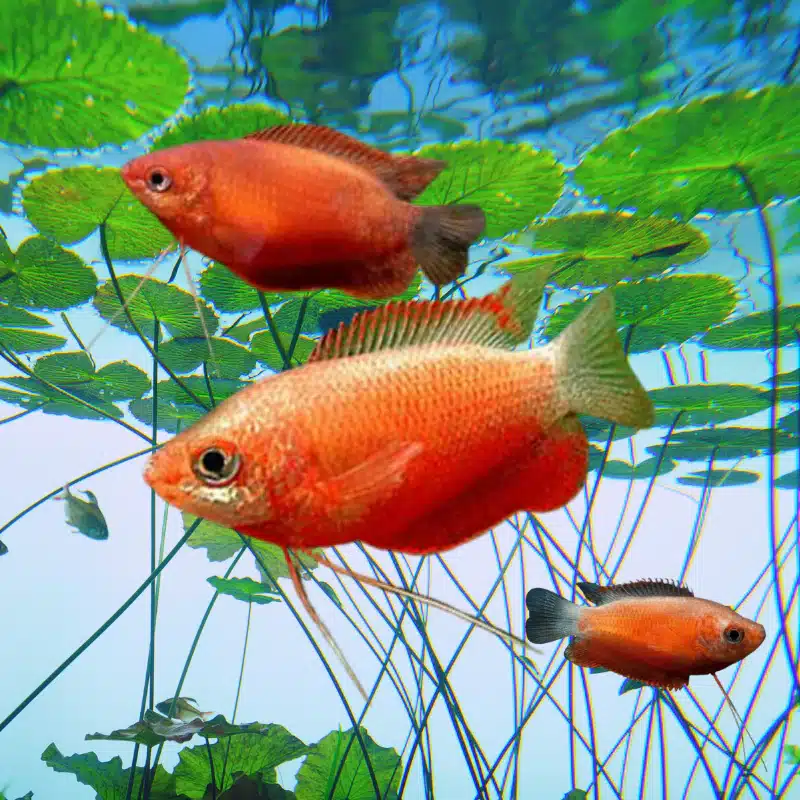
4 X Red Honey Gourami – Trichogaster Chuna Red – Labyrinth Fish

Original price was: £14.99.£12.58Current price is: £12.58.
Welcome these beautiful 4 X Red Honey Gourami, Trichogaster Chuna, into your aquarium! Their stunning red hues and graceful movements make them ideal for planted aquariums. Perfect for peaceful community tanks, they thrive in a well-maintained environment with proper care.
In stock


Species Introduction
The Red Honey Gourami, scientifically known as Trichogaster Chuna, is a captivating freshwater fish that hails from the tranquil waters of Southeast Asia, particularly in India and Bangladesh. This stunning labyrinth fish is renowned for its vibrant coloration and peaceful demeanor, making it an ideal choice for both novice and experienced aquarists. In their natural habitat, Red Honey Gouramis thrive in slow-moving streams, ponds, and swamps, often surrounded by lush vegetation. This affinity for densely planted environments is crucial to their well-being, as it provides essential hiding spots and breeding grounds. The Red Honey Gourami exhibits a unique ability to breathe atmospheric air through its labyrinth organ, a characteristic feature of labyrinth fish that allows them to survive in oxygen-depleted waters. Their striking appearance, combined with their gentle nature, makes them a beloved addition to community aquariums.
Care Requirements Dashboard
Essential Care Guide for Your 4 X Red Honey Gourami
| Optimal Living Conditions | |
|---|---|
| Water Temperature | 24-27°C (75-81°F) |
| pH Level | 6.5-7.5 |
| Water Hardness | 4-12 dKH |
| Minimum Tank Size | 80L (20 gal) |
| Salinity | Freshwater |
| Care Level | Beginner Friendly |
✓ Care Level: Easy
Tank Size: Minimum 20 gallons
Water Temperature: 24-28°C (75-82°F)
pH Level: 6.0-7.5
Hardness: 5-20 dGH
Caring for Red Honey Gouramis is relatively straightforward, making them an excellent choice for beginners. They thrive in a well-maintained aquarium with stable water parameters. A minimum tank size of 20 gallons is recommended to provide ample swimming space and territory for these peaceful fish. The ideal water temperature should be maintained between 24 to 28 degrees Celsius (75 to 82 degrees Fahrenheit), with a pH level ranging from 6.0 to 7.5. Regular water changes and monitoring of water quality are essential to ensure a healthy environment for your aquatic companions. Additionally, incorporating live plants and soft substrates will enhance their habitat, mimicking their natural environment and promoting their well-being.
Natural Behavior & Temperament
The Red Honey Gourami is known for its calm and peaceful demeanor, making it an ideal candidate for community tanks. These fish exhibit a serene swimming pattern, often gliding gracefully through the water, exploring their surroundings. They are social creatures that enjoy the company of their own kind and other peaceful fish species. In a well-planted aquarium, you will observe their natural behavior as they establish territories and engage in gentle interactions with tank mates. Male Red Honey Gouramis may display territorial behavior during breeding, showcasing their vibrant colors and engaging in courtship rituals. However, they are generally non-aggressive and can coexist harmoniously with a variety of community tank fish, provided that the tank is spacious enough to accommodate their needs.
Tank Setup Guide
Creating an ideal environment for your Red Honey Gourami involves careful planning and consideration of their natural habitat. A well-planted aquarium is essential, as these fish thrive in environments that mimic their native waters. Incorporate a variety of live plants such as Java Fern, Anubias, and floating plants to provide hiding spots and reduce stress levels. The substrate should be soft and sandy to prevent injury to their delicate fins. Additionally, include driftwood and rocks to create natural structures for exploration and shelter. The use of a gentle filter is recommended to maintain water quality without creating strong currents, as Red Honey Gouramis prefer calm waters. Lighting should be moderate to low, promoting plant growth while ensuring that the fish feel secure in their surroundings.
Water Quality Management
✓ Good Water Quality is Essential
pH Level: 6.0-7.5
Temperature: 24-28°C (75-82°F)
Hardness: 5-20 dGH
Maintaining optimal water quality is crucial for the health and longevity of your Red Honey Gourami. Regular water testing is essential to ensure that pH levels remain stable within the range of 6.0 to 7.5. The water temperature should be consistently monitored, ideally kept between 24 to 28 degrees Celsius (75 to 82 degrees Fahrenheit). Additionally, the hardness of the water should be maintained between 5 to 20 dGH. Performing regular water changes, approximately 10-15% weekly, will help to remove toxins and replenish essential minerals. Utilizing a quality water conditioner will also aid in maintaining a safe environment for your aquatic friends.
Feeding & Nutrition
Feeding your Red Honey Gourami a balanced diet is essential for their health and vitality. These fish are omnivorous and thrive on a varied diet that includes high-quality flake food, pellets, and live or frozen foods such as brine shrimp, daphnia, and bloodworms. A well-rounded diet will enhance their coloration and overall well-being. It is recommended to feed them small amounts 2-3 times a day, ensuring that all food is consumed within a few minutes to prevent water quality issues. Offering a mix of different food types will not only meet their nutritional needs but also encourage natural foraging behavior. Remember to adjust feeding amounts based on the number of fish in the tank and their activity levels.
Compatibility Guide
✓ Peaceful Community Fish
Compatible Tank Mates: Tetras, Rasboras, Corydoras, and other peaceful species.
Avoid: Aggressive fish or large predatory species.
Red Honey Gouramis are well-suited for community tanks due to their peaceful nature. They can coexist harmoniously with a variety of tank mates, including small tetras, rasboras, and corydoras. It is important to avoid housing them with aggressive or larger predatory species that may pose a threat to their well-being. When selecting tank mates, consider the size and temperament of the fish to ensure a peaceful environment. Providing ample hiding spots and territories will help reduce stress and aggression among tank inhabitants. A well-planned community tank will not only enhance the beauty of your aquarium but also promote the health and happiness of your Red Honey Gourami.
Health & Wellness
Maintaining the health and wellness of your Red Honey Gourami involves regular monitoring for signs of illness and stress. Common health issues in gouramis include fin rot, ich, and swim bladder disorders. To prevent these ailments, ensure that water quality remains optimal and that the fish are not subjected to overcrowding or aggressive tank mates. Observing their behavior closely will help you identify any changes that may indicate health problems. Signs of stress include lethargy, loss of appetite, and abnormal swimming patterns. If any health issues arise, prompt action is essential. Quarantine affected fish and consult with an aquatic veterinarian if necessary. Regular health checks and a proactive approach to tank maintenance will contribute to a thriving aquarium environment.
Breeding Information
Breeding Red Honey Gouramis can be a rewarding experience for aquarists. Males are typically more vibrant in color and exhibit a distinctive courtship display during breeding. To encourage spawning, provide a separate breeding tank with gentle filtration and plenty of floating plants. The male will build a bubble nest at the water’s surface, where the female will lay her eggs. After spawning, it is essential to remove the female to prevent aggression from the male. The eggs will hatch within 24-48 hours, and the fry will become free-swimming after a few days. It is crucial to provide infusoria or finely crushed flakes to feed the fry until they are large enough to consume larger foods. Breeding can be a delicate process, but with proper care and attention, you can successfully raise a new generation of Red Honey Gouramis.
Acclimation Process
✓ Gentle Acclimation Required
Temperature Adjustment: Gradual process over several hours.
Water Mixing: Introduce tank water slowly to reduce shock.
When introducing Red Honey Gouramis to your aquarium, a gradual acclimation process is essential to minimize stress and ensure a smooth transition. Begin by floating the sealed bag containing the fish in the aquarium for about 15-20 minutes to equalize the temperature. After this, carefully open the bag and slowly add small amounts of aquarium water to the bag every 10 minutes for about an hour. This method will help the fish adjust to the new water parameters without shock. Once acclimated, gently release the fish into the tank using a net to avoid introducing any excess bag water that may contain harmful substances. Proper acclimation is key to ensuring the health and well-being of your new aquatic companions.
Long-term Care
Long-term care for your Red Honey Gourami involves regular monitoring of their environment and health. As these fish mature, they may grow to a maximum length of around 3 inches, so providing adequate space and resources is crucial. Regular water changes, feeding a balanced diet, and maintaining stable water parameters will contribute to their longevity. Monitor their behavior for any signs of stress or illness, and take prompt action if necessary. Additionally, consider the social dynamics within the tank, as the introduction of new fish may alter the established hierarchy. Maintaining a peaceful community and providing a well-planted environment will ensure that your Red Honey Gourami thrive for years to come.
Natural Habitat Recreation
Recreating the natural habitat of Red Honey Gouramis in your aquarium can significantly enhance their well-being. Aim to replicate the slow-moving waters of their native environment by incorporating a variety of live plants, driftwood, and rocks. Use soft, sandy substrates to mimic the riverbeds they inhabit. Floating plants will provide shade and cover, helping to create a sense of security for your fish. Additionally, consider adding leaf litter or organic materials to the substrate, as this mimics the natural decay processes found in their habitats. By creating a biotope that reflects their natural surroundings, you will promote their natural behaviors and overall health.
Seasonal Care Adjustments
Seasonal changes can impact the care requirements for your Red Honey Gourami. During warmer months, ensure that the water temperature remains stable and does not exceed 28 degrees Celsius (82 degrees Fahrenheit). Use fans or air conditioning to help regulate tank temperature if necessary. In cooler months, consider using a heater to maintain a consistent temperature within the ideal range. Additionally, adjust lighting duration to mimic natural day/night cycles, promoting healthy growth of live plants and encouraging natural behaviors in your fish. Regularly monitor water parameters, as fluctuations can occur with seasonal changes, and make adjustments as needed to maintain a stable environment.
Expert Tips
✓ Professional Advice for Optimal Care
Consider using a sponge filter for gentle water movement.
Regularly prune plants to maintain a healthy balance.
For optimal care of your Red Honey Gourami, consider using a sponge filter to provide gentle water movement and filtration. This will help maintain water quality without creating strong currents that may stress your fish. Regularly prune and maintain live plants to prevent overcrowding and ensure they receive adequate light. Additionally, consider adding floating plants to provide shade and security for your fish. Observing their behavior and interactions will allow you to make necessary adjustments to their environment, ensuring a thriving community tank.
Troubleshooting
Common issues with Red Honey Gouramis can often be traced back to water quality or tank mates. If you notice signs of stress, such as lethargy or loss of appetite, first check your water parameters to ensure they are within the recommended ranges. If aggression is observed, consider rearranging the tank layout to disrupt established territories or adding more hiding spots to reduce stress. In cases of illness, prompt treatment is essential. Quarantine affected fish and consult with an aquatic veterinarian if necessary. Maintaining a proactive approach to tank maintenance and monitoring will help prevent many common issues.
Scientific Background
The Red Honey Gourami belongs to the family Osphronemidae, which includes various species of labyrinth fish. These fish are characterized by their unique respiratory system, allowing them to extract oxygen from the air. This adaptation enables them to thrive in environments where oxygen levels may be low. The scientific classification of the Red Honey Gourami places it within the genus Trichogaster, which encompasses several other gourami species. Understanding the scientific background of these fish can provide valuable insights into their care and behavior, allowing aquarists to create optimal environments for their well-being.
Advanced Care Techniques
For those looking to enhance their care techniques for Red Honey Gouramis, consider implementing advanced filtration systems that promote optimal water quality. Utilizing a combination of mechanical, biological, and chemical filtration can help maintain a pristine environment. Additionally, regular monitoring of water parameters with high-quality test kits will enable you to make informed decisions regarding water changes and treatments. Engaging in regular observation of fish behavior will also help you identify any changes that may indicate stress or health issues. By adopting advanced care techniques, you can ensure the long-term health and happiness of your Red Honey Gourami.
Water Quality Parameters
Optimal Range
24-27°C
6.5-7.5
0 ppm
Caution Zone
22-24°C or 27-29°C
6.0-6.5 or 7.5-8.0
0.25-0.5 ppm
Danger Zone
<22°C or >29°C
<6.0 or >8.0
>0.5 ppm
Monitoring Tip: Test water parameters weekly and perform regular water changes to maintain optimal conditions for your aquatic friends!
Frequently Asked Questions
Q: What tank size is required for Red Honey Gourami?
Red Honey Gourami thrive in a minimum tank size of 60 litres. This provides ample space for swimming and establishing territories. A larger tank is preferable, as it allows for better water quality stability and reduces stress levels. Ensure the tank is well-planted with plenty of hiding spots, as these fish appreciate a natural environment that mimics their native habitat. Moreover, a well-planted tank not only enhances their beauty but also provides a sense of security.
✓ Expert Tip
Consider adding floating plants to diffuse light and create shaded areas, which can make your Red Honey Gourami feel more secure.
Q: What water parameters do Red Honey Gourami require?
Red Honey Gourami prefer slightly acidic to neutral water conditions, ideally with a pH ranging from 6.0 to 7.5. The water hardness should be between 5 and 15 dGH. Maintaining a stable temperature between 24-28°C is crucial for their health. Regular water changes, approximately 10-15% weekly, will help maintain these parameters. Additionally, using a quality water conditioner can eliminate harmful substances, ensuring a safe environment for your fish friends.
✓ Expert Tip
Invest in a reliable water test kit to monitor parameters regularly, which can prevent potential health issues.
Q: How often should I feed Red Honey Gourami?
Feed your Red Honey Gourami once or twice daily, providing only as much food as they can consume within 2-3 minutes. A varied diet is essential for their health; consider high-quality flakes, pellets, and occasional live or frozen foods such as brine shrimp or daphnia. This variety ensures they receive a balanced diet rich in nutrients, which can enhance their colouration and overall vitality.
✓ Expert Tip
Avoid overfeeding, as it can lead to poor water quality and health issues. Always remove uneaten food promptly.
Q: What are the best tank mates for Red Honey Gourami?
Red Honey Gourami are peaceful and can coexist with other non-aggressive species. Ideal tank mates include tetras, rasboras, and other small community fish. Avoid larger or aggressive species, as they may stress your gouramis. When selecting tank mates, consider the size and temperament of the fish to ensure a harmonious environment. Additionally, ensure that there is sufficient space and hiding spots to minimise territorial disputes.
✓ Expert Tip
Introduce new fish gradually and observe interactions to ensure compatibility and reduce stress.
Q: How do I properly acclimatise Red Honey Gourami to my aquarium?
Acclimatising Red Honey Gourami is crucial for their health. Start by placing the sealed bag in your aquarium for about 15-20 minutes to equalise the temperature. Next, gradually introduce aquarium water into the bag, a small amount every 5-10 minutes for about an hour. This process helps them adjust to the water parameters. After acclimatisation, gently net the fish and place them in the aquarium without adding the bag water, which may contain harmful substances.
✓ Expert Tip
Avoid adding new fish during feeding times; it can cause stress. Allow your new gouramis to explore their new home peacefully.
Q: What are the signs of healthy Red Honey Gourami?
Healthy Red Honey Gourami exhibit vibrant colours, clear eyes, and active swimming behaviour. They should be inquisitive and explore their environment. Look for signs of stress or illness, such as lethargy, clamped fins, or unusual swimming patterns. Regular observation is key to identifying any health issues early. Maintaining optimal water quality and a balanced diet will contribute significantly to their overall well-being.
✓ Expert Tip
Keep a journal of your fish’s behaviour and health; it can help you spot changes more easily.
Q: How do I successfully breed Red Honey Gourami?
Breeding Red Honey Gourami requires a well-planted breeding tank with a gentle filter. Introduce a male and female, ensuring they are healthy and of suitable age (around 6 months). The male will build a bubble nest at the water’s surface. Once the female lays eggs in the nest, the male will fertilise them. After spawning, remove the female to prevent her from eating the eggs. The fry will hatch in about 24-36 hours and require infusoria or finely crushed flakes for their initial feeding.
✓ Expert Tip
Maintain stable water conditions throughout the breeding process, as fluctuations can stress the fish and affect breeding success.
Q: What temperature should I maintain for Red Honey Gourami?
Maintaining a water temperature between 24-28°C is ideal for Red Honey Gourami. Consistency is key; sudden temperature changes can stress the fish and lead to health issues. Use a reliable aquarium heater and thermometer to monitor the temperature regularly. It is advisable to keep the tank in a stable environment, away from direct sunlight and drafts, to prevent fluctuations that can harm your fish.
✓ Expert Tip
Consider using a heater guard to prevent accidental burns and ensure safety for your fish.
Q: How long do Red Honey Gourami typically live in captivity?
With proper care, Red Honey Gourami can live for 4-5 years in captivity. Providing optimal water conditions, a balanced diet, and a stress-free environment will contribute to their longevity. Regular monitoring of water quality and health, along with prompt action if issues arise, will help ensure they live a long and happy life. Remember, the quality of care directly influences their lifespan, so make it a priority.
✓ Expert Tip
Keeping a clean and well-maintained tank will significantly enhance their quality of life and longevity.
Q: What type of substrate is most suitable for Red Honey Gourami?
Red Honey Gourami thrive best in a soft, sandy substrate or fine gravel. This type of substrate allows them to forage naturally without damaging their delicate fins. Additionally, it supports plant growth, creating a beautiful and natural environment. Ensure that the substrate is clean and free from sharp edges to prevent injury. A well-organised substrate will also enhance the aesthetic appeal of your aquarium.
✓ Expert Tip
Consider layering the substrate with nutrient-rich soil underneath to promote healthy plant growth.
Q: What behavioural patterns should I expect from Red Honey Gourami?
Red Honey Gourami are generally peaceful and display calm behaviour. They enjoy exploring their surroundings and can often be seen darting between plants or resting near the water’s surface. Males may exhibit territorial behaviour, especially during breeding, but this is usually not aggressive. They are social creatures and thrive in groups, so keeping them in small schools can encourage natural behaviour and reduce stress.
✓ Expert Tip
Provide hiding spots and plants to create a comfortable environment that encourages natural behaviour.
Q: How can I prevent common diseases in Red Honey Gourami?
Preventing diseases in Red Honey Gourami primarily involves maintaining excellent water quality and a stress-free environment. Regular water changes, proper filtration, and maintaining stable water parameters are essential. Quarantine new arrivals before introducing them to the main tank to prevent the spread of diseases. Additionally, observe your fish regularly for any signs of illness, such as abnormal behaviour or physical changes, and act promptly if issues arise.
✓ Expert Tip
A balanced diet rich in nutrients can strengthen their immune system, making them less susceptible to diseases.
Q: What lighting conditions do Red Honey Gourami prefer?
Red Honey Gourami prefer low to moderate lighting, as intense light can cause stress. Using a dimmable LED light or covering part of the tank with floating plants can create a more suitable environment. This mimics their natural habitat, where they often seek refuge in shaded areas. Proper lighting also supports plant growth, enhancing the overall aesthetics of your aquarium.
✓ Expert Tip
Adjust the lighting duration to about 8-10 hours a day to prevent algae growth while providing adequate light for plants.
Q: How do I recognise stress in Red Honey Gourami?
Signs of stress in Red Honey Gourami include hiding excessively, clamped fins, and erratic swimming patterns. They may also lose their vibrant colour or exhibit rapid gill movement. It’s crucial to monitor their environment closely; sudden changes in water parameters, overcrowding, or aggressive tank mates can contribute to stress. If you notice these signs, assess the tank conditions and make necessary adjustments to alleviate their stress.
✓ Expert Tip
Create a secure and well-planted environment to help reduce stress levels and promote natural behaviour.
Q: What natural habitat conditions should I replicate for Red Honey Gourami?
To replicate their natural habitat, Red Honey Gourami thrive in soft, slightly acidic waters with abundant vegetation. Incorporate live plants, driftwood, and leaf litter to mimic their native environments, such as slow-moving streams and ponds in Southeast Asia. Providing these elements not only enhances the aesthetic of your aquarium but also offers hiding spots and foraging opportunities that are crucial for their well-being.
✓ Expert Tip
Consider using natural decorations to promote a biotope setup, enhancing the comfort of your aquatic companions.
2 reviews for 4 X Red Honey Gourami – Trichogaster Chuna Red – Labyrinth Fish
Add a review
Related products




Emily Carter (verified owner) –
I recently added 4 Red Honey Gouramis to my 30-gallon freshwater aquarium, and I couldn’t be happier! These little guys are not just visually stunning with their vibrant orange-red hues, but they also have such a peaceful demeanor. After about two weeks, they’ve settled in beautifully, swimming gracefully amongst the plants and interacting playfully with each other.
Compared to other tropical fish I’ve kept, these gouramis are much more engaging and sociable. They truly enjoy exploring their environment, and I’ve noticed they even come to the front of the tank when I approach, which is a delight! It’s heartwarming to see them thrive in a well-planted setup.
I highly recommend these fish for anyone looking to add a splash of color and personality to their aquarium. They’re great for beginners and seasoned hobbyists alike. Just a heads up, they prefer a slightly warmer water temperature, so make sure to monitor that. Overall, purchasing these gouramis was a fantastic decision for my aquarium, and I would absolutely buy them again!
Emily Carter (verified owner) –
I recently added four Red Honey Gouramis to my 20-gallon planted aquarium, and they have completely transformed the tank! These stunning freshwater fish are not only beautiful with their vibrant orange and yellow hues, but they also have such sweet personalities. After about two weeks, I noticed how well they acclimated and began to interact with each other and the other residents in my tank—two rasboras and some neon tetras. Their peaceful nature makes them perfect community members, and they’ve added a whole new level of charm to my aquarium.
I’ve kept various tropical fish over the years, but these gouramis stand out for their friendliness and adaptability. It’s wonderful to see them exploring the plants and occasionally coming to the surface to gulp air, as they are labyrinth fish. If you’re considering these beauties, just be aware they love to have some hiding spots and plants to feel secure. I highly recommend this species for anyone looking to enhance their community tank with fish that are not only mesmerizing to watch but also promote a harmonious environment. I will definitely be purchasing more in the future!