6 X Serpae Tetras – Hyphessobrycon Callistus – Jewel Tetras – South American (6)

Original price was: £14.99.£12.58Current price is: £12.58.
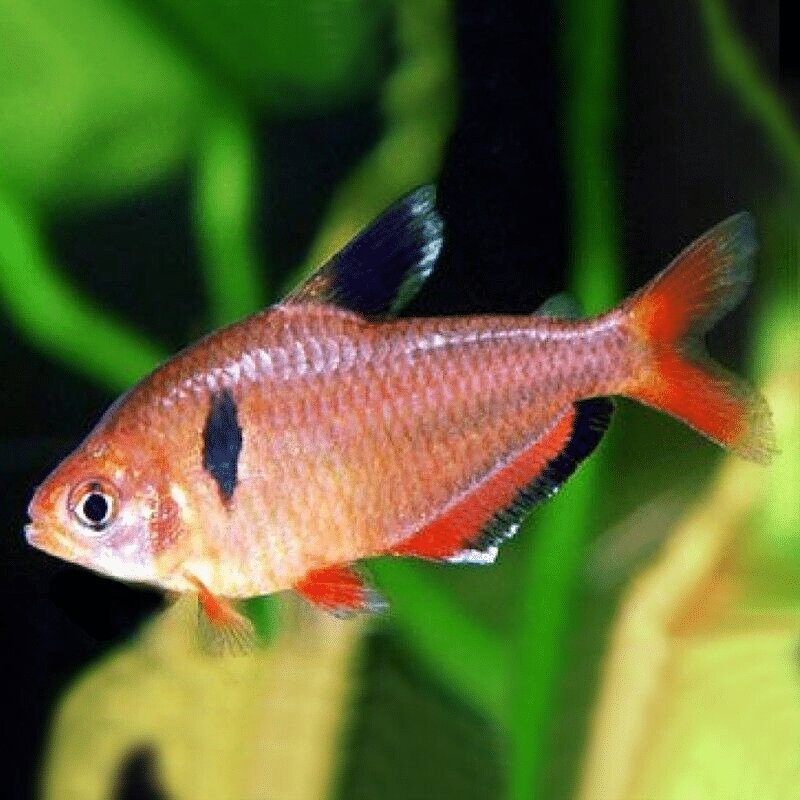
Welcome these beautiful Serpae Tetras into your aquarium! Known for their stunning red bodies with elegant black markings, these peaceful companions thrive in schools. Perfect for community tanks, they bring joy and color to any aquatic environment. This listing includes 6 individual Serpae Tetras.
In stock


Species Introduction
The Serpae Tetra, scientifically known as Hyphessobrycon callistus, is a vibrant freshwater fish native to the slow-moving rivers and streams of South America, particularly in regions such as Brazil and the Rio Orinoco basin. This species is renowned for its stunning coloration, characterized by a bright red-orange body with a black spot on the dorsal fin, making it a favorite among aquarists. Serpae Tetras are small schooling fish, typically reaching a maximum length of about 4 cm (1.5 inches), which makes them an ideal choice for community tanks where they can thrive in groups. Their peaceful nature and striking appearance contribute to their popularity among both beginner and experienced aquarists alike. These fish are not only visually appealing but also play a vital role in maintaining a balanced ecosystem within the aquarium, providing a dynamic and lively environment for both fish and plant life.
Care Requirements Dashboard
Essential Care Guide for Your Serpae Tetras
| Optimal Living Conditions | |
|---|---|
| Water Temperature | 24-27°C (75-81°F) |
| pH Level | 6.5-7.5 |
| Water Hardness | 4-12 dKH |
| Minimum Tank Size | 80L (20 gal) |
| Salinity | Freshwater |
| Care Level | Beginner Friendly |
Natural Behavior & Temperament
Serpae Tetras are known for their lively and social behavior, making them a joy to observe in a well-planned aquarium. These small schooling fish thrive in groups of at least six or more, which helps to reduce stress and promote natural behaviors. In a community tank, they display a range of swimming patterns, often darting around the mid to upper levels of the aquarium, where they feel safe among their companions. Their peaceful temperament makes them compatible with a variety of other species, although they can display fin-nipping behavior if kept with slower-moving fish. Therefore, it’s essential to choose tank mates wisely to ensure a harmonious environment. When kept in a suitable group, Serpae Tetras exhibit vibrant displays of color, especially during feeding times or when they feel secure in their surroundings.
Tank Setup Guide
Setting up a suitable environment for Serpae Tetras is crucial for their well-being. These fish prefer a densely planted tank with plenty of hiding spots, which can be created using driftwood, rocks, and live plants. A dark substrate can enhance their colors and provide a more natural look, mimicking their natural habitat. When selecting plants, consider species that can thrive in low to moderate lighting, such as Java Fern, Anubias, and Cryptocoryne. Additionally, a gentle filtration system is recommended to maintain water quality without creating strong currents, as Serpae Tetras prefer calm waters. The tank should also be equipped with a heater to maintain the ideal temperature range of 22-28°C (72-82°F). Regular water changes and monitoring of water parameters will help create a stable environment conducive to the health and happiness of these beautiful fish.
Water Quality Management
Maintaining optimal water quality is essential for the health of Serpae Tetras. These fish thrive in slightly acidic to neutral water, with a pH range of 6.0 to 7.5. Regular testing of water parameters is vital to ensure a stable environment. The hardness of the water should be kept between 5-15 dGH, as extreme fluctuations can stress the fish. Temperature stability is equally important; the water should be kept within the range of 22-28°C (72-82°F). To achieve this, use a reliable aquarium heater and thermometer. Regular water changes of 20-30% every week are recommended to remove toxins and replenish essential minerals. Additionally, using a quality water conditioner can help neutralize harmful substances such as chlorine and heavy metals. Implementing a proper filtration system will also aid in maintaining water clarity and quality, ensuring a healthy environment for your aquatic companions.
Feeding & Nutrition
Feeding Serpae Tetras a balanced diet is crucial for their health and vibrant coloration. These fish are omnivorous and thrive on a varied diet that includes high-quality flake food, micro-pellets, and live or frozen foods such as brine shrimp, daphnia, and bloodworms. A feeding schedule of 2-3 small meals per day is ideal, ensuring that they consume all food within a few minutes to prevent water quality issues. It’s important to avoid overfeeding, as uneaten food can lead to water contamination. Additionally, incorporating vegetable-based foods such as spirulina flakes can provide essential nutrients and enhance their overall health. Observing their eating habits can help you gauge their dietary preferences and adjust their diet accordingly. A well-fed Serpae Tetra will exhibit bright colors and active behavior, contributing to a lively community tank.
Compatibility Guide
✓ Peaceful Community Fish
| Compatible Tank Mates | Incompatible Tank Mates |
|---|---|
| Neon Tetras | Betta Fish |
| Corydoras Catfish | Angelfish |
| Guppies | Larger Cichlids |
| Rasboras | Aggressive Fish |
When selecting tank mates for Serpae Tetras, it’s essential to choose species that share similar water requirements and temperaments. They are best kept in groups of six or more to reduce stress and encourage natural schooling behavior. Compatible tank mates include other small, peaceful fish such as Neon Tetras, Corydoras Catfish, Guppies, and Rasboras. However, caution should be exercised when introducing them to larger or more aggressive species, such as Betta Fish or Cichlids, as these can pose a threat to the smaller Tetras. Observing the interactions among fish in the community tank is crucial to ensure a harmonious environment where all aquatic companions can thrive.
Health & Wellness
Maintaining the health and wellness of Serpae Tetras is essential for their longevity and vibrant appearance. Regular monitoring of water parameters is crucial, as poor water quality can lead to various health issues, including fin rot, ich, and other diseases. Signs of distress may include lethargy, loss of appetite, or unusual swimming patterns. To prevent these issues, ensure that the aquarium is properly cycled and that regular water changes are performed. Additionally, providing a varied diet rich in nutrients will help bolster their immune systems. Quarantine new fish before introducing them to the main tank to prevent the spread of diseases. If any health issues arise, prompt action should be taken, such as adjusting water parameters, improving tank conditions, or consulting with an aquarium professional for treatment options.
Breeding Information
Breeding Serpae Tetras can be a rewarding experience for aquarists willing to provide the right conditions. These fish are egg scatterers, meaning they do not exhibit parental care after spawning. To encourage breeding, a separate breeding tank with soft, slightly acidic water is recommended. The tank should be densely planted with fine-leaved plants to provide cover for the eggs. Once the female is ready to spawn, she will lay eggs among the plants, which will hatch in about 24-36 hours. After hatching, the fry should be fed infusoria or finely crushed flakes until they are large enough to consume small live foods. Maintaining optimal water quality during this period is crucial for the fry’s survival. With proper care, Serpae Tetra fry can grow quickly and be integrated into the community tank as they mature.
Acclimation Process
Introducing Serpae Tetras to a new aquarium requires careful acclimation to minimize stress and ensure a smooth transition. Start by floating the sealed bag containing the fish in the aquarium for about 15-20 minutes to equalize the temperature. After this, gradually mix small amounts of aquarium water into the bag every 5 minutes for about 30 minutes. This process helps the fish adjust to differences in water chemistry. Once acclimated, gently release the fish into the tank using a net to avoid adding store water, which may contain harmful substances. Observing the fish for signs of stress during the first few hours in their new home is essential, as this can help identify any issues early on. Providing a calm environment with dim lighting can also help ease their transition.
Long-term Care
Serpae Tetras can live for several years in a well-maintained aquarium, typically around 5-8 years, depending on their care and environment. To ensure a long, healthy life, it is crucial to provide consistent water quality, a balanced diet, and a stress-free environment. Regular monitoring of their behavior and health will help catch any potential issues early. As they grow, it is essential to observe their social dynamics, as they may need more space or a larger group to feel secure. Keeping the tank environment stable, with minimal fluctuations in temperature and water parameters, will contribute significantly to their overall well-being. Additionally, regular maintenance, including cleaning the tank and replacing filter media, will help keep the environment optimal for these beautiful fish.
Natural Habitat Recreation
Recreating the natural habitat of Serpae Tetras in an aquarium can enhance their well-being and display their natural behaviors. In the wild, these fish inhabit densely vegetated areas with slow-moving waters. To mimic this environment, include a variety of live plants, such as floating plants to provide shade and cover, and use driftwood or rocks to create hiding spots. A dark substrate can help replicate the riverbeds they originate from and enhance their vibrant colors. Additionally, incorporating leaf litter can provide a natural food source for fry and create a more authentic biotope. Maintaining a gentle water flow and ensuring that the lighting mimics the dappled sunlight of their natural habitat will further contribute to their comfort and happiness in the aquarium.
Seasonal Care Adjustments
Seasonal changes can impact the care required for Serpae Tetras. During warmer months, ensure that the water temperature remains within the ideal range, as heat can cause stress and health issues. Using fans or air conditioning can help maintain a stable environment. In cooler months, it is vital to monitor the water temperature closely, as drops below the recommended range can be detrimental. Additionally, adjusting the lighting duration to mimic natural daylight cycles can help regulate their behavior and breeding cycles. Regularly checking water parameters and making necessary adjustments will ensure that these beautiful fish remain healthy and vibrant year-round.
Expert Tips
For those looking to provide the best care for Serpae Tetras, consider the following expert tips: First, maintain a consistent feeding schedule to ensure they receive a balanced diet. Experiment with different types of food to find what they enjoy most, as a varied diet will promote health and coloration. Second, regularly observe their behavior; any changes can indicate stress or health issues. Third, ensure that the tank is not overcrowded, as this can lead to stress and aggression. Finally, consider adding more plants or decorations to create hiding spots, which can help reduce stress and encourage natural behaviors. By following these tips, aquarists can create a thriving environment for their Serpae Tetras.
Troubleshooting
If you encounter issues with your Serpae Tetras, it is essential to identify the root cause quickly. Common problems include stress from aggressive tank mates, poor water quality, or inadequate hiding spots. If your fish are displaying signs of stress, such as hiding excessively or showing unusual swimming patterns, check the water parameters immediately. If the water quality is poor, perform a partial water change and ensure that the filtration system is functioning correctly. If aggression is an issue, consider rearranging the tank or adding more hiding spots to diffuse tensions. Keeping a close eye on their health and environment will help you address any problems swiftly, ensuring a happy and healthy community tank.
Scientific Background
The Serpae Tetra belongs to the family Characidae, which includes many popular aquarium species. This family is known for its diverse range of freshwater fish, many of which are characterized by their small size and vibrant colors. The scientific classification of the Serpae Tetra is as follows: Kingdom Animalia, Phylum Chordata, Class Actinopterygii, Order Characiformes, Family Characidae, Genus Hyphessobrycon, and Species callistus. Research into this species has shown that they play a vital role in their natural ecosystems, contributing to the biodiversity of their habitats. Conservation efforts are essential to ensure that their populations remain stable in the wild, as habitat destruction and pollution pose significant threats to their survival.
Advanced Care Techniques
For experienced aquarists looking to delve deeper into the care of Serpae Tetras, consider implementing advanced techniques such as breeding programs or biotope aquariums. Creating a biotope that closely resembles their natural habitat can enhance their well-being and encourage natural behaviors. Additionally, breeding programs can help maintain genetic diversity and contribute to conservation efforts. It is essential to research and understand the specific needs of the fish during the breeding process, including water conditions and diet. Furthermore, advanced water quality management techniques, such as using a reverse osmosis system or specialized filtration, can improve the overall health of the aquarium. By applying these advanced care techniques, aquarists can foster a thriving environment for their Serpae Tetras and contribute to the preservation of this stunning species.
Water Quality Parameters
Optimal Range
24-27°C
6.5-7.5
0 ppm
Caution Zone
22-24°C or 27-29°C
6.0-6.5 or 7.5-8.0
0.25-0.5 ppm
Danger Zone
29°C
8.0
>0.5 ppm
Monitoring Tip: Test water parameters weekly and perform regular water changes to maintain optimal conditions for your aquatic friends!
Frequently Asked Questions
Q: What tank size is required for Serpae Tetras?
Serpae Tetras thrive best in schools and require a minimum tank size of 60 litres. This size accommodates their social behaviour and provides ample swimming space. A larger tank allows for better water quality management and reduces stress among the fish. When establishing your aquarium, ensure it is well-planted and has hiding spots, as this mimics their natural habitat and helps them feel secure.
✓ Expert Tip
Consider a group of at least six Serpae Tetras for optimal social interaction, as they are schooling fish and feel secure in larger numbers.
Q: What water parameters do Serpae Tetras require?
Serpae Tetras prefer slightly acidic to neutral water with a pH of 6.0 to 7.0. The temperature should be maintained between 22°C to 28°C, with a hardness range of 5 to 15 dGH. Regular water changes are essential to maintain these parameters. Use a quality water conditioner to remove chlorine and chloramine, ensuring a stable environment for these fish. Monitoring water quality with appropriate test kits will help in maintaining their health.
✓ Expert Tip
Invest in a reliable heater and filter to maintain consistent water conditions, reducing stress for your aquatic companions.
Q: How often should I feed Serpae Tetras?
Feed Serpae Tetras a varied diet of high-quality flakes or pellets, supplemented with live or frozen foods such as brine shrimp and daphnia. A feeding schedule of two to three small meals per day is optimal. Avoid overfeeding, as this can lead to poor water quality and health issues. Observe their behaviour during feeding; they should eagerly consume food without excessive leftovers.
✓ Expert Tip
Incorporate a variety of foods to enhance their colouration and overall health, ensuring a balanced diet.
Q: What are the best tank mates for Serpae Tetras?
Serpae Tetras are generally peaceful and do well with other community fish. Suitable tank mates include small to medium-sized species such as Corydoras, Rasboras, and Guppies. Avoid aggressive or larger fish that may see them as prey. Ensure that the tank mates share similar water parameter requirements to foster a harmonious environment.
✓ Expert Tip
Introduce new fish gradually to prevent stress and territorial disputes within your aquarium.
Q: How do I properly acclimatise Serpae Tetras to my aquarium?
Acclimatisation is crucial for reducing stress in new Serpae Tetras. Start by floating the sealed bag in your aquarium for about 15-20 minutes, allowing the temperature to equalise. Then, gradually mix small amounts of your tank water into the bag over an hour. After this, gently release the fish into the aquarium, avoiding adding bag water to your tank. This method helps them adapt to the new environment and reduces shock.
✓ Expert Tip
Patience during acclimatisation is key; rushing this process can lead to stress and health issues.
Q: What are the signs of healthy Serpae Tetras?
Healthy Serpae Tetras exhibit vibrant colours, active swimming patterns, and a curious nature. They should have clear, unclouded eyes and smooth scales without any signs of lesions or discoloration. Observe their behaviour; they should interact well with their tank mates and display social behaviour within their school. If you notice lethargy, loss of appetite, or abnormal swimming, it may indicate health issues that require prompt attention.
✓ Expert Tip
Regular observation of your fish can help you catch any potential health issues early, enabling timely intervention.
Q: What temperature should I maintain for Serpae Tetras?
The ideal temperature for Serpae Tetras is between 22°C and 28°C. Maintaining a stable temperature within this range is crucial for their health and activity levels. Sudden fluctuations can lead to stress and illness. Use a reliable aquarium heater, and regularly check the temperature with a thermometer. It is advisable to keep the tank in a location that is not subject to drafts or direct sunlight to help regulate the temperature effectively.
✓ Expert Tip
Utilising a heater with a thermostat can help maintain a consistent temperature, which is vital for the well-being of your Serpae Tetras.
Q: How long do Serpae Tetras typically live in captivity?
In a well-maintained aquarium, Serpae Tetras can live for approximately 5 to 8 years. Providing optimal water quality, a balanced diet, and a stress-free environment significantly contributes to their longevity. Regular water changes, tank cleaning, and observing for any signs of disease will enhance their lifespan. Engaging in good husbandry practices is essential for the health and vitality of your aquatic companions.
✓ Expert Tip
Keep a detailed log of water parameters and maintenance routines to help track the health of your fish over time.
Q: What type of substrate is most suitable for Serpae Tetras?
Serpae Tetras prefer a soft substrate that allows them to forage comfortably. A dark, fine gravel or sand substrate is recommended as it mimics their natural habitat and enhances their colours. Additionally, this type of substrate encourages the growth of beneficial bacteria, which aids in maintaining water quality. Avoid sharp or rough substrates that could injure their delicate bodies.
✓ Expert Tip
Layering the substrate with leaf litter can also provide additional hiding spots and contribute to a more natural environment.
Q: What behavioural patterns should I expect from Serpae Tetras?
Serpae Tetras are active and social fish, often seen schooling together in groups. They display a range of behaviours, including darting around the tank and exploring their environment. They can be quite curious, often investigating new additions to their habitat. However, when stressed, they may exhibit hiding behaviour. Providing ample plants and decorations will help them feel secure and encourage natural behaviours.
✓ Expert Tip
Regular interaction with your aquarium and observing your fish can help you better understand their behaviours and any changes that may indicate stress or health issues.
Q: How can I prevent common diseases in Serpae Tetras?
Preventing diseases in Serpae Tetras involves maintaining high water quality, stable parameters, and a balanced diet. Regular water changes and proper filtration are essential. Quarantine new fish before introducing them to your main tank to avoid potential disease transmission. Observe your fish closely for any signs of illness, such as abnormal swimming or changes in appetite. Early detection and treatment are crucial for successful prevention.
✓ Expert Tip
Consider using a high-quality aquarium salt in moderation to help prevent stress-related diseases, but consult a professional for specific recommendations.
Q: What lighting conditions do Serpae Tetras prefer?
Serpae Tetras thrive under moderate lighting. Bright lighting can cause stress and encourage algae growth, so consider using subdued illumination or floating plants to diffuse light. A photoperiod of around 10-12 hours per day is ideal. Consistent lighting helps establish a healthy environment. Ensure that there are shaded areas within the tank to provide refuge from direct light, promoting their natural behaviour.
✓ Expert Tip
Adding plants can create a more visually appealing environment while also providing necessary cover for your fish friends.
Q: How do I recognise stress in Serpae Tetras?
Signs of stress in Serpae Tetras include erratic swimming patterns, hiding, loss of appetite, and faded colouration. They may also display increased aggression towards tank mates or become lethargic. It’s essential to monitor their environment regularly and respond swiftly to any changes. Ensuring stable water parameters, a well-planted tank, and compatible tank mates will help reduce stress and promote a healthy environment.
✓ Expert Tip
Regularly observing your fish can help you quickly identify any signs of stress, allowing for timely interventions to improve their well-being.
Q: What natural habitat conditions should I replicate for Serpae Tetras?
In their natural habitat, Serpae Tetras inhabit slow-moving waters with plenty of vegetation. To replicate these conditions, provide a well-planted aquarium with floating plants and hiding spots using driftwood and rocks. The substrate should be soft and dark, mimicking the riverbeds they are used to. Maintaining slightly acidic water with a temperature range of 22°C to 28°C will further enhance their comfort and well-being.
✓ Expert Tip
Using natural decorations and plants not only enhances the aesthetic appeal of your aquarium but also provides essential cover and foraging opportunities for your fish.
2 reviews for 6 X Serpae Tetras – Hyphessobrycon Callistus – Jewel Tetras – South American (6)
Add a review
Related products


Emily Carter (verified owner) –
I recently added a school of 6 Serpae Tetras to my 30-gallon freshwater aquarium, and I couldn’t be happier! These little guys are not only stunning—with their vibrant red and black coloration—but they also have such lively personalities. It’s been just over a month since they joined my tank, and they’ve quickly become the centerpiece of my setup.
One of the best features of the Serpae Tetra is their shoaling nature; they thrive in groups and really bring life to the aquarium. Watching them dart around together is mesmerizing, and they’ve adjusted well to my community tank alongside neon tetras and other peaceful fish.
While they can be slightly nippy during feeding, providing plenty of space and hiding spots has alleviated most of that behavior. I recommend using a good quality flake food supplemented with live or frozen options for optimal health. If you’re looking for lively, colorful freshwater fish, I highly recommend the Serpae Tetra—they’ve added so much joy to my aquarium! Just ensure your tank is well-maintained, as they prefer a slightly acidic environment.
Overall, I’m thrilled with this purchase, and I wouldn’t hesitate to buy them again if I expand my tank!
Emily Carter (verified owner) –
I recently added a group of 6 Serpae Tetras to my 20-gallon aquarium, and I couldn’t be happier! These small freshwater fish are incredibly vibrant, with their striking red and black coloration adding so much life to my setup. I’ve been an aquarium enthusiast for over five years, and I can confidently say that these jewels thrive in schools, making them a fantastic choice for both beginners and experienced aquarists like myself.
After just two weeks, they settled right in and have formed a lovely little shoal, swimming together and bringing a lively energy to the tank. I’ve noticed they are quite social and seem to enjoy each other’s company, which is always a good sign for fish welfare.
Compared to neon tetras, which I’ve also kept, I find the Serpae Tetras to be a bit hardier and less timid. They’re also a little more active, which is entertaining to watch! The only minor concern was a bit of fin nipping I observed in the first few days, but it’s calmed down as they established their hierarchy.
I highly recommend these fish for anyone looking to add color and activity to their aquarium. Just ensure you have plenty of plants and hiding spots to keep them happy. I plan to buy more to increase their school size!