
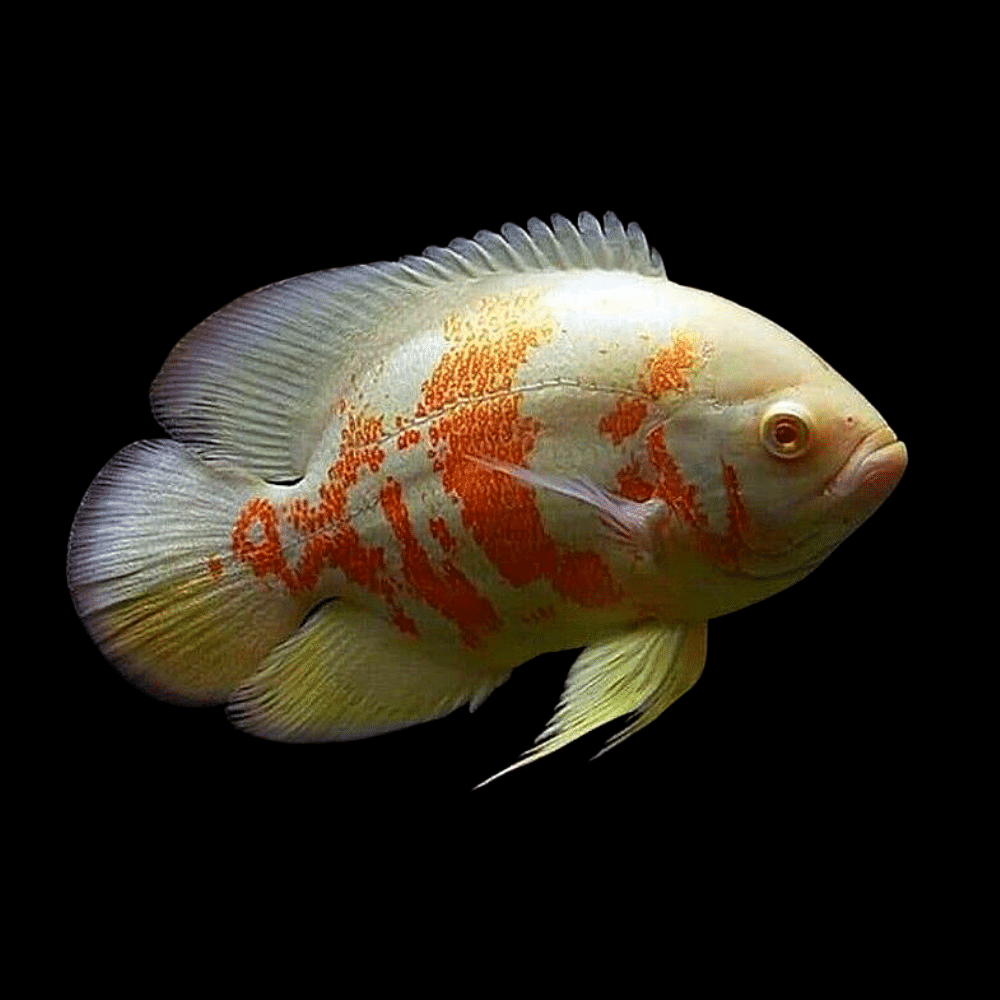
Albino Oscar – Astronotus Ocellatus Albino – South American Cichlid
Original price was: £13.99.£11.61Current price is: £11.61.
Welcome the stunning Astronotus Ocellatus «Albino», also known as the Albino Oscar. This beautiful South American cichlid showcases unique albino coloring, making it a vibrant addition to your aquarium. Ideal for aquarists seeking elegant fish that thrive in community settings.
In stock


Species Introduction
The Astronotus Ocellatus, commonly known as the Albino Oscar, is a captivating species of South American cichlid that has garnered admiration among aquarium enthusiasts. This stunning fish is characterized by its striking white body adorned with bright orange and red markings, making it a visually appealing addition to any freshwater aquarium. Native to the slow-moving waters of the Amazon Basin, the Albino Oscar thrives in warm, soft water environments, which mimic its natural habitat. As a member of the cichlid family, it exhibits a range of fascinating behaviors and social dynamics, making it a popular choice for both novice and experienced aquarists alike. Understanding its natural habitat and behavior is essential for providing optimal care and ensuring a healthy, thriving environment for these beautiful aquatic companions.
Care Requirements Dashboard
Essential Care Guide for Your Astronotus Ocellatus «Albino» – Albino Oscar – South American Cichlid
| Optimal Living Conditions | |
|---|---|
| Water Temperature | 24-27°C (75-81°F) |
| pH Level | 6.5-7.5 |
| Water Hardness | 4-12 dKH |
| Minimum Tank Size | 80L (20 gal) |
| Salinity | Freshwater |
| Care Level | Beginner Friendly |
✓ Positive Information
Care level: Easy
⚠ Important Notice
Maintain a minimum tank size of 75 gallons for optimal health.
⚠ Critical Warning
Avoid keeping with small or timid fish to prevent bullying.
Natural Behavior & Temperament
The Albino Oscar is known for its inquisitive and interactive nature, often displaying a range of social behaviors that can be quite engaging for aquarists. These fish are territorial and can exhibit aggression, particularly during breeding periods or when establishing dominance in the tank. They are also known to recognize their owners and may even swim to the front of the tank when approached. In a community tank, it is important to choose compatible tank mates carefully, as the Albino Oscar may bully smaller or more timid species. Providing plenty of hiding spots and territories within the aquarium can help reduce stress and aggression, allowing for a more harmonious environment. Observing their interactions can provide valuable insights into their personality and social structure, enhancing the overall experience of caring for these fascinating fish.
Tank Setup Guide
Setting up a suitable tank for the Albino Oscar involves careful consideration of various factors to create a comfortable and stimulating environment. Begin with a spacious aquarium of at least 75 gallons, as these fish require ample swimming space. Use a sandy substrate to replicate their natural habitat, which allows for digging and sifting. Incorporate a variety of decorations such as driftwood, rocks, and plants to provide hiding spots and territories. However, be cautious with live plants, as the Albino Oscar may uproot or damage them due to their digging behavior. Ensure proper filtration and water circulation to maintain water quality, as these fish are sensitive to poor conditions. Additionally, consider the lighting; a moderate light level will enhance the colors of the fish while also promoting the growth of any hardy aquatic plants you choose to include.
Water Quality Management
Maintaining optimal water quality is crucial for the health and well-being of the Albino Oscar. Regular water changes of 20-30% every week are recommended to keep nitrate levels low and ensure a stable environment. The ideal pH range for these fish is between 6.5 and 7.5, with a temperature range of 75-82°F. Use a reliable water testing kit to monitor parameters regularly, including ammonia, nitrite, and nitrate levels. Ensure that the hardness of the water is between 5-15 dGH, as this will help replicate their natural habitat. Additionally, consider using a high-quality water conditioner to remove harmful chemicals and chlorines from tap water. Providing a stable and clean environment will significantly reduce the risk of stress and disease, promoting a long and healthy life for your Albino Oscar.
Feeding & Nutrition
Feeding the Albino Oscar a balanced and nutritious diet is essential for its growth, health, and vibrant coloration. These fish are omnivorous and thrive on a varied diet that includes high-quality cichlid pellets, frozen or live foods such as bloodworms, brine shrimp, and earthworms. It is recommended to feed them 1-2 times a day, offering only what they can consume in a few minutes to prevent overfeeding and water quality issues. Additionally, consider incorporating vegetable matter into their diet, such as blanched spinach or spirulina flakes, to provide essential nutrients. Monitoring their feeding habits and adjusting portion sizes as they grow will help ensure they receive the proper nutrition throughout their lifecycle.
Compatibility Guide
When selecting tank mates for the Albino Oscar, it is vital to consider their temperament and size. These fish can be semi-aggressive and may display territorial behavior, especially during breeding. Suitable tank mates include larger cichlids, such as the Jack Dempsey or Green Terror, as well as robust species like silver dollars and larger catfish. Avoid keeping them with small or timid fish, as they may become targets for bullying. Additionally, ensure that all tank mates can thrive in similar water conditions to promote a harmonious community. Regular observation of interactions between species is essential for maintaining a peaceful environment, allowing for adjustments as needed to ensure the well-being of all aquatic friends.
Health & Wellness
Monitoring the health and wellness of your Albino Oscar is crucial for ensuring a long and happy life. Common health issues include ich, fin rot, and swim bladder disease, often resulting from poor water quality or stress. Regularly check for signs of illness, such as changes in behavior, appetite, or physical appearance. Providing a stable environment with optimal water parameters and a balanced diet will significantly reduce the risk of health issues. If you notice any concerning symptoms, promptly consult with a veterinarian experienced in fish health for appropriate treatment options. Preventative measures, such as quarantine for new arrivals and maintaining a clean tank, will further enhance the overall health of your aquatic companions.
Breeding Information
Breeding Albino Oscars can be a rewarding experience for dedicated aquarists. To encourage breeding, provide a suitable environment with stable water conditions and ample hiding spots. Oscars are substrate spawners, typically laying eggs on flat surfaces such as rocks or decorations. The female can lay hundreds of eggs, which the male will fertilize. After spawning, both parents often take turns guarding the eggs, showcasing their protective instincts. Once the eggs hatch, the fry will require specialized care, including infusoria or finely crushed flakes for initial feeding. Maintaining optimal water quality and providing a safe environment for the fry will enhance their chances of survival and growth.
Acclimation Process
Introducing your Albino Oscar to its new home requires a careful acclimation process to minimize stress and ensure a smooth transition. Begin by floating the sealed bag in the aquarium for about 15-20 minutes to equalize the temperature. After that, gradually introduce small amounts of tank water into the bag over the course of an hour to help the fish adjust to the new water parameters. Once acclimated, gently release the fish into the tank, avoiding any sudden movements that may startle it. Monitor the fish closely for the first few days, ensuring it is eating and behaving normally. A successful acclimation process will set the foundation for a healthy and thriving aquatic companion.
Long-term Care
Caring for an Albino Oscar is a long-term commitment that requires attention to detail and a dedication to maintaining optimal conditions. These fish can live for 10-15 years or more with proper care, making them a lasting addition to your aquarium. Regular maintenance, including water changes, tank cleaning, and monitoring of health, is essential for their well-being. As they grow, be prepared to upgrade tank size if necessary, as larger Oscars require more space. Additionally, stay informed about their dietary needs and adjust feeding practices as they mature. By providing a stable and nurturing environment, you can enjoy the companionship of your Albino Oscar for many years to come.
Natural Habitat Recreation
Recreating the natural habitat of the Albino Oscar in your aquarium can enhance its overall well-being and reduce stress. In the wild, these fish inhabit slow-moving rivers and floodplains characterized by soft substrates and abundant vegetation. To mimic this environment, use a sandy substrate and incorporate driftwood, rocks, and hardy aquatic plants. The addition of hiding spots and territories will allow your Oscar to exhibit natural behaviors, such as exploring and establishing dominance. Additionally, consider the water flow; a gentle current will help replicate their natural habitat while ensuring adequate oxygenation. By creating a biotope that reflects their native environment, you can promote a healthier and more enriching experience for your Albino Oscar.
Seasonal Care Adjustments
As seasons change, so too may the needs of your Albino Oscar. During warmer months, ensure that the water temperature remains stable and does not exceed 82°F, as higher temperatures can stress the fish. Conversely, in colder months, consider using a heater to maintain a consistent temperature. Additionally, adjust lighting duration to simulate natural day lengths; approximately 10-12 hours of light per day is ideal. Regularly check water parameters, as fluctuations in temperature and pH can occur with seasonal changes. By being proactive and attentive to these seasonal adjustments, you can provide a stable and comfortable environment for your aquatic friends.
Expert Tips
For those looking to deepen their understanding of Albino Oscar care, consider these expert tips. First, invest in a high-quality filtration system to maintain optimal water quality; Oscars are sensitive to poor conditions. Additionally, observe their feeding habits closely; offering a varied diet will not only enhance their health but also promote vibrant coloration. Regularly interact with your fish to build trust and reduce stress, as a familiar presence can lead to a more relaxed Oscar. Lastly, stay informed about the latest research and developments in cichlid care, as this will enhance your ability to provide the best possible environment for your aquatic companions.
Troubleshooting
Despite your best efforts, you may encounter challenges while caring for your Albino Oscar. Common issues include aggression towards tank mates or signs of illness. If aggression arises, consider providing additional hiding spots or rearranging the tank to disrupt established territories. For health concerns, promptly identify symptoms such as lethargy, loss of appetite, or abnormal swimming. Regular water testing and maintenance can prevent many health issues, but if problems persist, consult a veterinarian experienced in fish health for guidance. By being proactive and observant, you can address issues before they escalate, ensuring a healthy and thriving environment for your fish friends.
Scientific Background
The Albino Oscar, scientifically known as Astronotus Ocellatus, belongs to the family Cichlidae, which encompasses a diverse range of freshwater fish species. This cichlid is native to the Amazon River Basin, where it inhabits slow-moving waters with plenty of vegetation and hiding spots. The Albino variant is a result of a genetic mutation that affects pigmentation, resulting in its distinctive white coloration. Understanding the scientific background of your fish can enhance your appreciation for their unique characteristics and behaviors. Additionally, staying informed about conservation efforts and habitat preservation can contribute to the ongoing protection of these beautiful creatures in their natural environment.
Advanced Care Techniques
For experienced aquarists seeking to elevate their care for Albino Oscars, consider implementing advanced techniques to enhance their environment and health. One approach is to establish a breeding pair and create a dedicated breeding tank, allowing for controlled conditions and optimal fry care. Additionally, experimenting with aquascaping techniques can create a visually stunning environment that mimics their natural habitat. Utilize advanced water filtration and monitoring systems to maintain pristine water quality, and consider incorporating a variety of food sources to promote optimal health and coloration. Engaging in ongoing education about cichlid care and behavior will further enhance your ability to provide the best possible environment for your aquatic companions.
Frequently Asked Questions
Q: What tank size is required for the Albino Oscar?
The Albino Oscar, a member of the Cichlidae family, requires a minimum tank size of 200 litres to thrive. They are relatively large fish, often reaching sizes of up to 30 cm in length. A larger aquarium not only provides ample swimming space but also helps maintain stable water parameters, which is crucial for their health. It is advisable to ensure the tank is well-filtered and has adequate water circulation. Additionally, providing hiding spots and territories using decorations will help reduce stress and promote natural behaviours.
✓ Expert Tip
Consider adding a larger tank if you plan to keep multiple Oscars or other large fish species to prevent territorial disputes.
Q: What water parameters do Albino Oscars require?
Albino Oscars thrive in water with a pH level between 6.5 and 7.5, with a temperature range of 24°C to 28°C. Maintaining consistent water parameters is essential, as fluctuations can lead to stress and health issues. Regular water changes of about 20-30% weekly will help in keeping nitrate levels low and overall water quality high. Additionally, using a high-quality water conditioner can remove harmful substances such as chlorine and chloramines from tap water.
✓ Expert Tip
Invest in a reliable water testing kit to regularly monitor pH, ammonia, nitrite, and nitrate levels.
Q: How often should I feed my Albino Oscar?
Albino Oscars should be fed once or twice daily, with a focus on providing a balanced diet that includes high-quality pellets, frozen or live foods such as bloodworms, and occasional vegetable matter. Overfeeding can lead to obesity and deteriorating water quality, so it is crucial to offer only what they can consume within a few minutes. Young Oscars may require more frequent feedings than adults, but always ensure that their diet is varied to meet their nutritional needs.
✓ Expert Tip
Incorporate a mix of foods to enhance colour and health; spirulina flakes can be beneficial.
Q: What are the best tank mates for Albino Oscars?
When selecting tank mates for Albino Oscars, it is essential to choose robust fish that can withstand the Oscar’s sometimes aggressive nature. Suitable companions include larger cichlids, such as Severums and Green Terrors, as well as larger catfish like Plecos. Avoid smaller fish, as they may be seen as prey. It is crucial to monitor interactions closely, particularly during the initial introduction phase, to ensure compatibility and reduce stress for all fish involved.
✓ Expert Tip
Introduce new fish in a separate quarantine tank first to prevent the spread of diseases.
Q: How do I properly acclimatise my Albino Oscar to my aquarium?
Acclimatising your Albino Oscar is crucial for ensuring a smooth transition into their new environment. Start by floating the sealed bag containing the fish in your aquarium for about 15-20 minutes to equalise the temperature. After this, gradually introduce small amounts of your tank water into the bag over the next hour. This process helps the fish adjust to the water parameters of their new home. Once acclimatised, gently release the Oscar into the aquarium without adding the bag water to prevent contamination.
✓ Expert Tip
Avoid exposing the fish to air during the acclimatisation process to reduce stress.
Q: What are the signs of a healthy Albino Oscar?
A healthy Albino Oscar exhibits vibrant colouration, active swimming behaviour, and a good appetite. Their fins should be fully extended without any tears or signs of damage. Additionally, observe their gills; they should be pink and not show any signs of excessive mucus or redness. Regularly monitoring their behaviour can help you spot any issues early. If the fish becomes lethargic, refuses food, or shows signs of distress, it may indicate underlying health problems that need immediate attention.
✓ Expert Tip
Maintain a clean tank environment to support their overall health and reduce stress.
Q: How do I successfully breed Albino Oscars?
Breeding Albino Oscars can be a rewarding experience for aquarium keepers. To encourage breeding, provide a spacious tank with flat surfaces for egg laying, such as slate or smooth rocks. The ideal water temperature for breeding is around 26°C to 28°C, with stable water parameters. When the female is ready, she will lay eggs, typically in batches of hundreds. Both parents will often guard the eggs and fry, making it essential to provide a safe and secure environment. After hatching, ensure to feed the fry with finely crushed flakes or specialised fry food to support their growth.
✓ Expert Tip
Monitor the parents’ behaviour; if aggression occurs, it may be necessary to separate them from the fry.
Q: What temperature should I maintain for my Albino Oscar?
For optimal health, Albino Oscars thrive in a temperature range of 24°C to 28°C. Maintaining a consistent temperature within this range is vital to prevent stress and health issues. Fluctuations can lead to diseases or discomfort in your fish friends. A reliable aquarium heater with a thermometer is essential for achieving and maintaining the desired temperature. Regularly check the temperature to ensure it remains stable, especially during seasonal changes.
✓ Expert Tip
Consider using a heater with a built-in thermostat for better temperature regulation.
Q: How long do Albino Oscars typically live in captivity?
With proper care, Albino Oscars can live for 10 to 15 years in captivity. Their lifespan greatly depends on the quality of their environment, including water parameters, diet, and tank mates. Regular maintenance, including water changes and monitoring for diseases, will significantly contribute to their longevity. Providing a spacious and well-maintained aquarium will ensure they live a long and healthy life, allowing you to enjoy their vibrant personalities for many years.
✓ Expert Tip
Keep a log of their health and behaviour to spot any changes that may indicate health issues.
Q: What type of substrate is most suitable for Albino Oscars?
For Albino Oscars, a fine to medium-sized gravel substrate is recommended. This type of substrate allows for easy cleaning while providing a comfortable environment for the fish to explore. Avoid sharp or rough substrates, as they can injure the fish’s delicate fins. Additionally, incorporating some smooth rocks or decorations can create hiding spots and territories, which will help reduce stress and promote natural behaviours. Regular vacuuming of the substrate will also help maintain water quality.
✓ Expert Tip
Consider using a substrate that complements the colours of your Oscar to enhance the overall aesthetics of your aquarium.
Q: What behavioural patterns should I expect from Albino Oscars?
Albino Oscars are known for their inquisitive and intelligent behaviour. They often display a range of activities, including swimming around the tank, interacting with their environment, and even recognising their caretakers. Oscars can exhibit territorial behaviour, particularly during breeding season, and may become aggressive towards smaller fish or intruders in their space. Providing plenty of hiding spots and territories will help mitigate aggression and allow them to express natural behaviours.
✓ Expert Tip
Engage with your Oscar by using floating toys or mirrors to stimulate their curiosity.
Q: How can I prevent common diseases in Albino Oscars?
Preventing diseases in Albino Oscars starts with maintaining excellent water quality and a stable environment. Regular water changes, monitoring for ammonia and nitrite levels, and ensuring good filtration are crucial steps. Additionally, avoid overstocking the tank and provide a balanced diet to strengthen their immune system. Quarantining new fish before introducing them to the main tank can also prevent disease transmission. Be vigilant for any signs of illness, such as changes in behaviour, appetite, or appearance.
✓ Expert Tip
Regularly inspect your fish for signs of parasites or fungal infections and take action swiftly if needed.
Q: What lighting conditions do Albino Oscars prefer?
Albino Oscars thrive in moderate lighting conditions. While they do not require intense lighting, providing a consistent light cycle of about 10-12 hours a day is beneficial for their wellbeing. This helps mimic their natural habitat and supports plant growth if you choose to include live plants in the aquarium. Avoid harsh, direct lighting, as this can cause stress. Instead, consider using LED lights that can be adjusted for brightness to create a comfortable environment for your fish friends.
✓ Expert Tip
Use a timer for your lighting system to ensure a consistent light schedule.
Q: How do I recognise stress in my Albino Oscar?
Recognising stress in Albino Oscars is essential for their health. Common signs include hiding more than usual, erratic swimming patterns, and loss of appetite. Additionally, if you notice clamped fins or faded colouration, these may indicate stress. Environmental factors such as poor water quality, aggressive tank mates, or inadequate hiding spots can contribute to their anxiety. Responding promptly to these signs by improving their environment can significantly enhance their wellbeing.
✓ Expert Tip
Observe your fish regularly to notice any changes in behaviour or appearance early.
Q: What natural habitat conditions should I replicate for my Albino Oscar?
Albino Oscars are native to the slow-moving rivers and lakes of South America, where they inhabit areas with plenty of vegetation and hiding spots. To replicate their natural habitat, provide a spacious tank with plenty of decorations such as rocks, driftwood, and plants. A sandy or gravel substrate mimics their natural environment well. Additionally, maintaining a slightly acidic to neutral pH and warm temperatures will create an ideal living condition for your Oscar, promoting their wellbeing and natural behaviours.
✓ Expert Tip
Use natural decorations that are safe for aquariums to enhance the aesthetic and comfort of your aquarium.
2 reviews for Albino Oscar – Astronotus Ocellatus Albino – South American Cichlid
Add a review
Related products



dana.kinlock (verified owner) –
Lovely looking fish with amazing colours
Great addition to my tank
Good size well packed and quick delivery
Emily Carter (verified owner) –
I recently added the Albino Oscar (Astronotus Ocellatus) to my aquarium, and I couldn’t be happier! After observing its vibrant colors and unique personality for the past month, it’s clear that this fish is not only stunning but also has a delightful temperament. My Oscar loves to interact, and it’s fascinating to watch as it explores its surroundings, often rearranging my aquarium plants in the process!
I feed it a high-quality cichlid food designed specifically for its needs, and the results have been fantastic. In just a few weeks, I noticed it thriving with a healthy appetite and vibrant colors that truly light up my tank. Compared to other cichlids I’ve kept, this Albino Oscar stands out for its intelligence and friendliness.
One minor consideration is that they do require a larger tank and can be quite messy, so it’s important to maintain good filtration and regular water changes. Still, I wholeheartedly recommend this beautiful fish to anyone looking to add a captivating character to their aquarium. Just be prepared to provide it with plenty of space and love!