Subtotal: £90.00
Sale!

Discus Fish Red Valentine


Original price was: £56.99.£48.38Current price is: £48.38.
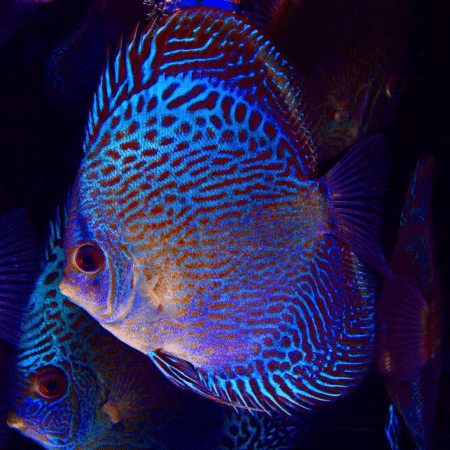
Welcome these beautiful Discus Fish Red Valentine into your tropical aquarium. Their stunning red coloration and graceful movements make them elegant additions. Ideal for aquarists seeking vibrant, peaceful companions, they thrive in well-planted environments. Perfect for beginners and enthusiasts alike.
In stock


Species Introduction
The Discus Fish Red Valentine, scientifically known as Symphysodon aequifasciatus, is a stunning member of the Cichlidae family, renowned for its vibrant colors and elegant shape. Originating from the Amazon River basin in South America, this freshwater fish thrives in slow-moving waters, where it finds refuge among dense vegetation and submerged structures. The natural habitat of the Red Valentine discus is characterized by soft, acidic waters that are rich in organic matter, providing a perfect environment for these beautiful creatures to flourish. Their striking coloration, which ranges from deep reds to subtle maroons, makes them a popular choice among aquarists looking to create a visually stunning tropical aquarium. As a species, discus fish are known for their intelligence and social behavior, often forming strong bonds with their tank mates and displaying fascinating interactions within their community.
Essential Care Guide for Your Discus Fish Red Valentine
| Optimal Living Conditions | |
|---|---|
| Water Temperature | 24-27°C (75-81°F) |
| pH Level | 6.5-7.5 |
| Water Hardness | 4-12 dKH |
| Minimum Tank Size | 80L (20 gal) |
| Salinity | Freshwater |
| Care Level | Beginner Friendly |
✓ Care Level: Moderate
Tank Size: Minimum 200 liters (53 gallons)
Water Temperature: 26-30°C (79-86°F)
pH Level: 6.0-7.5
Hardness: 1-10 dGH
Natural Behavior & Temperament
Discus fish are known for their graceful swimming patterns and gentle demeanor. These elegant fish prefer to inhabit the mid to upper levels of the aquarium, often gliding through the water with a calm and serene presence. Their social nature means they thrive in groups, and it is recommended to keep them in schools of at least six individuals to promote natural behavior and reduce stress. In a well-maintained aquarium, discus fish exhibit a range of behaviors, including playful interactions and territorial displays, especially during breeding periods. Their peaceful temperament makes them suitable for community tanks, provided that tank mates are chosen carefully to avoid aggression. However, it is essential to monitor their interactions, as they can become stressed in overly aggressive environments.
Tank Setup Guide
Creating an ideal environment for your Discus Fish Red Valentine involves careful consideration of tank setup and decor. A minimum tank size of 200 liters is recommended to provide ample swimming space and maintain stable water parameters. The substrate should consist of fine gravel or sand, allowing for easy cleaning and minimizing stress on the fish. Incorporating live plants such as Amazon swords and Java ferns not only enhances the aesthetic appeal of the aquarium but also provides hiding spots and natural filtration. Additionally, using driftwood and rocks can create territories and encourage natural behaviors. Lighting should be moderate, mimicking the dappled light of their natural habitat, and a gentle filtration system is essential to maintain water quality without creating strong currents that could stress the fish.
Water Quality Management
Maintaining optimal water quality is crucial for the health and wellbeing of your Discus Fish Red Valentine. These fish thrive in soft, acidic water, with a pH level between 6.0 and 7.5. Regular water changes of 20-30% weekly are recommended to keep nitrate levels low and maintain water clarity. The ideal temperature range for discus fish is between 26-30°C (79-86°F), which should be monitored closely using a reliable aquarium thermometer. Additionally, the hardness of the water should be kept between 1-10 dGH to mimic their natural habitat. Investing in a high-quality water testing kit will help you keep track of these parameters, ensuring a stable environment for your aquatic companions.
Feeding & Nutrition
Discus fish are omnivorous and require a varied diet to thrive. High-quality flakes, pellets, and frozen foods such as bloodworms and brine shrimp are excellent choices to provide the necessary nutrients for growth and health. It is recommended to feed them 2-3 times a day, offering only as much food as they can consume within a few minutes to prevent overfeeding and maintain water quality. For optimal health, consider supplementing their diet with spirulina and vegetable matter, which can enhance coloration and overall vitality. Additionally, it is essential to observe their feeding behavior, as discus fish can be shy eaters, especially in a new environment.
Compatibility Guide
✓ Suitable Tank Mates: Tetras, Corydoras, and other peaceful species
⚠ Avoid: Aggressive fish, such as cichlids and larger species
When selecting tank mates for your Discus Fish Red Valentine, it is crucial to choose species that share similar water parameter requirements and exhibit peaceful behavior. Ideal companions include small to medium-sized schooling fish like tetras and rasboras, as well as bottom dwellers such as Corydoras catfish. However, it is important to avoid aggressive species that may stress or harm your discus fish. Maintaining a harmonious community tank will not only enhance the beauty of your aquarium but also promote the health and wellbeing of all its inhabitants.
Health & Wellness
Discus fish are generally thriving, but like all living beings, they can be susceptible to various health issues if not properly cared for. Common ailments include ich, fin rot, and bacterial infections. Regular observation of your fish is essential to detect any signs of illness early. Symptoms such as lethargy, loss of appetite, and abnormal swimming patterns may indicate health problems. Maintaining excellent water quality, providing a balanced diet, and ensuring a stress-free environment are key factors in preventing disease. In case of illness, prompt treatment with appropriate medications and isolation of affected fish can help ensure a swift recovery.
Breeding Information
Breeding Discus Fish Red Valentine can be a rewarding experience for dedicated aquarists. These fish typically reach sexual maturity at around 12 months of age. To encourage breeding, it is advisable to maintain a separate breeding tank with optimal water conditions, including a slightly lower pH and temperature. Breeding pairs will often select a flat surface, such as a leaf or a clean rock, to lay their eggs. After spawning, both parents take turns guarding the eggs and fanning them to ensure proper oxygenation. Once the fry hatch, they will initially feed on their yolk sacs before transitioning to finely crushed flakes and live foods. Providing a stable environment and monitoring water quality during this critical period will enhance the survival rate of the young discus.
Acclimation Process
Introducing your Discus Fish Red Valentine to a new aquarium requires a careful acclimation process to minimize stress. Begin by floating the sealed bag in the aquarium for about 15-20 minutes to equalize the temperature. Afterward, slowly add small amounts of aquarium water to the bag over the next hour, allowing the fish to adjust to the new water parameters gradually. Once acclimated, gently release the fish into the tank without adding the bag water to prevent contamination. It is essential to monitor the fish closely during the first few days in their new environment, ensuring they are eating and behaving normally.
Long-term Care
Caring for your Discus Fish Red Valentine involves understanding their long-term needs as they grow and mature. These fish can reach a maximum length of 20 cm (8 inches), so providing adequate space and maintaining optimal water conditions is vital for their health and growth. Regular tank maintenance, including water changes and substrate cleaning, will help keep the environment stable. Additionally, monitoring their diet and adjusting feeding practices as they age will ensure they receive the necessary nutrients for continued health. With proper care, discus fish can live for 10 years or more, becoming cherished members of your aquatic family.
Natural Habitat Recreation
Creating a biotope that mimics the natural habitat of the Discus Fish Red Valentine can enhance their wellbeing and promote natural behaviors. In their native Amazon River basin, discus thrive in soft, acidic waters surrounded by lush vegetation and submerged structures. To recreate this environment, use a substrate of fine sand or gravel, and add plenty of live plants such as Amazon swords and floating plants to provide shade and cover. Incorporating driftwood and rocks can create hiding spots and territories, which are essential for their comfort. Additionally, using a gentle filtration system will help maintain water quality while simulating the slow-moving currents of their natural habitat.
Seasonal Care Adjustments
As temperatures and lighting conditions change with the seasons, it is important to make necessary adjustments to the care of your Discus Fish Red Valentine. During the warmer months, ensure that the water temperature remains stable within the ideal range of 26-30°C (79-86°F). In winter, consider using an aquarium heater to maintain warmth, as sudden temperature fluctuations can stress the fish. Additionally, adjusting the light cycle to mimic natural day and night patterns can help regulate their behavior and breeding cycles. Regular monitoring of water parameters during seasonal changes is crucial to ensure a healthy environment for your aquatic companions.
Expert Tips
For those looking to provide the best possible care for their Discus Fish Red Valentine, consider implementing the following expert tips. First, invest in a high-quality filtration system to maintain optimal water quality, as discus fish are sensitive to pollutants. Secondly, provide a varied diet to ensure they receive all necessary nutrients; incorporating a mix of high-quality flakes, frozen foods, and live foods will promote health and vibrancy. Additionally, consider using a water conditioner that removes harmful chemicals and heavy metals, as these can adversely affect discus fish. Lastly, be patient and observant; understanding their behavior and preferences will lead to a more harmonious aquarium environment, allowing your discus to thrive.
Troubleshooting
Despite best efforts, aquarists may encounter challenges while caring for their Discus Fish Red Valentine. Common issues include stress from aggressive tank mates, poor water quality, or inadequate diet. If you notice signs of stress, such as hiding or abnormal swimming patterns, evaluate the tank environment and consider rearranging decorations or adding more plants to create a more secure habitat. If water quality issues arise, perform partial water changes and test parameters to identify any imbalances. In cases of illness, isolate affected fish and consult with a veterinarian or aquatic specialist for appropriate treatment options. Being proactive and observant will help you address issues before they escalate.
Scientific Background
The Discus Fish Red Valentine, belonging to the family Cichlidae, is a fascinating species with a rich scientific background. The genus Symphysodon includes several varieties of discus fish, each exhibiting unique colors and patterns. Research into their behavior, social structures, and breeding habits has provided valuable insights into their care and welfare in captivity. Conservation efforts are ongoing to protect their natural habitats from pollution and deforestation, ensuring that future generations can enjoy the beauty of these remarkable fish. Understanding the scientific background of discus fish not only enhances our appreciation for them but also informs effective care practices that promote their health and longevity.
Advanced Care Techniques
For experienced aquarists looking to take their care of Discus Fish Red Valentine to the next level, consider implementing advanced techniques such as establishing a dedicated breeding tank or utilizing a planted tank with CO2 injection for optimal growth. Regularly monitor and adjust water parameters to mimic their natural habitat closely, and consider using a UV sterilizer to prevent diseases and maintain water clarity. Additionally, exploring the use of probiotics in their diet can enhance gut health and overall vitality. Engaging in ongoing education about discus fish care through forums, literature, and expert consultations will further enrich your experience and success in keeping these beautiful aquatic companions.
Water Quality Parameters
Optimal Range
Temperature:
24-27°C
24-27°C
pH:
6.5-7.5
6.5-7.5
Ammonia:
0 ppm
0 ppm
Caution Zone
Temperature:
22-24°C or 27-29°C
22-24°C or 27-29°C
pH:
6.0-6.5 or 7.5-8.0
6.0-6.5 or 7.5-8.0
Ammonia:
0.25-0.5 ppm
0.25-0.5 ppm
Danger Zone
Temperature:
<22°C or >29°C
<22°C or >29°C
pH:
<6.0 or >8.0
<6.0 or >8.0
Ammonia:
>0.5 ppm
>0.5 ppm
Monitoring Tip: Test water parameters weekly and perform regular water changes to maintain optimal conditions for your aquatic friends!
Frequently Asked Questions
Q: What tank size is required for Discus Fish Red Valentine?
Discus Fish Red Valentine thrive best in a spacious aquarium, ideally a minimum of 200 litres (around 53 gallons) for a small group. They require ample swimming space and prefer to be in groups of at least six to reduce stress and encourage natural behaviours. A larger tank enables better water quality management, which is crucial for these sensitive fish. It is also recommended to have a height of at least 60 cm (24 inches) to accommodate their swimming patterns. Ensuring the tank is well-filtered and maintained will help create a stable environment that promotes their health and vibrancy.
✓ Expert Tip
Consider aquascaping with plants and decorations to provide hiding spots, which can help reduce stress levels.
Q: What water parameters do Discus Fish Red Valentine require?
Discus Fish Red Valentine prefer soft, slightly acidic to neutral water. Ideally, the pH should range between 6.0 and 7.0, with a hardness of 1-10 dGH. Temperature is also critical; maintain it between 28-30°C (82-86°F) for optimal health. Regular water changes of 25-50% weekly are essential to keep nitrate levels low and maintain water quality. Investing in a good quality water testing kit can help monitor these parameters effectively, ensuring a stable environment for your fish.
✓ Expert Tip
Use a reverse osmosis (RO) unit to achieve the desired water parameters, especially if your tap water is hard or alkaline.
Q: How often should I feed Discus Fish Red Valentine?
Feeding schedules for Discus Fish Red Valentine should be regular and varied. It is advisable to feed them 2-3 times daily, offering small amounts that they can consume within a few minutes. Their diet should consist of high-quality pellets, frozen or live foods such as brine shrimp and bloodworms, and vegetable matter. This variety ensures they receive adequate nutrition and helps maintain their vibrant colours. Overfeeding can lead to poor water quality, so moderation is key.
✓ Expert Tip
Soaking dry foods in garlic juice can enhance palatability and boost their immune system.
Q: What are the best tank mates for Discus Fish Red Valentine?
When selecting tank mates for Discus Fish Red Valentine, it is crucial to choose peaceful species that thrive in similar water conditions. Suitable companions include tetras, rasboras, and certain types of catfish like Corydoras. Avoid aggressive or fin-nipping species, as they can stress the discus. It is also wise to keep an eye on the size of potential tank mates; larger fish may intimidate or bully discus. Always introduce new fish gradually and monitor interactions closely.
✓ Expert Tip
Create a well-planted tank layout to provide hiding spots, which can reduce territorial disputes.
Q: How do I properly acclimatise Discus Fish Red Valentine to my aquarium?
Acclimatisation is essential for the health of your Discus Fish Red Valentine. Begin by floating the sealed bag in the aquarium for about 15-20 minutes to equalise the temperature. Following this, gradually introduce small amounts of tank water into the bag over the course of 1-2 hours. This process helps the fish adjust to the water parameters of their new environment. Finally, gently release them into the tank without adding the bag water, which can contain harmful substances. Monitor them closely for signs of stress.
✓ Expert Tip
Perform acclimatisation during low-light conditions to help reduce stress levels.
Q: What are the signs of healthy Discus Fish Red Valentine?
Healthy Discus Fish Red Valentine exhibit vibrant colours, clear eyes, and an active swimming behaviour. They should be responsive to stimuli and show normal feeding habits. Additionally, their fins should be fully extended and free of tears or fraying. Regular monitoring of your fish will help identify any changes in behaviour or appearance that may indicate illness. Early detection is vital for effective treatment, so be aware of any unusual signs such as lethargy or loss of appetite.
✓ Expert Tip
Keep a health journal to track changes in behaviour or health, making it easier to spot potential issues.
Q: How do I successfully breed Discus Fish Red Valentine?
Breeding Discus Fish Red Valentine requires a well-maintained environment and specific conditions. Begin by ensuring that your breeding pair is healthy and well-fed. Introduce them to a breeding tank with clean, slightly acidic water at a temperature of 28-30°C (82-86°F). Provide flat surfaces for egg laying, such as slate or broad-leaved plants. After spawning, the parents will guard the eggs, which typically hatch within 48 hours. It is crucial to provide proper nutrition for the fry, as they require infusoria or finely crushed flakes until they are large enough for regular food.
✓ Expert Tip
Consider using a separate breeding tank to reduce stress and increase the success rate of the breeding process.
Q: What temperature should I maintain for Discus Fish Red Valentine?
The ideal temperature range for Discus Fish Red Valentine is between 28-30°C (82-86°F). Maintaining a stable temperature is crucial, as rapid fluctuations can lead to stress and health issues. Invest in a reliable aquarium heater and thermometer to monitor and maintain the desired temperature. Regular checks are essential, especially if you notice any changes in fish behaviour. A stable temperature not only promotes optimal health but also encourages vibrant colours and active behaviours.
✓ Expert Tip
Use a programmable heater to maintain a consistent temperature, reducing the risk of fluctuations.
Q: How long do Discus Fish Red Valentine typically live in captivity?
With proper care, Discus Fish Red Valentine can live anywhere from 10 to 15 years in captivity. Their lifespan is heavily influenced by water quality, diet, and overall tank conditions. Consistent maintenance of water parameters and regular health checks can significantly impact their longevity. Additionally, providing a balanced diet and reducing stress through proper tank mates will contribute to their well-being and lifespan. Always strive to create an environment that meets their natural habitat requirements.
✓ Expert Tip
Stay informed about common health issues and signs of stress to help extend their lifespan.
Q: What type of substrate is most suitable for Discus Fish Red Valentine?
For Discus Fish Red Valentine, a soft, fine substrate such as sand or small gravel is ideal. This type of substrate not only mimics their natural habitat but also allows for easy cleaning and maintenance. Avoid sharp or coarse substrates, as they can injure the delicate bodies of the fish. Additionally, a substrate that supports plant growth can enhance the aesthetic appeal of the aquarium while providing hiding spots for the fish. Regular vacuuming of the substrate is essential to maintain water quality.
✓ Expert Tip
Incorporate live plants into the substrate to create a more natural environment and improve water quality.
Q: What behavioural patterns should I expect from Discus Fish Red Valentine?
Discus Fish Red Valentine are known for their gentle and peaceful behaviour. They often swim in a coordinated manner, showcasing their social nature. Typically, they will establish a hierarchy within a group, and you may observe them pairing off during breeding. They are relatively shy and may seek shelter among plants or decorations when feeling threatened. Providing a well-structured environment with plenty of hiding spots can help them feel secure and reduce stress.
✓ Expert Tip
Observe their interactions closely; signs of aggression or stress can indicate the need for adjustments in tank mates or environment.
Q: How can I prevent common diseases in Discus Fish Red Valentine?
Preventing diseases in Discus Fish Red Valentine involves maintaining excellent water quality and a stable environment. Regular water changes and monitoring parameters are crucial. Quarantine new fish before introducing them to the main tank to prevent the spread of pathogens. Additionally, ensure a balanced diet rich in nutrients to boost their immune system. Keep an eye out for signs of stress or illness, such as changes in behaviour or appearance, allowing for early intervention if necessary.
✓ Expert Tip
Consider using aquarium salt in moderation, as it can help prevent certain diseases and promote healing.
Q: What lighting conditions do Discus Fish Red Valentine prefer?
Discus Fish Red Valentine thrive under moderate lighting conditions. Bright, harsh lights can cause stress, so opt for softer illumination that mimics their natural habitat. Using LED lights with adjustable intensity can help create a comfortable environment. Additionally, consider incorporating floating plants or taller plants to diffuse the light and provide shaded areas. This not only enhances their comfort but also encourages natural behaviours.
✓ Expert Tip
Use a timer for your lighting to simulate a natural day/night cycle, which can help regulate their activity levels.
Q: How do I recognise stress in Discus Fish Red Valentine?
Recognising stress in Discus Fish Red Valentine is essential for their health. Common signs include hiding, lethargy, and loss of appetite. They may also exhibit rapid gill movement or stay near the water surface. Changes in colour, such as fading or darkening, can indicate stress as well. It is vital to assess tank conditions promptly if you observe these behaviours. Factors such as overcrowding, poor water quality, or aggressive tank mates could be contributing to their stress.
✓ Expert Tip
Consider conducting a full water test if stress is observed to rule out any water quality issues.
Q: What natural habitat conditions should I replicate for Discus Fish Red Valentine?
To create a suitable environment for Discus Fish Red Valentine, aim to replicate their natural habitat found in the Amazon River basin. This involves soft, slightly acidic water, abundant vegetation, and subdued lighting. Incorporating driftwood and live plants can provide hiding spots and help mimic their natural surroundings. Aim for a well-planted aquarium with plenty of open swimming space. Regular maintenance and water quality checks are vital to maintaining these conditions for their health and well-being.
✓ Expert Tip
Utilise natural materials like peat to help soften the water and lower the pH, further mimicking their habitat.
1 review for Discus Fish Red Valentine
Add a review
Related products



Out of stock


Emma Garcia (verified owner) –
I recently added a Red Valentine Discus Fish to my aquarium, and I couldn’t be happier! After about two weeks of care, this beautiful tropical fish has really settled in beautifully. The vibrant colors are absolutely stunning, and it adds such a lively touch to my tank. I’ve previously kept other freshwater fish, but the personality of this discus fish is truly something special.
It’s essential to maintain the right water conditions, as they are a bit sensitive, but after investing in a quality heater and a good filtration system, I’ve seen remarkable health improvements. I appreciate the detailed care instructions I received when purchasing it, which made acclimating this fish so much easier.
Comparing this to my past experiences with other fish, I can honestly say that the Red Valentine has a level of charm that is unmatched. If you care deeply about your aquatic pets, this fish will definitely capture your heart! For anyone looking to enhance their aquarium with a vibrant and friendly fish, I wholeheartedly recommend the Red Valentine Discus. Just be prepared for a little extra attention to water quality, and you’ll be rewarded with a happy, healthy fish!