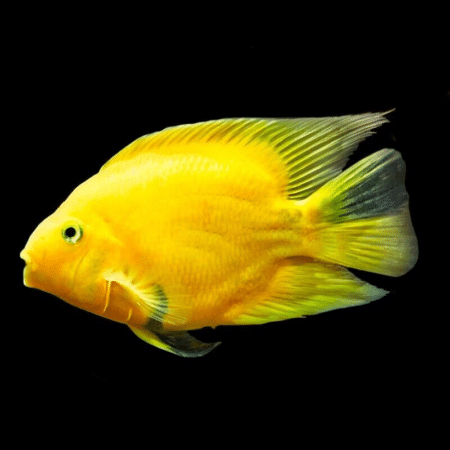
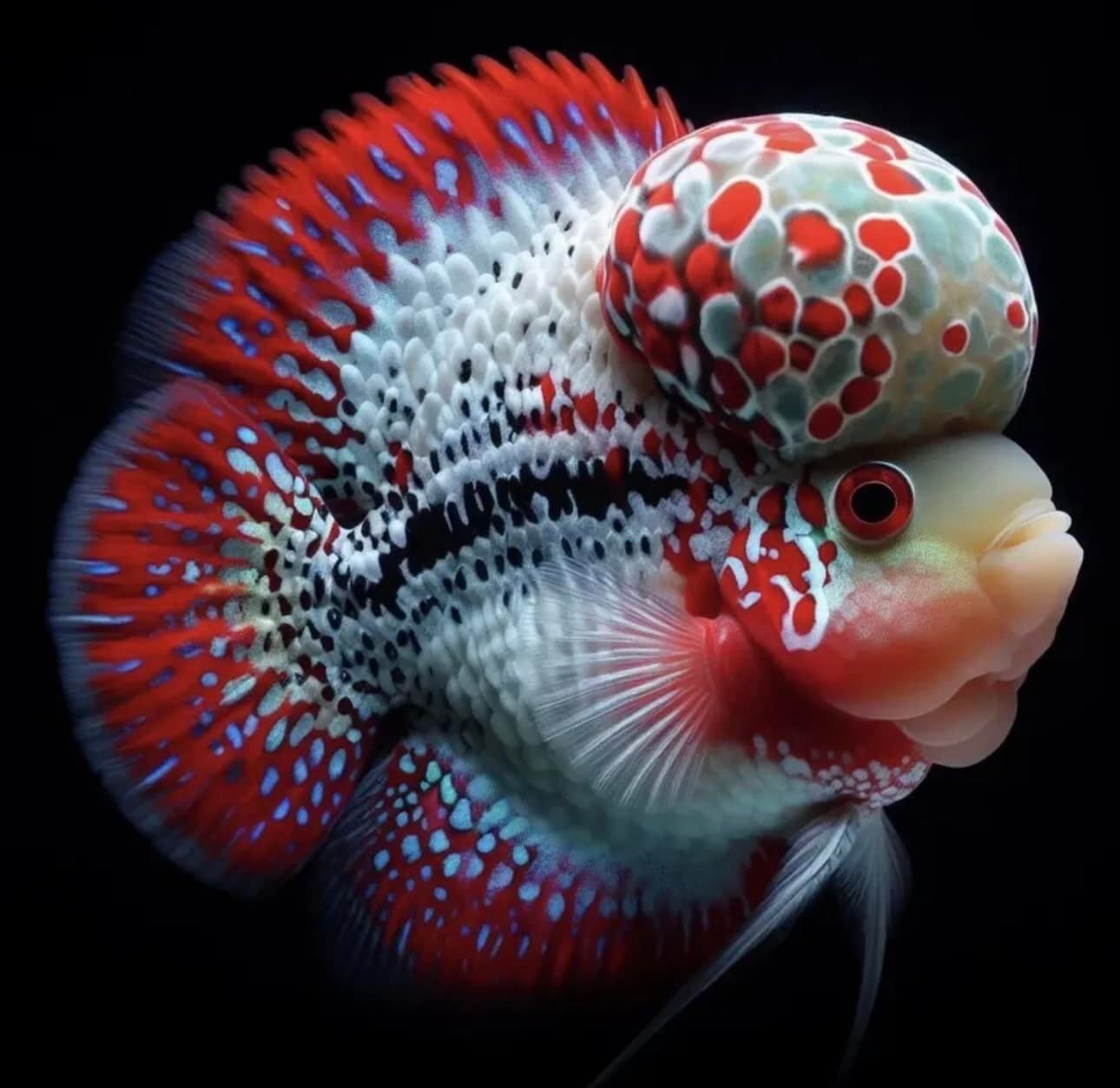
Flowerhorn Cichlid – Vivid Colours – South American Cichlid

Original price was: £29.49.£25.00Current price is: £25.00.
Welcome the Flowerhorn Cichlid, a stunning South American cichlid known for its vivid colors and graceful movement. Perfect for community tanks, these beautiful inhabitants thrive in loving environments. Ideal for aquarists seeking vibrant companions to enhance their aquarium’s beauty.

Species Introduction
The Flowerhorn Cichlid, a captivating freshwater fish, is a hybrid species that has gained immense popularity among aquarium enthusiasts. Although its exact scientific classification remains elusive due to its hybrid nature, it is primarily recognized for its vibrant colors and unique physical features, including a pronounced nuchal hump. Originating from South America, particularly in the regions surrounding the Amazon River, these fish thrive in warm, freshwater environments. The Flowerhorn is not just a beautiful fish; it is a symbol of good fortune and prosperity in some cultures, making it a cherished addition to many aquariums. With their vivid colors ranging from bright reds to deep blues and yellows, Flowerhorn Cichlids truly stand out in any aquatic setting. Their striking appearance and engaging personalities make them a favorite among both novice and experienced aquarists. As you welcome these beautiful creatures into your home, it is essential to understand their specific care requirements to ensure they thrive and display their full potential.
Care Requirements Dashboard
Essential Care Guide for Your Flowerhorn Cichlid
| Optimal Living Conditions | |
|---|---|
| Water Temperature | 24-27°C (75-81°F) |
| pH Level | 6.5-7.5 |
| Water Hardness | 4-12 dKH |
| Minimum Tank Size | 80L (20 gal) |
| Salinity | Freshwater |
| Care Level | Beginner Friendly |
✓ Care Level: Easy
The Flowerhorn Cichlid is considered an easy fish to care for, making it suitable for both beginners and seasoned aquarists. However, they do require specific water conditions and tank setups to thrive. Below are the essential care requirements:
- Tank Size: Minimum 100 gallons
- Water Temperature: 78°F to 82°F (25°C to 28°C)
- pH Level: 6.5 to 8.0
- Water Hardness: 10 to 20 dGH
Natural Behavior & Temperament
Flowerhorn Cichlids are known for their bold personalities and territorial nature. They are semi-aggressive fish, particularly during breeding seasons, and can display dominant behavior towards tank mates. In their natural habitat, these fish exhibit a range of behaviors, including swimming in pairs or small groups, establishing territories, and engaging in playful displays. In an aquarium setting, it is crucial to provide ample space and hiding spots to reduce stress and aggression. Flowerhorns are social creatures and can form bonds with their caretakers, often recognizing them and interacting during feeding times. Understanding their natural behavior is vital for creating a harmonious community tank environment, where they can thrive alongside compatible fish species.
Tank Setup Guide
Creating an ideal environment for your Flowerhorn Cichlid is essential for their health and well-being. A well-planned tank setup will not only enhance their beauty but also provide them with a sense of security. Start with a spacious aquarium of at least 100 gallons, as these fish require ample swimming space. The substrate should be fine gravel or sand to mimic their natural habitat. Incorporate various decorations, such as rocks, driftwood, and plants, to create hiding spots and territories. Live aquarium plants can also be beneficial, but ensure they are hardy enough to withstand the Flowerhorn’s behavior. Additionally, maintain good water circulation and filtration to keep the water clean and oxygenated. A well-maintained tank setup will encourage your Flowerhorn to display its vibrant colors and lively behavior.
Water Quality Management
Maintaining optimal water quality is crucial for the health of your Flowerhorn Cichlid. Regular water testing is recommended to monitor pH, temperature, and hardness levels. The ideal pH range for Flowerhorns is between 6.5 and 8.0, with a temperature of 78°F to 82°F. It is essential to perform regular water changes of 20-30% weekly to remove toxins and replenish essential minerals. Additionally, using a high-quality aquarium filter will help maintain clear water and provide a stable environment. Monitoring ammonia, nitrite, and nitrate levels is also vital; ammonia and nitrite should be at 0 ppm, while nitrates should be kept below 20 ppm. By ensuring proper water quality management, you will create a thriving environment for your Flowerhorn Cichlid.
Feeding & Nutrition
Feeding your Flowerhorn Cichlid a balanced and nutritious diet is essential for their growth and vibrant coloration. These fish are omnivorous and thrive on a varied diet that includes high-quality cichlid pellets, frozen or live foods such as brine shrimp, bloodworms, and daphnia. It is advisable to feed them 2-3 times a day, providing only what they can consume in a few minutes to prevent overfeeding and maintain water quality. Additionally, incorporating vegetable matter, such as spirulina flakes or blanched spinach, can enhance their diet and promote overall health. Regularly changing their diet can also prevent boredom and stimulate natural foraging behaviors. By providing a well-rounded diet, you will support the health and vitality of your Flowerhorn Cichlid.
Compatibility Guide
✓ Community Compatible Fish
When considering tank mates for your Flowerhorn Cichlid, it is crucial to choose species that can coexist peacefully. Ideal tank mates include larger, robust fish that can handle the Flowerhorn’s semi-aggressive nature. Some suitable companions are:
- Oscar Fish
- Jack Dempsey
- Severum
- Other Cichlids (of similar size)
⚠ Avoid these tank mates:
- Small Tetras
- Guppies
- Neon Tetras
- Delicate species
Health & Wellness
Maintaining the health and wellness of your Flowerhorn Cichlid involves regular monitoring and preventive care. Common health issues include ich, fin rot, and swim bladder disease. To prevent these conditions, ensure stable water parameters, avoid overcrowding, and provide a balanced diet. Regularly observe your fish for any signs of distress or illness, such as changes in behavior, appetite loss, or physical abnormalities. If you notice any issues, prompt treatment is essential. Quarantine any new fish before introducing them to your main tank to prevent the spread of diseases. By staying vigilant and proactive in your care routine, you can help your Flowerhorn thrive and live a long, healthy life.
Breeding Information
Breeding Flowerhorn Cichlids can be a rewarding experience for dedicated aquarists. To initiate breeding, it is essential to ensure that you have a male and female pair. The female will lay eggs on a flat surface, and the male will fertilize them. After spawning, the parents will often guard the eggs and fry, displaying protective behavior. The fry will typically hatch within 3-4 days and can be fed infusoria or finely crushed flakes until they are large enough to consume regular food. It is crucial to provide a separate breeding tank to minimize stress and ensure the safety of the fry. Monitoring the water quality during this period is vital, as the fry are particularly sensitive to changes in their environment. With the right conditions and care, you can successfully raise healthy Flowerhorn fry.
Acclimation Process
Introducing your Flowerhorn Cichlid to its new home requires a careful acclimation process to reduce stress and ensure a smooth transition. Begin by floating the sealed bag containing the fish in the aquarium for about 15-20 minutes to equalize the temperature. Afterward, gradually introduce small amounts of tank water into the bag over the next hour. This slow acclimation helps the fish adjust to the water parameters of its new environment. Once acclimated, gently release the Flowerhorn into the tank, avoiding the introduction of bag water to prevent contamination. Monitoring the fish closely for the first few days will help you ensure that it is adjusting well to its new surroundings.
Long-term Care
Caring for your Flowerhorn Cichlid over the long term involves understanding their growth expectations and lifecycle. Flowerhorns can grow quite large, often reaching sizes of up to 12 inches, depending on the specific hybrid. As they mature, their care requirements may change, necessitating adjustments in tank size and diet. Regular health check-ups and water quality testing are essential to ensure that they remain healthy throughout their life. Additionally, providing a varied diet and maintaining a stable environment will contribute to their longevity. With proper care, Flowerhorn Cichlids can live for 10-15 years, becoming cherished companions in your aquarium.
Natural Habitat Recreation
To create a biotope that reflects the natural habitat of Flowerhorn Cichlids, consider incorporating elements that mimic the Amazon River environment. Use natural materials such as driftwood, rocks, and live plants to establish a realistic setting. The substrate should consist of fine gravel or sand, allowing for natural digging behaviors. Additionally, maintaining a warm water temperature and appropriate pH levels will help replicate their native conditions. By recreating their natural habitat, you will not only enhance the beauty of your aquarium but also promote the well-being of your Flowerhorn Cichlid.
Seasonal Care Adjustments
As seasons change, so do the needs of your Flowerhorn Cichlid. During the warmer months, ensure that the water temperature remains stable, as fluctuations can stress the fish. In colder months, consider using a heater to maintain the ideal temperature range. Additionally, monitor the water parameters regularly, as changes in temperature can affect pH and hardness levels. Adjusting the lighting cycle can also help simulate natural seasonal changes, promoting healthy growth and behavior. By being attentive to seasonal care adjustments, you can ensure that your Flowerhorn remains healthy and vibrant throughout the year.
Expert Tips
For those looking to deepen their knowledge and care practices for Flowerhorn Cichlids, here are some expert tips: First, invest in a high-quality water testing kit to monitor parameters accurately. Second, consider creating a varied diet that includes both high-quality pellets and live or frozen foods to enhance color and health. Third, observe your fish regularly to identify any changes in behavior or health promptly. Lastly, engage with online communities or local clubs to share experiences and gain insights from fellow Flowerhorn enthusiasts. By applying these expert tips, you can elevate your care routine and foster a thriving environment for your Flowerhorn Cichlid.
Troubleshooting
In the event of issues arising in your Flowerhorn’s care, it is essential to have a troubleshooting plan. Common problems include water quality fluctuations, aggression towards tank mates, and signs of illness. If you notice cloudy water or unusual behavior, immediately check your water parameters and perform a partial water change. If aggression is an issue, consider rearranging the tank decor to disrupt established territories. For health concerns, consult a veterinarian specializing in fish or research the symptoms to determine appropriate treatment options. Having a proactive approach to troubleshooting will help you maintain a healthy and harmonious aquarium environment.
Scientific Background
The Flowerhorn Cichlid is a fascinating hybrid, resulting from the crossbreeding of various cichlid species, primarily from South America. While the exact scientific classification remains ambiguous, these fish exhibit traits from their parent species, contributing to their unique appearance and behavior. Research into the genetics of Flowerhorns is ongoing, as enthusiasts and scientists alike seek to understand their development and potential conservation status. As a hybrid, Flowerhorns do not have a natural habitat in the wild, which raises questions about their ecological impact and the importance of responsible breeding practices. By understanding the scientific background of Flowerhorn Cichlids, aquarists can appreciate their complexity and contribute to their care and conservation.
Advanced Care Techniques
For experienced aquarists looking to enhance their Flowerhorn care, consider implementing advanced techniques. These may include specialized feeding regimens that focus on enhancing coloration through specific nutrient-rich foods, such as those high in carotenoids. Additionally, employing advanced filtration systems can help maintain optimal water conditions, reducing the frequency of water changes. Regularly engaging in aquascaping can also stimulate natural behaviors and reduce stress. Lastly, documenting growth and behavior changes can provide valuable insights into the health and development of your Flowerhorn, allowing for tailored care strategies. By utilizing advanced care techniques, you can ensure that your Flowerhorn Cichlid thrives and showcases its full potential.
Water Quality Parameters
Optimal Range
24-27°C
6.5-7.5
0 ppm
Caution Zone
22-24°C or 27-29°C
6.0-6.5 or 7.5-8.0
0.25-0.5 ppm
Danger Zone
<22°C or >29°C
<6.0 or >8.0
>0.5 ppm
Monitoring Tip: Test water parameters weekly and perform regular water changes to maintain optimal conditions for your aquatic friends!
Frequently Asked Questions
Q: What tank size is required for a Flowerhorn Cichlid?
A Flowerhorn Cichlid requires a minimum tank size of 200 litres to thrive. This provides ample swimming space and allows for territorial behaviour, which is common in this species. The tank should be well-filtered and maintained with regular water changes to ensure high water quality. A larger tank not only enhances the fish’s natural beauty but also helps reduce stress and aggression, making it an ideal environment for your aquatic companion.
✓ Expert Tip
Consider adding decorations and hiding spots to help reduce stress and create a more natural environment.
Q: What water parameters do Flowerhorn Cichlids require?
Maintaining the right water parameters is crucial for the health of Flowerhorn Cichlids. They thrive in water with a pH between 6.5 and 7.5, a temperature range of 24°C to 28°C, and a hardness of 10-15 dGH. Regular testing with a reliable water testing kit ensures these parameters remain stable. Sudden changes can stress the fish, leading to health issues. Consistency is key, so regular water changes and monitoring are essential.
✓ Expert Tip
Use a heater and a quality filter to maintain stable water conditions.
Q: How often should I feed my Flowerhorn Cichlid?
Feeding your Flowerhorn Cichlid should occur 2-3 times a day, with portions they can consume within a few minutes. A varied diet consisting of high-quality pellets, live or frozen foods, and vegetable matter is ideal. This not only promotes vibrant colours but also supports their overall health. Overfeeding can lead to water quality issues, so it’s important to monitor their intake and adjust as necessary.
✓ Expert Tip
Consider using a feeding schedule to ensure consistency and proper nutrition.
Q: What are the best tank mates for Flowerhorn Cichlids?
Due to their territorial nature, Flowerhorn Cichlids are best kept with robust and similarly sized fish. Suitable tank mates include larger cichlids like Oscars or other aggressive species like Jack Dempseys. Avoid smaller or passive fish, as they may become targets for aggression. Always introduce new tank mates gradually and monitor for any signs of stress or aggression during the acclimatisation process.
✓ Expert Tip
Create a visually stimulating environment with plants and rocks to help reduce aggression.
Q: How do I properly acclimatise a Flowerhorn Cichlid to my aquarium?
Acclimatising your Flowerhorn Cichlid is a crucial step in ensuring its health. Begin by floating the sealed bag in the aquarium for about 15-20 minutes to equalise the temperature. After this, gradually introduce small amounts of aquarium water into the bag over the next hour. Finally, gently transfer the fish into the tank using a net, avoiding adding bag water to your aquarium. This method reduces stress and helps your new fish adapt to its new environment.
✓ Expert Tip
Keep the lights dim during acclimatisation to reduce stress.
Q: What are the signs of a healthy Flowerhorn Cichlid?
Healthy Flowerhorn Cichlids exhibit vibrant colours, clear eyes, and active behaviour. They should swim confidently and show interest in their surroundings. Observe for signs of stress such as hiding, lethargy, or loss of appetite, which may indicate health issues. Regular monitoring of their behaviour and physical condition will help you identify any potential problems early, allowing for prompt intervention.
✓ Expert Tip
Keep a journal of your fish’s behaviour and health for better observation.
Q: How do I successfully breed Flowerhorn Cichlids?
Breeding Flowerhorn Cichlids requires a suitable environment. Ensure a spacious tank with flat surfaces where females can lay eggs. Maintain optimal water quality and temperature, around 28°C. Males typically display more vibrant colours and larger nuchal humps during breeding. Once eggs are laid, remove the female to prevent aggression. Monitor the tank closely, as both parents may exhibit protective behaviour towards the fry.
✓ Expert Tip
Provide high-quality fry food to support their growth once they begin to swim freely.
Q: What temperature should I maintain for my Flowerhorn Cichlid?
A stable water temperature between 24°C and 28°C is ideal for Flowerhorn Cichlids. Fluctuations outside this range can lead to stress and health issues. It’s advisable to use a reliable aquarium heater and thermometer to maintain the desired temperature. Regular checks will help ensure that the environment remains consistent, promoting the well-being of your aquatic companion.
✓ Expert Tip
Avoid placing the tank in direct sunlight or near heaters to prevent temperature fluctuations.
Q: How long do Flowerhorn Cichlids typically live in captivity?
With proper care, Flowerhorn Cichlids can live for 10 to 15 years in captivity. Ensuring optimal water quality, a balanced diet, and a suitable tank environment will greatly influence their longevity. Regular health checks and maintenance will also contribute to a longer, healthier life for your aquatic companion.
✓ Expert Tip
Keep a consistent care routine to enhance their lifespan and quality of life.
Q: What type of substrate is most suitable for Flowerhorn Cichlids?
For Flowerhorn Cichlids, a substrate that is smooth and rounded is ideal to prevent injuries to their sensitive bodies. Fine gravel or sand substrates are excellent choices as they promote natural behaviour and ease of cleaning. Avoid sharp substrates that may cause harm. Additionally, a darker substrate can enhance the colours of your Flowerhorn, making them appear more vibrant in their environment.
✓ Expert Tip
Regularly vacuum the substrate to maintain cleanliness and water quality.
Q: What behavioural patterns should I expect from Flowerhorn Cichlids?
Flowerhorn Cichlids are known for their vibrant personalities. They can be quite territorial, especially during breeding seasons, and may display aggressive behaviour towards other fish. These fish are intelligent and can recognise their keepers, often exhibiting curious behaviour. Providing hiding spots and ample space can help reduce aggression and promote a more harmonious environment.
✓ Expert Tip
Spend time observing your Flowerhorn to understand its unique personality and behavioural patterns.
Q: How can I prevent common diseases in Flowerhorn Cichlids?
Preventing diseases in Flowerhorn Cichlids starts with maintaining excellent water quality. Regular water changes and monitoring parameters will help. Quarantine new fish before introducing them to your main tank to prevent the spread of illness. A balanced diet enriched with vitamins will bolster their immune system. Additionally, maintaining a clean environment and promptly addressing any signs of stress or illness will go a long way in disease prevention.
✓ Expert Tip
Regularly inspect your fish for any unusual behaviour or physical signs of disease.
Q: What lighting conditions do Flowerhorn Cichlids prefer?
Flowerhorn Cichlids prefer moderate lighting that mimics their natural habitat. Bright, direct light can stress them, so it’s advisable to use subdued lighting or provide shaded areas in the tank with plants or decorations. This not only helps in reducing stress but also enhances their colouration, making them appear more vibrant. A consistent light cycle of around 10-12 hours a day is ideal.
✓ Expert Tip
Use adjustable LED lights to easily modify the intensity and duration of lighting.
Q: How do I recognise stress in my Flowerhorn Cichlid?
Recognising stress in your Flowerhorn Cichlid is vital for maintaining its health. Signs include hiding, erratic swimming, loss of appetite, and colour fading. Additionally, excessive fin clamping or rubbing against objects can indicate discomfort. If you observe any of these behaviours, it is essential to assess the tank environment, water quality, and compatibility with tank mates to address the issue promptly.
✓ Expert Tip
Create a stress-free environment with plenty of hiding spots and stable water conditions.
Q: What natural habitat conditions should I replicate for Flowerhorn Cichlids?
To create a suitable habitat for Flowerhorn Cichlids, replicate their natural environment found in freshwater lakes and rivers. This includes providing a sandy or fine gravel substrate, plenty of hiding places with rocks and plants, and maintaining clean, well-oxygenated water. Mimicking their natural habitat not only enhances their colours but also promotes natural behaviour, leading to a healthier and happier fish.
✓ Expert Tip
Use natural decorations to create a visually appealing and stimulating environment.
Related products