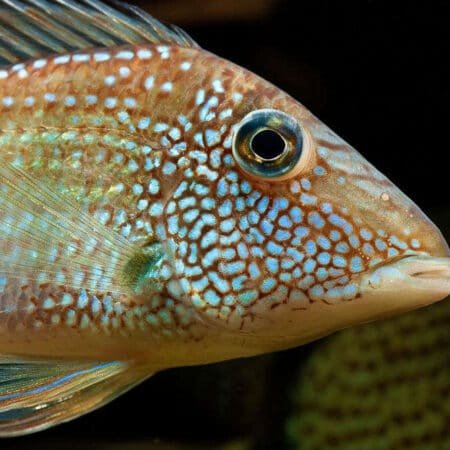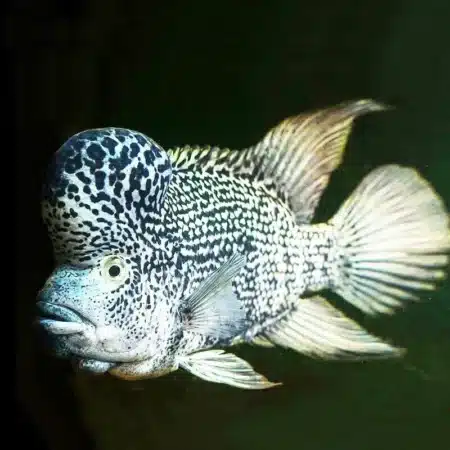

Tiger Oscar (5cm) – Astronotus Ocellatus – South American Cichlid

Original price was: £12.99.£10.75Current price is: £10.75.
Welcome these beautiful Tiger Oscars, vibrant cichlid fish that enhance your aquarium with stunning colors and patterns. Perfect for community tanks, these graceful creatures thrive in proper care. Ideal for aquarists seeking easy-to-care-for tropical fish. Create a flourishing environment today!
Species Introduction
The Tiger Oscar, scientifically known as Astronotus ocellatus, is a captivating species of cichlid fish native to the freshwater rivers and lakes of South America, particularly in the Amazon Basin. This vibrant cichlid is renowned for its striking coloration and dynamic personality, making it a favorite among aquarium enthusiasts. The Tiger Oscar typically exhibits a stunning array of colors, including deep oranges, blacks, and yellows, which can vary depending on their environment and genetics. These fish are not just visually appealing; they also possess a fascinating behavior that captivates viewers. In their natural habitat, they thrive in slow-moving waters, often hiding among rocks and submerged plants, which provides them with both shelter and hunting grounds. As a result, they have adapted to a variety of aquatic environments, showcasing their resilience and adaptability. Understanding their origins and natural behaviors is essential for providing the best care and environment for these beautiful aquatic companions.
Care Requirements Dashboard
| Optimal Living Conditions | |
|---|---|
| Water Temperature | 24-27°C (75-81°F) |
| pH Level | 6.5-7.5 |
| Water Hardness | 4-12 dKH |
| Minimum Tank Size | 80L (20 gal) |
| Salinity | Freshwater |
| Care Level | Beginner Friendly |
Natural Behavior & Temperament
The Tiger Oscar is known for its active and inquisitive nature. These fish are not only beautiful but also exhibit a range of behaviors that make them fascinating to observe. They are territorial and can display aggression, especially during breeding seasons or when they feel their space is being invaded. In community tanks, it is crucial to monitor their interactions with other species, as they may become dominant. Oscars are intelligent fish and can recognize their owners, often interacting with them at the glass of the aquarium. They enjoy swimming around the tank and exploring their environment, which is why a spacious tank with plenty of hiding spots and open swimming areas is essential. Their dynamic behavior includes playful interactions with tank mates and even the occasional splash, making them a lively addition to any aquarium setup.
Tank Setup Guide
Creating the ideal environment for your Tiger Oscar is crucial for their health and happiness. A minimum tank size of 75 gallons is recommended to provide ample space for swimming and territorial behaviors. The substrate should consist of fine gravel or sand to mimic their natural habitat, allowing them to sift through the substrate as they would in the wild. Incorporating natural decorations such as driftwood, rocks, and live or artificial plants will not only enhance the aesthetic appeal of the aquarium but also provide hiding spots and territories for the fish. It is essential to avoid sharp edges in decorations, as Oscars are known to be curious and may injure themselves. Additionally, providing a secure lid for the tank is advisable, as Oscars can be jumpers, and ensuring a stable environment with proper filtration and aeration will keep the water quality high, promoting a healthy habitat for your aquatic companions.
Water Quality Management
Maintaining optimal water quality is essential for the health of your Tiger Oscar. The ideal pH level for these cichlids ranges from 6.5 to 7.5, with a temperature between 24-28°C (75-82°F). Regular water testing is crucial to ensure these parameters are maintained, as fluctuations can lead to stress and health issues. The hardness of the water should be kept between 5-20 dGH, which mimics their natural habitat. Implementing a robust filtration system will help manage waste and keep the water clean, while regular water changes of 20-30% weekly will help maintain stable water conditions. Additionally, using a water conditioner to remove harmful chemicals and chlorine from tap water is recommended before introducing it into the tank. Monitoring ammonia, nitrite, and nitrate levels is also vital, as high levels of these compounds can be detrimental to your fish friends. Keeping a consistent water quality will promote a healthy and thriving environment for your Tiger Oscar.
Feeding & Nutrition
Feeding your Tiger Oscar a well-balanced diet is key to ensuring their health and vibrancy. These fish are omnivorous and thrive on a varied diet that includes high-quality pellets, frozen or live foods such as bloodworms, brine shrimp, and earthworms. A feeding schedule of 2-3 times a day is recommended, with portions that can be consumed within a few minutes to prevent overfeeding and water quality issues. It is important to monitor their feeding habits, as Oscars can be greedy eaters. Additionally, incorporating occasional vegetable matter, such as blanched zucchini or spinach, can provide essential nutrients and promote digestive health. Always ensure that the food is appropriate for their size, as smaller pellets may not satisfy their dietary needs. A well-fed Tiger Oscar will exhibit vibrant colors and active behavior, making them a joy to observe in your aquarium.
Compatibility Guide
When considering tank mates for your Tiger Oscar, it is essential to choose species that can coexist peacefully. Oscars are known to be territorial and can exhibit aggression, especially towards smaller or more timid fish. Suitable tank mates include larger cichlids, such as Severums or Jack Dempseys, as well as larger catfish and some species of barbs. It is crucial to avoid keeping them with small or slow-moving fish, as they may become prey. Additionally, keeping only one Oscar per tank is often recommended to reduce territorial disputes. Monitoring the interactions between fish is vital, as even compatible species may experience conflicts. Providing plenty of hiding spots and visual barriers can help reduce aggression and create a more harmonious community tank environment.
Health & Wellness
Maintaining the health and wellness of your Tiger Oscar requires regular monitoring and preventive care. Common health issues include ich, fin rot, and swim bladder disease, often caused by poor water quality or stress. Signs of illness may include changes in behavior, such as lethargy, loss of appetite, or abnormal swimming patterns. To prevent these issues, ensure that water parameters are stable and that the tank is kept clean. Regularly inspecting your fish for any signs of injury or disease is crucial, as early detection can lead to successful treatment. In the event of illness, isolating the affected fish in a hospital tank can help prevent the spread of disease. Additionally, consulting with an aquatic veterinarian for proper diagnosis and treatment is advisable if health issues arise. Providing a stress-free environment and a balanced diet will contribute to the overall wellness of your Tiger Oscar.
Breeding Information
Breeding Tiger Oscars can be a rewarding experience for aquarists. These fish typically reach sexual maturity at around 1 year of age. To encourage breeding, it is essential to provide a suitable environment with stable water conditions and ample hiding spots. Breeding pairs will often engage in courtship behaviors, which include swimming together and displaying their colors. Once a pair has formed, they will lay eggs on flat surfaces, such as rocks or decorations. After the eggs are laid, the parents will guard them fiercely. It is important to provide a separate breeding tank to protect the fry from potential aggression from other fish. The fry will hatch within a few days and will require fine food, such as infusoria or crushed flakes, until they are large enough to consume larger food items. Monitoring the fry’s growth and ensuring optimal water quality will contribute to their successful development.
Acclimation Process
Acclimating your Tiger Oscar to a new environment is a critical step in ensuring their health and reducing stress. Upon bringing your new fish home, it is essential to float the sealed bag in the aquarium for about 15-20 minutes to equalize the temperature. After this, gradually introduce aquarium water into the bag over the next hour, allowing the fish to adjust to the new water parameters. This slow acclimation process helps reduce shock and increases the chances of a successful transition. Once acclimated, gently release the Oscar into the tank, avoiding sudden movements that could startle them. Monitoring their behavior in the first few days is essential to ensure they are adjusting well to their new home. Providing a calm and stable environment during this time will help your Tiger Oscar settle in comfortably.
Long-term Care
Long-term care of your Tiger Oscar involves understanding their growth expectations and providing a stable environment throughout their lifespan. These fish can grow quite large, reaching up to 12-18 inches in length, and can live for 10-15 years with proper care. Regular maintenance of the tank, including water changes and monitoring water parameters, is essential for their long-term health. As they grow, it may be necessary to upgrade to a larger tank to accommodate their size and territorial needs. Additionally, keeping an eye on their dietary needs will help maintain their health and vibrancy. Regularly providing a varied diet and monitoring their weight will ensure they remain healthy throughout their life. Engaging with your Tiger Oscar and providing enrichment through tank decorations and interaction will contribute to their overall well-being.
Natural Habitat Recreation
Recreating the natural habitat of the Tiger Oscar in your aquarium can enhance their well-being and encourage natural behaviors. In the wild, these fish inhabit slow-moving waters rich in vegetation and structures. To mimic this environment, incorporate natural elements such as driftwood, rocks, and plants into your tank setup. Using a dark substrate can help highlight the vibrant colors of your Oscar while providing a natural feel. Additionally, ensuring that there are areas for hiding and exploring will allow your fish to feel secure and reduce stress. Maintaining a slightly dim lighting setup can also replicate their natural habitat, as Oscars are often found in shaded areas. By creating a biotope that reflects their natural environment, you will not only enhance the aesthetic appeal of your aquarium but also promote the health and happiness of your Tiger Oscar.
Seasonal Care Adjustments
As seasons change, so do the needs of your Tiger Oscar. During warmer months, it is essential to monitor the water temperature closely, as higher temperatures can lead to stress and health issues. Implementing a cooling system, such as a fan or chiller, may be necessary to maintain optimal temperatures. In contrast, during colder months, ensuring the aquarium heater is functioning correctly is vital to prevent temperature fluctuations. Additionally, adjusting the lighting schedule to mimic natural daylight cycles can benefit your fish’s overall health. Regularly checking water parameters throughout the year will help ensure that your Tiger Oscar remains healthy and vibrant, regardless of seasonal changes.
Expert Tips
To provide the best care for your Tiger Oscar, consider these expert tips: First, invest in a high-quality filtration system to maintain water quality and clarity. Oscars are messy eaters, and a good filtration system will help manage waste. Second, regularly monitor water parameters using reliable test kits to ensure stability. Third, provide a varied diet that includes both high-quality pellets and live or frozen foods to promote health and coloration. Lastly, engage with your fish by spending time observing their behavior and interactions, which can enhance your bond and provide insights into their needs. By following these expert tips, you can create a thriving environment for your Tiger Oscar and enjoy their beauty for years to come.
Troubleshooting
When keeping Tiger Oscars, it is essential to be prepared for potential challenges. Common issues include aggression towards tank mates, which can often be mitigated by providing ample space and hiding spots. If your Oscar is showing signs of stress or illness, first check water parameters and perform a water change if necessary. If your fish is not eating, consider adjusting their diet or checking for signs of illness. In cases of disease, isolating the affected fish and consulting with an aquatic veterinarian can help ensure proper treatment. Additionally, keeping a journal of your fish’s behavior and tank conditions can help identify patterns and issues before they become serious problems. By being proactive and observant, you can troubleshoot effectively and maintain a healthy environment for your Tiger Oscar.
Scientific Background
The Tiger Oscar belongs to the family Cichlidae, which is known for its diverse and colorful species found in freshwater habitats worldwide. Their scientific classification places them within the order Perciformes, which encompasses a wide variety of fish species. Research on cichlid behavior and ecology has revealed fascinating insights into their social structures, breeding habits, and adaptability to different environments. Conservation efforts are essential to protect their natural habitats, as pollution and habitat destruction pose significant threats to their populations. Understanding the scientific background of your Tiger Oscar can enhance your appreciation for these remarkable fish and inform your care practices, ensuring that you provide a suitable environment that respects their natural history.
Advanced Care Techniques
For experienced aquarists looking to enhance their care for Tiger Oscars, consider implementing advanced techniques such as establishing a breeding program or creating a biotope aquarium that replicates their natural habitat. Breeding Oscars can be a rewarding challenge, requiring a deep understanding of their behaviors and needs during the spawning process. Additionally, experimenting with aquascaping techniques can create a visually stunning environment that promotes natural behaviors and enhances the overall aesthetic of your aquarium. Utilizing advanced filtration systems, such as canister filters, can improve water quality and provide a stable environment for your fish. Engaging in regular education through forums, literature, and interactions with other aquarists can also provide valuable insights and techniques to further enhance your care practices. By embracing advanced care techniques, you can ensure that your Tiger Oscar thrives and remains a vibrant centerpiece in your aquarium.
Water Quality Parameters
Optimal Range
24-27°C
6.5-7.5
0 ppm
Caution Zone
22-24°C or 27-29°C
6.0-6.5 or 7.5-8.0
0.25-0.5 ppm
Danger Zone
<22°C or >29°C
<6.0 or >8.0
>0.5 ppm
Monitoring Tip: Test water parameters weekly and perform regular water changes to maintain optimal conditions for your aquatic friends!
Frequently Asked Questions
Q: What tank size is required for a Tiger Oscar?
Tiger Oscars grow quite large, often reaching up to 30 cm in length. Therefore, a minimum tank size of 200 litres is recommended to ensure they have adequate space to thrive. A larger tank will also help maintain stable water parameters, which is crucial for their health. When establishing their environment, consider the tank’s dimensions; longer tanks provide more swimming space, which is essential for active cichlids like Oscars. Additionally, ensure the tank is well-filtered, as Oscars produce a significant amount of waste. This will help maintain water quality, which is vital for their overall well-being.
✓ Expert Tip
Consider including ample hiding spots and open swimming areas in the tank layout to create a comfortable environment for your Oscar.
Q: What water parameters do Tiger Oscars require?
Tiger Oscars thrive in water conditions that mimic their natural habitat. They prefer a temperature range of 24-28°C, with a pH level between 6.5 and 8.0. Regular testing of water parameters is essential to ensure these conditions are met, as fluctuations can lead to stress and illness. Additionally, maintaining a low level of ammonia and nitrite, along with stable nitrate levels below 40 mg/L, is crucial for their health. Regular water changes of 20-30% weekly will help maintain these parameters and promote a healthy environment.
✓ Expert Tip
Invest in a high-quality water testing kit to monitor parameters effectively and ensure a stable environment for your Oscar.
Q: How often should I feed my Tiger Oscar?
Feeding frequency for Tiger Oscars should be tailored to their age and size. Young Oscars (under 10 cm) should be fed twice daily, while adults can be fed once a day. It’s important to provide a varied diet that includes high-quality pellets, live or frozen foods such as worms, shrimp, and small fish. Overfeeding can lead to obesity and water quality issues, so monitor their intake carefully. A good rule of thumb is to feed them an amount they can consume within 2-3 minutes.
✓ Expert Tip
Introduce new foods gradually to avoid digestive issues and encourage a balanced diet.
Q: What are the best tank mates for Tiger Oscars?
Due to their size and territorial nature, Tiger Oscars should be housed with larger, robust fish that can withstand their assertive behaviour. Suitable tank mates include larger cichlids, such as Jack Dempseys and other Oscars, as well as larger catfish like Plecos. Avoid smaller fish, as Oscars may see them as food. It’s also vital to monitor interactions closely, as Oscars can become aggressive, especially during breeding or when establishing territory.
✓ Expert Tip
Introduce tank mates gradually and observe their interactions to ensure compatibility and minimise stress.
Q: How do I properly acclimatise my Tiger Oscar to my aquarium?
Acclimatising your Tiger Oscar is a critical step to ensure its health and reduce stress. Begin by floating the sealed bag containing your Oscar in the aquarium for about 15-20 minutes. This allows the water temperature to equalise. Next, gradually introduce small amounts of aquarium water into the bag over the course of another 15-30 minutes. Once the water in the bag is similar to that of the tank, gently release the Oscar into the aquarium using a net, discarding the bag water. This method helps prevent shock and ensures a smoother transition.
✓ Expert Tip
Avoid adding the bag water to your tank, as it may contain harmful substances from the store.
Q: What are the signs of a healthy Tiger Oscar?
A healthy Tiger Oscar exhibits vibrant colouration, clear eyes, and active swimming behaviour. They should be responsive to their environment and show no signs of distress or lethargy. Healthy Oscars will also have smooth, unblemished skin and fins, without any signs of lesions or swelling. Regular monitoring of their feeding habits and waste production can also indicate overall health. If you notice any changes, such as decreased appetite or unusual swimming patterns, it may be a sign of illness that requires immediate attention.
✓ Expert Tip
Regularly observe your Oscar for any behavioural changes, as these can be early indicators of health issues.
Q: What temperature should I maintain for my Tiger Oscar?
The ideal temperature range for Tiger Oscars is between 24-28°C. Maintaining a stable temperature within this range is crucial for their metabolism and overall health. Sudden fluctuations can lead to stress and increase susceptibility to diseases. A reliable aquarium heater should be used to maintain the desired temperature, and it’s advisable to use a thermometer to monitor it accurately. Additionally, ensure that the heater is rated appropriately for the tank size to avoid overheating or underheating.
✓ Expert Tip
Consider using a heater with a built-in thermostat for consistent temperature control.
Q: How long do Tiger Oscars typically live in captivity?
With proper care, Tiger Oscars can live for 10-15 years in captivity. Factors influencing their lifespan include water quality, diet, tank size, and overall habitat conditions. Regular maintenance, including water changes and monitoring of water parameters, plays a significant role in their longevity. Providing a balanced diet rich in nutrients and ensuring a spacious environment will also contribute to their health and lifespan. Being attentive to their behaviour and health can help detect issues early, ensuring they live a long and healthy life.
✓ Expert Tip
Keep a consistent care routine to maximise the lifespan of your Oscar.
Q: What type of substrate is most suitable for Tiger Oscars?
When choosing a substrate for Tiger Oscars, opt for a fine sand or smooth gravel. This substrate type is gentle on their sensitive bodies and allows for natural digging behaviours, which Oscars often exhibit. Avoid sharp substrates, as they can injure their delicate fins and skin. Additionally, a darker substrate can enhance their vibrant colours, making for a stunning display. Ensure the substrate is at least 5-7 cm deep to allow for burrowing and to support beneficial bacteria, which aid in maintaining water quality.
✓ Expert Tip
Regularly vacuum the substrate to remove uneaten food and waste, which can affect water quality.
Q: What behavioural patterns should I expect from my Tiger Oscar?
Tiger Oscars exhibit a range of interesting behaviours. They are known for their inquisitive nature and will often interact with their surroundings and aquarium keepers. Oscars can be territorial, especially when breeding or establishing a hierarchy within the tank, which may lead to aggressive behaviours towards perceived intruders. They also enjoy rearranging their environment, so providing sturdy decorations can cater to this instinct. Additionally, Oscars are often seen begging for food, showcasing their intelligence and ability to recognise their keepers.
✓ Expert Tip
Engage with your Oscar during feeding times to enhance their social behaviours and build trust.
Q: How can I prevent common diseases in Tiger Oscars?
Preventing diseases in Tiger Oscars begins with maintaining excellent water quality. Regular water changes and filtration will help reduce stress and prevent outbreaks of diseases such as ich and fin rot. Quarantine any new fish before introducing them to your tank to prevent the spread of pathogens. Additionally, monitor your Oscar’s diet to ensure it is balanced and nutritious, as a healthy fish is less susceptible to illness. Regular observation for any signs of distress or abnormal behaviour will also help you catch potential health issues early.
✓ Expert Tip
Consider adding aquarium salt during treatment periods, as it can help reduce stress and promote healing.
Q: What lighting conditions do Tiger Oscars prefer?
Tiger Oscars are not particularly demanding regarding lighting, but moderate lighting is best to simulate their natural habitat. Bright, direct light can cause stress, so it is advisable to use subdued lighting or provide shaded areas with decorations and plants. LED lights can be an excellent choice, as they are energy-efficient and can be adjusted for intensity. Additionally, consider a day-night cycle to mimic natural conditions, helping to reduce stress and promote a healthy environment.
✓ Expert Tip
Use a timer to maintain a consistent light schedule, ensuring your Oscar has a regular day-night cycle.
Q: How do I recognise stress in my Tiger Oscar?
Recognising stress in your Tiger Oscar is crucial for maintaining its health. Signs of stress may include erratic swimming, hiding excessively, or displaying a loss of appetite. Additionally, observe for changes in colour, as stressed Oscars may appear dull or washed out. If your Oscar is frequently rubbing against objects in the tank, it may indicate irritation or discomfort. Monitoring these behaviours closely allows you to address potential stressors, such as water quality issues or tank mate aggression, ensuring your Oscar remains healthy and happy.
✓ Expert Tip
If you notice signs of stress, evaluate the tank environment and make any necessary adjustments to alleviate the issue.
Q: What natural habitat conditions should I replicate for my Tiger Oscar?
To replicate the natural habitat of Tiger Oscars, consider creating a warm, freshwater environment with plenty of hiding spots. In the wild, they inhabit slow-moving rivers and lakes with sandy or muddy bottoms, so using a suitable substrate is essential. Incorporate decorations such as rocks, driftwood, and plants to provide shelter and enrichment. Maintaining a slightly acidic to neutral pH and stable temperature within the range of 24-28°C will further mimic their natural conditions. Regular water changes will help keep the environment clean and healthy.
✓ Expert Tip
Research the natural habitats of Oscars to create a more enriching environment that caters to their behaviours.
Related products