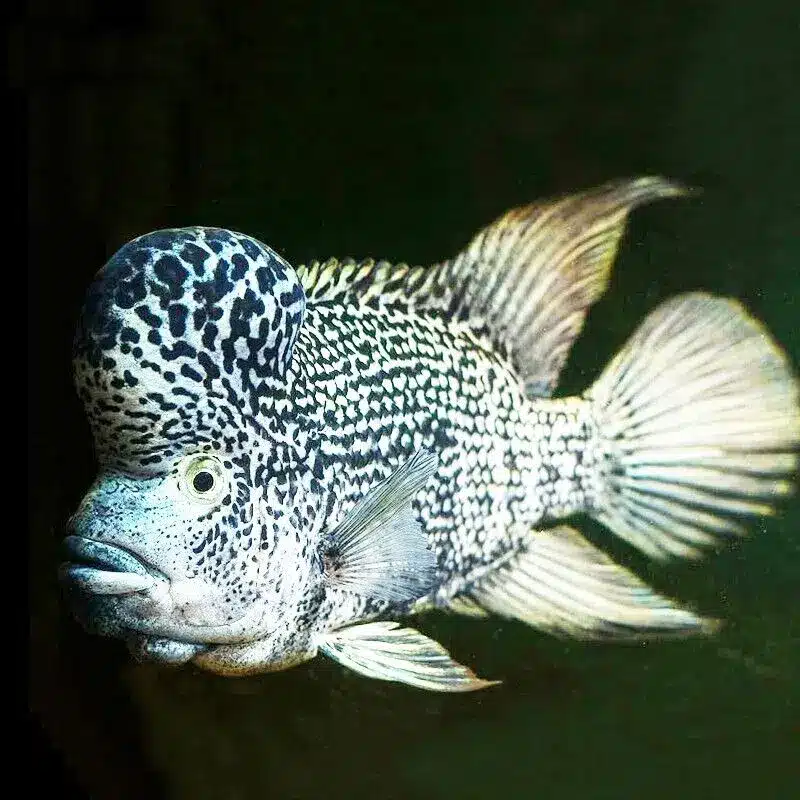
Haitian Cichlid – Nandopsis Haitiensis – South American Cichlid
Original price was: £20.49.£17.42Current price is: £17.42.
Welcome the stunning Nandopsis Haitiensis, also known as the Haitian Cichlid, into your aquarium. This vibrant South American Cichlid showcases beautiful colors and unique behaviors, making it a perfect choice for enthusiasts. Ensure a thriving environment with proper care and suitable tank mates.
In stock


Species Introduction
The Nandopsis Haitiensis, commonly known as the Haitian Cichlid, is a captivating species of freshwater fish that hails from the vibrant waters of South America. This remarkable cichlid species is known for its stunning coloration and unique behaviors, making it a popular choice among aquarists. With its origins traced back to the rivers and lakes of Haiti, the Haitian Cichlid thrives in warm, soft waters, where it finds ample hiding spots among rocks and vegetation.
These fish exhibit a range of colors, often showcasing a beautiful blend of blues and greens, which can vary significantly based on their environment and mood. As a member of the cichlid family, the Nandopsis Haitiensis is known for its intelligence and complex social structures, which can be fascinating to observe in a well-maintained aquarium setting.
Care Requirements Dashboard
Essential Care Guide for Your Nandopsis Haitiensis – Haitian Cichlid
| Optimal Living Conditions | |
|---|---|
| Water Temperature | 24-27°C (75-81°F) |
| pH Level | 6.5-7.5 |
| Water Hardness | 4-12 dKH |
| Minimum Tank Size | 80L (20 gal) |
| Salinity | Freshwater |
| Care Level | Beginner Friendly |
✓ Care Level: Moderate
Tank Size: Minimum 75 gallons
Water Temperature: 75°F to 82°F (24°C to 28°C)
pH Level: 6.5 to 7.5
Hardness: 5 to 15 dGH
When caring for the Nandopsis Haitiensis, it is essential to provide a spacious and well-maintained environment. A minimum tank size of 75 gallons is recommended to accommodate their territorial nature and active swimming habits. The water temperature should be kept between 75°F to 82°F, with a pH level ranging from 6.5 to 7.5 to mimic their natural habitat. Regular water changes and monitoring of water parameters are crucial to maintaining the health and well-being of these fish.
Additionally, providing a varied diet rich in cichlid food will support their growth and vitality, ensuring they thrive in your aquarium.
Natural Behavior & Temperament
The Haitian Cichlid is known for its vibrant personality and complex social interactions. These fish are moderately aggressive and can exhibit territorial behavior, especially during breeding seasons. In a community tank, it is crucial to select compatible tank mates that can withstand their assertive nature. They are known to establish hierarchies within their groups, often displaying unique swimming patterns and behaviors that reflect their mood and environment.
Observing their interactions can provide insight into their social dynamics, as they often engage in playful chases and displays of dominance. Providing ample hiding spots and territories within the aquarium will help reduce stress and aggression among individuals.
Tank Setup Guide
✓ Ideal Environment: Naturalistic and spacious
Substrate: Fine gravel or sand
Decorations: Rocks, caves, and driftwood
Creating an ideal environment for the Nandopsis Haitiensis involves setting up a spacious aquarium that mimics their natural habitat. A substrate of fine gravel or sand is recommended, as it allows for natural digging behaviors. Incorporating rocks, caves, and driftwood will provide hiding spots and territories for these fish, helping to reduce stress and aggression.
Aquascaping should prioritize open swimming areas while ensuring that there are plenty of nooks and crannies for the cichlids to explore. Additionally, maintaining good water flow and filtration will contribute to a healthy environment, as these fish thrive in well-oxygenated waters.
Water Quality Management
⚠ Important Water Parameter Notice
pH: 6.5 to 7.5
Temperature: 75°F to 82°F
Hardness: 5 to 15 dGH
Maintaining optimal water quality is crucial for the health of the Nandopsis Haitiensis. Regular testing of water parameters, including pH, temperature, and hardness, is essential to ensure a stable environment. The ideal pH range for these cichlids is between 6.5 and 7.5, with a temperature maintained between 75°F to 82°F. Water hardness should be kept between 5 to 15 dGH.
Performing regular water changes, ideally 20-30% weekly, will help maintain water clarity and reduce harmful toxins. Additionally, utilizing a high-quality filtration system will aid in keeping the water clean and well-oxygenated, promoting the overall health and vitality of your fish friends.
Feeding & Nutrition
✓ Diet: Varied and nutritious
Feeding Schedule: 2-3 times a day
Food Types: High-quality cichlid pellets, frozen foods, and live foods
The Haitian Cichlid thrives on a varied diet that includes high-quality cichlid pellets, frozen foods, and live foods. It is important to provide a balanced diet that meets their nutritional needs, promoting growth and overall health.
A feeding schedule of 2-3 times a day is recommended, with portions that can be consumed within a few minutes to prevent overfeeding and maintain water quality. Incorporating a mix of protein-rich foods, such as bloodworms and brine shrimp, along with vegetable-based options, will ensure a well-rounded diet. Monitoring their eating habits and adjusting the diet as necessary will help maintain optimal fish health.
Compatibility Guide
⚠ Important Tank Mate Considerations
Avoid overly aggressive species
Compatible species: Larger tetras, peaceful barbs, and other cichlids
When selecting tank mates for the Nandopsis Haitiensis, it is essential to consider their moderately aggressive nature. They can be territorial, especially during breeding, so it is advisable to avoid overly aggressive species that may provoke conflict. Compatible tank mates include larger tetras, peaceful barbs, and other cichlid species that can coexist harmoniously.
It is crucial to provide enough space and hiding spots to minimize aggression and establish territories. Observing the interactions between fish will help determine compatibility and ensure a peaceful community tank environment.
Health & Wellness
✓ Common Health Issues: Ich, fin rot
Prevention: Maintain water quality, provide a varied diet
Signs of Health: Active swimming, clear eyes, healthy fins
The health and wellness of the Haitian Cichlid are paramount for a thriving aquarium. Common health issues include ich and fin rot, which can be prevented through proper water quality management and a balanced diet. Regular monitoring of fish behavior and physical appearance is essential; signs of a healthy fish include active swimming, clear eyes, and intact fins.
If any health issues arise, prompt treatment is necessary to prevent further complications. Establishing a routine for water changes and maintaining a clean environment will significantly contribute to the overall health of your aquatic companions.
Breeding Information
⚠ Breeding Setup: Separate breeding tank recommended
Spawning: Egg-laying on flat surfaces
Fry Care: Provide infusoria and finely crushed flakes
Breeding the Nandopsis Haitiensis can be a rewarding experience for aquarists. To encourage breeding, it is recommended to set up a separate breeding tank that mimics their natural environment. During spawning, the female will lay eggs on flat surfaces, and the male will fertilize them.
After hatching, the fry will require special care; providing infusoria or finely crushed flakes will ensure they receive adequate nutrition during their early stages of development. Monitoring the parents’ behavior is essential, as they may exhibit protective instincts towards their fry, which can be fascinating to observe.
Acclimation Process
Introducing the Nandopsis Haitiensis to a new aquarium requires careful acclimation to minimize stress and ensure a smooth transition. Begin by floating the sealed bag containing the fish in the aquarium for about 15-20 minutes to equalize the temperature. After this, gradually introduce small amounts of tank water into the bag over the next hour. This process helps the fish adjust to the new water parameters and reduces the risk of shock.
Once acclimated, gently release the fish into the aquarium using a net to avoid adding any transport water. Monitoring the fish closely for the first few days will help ensure they adapt well to their new environment.
Long-term Care
The Nandopsis Haitiensis has a lifespan of 8-12 years when provided with optimal care. To ensure their longevity, maintaining a stable and clean environment is vital. Regular water changes, monitoring water parameters, and providing a nutritious diet will contribute to their overall health and well-being.
As they grow, it is essential to be aware of their space requirements and adjust the tank setup accordingly. Observing their behavior and interactions will provide valuable insights into their needs and preferences, allowing you to create an enriching environment that promotes their natural behaviors.
Natural Habitat Recreation
✓ Biotope Setup: Mimic natural habitat
Include natural substrates, plants, and rocks
Recreating the natural habitat of the Nandopsis Haitiensis in your aquarium is essential for their well-being. This can be achieved by incorporating natural substrates, such as fine gravel or sand, along with a variety of plants and rocks. Creating hiding spots and territories will help reduce stress and encourage natural behaviors.
Additionally, using driftwood and other natural decorations will enhance the aesthetic appeal of the aquarium while providing essential shelter for your fish friends. A well-planned aquascape not only benefits the fish but also creates a visually stunning display that mimics their native environment.
Seasonal Care Adjustments
As the seasons change, it is important to adjust the care routine for the Nandopsis Haitiensis to accommodate fluctuations in temperature and lighting. During warmer months, ensure that the water temperature remains stable and does not exceed 82°F. In contrast, during colder months, it may be necessary to use a heater to maintain the appropriate temperature range.
Additionally, adjusting the lighting schedule to mimic natural day and night cycles will promote healthy behaviors and reduce stress. Regular monitoring of water parameters during seasonal transitions will help maintain a stable environment for your fish friends.
Expert Tips
✓ Professional Advice: Regularly monitor water quality
Consider a quarantine tank for new arrivals
Engage with your fish through feeding routines
To ensure the best care for the Nandopsis Haitiensis, regular monitoring of water quality is crucial. Establishing a routine for testing water parameters will help identify any issues before they become problematic. Additionally, consider setting up a quarantine tank for new arrivals to prevent the introduction of diseases into your main aquarium.
Engaging with your fish through feeding routines can also enhance their comfort and familiarity with their environment. Observing their behaviors and interactions will provide valuable insights into their needs and preferences, allowing you to create an enriching environment that promotes their natural behaviors.
Troubleshooting
In the event of any issues arising with your Nandopsis Haitiensis, it is essential to address them promptly. Common problems include stress due to aggressive tank mates or poor water quality. If you notice signs of stress, such as hiding or unusual swimming patterns, evaluate the tank environment and consider rearranging decorations or adjusting tank mates to reduce aggression.
Additionally, if health issues arise, such as ich or fin rot, prompt treatment with appropriate medications is necessary to prevent further complications. Establishing a routine for monitoring fish behavior and health will help catch any problems early and ensure a thriving aquarium.
Scientific Background
The Nandopsis Haitiensis belongs to the cichlid family, a diverse group of freshwater fish known for their intelligence and complex social structures. Cichlids are found in various aquatic environments across the globe, with South America being home to many unique species. The Haitian Cichlid is particularly notable for its vibrant coloration and engaging behaviors, which have captured the interest of aquarists worldwide.
Ongoing research into cichlid behavior and ecology continues to shed light on their fascinating adaptations and interactions within their natural habitats.
Advanced Care Techniques
For experienced aquarists, implementing advanced care techniques can enhance the well-being of the Nandopsis Haitiensis. Techniques such as establishing a breeding pair and creating a biotope aquarium can provide enriching experiences for both the fish and the aquarist. Additionally, experimenting with different feeding methods, such as live feeding or incorporating homemade foods, can promote health and vitality.
Engaging in regular observation and interaction with your fish will foster a deeper understanding of their behaviors and needs, allowing you to provide the best possible care for your aquatic companions.
Frequently Asked Questions
Q: What tank size is required for Nandopsis Haitiensis?
Nandopsis Haitiensis, or the Haitian Cichlid, thrives in a spacious environment. A minimum tank size of 150 litres is recommended for a single adult fish. If you plan to keep a breeding pair or multiple individuals, consider a larger tank of at least 200 litres to accommodate their territorial behaviour. A well-designed aquarium will prevent overcrowding and reduce stress, promoting a healthier environment. Ensure the tank is equipped with adequate filtration to maintain water quality, as cichlids are sensitive to poor conditions. Regular water changes and monitoring of parameters are essential to keeping these beautiful creatures healthy.
✓ Expert Tip
Consider including hiding spots and caves in your setup to provide shelter and reduce stress, especially during breeding.
Q: What water parameters do Nandopsis Haitiensis require?
Maintaining optimal water parameters is crucial for the health of Nandopsis Haitiensis. They prefer slightly alkaline water with a pH range of 7.5 to 8.5. The temperature should be kept between 24°C to 28°C, ideally around 26°C for breeding. Ammonia and nitrite levels must remain at 0 ppm, while nitrate should be below 20 ppm. Regular testing of these parameters is vital, especially in a newly established aquarium. A good quality filtration system, along with routine water changes of 20% every week, will help maintain these levels and promote a stable environment for your fish friends.
✓ Expert Tip
Use a high-quality water conditioner to remove chlorine and chloramine from tap water before adding it to your aquarium.
Q: How often should I feed Nandopsis Haitiensis?
Nandopsis Haitiensis should be fed a varied diet to ensure optimal health. A balanced feeding schedule includes offering food twice a day, with each feeding consisting of an amount they can consume within 2-3 minutes. High-quality pellets specifically designed for cichlids, along with occasional live or frozen foods such as brine shrimp or bloodworms, will enhance their colouration and vitality. It is important not to overfeed, as this can lead to poor water quality and health issues. Regularly monitor your fish’s body condition to adjust their feeding amounts accordingly.
✓ Expert Tip
Incorporate plant-based foods occasionally, as they provide essential nutrients and aid in digestion.
Q: What are the best tank mates for Nandopsis Haitiensis?
Choosing compatible tank mates for Nandopsis Haitiensis is essential to maintain harmony in your aquarium. Ideal companions include larger, robust species such as other cichlids or certain types of catfish. Avoid smaller or more docile fish, as they may be bullied or outcompeted for food. Additionally, ensure that tank mates are not overly aggressive, as this can lead to stress. A well-planned community tank with ample hiding spots will provide a balanced environment, allowing all fish to thrive. Always monitor interactions closely, especially when introducing new companions.
✓ Expert Tip
Consider keeping Nandopsis Haitiensis in pairs or small groups, as they can exhibit more natural behaviours when not solitary.
Q: How do I properly acclimatise Nandopsis Haitiensis to my aquarium?
Acclimatising Nandopsis Haitiensis to your aquarium is crucial to ensure their health and reduce stress. Begin by floating the sealed bag containing the fish in your aquarium for about 15-20 minutes to equalise the temperature. After this, gradually add small amounts of aquarium water into the bag every 10 minutes for about an hour. This process helps the fish adjust to the water parameters of your tank. Finally, gently transfer the fish into the aquarium using a net, avoiding the bag water to prevent contamination. Monitor your fish closely for signs of stress after introduction.
✓ Expert Tip
Keep the aquarium environment calm during acclimatisation by dimming lights and avoiding sudden movements around the tank.
Q: What are the signs of healthy Nandopsis Haitiensis?
Healthy Nandopsis Haitiensis exhibit vibrant colours, active swimming behaviour, and a healthy appetite. Their fins should be intact and free from tears, and their bodies should be free of lesions or abnormal growths. Observe their behaviour; they should interact with their environment and display curiosity. Additionally, watch for regular breathing patterns; rapid or laboured breathing may indicate stress or health issues. Regular monitoring and prompt action at the first signs of illness can help maintain the wellbeing of your fish friends.
✓ Expert Tip
Maintain a consistent feeding schedule and clean environment to promote health and reduce stress in your fish.
Q: How do I successfully breed Nandopsis Haitiensis?
Breeding Nandopsis Haitiensis requires careful preparation and the right conditions. Begin by ensuring you have a suitable breeding pair, ideally introduced in a spacious tank with plenty of hiding spots. Increase the temperature slightly to around 28°C and perform regular water changes to simulate the rainy season, which can trigger breeding behaviour. The female will lay eggs on flat surfaces, and both parents will guard the eggs and fry. Post-hatching, provide a high-quality diet for the fry, and ensure they are not disturbed during this critical growth period. Monitor the parents to prevent aggression during this time.
✓ Expert Tip
Consider separating the fry into a separate tank once they are free-swimming to reduce competition and ensure healthy growth.
Q: What temperature should I maintain for Nandopsis Haitiensis?
The ideal temperature range for Nandopsis Haitiensis is between 24°C to 28°C, with a stable environment around 26°C being most beneficial. Maintaining this temperature helps support their metabolism and overall health. Sudden fluctuations can lead to stress, so it is advisable to utilise a reliable aquarium heater and thermometer to ensure consistent temperatures. Regular monitoring of the water temperature is essential, particularly during seasonal changes or if your home experiences significant temperature variations. Additionally, ensure your tank is well-insulated to help maintain a stable environment.
✓ Expert Tip
Avoid placing the tank in direct sunlight or near heating vents, as this can cause temperature fluctuations.
Q: How long do Nandopsis Haitiensis typically live in captivity?
With proper care, Nandopsis Haitiensis can live for approximately 10 to 15 years in captivity. Longevity is influenced by factors such as water quality, diet, and overall tank conditions. Regular maintenance, including water changes and monitoring of parameters, plays a significant role in their health. Providing a balanced diet rich in nutrients will also contribute to their lifespan. It is essential to observe your fish for any signs of stress or illness, as early intervention can prevent serious health issues and prolong their lives.
✓ Expert Tip
Maintain a stress-free environment by providing ample space and hiding places to help your fish feel secure.
Q: What type of substrate is most suitable for Nandopsis Haitiensis?
For Nandopsis Haitiensis, a sandy substrate is often the best choice, as it mimics their natural habitat and allows them to exhibit natural digging behaviours. A substrate of 2-5 cm depth will suffice, providing a comfortable environment for them to explore. Avoid sharp or rough substrates, as these can injure their delicate fins. Additionally, incorporating smooth stones and caves can create hiding spots and territories, reducing stress and aggression within the tank. Regularly vacuum the substrate during water changes to maintain cleanliness and prevent the buildup of harmful waste.
✓ Expert Tip
Consider adding live plants to your aquarium setup; they not only enhance aesthetics but also assist in maintaining water quality.
Q: What behavioural patterns should I expect from Nandopsis Haitiensis?
Nandopsis Haitiensis is known for its intriguing and often territorial behaviour. They tend to establish and defend their territory, particularly during breeding periods. Expect them to be quite active, swimming around the tank and exploring their environment. They may exhibit aggression towards other fish, especially if they feel their territory is threatened. It is important to provide ample hiding spots and space to mitigate aggression. Additionally, these cichlids can display unique personality traits, often recognising their aquarium keeper and exhibiting curiosity when approached.
✓ Expert Tip
Spend time observing their behaviour; it can be quite rewarding to see their unique interactions and personalities emerge.
Q: How can I prevent common diseases in Nandopsis Haitiensis?
Preventing disease in Nandopsis Haitiensis involves maintaining excellent water quality, a balanced diet, and a stress-free environment. Regular water changes and monitoring of parameters are essential to prevent issues like ich or fin rot. Quarantining new fish before introducing them to your main tank can help prevent the spread of pathogens. Additionally, keeping the tank clean and free from uneaten food will reduce the risk of disease. If you observe any signs of illness, such as unusual behaviour or physical symptoms, it is crucial to address these issues promptly to prevent further complications.
✓ Expert Tip
Invest in a good quality water testing kit to keep track of your tank’s health and catch any issues early.
Q: What lighting conditions do Nandopsis Haitiensis prefer?
Nandopsis Haitiensis appreciates moderate lighting conditions that mimic their natural habitat. A combination of ambient and spot lighting works well, allowing for shaded areas as well as brighter spots for activity. This balance helps reduce stress while promoting natural behaviours. Ensure that any lighting used is suitable for the plants and decorations in your aquarium, as some plants may require higher light levels. Additionally, consider providing a day/night cycle of approximately 10-12 hours of light, followed by darkness to simulate natural conditions.
✓ Expert Tip
Use a timer for your lighting system to maintain a consistent day/night cycle, which will benefit both your fish and any plants in the tank.
Q: How do I recognise stress in Nandopsis Haitiensis?
Recognising stress in Nandopsis Haitiensis is crucial for their well-being. Signs of stress may include erratic swimming behaviour, hiding excessively, or displaying dull colours. Additionally, if they are not eating or exhibiting aggressive behaviour toward tank mates, these could be indicators of stress. Monitor their environment closely; changes in water quality, tank mates, or even décor can contribute to stress. If you observe these signs, it is essential to assess tank conditions and make necessary adjustments to alleviate their discomfort.
✓ Expert Tip
Create a serene environment with plenty of hiding spots to help your fish feel secure and reduce stress levels.
Q: What natural habitat conditions should I replicate for Nandopsis Haitiensis?
To replicate the natural habitat of Nandopsis Haitiensis, aim to create a warm, slightly alkaline environment with plenty of hiding places. Their natural habitat consists of sandy substrates and rocky structures, so incorporating these elements will help them feel at home. Maintain a temperature range of 24°C to 28°C and a pH of 7.5 to 8.5. Regular water changes are essential to mimic the flowing waters they are accustomed to. Additionally, consider adding driftwood and live plants to create a more natural and stimulating environment.
✓ Expert Tip
Observe their behaviours closely; this will help you fine-tune their environment to best suit their needs.
Be the first to review “Haitian Cichlid – Nandopsis Haitiensis – South American Cichlid”
Related products





Reviews
There are no reviews yet.