
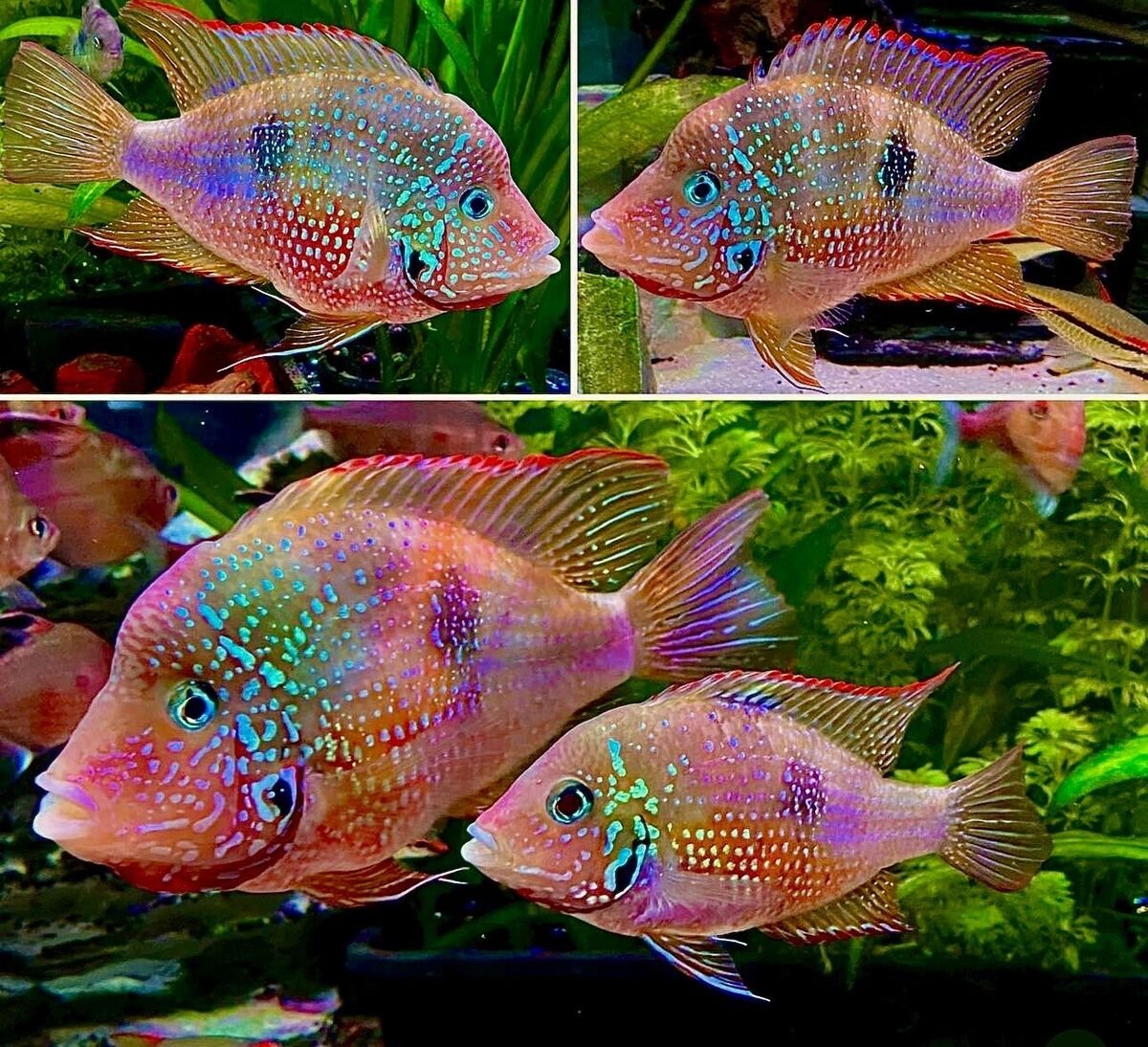
Elliot’s Cichlid – Thorichthys Maculipinnis – South American Cichlid

Original price was: £12.99.£10.65Current price is: £10.65.
Welcome the stunning Thorichthys Maculipinnis, also known as Elliot’s Cichlid, into your aquarium. This South American Cichlid boasts vibrant colors and a gentle nature, making it an elegant addition to your aquatic environment. Perfect for beginners seeking beautiful inhabitants.
In stock


Species Introduction
The Thorichthys Maculipinnis, commonly known as Elliot’s Cichlid or the Blue Eyed Cichlid, is a captivating species native to the freshwater rivers and lakes of South America. This vibrant fish is renowned for its striking coloration and unique patterns, which make it a favorite among aquarists. The natural habitat of Elliot’s Cichlid includes slow-moving waters with ample vegetation, providing them with both shelter and foraging opportunities. In the wild, they are often found in pairs or small groups, showcasing their social nature. The scientific classification of this species is still being studied, but it belongs to the family Cichlidae, which is known for its diverse and colorful members. As you welcome these beautiful creatures into your aquarium, understanding their natural environment is crucial for replicating the ideal conditions that promote their health and well-being.
Care Requirements Dashboard
| Optimal Living Conditions | |
|---|---|
| Water Temperature | 24-27°C (75-81°F) |
| pH Level | 6.5-7.5 |
| Water Hardness | 4-12 dKH |
| Minimum Tank Size | 80L (20 gal) |
| Salinity | Freshwater |
| Care Level | Beginner Friendly |
Natural Behavior & Temperament
Elliot’s Cichlids exhibit a range of fascinating behaviors that reflect their natural instincts. They are known for their territorial nature, especially during breeding seasons, where males will assert dominance over their chosen area. Observing their swimming patterns can be quite entertaining, as they often engage in playful interactions with each other, showcasing their social dynamics. In a community tank, it is essential to provide plenty of hiding spots and territories to minimize aggression. These fish are generally peaceful but can become territorial when breeding. Understanding their social behavior is crucial for creating a harmonious environment, as they thrive in well-structured communities with compatible tank mates.
Tank Setup Guide
Setting up the ideal tank for your Thorichthys Maculipinnis involves careful consideration of various elements that mimic their natural habitat. Begin with a spacious aquarium of at least 30 gallons, ensuring adequate swimming space. The substrate should be fine gravel or sand to replicate the riverbeds they inhabit. Incorporate plenty of live plants, such as Amazon swords or Java ferns, to provide cover and enhance the aesthetic appeal of your aquarium. Additionally, using driftwood and rocks can create hiding spots and territorial boundaries, which are essential for reducing stress and aggression among your fish friends. Maintain a gentle water flow to simulate their natural environment, and consider using a quality filtration system to keep the water clean and clear. The right setup will encourage natural behaviors and promote the health of your Elliot’s Cichlid.
Water Quality Management
Water quality is paramount in ensuring the health and longevity of your Thorichthys Maculipinnis. Regular testing of water parameters is essential; aim for a pH level between 6.5 and 7.5, maintaining a temperature range of 75°F to 82°F. The hardness should be kept between 5 to 15 dGH, as these levels closely resemble their natural habitat. It is crucial to perform regular water changes, ideally 20% weekly, to remove toxins and replenish essential minerals. Additionally, using a high-quality water conditioner can help eliminate harmful chemicals from tap water. Monitor ammonia, nitrite, and nitrate levels closely, as spikes in these can lead to significant health issues. A well-maintained aquarium will not only support your fish friends but also enhance the overall beauty of your aquatic landscape.
Feeding & Nutrition
Providing a balanced diet is essential for the health of your Elliot’s Cichlid. These fish are omnivorous, requiring a varied diet that includes high-quality cichlid pellets, frozen or live foods such as brine shrimp and bloodworms, and vegetable matter like blanched zucchini or spinach. A feeding schedule of 2-3 times per day is recommended, offering only what they can consume within a few minutes to prevent overfeeding. It is crucial to monitor their health and adjust their diet accordingly, as nutritional deficiencies can lead to health problems. Additionally, consider incorporating cichlid-specific foods that promote color enhancement and overall vitality. A well-rounded diet will support their growth, vibrant coloration, and overall well-being.
Compatibility Guide
When considering tank mates for your Thorichthys Maculipinnis, it is essential to choose species that can coexist peacefully. These cichlids are generally compatible with other medium-sized, non-aggressive fish. Ideal tank mates include other cichlids like Cryptoheros cutteri, as well as tetras, rasboras, and some catfish species. However, avoid keeping them with overly aggressive or small fish that may be seen as prey. Establishing a well-structured environment with plenty of hiding spots will help reduce territorial disputes. Regular observation of interactions among your fish friends will help you identify any signs of stress or aggression, allowing for timely adjustments to ensure a harmonious community.
Health & Wellness
Maintaining the health and wellness of your Thorichthys Maculipinnis is vital for their longevity and vitality. Regular monitoring of water quality and parameters is crucial, as poor water conditions can lead to stress and illness. Common health issues include ich, fin rot, and other parasitic infections. Signs of distress may include changes in behavior, such as lethargy, loss of appetite, or abnormal swimming patterns. Promptly addressing any health concerns with appropriate treatments is essential. Additionally, ensuring a balanced diet and minimizing stress through proper tank setup and compatible tank mates will contribute to their overall health. By being proactive in their care, you can help your fish friends thrive in their aquatic home.
Breeding Information
Breeding Thorichthys Maculipinnis can be a rewarding experience for aquarists. These cichlids are known to form monogamous pairs, and breeding typically occurs when conditions are optimal. To encourage spawning, ensure that the water parameters are stable, and provide flat surfaces for egg-laying, such as smooth rocks or clay pots. The female will lay eggs, which the male will fertilize, and both parents will guard the eggs and fry. After hatching, the fry will require fine foods such as infusoria or crushed flakes. It is essential to provide a safe environment for the fry, as adult cichlids may view them as food. Monitoring the breeding process and providing appropriate care for the fry will enhance your experience and contribute to the success of your breeding endeavors.
Acclimation Process
Introducing your Thorichthys Maculipinnis to a new aquarium requires a careful acclimation process to minimize stress and ensure a smooth transition. Begin by floating the sealed bag containing the fish in the aquarium for about 15-20 minutes to equalize the temperature. After this, gradually mix small amounts of aquarium water into the bag over the course of an hour, allowing the fish to acclimate to the new water conditions. Once acclimated, gently release the fish into the tank, avoiding the introduction of bag water. This process helps reduce shock and promotes a successful introduction to their new environment. Observing their behavior closely during the first few days will help you identify any signs of stress or discomfort, allowing for timely adjustments.
Long-term Care
The long-term care of your Thorichthys Maculipinnis involves understanding their lifecycle and growth expectations. These cichlids can live for 8-10 years with proper care, making them a long-term commitment for aquarists. Regular monitoring of their growth and health is essential, as they may require adjustments in diet and tank conditions as they mature. Providing a stable environment, maintaining water quality, and ensuring a balanced diet will contribute to their overall well-being. As they grow, consider upgrading their tank size if necessary to accommodate their needs. By being attentive to their requirements, you can ensure a thriving and vibrant community for your aquatic companions.
Natural Habitat Recreation
Creating a natural habitat for your Thorichthys Maculipinnis involves replicating the conditions found in their native South American rivers and lakes. Incorporate a variety of live plants, such as floating and rooted species, to provide cover and mimic their natural environment. The use of driftwood and rocks will create territories and hiding spots, essential for their comfort and security. Maintaining a gentle water flow will simulate the natural currents they experience in the wild. Additionally, consider using natural substrates like sand or fine gravel to replicate the riverbeds they inhabit. By recreating their natural habitat, you will not only enhance the aesthetic appeal of your aquarium but also promote the health and well-being of your fish friends.
Seasonal Care Adjustments
As seasons change, it is essential to make adjustments to the care of your Thorichthys Maculipinnis to ensure their comfort and health. During warmer months, monitor the water temperature closely, as higher temperatures can increase stress levels. Consider using fans or chillers to maintain optimal conditions. In contrast, during colder months, ensure that the tank is adequately heated to maintain a stable temperature within the recommended range. Lighting adjustments may also be necessary, as natural light levels change with the seasons. Providing a consistent day-night cycle will help regulate their behavior and well-being. By being attentive to seasonal changes, you can create a stable environment that supports the health and happiness of your aquatic companions.
Expert Tips
For those looking to enhance their experience with Thorichthys Maculipinnis, consider implementing some expert tips for optimal care. Regularly observe your fish friends to understand their behavior and preferences, as this will help you tailor their environment to their needs. Incorporating a variety of foods will not only promote health but also keep them engaged and active. Additionally, maintaining a well-structured tank with plenty of hiding spots will help reduce aggression and stress. If breeding is your goal, ensure that you provide suitable surfaces for egg-laying and monitor water conditions closely. Lastly, connecting with other aquarists and participating in forums can provide valuable insights and support for your journey in caring for these beautiful cichlids.
Troubleshooting
Despite your best efforts, you may encounter some challenges while caring for your Thorichthys Maculipinnis. Common issues include aggression among tank mates, health problems, or water quality fluctuations. If you notice signs of aggression, consider adding more hiding spots or rearranging the tank layout to help reduce territorial disputes. For health concerns, promptly address any signs of illness with appropriate treatments and ensure that water quality is maintained. Regular testing of water parameters will help you identify any fluctuations that could impact your fish friends. By being proactive and observant, you can troubleshoot potential issues before they escalate, ensuring a healthy and thriving aquarium.
Scientific Background
The Thorichthys Maculipinnis belongs to the Cichlidae family, a diverse group of freshwater fish known for their vibrant colors and complex behaviors. Research into the taxonomy of this species is ongoing, with scientists studying their natural habitats and social structures. Understanding the scientific background of Elliot’s Cichlid can enhance your appreciation for these remarkable fish and inform your care practices. Conservation efforts are also crucial, as many cichlid species face threats from habitat destruction and pollution. By supporting sustainable practices and educating others about the importance of preserving aquatic ecosystems, you can contribute to the welfare of these beautiful creatures and their habitats.
Advanced Care Techniques
For experienced aquarists looking to take their care of Thorichthys Maculipinnis to the next level, consider implementing advanced techniques. Utilizing a planted tank with a variety of aquatic plants can enhance water quality and provide natural filtration. Additionally, experimenting with different food types, including live and frozen options, can promote vibrant colors and health. Regularly testing and adjusting water parameters can help create a stable environment, while advanced filtration systems can improve water clarity and reduce maintenance. Engaging in breeding projects can also deepen your understanding of their behaviors and needs. By continuously learning and adapting your care practices, you can create a thriving environment for your aquatic companions.
✓ Positive Information
Care level: Moderate
⚠ Important Notice
Maintain stable water parameters for optimal health.
⚠ Tank Size Requirement
Minimum tank size: 30 gallons.
⚠ Critical Warning
Avoid aggressive tank mates to reduce stress.


Emily Carter (verified owner) –
I recently added the Thorichthys Maculipinnis, also known as Elliot’s Cichlid, to my 55-gallon aquarium, and I could not be happier! These fish are absolutely stunning with their vibrant colors and peaceful nature, which has made a wonderful addition to my community tank. After about two weeks of acclimation, they’ve settled in beautifully and are already showcasing their unique personalities. I’ve noticed they enjoy foraging among the aquarium plants, which I believe provides them with a great sense of security. I feed them high-quality cichlid food that includes a mix of pellets and frozen options, and they devour it enthusiastically! Compared to other cichlids I’ve kept, Elliot’s Cichlid is more sociable and less aggressive, which makes them perfect for hobbyists looking for a captivating yet peaceful fish. My only minor concern is that they do like some open swimming space, so I made sure to create an environment with plenty of room to explore. Overall, I highly recommend these cichlids for anyone looking to enhance their aquarium—they truly bring life to the tank and thrive in a well-planted setup!