
Subtotal: £53.23
Sale!
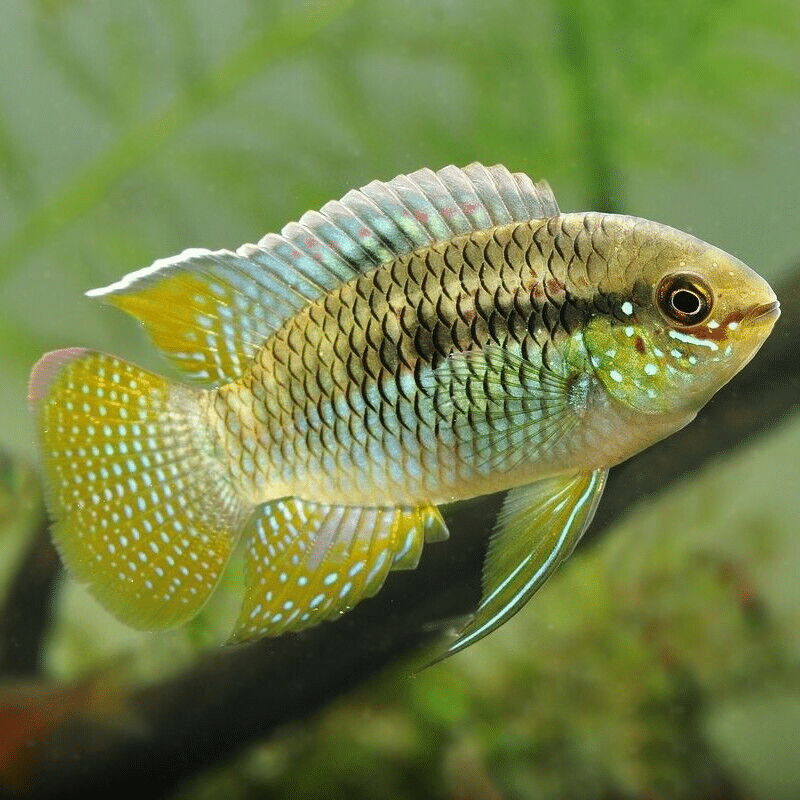
Flag Acara – Laetacara Curviceps – South American Cichlid

Original price was: £12.99.£10.65Current price is: £10.65.
Welcome the stunning Laetacara Curviceps, or Flag Acara, to your aquarium. This vibrant South American Cichlid showcases beautiful colors and graceful movements, making it a perfect choice for aquarists seeking peaceful companions. Explore the beauty of cichlid fish today.
In stock


Species Introduction
The Laetacara curviceps, commonly known as the Flag Acara, is a captivating species of South American cichlid that hails from the freshwater rivers and streams of the Amazon Basin. This species is renowned for its stunning coloration and peaceful temperament, making it a popular choice among aquarists who wish to provide a welcoming environment for these beautiful creatures. The Flag Acara typically exhibits a vibrant blue to greenish-blue hue, adorned with striking orange or yellow accents, particularly on the fins and face. These fish can grow to a maximum length of approximately 10 cm (4 inches), making them suitable for a variety of aquarium sizes. Their natural habitat consists of densely vegetated areas, where they find shelter and breeding grounds among aquatic plants and driftwood. Understanding their origins and habitat preferences is crucial for creating an ideal environment that promotes their health and well-being.
Essential Care Guide for Your Laetacara Curviceps – Flag Acara – South American Cichlid
Care Requirements
To ensure the health and happiness of your Laetacara curviceps, it is essential to adhere to specific care requirements. A minimum tank size of 75 liters (20 gallons) is recommended to provide ample swimming space and territorial boundaries. The ideal water parameters for these cichlids include a pH range of 6.0 to 7.5, a temperature range of 24°C to 28°C (75°F to 82°F), and a hardness level of 5 to 15 dGH. Regular water changes of 20-30% every two weeks will help maintain optimal water quality, which is vital for their overall health. The care level for Flag Acara is considered moderate, making them suitable for aquarists with some experience. By providing a stable environment that mimics their natural habitat, you can ensure that your aquatic companions thrive and exhibit their natural behaviors.
Natural Behavior & Temperament
Laetacara curviceps are known for their peaceful demeanor, making them an excellent addition to community tanks. They exhibit a curious nature and enjoy exploring their surroundings, often swimming in the mid to upper levels of the aquarium. These cichlids are social fish that thrive in pairs or small groups, and they establish a hierarchy within their social structure. Observing their interactions can be quite fascinating, as they engage in playful behaviors and display their vibrant colors during courtship. However, it is essential to monitor their interactions with other species, as they can become territorial, especially during breeding. Providing plenty of hiding spots and visual barriers using rocks, driftwood, and plants will help reduce stress and promote a harmonious environment in your aquarium.
Tank Setup Guide
Setting up a suitable tank for your Laetacara curviceps involves creating an environment that mimics their natural habitat. Begin with a substrate of fine gravel or sand, which allows for easy digging and foraging. Incorporate plenty of live plants such as Java Fern, Anubias, and Amazon Sword, as these provide hiding spots and contribute to the overall aesthetics of the aquarium. Additionally, adding driftwood and rocks can create territories and provide shelter. Ensure that the tank is well-cycled before introducing your fish to prevent stress and health issues. Consider using a quality filtration system to maintain water clarity and quality, as cichlids can be sensitive to poor water conditions. Proper lighting is also essential, as it encourages plant growth and enhances the colors of your fish friends.
Water Quality Management
Maintaining optimal water quality is paramount for the health of Laetacara curviceps. Regular testing of water parameters is essential to ensure that the pH remains within the range of 6.0 to 7.5, with a temperature maintained between 24°C to 28°C (75°F to 82°F). The hardness of the water should be between 5 to 15 dGH. Utilizing a high-quality aquarium test kit will help you monitor these parameters effectively. Additionally, performing routine water changes of 20-30% every two weeks will help to dilute harmful toxins and replenish essential minerals. It is also advisable to use a reliable filtration system that provides both mechanical and biological filtration to keep the water clean and clear. Regularly cleaning the substrate and removing uneaten food will further enhance water quality, ensuring a healthy environment for your fish.
Feeding & Nutrition
Feeding your Laetacara curviceps a balanced diet is crucial for their health and vitality. These cichlids are omnivorous and thrive on a varied diet that includes high-quality cichlid pellets, flakes, and frozen or live foods such as brine shrimp, daphnia, and bloodworms. A feeding schedule of 2-3 small meals per day is recommended, ensuring that they consume only what they can eat within a few minutes to prevent overfeeding and water quality issues. It is also beneficial to supplement their diet with vegetable matter, such as blanched spinach or spirulina flakes, to provide essential nutrients. Observing your fish during feeding time can also provide insight into their health; any changes in appetite or behavior may indicate underlying health issues that require attention.
Compatibility Guide
When considering tank mates for your Laetacara curviceps, it is essential to choose species that share similar water parameters and temperaments. Ideal companions include peaceful fish such as tetras, rasboras, and other small to medium-sized cichlids. Avoid aggressive species or those that may outcompete them for food, as this can lead to stress and territorial disputes. It is also advisable to keep them in groups of at least four to reduce the likelihood of aggression and promote social behavior. When introducing new fish to the tank, it is crucial to acclimate them properly to minimize stress and ensure a smooth integration into the community. Observing interactions and providing ample hiding spots will help maintain harmony in the aquarium.
Health & Wellness
Maintaining the health and wellness of your Laetacara curviceps involves regular monitoring and proactive care. Common health issues include ich, fin rot, and other parasitic or bacterial infections. Signs of illness may include changes in behavior, such as lethargy, loss of appetite, or visible lesions. To prevent health problems, ensure that water quality is consistently maintained and that the tank is free from stressors. Quarantining new fish before introducing them to the main tank can also help prevent the spread of diseases. Providing a varied diet rich in nutrients will enhance their immune system and overall vitality. In case of illness, it is essential to research appropriate treatment options and consult with an aquatic veterinarian if necessary.
Breeding Information
Breeding Laetacara curviceps can be a rewarding experience for aquarists. These fish are known to be relatively easy to breed in captivity, provided that the proper conditions are met. To encourage breeding, ensure that the tank is well-planted and includes flat surfaces for spawning, such as rocks or broad-leafed plants. The female will lay eggs, usually numbering between 100 to 300, on these surfaces, and the male will fertilize them. After hatching, the fry will remain close to the parents for protection. It is essential to provide high-quality fry food, such as infusoria or finely crushed flakes, to support their growth. Monitoring the parents during this time is crucial, as they can become protective of their young. Once the fry are large enough to eat regular food, they can be safely introduced into the main tank.
Acclimation Process
Proper acclimation is vital when introducing Laetacara curviceps to a new aquarium. Begin by floating the sealed bag containing the fish in the aquarium for about 15-20 minutes to equalize the temperature. After this, gradually introduce aquarium water into the bag by adding small amounts every 5 minutes for about 30 minutes. This process helps the fish adjust to the new water parameters, reducing stress and the risk of shock. Once acclimated, gently transfer the fish into the tank using a net, avoiding the introduction of bag water. Monitor the fish closely for the first few days to ensure they adapt well to their new environment. A smooth acclimation process is crucial for the long-term health and well-being of your aquatic companions.
Long-term Care
The long-term care of Laetacara curviceps involves understanding their lifecycle and growth expectations. In optimal conditions, these cichlids can live up to 5-10 years, making them a long-term commitment for any aquarist. As they mature, their colors may become more vibrant, and their behavior may change as they establish territories and social hierarchies. Regular maintenance of water quality, diet, and tank environment will contribute to their longevity. Additionally, keeping a close eye on their health and behavior will help detect any potential issues early on. By providing a stable and enriching environment, you can ensure that your Flag Acara thrives and continues to display its natural beauty for years to come.
Natural Habitat Recreation
Recreating the natural habitat of Laetacara curviceps in your aquarium can significantly enhance their well-being. These fish thrive in environments that mimic their native waters, characterized by slow-moving currents, dense vegetation, and ample hiding spots. When designing your aquarium, consider using a sandy substrate to replicate riverbeds, along with a variety of live plants that provide shelter and foraging opportunities. Incorporating driftwood and rocks will create territories and enhance the aesthetic appeal of the tank. Additionally, using a gentle filtration system will help maintain water clarity while mimicking the natural flow of their habitat. By focusing on biotope setup, you can create a thriving environment that fosters the natural behaviors and health of your aquatic companions.
Seasonal Care Adjustments
Seasonal changes can impact the care of your Laetacara curviceps, particularly in terms of temperature and lighting. During the warmer months, it is essential to monitor the water temperature closely, as higher temperatures can stress the fish. Ensure that the tank is not exposed to direct sunlight, which can cause overheating and algae blooms. Conversely, during the colder months, consider using a heater to maintain a stable temperature within the ideal range of 24°C to 28°C (75°F to 82°F). Additionally, adjusting the lighting schedule to mimic natural day and night cycles will help regulate their behavior and encourage healthy growth. By being attentive to seasonal changes, you can provide optimal care for your aquatic friends throughout the year.
Expert Tips
For aquarists looking to enhance their experience with Laetacara curviceps, consider implementing some expert tips. First, ensure that your aquarium is well-planted, as this not only provides hiding spots but also contributes to water quality through natural filtration. Regularly observe your fish for signs of stress or illness, and be proactive in addressing any issues that arise. Additionally, consider keeping a journal to track water parameters, feeding schedules, and any changes in behavior, which can help you identify patterns and make informed decisions regarding their care. Lastly, engaging with online communities or local aquarist groups can provide valuable insights and support from fellow enthusiasts. By applying these expert tips, you can create a thriving environment for your Flag Acara and enjoy the beauty they bring to your aquarium.
Troubleshooting
Troubleshooting common problems with Laetacara curviceps involves being vigilant and proactive. Some common issues include poor water quality, aggression from tank mates, and signs of illness such as white spots or frayed fins. If you notice any changes in behavior, such as lethargy or reduced appetite, it is crucial to test water parameters immediately and address any discrepancies. If aggression is observed, consider rearranging the tank layout to disrupt established territories or adding more hiding spots to reduce stress. In the event of illness, research appropriate treatments and consult with an aquatic veterinarian if necessary. By being attentive and proactive, you can effectively troubleshoot and maintain the health and happiness of your aquatic companions.
Scientific Background
The Laetacara curviceps belongs to the family Cichlidae, which encompasses a diverse group of freshwater fish known for their unique behaviors and vibrant colors. While specific scientific data regarding their taxonomy may be limited, cichlids are well-studied for their complex social structures and breeding behaviors. Research indicates that these fish exhibit fascinating parental care, with both parents participating in nurturing their fry. Conservation efforts are essential to protect their natural habitats, as many cichlid species face threats from habitat destruction and pollution. By understanding the scientific background of Laetacara curviceps, aquarists can appreciate the importance of preserving their natural environments and promoting responsible fishkeeping practices.
Advanced Care Techniques
For those looking to elevate their care for Laetacara curviceps, advanced techniques can enhance their well-being and enrich their environment. Consider implementing a planted tank with a variety of aquatic flora to create a more natural habitat. Utilizing a CO2 injection system can promote healthy plant growth, which in turn benefits the fish by improving water quality. Additionally, experimenting with different feeding techniques, such as target feeding or using feeding rings, can stimulate natural foraging behaviors. Regularly rotating tank decorations and layouts can also provide mental stimulation and reduce stress. Engaging with your fish through observation and interaction can deepen your bond and enhance your overall experience as an aquarist. By applying these advanced care techniques, you can create a thriving and dynamic environment for your Laetacara curviceps.
Frequently Asked Questions
Q: What tank size is required for Laetacara Curviceps?
Laetacara Curviceps, or Flag Acara, thrive in a minimum tank size of 75 litres (20 gallons). This size allows for adequate swimming space and helps to maintain stable water parameters. A larger tank is preferable, especially if you plan to house multiple specimens or other tank mates. When establishing a home for these fish, consider providing hiding spots and territories using plants and decorations, which are essential for their well-being. Providing a well-planned environment will help reduce stress and promote healthy behaviour.
✓ Expert Tip
Consider using a larger tank if you are keen on breeding or keeping a community setup.
Q: What water parameters do Laetacara Curviceps require?
Laetacara Curviceps prefer slightly acidic to neutral water with a pH range of 6.0 to 7.5. The ideal temperature for these fish is between 24°C to 28°C (75°F to 82°F). It’s also important to maintain a hardness level of 5-15 dGH. Regular water changes of 10-20% weekly can help maintain these parameters, ensuring a stable and healthy environment. Utilizing a reliable water testing kit will assist in monitoring these conditions effectively.
✓ Expert Tip
Consider using a sponge filter to provide gentle water flow, which is ideal for these fish.
Q: How often should I feed Laetacara Curviceps?
Feeding Laetacara Curviceps should be done 2-3 times a day with a varied diet to promote optimal health. High-quality pellets, flakes, and live or frozen foods such as brine shrimp and bloodworms can be included. It is crucial to provide only what they can consume in a few minutes to prevent overfeeding, which can lead to water quality issues. Observing their feeding behaviour will help you adjust amounts appropriately.
✓ Expert Tip
Consider incorporating vegetable matter, such as blanched spinach, for a balanced diet.
Q: What are the best tank mates for Laetacara Curviceps?
Laetacara Curviceps are generally peaceful and can coexist with various community fish. Suitable tank mates include tetras, rasboras, and other small to medium-sized cichlids. Avoid aggressive species as they may stress the Flag Acara. It’s also advisable to provide ample hiding spaces and territories to reduce potential conflicts, especially during breeding seasons. Properly observing interactions will help ensure a harmonious environment.
✓ Expert Tip
Introduce new tank mates gradually to minimise stress and territorial disputes.
Q: How do I properly acclimatise Laetacara Curviceps to my aquarium?
To acclimatise Laetacara Curviceps, float the sealed bag in the aquarium for about 15-20 minutes, allowing the temperature to equalise. Afterward, gradually introduce small amounts of aquarium water into the bag every 10 minutes for an hour. This process helps the fish adjust to the water chemistry changes. Finally, gently transfer the fish into the aquarium using a net, avoiding adding bag water to your tank.
✓ Expert Tip
Avoid sudden temperature changes to reduce stress during acclimatisation.
Q: What are the signs of healthy Laetacara Curviceps?
Healthy Laetacara Curviceps exhibit vibrant colours, clear eyes, and active behaviour. They should swim freely and show curiosity towards their environment. Lack of appetite, faded colours, or lethargy can indicate stress or illness. Regular observation will help you identify any changes in behaviour or appearance that may require attention. Keeping the tank clean and well-maintained is essential for their health.
✓ Expert Tip
Routine water quality checks will help ensure your fish remain healthy.
Q: How do I successfully breed Laetacara Curviceps?
Breeding Laetacara Curviceps can be a rewarding experience. Provide a separate breeding tank with fine substrate and flat surfaces for egg laying, such as slate or smooth rocks. Maintain optimal water conditions and ensure a slightly higher temperature (around 28°C). The pair will engage in courtship behaviour, and females will lay eggs on the chosen surface. After hatching, the parents will care for the fry. Remove any non-parental fish to prevent stress or predation.
✓ Expert Tip
Keep the breeding environment calm to encourage successful spawning.
Q: What temperature should I maintain for Laetacara Curviceps?
The ideal temperature range for Laetacara Curviceps is between 24°C to 28°C (75°F to 82°F). Maintaining a stable temperature within this range is crucial for their health and behaviour. Sudden fluctuations can lead to stress and health issues. Using a reliable aquarium heater with a thermometer will help ensure the environment remains consistent. Regular checks will assist in maintaining optimal conditions for your fish friends.
✓ Expert Tip
Consider a heater with a built-in thermostat for added convenience.
Q: How long do Laetacara Curviceps typically live in captivity?
In a well-maintained aquarium, Laetacara Curviceps can live up to 8-10 years. Providing optimal water conditions, a balanced diet, and a stress-free environment will contribute to a long and healthy life. Regular monitoring for any signs of illness and prompt action can also enhance their lifespan. Engaging with your fish friends and observing their behaviour will help you maintain their well-being.
✓ Expert Tip
Keep a consistent routine for feeding and tank maintenance to promote health.
Q: What type of substrate is most suitable for Laetacara Curviceps?
Laetacara Curviceps prefer a fine, sandy substrate in their aquarium. This type of substrate allows them to exhibit natural foraging behaviour and prevents injury to their delicate fins. Additionally, it mimics their natural habitat in South America. Incorporating live plants can also enhance the environment, providing both cover and aesthetic appeal. Regular cleaning of the substrate will help maintain water quality and prevent the buildup of harmful waste.
✓ Expert Tip
Consider adding some smooth stones for variety in the substrate and to create territories.
Q: What behavioural patterns should I expect from Laetacara Curviceps?
Laetacara Curviceps are generally peaceful and exhibit a range of interesting behaviours. They are curious fish, often exploring their environment and interacting with tank mates. During breeding, they become more territorial and may exhibit protective behaviours towards their eggs and fry. Observing their interactions and establishing a hierarchy within the tank can be fascinating. Providing plenty of hiding spots can help reduce stress and promote natural behaviours.
✓ Expert Tip
Maintain a calm environment to encourage their natural behaviour.
Q: How can I prevent common diseases in Laetacara Curviceps?
Preventing diseases in Laetacara Curviceps involves maintaining high water quality and a stable environment. Regular water changes, along with monitoring temperature and pH levels, are crucial. Quarantining new fish before introducing them to the main tank can prevent the spread of diseases. Providing a varied diet and adequate nutrition will also bolster their immune system. Observing for signs of illness, such as changes in behaviour or appearance, allows for prompt action if needed.
✓ Expert Tip
Consider adding aquarium salt in moderation to help prevent certain diseases.
Q: What lighting conditions do Laetacara Curviceps prefer?
Laetacara Curviceps prefer moderate lighting that mimics their natural habitat, which is often shaded by dense vegetation. Providing a mixture of bright and shaded areas in the aquarium is beneficial. Using LED lights with a timer can help create a consistent light cycle of around 10-12 hours per day. This not only supports plant growth but also aids in maintaining a natural day/night cycle for your fish friends.
✓ Expert Tip
Consider using floating plants to diffuse light and create shaded areas.
Q: How do I recognise stress in Laetacara Curviceps?
Signs of stress in Laetacara Curviceps include hiding excessively, a loss of colour vibrancy, and erratic swimming patterns. They may also exhibit increased aggression or territorial behaviour, particularly if their environment is not adequately structured. Sudden changes in water parameters can also lead to stress. Regular observation and maintaining a stable environment will help minimise stress and promote a healthy, thriving aquarium.
✓ Expert Tip
Ensure adequate hiding spots to help your fish feel secure in their environment.
Q: What natural habitat conditions should I replicate for Laetacara Curviceps?
To replicate the natural habitat of Laetacara Curviceps, aim for a warm, slightly acidic environment with plenty of hiding spots. Their native waters are often rich in plant life and have a sandy substrate. Incorporating driftwood and live plants like Anubias and Java Fern can recreate their natural surroundings. Additionally, ensuring good water quality through regular maintenance will support their health and well-being.
✓ Expert Tip
Adding leaf litter can enhance the aesthetic and provide natural foraging opportunities.
1 review for Flag Acara – Laetacara Curviceps – South American Cichlid
Add a review
Related products


Price range: £16.45 through £49.34
This product has multiple variants. The options may be chosen on the product page


Price range: £16.45 through £49.34
This product has multiple variants. The options may be chosen on the product page


Price range: £16.45 through £49.34
This product has multiple variants. The options may be chosen on the product page
Emily Carter (verified owner) –
I recently added the Laetacara Curviceps, also known as the Flag Acara, to my 30-gallon South American biotope aquarium, and I couldn’t be more thrilled! These beautiful little cichlids have a graceful presence and vibrant colors that truly bring my tank to life. I introduced them about two months ago, and they’re thriving on a high-quality cichlid food, showing off their friendly and curious personalities. I’ve also paired them with some lush aquarium plants, which they seem to appreciate, as they love to dart in and out of the foliage.
What really sets the Flag Acara apart from other cichlids I’ve kept is their peaceful temperament and adaptability. Unlike some more aggressive cichlid species, these little guys coexist wonderfully with my other community fish. I did have a slight concern about them being shy at first, but after a week of acclimation, they quickly warmed up to their surroundings.
If you’re looking for a captivating addition to your aquarium, I highly recommend the Flag Acara. They’re perfect for both beginner and experienced aquarists who want to maintain a harmonious tank environment. I can’t wait to see how they continue to flourish!