
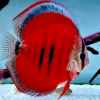
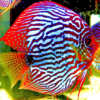
Red Alenquer Discus (4cm) – Symphysodon Aequifasciatus
Original price was: £50.49.£42.58Current price is: £42.58.
Welcome these stunning Red Alenqer Discus Fish into your tropical aquarium! Their vibrant colors and graceful movements make them beautiful inhabitants. Ideal for community tanks, these elegant fish thrive with proper care and optimal water conditions, offering joy for years to come.
In stock


Species Introduction
The Red Alenqer Discus Fish, scientifically known as Symphysodon aequifasciatus, is a stunning member of the Cichlidae family, renowned for its vibrant colors and elegant shape. Native to the Amazon River Basin in South America, these tropical fish thrive in warm, soft, and acidic waters, making them a popular choice for freshwater aquariums. Discus fish are often regarded as the kings of the aquarium due to their striking appearance and unique personality. Typically, they can grow up to 20 cm in length, but this particular variety is often found at around 4 cm when young. Their natural habitat consists of slow-moving waters with plenty of aquatic plants, which provide shelter and breeding grounds. This species is characterized by its round body shape and vibrant red coloration, which can vary in intensity based on genetics and environmental factors. The Red Alenqer Discus is not just a beautiful addition to any tank but also a fascinating creature that requires careful attention to its care and environment.
Care Requirements Dashboard
Essential Care Guide for Your Red Alenqer Discus Fish 4Cm
| Optimal Living Conditions | |
|---|---|
| Water Temperature | 24-27°C (75-81°F) |
| pH Level | 6.5-7.5 |
| Water Hardness | 4-12 dKH |
| Minimum Tank Size | 80L (20 gal) |
| Salinity | Freshwater |
| Care Level | Beginner Friendly |
✓ Care Level: Moderate
To provide a suitable home for your Red Alenqer Discus, it is essential to maintain specific care requirements. The recommended tank size is at least 200 liters to accommodate their swimming needs and territorial behavior. The ideal water parameters include a temperature range of 28-30°C, a pH level between 6.0 and 7.0, and a hardness of 1-10 dGH. Regular water changes of 20-30% weekly are crucial to maintain water quality and ensure the health of these aquatic companions. Additionally, a well-filtered tank with gentle water movement will help replicate their natural habitat, promoting their well-being.
Natural Behavior & Temperament
Red Alenqer Discus Fish are known for their gentle and social nature, making them ideal for community tanks with compatible species. In the wild, they are often found in groups, exhibiting a calm demeanor and peaceful interactions with their peers. They tend to establish hierarchies within their groups, which can lead to fascinating social dynamics. Observing their swimming patterns, one can appreciate their graceful movements as they glide through the water. However, it is important to note that they can become stressed if kept in small tanks or with aggressive tank mates. To ensure a harmonious environment, it is advisable to keep them with other peaceful fish that thrive in similar water conditions, such as tetras and rasboras.
Tank Setup Guide
Creating the perfect environment for your Red Alenqer Discus involves careful consideration of tank setup. Begin with a spacious aquarium of at least 200 liters to provide ample swimming space. A sandy substrate is ideal as it mimics their natural habitat and allows for easy digging. Incorporating live plants such as Amazon swords, Java ferns, and floating plants will not only enhance the aesthetic appeal but also provide hiding spots and reduce stress. Additionally, driftwood and rocks can be used to create territories and enrich the tank’s environment. Ensure that the lighting is gentle, as bright lights can cause stress; using a dimmable LED system can help create a more comfortable atmosphere for your discus.
Water Quality Management
✓ Water Parameters: Critical for Health
Maintaining optimal water quality is crucial for the health and longevity of your Red Alenqer Discus. The ideal temperature range is between 28-30°C, and the pH should be maintained between 6.0 and 7.0. Regular testing of water parameters using reliable kits is recommended to ensure consistency. Additionally, the hardness should be kept between 1-10 dGH. Frequent water changes of 20-30% weekly will help to keep the water clean and free from toxins. Consider using a high-quality filtration system that provides both mechanical and biological filtration to maintain a healthy environment.
Feeding & Nutrition
Feeding your Red Alenqer Discus a balanced diet is essential for their growth and overall health. They are omnivorous and thrive on a varied diet that includes high-quality pellets, frozen or live foods such as bloodworms, brine shrimp, and daphnia. It is advisable to feed them 2-3 times a day, providing only what they can consume in a few minutes to prevent overfeeding and maintain water quality. Additionally, incorporating vegetable matter such as spirulina flakes or blanched zucchini can enhance their diet and promote vibrant coloration. Monitoring their feeding behavior is important; if they show signs of stress or disinterest in food, it may indicate water quality issues or compatibility with tank mates.
Tank Mate Compatibility Guide
Tank Mate Compatibility
Great Tank Mates
- Tetras
- Rasboras
- Smaller Catfish
Avoid These Tank Mates
- Aggressive Cichlids
- Fast-moving Species
Compatibility Note: Always research specific species requirements and observe fish behavior when introducing new tank mates. Individual fish personalities can vary!
Health & Wellness
Maintaining the health of your Red Alenqer Discus involves regular monitoring and proactive care. Common health issues include ich, fin rot, and stress-related diseases. Signs of illness may include lethargy, loss of appetite, or changes in coloration. To prevent health issues, ensure that water quality is consistently monitored and maintained, and avoid overcrowding the tank. Quarantine new fish before introducing them to the main tank to prevent the spread of disease. Regularly observe your discus for any signs of distress or illness, and consult a veterinarian specializing in fish health if necessary.
Breeding Information
✓ Breeding Tips
Breeding Red Alenqer Discus can be a rewarding experience for dedicated aquarists. To encourage breeding, provide a separate breeding tank with soft, slightly acidic water and stable temperature conditions. Flat surfaces such as slate or broad leaves are preferred for spawning. Once the eggs are laid, the parents will guard them diligently. After hatching, the fry will require infusoria or specially formulated fry food until they are large enough to consume finely crushed flakes. It is essential to maintain excellent water quality during this period to ensure the fry’s survival and growth.
Acclimation Process
Acclimating your new Red Alenqer Discus to their new environment is a critical step to ensure their health and comfort. Begin by floating the sealed bag in the aquarium for about 15-20 minutes to equalize the temperature. After that, gradually introduce small amounts of tank water into the bag every 5-10 minutes. This process should take about an hour, allowing the fish to adjust to the water parameters. Once acclimated, gently release the discus into the tank without adding the bag water, which may contain harmful substances from the store. Monitor their behavior closely for the first few days to ensure they are adapting well to their new home.
Long-term Care
✓ Lifespan Expectations
With proper care, Red Alenqer Discus can live up to 10 years or more in captivity. To ensure a long and healthy life, it is essential to provide a stable environment, maintain water quality, and offer a balanced diet. Regular health checks and prompt attention to any signs of illness will also contribute to their longevity. As they mature, their colors may deepen, and their personalities may become more pronounced, making them even more rewarding to care for.
Natural Habitat Recreation
Recreating the natural habitat of the Red Alenqer Discus is essential for their well-being and comfort. In the wild, they inhabit slow-moving waters with dense vegetation, providing both cover and food sources. To replicate this environment in your aquarium, incorporate plenty of live plants, such as Amazon swords and floating ferns, along with driftwood to create hiding spots. The substrate should be soft, allowing them to forage naturally. Additionally, maintaining a gentle water flow will mimic their natural habitat and help reduce stress levels. Regularly changing the tank’s layout can also provide stimulation and encourage natural behaviors.
Seasonal Care Adjustments
✓ Seasonal Care Tips
As the seasons change, so do the needs of your Red Alenqer Discus. During warmer months, ensure that the tank temperature remains stable, as fluctuations can stress these fish. Consider using a heater with a thermostat to maintain optimal conditions. In colder months, monitor the water temperature closely, as cooler temperatures can lead to health issues. Additionally, adjust the lighting to mimic natural day/night cycles, which can help regulate their behavior and breeding patterns. Providing a consistent environment year-round will promote their overall health and happiness.
Expert Tips
For those looking to provide the best care for their Red Alenqer Discus, consider these expert tips: First, invest in a high-quality water testing kit to monitor parameters regularly. Second, provide a varied diet to enhance coloration and health; consider using high-quality pellets, frozen foods, and live foods. Third, maintain a consistent feeding schedule to help establish routine and reduce stress. Finally, observe their interactions closely to ensure compatibility with tank mates and address any aggressive behavior promptly. With dedication and attention to detail, you can create a thriving environment for your discus fish.
Troubleshooting
✓ Common Issues & Solutions
If you encounter issues with your Red Alenqer Discus, such as loss of appetite or unusual swimming behavior, it is essential to investigate potential causes. Check water parameters immediately, as fluctuations can lead to stress and illness. If you notice signs of ich, such as white spots on the skin, consider increasing the water temperature slightly and adding aquarium salt to help combat the infection. Additionally, ensure that tank mates are not causing stress, and consider separating aggressive individuals if necessary. Regularly cleaning the tank and performing water changes will also help maintain a healthy environment.
Scientific Background
The Red Alenqer Discus belongs to the family Cichlidae, which is known for its diverse range of species and complex behaviors. Symphysodon aequifasciatus is one of the most recognized species within this family, often celebrated for its beauty and unique characteristics. Research has shown that discus fish exhibit advanced social behaviors, including parental care and complex interactions within their groups. Conservation efforts are essential to protect their natural habitats, as deforestation and pollution threaten their populations in the wild. Understanding their scientific background can enhance your appreciation for these remarkable creatures and inform better care practices.
Advanced Care Techniques
✓ Expert-Level Husbandry
For experienced aquarists, advanced care techniques can enhance the health and vitality of your Red Alenqer Discus. Consider implementing a breeding program to selectively breed for desired traits, such as coloration and size. Additionally, utilizing a high-quality reverse osmosis (RO) system can help achieve optimal water parameters by removing impurities and providing a stable environment. Regularly rotating tank decorations and plants can stimulate natural behaviors and reduce stress. Lastly, keeping detailed records of water parameters, feeding schedules, and health observations will help you identify patterns and make informed decisions regarding their care.
Frequently Asked Questions
Q: What tank size is required for Red Alenquer Discus Fish?
For Red Alenquer Discus Fish, a tank size of at least 200 litres (approximately 53 gallons) is recommended. Discus are social fish that thrive in groups, so it is advisable to maintain a minimum of five individuals to promote a harmonious environment. A larger tank not only provides ample swimming space but also helps in maintaining stable water parameters, which is crucial for their health. Ensure the tank is well-filtered and has a gentle water flow, as Discus prefer calm waters.
A larger tank also allows for the addition of live plants and decorations, which can enhance their environment and reduce stress levels.
✓ Expert Tip
Consider using a tank divider for a breeding pair, allowing them to feel secure while still being in the same environment.
Q: What water parameters do Red Alenquer Discus require?
Red Alenquer Discus thrive in soft, slightly acidic water with a pH level between 6.0 and 7.5. The ideal temperature range is between 26°C to 30°C (79°F to 86°F). It is essential to maintain stable water quality, as fluctuations can lead to stress and disease. Regular water changes of about 20-30% weekly are recommended to keep the water clean and parameters stable. Conduct routine tests for ammonia, nitrite, and nitrate levels to ensure a healthy environment.
Additionally, using a good quality water conditioner can help in removing harmful substances from tap water.
✓ Expert Tip
Utilise a high-quality filtration system to ensure optimal water circulation and quality.
Q: How often should I feed Red Alenquer Discus Fish?
Red Alenquer Discus Fish should be fed two to three times a day. It is advisable to provide them with a variety of high-quality foods, including pellets, flakes, and frozen or live foods such as bloodworms or brine shrimp. Each feeding should consist of an amount that can be consumed within a few minutes to prevent overfeeding, which can deteriorate water quality.
Monitoring their feeding habits is crucial; if they appear uninterested, it may indicate stress or health issues. Regular dietary changes can also help enhance their colouration and overall health.
✓ Expert Tip
Introduce new foods gradually to prevent digestive issues.
Q: What are the best tank mates for Red Alenquer Discus?
When selecting tank mates for Red Alenquer Discus, it is best to choose peaceful species that thrive in similar water conditions. Suitable companions include tetras, rasboras, and peaceful cichlids such as Apistogramma or keyhole cichlids. Avoid aggressive or fin-nipping species, as they can stress Discus and lead to health problems.
Additionally, it is crucial to ensure that any new fish are quarantined before introducing them to the main tank to prevent the spread of diseases.
✓ Expert Tip
Consider the size and temperament of potential tank mates to ensure compatibility.
Q: How do I properly acclimatise Red Alenquer Discus to my aquarium?
Acclimatising your Red Alenquer Discus is crucial for their health. Begin by floating the sealed bag in the aquarium for about 15-20 minutes to equalise the temperature. After this, gradually introduce tank water into the bag over the next hour, allowing the fish to adapt to the water chemistry. This can be achieved by adding small amounts of tank water every 10-15 minutes. Once this process is complete, gently transfer the fish into the tank using a net, avoiding adding the bag water to your aquarium, which may contain harmful substances.
✓ Expert Tip
Minimise stress during acclimatisation by keeping noise levels down and ensuring a calm environment.
Q: What are the signs of healthy Red Alenquer Discus?
Healthy Red Alenquer Discus exhibit vibrant colours, clear eyes, and an active swimming behaviour. They should be alert and responsive to their surroundings, showing interest during feeding times. Additionally, their fins should be fully extended and free of any tears or fraying. Regular monitoring of their behaviour and physical appearance is essential, as any sudden changes may indicate underlying health issues.
Keeping a close eye on their eating habits and social interactions can also provide insights into their well-being.
✓ Expert Tip
Maintain a consistent routine to help identify any unusual changes in their health.
Q: How do I successfully breed Red Alenquer Discus?
Breeding Red Alenquer Discus requires careful preparation and attention to detail. Begin by providing a spacious breeding tank with clean, warm water (around 28°C to 30°C) and a flat surface for spawning, such as a smooth rock or a breeding cone. It’s essential to ensure that both potential parents are healthy, well-fed, and of adequate size.
Once spawning occurs, the parents will typically guard and care for the eggs. After hatching, the fry should be fed infusoria or specially formulated fry food until they are large enough to consume finely crushed flakes or pellets.
✓ Expert Tip
Provide a high-quality diet to the breeding pair to enhance the health of the fry.
Q: What natural habitat conditions should I replicate for Red Alenquer Discus?
To create a suitable environment for Red Alenquer Discus, replicate their natural habitat found in the Amazon River basin. This includes soft, acidic water with plenty of plants and driftwood to provide hiding spots. Incorporate a dark substrate to mimic their natural surroundings and ensure the tank is well-planted for security.
Additionally, maintaining a stable temperature and gentle water flow is crucial, as Discus prefer calm waters. Regularly monitor the water quality to keep it within the optimal parameters for these beautiful fish.
✓ Expert Tip
Adding natural leaf litter can help create a more authentic environment and offer additional benefits to the fish.
1 review for Red Alenquer Discus (4cm) – Symphysodon Aequifasciatus
Add a review
Related products


Emily Carter (verified owner) –
As a caring fish parent, I cannot rave enough about the Red Alenquer Discus Fish! I purchased three of these vibrant 4 cm beauties about two months ago, and they have completely transformed my aquarium. Initially, I was a bit apprehensive since discus fish can be sensitive, but these little guys acclimated beautifully. They are so full of life and personality, darting around and exploring every corner of their new home.
The colors on the Alenquer are stunning – the deep reds and yellows really pop against my tank’s lush green plants. I’ve noticed them thriving, and they even engage with each other, which is a delight to witness. Compared to other tropical fish I’ve kept, their social nature and stunning appearance truly set them apart. Just be aware that they thrive in a slightly warmer water environment, so maintaining the right temperature is crucial.
If you’re considering adding discus fish to your collection, I wholeheartedly recommend these. They are perfect for someone looking to elevate their freshwater fish experience. Just make sure your tank is well-cycled before introducing them, and enjoy the show! I would definitely buy them again!