
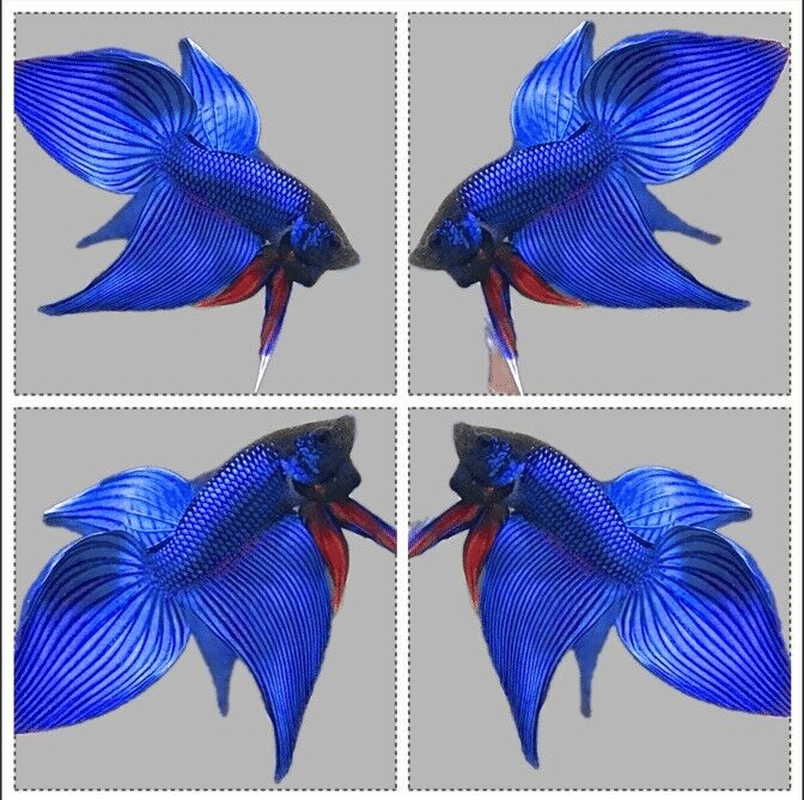
Veiltail Blue Male Betta – Betta Splendens

Original price was: £7.99.£6.78Current price is: £6.78.
Welcome the Stunning Veiltail Blue Male Betta Splend into your aquarium, a breathtaking addition for aquarists. With its flowing fins and vibrant blue hues, this beautiful freshwater fish thrives in well-maintained environments, enhancing your tank’s aesthetics effortlessly.
In stock


Species Introduction
The Stunning Veiltail Blue Male Betta, scientifically known as Betta splendens, is a captivating species belonging to the Osphronemidae family. This freshwater tropical fish is native to the shallow waters of Southeast Asia, particularly in regions like Thailand, Cambodia, and Vietnam. Known for their vibrant colors and flowing fins, male bettas are particularly admired for their striking appearance, with the blue variety being one of the most sought-after. These beautiful fish can reach a maximum length of approximately 7 cm and are often recognized by their long, elegant fins that resemble a veil, hence the name ‘Veiltail’. In their natural habitat, bettas thrive in warm, slow-moving waters filled with aquatic plants, which provide them shelter and breeding grounds. Understanding their origins and natural habitat is crucial for creating an environment that mimics their native conditions, ensuring their health and well-being in your aquarium.
Care Requirements Dashboard
Essential Care Guide for Your Stunning Veiltail Blue Male Betta
| Optimal Living Conditions | |
|---|---|
| Water Temperature | 24-27°C (75-81°F) |
| pH Level | 6.5-7.5 |
| Water Hardness | 4-12 dKH |
| Minimum Tank Size | 80L (20 gal) |
| Salinity | Freshwater |
| Care Level | Beginner Friendly |
✓ Care Level: Easy
To provide optimal care for your Stunning Veiltail Blue Male Betta, consider the following requirements:
| Parameter | Recommended Value |
|---|---|
| Tank Size | Minimum 5 gallons |
| Water Temperature | 76-82°F (24-28°C) |
| pH Level | 6.5-7.5 |
| Water Hardness | 5-20 dGH |
| Filtration | Gentle filtration |
Natural Behavior & Temperament
The Stunning Veiltail Blue Male Betta exhibits a range of fascinating behaviors that reflect its natural instincts. These fish are known for their territorial nature, particularly males, who may display aggressive behaviors towards other males. In their natural habitat, they often establish territories, displaying vibrant colors and flaring their fins to assert dominance. Bettas are also known for their unique swimming patterns; they tend to glide gracefully through the water, often exploring their surroundings. Socially, while they can coexist with certain species, it is crucial to choose tank mates wisely to avoid aggression. Male bettas should not be housed together due to their territorial nature, but they can thrive in community tanks with peaceful species. Understanding these behaviors helps in creating a harmonious environment that respects their natural instincts.
Tank Setup Guide
Creating an ideal tank setup for your Stunning Veiltail Blue Male Betta is essential for its health and happiness. The tank should be a minimum of 5 gallons to provide ample swimming space and to maintain stable water parameters. Use a substrate that mimics their natural habitat, such as fine gravel or sand, which allows for easy movement and digging. Incorporate plenty of plants, such as Java fern or Anubias, to provide hiding spots and reduce stress. Floating plants can also help diffuse lighting and create a more natural environment. Additionally, ensure that the tank has gentle filtration to avoid strong currents, as bettas prefer calm waters. Decorations should be smooth and free of sharp edges to prevent injuries to their delicate fins. By mimicking their natural habitat, you enhance their well-being and overall aesthetic appeal of your aquarium.
Water Quality Management
⚠ Important Water Parameter Notice
Maintaining optimal water quality is crucial for the health of your Stunning Veiltail Blue Male Betta. Regular water changes of 25-30% weekly are recommended to keep the water clean and free from harmful toxins. Monitor the pH levels, ensuring they remain between 6.5 and 7.5, and test for ammonia and nitrite levels, which should always be at 0 ppm. The temperature should be kept between 76°F and 82°F (24°C – 28°C) to mimic their natural habitat. Additionally, consider using a water conditioner to remove chlorine and chloramines from tap water. Regular testing and maintenance will help prevent stress and illness, ensuring a vibrant and healthy fish.
Feeding & Nutrition
Feeding your Stunning Veiltail Blue Male Betta a balanced diet is vital for its health and vitality. These fish are carnivorous and thrive on high-protein diets. A combination of high-quality betta pellets, freeze-dried foods, and occasional live foods such as brine shrimp or daphnia can provide the necessary nutrients. It is recommended to feed them twice a day, only what they can consume in 2-3 minutes to prevent overfeeding and water contamination. A varied diet not only enhances their coloration but also supports their immune system and overall health. Additionally, observe your betta’s eating habits to ensure they are consuming their food and adjust portions accordingly. Proper nutrition will lead to a vibrant and active fish, enhancing the beauty of your aquarium.
Compatibility Guide
✓ Compatible Tank Mates
When considering tank mates for your Stunning Veiltail Blue Male Betta, it is essential to choose peaceful species that won’t provoke aggression. Suitable companions include:
- Corydoras Catfish
- Neon Tetras
- Harlequin Rasboras
- Ghost Shrimp
- Snails
Avoid housing them with fin-nipping species like tiger barbs or other aggressive fish, as this can lead to stress and injury. Properly assessing compatibility is crucial for creating a harmonious community tank.
Health & Wellness
The health and wellness of your Stunning Veiltail Blue Male Betta depend on several factors, including water quality, diet, and tank mates. Common health issues include fin rot, ich, and velvet disease, which can be prevented through proper care. Regularly inspect your betta for any signs of distress, such as clamped fins, lethargy, or unusual swimming patterns. If you notice any symptoms, it is crucial to act quickly by isolating the affected fish and treating the tank accordingly. Maintaining a stress-free environment with adequate hiding spots and stable water parameters will significantly reduce the risk of illness. Additionally, consider utilizing a quarantine tank for new arrivals to prevent the introduction of diseases into your established aquarium.
Breeding Information
Breeding your Stunning Veiltail Blue Male Betta can be a rewarding experience, but it requires careful preparation. To initiate breeding, it is essential to condition both the male and female bettas with high-quality foods rich in protein. Introduce the male to the female in a separate breeding tank, ideally with a temperature of around 80°F (27°C) and plenty of hiding spots. The male will build a bubble nest at the water’s surface, which is a sign that he is ready to mate. Once the female is ready, she will display vertical stripes and approach the male. After successful spawning, the male will care for the eggs, which will hatch in about 24-48 hours. After the fry are free-swimming, it is important to remove the female to prevent aggression. Raising fry requires specialized care, including infusoria or finely crushed flakes until they are large enough to eat regular betta pellets.
Acclimation Process
Acclimating your Stunning Veiltail Blue Male Betta to a new tank is a critical step in ensuring its health and reducing stress. Begin by floating the sealed bag containing the betta in the aquarium for about 15-20 minutes to equalize the temperature. After this, gradually introduce tank water into the bag by adding small amounts every 5 minutes. This process should take about an hour, allowing the betta to adjust to the new water parameters. Once acclimated, gently release the betta into the tank using a net to avoid introducing any transport water that may contain harmful substances. Proper acclimation minimizes stress and helps your betta adapt to its new environment smoothly.
Long-term Care
The long-term care of your Stunning Veiltail Blue Male Betta involves regular monitoring and maintenance to ensure a healthy environment. Bettas can live up to 3-5 years with proper care, so establishing a routine is essential. This includes regular water changes, monitoring water parameters, and maintaining a balanced diet. Additionally, keep an eye on your betta’s behavior and physical condition, as changes can indicate health issues. Creating a stable environment with minimal stressors is crucial for their longevity. Engaging with your betta through gentle interaction can also enhance its well-being and strengthen the bond between you and your aquatic companion.
Natural Habitat Recreation
Recreating the natural habitat of your Stunning Veiltail Blue Male Betta enhances its comfort and well-being. In the wild, these fish inhabit shallow waters with abundant vegetation, so incorporating live plants is essential. Use floating plants to provide shade and cover, along with rooted plants to create a natural environment. Additionally, include smooth rocks and driftwood to simulate their natural surroundings. The substrate should be soft and fine to mimic the riverbeds they are accustomed to. By carefully designing your aquarium to reflect their natural habitat, you not only improve the aesthetic appeal but also promote the health and happiness of your betta.
Seasonal Care Adjustments
Seasonal changes can impact the care of your Stunning Veiltail Blue Male Betta, particularly regarding temperature and lighting. During warmer months, ensure that the tank temperature does not exceed 82°F (28°C) to prevent stress. Consider using a fan or air conditioning to maintain a stable environment. In cooler months, monitor the temperature closely, as bettas are sensitive to cold. Using a heater with a thermostat can help maintain consistent temperatures. Additionally, adjust the lighting duration to mimic natural day/night cycles, providing about 10-12 hours of light per day. These seasonal adjustments will help maintain a healthy and stable environment for your betta.
Expert Tips
To ensure the best care for your Stunning Veiltail Blue Male Betta, consider these expert tips. First, invest in a high-quality water testing kit to regularly monitor parameters such as pH, ammonia, and nitrite levels. This proactive approach will help you catch any issues before they affect your betta’s health. Second, provide a varied diet to enhance coloration and vitality; consider incorporating freeze-dried foods and occasional live foods into their diet. Third, create a stress-free environment by minimizing loud noises and sudden movements around the tank. Lastly, engage with your betta through gentle interaction, which can help build trust and reduce stress. These expert tips will contribute to the overall health and happiness of your aquatic companion.
Troubleshooting
If you encounter issues with your Stunning Veiltail Blue Male Betta, it is important to address them promptly. Common problems include fin rot, which can be treated by improving water quality and using medications specifically designed for fin issues. If your betta shows signs of stress or aggression, consider reevaluating tank mates and ensuring that the environment is suitable for their needs. If your betta is not eating, check water parameters and ensure the food is fresh and appropriate for their diet. By staying vigilant and proactive, you can resolve issues quickly and maintain a healthy environment for your betta.
Scientific Background
The Stunning Veiltail Blue Male Betta, or Betta splendens, has a rich scientific background that highlights its importance in the aquarium trade and conservation efforts. This species is part of the Osphronemidae family, which includes several other anabantoid fish. Bettas are known for their labyrinth organ, allowing them to breathe atmospheric oxygen, which is particularly advantageous in their native shallow waters. Conservation efforts are crucial for maintaining wild populations, as habitat destruction and over-collection threaten their natural habitats. Understanding their scientific background not only enriches your knowledge but also emphasizes the importance of responsible fishkeeping practices.
Advanced Care Techniques
For those looking to enhance their care for the Stunning Veiltail Blue Male Betta, advanced techniques can be employed. Consider implementing a planted tank with CO2 injection to promote lush growth and improve water quality. Utilizing a sponge filter can provide gentle filtration while creating a breeding ground for beneficial bacteria. Additionally, explore the use of probiotics in their diet to enhance gut health and overall immunity. Regularly observe your betta’s behavior and health, adjusting care techniques as necessary to ensure optimal well-being. These advanced techniques will not only enhance your betta’s environment but also deepen your connection with this beautiful aquatic companion.
Frequently Asked Questions
Q: What tank size is required for a Betta fish?
For a single Betta splendens, a minimum tank size of 20 litres (5 gallons) is recommended. This size provides ample space for swimming and helps maintain stable water parameters. Larger tanks are preferable as they allow for better filtration and more stable conditions, which are crucial for the health of your Betta. Furthermore, a well-planted tank with hiding spots can make your Betta feel more secure. Avoid small bowls or tanks under 10 litres, as these can lead to rapid fluctuations in temperature and water quality, which are detrimental to your fish’s health.
✓ Expert Tip
Consider incorporating a heater and filter to maintain optimal conditions for your Betta.
Q: What water parameters do Betta fish require?
Betta fish thrive in water with a temperature between 24°C to 28°C (75°F to 82°F) and a pH level between 6.5 and 7.5. It is crucial to maintain stable water conditions, as fluctuations can stress your Betta and lead to health issues. Regular water changes of about 25% weekly will help to keep the water clean and parameters stable. It is advisable to use a water conditioner to remove harmful chemicals such as chlorine and chloramine. Test kits are also beneficial to monitor water quality regularly, ensuring a safe environment for your aquatic companion.
✓ Expert Tip
Invest in a reliable heater and thermometer to maintain the ideal temperature.
Q: How often should I feed my Betta fish?
Betta fish should be fed small amounts two to three times a day. A balanced diet includes high-quality pellets specifically formulated for Betta fish, supplemented with frozen or live foods such as brine shrimp or daphnia. Overfeeding can lead to obesity and water quality issues, so it is essential to provide only what your Betta can consume in about 2-3 minutes. Adjust feeding amounts based on your Betta’s size and activity level, and ensure to fast your fish once a week to aid digestion.
✓ Expert Tip
Use varied foods to enhance colour and health; this keeps your Betta engaged and stimulated.
Q: What are the best tank mates for Betta fish?
Betta fish can be territorial, particularly males, so choosing tank mates requires careful consideration. Suitable companions include peaceful species such as neon tetras, kuhli loaches, and certain snails or shrimp, like ghost shrimp. Avoid fin-nipping species and aggressive fish, as well as other male Bettas, which can result in fighting. Always introduce new fish gradually to minimise stress and observe their interactions closely. A well-planted tank with hiding spots can help reduce aggression and provide a more harmonious environment.
✓ Expert Tip
Consider using a divider in the tank if introducing more than one Betta to reduce territorial disputes.
Q: How do I properly acclimatise my Betta fish to my aquarium?
Acclimatising your Betta is crucial to ensure a smooth transition into its new home. Start by floating the sealed bag containing your Betta in the aquarium for about 15-20 minutes. This allows the temperature to equalise. After that, gradually introduce small amounts of tank water into the bag every 5 minutes for about an hour. This helps the Betta adjust to the water parameters. Finally, gently transfer your Betta into the aquarium using a net to avoid introducing any transport water, which may contain harmful substances.
✓ Expert Tip
Keep the aquarium lights dim during acclimatisation to minimise stress.
Q: What are the signs of a healthy Betta fish?
A healthy Betta fish displays vibrant colours, clear eyes, and smooth, unblemished fins. Active swimming behaviour and a keen appetite are also good indicators of health. Conversely, signs of stress or illness include lethargy, faded colours, clamped fins, or unusual swimming patterns. Regular observation is key; if you note any changes in behaviour or appearance, it’s essential to assess water quality and consider potential health issues immediately. Keeping your Betta in a clean, well-maintained environment significantly contributes to its overall wellbeing.
✓ Expert Tip
Regularly check your Betta’s fins and body for signs of disease or injury.
Q: How do I prevent common diseases in Betta fish?
Preventing disease in Betta fish primarily revolves around maintaining optimal water quality, stable temperature, and a proper diet. Regular water changes and monitoring of water parameters are essential. Quarantine new fish before introducing them to an established tank to prevent the spread of disease. Additionally, avoid overfeeding and ensure that uneaten food is promptly removed. Keeping the tank clean and ensuring adequate filtration will also reduce the risk of diseases such as fin rot and ich. Regular observation for any signs of illness allows for early intervention.
✓ Expert Tip
Consider adding aquarium salt to the water as a preventative measure against certain ailments.
Q: What temperature should I maintain for my Betta fish?
The ideal temperature range for Betta fish is between 24°C to 28°C (75°F to 82°F). Maintaining this temperature is crucial for their metabolism and overall health. Sudden fluctuations can lead to stress and weaken their immune system, making them more susceptible to diseases. A reliable aquarium heater is essential for providing consistent warmth, especially in cooler environments. It is also advisable to use a thermometer to regularly check the water temperature, ensuring it stays within the optimal range.
✓ Expert Tip
Avoid placing the tank in direct sunlight or near heating vents, which can cause temperature spikes.
Q: How long do Betta fish typically live in captivity?
Betta fish can live for around 3 to 5 years in captivity with proper care. Factors influencing their lifespan include water quality, diet, and overall tank conditions. A well-maintained aquarium with stable parameters significantly contributes to a longer life. Regular health checks and prompt attention to any signs of illness are also vital. Providing a stress-free environment with adequate space and suitable tank mates will further enhance their wellbeing and longevity.
✓ Expert Tip
Keep a consistent routine for feeding and tank maintenance to promote health and longevity.
Q: What type of substrate is most suitable for Betta fish?
A soft substrate is best for Betta fish, as it allows for easy movement and prevents injury to their delicate fins. Options such as fine gravel, sand, or specially designed aquarium substrates provide a comfortable environment. Ensure that the substrate is clean and free of sharp edges. A suitable substrate also supports beneficial bacteria, which are essential for maintaining water quality. Additionally, consider adding live plants, as they not only enhance aesthetics but also provide hiding spots and improve water conditions.
✓ Expert Tip
Regularly vacuum the substrate to remove waste and uneaten food to maintain water quality.
Q: What behavioural patterns should I expect from my Betta fish?
Betta fish are known for their curious and interactive behaviour. They often explore their surroundings, swim vigorously, and display their fins when feeling secure. Males can be territorial and may show aggressive behaviour towards reflections or other males. Bettas also enjoy having hiding spots and enrichment, such as plants and decorations, to explore. Observing their behaviour can provide insights into their health; any sudden changes may indicate stress or illness. Providing a stimulating environment encourages natural behaviours and keeps your Betta happy.
✓ Expert Tip
Consider incorporating floating plants, as they offer shade and security for your Betta.
Q: What natural habitat conditions should I replicate for my Betta fish?
In their natural habitat, Betta fish inhabit shallow waters with dense vegetation, such as rice paddies and swamps. To replicate these conditions, provide a well-planted aquarium with plenty of hiding spots and open swimming areas. Maintain warm water temperatures and ensure the water is clean and free from pollutants. A slightly acidic to neutral pH level is also ideal. Incorporating natural decorations, such as driftwood and rocks, can enhance the environment and provide enrichment. This setup not only promotes comfort but also encourages natural behaviours.
✓ Expert Tip
Regularly trim plants to prevent overcrowding and ensure good water circulation.
2 reviews for Veiltail Blue Male Betta – Betta Splendens
Add a review
Related products



Emily Carter (verified owner) –
I recently purchased the stunning veil tail blue male betta from this store, and I couldn’t be happier! This beautiful fish has brought so much life and color to my aquarium. The vibrant blue hues are mesmerizing, and I’ve noticed that he has a fantastic personality too! After about two weeks of observing him, he has become quite the character, flaring his fins and exploring every nook of his tank.
I’ve kept betta fish before, but this one really stands out due to his unique fin structure and playful behavior. Compared to other bettas I’ve owned, his colors seem to shine even brighter under the aquarium lights. I truly appreciate the emphasis on fish welfare provided by this seller; he arrived healthy and stress-free.
If you’re considering adding a betta fish to your collection, I highly recommend this blue veil tail. It’s perfect for both beginners and experienced aquarists. Just make sure to provide plenty of space and some hiding spots to keep him happy! I’m already planning to get another one soon!
Emily Carter (verified owner) –
I recently purchased the Stunning Veiltail Blue Male Betta, and I couldn’t be happier! As an experienced hobbyist, I’ve kept a variety of freshwater fish, but this little guy has truly captured my heart. Upon arrival, he was vibrant, healthy, and full of personality. After about a week in his new tank, I noticed how he delights in exploring his environment and flaring at his reflection—it’s both entertaining and a testament to his health!
What sets this Betta apart from others I’ve had is his strikingly beautiful fins, which create a breathtaking display as he swims through the tank. I’ve tried keeping Betta fish from various sources before, but this one stands out in both appearance and temperament.
I’d recommend this fish to anyone looking to enhance their aquarium’s aesthetics, especially those who appreciate the dynamics of keeping freshwater fish. Just a quick tip: ensure you provide plenty of plants and hiding spots in the tank for his comfort and happiness. Overall, I’m thrilled with my purchase and would definitely buy again!