
Subtotal: £16.45
Sale!

3 X Goldleopard Sailfin Molly Mix – Poecilia Velifera – Livebearer
Original price was: £12.99.£10.65Current price is: £10.65.
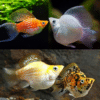
Welcome these beautiful Poecilia Sailfin Goldleopard Molly fish into your tropical fish tank. Known for their vibrant colors and graceful movements, they thrive in community settings. Perfect companions for peaceful aquariums, they also help control algae growth, ensuring a flourishing aquatic environment.
In stock


Species Introduction
The Poecilia Sailfin Goldleopard Molly, scientifically known as Poecilia sphenops, belongs to the family Poeciliidae. This vibrant tropical fish is native to the freshwater habitats of Central America, particularly in regions such as Mexico and Guatemala. These beautiful creatures are characterized by their striking colors and patterns, which can vary significantly among individuals. The Sailfin Goldleopard Molly is particularly noted for its unique leopard-like spots and striking sail-like dorsal fin, making it a captivating addition to any community aquarium. As peaceful community fish, they thrive in well-planted tanks, where they can swim gracefully among aquatic plants and decorations. Their natural habitat consists of slow-moving waters, where they often seek refuge among submerged vegetation. Understanding their native environment is crucial for providing a suitable home that mimics their natural conditions, ensuring their health and well-being.
Care Requirements Dashboard
Essential Care Guide for Your Poecilia Sailfin Goldleopard Molly
| Optimal Living Conditions | |
|---|---|
| Water Temperature | 24-27°C (75-81°F) |
| pH Level | 6.5-7.5 |
| Water Hardness | 4-12 dKH |
| Minimum Tank Size | 80L (20 gal) |
| Salinity | Freshwater |
| Care Level | Beginner Friendly |
To ensure the best care for your Poecilia Sailfin Goldleopard Molly, it is essential to maintain a minimum tank size of 75 liters. This allows ample swimming space and reduces territorial disputes among tank mates. The ideal water temperature for these tropical fish ranges from 24 to 28 degrees Celsius, with a pH level between 7.0 and 8.5. Additionally, the water hardness should be maintained between 10 to 20 dGH. Regular water changes and monitoring of these parameters are vital for their health and vitality. Providing a well-filtered and aerated environment will further enhance their living conditions, allowing them to thrive and exhibit their natural behaviors.
Natural Behavior & Temperament
The Poecilia Sailfin Goldleopard Molly is known for its peaceful temperament and social nature. These fish are generally friendly and can coexist harmoniously with various community fish. They exhibit graceful swimming patterns, often gliding through the water with elegance. In a well-planted aquarium, they will frequently explore their surroundings, darting in and out of the foliage. Their social behavior is enhanced when kept in groups, as they thrive in the company of their own kind. It is recommended to keep them in schools of at least three to five individuals to promote natural schooling behavior and reduce stress. Observing their interactions can be a delightful experience, as they engage in playful displays and establish social hierarchies within the group.
Tank Setup Guide
Creating an ideal environment for your Poecilia Sailfin Goldleopard Molly involves careful consideration of tank setup. A well-planted aquarium with plenty of hiding spots is essential for these fish to feel secure. Use a substrate that mimics their natural habitat, such as fine gravel or sand, which allows for easy digging and rooting of plants. Incorporate a variety of aquatic plants, such as Java fern, Anubias, and floating plants, to provide cover and enhance the aesthetic appeal of the tank. Additionally, include decorations like driftwood or rocks to create territories and hiding spots. Ensure that the tank is equipped with a reliable filtration system to maintain water quality, as these fish are sensitive to poor water conditions. Regular maintenance, including water changes and substrate cleaning, will help sustain a healthy environment for your aquatic companions.
Water Quality Management
Good Water Quality = Healthy Fish
pH Level: 7.0-8.5
Temperature: 24-28°C
Hardness: 10-20 dGH
Maintaining optimal water quality is crucial for the health and well-being of your Poecilia Sailfin Goldleopard Molly. Regular testing of water parameters, including pH, temperature, and hardness, should be conducted to ensure they remain within the recommended ranges. A stable pH level between 7.0 and 8.5 is ideal, while the water temperature should be kept between 24 and 28 degrees Celsius. Additionally, hardness levels should be maintained between 10 to 20 dGH. Implementing a reliable filtration system and performing regular water changes will help keep the water clean and free from harmful toxins. Monitoring ammonia, nitrite, and nitrate levels is also essential, as elevated levels can lead to stress and health issues for your fish friends.
Feeding & Nutrition
Important Feeding Note
Feed a varied diet including high-quality flakes, pellets, and occasional live or frozen foods.
Feeding your Poecilia Sailfin Goldleopard Molly a balanced and varied diet is essential for their health and vitality. These fish are omnivorous and thrive on a diet that includes high-quality flakes or pellets specifically formulated for tropical fish. Supplement their diet with occasional live or frozen foods such as brine shrimp, daphnia, or bloodworms to enhance their nutritional intake and promote vibrant colors. A feeding schedule of two to three small meals per day is recommended, ensuring that all food is consumed within a few minutes to prevent water quality issues. Providing a diverse diet will not only support their growth but also contribute to their overall well-being and longevity in your community aquarium.
Compatibility Guide
The Poecilia Sailfin Goldleopard Molly is known for its peaceful disposition, making it an excellent choice for community tanks. They can coexist with a variety of other fish species, provided that those species also exhibit non-aggressive behavior. Ideal tank mates include other mollies, guppies, tetras, and peaceful corydoras catfish. It is important to avoid pairing them with aggressive or territorial fish, as this can lead to stress and potential harm. When introducing new tank mates, ensure that the new fish are of similar size and temperament to prevent bullying or competition for resources. Observing the interactions among your fish friends will help you gauge compatibility and make necessary adjustments to maintain a harmonious community aquarium.
Tank Mate Compatibility Guide
Great Tank Mates
- Other peaceful community fish
- Corydoras catfish
- Small tetras
- Peaceful dwarf shrimp
Avoid These Tank Mates
- Aggressive cichlids
- Large predatory fish
- Fin nippers
Compatibility Note: Always research specific species requirements and observe fish behavior when introducing new tank mates. Individual fish personalities can vary!
Health & Wellness
Signs of Healthy Fish
Bright colors, active swimming, and clear eyes.
Monitoring the health and wellness of your Poecilia Sailfin Goldleopard Molly is essential for ensuring a thriving aquarium environment. Healthy mollies exhibit bright colors, active swimming behavior, and clear, bright eyes. Regularly check for signs of stress or illness, such as lethargy, loss of appetite, abnormal swimming patterns, or visible lesions. Common health issues that may affect mollies include ich, fin rot, and swim bladder disorders. Preventative measures, such as maintaining optimal water quality, providing a balanced diet, and avoiding overcrowding, are essential for reducing the risk of disease. If you notice any signs of illness, it is crucial to act quickly by isolating affected fish and seeking appropriate treatment to prevent the spread of disease within the tank.
Breeding Information
Breeding Poecilia Sailfin Goldleopard Mollies can be a rewarding experience for aquarists. These fish are livebearers, meaning they give birth to free-swimming fry rather than laying eggs. To encourage breeding, maintain a healthy group of mollies with a ratio of one male to two or three females to reduce stress on the females. Providing a separate breeding tank with plenty of hiding spots, such as fine-leaved plants or spawning mops, will help protect the fry from being eaten by adult fish. After a gestation period of approximately 4 to 6 weeks, the female will give birth to a small number of fry, which should be fed powdered fry food or finely crushed flakes. Monitoring the fry closely and providing optimal water conditions will support their growth and development into healthy juvenile mollies.
Acclimation Process
When introducing your Poecilia Sailfin Goldleopard Molly to a new aquarium, it is essential to follow a proper acclimation process to minimize stress and ensure a smooth transition. Start by floating the sealed bag containing the fish in the aquarium for about 15-20 minutes to allow the water temperature to equalize. After this, gradually mix small amounts of aquarium water into the bag over the course of an hour to help the fish adjust to the new water parameters. Once acclimated, gently release the fish into the tank using a net to avoid adding any transport water that may contain harmful substances. This careful acclimation process is crucial for ensuring the health and well-being of your new aquatic companions as they settle into their new home.
Long-term Care
The long-term care of your Poecilia Sailfin Goldleopard Molly involves regular monitoring of their environment and health. These fish can live for several years when provided with optimal care, including a balanced diet, clean water, and appropriate tank conditions. Regular water changes and routine maintenance of the aquarium will help sustain a healthy environment. As they grow, monitor their size and behavior, ensuring that the tank remains spacious and that they are not displaying signs of stress. Keeping a close eye on their interactions with other fish will also help maintain harmony in the community tank. By providing consistent care and attention, you can enjoy the beauty and grace of these vibrant mollies for years to come.
Natural Habitat Recreation
Recreating the natural habitat of the Poecilia Sailfin Goldleopard Molly in your aquarium is essential for their health and well-being. Mimicking their native environment involves incorporating a variety of aquatic plants, such as floating plants, to provide cover and create a sense of security. Use a substrate that resembles their natural habitat, such as fine sand or gravel, which allows for easy digging and rooting of plants. Adding driftwood and rocks can create hiding spots and territories, enhancing their natural behavior. Additionally, maintaining stable water parameters that reflect their native conditions will support their overall health. By creating a biotope that closely resembles their natural habitat, you can ensure that your mollies thrive and exhibit their natural behaviors.
Seasonal Care Adjustments
As seasons change, it may be necessary to adjust the care routine for your Poecilia Sailfin Goldleopard Molly to accommodate variations in temperature and lighting. During warmer months, ensure that the water temperature remains within the ideal range of 24 to 28 degrees Celsius, as higher temperatures can lead to stress and health issues. In colder months, consider using a heater to maintain stable water temperatures. Additionally, monitor the intensity and duration of lighting, as changes in natural light can affect plant growth and fish behavior. Regularly check water parameters to ensure they remain stable throughout the seasons, and make necessary adjustments to filtration and water changes to maintain optimal conditions for your aquatic companions.
Expert Tips
To enhance your experience with Poecilia Sailfin Goldleopard Mollies, consider these expert tips. First, ensure that you provide a varied diet to promote vibrant colors and healthy growth. Incorporating high-quality flakes, pellets, and occasional live or frozen foods will support their nutritional needs. Additionally, maintaining a well-planted tank with hiding spots will help reduce stress and encourage natural behaviors. Regularly monitor water parameters and perform routine maintenance to keep the environment clean and healthy. Lastly, observe their social interactions and adjust tank mates as needed to maintain harmony within the community. By following these expert tips, you can create a thriving environment for your mollies and enjoy their beauty for years to come.
Troubleshooting
In the event of issues arising within your aquarium, it is essential to have a troubleshooting plan in place for your Poecilia Sailfin Goldleopard Mollies. If you notice signs of stress or illness, such as lethargy or changes in appetite, first check water parameters to ensure they are within the recommended ranges. If water quality is compromised, perform a partial water change and address any filtration issues. For common health concerns, such as ich or fin rot, prompt treatment is necessary to prevent further complications. Isolate affected fish to prevent the spread of disease and consult with an aquarium professional for appropriate treatment options. By being proactive and attentive to your mollies’ needs, you can quickly address any issues and maintain a healthy aquarium environment.
Scientific Background
The Poecilia Sailfin Goldleopard Molly is a fascinating species with a rich scientific background. As a member of the family Poeciliidae, these fish are closely related to other popular aquarium species, such as guppies and swordtails. Their scientific classification places them within the order Cyprinodontiformes, which includes various livebearers. Research into their behavior, breeding habits, and environmental needs has contributed to a greater understanding of their care in captivity. Conservation efforts are also vital for maintaining healthy populations in their native habitats, as habitat destruction and pollution pose significant threats to their survival. By supporting responsible aquarium practices and promoting awareness of their natural environment, aquarists can contribute to the conservation of the Poecilia Sailfin Goldleopard Molly and its relatives.
Advanced Care Techniques
For experienced aquarists looking to enhance their care for Poecilia Sailfin Goldleopard Mollies, consider implementing advanced care techniques. One effective approach is to establish a breeding program to promote genetic diversity and improve the overall health of your fish. This involves carefully selecting breeding pairs based on desirable traits and monitoring fry development closely. Additionally, experimenting with different diets and supplements can help optimize growth and coloration. Incorporating live foods and high-quality spirulina-based flakes can enhance their nutritional intake. Regularly participating in aquarium clubs or online forums can also provide valuable insights and support from fellow enthusiasts. By adopting these advanced care techniques, you can elevate your experience with these beautiful tropical fish and contribute to their well-being.
Water Quality Parameters
Optimal Range
Temperature:
24-27°C
24-27°C
pH:
6.5-7.5
6.5-7.5
Ammonia:
0 ppm
0 ppm
Caution Zone
Temperature:
22-24°C or 27-29°C
22-24°C or 27-29°C
pH:
6.0-6.5 or 7.5-8.0
6.0-6.5 or 7.5-8.0
Ammonia:
0.25-0.5 ppm
0.25-0.5 ppm
Danger Zone
Temperature:
<22°C or >29°C
<22°C or >29°C
pH:
<6.0 or >8.0
<6.0 or >8.0
Ammonia:
>0.5 ppm
>0.5 ppm
Monitoring Tip: Test water parameters weekly and perform regular water changes to maintain optimal conditions for your aquatic friends!
Frequently Asked Questions
Q: What tank size is required for Poecilia Sailfin Goldleopard Molly?
Poecilia Sailfin Goldleopard Molly thrives best in a tank of at least 75 litres. This size ensures ample swimming space and promotes a healthy environment. Keeping them in a larger aquarium allows for better water quality management and reduces stress among fish. It is advisable to include live plants and decorations to create hiding spots, which can help make the fish feel secure. Additionally, a well-maintained tank provides a stable environment, crucial for the overall health of your aquatic companions.
✓ Expert Tip
Consider adding a filter to maintain water quality, and perform regular water changes to keep your Molly fish healthy.
Q: What water parameters do Poecilia Sailfin Goldleopard Molly require?
For optimal health, Poecilia Sailfin Goldleopard Molly prefer a slightly alkaline pH range of 7.0 to 8.5, with a water hardness of 10-25 dGH. The temperature should be maintained between 24°C to 28°C. It is essential to monitor these parameters regularly, as fluctuations can lead to stress or illness. Investing in a reliable water testing kit can help ensure your tank’s environment remains stable. Additionally, keeping the water clean through regular changes will support their well-being.
✓ Expert Tip
Utilise a heater and filter to maintain stable temperature and water flow, creating a comfortable habitat for your fish.
Q: How often should I feed Poecilia Sailfin Goldleopard Molly?
Feeding Poecilia Sailfin Goldleopard Molly should be done 2-3 times per day, providing only what they can consume within a few minutes. This species is omnivorous and enjoys a varied diet that includes high-quality flakes, pellets, and occasional treats like blanched vegetables or frozen foods. Overfeeding can lead to water quality issues and health problems, so moderation is key. Observe their eating habits to adjust feeding amounts accordingly, ensuring they remain healthy and active.
✓ Expert Tip
Introduce variety in their diet to enhance colouration and overall health, ensuring a balanced nutritional intake.
Q: What are the best tank mates for Poecilia Sailfin Goldleopard Molly?
Poecilia Sailfin Goldleopard Molly are peaceful fish and thrive in community tanks. Suitable tank mates include other livebearers like guppies and platies, as well as small tetras and rasboras. It’s crucial to avoid aggressive species that may stress or harm your mollies. Ensure that all tank mates are of similar size to prevent any predation. A well-balanced community tank will enhance the overall aesthetic and provide a harmonious environment for your aquatic companions.
✓ Expert Tip
Introduce new fish gradually to prevent territorial disputes and watch for any signs of stress in your mollies.
Q: How do I properly acclimatise Poecilia Sailfin Goldleopard Molly to my aquarium?
To acclimatise your Poecilia Sailfin Goldleopard Molly, float the sealed bag in the aquarium for about 15-20 minutes. This helps equalise the temperature. After that, gradually add small amounts of tank water into the bag over 30-60 minutes, allowing the fish to adjust to the water parameters. Finally, gently release the fish into the aquarium, avoiding adding any water from the bag. This process reduces stress and helps your fish adapt to their new environment more effectively.
✓ Expert Tip
Always ensure your tank is fully cycled before introducing new fish to provide a stable environment.
Q: What are the signs of healthy Poecilia Sailfin Goldleopard Molly?
Healthy Poecilia Sailfin Goldleopard Molly exhibit vibrant colours, active swimming behaviours, and clear eyes. They should show no signs of distress, such as clamped fins or hiding excessively. Regular feeding and interaction with tank mates indicate good health. If you observe any changes in behaviour or appearance, such as lethargy, fin rot, or unusual swimming patterns, it may signal health issues that require immediate attention. Regular monitoring will help ensure their well-being.
✓ Expert Tip
Maintain consistent water quality and conditions to promote optimal health and reduce stress in your mollies.
Q: How do I successfully breed Poecilia Sailfin Goldleopard Molly?
Breeding Poecilia Sailfin Goldleopard Molly can be relatively straightforward. To encourage breeding, maintain optimal water conditions and provide plenty of hiding spots in the tank. The females will give birth to live fry, so it is advisable to have a separate breeding tank or provide ample cover for the fry to avoid predation by adult fish. Regular feeding with high-quality foods can also enhance breeding success. Monitor the females for signs of pregnancy, such as a darkening gravid spot near the tail.
✓ Expert Tip
Consider separating the fry after they are born to ensure their survival and growth without competition for food.
Q: What temperature should I maintain for Poecilia Sailfin Goldleopard Molly?
The ideal temperature for Poecilia Sailfin Goldleopard Molly ranges from 24°C to 28°C. It is crucial to maintain a stable temperature within this range to promote their health and activity. Sudden fluctuations can lead to stress and illness. A quality aquarium heater can help achieve and maintain the desired temperature. Regular monitoring with an aquarium thermometer will ensure your mollies are comfortable and thriving in their environment.
✓ Expert Tip
Position the heater near a filter for even heat distribution throughout the tank.
Q: How long do Poecilia Sailfin Goldleopard Molly typically live in captivity?
In captivity, Poecilia Sailfin Goldleopard Molly can live for 3 to 5 years, depending on the quality of care provided. Factors such as water quality, diet, and tank conditions significantly influence their lifespan. Regular maintenance, including water changes and monitoring of health indicators, can contribute to a longer, healthier life for these fish. Creating a stress-free environment will also enhance their longevity.
✓ Expert Tip
Keep a close eye on their health and address any issues promptly to maximise their lifespan.
Q: What type of substrate is most suitable for Poecilia Sailfin Goldleopard Molly?
A fine-grained substrate, such as sand or smooth gravel, is ideal for Poecilia Sailfin Goldleopard Molly. This type of substrate allows for easier digging and mimics their natural habitat. It also helps maintain water quality by facilitating beneficial bacteria growth. Avoid sharp or rough substrates, as they can injure the fish. Additionally, incorporating live plants with the substrate will enhance the aesthetic and provide hiding spots, contributing to a healthy environment.
✓ Expert Tip
Regularly vacuum the substrate during water changes to remove waste and maintain a clean environment.
Q: What behavioural patterns should I expect from Poecilia Sailfin Goldleopard Molly?
Poecilia Sailfin Goldleopard Molly are generally active and social fish, often seen swimming in groups. They exhibit playful behaviours, such as chasing each other and exploring their surroundings. These fish thrive in community settings and appreciate the presence of their own kind. You may also observe them occasionally resting near the bottom or in plants. Providing a well-structured environment will encourage natural behaviours and reduce stress levels.
✓ Expert Tip
Ensure they have plenty of space and enrichment to exhibit their natural behaviours comfortably.
Q: How can I prevent common diseases in Poecilia Sailfin Goldleopard Molly?
Preventing diseases in Poecilia Sailfin Goldleopard Molly involves maintaining optimal water quality, regular tank maintenance, and providing a balanced diet. Quarantine new fish before introducing them to the main tank to avoid introducing pathogens. Monitor for signs of stress or illness, such as changes in behaviour or appearance. Additionally, ensure the tank is not overcrowded, as this can lead to increased stress and susceptibility to diseases.
✓ Expert Tip
Implement a regular health check routine to catch any potential issues early.
Q: What lighting conditions do Poecilia Sailfin Goldleopard Molly prefer?
Poecilia Sailfin Goldleopard Molly prefer moderate lighting conditions that replicate their natural habitat. Bright lighting may cause stress, so it is advisable to use a light that can be dimmed or adjusted. Additionally, providing shaded areas with plants or decorations can help them feel secure. A consistent light cycle of 10-12 hours daily mimics natural conditions and encourages healthy behaviours.
✓ Expert Tip
Consider using a timer for consistent lighting schedules, which can promote beneficial growth in live plants as well.
Q: How do I recognise stress in Poecilia Sailfin Goldleopard Molly?
Signs of stress in Poecilia Sailfin Goldleopard Molly include hiding excessively, clamped fins, and erratic swimming patterns. Changes in colouration or appetite can also indicate stress. If you notice these behaviours, it may be necessary to assess the tank conditions and ensure they are optimal. Reducing overcrowding and providing hiding spots can help alleviate stress. Monitoring interactions with tank mates is essential, as aggressive behaviour can also contribute to stress levels.
✓ Expert Tip
Regularly assess your tank’s environment and make adjustments as needed to ensure a healthy, stress-free habitat.
Q: What natural habitat conditions should I replicate for Poecilia Sailfin Goldleopard Molly?
In their natural habitat, Poecilia Sailfin Goldleopard Molly inhabit warm, shallow waters with plenty of vegetation. To replicate these conditions, ensure your aquarium includes live plants, floating vegetation, and gentle water movement. A well-planted tank provides hiding spots and a sense of security for the fish. Maintaining a stable temperature and water parameters similar to their natural environment will promote their health and well-being.
✓ Expert Tip
Utilise natural materials for aquascaping to create an aesthetically pleasing and functional environment for your mollies.
2 reviews for 3 X Goldleopard Sailfin Molly Mix – Poecilia Velifera – Livebearer
Add a review
Related products


Out of stock

Price range: £16.45 through £49.34
This product has multiple variants. The options may be chosen on the product page

Out of stock


Price range: £16.45 through £49.34
This product has multiple variants. The options may be chosen on the product page

Emma Clark (verified owner) –
I recently added the 3 X Poecilia Sailfin Goldleopard Molly Mix to my tropical fish tank, and I couldn’t be happier! These Molly fish are not only stunning with their vibrant colors and unique patterns, but they also have such cheerful personalities. After introducing them to my aquarium two weeks ago, I’ve noticed they acclimated beautifully and have started to interact with my other fish, which is a delight to watch.
What sets these fish apart from others I’ve owned is their hardiness and adaptability. Unlike some other tropical fish I’ve had, these guys seem to thrive in a variety of conditions, which gives me peace of mind as a caring fish parent. They really bring life to my tank, and their playful nature is infectious!
The only minor concern I had was that one of the fish seemed a bit shy at first, but after a few days, it began to venture out more. So if you’re considering these Mollies, be patient with their adjustment period. I highly recommend them to both beginners and experienced aquarists who want a lively, colorful mix in their tanks. Overall, this purchase was a great investment, and I’ve even recommended them to my local aquarium club!
Lisa Turner (verified owner) –
I recently purchased the 3 X Poecilia Sailfin Goldleopard Molly Mix and couldn’t be more thrilled with how they’ve adapted to my aquarium! After about two months, these vibrant tropical fish have not only added a splash of color but have also formed a delightful little community. Their playful nature really stands out, especially during feeding time when they eagerly dart around. I love how peaceful they are with my other fish, making them perfect companions for my community tank filled with lush aquarium plants. Compared to other mollies I’ve kept, the Goldleopard variety is particularly stunning with their unique patterns and golden tones. The only tiny downside is that they seem to enjoy hiding more than I expected, so I’ve added a few more plants to give them a sense of security. Overall, I highly recommend these little beauties to anyone looking to enhance their aquarium. They bring life and joy into my home and are a great choice for both beginners and seasoned aquarists alike. You won’t regret adding these tropical fish to your setup!