

2 X Mahecola Barb – Puntius Mahecola – Cyprinid Fish
Original price was: £12.99.£10.65Current price is: £10.65.
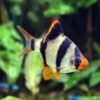
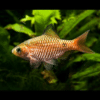
Welcome these beautiful 2 X Mahecola Barbs, stunning freshwater fish that bring vibrant color to your community aquarium. Perfect for beginners, these peaceful companions thrive in community tanks. Create a flourishing aquatic environment with these elegant fish!
In stock
Species Introduction
The Mahecola Barb, scientifically known as Puntius mahecola, is a captivating member of the Cyprinidae family, native to the freshwater habitats of Southeast Asia. These stunning freshwater fish are often found in slow-moving streams and rivers, where they thrive among dense vegetation and submerged structures. Their vibrant colors and active nature make them a popular choice for community aquariums, especially for those new to the hobby. The Mahecola Barb typically grows to a maximum length of about 5 cm, making them an ideal small fish for tanks. Their peaceful demeanor and social behavior allow them to coexist harmoniously with a variety of other fish species, enhancing the beauty and diversity of your aquarium.
Care Requirements Dashboard
Essential Care Guide for Your Mahecola Barbs
| Optimal Living Conditions | |
|---|---|
| Water Temperature | 24-27°C (75-81°F) |
| pH Level | 6.5-7.5 |
| Water Hardness | 4-12 dKH |
| Minimum Tank Size | 80L (20 gal) |
| Salinity | Freshwater |
| Care Level | Beginner Friendly |
✓ Care Level: Easy
Tank Size: Minimum 20 gallons
Water Temperature: 22-28°C (72-82°F)
pH Level: 6.5-7.5
Hardness: 5-15 dGH
Caring for Mahecola Barbs is relatively straightforward, making them an excellent choice for beginners. They prefer a well-maintained tank with stable water parameters. A minimum tank size of 20 gallons is recommended to provide ample swimming space and to maintain water quality. The ideal water temperature ranges between 22°C to 28°C, with a pH level of 6.5 to 7.5. It is essential to monitor the water hardness, keeping it between 5 to 15 dGH for optimal health. Regular water changes and a good filtration system will help maintain a clean and healthy environment for these beautiful fish.
Natural Behavior & Temperament
Mahecola Barbs are known for their lively and active behavior, often seen darting around the tank in small schools. They are social creatures that thrive in groups of at least six individuals, which helps reduce stress and encourages natural schooling behavior. Their peaceful temperament makes them suitable for community tanks, as they are non-aggressive and tend to avoid confrontation. Observing their interactions with tank mates can be a delightful experience, as they exhibit playful behavior and engage in gentle displays of dominance, particularly during feeding times. However, it is essential to avoid keeping them with overly aggressive species, as this can lead to stress and potential health issues.
Tank Setup Guide
Creating an ideal environment for Mahecola Barbs involves replicating their natural habitat as closely as possible. A well-planted tank with plenty of hiding spots will not only enhance the aesthetic appeal but also provide security for these fish. Use a fine substrate, such as sand or small gravel, to mimic the riverbeds they are accustomed to. Incorporate live plants like Java Fern or Anubias, along with driftwood and rocks, to create a more natural setting. Ensure that the tank has sufficient swimming space, as these fish love to explore and swim freely. Additionally, maintaining moderate water flow will help simulate their natural environment, as they are often found in flowing waters.
Water Quality Management
✓ Good Water Quality is Essential
pH Level: 6.5-7.5
Temperature: 22-28°C (72-82°F)
Hardness: 5-15 dGH
Maintaining excellent water quality is crucial for the health and well-being of Mahecola Barbs. Regular water testing should be conducted to ensure that the pH level remains within the ideal range of 6.5 to 7.5. Temperature fluctuations should be minimized, keeping the water consistently between 22°C and 28°C. The hardness of the water should also be monitored, with a recommended range of 5 to 15 dGH. Regular water changes, ideally 25% weekly, will help remove toxins and replenish essential minerals. A reliable filtration system is necessary to keep the water clean and well-oxygenated, promoting a healthy environment for these vibrant fish.
Feeding & Nutrition
✓ Balanced Diet for Optimal Health
Diet: Flakes, pellets, live and frozen foods
Feeding Schedule: 2-3 times a day
Feeding Mahecola Barbs is a straightforward process, as they are not particularly picky eaters. A balanced diet consisting of high-quality flake food or pellets specifically formulated for tropical fish is recommended. To enhance their diet, supplement with live or frozen foods such as brine shrimp, daphnia, or bloodworms, which will help promote vibrant colors and overall health. It is advisable to feed them 2-3 times a day, providing only as much food as they can consume within a few minutes to prevent overfeeding and maintain water quality. Observing their feeding behavior can also provide insights into their health, as active and eager feeding is a sign of well-being.
Compatibility Guide
✓ Peaceful Community Fish
Compatible Tank Mates: Tetras, Rasboras, Gouramis, Corydoras
Avoid: Aggressive species
Mahecola Barbs are known for their peaceful nature, making them excellent additions to community tanks. They can coexist harmoniously with a variety of other peaceful fish species, such as tetras, rasboras, gouramis, and corydoras. It is crucial to avoid housing them with aggressive species, as this can lead to stress and potential harm. When selecting tank mates, consider the size and temperament of the other fish to ensure a balanced and peaceful community. A well-planned community tank will not only enhance the beauty of your aquarium but also promote a thriving environment for all inhabitants.
Health & Wellness
✓ Signs of a Healthy Fish
Common Issues: Ich, fin rot, stress
Prevention: Maintain water quality, regular monitoring
To ensure the health and wellness of your Mahecola Barbs, it is essential to monitor their behavior and physical appearance regularly. Signs of a healthy fish include active swimming, bright colors, and a healthy appetite. Common health issues include ich (white spot disease), fin rot, and stress, often caused by poor water quality or unsuitable tank mates. To prevent these issues, maintain optimal water quality through regular testing and changes, and observe your fish for any signs of distress. If health issues arise, prompt treatment is crucial to prevent further complications.
Breeding Information
✓ Breeding Made Easy
Breeding Conditions: Separate breeding tank, soft water, higher temperature
Breeding Mahecola Barbs can be a rewarding experience for aquarists. To encourage breeding, it is recommended to set up a separate breeding tank with soft, slightly acidic water and a temperature of around 28°C. Provide spawning mops or fine-leaved plants where the female can lay her eggs. After spawning, it is advisable to remove the adult fish to prevent them from eating the eggs. The eggs typically hatch within 24-36 hours, and the fry should be fed infusoria or finely crushed flakes until they are large enough to consume regular fish food. Monitoring the fry’s growth and health is essential to ensure successful development.
Acclimation Process
Introducing Mahecola Barbs to a new tank requires careful acclimation to minimize stress. Begin by floating the sealed bag containing the fish in the aquarium for about 15-20 minutes to equalize the temperature. After that, gradually introduce small amounts of tank water into the bag every 5 minutes for about 30 minutes. This process helps the fish adjust to the new water parameters. Once acclimated, gently release the fish into the tank using a net to avoid adding any transport water. Monitoring their behavior during the first few days in the new environment is crucial to ensure they are settling in well.
Long-term Care
Mahecola Barbs have a lifespan of about 5-7 years with proper care. To ensure their longevity, it is essential to provide a stable environment with consistent water parameters, a balanced diet, and regular health monitoring. As they grow, observe their behavior and interactions with other tank mates, making adjustments to their living conditions as necessary. Regular maintenance of the aquarium, including cleaning and water changes, will contribute to a healthy habitat. By providing a nurturing environment, you can enjoy the beauty and companionship of these vibrant fish for many years.
Natural Habitat Recreation
Recreating the natural habitat of Mahecola Barbs can enhance their well-being and promote natural behaviors. Consider using a combination of live plants, driftwood, and rocks to create a biotope that mimics their native environment. A sandy substrate can be beneficial, as it allows for natural foraging behaviors. Additionally, incorporating areas of shade and open swimming space will provide a balanced environment for these fish. By carefully designing their habitat, you can create a thriving ecosystem that not only supports the health of your Mahecola Barbs but also enhances the overall aesthetic of your aquarium.
Seasonal Care Adjustments
As seasons change, it is important to adjust the care routine for your Mahecola Barbs to ensure their continued health and happiness. During warmer months, monitor the water temperature closely, as higher temperatures can stress fish. Consider using a heater with a thermostat to maintain stable temperatures. In cooler months, ensure that the water does not drop below the recommended range. Additionally, adjust the lighting schedule to mimic natural daylight cycles, promoting healthy growth and behavior. By being attentive to seasonal changes, you can provide optimal care for your aquatic companions.
Expert Tips
To enhance your experience with Mahecola Barbs, consider implementing a few expert tips. First, always quarantine new fish before introducing them to your main tank to prevent the spread of diseases. Second, maintain a diverse community tank with a variety of compatible species to promote social interactions and reduce stress. Lastly, regularly observe your fish for any changes in behavior or appearance, as early detection of potential issues can lead to more effective treatment. By following these tips, you can ensure a thriving environment for your Mahecola Barbs and enjoy their beauty for years to come.
Troubleshooting
✓ Common Issues and Solutions
Common Problems: Stress, diseases
Solutions: Monitor water quality, provide hiding spots
If you encounter issues with your Mahecola Barbs, it is essential to identify the problem quickly. Stress can manifest in various ways, including hiding, loss of appetite, or aggressive behavior. To alleviate stress, ensure that the tank is adequately sized, well-planted, and free from aggressive tank mates. If signs of disease appear, such as white spots or frayed fins, prompt treatment is necessary. Consult a veterinarian or aquatic specialist for appropriate medications and treatments. By being proactive and attentive, you can troubleshoot common issues and maintain a healthy environment for your fish.
Scientific Background
The Mahecola Barb, or Puntius mahecola, belongs to the Cyprinidae family, which encompasses a vast array of freshwater fish species. This genus is characterized by its diverse range of colors and patterns, making it a popular choice among aquarists. Research into the behavior and ecology of Mahecola Barbs has shown that they play a significant role in their natural habitats, contributing to the health of aquatic ecosystems. Conservation efforts are essential to protect their habitats from pollution and habitat destruction, ensuring that future generations can enjoy these beautiful fish.
Advanced Care Techniques
For experienced aquarists looking to enhance their care for Mahecola Barbs, consider implementing advanced techniques such as breeding programs or biotope setups. Breeding these fish can be a rewarding challenge, allowing you to observe their natural reproductive behaviors. Additionally, creating a biotope that closely resembles their natural habitat can provide a more enriching environment, promoting natural behaviors and interactions. Experimenting with different plant species and tank layouts can also lead to a more dynamic and visually appealing aquarium. By applying these advanced techniques, you can deepen your understanding of Mahecola Barbs and enhance their quality of life.
Frequently Asked Questions
Q: What tank size is required for Mahecola Barbs?
Mahecola Barbs thrive best in an aquarium of at least 100 litres (around 26 gallons). This size allows ample swimming space and facilitates the establishment of a stable environment. They prefer to be in groups of at least five, which helps reduce stress and encourages natural schooling behaviour. It’s essential to provide hiding spots through plants and decorations to create a comfortable habitat. A larger tank not only benefits the fish but also aids in maintaining water quality, which is crucial for their health. Regular water changes and monitoring of water parameters can further enhance their living conditions.
✓ Expert Tip
Consider introducing a larger tank if you plan to keep multiple species or a community setup. This will help prevent territorial disputes.
Q: What water parameters do Mahecola Barbs require?
Mahecola Barbs prefer slightly acidic to neutral water, ideally with a pH range of 6.5 to 7.5. The temperature should be maintained between 22°C to 28°C (72°F to 82°F). Regular testing of water parameters is essential, as fluctuations can lead to stress or illness. The hardness should ideally be between 5 to 15 dGH. Additionally, ensuring the water is well-oxygenated and maintaining a good filtration system will contribute to a healthy environment. Regular water changes, about 10-15% weekly, will help maintain these parameters.
✓ Expert Tip
Invest in a reliable water testing kit to routinely check these parameters and ensure optimal conditions for your aquatic companions.
Q: How often should I feed Mahecola Barbs?
Feeding Mahecola Barbs should be done two to three times a day, providing only what they can consume within two to three minutes. A varied diet is essential for their health; include high-quality flake food, pellets, and occasional treats like frozen or live food such as brine shrimp or daphnia. Overfeeding can lead to poor water quality and health issues. It’s also important to observe their feeding habits; if there are remainings after feeding, reduce the quantity. This practice will not only keep your fish healthy but also help maintain a cleaner aquarium.
✓ Expert Tip
Consider using a feeding ring to prevent food from floating away and ensure all fish can access it easily.
Q: What are the best tank mates for Mahecola Barbs?
Mahecola Barbs are generally peaceful and do well in community tanks. They thrive alongside other non-aggressive species such as tetras, rasboras, guppies, and other barbs. It’s crucial to avoid housing them with overly aggressive or territorial fish, as this can lead to stress and conflict. Additionally, ensure that the tank is spacious enough to allow for swimming and hiding areas. A well-planned community tank will not only enhance the beauty of your aquarium but also contribute to the overall well-being of your fish friends.
✓ Expert Tip
Always introduce new fish gradually and monitor interactions closely to ensure compatibility within your community tank.
Q: How do I properly acclimatise Mahecola Barbs to my aquarium?
Acclimatising Mahecola Barbs is critical for their successful integration into your aquarium. Begin by floating the sealed bag containing the fish in the aquarium for about 15-20 minutes to equalise the temperature. After this, gradually introduce small amounts of aquarium water into the bag every 5-10 minutes for about an hour. This slow mixing allows the fish to adjust to the water parameters of their new home. Once enough water has been added, gently net the fish into the aquarium, avoiding adding the water from the bag to prevent contamination.
✓ Expert Tip
Avoid placing the fish directly into the aquarium from the bag, as this can introduce harmful pathogens.
Q: What are the signs of healthy Mahecola Barbs?
Healthy Mahecola Barbs exhibit vibrant colours, active swimming behaviour, and clear, unclouded eyes. They should be social, often schooling with companions. Look for signs of stress, such as hiding excessively, rapid gill movement, or unusual swimming patterns. Additionally, observe their feeding habits; a healthy fish will eagerly accept food. Regular monitoring of their behaviour and physical appearance can help in early detection of health issues. Maintaining good water quality and a nutritious diet will contribute to their overall well-being.
✓ Expert Tip
Keep a journal of your fish’s behaviour and health; it can help you notice patterns and changes over time.
Q: How do I successfully breed Mahecola Barbs?
Breeding Mahecola Barbs requires specific conditions. Set up a separate breeding tank with slightly acidic water and a temperature around 25°C (77°F). Introduce a ratio of one male to two females to encourage spawning. Provide fine-leaved plants for egg-laying, as they prefer to scatter their eggs. After spawning, remove the adults to prevent them from eating the eggs. The fry will hatch in approximately 24-48 hours, and they should be fed infusoria or finely crushed flake food until they are large enough for regular feeding. Maintaining good water quality is crucial during this period.
✓ Expert Tip
Monitor the fry closely for growth and health, and ensure to provide ample food to support their development.
Q: What temperature should I maintain for Mahecola Barbs?
Mahecola Barbs thrive in a temperature range of 22°C to 28°C (72°F to 82°F). Maintaining a stable temperature within this range is crucial for their health and behaviour. Sudden fluctuations can lead to stress and susceptibility to diseases. It is advisable to use a reliable aquarium heater and thermometer to monitor and adjust the temperature as necessary. Regular checks, especially during seasonal changes, will help ensure that your aquatic companions remain comfortable and stress-free.
✓ Expert Tip
Consider investing in a quality heater with a thermostat to maintain a consistent temperature effortlessly.
Q: How long do Mahecola Barbs typically live in captivity?
In captivity, Mahecola Barbs can live up to 5-7 years with proper care. Their longevity is largely influenced by water quality, diet, and the overall environment. Consistent maintenance of water parameters, along with a nutritious and varied diet, will promote their health and longevity. Regular monitoring for diseases and prompt treatment can also extend their lifespan. Ensuring they are housed in a peaceful community with compatible tank mates will further enhance their quality of life.
✓ Expert Tip
Keep a health log for your fish; tracking their conditions can help you notice any changes that may affect their lifespan.
Q: What type of substrate is most suitable for Mahecola Barbs?
Mahecola Barbs prefer a substrate that mimics their natural habitat, which is typically sandy or fine gravel. This type of substrate allows them to forage naturally and provides a comfortable environment. Avoid sharp substrates, as they can injure the fish. Additionally, incorporating live plants can enhance the aesthetics of the aquarium and offer hiding spots, further reducing stress for the fish. Regular vacuuming of the substrate during water changes will help maintain a clean environment and promote the health of your aquatic companions.
✓ Expert Tip
Consider layering your substrate with a nutrient-rich base for plants, which can improve plant growth and overall tank health.
Q: What behavioural patterns should I expect from Mahecola Barbs?
Mahecola Barbs are known for their active and social behaviour. They enjoy schooling with their companions, which can be quite a delightful sight in a well-planned aquarium. They may also exhibit playful antics, darting around the tank and exploring their surroundings. This behaviour is indicative of a healthy and happy fish. However, if you notice excessive hiding or aggression, it may indicate stress or unsuitable tank conditions. Regular interaction and observing their behaviour can help you maintain a harmonious environment.
✓ Expert Tip
Provide plenty of swimming space and hiding spots to encourage natural behaviour and reduce stress.
Q: How can I prevent common diseases in Mahecola Barbs?
Preventing diseases in Mahecola Barbs involves maintaining optimal water quality, ensuring a balanced diet, and observing their behaviour for any signs of illness. Regular water changes and tank cleaning are crucial to prevent the build-up of harmful substances. Quarantining new arrivals before introducing them to the main tank can help prevent the spread of diseases. Additionally, providing a stress-free environment with suitable tank mates and hiding spots will enhance their immune system. If you notice any signs of illness, such as lethargy or abnormal swimming, consult a vet or an aquatic specialist promptly.
✓ Expert Tip
Invest in a good quality water testing kit to regularly monitor parameters and ensure a healthy environment.
Q: What lighting conditions do Mahecola Barbs prefer?
Mahecola Barbs thrive in moderate lighting conditions. Bright lights can be stressful, especially for shy fish, so it’s best to use subdued lighting or provide shaded areas using plants or decorations. A natural light cycle, mimicking day and night, is ideal; aim for about 10-12 hours of light daily. This not only supports their natural behaviour but also enhances their colours. If using artificial lighting, consider LED lights with a spectrum that promotes plant growth, which in turn benefits the fish by improving the overall water quality.
✓ Expert Tip
Use a timer for your aquarium lights to maintain a consistent light schedule, which is beneficial for both fish and plants.
Q: How do I recognise stress in Mahecola Barbs?
Recognising stress in Mahecola Barbs can be pivotal for their health. Common signs include excessive hiding, erratic swimming, or flashing against objects in the tank. They may also display a lack of appetite or lethargy. If you notice these behaviours, it may indicate unsuitable tank conditions, aggression from tank mates, or health issues. Addressing the underlying cause promptly is essential. Ensure that water parameters are stable, provide ample hiding spots, and monitor interactions with other fish to mitigate stress.
✓ Expert Tip
Regularly observe your fish and maintain a stress-free environment to ensure their overall well-being.
Q: What natural habitat conditions should I replicate for Mahecola Barbs?
To replicate the natural habitat of Mahecola Barbs, aim for a well-planted aquarium with plenty of swimming space and hiding spots. In the wild, they inhabit slow-moving rivers and streams, often amongst vegetation. Incorporating live plants, driftwood, and smooth rocks can create a conducive environment. Use a sandy or fine gravel substrate to mimic their natural foraging behaviour. Additionally, providing gentle water flow and maintaining slightly acidic to neutral pH will further enhance their comfort and well-being.
✓ Expert Tip
Research the specific environmental needs of Mahecola Barbs to create a thriving and naturalistic habitat in your aquarium.
2 reviews for 2 X Mahecola Barb – Puntius Mahecola – Cyprinid Fish
Add a review
Related products


Emily Carter (verified owner) –
I’ve been an aquarium enthusiast for over five years, and I’m thrilled with my recent purchase of 2 Mahecola Barbs! These beautiful freshwater fish have brought life and energy into my tank, which houses a mix of tropical fish. After just two weeks, I’ve noticed how social and playful they are, darting through the plants and showing off their vibrant colors. They’re surprisingly easy to care for, which is a huge plus for someone like me who has a busy schedule.
What sets them apart from other barbs I’ve kept is their gentle nature; they coexist beautifully with my other fish. I was a bit concerned at first about their compatibility, but they’ve proven to be peaceful and curious rather than aggressive. The only minor hiccup was the shipping time – it took a few extra days, but the fish arrived healthy and active, thanks to the careful packaging.
I highly recommend the Mahecola Barbs for anyone looking to enhance their aquarium’s aesthetic and community dynamic. They’re perfect for beginner to intermediate hobbyists who want vibrant, lively additions without worrying about aggressive behavior. Overall, I’m completely satisfied and would definitely purchase more in the future!
Emily Carter (verified owner) –
I recently added 2 Mahecola Barbs to my community aquarium, and I couldn’t be happier! These little guys have been with me for about a month now, and their vibrant colors and playful behavior have brought so much joy to my setup. As a caring fish parent, I appreciate that they are peaceful and thrive in a community environment. They swim around happily, exploring every nook and cranny of the tank, making them perfect freshwater fish companions. Compared to other barbs I’ve tried, like the Cherry Barb, the Mahecola’s colors are truly stunning and they seem to have a more engaging personality. It’s delightful to watch them interact with my other tropical fish; they really add life to the aquarium! Just a heads up though, they enjoy slightly warmer water, so keep that in mind for tank conditions. I highly recommend these beautiful fish for beginner aquarists or anyone looking to enhance their community tank. Shipping was fast, and they arrived healthy, which is always a plus. Would definitely buy again!