
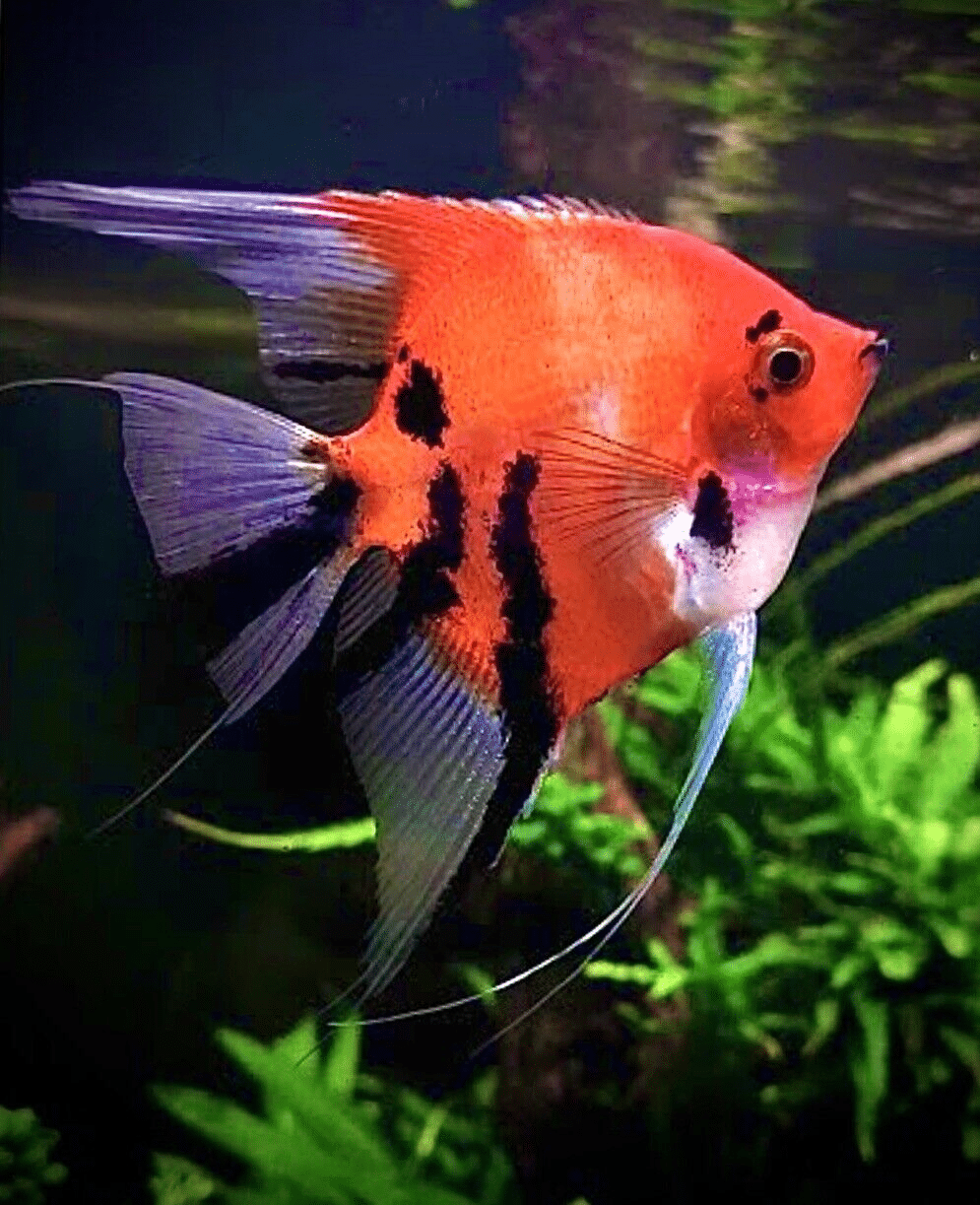
Red Devil Angelfish – Pterophyllum Scalare
Original price was: £45.99.£38.71Current price is: £38.71.
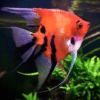
Welcome the stunning Red Devil Angelfish into your aquarium! This beautiful inhabitant features vibrant red hues and graceful movements, making it a perfect choice for both novice and seasoned aquarists. Create a thriving community with these peaceful companions in your tropical tank.
In stock
Species Introduction
The Red Devil Angelfish, scientifically known as Heros efasciatus, is a stunning freshwater fish that captivates aquarium enthusiasts with its vibrant colors and graceful movements. Originating from the lush waters of South America, these beautiful creatures thrive in slow-moving rivers and lakes, where they find ample hiding spots among plants and rocks. Their natural habitat is characterized by a warm climate, soft, slightly acidic water, and a rich biodiversity that includes various aquatic plants and smaller fish species. As a member of the angelfish family, the Red Devil Angelfish displays a unique blend of colors that can range from bright reds to deep oranges, often accented with striking black markings. This color variation not only enhances their beauty but also makes them a popular choice among both beginners and experienced fish keepers seeking to create a vibrant community tank.
Care Requirements Dashboard
Essential Care Guide for Your Red Devil Angelfish
| Optimal Living Conditions | |
|---|---|
| Water Temperature | 24-27°C (75-81°F) |
| pH Level | 6.5-7.5 |
| Water Hardness | 4-12 dKH |
| Minimum Tank Size | 80L (20 gal) |
| Salinity | Freshwater |
| Care Level | Beginner Friendly |
Providing a loving home for your Red Devil Angelfish requires attention to their specific care needs. They thrive in a spacious tank with stable water conditions. Regular water changes and monitoring of water quality will help prevent stress and illness, allowing your Red Devil Angelfish to flourish in your aquarium.
Natural Behavior & Temperament
The Red Devil Angelfish exhibits a range of fascinating behaviors that make them captivating to observe in an aquarium setting. These fish are known for their graceful swimming patterns and their tendency to establish territories within the tank. They are generally peaceful but can display aggressive behavior during breeding or when defending their territory. In a community tank, it is essential to choose tank mates wisely, as their territorial nature may lead to conflicts with smaller or more timid species. Red Devil Angelfish are social creatures that enjoy the company of their own kind, so keeping them in pairs or small groups can promote natural behaviors and reduce stress. Providing ample hiding spots and open swimming areas will help create a harmonious environment for these aquatic companions.
Tank Setup Guide
Setting up the ideal environment for your Red Devil Angelfish is crucial for their health and happiness. A well-planned aquarium should include a spacious tank with plenty of swimming space and hiding spots. Use a soft substrate, such as sand or fine gravel, to mimic their natural habitat. Incorporate live plants, driftwood, and rocks to create a visually appealing aquascape while providing shelter for your fish. Plants like Java Fern and Anubias are excellent choices, as they thrive in various water conditions and offer hiding spots for shy fish. Additionally, ensure that the tank is equipped with a reliable filtration system to maintain water quality and oxygen levels. Proper lighting is also essential, as it promotes plant growth and enhances the colors of your Red Devil Angelfish. Aim for a balanced lighting schedule of 10-12 hours per day to simulate their natural environment.
Water Quality Management
Water Parameter Guidelines
pH Level: 6.5-7.5
Temperature: 76-82°F (24-28°C)
Hardness: 5-15 dGH
Ammonia/Nitrite: 0 ppm
Maintaining optimal water quality is essential for the health of your Red Devil Angelfish. Regular testing of water parameters, including pH, temperature, and hardness, will help ensure a stable environment. Frequent water changes of 20-30% every week will help maintain water quality and remove harmful toxins. By prioritizing water quality management, you can create a thriving habitat for your beautiful Red Devil Angelfish.
Feeding & Nutrition
Feeding your Red Devil Angelfish a balanced and nutritious diet is essential for their growth and overall health. These fish are omnivorous, meaning they require a mix of plant-based and protein-rich foods. A high-quality flake or pellet food formulated for tropical fish should serve as the staple of their diet. Additionally, supplementing their diet with frozen or live foods such as brine shrimp, bloodworms, and daphnia will enhance their coloration and promote healthy growth. It is recommended to feed your Red Devil Angelfish once or twice a day, offering only as much food as they can consume within a few minutes to prevent overfeeding and water quality issues.
Compatibility Guide
Recommended Tank Mates
Suitable: Tetras, Corydoras, Gouramis
Avoid: Small fish, aggressive species
When selecting tank mates for your Red Devil Angelfish, it is essential to consider their temperament and territorial nature. Suitable tank mates include larger tetras, Corydoras catfish, and peaceful gouramis, which can thrive alongside the Red Devil Angelfish without feeling threatened. It is advisable to avoid keeping them with small fish, as these may become targets for harassment or predation. Creating a balanced community tank requires careful planning and observation, ensuring that all fish can coexist harmoniously while enjoying their aquatic environment.
Health & Wellness
Maintaining the health and wellness of your Red Devil Angelfish is paramount to ensuring a thriving aquarium. Regular monitoring for signs of illness, such as changes in behavior, appetite, or physical appearance, is crucial for early detection and treatment. Common health issues that may affect these fish include ich, fin rot, and swim bladder disorders. To prevent these conditions, it is essential to provide a clean and stable environment, maintain proper water quality, and avoid overcrowding in the tank. By prioritizing health and wellness, you can ensure that your Red Devil Angelfish remains vibrant and active in your aquarium.
Breeding Information
Breeding Red Devil Angelfish can be a rewarding experience for fish keepers, as these fish exhibit fascinating parental behaviors. To encourage breeding, it is essential to provide a suitable environment that mimics their natural habitat. A separate breeding tank with a flat surface for spawning, such as a clean rock or slate, is ideal. The water temperature should be slightly elevated to around 80°F (27°C), and the pH level should be maintained between 6.5 and 7.0. Once a pair has formed, they will engage in courtship behaviors, including swimming together and displaying their vibrant colors. After successful spawning, the female will lay eggs, which the male will fertilize. Both parents will often guard the eggs and fry, showcasing their nurturing instincts. Breeding Red Devil Angelfish requires patience and attention to detail, but the joy of witnessing new life in your aquarium is well worth the effort.
Acclimation Process
Introducing your Red Devil Angelfish to a new aquarium requires careful acclimation to minimize stress and ensure a smooth transition. Begin by floating the sealed bag containing your fish in the aquarium for about 15-20 minutes to equalize the temperature. Gradually introduce small amounts of aquarium water into the bag every 5-10 minutes, allowing the fish to acclimate to the new water conditions. Once acclimated, gently release the fish into the tank using a net to avoid adding excess bag water. Providing a calm and quiet environment during the acclimation process will help your Red Devil Angelfish settle into their new home more comfortably.
Long-term Care
Lifespan: 10-15 years
Growth Expectation: Up to 6 inches
Caring for your Red Devil Angelfish requires a long-term commitment, as these fish can live for 10-15 years with proper care. Regular maintenance, including water changes, tank cleaning, and monitoring water parameters, will help maintain a healthy environment for your fish. By providing consistent care and attention, you can enjoy the beauty and companionship of your Red Devil Angelfish for many years to come.
Natural Habitat Recreation
Recreating the natural habitat of your Red Devil Angelfish in your aquarium is essential for their well-being and happiness. To achieve this, focus on replicating the conditions found in their native waters. Incorporate a variety of live plants, such as Amazon Sword and Vallisneria, which provide hiding spots and contribute to water quality. Additionally, adding driftwood and rocks can create territories and enhance the aesthetic appeal of the tank. By prioritizing habitat recreation, you can create a thriving ecosystem for your Red Devil Angelfish, promoting their health and happiness.
Seasonal Care Adjustments
As the seasons change, so too may the needs of your Red Devil Angelfish. During the warmer months, it is essential to monitor water temperature closely, as fluctuations can stress your fish. Consider using a heater with a thermostat to maintain stable temperatures, especially during cooler nights. In contrast, during the colder months, ensure that the heater is functioning correctly to prevent the water from dropping below the ideal range. By making these seasonal care adjustments, you can ensure that your Red Devil Angelfish remain comfortable and healthy throughout the year.
Expert Tips
Professional Advice
Regularly monitor water quality
Provide a varied diet
Observe fish behavior for signs of stress
To ensure the best care for your Red Devil Angelfish, consider implementing expert tips such as regularly monitoring water quality parameters, providing a varied diet, and observing your fish’s behavior for any signs of stress.
Troubleshooting
Despite your best efforts, you may encounter challenges while caring for your Red Devil Angelfish. Common problems include aggression towards tank mates, signs of illness, or poor water quality. By being proactive and addressing problems as they arise, you can ensure a healthy and thriving aquarium for your Red Devil Angelfish.
Scientific Background
Understanding the scientific background of the Red Devil Angelfish can enhance your appreciation for these beautiful creatures. Angelfish belong to the family Cichlidae, known for its complex behaviors and adaptability to various environments. Conservation efforts are essential to protect their natural habitats and ensure the continued existence of these stunning fish.
Advanced Care Techniques
For those looking to take their care of Red Devil Angelfish to the next level, consider implementing advanced techniques that promote optimal health and well-being. Engaging in regular observation and interaction with your fish will help you better understand their needs and preferences.
Frequently Asked Questions
Q: What tank size is required for Red Devil Angel Fish?
Red Devil Angel Fish thrive best in a tank that is at least 200 litres (approximately 53 gallons). This size provides ample swimming space and helps maintain stable water parameters. A larger tank will also help reduce territorial disputes, as these fish can exhibit aggressive behaviour, especially during breeding. Ensure the tank is well-filtered and has a secure lid, as these fish are known to jump. Additionally, providing hiding spots and plants can help mitigate aggression by giving them places to retreat. It is essential to monitor their behaviour closely and make adjustments as necessary to ensure a harmonious environment.
✓ Expert Tip
Consider a larger aquarium if you plan to keep multiple individuals or other species to help lessen territorial disputes.
Q: What water parameters do Red Devil Angel Fish require?
Red Devil Angel Fish prefer slightly acidic to neutral water conditions, ideally with a pH between 6.5 and 7.5. The water temperature should be maintained between 24°C to 28°C (75°F to 82°F). Ammonia and nitrite levels should remain at 0 ppm, while nitrate levels should be kept below 20 ppm to ensure a healthy environment. Regular water changes of 20-30% weekly will help maintain these parameters and promote overall fish health. It is also advisable to use a good quality water conditioner to remove harmful substances from tap water before adding it to the aquarium.
✓ Expert Tip
Invest in a reliable test kit to regularly check your water parameters and make adjustments as necessary.
Q: How often should I feed Red Devil Angel Fish?
Feeding Red Devil Angel Fish should be done twice daily, offering only what they can consume within a few minutes. A varied diet is crucial for their health; consider high-quality pellets, flakes, and occasional live or frozen foods such as brine shrimp or bloodworms. This variety not only meets their nutritional needs but also helps enhance their colouration and behaviour. Be cautious not to overfeed, as uneaten food can degrade water quality. Always observe their eating habits and adjust the quantity as needed to prevent obesity or health issues.
✓ Expert Tip
Consider using feeding rings to prevent food from floating away, ensuring they can access their meal more easily.
Q: What are the best tank mates for Red Devil Angel Fish?
When selecting tank mates for Red Devil Angel Fish, it is crucial to choose species that can withstand their sometimes aggressive nature. Suitable companions include larger cichlids, such as Severums or Jack Dempseys, as well as robust barbs or larger catfish. Avoid small or timid fish, as they are likely to become targets. Additionally, ensure that all fish are introduced gradually and monitor interactions closely, as territorial disputes can arise. Providing plenty of hiding spots and open swimming areas will also help reduce aggression and promote a more peaceful community tank.
✓ Expert Tip
Always introduce new fish to the aquarium during low-stress periods to minimise aggression and territorial behaviour.
Q: How do I properly acclimatise Red Devil Angel Fish to my aquarium?
Acclimatising Red Devil Angel Fish is essential to reduce stress and ensure a successful transition. Begin by floating the sealed bag containing the fish in your aquarium for about 15-20 minutes to equalise the temperature. After this, gradually introduce small amounts of your aquarium water into the bag over the next hour. This process helps the fish adjust to the water chemistry and conditions. Once acclimatised, gently net the fish into the aquarium rather than adding the bag water. This method prevents introducing any potential contaminants from the bag into your tank.
✓ Expert Tip
Always acclimatise new fish during low-light hours to reduce stress and aggression from existing tank mates.
Q: What are the signs of healthy Red Devil Angel Fish?
Healthy Red Devil Angel Fish exhibit vibrant colours, clear eyes, and active swimming behaviour. They should demonstrate a good appetite and show no signs of lethargy or hiding excessively. Additionally, their fins should be intact without any tears or fraying, and they should be free from any visible lesions or spots. Regular observation is key; if you notice any changes in behaviour or appearance, it may indicate stress or health issues. Early detection is crucial for effective treatment, so maintain a routine check on your fish’s health.
✓ Expert Tip
Keep a journal of your fish’s behaviour and health to help identify any changes over time.
Q: How do I successfully breed Red Devil Angel Fish?
Breeding Red Devil Angel Fish can be a rewarding experience. Firstly, ensure that you have a breeding pair, which may require observing their behaviour to identify compatible mates. Provide a separate breeding tank with a flat surface for egg laying, such as a smooth rock or spawning cone. Water conditions should be optimal, with a slightly acidic pH and stable temperatures around 26°C to 28°C (79°F to 82°F). After spawning, remove the parents or provide ample hiding spots, as they may eat the eggs or fry. Regularly monitor water quality and perform partial water changes to promote healthy development.
✓ Expert Tip
Consider using a separate breeding box if you wish to protect the fry from potential predation.
Q: What temperature should I maintain for Red Devil Angel Fish?
Red Devil Angel Fish thrive in warmer waters, with an ideal temperature range between 24°C and 28°C (75°F to 82°F). Maintaining a stable temperature is crucial as fluctuations can lead to stress and health complications. A reliable aquarium heater is essential for ensuring consistent warmth, particularly during colder months. It is advisable to monitor the temperature regularly with a thermometer to ensure that it remains within the preferred range. Sudden temperature changes should be avoided, as they can compromise the immune system of your fish.
✓ Expert Tip
Utilise a heater with a thermostat for automatic adjustments to maintain the desired temperature.
Q: How long do Red Devil Angel Fish typically live in captivity?
Under optimal care, Red Devil Angel Fish can live for 10 to 15 years in captivity. Factors such as water quality, diet, and tank conditions significantly influence their lifespan. Regular maintenance and a balanced diet rich in nutrients enhance their health and longevity. Additionally, providing a spacious aquarium with adequate hiding places reduces stress and promotes natural behaviour. Regular health check-ups and prompt treatment of any illnesses will also contribute to a longer, healthier life for your fish companions.
✓ Expert Tip
Maintain a stable environment and provide a varied diet to maximise their lifespan.
Q: What type of substrate is most suitable for Red Devil Angel Fish?
Red Devil Angel Fish prefer a substrate that allows for easy cleaning and mimics their natural habitat. A fine to medium-grain sand or smooth gravel is ideal, as it is gentle on their fins and allows for burrowing behaviours, which they enjoy. Avoid sharp substrates that can injure their delicate bodies. Additionally, consider adding natural decorations and hiding spots to promote a sense of security. Regular maintenance, including vacuuming the substrate during water changes, will help maintain a clean environment and prevent toxic buildups.
✓ Expert Tip
Adding plants can enhance the substrate’s appearance and provide additional hiding spots for your fish.
Q: What behavioural patterns should I expect from Red Devil Angel Fish?
Red Devil Angel Fish are known for their vibrant personalities and can be quite active and curious. They often display territorial behaviour, especially during breeding, and may become aggressive towards other fish. Expect them to establish a hierarchy within the tank, and they may chase or nip at tank mates if they feel their space is threatened. Observing their behaviour is crucial, as it will help you identify any signs of stress or aggression. Providing ample swimming space and hiding spots will promote more natural behaviours and reduce conflicts.
✓ Expert Tip
Regularly rearranging decorations can help alleviate territorial disputes by disrupting established territories.
Q: How can I prevent common diseases in Red Devil Angel Fish?
Preventing diseases in Red Devil Angel Fish requires a multi-faceted approach. Maintaining excellent water quality through regular testing and changes is essential, as poor conditions can lead to stress and illness. Quarantine new fish before introducing them to prevent the spread of diseases. A varied and nutritious diet will also strengthen their immune system. Observe your fish daily for any signs of illness, such as changes in behaviour, appetite, or appearance, and act quickly if you notice anything unusual. Regular tank maintenance, including cleaning and monitoring equipment, will further ensure a healthy environment.
✓ Expert Tip
Consider adding aquarium salt to the water occasionally to help prevent certain diseases, but ensure it is suitable for all tank mates.
Q: What natural habitat conditions should I replicate for Red Devil Angel Fish?
In their natural habitat, Red Devil Angel Fish are found in warm, freshwater rivers and lakes with plenty of hiding spots and structures. To replicate these conditions, aim for a well-planted aquarium with rocks, caves, and driftwood to provide shelter and mimic their environment. The substrate should be soft, allowing for natural behaviours like digging. Additionally, consider providing areas of varying light levels, as they thrive in both bright and shaded regions. This setup not only promotes their natural behaviours but also contributes to their overall well-being.
✓ Expert Tip
Ensure that your decorations are stable and secure to prevent any accidents or injuries.
2 reviews for Red Devil Angelfish – Pterophyllum Scalare
Add a review
Related products


Emily Carter (verified owner) –
I recently purchased the Red Devil Angel Fish (7 cm) for my 75-gallon tank after hearing great things from fellow aquarists, and I am beyond thrilled with my choice! This vibrant red fish has brought a stunning pop of color to my aquarium, and its lively personality is simply delightful. After just two weeks, I noticed how well it interacts with my other fish – no bullying, just curious exploration.
I’ve kept various angelfish in the past, but this one stands out for its unique coloration and active behavior. It’s been easy to care for, requiring the same basic maintenance as other angelfish, and seems quite healthy and happy. My only small concern is that it can be a bit territorial when it’s breeding, so I would advise fellow fish parents to keep an eye on tank mates during that time.
Overall, I highly recommend the Red Devil Angel Fish for anyone looking to add a charming and resilient species to their aquarium. Whether you’re a seasoned hobbyist or just starting out, this fish will not disappoint! It shipped quickly and arrived in fantastic condition, showing how much care the seller puts into their fish welfare. I would definitely purchase from them again!
Emily Carter (verified owner) –
I’ve had my Red Devil Angel Fish for about two months now, and I couldn’t be happier with my choice! These beautiful tropical companions have brought so much life to my aquarium. Their vibrant red color stands out beautifully against the greenery, making my tank a true focal point in my living room.
As a passionate fish parent, I appreciate their active nature and how they interact with other fish. My Red Devils have been gentle with my other community fish, which is a pleasant surprise! After reading various reviews, I was a bit concerned about their aggressive reputation, but I’ve found that with plenty of space and hiding spots, they’ve been excellent additions to my tank.
Shipping was quick, and they arrived healthy and full of energy. One minor note: they do enjoy a slightly warmer water temperature, so keep an eye on that if you’re adding them to your tank. I highly recommend these angelfish for both beginners and experienced aquarists looking to add some beautiful red fish to their aquarium. They truly are a joy to watch and care for!