Species Introduction
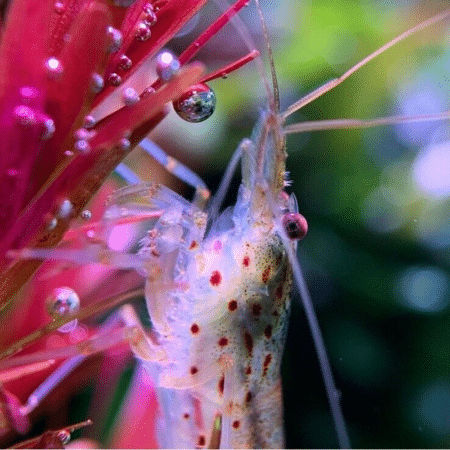
Welcome these beautiful creatures into your aquarium: the Rhino Shrimp, scientifically known as Caridina Gracilirostris. These vibrant algae-eating shrimp, commonly referred to as Red Nose Pinockio, are native to the freshwater streams and rivers of Southeast Asia. Their distinctive red-tipped rostrum adds a unique charm to any aquarium setup. In their natural habitat, they thrive in densely vegetated areas where they find ample food sources and shelter. As members of the Caridina genus, these shrimp are known for their adaptability and resilience, making them excellent companions for both novice and experienced aquarists. They play a crucial role in maintaining the ecological balance of their environment by consuming algae and detritus, thus contributing to a cleaner habitat for other aquatic life.
Key Features – 5 X RHINO SHRIMP Caridina Gracilirostris Red Nose Pinockio ALGAE EATING SHRIMP
| Specification | Details |
|---|---|
| Benefits | Enhances your aquarium ecosystem |
| Quality | Premium aquarium-grade materials |
| Ease of Use | Simple setup and maintenance |
Care Requirements Dashboard
✓ Care Level: Easy
Tank Size: Minimum 10 gallons
Water Temperature: 72°F – 78°F
pH Level: 6.5 – 7.5
Water Hardness: 4 – 12 dGH
To create a thriving environment for your Rhino Shrimp, it is essential to maintain stable water parameters. A minimum tank size of 10 gallons is recommended to provide adequate swimming space and to dilute waste products. The water temperature should be kept between 72°F and 78°F, with a pH level ranging from 6.5 to 7.5, which mimics their natural habitat. Additionally, maintaining a water hardness of 4 to 12 dGH will support their overall health. Regular water changes and monitoring of water quality are crucial to ensure the well-being of these shrimp.
Natural Behavior & Temperament
Rhino Shrimp are known for their peaceful and social nature, making them ideal additions to community tanks. They exhibit fascinating behaviors, such as foraging for food among plants and substrate, which can be quite entertaining to observe. These shrimp are generally non-aggressive and can coexist harmoniously with a variety of tank mates, including small fish and other invertebrates. However, it is essential to avoid larger or more aggressive species that may view them as food. Their active swimming patterns and social interactions with their kind can create a lively and engaging aquarium atmosphere.
Tank Setup Guide
Creating an ideal environment for your Rhino Shrimp involves careful consideration of tank setup. A well-planted aquarium with plenty of hiding spots, such as driftwood and rocks, will provide security and stimulate natural behaviors. Use fine substrate to allow the shrimp to forage comfortably. Incorporating live plants not only enhances the aesthetic appeal but also contributes to water quality by absorbing nitrates and providing biofilm for the shrimp to graze on. Ensure that the tank is equipped with a gentle filtration system to maintain water clarity without creating strong currents that could stress the shrimp.
Water Quality Management
✓ Good Water Quality is Essential
pH: 6.5 – 7.5
Temperature: 72°F – 78°F
Ammonia: 0 ppm
Nitrites: 0 ppm
Nitrates: < 20 ppm
Maintaining optimal water quality is paramount for the health of your Rhino Shrimp. Regular testing of water parameters, including pH, ammonia, nitrites, and nitrates, is essential. The pH should remain stable between 6.5 and 7.5, while the temperature should be kept within the range of 72°F to 78°F. Ammonia and nitrite levels must be maintained at 0 ppm, and nitrates should be kept below 20 ppm to prevent stress and health issues. Regular water changes of 10-20% weekly will help keep the water clean and free from harmful substances.
Feeding & Nutrition
✓ Balanced Diet for Optimal Health
Diet: Algae, biofilm, shrimp pellets
Feeding Frequency: Once daily
Supplement: Blanched vegetables
The diet of Rhino Shrimp primarily consists of algae, biofilm, and specially formulated shrimp pellets. They are excellent algae eaters and will help control algae growth in your aquarium. It is advisable to feed them once daily, providing only what they can consume within a few hours to prevent water quality issues. Supplementing their diet with blanched vegetables, such as zucchini or spinach, can enhance their nutrition and provide variety. Observing their feeding habits can also be a delightful experience, as they scavenge and explore their environment for food.
Compatibility Guide
✓ Ideal Tank Mates
Compatible Species: Small tetras, guppies, rasboras
Avoid: Larger fish, aggressive species
Rhino Shrimp are generally peaceful and can coexist with a variety of small fish species, such as tetras, guppies, and rasboras. However, it is crucial to avoid housing them with larger or more aggressive fish that may see them as prey. Maintaining a harmonious community tank is essential for their well-being, as stress from aggressive tank mates can lead to health issues. Observing the dynamics of your aquarium will help ensure that all inhabitants coexist peacefully.
Health & Wellness
✓ Signs of a Healthy Shrimp
Healthy Appearance: Clear eyes, vibrant color
Common Issues: Molting problems, poor water quality
Monitoring the health of your Rhino Shrimp is essential for their longevity and happiness. Healthy shrimp will exhibit clear eyes and vibrant coloration. Be vigilant for signs of stress or illness, such as lethargy, loss of color, or difficulty molting. Molting is a natural process for shrimp, but if they struggle or fail to molt, it may indicate poor water quality or nutritional deficiencies. Regular water testing and a balanced diet will help prevent these issues and promote overall health.
Breeding Information
Breeding Rhino Shrimp can be a rewarding experience for aquarists. These shrimp are capable of breeding in a well-maintained aquarium environment. To encourage breeding, ensure that water conditions are optimal and provide plenty of hiding spots for the female to carry her eggs safely. After mating, the female will carry the fertilized eggs under her abdomen for approximately 30 days before they hatch. The fry are miniature versions of the adults and will require fine food such as powdered shrimp food or algae to thrive. Providing a separate breeding tank can help protect the young from potential threats in a community tank.
Acclimation Process
✓ Safe Acclimation Steps
Method: Drip acclimation
Duration: 1-2 hours
When introducing Rhino Shrimp to your aquarium, it is crucial to acclimate them properly to minimize stress. The drip acclimation method is highly recommended, which involves slowly introducing the shrimp to the new water conditions over a period of 1-2 hours. This gradual process allows them to adjust to differences in temperature and water chemistry, reducing the risk of shock. Prepare a container with aquarium water and place the shrimp inside, then slowly add small amounts of tank water every 10-15 minutes until the container is full. Once acclimated, gently release the shrimp into the aquarium.
Long-term Care
Rhino Shrimp have a lifespan of approximately 1-2 years under optimal conditions. To ensure they thrive throughout their life, it is essential to maintain stable water parameters, provide a balanced diet, and monitor their health regularly. Regular maintenance of the aquarium, including water changes and substrate cleaning, will contribute to a healthy environment. Observing their behavior and interactions can provide insights into their well-being, allowing you to make necessary adjustments to their care. As these shrimp grow, they may require additional hiding spots or space, so be prepared to adapt their environment as needed.
Natural Habitat Recreation
To create a biotope that mimics the natural habitat of Rhino Shrimp, focus on incorporating elements that reflect their native environment. Use a substrate of fine gravel or sand, and add plenty of live plants such as Java moss, which provides both food and shelter. Include driftwood and rocks to create hiding spots and enhance the aesthetic appeal of the aquarium. Maintaining a gentle water flow and ensuring adequate lighting will further replicate their natural conditions, promoting healthy growth and behavior. This setup not only benefits the shrimp but also creates a visually stunning aquarium.
Seasonal Care Adjustments
✓ Seasonal Considerations
Summer: Monitor temperature
Winter: Maintain heating
As seasons change, it is important to adjust your care routine for Rhino Shrimp. During summer months, monitor the water temperature closely, as it can rise above the ideal range. If necessary, use fans or chillers to maintain a stable environment. In winter, ensure that the heater is functioning properly to keep the water warm enough for the shrimp. Additionally, changes in lighting duration may be needed to mimic natural daylight cycles, promoting healthy growth and behavior.
Expert Tips
✓ Professional Advice
Tip: Regularly check for molting
Tip: Provide varied diet
To ensure the well-being of your Rhino Shrimp, regularly check for signs of molting, as this is a critical process for their growth. Providing a varied diet will help meet their nutritional needs and promote healthy molting. Consider incorporating different types of food, such as algae wafers, blanched vegetables, and high-quality shrimp pellets. Additionally, maintaining a low-stress environment with plenty of hiding spots will enhance their overall health and happiness.
Troubleshooting
✓ Common Issues and Solutions
Problem: Poor water quality
Solution: Regular testing and maintenance
Common issues with Rhino Shrimp often stem from poor water quality. Regular testing of ammonia, nitrite, and nitrate levels is essential to identify potential problems early. If you notice signs of stress or illness, consider performing a partial water change and improving filtration. Additionally, ensure that the shrimp have access to plenty of hiding spots and a varied diet to reduce stress and promote health. If molting issues arise, check water parameters and consider adding calcium supplements to support healthy shell growth.
Scientific Background
The Rhino Shrimp, or Caridina Gracilirostris, is part of the Caridina family, which comprises numerous species of freshwater shrimp. The taxonomy of this species places it within the order Decapoda, known for its ten limbs, which are adapted for various functions such as swimming, walking, and feeding. Research on Caridina species has highlighted their ecological importance in freshwater ecosystems, particularly in controlling algae growth and contributing to the nutrient cycle. Conservation efforts are essential to protect their habitats from pollution and habitat destruction, ensuring the survival of these remarkable creatures.
Advanced Care Techniques
✓ Expert-Level Husbandry
Technique: Breeding setups
Technique: Advanced water filtration
For those looking to take their care of Rhino Shrimp to the next level, consider implementing advanced breeding setups and water filtration systems. Creating a dedicated breeding tank with optimal conditions can significantly increase the chances of successful reproduction. Additionally, investing in high-quality filtration systems will help maintain pristine water conditions, which is crucial for the health of both adult shrimp and their fry. Regularly researching and staying updated on the latest husbandry techniques will ensure that you provide the best possible care for your aquatic companions.
Frequently Asked Questions
Q: What tank size is required for RHINO SHRIMP?
For a group of 5 RHINO SHRIMP, a tank size of at least 20 litres is recommended. This provides ample space for them to explore and establish territories. However, larger tanks are always better as they help maintain stable water parameters, which is crucial for these sensitive creatures. Ensure the aquarium has plenty of hiding spots, such as plants and driftwood, as this will help reduce stress and promote natural behaviour.
✓ Expert Tip
Consider using a tank with a lid, as these shrimp are known to be escape artists.
Q: What water parameters do RHINO SHRIMP require?
RHINO SHRIMP thrive in soft, slightly acidic to neutral water with a pH of 6.5 to 7.5. The temperature should ideally be maintained between 22°C to 26°C. Regular water changes (about 10-15% weekly) are essential to keep nitrate levels low and ensure a healthy environment. Additionally, it is beneficial to use a sponge filter or a gentle water flow to avoid stressing the shrimp. Always test your water parameters before introducing any new inhabitants to avoid shock.
✓ Expert Tip
Utilise a reliable water test kit to monitor your tank’s conditions regularly.
Q: How often should I feed RHINO SHRIMP?
RHINO SHRIMP should be fed small amounts once daily. A varied diet is essential for their health; consider high-quality algae wafers, blanched vegetables like zucchini or spinach, and specialised shrimp food rich in spirulina. Be cautious not to overfeed, as uneaten food can deteriorate water quality. It’s advisable to observe their feeding habits and adjust accordingly; they will often forage for food throughout the day, so ensuring a balanced diet is crucial for their wellbeing.
✓ Expert Tip
Introduce a small feeding dish to prevent food from being lost in the substrate.
Q: What are the best tank mates for RHINO SHRIMP?
RHINO SHRIMP are generally peaceful and can coexist with small, non-aggressive fish such as neon tetras, guppies, and small rasboras. Avoid larger or aggressive species that may see them as food. It is also advisable to keep them away from other shrimp species that might compete for food or territory. Ensuring your tank has plenty of hiding spots will help provide security for your shrimp and minimise territorial disputes.
✓ Expert Tip
Consider keeping them in a species-only tank for optimal care and observation.
Q: How do I properly acclimatise RHINO SHRIMP to my aquarium?
Acclimatising your RHINO SHRIMP is crucial to prevent shock. Start by floating the sealed bag in your aquarium for about 15 minutes to equalise temperature. After that, gradually introduce aquarium water into the bag over an hour. This can be done by adding small amounts of tank water every 10-15 minutes. Once acclimatised, gently release the shrimp into the tank using a net, avoiding adding the bag water to your aquarium to prevent contaminants.
✓ Expert Tip
Perform a drip acclimation method for the best results if you are able.
Q: What are the signs of healthy RHINO SHRIMP?
Healthy RHINO SHRIMP will have a vibrant colour, and their movements should be swift and agile. Look for clear, intact exoskeletons and active foraging behaviour. They typically display an interest in their environment, exploring and interacting with plants and decorations. If you notice lethargy, fading colour, or abnormal behaviour, it may indicate stress or illness, necessitating immediate attention to water quality and tank conditions.
✓ Expert Tip
Keep a close eye on your shrimp, especially after introducing new tank mates.
Q: How do I successfully breed RHINO SHRIMP?
Breeding RHINO SHRIMP can be a rewarding experience. To encourage breeding, maintain stable water parameters and provide plenty of hiding spaces. A well-planted tank mimics their natural habitat and helps reduce stress. Once the female is fertilised, she will carry the eggs under her tail for about 30 days, during which time she should not be disturbed. After hatching, the baby shrimp will need fine food, such as powdered algae or specially formulated fry food, until they are large enough to consume regular shrimp food.
✓ Expert Tip
Consider setting up a separate breeding tank to ensure the safety of the young shrimp.
Q: What temperature should I maintain for RHINO SHRIMP?
RHINO SHRIMP prefer a temperature range of 22°C to 26°C. It is paramount to maintain a consistent temperature, as fluctuations can cause stress and adversely affect their health. A reliable aquarium heater and thermometer are recommended to monitor and adjust the temperature as needed. Additionally, ensure good water circulation, as stagnant water can lead to temperature inconsistencies.
✓ Expert Tip
Avoid placing your tank in direct sunlight, as this can lead to overheating.
Q: How long do RHINO SHRIMP typically live in captivity?
In a well-maintained aquarium, RHINO SHRIMP can live for around 2 to 3 years. Their lifespan can be influenced by the quality of care provided, including water conditions, diet, and tank mates. Regular water changes, a balanced diet, and a stable environment are vital for their longevity. Observing their behaviour and health can help you identify any issues early and enhance their quality of life.
✓ Expert Tip
Keeping a journal of your tank conditions can help track improvements and changes.
Q: What type of substrate is most suitable for RHINO SHRIMP?
A fine, sandy substrate is ideal for RHINO SHRIMP, as it allows them to sift through and forage naturally. Avoid sharp substrates that can injure their delicate bodies. Additionally, a dark substrate can enhance their colours and make them more visible. Incorporating leaf litter or soil can also provide beneficial bacteria, which aids in their diet and overall health.
✓ Expert Tip
Consider adding live plants to create a more natural environment.
Q: What behavioural patterns should I expect from RHINO SHRIMP?
RHINO SHRIMP are generally active and curious, often seen foraging for food and exploring their environment. They may display social behaviours, especially when kept in groups, and are known to engage in mild interactions with each other. It is not uncommon to observe them climbing on plants or decorations. Their behaviour can vary based on their environment and stress levels, so providing ample hiding spots can help them feel secure and exhibit natural behaviours.
✓ Expert Tip
Observe their interactions closely; it can be quite fascinating and informative.
Q: How can I prevent common diseases in RHINO SHRIMP?
Preventing diseases in RHINO SHRIMP is largely about maintaining optimal water quality. Regular water changes, avoiding overfeeding, and ensuring proper filtration are essential. Quarantine any new additions to your tank for at least two weeks before introducing them to prevent disease transmission. Additionally, be vigilant for signs of stress, such as changes in behaviour or colour, and address any issues promptly. Providing a varied diet can also help strengthen their immune systems.
✓ Expert Tip
Consider adding aquarium salt in moderation to help reduce stress and boost health.
Q: What natural habitat conditions should I replicate for RHINO SHRIMP?
To replicate natural habitat conditions for RHINO SHRIMP, aim for a planted tank with plenty of hiding spaces created by driftwood and rocks. They thrive in soft, slightly acidic water, so consider using peat or Indian almond leaves to create a more suitable environment. Mimicking the low light conditions of their natural habitat can also be beneficial; using subdued lighting will help them feel secure. Regular maintenance to keep the tank clean and stable will further enhance their wellbeing.
✓ Expert Tip
Research the specific biotope of your shrimp to create a more tailored environment.
Emily Carter (verified owner) –
I recently added 5 Rhino Shrimp (Caridina Gracilirostris) to my freshwater aquarium, and I couldn’t be happier! These little guys are not just adorable with their red noses, but they are also fantastic algae eaters. After about two weeks, I noticed a significant decrease in algae on my aquarium plants and decorations. They seem to thrive in my setup, which includes some floating plants and plenty of hiding spots.
What I love most about these shrimp is their gentle nature. I have them housed with some small freshwater fish, and they coexist beautifully. Compared to my previous experience with Flying Foxes, these Rhino Shrimp are much more peaceful and won’t disturb my other aquatic friends. The only minor concern I had was their initial shyness, but they’ve gained confidence and are now quite active!
If you’re looking for a great addition to your tank that promotes fish health while keeping algae at bay, I highly recommend these shrimp! They are perfect for both beginners and experienced aquarists who want to maintain a clean and healthy environment. Plus, shipping was incredibly fast, and they arrived in great condition. Would definitely buy again!