-
×

-
×
Subtotal: £31.93


Subtotal: £31.93
Original price was: £52.49.£44.51Current price is: £44.51.
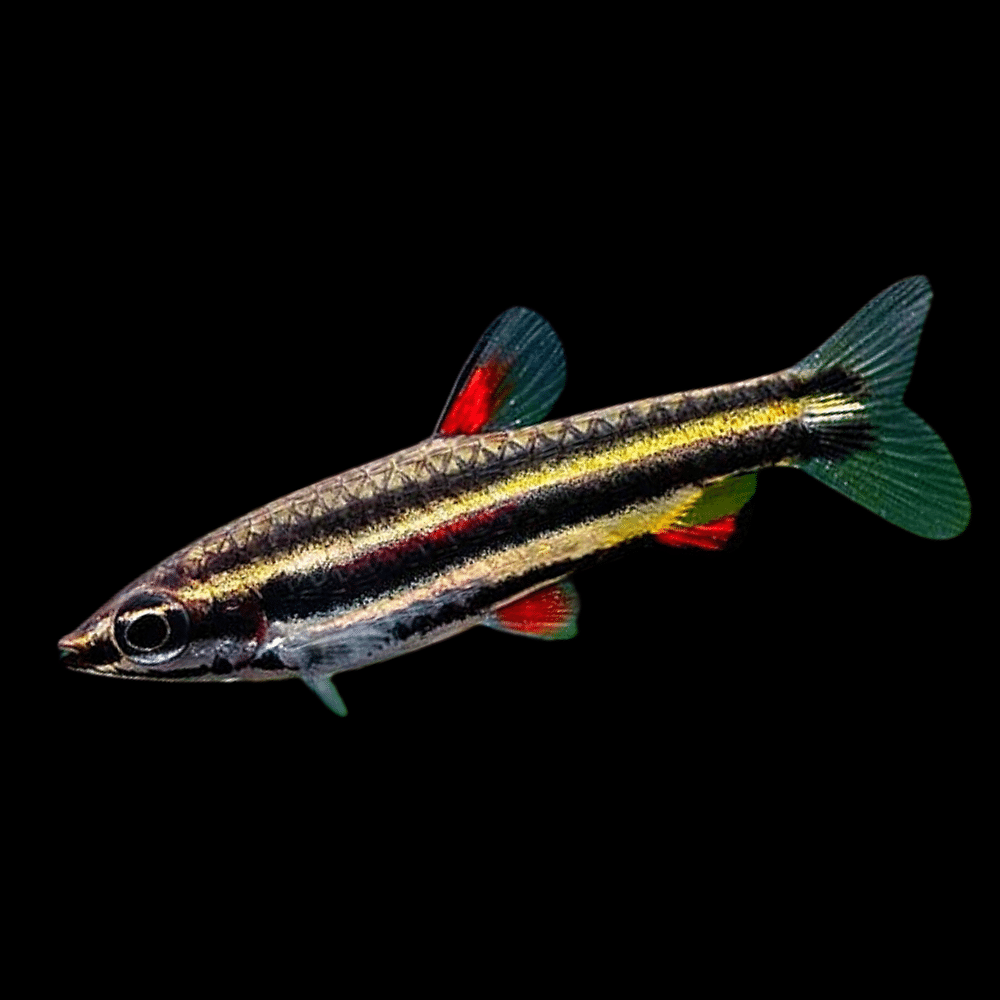
Welcome these 10 X Dwarf Pencilfish – Nannostomus Marginatus, vibrant South American characins, into your aquarium. These peaceful companions thrive in community tanks and bring stunning beauty to your aquatic environment. Perfect for aquarists seeking colorful, gentle fish.
In stock
The Dwarf Pencilfish, scientifically known as Nannostomus marginatus, is a captivating member of the South American Tetra family. Originating from the slow-moving streams and rivers of the Amazon Basin, this small yet vibrant fish is a true gem for any freshwater aquarium enthusiast. Their natural habitat is characterized by densely vegetated areas, where they thrive among floating plants and submerged roots, providing them with ample hiding spots and foraging opportunities. These fish are known for their peaceful demeanor and striking appearance, making them ideal candidates for community tanks. Their slender bodies and unique coloration, featuring a mix of golden hues and subtle iridescence, create a stunning visual display in any aquarium setting.
| Optimal Living Conditions | |
|---|---|
| Water Temperature | 24-27°C (75-81°F) |
| pH Level | 6.5-7.5 |
| Water Hardness | 4-12 dKH |
| Minimum Tank Size | 80L (20 gal) |
| Salinity | Freshwater |
| Care Level | Beginner Friendly |
✓ Care Level: Easy
Tank Size: Minimum 10 gallons
Water Parameters: pH 6.0-7.5, Temperature 75-82°F, Hardness 2-15 dGH
Caring for Dwarf Pencilfish is relatively straightforward, making them suitable for beginners and experienced aquarists alike. They prefer a well-planted tank with plenty of hiding spots, as this mimics their natural habitat. A minimum tank size of 10 gallons is recommended to provide ample swimming space and ensure a stable environment. Maintaining water parameters within the recommended range is crucial for their health and well-being. Regular water changes and monitoring of water quality will help keep these delicate fish thriving.
Dwarf Pencilfish are known for their peaceful and social nature, making them excellent additions to community aquariums. They exhibit a schooling behavior, often seen swimming in small groups, which enhances their natural beauty and provides a dynamic display in the aquarium. Their gentle temperament allows them to coexist harmoniously with a variety of tank mates, including other small tetras, rasboras, and peaceful bottom dwellers. Observing their interactions can be a delightful experience, as they dart gracefully through the tank, showcasing their vibrant colors and unique swimming patterns. However, it is essential to provide them with sufficient space and cover to reduce stress and promote their natural behaviors.
Creating an ideal environment for Dwarf Pencilfish involves replicating their natural habitat as closely as possible. A well-planted tank with a sandy substrate is recommended, as it allows for easy planting of aquatic vegetation and provides a soft surface for these fish to explore. Incorporating various plants such as Java moss, Cryptocoryne, and floating plants like Water Sprite will not only enhance the aesthetic appeal of the aquarium but also offer hiding spots and security for the fish. Additionally, adding driftwood or rocks can create further shelter and mimic the natural structures found in their native waters. Maintaining a gentle water flow with a suitable filter will help keep the environment stable while ensuring the fish feel secure.
✓ Optimal Water Parameters
pH: 6.0-7.5
Temperature: 75-82°F
Hardness: 2-15 dGH
Maintaining optimal water quality is essential for the health and longevity of Dwarf Pencilfish. Regular testing of water parameters using reliable test kits will help ensure that the pH, temperature, and hardness remain within the recommended ranges. It is advisable to perform weekly water changes of 10-20% to keep the water clean and free from harmful toxins. Additionally, ensuring proper filtration and aeration will contribute to a stable environment. Monitoring for ammonia and nitrite levels is crucial, as these can be detrimental to fish health. A well-maintained aquarium will not only support the fish’s well-being but also enhance their colors and overall vitality.
✓ Feeding Schedule
Frequency: 2-3 times daily
Diet: High-quality flake food, micro-pellets, and live or frozen foods
Dwarf Pencilfish thrive on a varied diet that includes high-quality flake food, micro-pellets, and occasional live or frozen foods such as brine shrimp and daphnia. A balanced diet is crucial for their growth, coloration, and overall health. It is recommended to feed them small amounts 2-3 times daily, ensuring that all food is consumed within a few minutes to prevent water quality issues. Observing their feeding behavior can be quite enjoyable, as they eagerly dart around the tank, showcasing their playful nature. Providing a diverse diet will not only enhance their health but also contribute to their vibrant colors and lively disposition.
✓ Community Dynamics
Compatible Tank Mates: Other small tetras, rasboras, peaceful bottom dwellers
Avoid: Larger, aggressive fish
Dwarf Pencilfish are known for their peaceful nature, making them excellent community fish. They can coexist with various small, non-aggressive species such as other tetras, rasboras, and peaceful bottom dwellers like Corydoras. It is crucial to avoid pairing them with larger or aggressive fish, as this can lead to stress and potential harm. When selecting tank mates, consider the overall temperament and size of the species to ensure a harmonious environment. A well-balanced community tank will allow all fish to thrive and display their natural behaviors.
✓ Common Health Issues
Signs of Stress: Faded colors, hiding, lethargy
Maintaining the health and well-being of Dwarf Pencilfish requires careful observation and proactive management. Common signs of stress include faded colors, excessive hiding, and lethargy. These symptoms can indicate poor water quality, inappropriate tank mates, or inadequate nutrition. Regular water testing and maintenance, along with a balanced diet, are essential for preventing health issues. In case of illness, it is crucial to isolate affected fish and consult with an aquatic veterinarian for appropriate treatment options. Providing a stress-free environment will significantly contribute to their overall health and longevity.
Breeding Dwarf Pencilfish can be a rewarding experience for aquarists. These fish are egg scatterers, and breeding typically occurs in a separate breeding tank to ensure the safety of the fry. To encourage spawning, provide a well-planted tank with fine-leaved plants where the female can lay her eggs. The ideal water parameters for breeding include slightly acidic pH, soft water, and a temperature around 78-80°F. After spawning, it is essential to remove the adults to prevent them from eating the eggs. The eggs will hatch within a few days, and the fry can be fed infusoria or finely crushed flake food until they are large enough to consume larger foods. With proper care, the fry will grow quickly and can eventually be introduced into the main tank.
Introducing Dwarf Pencilfish to a new aquarium requires a gradual acclimation process to minimize stress. Begin by floating the sealed bag containing the fish in the aquarium for about 15-20 minutes to equalize the temperature. Afterward, gradually mix small amounts of aquarium water into the bag over the next hour. This process helps the fish adjust to the new water parameters. Once acclimated, gently release the fish into the tank using a net to avoid adding any transport water that may contain harmful substances. Monitoring the fish closely for the first few days will help ensure they adapt well to their new environment.
Dwarf Pencilfish have a lifespan of approximately 3 to 5 years with proper care. To ensure their longevity, it is crucial to maintain a stable environment, provide a balanced diet, and monitor their health regularly. As they grow, it is essential to keep an eye on their social dynamics within the tank, ensuring they remain in a peaceful community. Regular water changes and tank maintenance will contribute to a healthy habitat, allowing these beautiful fish to thrive. Observing their growth and behavior over time can be a fulfilling experience, showcasing their unique personalities and interactions.
Recreating the natural habitat of Dwarf Pencilfish in your aquarium can enhance their well-being and display their natural behaviors. Incorporating a variety of live plants, driftwood, and rocks will provide hiding spots and mimic the structures found in their native waters. A sandy substrate is ideal for planting and allows for natural foraging behavior. Creating shaded areas with floating plants can help replicate the dappled light conditions of their environment. Additionally, maintaining a gentle water flow will help simulate the slow-moving waters of the Amazon, contributing to a more comfortable and familiar habitat for these fish.
As seasons change, it is essential to adjust the care routine for Dwarf Pencilfish to accommodate fluctuations in temperature and lighting. During warmer months, ensure that the aquarium temperature remains within the preferred range of 75-82°F, using fans or chillers if necessary. In winter, consider using a heater to maintain a stable temperature. Additionally, adjusting the lighting duration can mimic natural seasonal changes, promoting healthy plant growth and fish activity. Regular monitoring of water parameters during these transitions will help maintain a stable environment, ensuring the health and happiness of your aquatic companions.
For those looking to provide the best care for Dwarf Pencilfish, consider the following expert tips: First, ensure that the tank is well-planted, as this not only provides hiding spots but also helps maintain water quality. Second, feed a varied diet to promote vibrant colors and overall health. Third, observe their social interactions and adjust tank mates as needed to prevent stress. Lastly, regular maintenance and monitoring of water parameters will go a long way in ensuring a thriving environment for these beautiful fish. By following these tips, you can create a harmonious and visually stunning aquarium that showcases the natural beauty of Dwarf Pencilfish.
In the event of common issues with Dwarf Pencilfish, prompt action is crucial. If you notice signs of stress, such as faded colors or hiding, check water parameters immediately. High ammonia or nitrite levels can be harmful, so regular testing is essential. If fish are exhibiting unusual behavior, consider potential tank mate conflicts or inadequate hiding spots. In cases of illness, isolate affected fish and consult with an aquatic veterinarian for treatment options. By being proactive and attentive to their needs, you can effectively troubleshoot and maintain a healthy environment for your Dwarf Pencilfish.
The Dwarf Pencilfish belongs to the family Lebiasinidae, which encompasses a variety of small, freshwater fish native to South America. Within this family, Nannostomus marginatus is particularly notable for its striking appearance and peaceful nature. Research on this species has highlighted its importance in maintaining biodiversity within its natural habitat. Conservation efforts are essential to protect their ecosystems from pollution and habitat destruction. By understanding the scientific background of Dwarf Pencilfish, aquarists can appreciate their role in the aquatic environment and contribute to their preservation.
For experienced aquarists looking to take their care of Dwarf Pencilfish to the next level, consider implementing advanced techniques such as breeding programs and biotope setups. Creating a breeding environment with specific water parameters and ample hiding spots can encourage successful spawning. Additionally, setting up a biotope aquarium that closely resembles their natural habitat can enhance their well-being and display their natural behaviors. Incorporating natural filtration methods, such as live plants and substrate, can also contribute to a healthier ecosystem. By employing these advanced techniques, you can foster a thriving environment for your Dwarf Pencilfish and deepen your understanding of their needs.
Monitoring Tip: Test water parameters weekly and perform regular water changes to maintain optimal conditions for your aquatic friends!
Dwarf Pencilfish thrive in a well-planted aquarium, and a minimum tank size of 60 litres is advisable for a group of 10. This allows ample swimming space and encourages natural behaviour. A longer tank is preferable, as these fish enjoy horizontal swimming. Ensure the tank is densely planted with floating plants to create a sense of security, as Dwarf Pencilfish are timid. Include open swimming areas, as well as hiding spots made from driftwood or rocks. Regular water changes and proper filtration will help maintain water quality, crucial for their health.
✓ Expert Tip
Consider using a soft substrate to mimic their natural habitat and enhance their comfort.
Dwarf Pencilfish prefer slightly acidic to neutral water, with a pH range of 6.0 to 7.5. The temperature should be maintained between 24°C to 28°C, mimicking their natural South American habitat. Hardness levels should ideally be between 2-15 dGH. Regular testing of water parameters is crucial to ensure a stable environment, as fluctuations can lead to stress or illness. A gentle filtration system will help maintain water quality without creating strong currents, which can be detrimental to these delicate fish.
✓ Expert Tip
Use a high-quality water conditioner to remove harmful chemicals from tap water before adding it to the tank.
Dwarf Pencilfish are small and delicate, requiring a diet of high-quality flake or micro-pellet food. Feed them once or twice a day, providing only as much food as they can consume within a few minutes. Overfeeding can lead to water quality issues. Consider supplementing their diet with live or frozen foods, such as brine shrimp or daphnia, to enhance their colour and vitality. Observing their feeding behaviour can also help determine if they are getting sufficient nutrition.
✓ Expert Tip
Rotate between different food types to provide a balanced diet and maintain their interest in feeding.
Dwarf Pencilfish are peaceful and do well in community tanks with other small, non-aggressive species. Ideal tank mates include species such as Neon Tetras, Rasboras, and small Corydoras. Avoid larger or more aggressive fish, as they may stress the Dwarf Pencilfish. When introducing new fish, ensure that the tank is spacious and well-planted to provide hiding spots. Always monitor interactions closely during the initial introduction period to ensure compatibility.
✓ Expert Tip
Introduce new fish gradually to minimise stress and allow the Dwarf Pencilfish to acclimatise to their new companions.
Acclimatisation is vital for the health of Dwarf Pencilfish. Begin by floating the sealed bag in your aquarium for about 15 minutes to equalise the temperature. Then, gradually introduce small amounts of tank water into the bag every 5 minutes for about 30 minutes. After this, gently place the fish into the aquarium using a net to avoid adding bag water, which may contain harmful substances. This process helps reduce stress and facilitates a smoother transition to their new environment.
✓ Expert Tip
Always monitor the fish for signs of stress or illness after acclimatisation, ensuring they adapt well to their new home.
Healthy Dwarf Pencilfish exhibit vibrant colours, are active swimmers, and display social behaviour. Their fins should be fully extended, and they should not show any signs of lethargy or hiding excessively. Observe their eating habits; they should readily accept food and display normal digestion. Clear eyes and smooth scales are also indicators of good health. If you notice any signs of distress, such as faded colours or abnormal swimming patterns, it is essential to investigate potential causes promptly.
✓ Expert Tip
Regularly observing your fish can help you identify any changes in behaviour or health, allowing for timely intervention.
Breeding Dwarf Pencilfish can be rewarding, though it requires specific conditions. Begin by providing a separate breeding tank with finely-leaved plants for egg deposition. Maintain slightly softer, acidic water with a temperature around 26°C. Introduce a pair of healthy fish and observe their courtship behaviour. After spawning, remove the parents to prevent them from eating the eggs. The fry will hatch after a few days; feed them infusoria or finely crushed flakes until they are large enough for baby brine shrimp. Regular water changes and careful monitoring are crucial during this period.
✓ Expert Tip
Ensure the breeding tank is well-planted to create a secure environment for the fry.
Dwarf Pencilfish thrive in water temperatures between 24°C and 28°C. Maintaining a stable temperature within this range is crucial for their wellbeing. Sudden fluctuations can lead to stress and weaken their immune systems, making them susceptible to diseases. Utilize a reliable aquarium heater with a thermometer to monitor the temperature accurately. Regular checks will ensure consistency, particularly during seasonal changes, to keep your aquatic companions comfortable and healthy.
✓ Expert Tip
Consider using a digital thermometer for precise readings and easy monitoring.
With proper care, Dwarf Pencilfish can live up to 5 years in captivity. Their lifespan is influenced by factors such as water quality, diet, and tank conditions. Providing a stable environment with regular maintenance, including water changes and appropriate filtration, will significantly contribute to their longevity. Monitoring their health and addressing any issues promptly also plays a crucial role in ensuring they thrive throughout their lifespan.
✓ Expert Tip
Keep a detailed log of water parameters and maintenance to track the health of your fish.
Dwarf Pencilfish prefer a soft, sandy substrate that mimics their natural habitat. A fine-grained substrate allows them to forage naturally, as they enjoy sifting through it for food. Avoid sharp-edged substrates that could injure their delicate bodies. Additionally, incorporating a layer of leaf litter can provide a natural environment and promote beneficial bacteria. Regular vacuuming is essential to maintain cleanliness and prevent the buildup of waste and uneaten food, which can compromise water quality.
✓ Expert Tip
Consider using a substrate heater to enhance beneficial bacterial growth and improve plant health.
Dwarf Pencilfish are known for their peaceful and social behaviour. They are shoaling fish, meaning they prefer to be in groups, which helps reduce stress and encourages natural behaviours. You will often notice them swimming in small schools, darting in and out of plants. They may display shy behaviour, especially if they feel threatened, so providing plenty of hiding spots is essential. Observing their interactions can be quite rewarding, as they often engage in playful displays, particularly during feeding times.
✓ Expert Tip
Create a varied environment with plants and decorations to encourage natural behaviours and reduce stress.
Preventing diseases in Dwarf Pencilfish involves maintaining excellent water quality and providing a stress-free environment. Regular water changes and monitoring parameters will help keep them healthy. Quarantine new fish before introducing them to your main tank to avoid disease transmission. A balanced diet rich in nutrients can also boost their immune system. Additionally, be vigilant for signs of stress or illness, such as changes in behaviour or appearance, and address any issues promptly to prevent the spread of disease.
✓ Expert Tip
Consider adding aquarium salt to your tank in moderation to help prevent certain diseases.
Dwarf Pencilfish thrive under moderate lighting conditions, which can help enhance their natural colours. A lighting period of 10-12 hours a day is ideal, simulating their natural habitat. Providing shaded areas through floating plants or decor can help them feel secure. Avoid direct bright lights, as this can stress the fish and encourage hiding. Experiment with different light intensities to find what works best for your aquarium setup, ensuring the well-being of your aquatic companions.
✓ Expert Tip
Use a timer for your lighting system to maintain consistent day and night cycles.
Recognising stress in Dwarf Pencilfish can be crucial for their health. Signs of stress may include erratic swimming, hiding excessively, or loss of colour vibrancy. They may also show increased aggression towards tank mates or refuse to eat. Environmental factors such as poor water quality, overcrowding, or sudden changes in temperature can lead to stress. Regular observation is key; if you notice any changes in behaviour, it may indicate that adjustments are needed in their environment.
✓ Expert Tip
Maintain a tranquil environment with minimal disturbances to reduce stress levels in your fish.
To replicate the natural habitat of Dwarf Pencilfish, focus on creating a densely planted aquarium with plenty of hiding spots. These fish are naturally found in slow-moving waters with submerged vegetation in South America. Incorporate floating plants and driftwood to mimic their environment. Maintain slightly acidic, soft water with a temperature range of 24°C to 28°C. Regular water changes and careful filtration will also help maintain a healthy environment that mirrors their natural conditions, promoting their overall well-being.
✓ Expert Tip
Use natural materials and plants to create a biotope that feels familiar and secure for your Dwarf Pencilfish.






Emily Carter (verified owner) –
I recently added 10 Dwarf Pencilfish to my 20-gallon South American biotope, and they have completely transformed my aquarium experience! These little beauties are not just stunning to look at with their vibrant colors and unique pencil-like shape, but they also have such delightful personalities. After a couple of weeks, I noticed they’ve become more social and lively, often schooling together near the top of the tank, which is a wonderful sight.
Compared to other small fish I’ve kept, like neon tetras and x-ray tetras, these Dwarf Pencilfish are much more active during the day and seem to thrive in my planted setup. They generally prefer peaceful community environments, so they’re perfect for my setup with guppies and Corydoras.
One minor concern I had initially was their shyness, but a few hiding spots made them feel at home quickly! For anyone looking for a charming addition to their community tank, I highly recommend the Dwarf Pencilfish. They not only bring joy but also promote a healthy aquarium dynamic. I can’t wait to see how they continue to flourish!