
 6 X Serpae Tetras – Hyphessobrycon Callistus – Jewel Tetras – South American (6)
  6 X Yellow Neon Tetras – Paracheirodon Innesi «Yellow» – South American Tetras (6)
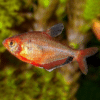
6 X Jewel Tetras – Hyphessobrycon Eques – Red Minor Tetras – South American
Original price was: £42.49.£35.80Current price is: £35.80.
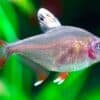
Welcome these beautiful 6 X Jewel Tetras – Hyphessobrycon Eques – Red Minor Tetras into your aquarium. Their stunning red hues and graceful movements make them ideal for community tanks. Perfect for aquarists seeking peaceful companions that thrive with proper care and aquarium plants.
In stock
Species Introduction
The Jewel Tetra, scientifically known as Hyphessobrycon eques, is a captivating freshwater fish that hails from the lush waterways of South America. These vibrant fish are part of the Characidae family and are renowned for their striking colors and lively behavior. In their natural habitat, Jewel Tetras thrive in slow-moving rivers and streams, often found in densely vegetated areas where they can seek shelter among the aquatic plants. This species typically reaches a maximum length of around 4 cm, making them an ideal choice for community tanks and smaller aquariums. Their beautiful coloration, which includes shades of red, blue, and green, makes them a popular choice among aquarium enthusiasts looking to add a splash of color to their aquatic displays.
Essential Care Guide for Your 6 X Jewel Tetras – Hyphessobrycon Eques – Red Minor Tetras – South American
| Optimal Living Conditions | |
|---|---|
| Water Temperature | 24-27°C (75-81°F) |
| pH Level | 6.5-7.5 |
| Water Hardness | 4-12 dKH |
| Minimum Tank Size | 80L (20 gal) |
| Salinity | Freshwater |
| Care Level | Beginner Friendly |
Natural Behavior & Temperament
Jewel Tetras are known for their peaceful demeanor and social nature, making them excellent schooling fish. They thrive in groups of at least six individuals, which not only enhances their comfort but also allows them to exhibit their natural behaviors. In the aquarium, you will often observe them swimming gracefully through the water, darting in and out of plants and decorations. Their active swimming patterns and vibrant colors create a dynamic display that is captivating to watch. While they are generally peaceful, it is essential to ensure that they are not housed with overly aggressive fish, as this can lead to stress and health issues. Jewel Tetras are particularly suited for community tanks, where they can coexist harmoniously with other non-aggressive species.
Tank Setup Guide
Creating an ideal environment for your Jewel Tetras involves replicating their natural habitat as closely as possible. A well-planted aquarium with plenty of hiding spots is essential for their comfort and well-being. Use a substrate of fine gravel or sand to mimic the riverbeds they inhabit. Incorporate a variety of live plants, such as Java Fern, Anubias, and Amazon Swords, to provide shelter and foraging opportunities. Additionally, adding driftwood and rocks can create natural hiding places and enhance the aesthetic appeal of the tank. Ensure that the tank is well-cycled and that the water parameters are stable before introducing your Jewel Tetras. A gentle filter is recommended to maintain water quality without creating strong currents that could stress these delicate fish.
Water Quality Management
Maintaining optimal water quality is crucial for the health and longevity of your Jewel Tetras. The ideal pH range for these fish is between 6.0 and 7.5, with a temperature range of 22-28°C. Regular water changes of 20-30% every week will help to keep the water clean and reduce harmful toxins. It’s important to monitor the hardness levels, which should be maintained between 5-15 dGH. Using a quality water conditioner can help to neutralize harmful chemicals and provide a safe environment for your aquatic companions. Additionally, investing in a reliable water testing kit will allow you to keep track of the essential parameters, ensuring that your fish friends remain healthy and vibrant.
Feeding & Nutrition
Jewel Tetras are omnivorous and thrive on a varied diet that includes high-quality flake food, micro-pellets, and occasional live or frozen foods such as brine shrimp and daphnia. A balanced diet is essential for maintaining their vibrant colors and overall health. Feeding should occur 1-2 times daily, with only as much food as they can consume in a few minutes to prevent overfeeding and water quality issues. It’s also beneficial to incorporate vegetable matter into their diet, such as spirulina flakes or blanched vegetables, to ensure they receive all necessary nutrients. Observing your fish during feeding times can also provide insight into their health; a lack of interest in food may indicate stress or illness.
Compatibility Guide
When selecting tank mates for your Jewel Tetras, it is crucial to choose species that share similar water requirements and temperaments. Ideal companions include other peaceful schooling fish such as Neon Tetras, Corydoras Catfish, and Guppies. However, caution should be exercised when considering tank mates like Tiger Barbs, as they can exhibit aggressive behavior, especially in smaller tanks. Jewel Tetras thrive in a community tank setting where they can interact with other non-aggressive species. Always monitor the interactions among the fish to ensure a harmonious environment, and be prepared to separate any individuals that display signs of aggression or stress.
Health & Wellness
Maintaining the health of your Jewel Tetras involves regular monitoring for signs of illness and stress. Common health issues include ich, fin rot, and swim bladder disease. Preventative measures include maintaining stable water parameters, providing a balanced diet, and ensuring that the tank is not overcrowded. Observing your fish regularly will help you catch any potential problems early. Signs of distress may include lethargy, loss of appetite, and unusual swimming patterns. If any health issues arise, it is essential to isolate affected fish and treat them promptly to prevent the spread of disease within the tank.
Breeding Information
Breeding Jewel Tetras can be a rewarding experience for aquarists. To encourage spawning, it is best to set up a separate breeding tank with soft, acidic water and plenty of fine-leaved plants for the eggs to adhere to. The temperature should be slightly elevated to around 28°C to stimulate breeding behavior. Once the female is ready, she will lay eggs, which the male will fertilize. After spawning, it is crucial to remove the adult fish from the breeding tank, as they may eat the eggs. The eggs will typically hatch within 24-36 hours, and the fry will become free-swimming in about a week. At this stage, they can be fed infusoria or finely crushed flakes until they are large enough to consume small pellets.
Acclimation Process
Acclimating your Jewel Tetras to their new environment is a critical step in ensuring their health and comfort. Upon bringing them home, float the sealed bag in the aquarium for about 15-20 minutes to equalize the temperature. After this, gradually introduce the tank water into the bag over the course of an hour. This can be done by adding small amounts of tank water to the bag every 10-15 minutes. Once the acclimation process is complete, gently net the fish into the aquarium, avoiding adding the bag water to the tank to prevent introducing any contaminants. This careful acclimation process helps reduce stress and allows your new fish friends to adjust to their new home successfully.
Long-term Care
Jewel Tetras have a lifespan of around 5-8 years when provided with optimal care. To ensure their longevity, it is essential to maintain stable water conditions, provide a balanced diet, and regularly monitor their health. As they grow, observe their behavior and interactions with tank mates, as changes in dynamics can indicate stress or compatibility issues. Regular maintenance, including water changes and tank cleaning, will help keep the environment healthy. Additionally, keeping an eye on their growth and adjusting the tank size accordingly will prevent overcrowding and promote a thriving community.
Natural Habitat Recreation
To create a biotope that reflects the Jewel Tetra’s natural habitat, focus on replicating the conditions of their native South American rivers. This includes using dark substrates, plenty of live plants, and soft, filtered lighting to mimic the dappled sunlight found in their natural environment. Incorporate driftwood and leaf litter to provide hiding spots and mimic the organic debris found in rivers. Additionally, consider using a sponge filter to maintain water quality without creating strong currents. By recreating their natural habitat, you will not only enhance the aesthetic of your aquarium but also promote the well-being of your fish friends.
Seasonal Care Adjustments
As seasons change, so too may the conditions in your aquarium. During warmer months, ensure that the water temperature remains stable and does not exceed 28°C, as higher temperatures can stress your Jewel Tetras. In colder months, consider using a heater to maintain a consistent temperature. Additionally, monitor the water parameters more frequently during seasonal changes, as fluctuations can occur. Adjusting the lighting duration to mimic natural daylight cycles can also benefit your fish, promoting healthy behaviors and reducing stress.
Expert Tips
For those looking to enhance their experience with Jewel Tetras, consider the following expert tips: First, always introduce new fish slowly to minimize stress among existing inhabitants. Second, provide ample hiding spots and plant coverage to allow the fish to feel secure. Third, regularly observe your fish for any signs of illness or stress, and be proactive in addressing any issues that arise. Lastly, consider keeping a journal of your aquarium’s conditions and fish behaviors to better understand their needs and preferences over time.
Troubleshooting
If you encounter issues with your Jewel Tetras, such as unusual swimming behavior or loss of appetite, it is essential to act quickly. First, check the water parameters to ensure they are within the ideal ranges. If you notice signs of disease, such as white spots or frayed fins, consider isolating affected fish and treating them with appropriate medications. Additionally, review your feeding practices to ensure that you are providing a balanced diet and not overfeeding. Keeping a close eye on your tank’s dynamics can help you identify potential stressors and address them before they escalate.
Scientific Background
The Jewel Tetra belongs to the family Characidae, which encompasses a wide variety of freshwater fish species. Their scientific classification places them within the genus Hyphessobrycon, which includes several other popular aquarium fish. Research into the Jewel Tetra’s natural habitat has revealed important insights into their behavior and care requirements, highlighting the importance of maintaining stable water conditions and providing a naturalistic environment. Conservation efforts are also crucial, as habitat destruction poses a threat to their populations in the wild. By understanding their scientific background, aquarists can better appreciate the needs of these beautiful creatures and contribute to their conservation.
Advanced Care Techniques
For experienced aquarists looking to take their Jewel Tetra care to the next level, consider implementing advanced techniques such as using a planted tank with CO2 injection to promote healthy plant growth. This not only enhances the aesthetic of the aquarium but also provides additional hiding spots and foraging opportunities for your fish. Additionally, experimenting with different types of food, such as homemade fish food or high-quality frozen options, can lead to improved coloration and vitality. Regularly participating in aquarium forums or local clubs can also provide valuable insights and tips from fellow enthusiasts, enriching your experience as an aquarist.
Water Quality Parameters
Optimal Range
24-27°C
6.5-7.5
0 ppm
Caution Zone
22-24°C or 27-29°C
6.0-6.5 or 7.5-8.0
0.25-0.5 ppm
Danger Zone
<22°C or >29°C
<6.0 or >8.0
>0.5 ppm
Monitoring Tip: Test water parameters weekly and perform regular water changes to maintain optimal conditions for your aquatic friends!
1 review for 6 X Jewel Tetras – Hyphessobrycon Eques – Red Minor Tetras – South American
Add a review
Related products




Emily Carter (verified owner) –
I recently added 6 Jewel Tetras (Hyphessobrycon Eques) to my 20-gallon planted tank, and I couldn’t be happier! These little gems are so lively and full of personality. They’ve settled in beautifully after about a week and are already schooling together, which adds such a dynamic to my aquarium. I really appreciate how these freshwater fish thrive among various aquarium plants, darting in and out of the leaves, creating a stunning visual display.
Compared to other tetras I’ve kept, like the Neon Tetra, I find that Jewel Tetras offer a more vibrant coloration and a bit more character in terms of interaction. Just remember to provide them with plenty of hiding spots. My only minor concern is that they can be a bit shy initially, but patience is key!
If you’re looking for a colorful, active addition to your aquarium, I highly recommend Jewel Tetras, especially for those with a moderately planted setup. They truly bring the tank to life and are perfect for both novice and experienced aquarists. Shipping was quick, and they arrived healthy and well-packaged. Overall, a fantastic purchase!