
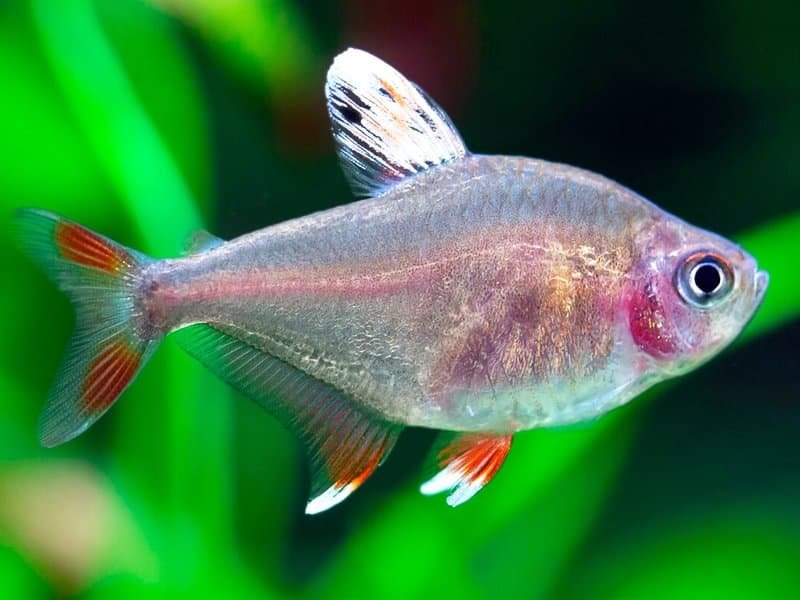
6 X Ornate Tetras – Hyphessobrycon Bentosi – South American Tetras
Original price was: £18.49.£15.48Current price is: £15.48.
Welcome these beautiful 6 X Ornate Tetras, known for their vibrant colors and graceful swimming. Ideal for community tanks, these South American Tetras thrive alongside peaceful companions. Perfect for aquarists seeking stunning freshwater fish to enhance their aquarium plants.
In stock
Species Introduction
🐠 Essential Care Guide for Your 6 X Ornate Tetras – Hyphessobrycon Bentosi – South American Tetras
| Optimal Living Conditions | |
|---|---|
| 🌡️ Water Temperature | 24-27°C (75-81°F) |
| 🧪 pH Level | 6.5-7.5 |
| 💧 Water Hardness | 4-12 dKH |
| 🏠 Minimum Tank Size | 80L (20 gal) |
| 🧂 Salinity | Freshwater |
| ⚡ Care Level | Beginner Friendly |
.care-requirements-dashboard {
background: linear-gradient(135deg, #e3f2fd 0%, #f1f8e9 100%);
padding: 20px;
border-radius: 12px;
margin: 20px 0;
box-shadow: 0 4px 6px rgba(0,0,0,0.1);
}
.aquarium-info-table {
width: 100%;
border-collapse: collapse;
background: white;
border-radius: 8px;
overflow: hidden;
margin-top: 15px;
}
.table-header-primary {
background: linear-gradient(135deg, #2196F3, #1976D2);
color: white;
font-weight: bold;
padding: 15px;
text-align: center;
}
.table-row-even {
background-color: #f8f9fa;
}
.table-row-odd {
background-color: white;
}
.aquarium-info-table td {
padding: 12px 15px;
border-bottom: 1px solid #e0e0e0;
}
.highlight-important {
font-weight: bold;
color: #1976D2;
}
.care-level-indicator.beginner {
background: #4CAF50;
color: white;
padding: 4px 12px;
border-radius: 16px;
font-size: 0.9em;
}
The Ornate Tetra, scientifically known as Hyphessobrycon bentosi, is a stunning freshwater fish that originates from the rivers and streams of South America, particularly in regions such as the Amazon Basin. This species is a member of the Characidae family, which is well-known for its diverse range of colorful and vibrant fish. Ornate Tetras are particularly appreciated for their striking appearance, characterized by a deep blue body adorned with iridescent orange and yellow markings. These fish typically reach a maximum length of about 4 cm (1.6 inches), making them an ideal choice for community tanks. Their natural habitat consists of densely vegetated areas with slow-moving waters, where they thrive among aquatic plants and driftwood, providing them with a sense of security and comfort. As a schooling fish, Ornate Tetras prefer to be in groups of six or more, which helps reduce stress and promotes natural behaviors. These aquatic companions are not only beautiful but also relatively easy to care for, making them a popular choice among both novice and experienced aquarists.
Care Requirements Dashboard
✓ Care Level: Easy
| Care Requirement | Details |
|---|---|
| Tank Size | Minimum 20 gallons for a small school |
| Water Temperature | 22-28°C (72-82°F) |
| pH Level | 6.0-7.5 |
| Hardness | Soft to moderately hard (2-15 dGH) |
Natural Behavior & Temperament
Ornate Tetras exhibit a peaceful and social demeanor, making them excellent additions to community tanks. They thrive in schools, which not only enhances their natural behavior but also allows them to feel secure in their environment. In a well-planted aquarium, you will often observe these fish swimming gracefully in the mid to upper levels of the tank, darting in and out of foliage and creating a mesmerizing display of color and movement. Their schooling behavior is essential for their well-being; when kept alone or in small numbers, they can become stressed and exhibit signs of aggression, which is contrary to their typical peaceful nature. It’s important to provide them with plenty of hiding spots and open swimming areas to mimic their natural habitat, as this will encourage their natural instincts and promote a healthy, stress-free environment. Additionally, Ornate Tetras are known to be relatively hardy, making them suitable for beginners who are just starting their journey in aquarium keeping.
Tank Setup Guide
Creating an optimal environment for your Ornate Tetras involves replicating their natural habitat as closely as possible. Begin by selecting a tank that is at least 20 gallons in size to accommodate a small school of these fish. The substrate should be soft and sandy, allowing for easy digging and foraging. Incorporating a variety of live plants, such as Java Fern, Anubias, and Amazon Swords, will not only enhance the aesthetic appeal of your aquarium but also provide essential hiding spots for your fish. Additionally, adding driftwood and rocks can create natural barriers and territories, which help reduce stress among the fish. Ensure that the lighting is moderate to low, as overly bright lights can be stressful for these creatures. A gentle filter is recommended to maintain water quality without creating strong currents, as Ornate Tetras prefer calm waters. Regular water changes and monitoring of water parameters will be crucial in maintaining a healthy environment for your aquatic friends.
Water Quality Management
✓ Good Water Quality is Essential
Maintaining optimal water quality is crucial for the health and longevity of your Ornate Tetras. The recommended pH level for these fish ranges from 6.0 to 7.5, with a preference for slightly acidic to neutral conditions. Regular testing of water parameters is essential to ensure stability, as fluctuations can lead to stress and health issues. The ideal water temperature should be maintained between 22-28°C (72-82°F), and it is advisable to use a reliable heater to prevent sudden temperature changes. The hardness of the water should be soft to moderately hard, ideally between 2-15 dGH. Regular water changes of 20-30% every week will help remove toxins and maintain a healthy environment. Additionally, using a quality water conditioner can help eliminate harmful chemicals and chlorine from tap water, ensuring a safe habitat for your fish.
Feeding & Nutrition
Ornate Tetras are omnivorous, which means they thrive on a varied diet that includes both plant-based and protein-rich foods. A balanced diet is essential for their health, growth, and vibrant coloration. High-quality flake food specifically formulated for tropical fish should serve as the staple of their diet. Supplementing their diet with frozen or live foods, such as brine shrimp, daphnia, and bloodworms, will provide essential nutrients and encourage natural foraging behavior. It’s important to feed your fish small amounts multiple times a day, ensuring that they consume all food within a few minutes to prevent water quality issues. A feeding schedule of 2-3 times daily is recommended, with occasional fasting days to aid digestion. Always monitor their feeding habits and adjust portion sizes accordingly to prevent overfeeding, which can lead to health problems and poor water quality.
Compatibility Guide
✓ Peaceful Community Fish
| Fish Species | Compatibility |
|---|---|
| Neon Tetra | Compatible |
| Guppy | Compatible |
| Corydoras Catfish | Compatible |
| Betta Fish | Not Recommended |
| Tiger Barb | Not Recommended |
When selecting tank mates for your Ornate Tetras, it’s essential to choose species that share similar water parameter requirements and temperaments. They are generally peaceful and do well with other small, non-aggressive fish. Suitable companions include Neon Tetras, Guppies, and Corydoras Catfish, which will coexist harmoniously in a community tank. However, avoid keeping them with aggressive species such as Tiger Barbs or Betta Fish, as these can cause stress and potential harm to your Ornate Tetras. Always monitor interactions in the tank, especially during the initial introduction period, to ensure a peaceful coexistence among all fish friends.
Health & Wellness
Maintaining the health and wellness of your Ornate Tetras involves regular monitoring of their behavior and physical condition. Common health issues that may arise include ich (white spot disease), fin rot, and bacterial infections. Signs of illness may include lethargy, loss of appetite, and abnormal swimming patterns. To prevent these issues, ensure that water quality is consistently high, and avoid overcrowding in the tank. Quarantining new fish before introducing them to the main tank can also help prevent the spread of diseases. Regular water changes and maintaining a stable environment will contribute significantly to the overall health of your fish. If you notice any signs of distress or illness, it is crucial to act promptly by isolating the affected fish and consulting with a knowledgeable aquarist or veterinarian for appropriate treatment options.
Breeding Information
✓ Breeding in Captivity is Possible
Breeding Ornate Tetras in captivity can be a rewarding experience for aquarists. To encourage spawning, it is best to set up a separate breeding tank with soft, slightly acidic water and plenty of fine-leaved plants for the eggs to adhere to. Ensure that the breeding tank is well-maintained, with stable water parameters and gentle filtration. Once the male and female are introduced, you may observe courtship behaviors, where the male will display vibrant colors and chase the female around the tank. After successful spawning, the adults should be removed from the breeding tank, as they may eat the eggs. The eggs will typically hatch within 24-36 hours, and the fry will become free-swimming after about 5-7 days. At this stage, it is crucial to provide them with infusoria or finely crushed flake food until they are large enough to accept larger food particles. Proper care and attention during this delicate stage will ensure a healthy start for your new fish friends.
Acclimation Process
Introducing your Ornate Tetras to their new home requires careful acclimation to minimize stress and ensure a smooth transition. Begin by floating the sealed bag containing the fish in the aquarium for about 15-20 minutes, allowing the water temperature in the bag to equalize with that of the tank. After this, gradually mix small amounts of tank water into the bag every 5 minutes for about 30 minutes. This process helps the fish adjust to the water parameters of their new environment. Once acclimated, gently release the fish into the tank using a net to avoid introducing any excess water from the bag. Avoid adding the bag water to the tank, as it may contain harmful substances. Monitor the fish closely for the first few hours after introduction, ensuring they are settling in and displaying normal behavior. Proper acclimation is essential for the well-being of your Ornate Tetras and will help them thrive in their new aquatic home.
Long-term Care
The long-term care of your Ornate Tetras involves providing a stable and nurturing environment throughout their lifespan. These fish can live for several years when properly cared for, with a lifespan of 3-5 years being common in captivity. Regular maintenance, including water changes, monitoring of water parameters, and ensuring a balanced diet, will contribute to their overall health and longevity. As they grow, it is essential to reassess the tank size and consider upgrading if necessary to accommodate their needs. Additionally, keeping a close eye on their behavior will help you detect any potential health issues early on. Engaging with your fish friends by observing their interactions and behaviors will not only enhance your experience as an aquarist but will also ensure that your Ornate Tetras remain happy and healthy.
Natural Habitat Recreation
✓ Create a Biotope
Recreating the natural habitat of Ornate Tetras in your aquarium can significantly enhance their well-being and overall behavior. To achieve this, focus on creating a densely planted environment that mimics the slow-moving waters of their native South American streams. Use a combination of live plants, such as floating plants and rooted species, to provide cover and hiding spots. Incorporating driftwood and rocks will not only enhance the aesthetic appeal but also create territories for the fish. Maintaining a dim lighting setup will replicate the shaded areas found in their natural habitat, while also making the colors of your Ornate Tetras pop. Additionally, consider using leaf litter or Indian almond leaves, which can provide natural tannins to the water, promoting a slightly acidic environment that is beneficial for these fish. By focusing on natural habitat recreation, you will create a thriving ecosystem that supports the health and happiness of your Ornate Tetras.
Seasonal Care Adjustments
As with many aquatic species, Ornate Tetras may require specific care adjustments based on seasonal changes. During warmer months, ensure that the water temperature remains stable and does not exceed the upper limit of their preferred range (28°C or 82°F). Using a fan or air conditioning can help maintain a comfortable temperature in the aquarium. In contrast, during colder months, it is crucial to monitor the temperature closely and use a reliable heater to maintain warmth. Additionally, lighting duration may need to be adjusted to mimic natural daylight cycles, promoting healthy growth of live plants and overall well-being of the fish. Regularly checking water parameters and making necessary adjustments will help ensure that your Ornate Tetras remain comfortable and healthy throughout the year.
Expert Tips
✓ Advanced Techniques for Care
To ensure the best care for your Ornate Tetras, consider implementing advanced techniques such as establishing a routine for tank maintenance and monitoring. Regularly check water parameters and perform scheduled water changes to maintain optimal conditions. Additionally, creating a feeding schedule that mimics their natural foraging behavior can enhance their overall health and activity levels. Consider using a variety of high-quality foods to ensure a balanced diet, and observe their eating habits to adjust portion sizes accordingly. Engaging in regular observation of their behavior will not only help you detect any potential issues early on but will also enhance your connection with these beautiful creatures. Lastly, participating in online forums or local aquarium clubs can provide valuable insights and tips from fellow aquarists, further enriching your experience.
Troubleshooting
Despite your best efforts, you may encounter challenges while caring for your Ornate Tetras. Common issues include stress from aggressive tank mates, poor water quality, and dietary deficiencies. If you notice signs of stress, such as hiding or erratic swimming, reassess the tank environment and ensure that it is suitable for their needs. Additionally, if you observe any signs of illness, such as white spots or frayed fins, promptly isolate the affected fish and consult with a knowledgeable aquarist or veterinarian for guidance on treatment options. Regularly monitoring water parameters and maintaining a stable environment will help prevent many common issues. By being proactive and attentive to your fish friends, you can ensure a healthy and thriving aquarium.
Scientific Background
✓ Understanding Their Taxonomy
The Ornate Tetra belongs to the family Characidae, which encompasses a diverse range of freshwater fish species. Within this family, the genus Hyphessobrycon includes numerous popular aquarium fish known for their vibrant colors and peaceful nature. The Ornate Tetra is closely related to other well-known species such as the Neon Tetra and the Black Phantom Tetra. As a cyprinid fish, they share characteristics with other members of the family, including their schooling behavior and omnivorous diet. Understanding the scientific background and taxonomy of your fish can enhance your appreciation for their natural beauty and behaviors, as well as inform your care practices.
Advanced Care Techniques
For those looking to take their care of Ornate Tetras to the next level, consider implementing advanced techniques such as establishing a breeding program or creating a biotope aquarium. Breeding these fish can be a rewarding challenge, requiring careful attention to water conditions, diet, and tank setup. Additionally, creating a biotope aquarium that closely mimics their natural habitat can enhance their well-being and display their natural behaviors. This involves selecting appropriate plants, substrates, and decorations that reflect their native environment. Regularly engaging with your fish and observing their interactions will not only deepen your connection with them but also provide valuable insights into their needs and behaviors. By continuously learning and adapting your care practices, you can ensure a thriving environment for your Ornate Tetras.
💧 Water Quality Parameters
🎯 Optimal Range
24-27°C
6.5-7.5
0 ppm
⚠️ Caution Zone
22-24°C or 27-29°C
6.0-6.5 or 7.5-8.0
0.25-0.5 ppm
🚨 Danger Zone
<22°C or >29°C
<6.0 or >8.0
>0.5 ppm
💡 Monitoring Tip: Test water parameters weekly and perform regular water changes to maintain optimal conditions for your aquatic friends!
.water-parameters-chart {
background: linear-gradient(135deg, #e3f2fd 0%, #e8f5e8 100%);
padding: 20px;
border-radius: 12px;
margin: 20px 0;
}
.parameters-grid {
display: grid;
grid-template-columns: repeat(auto-fit, minmax(250px, 1fr));
gap: 15px;
margin: 20px 0;
}
.parameter-card {
padding: 15px;
border-radius: 8px;
box-shadow: 0 2px 4px rgba(0,0,0,0.1);
}
.parameter-card.optimal {
background: #e8f5e8;
border: 2px solid #4CAF50;
}
.parameter-card.warning {
background: #fff3e0;
border: 2px solid #ff9800;
}
.parameter-card.danger {
background: #ffebee;
border: 2px solid #f44336;
}
.parameter {
display: flex;
justify-content: space-between;
padding: 5px 0;
border-bottom: 1px solid rgba(0,0,0,0.1);
}
.parameter:last-child {
border-bottom: none;
}
.monitoring-note {
background: white;
border: 1px solid #2196F3;
border-radius: 8px;
padding: 15px;
margin-top: 20px;
}
1 review for 6 X Ornate Tetras – Hyphessobrycon Bentosi – South American Tetras
Add a review
Related products


Emily Carter (verified owner) –
I recently added 6 Ornate Tetras (Hyphessobrycon Bentosi) to my community tank, and I couldn’t be happier! After just two weeks, they’ve settled in beautifully and are a joy to watch. Their shimmering colors really stand out against the backdrop of my aquarium plants, creating a stunning visual. These freshwater fish are not just beautiful; they are also incredibly active and social. It’s heartwarming to see them schooling together, darting around like little gems in the water.
I’ve had other tetras before, but I truly believe the Ornate Tetras have a more vibrant color profile and a livelier demeanor. They seem to thrive in my planted aquarium, and I’ve noticed they appreciate the hiding spots provided by the plants, which has helped them feel secure. The only minor concern is that they can be a bit skittish during water changes, so I’m careful to keep the environment as calm as possible during those times.
I highly recommend these tetras for anyone looking to add some lively action to their tank. They are perfect for both beginner and experienced fish keepers. Their health and happiness are clearly reflected in their colorful displays, and they make a fantastic addition to any freshwater setup!