Species Introduction
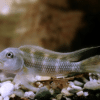
The Rubricatochrom Rubricatochrom, commonly known as the Striped Kribensis, is a captivating member of the African Dwarf Cichlid family. Originating from the lush waters of West Africa, particularly the Congo River Basin, these fish thrive in slow-moving waters rich in vegetation. They are renowned for their vibrant colors, which range from deep blues to striking reds, making them a popular choice among aquarists looking to add a splash of life to their aquarium.
The Striped Kribensis exhibits a unique pattern of stripes and spots, which not only enhances their aesthetic appeal but also serves as a means of communication and territorial display. As a monogamous species, they form strong pair bonds, showcasing fascinating behaviors that can be observed during their breeding rituals. Understanding their natural habitat is crucial for recreating an optimal living environment in your aquarium.
Key Features – Rubricatochrom Rubricatochrom
| Specification | Details |
|---|---|
| Benefits | Enhances your aquarium ecosystem |
| Quality | Premium aquarium-grade materials |
| Ease of Use | Simple setup and maintenance |
Care Requirements Dashboard
Care level: Easy
Tank Size: Minimum 20 gallons
Water Temperature: 75°F – 82°F
pH Level: 6.5 – 7.5
Hardness: 5 – 15 dGH
The Rubricatochrom Rubricatochrom is considered a flourishing fish, making it an excellent choice for both novice and experienced aquarists. They prefer a well-planted tank with ample hiding spots, which helps mimic their natural environment. A minimum tank size of 20 gallons is recommended to provide sufficient space for swimming and establishing territories. Maintaining water quality is essential; these fish thrive in slightly acidic to neutral pH levels ranging from 6.5 to 7.5. The ideal water temperature should be kept between 75°F and 82°F, with a hardness of 5 to 15 dGH. Regular water changes and monitoring of water parameters are crucial to ensure the health and well-being of your aquatic companions.
Natural Behavior & Temperament
The Striped Kribensis is known for its peaceful demeanor, making it an ideal addition to community tanks. These fish exhibit intriguing social behaviors, often establishing territories within their environment. They are generally not aggressive but can display territoriality, especially during breeding periods. Males tend to be more vibrant in color and may engage in displays to attract females. Observing their interactions can be quite rewarding, as they engage in playful swimming patterns and establish hierarchies among tank mates. It is essential to provide plenty of hiding spots and plants to help reduce stress and allow for natural behaviors to flourish. Their monogamous nature means that they thrive best when kept in pairs, where they can exhibit their nurturing behaviors towards their fry.
Tank Setup Guide
Creating an ideal environment for your Rubricatochrom Rubricatochrom involves careful consideration of tank setup and decorations. A well-planted aquarium with a sandy substrate closely resembles their natural habitat, promoting comfort and security. Incorporate various plants such as Java fern, Anubias, and floating plants to provide cover and encourage natural behaviors. Additionally, adding driftwood and rocks can create hiding spots and territories that these fish appreciate. Ensure that the decorations do not have sharp edges to prevent injuries to your fish friends. The layout should allow for open swimming areas while providing plenty of nooks for exploration and retreat. Proper lighting is also essential; moderate lighting will encourage plant growth while creating a comfortable atmosphere for your aquatic companions.
Water Quality Management
Maintaining optimal water quality is paramount for the health of your Rubricatochrom Rubricatochrom. Regular testing of water parameters is essential to ensure a stable environment. The ideal pH level should range between 6.5 and 7.5, with a temperature maintained between 75°F and 82°F. Hardness levels should be kept between 5 and 15 dGH. To achieve this, consider using a high-quality water conditioner to remove harmful chemicals and chlorines from tap water. Regular water changes of 20-30% weekly will help maintain water clarity and quality. Additionally, using a good filtration system will aid in removing waste and toxins from the water, ensuring a healthy environment for your fish. Be vigilant for any signs of stress or illness, as fluctuations in water quality can lead to health issues.
Feeding & Nutrition
Dietary Needs: Omnivorous
Recommended Foods: High-quality flakes, pellets, live or frozen foods (e.g., brine shrimp, bloodworms)
The Rubricatochrom Rubricatochrom is an omnivorous species, meaning they require a balanced diet that includes both plant and animal matter. High-quality flakes and pellets should form the base of their diet, supplemented with live or frozen foods such as brine shrimp, bloodworms, and daphnia. Feeding should occur 2-3 times a day, with only as much food as they can consume in a few minutes to prevent overfeeding and maintain water quality. It’s essential to vary their diet to ensure they receive all necessary nutrients, promoting vibrant colors and overall health. Additionally, consider incorporating vegetable-based foods or spirulina to provide essential vitamins and minerals. Observing your fish during feeding time can also help assess their health and appetite.
Compatibility Guide
When considering tank mates for your Rubricatochrom Rubricatochrom, it’s crucial to select peaceful species that can coexist harmoniously. Ideal tank mates include other community fish such as tetras, rasboras, and peaceful barbs. Avoid aggressive species that may stress or harm your Striped Kribensis. They can coexist well with other dwarf cichlids as long as there is ample space and hiding spots available. It’s essential to monitor interactions, especially during breeding periods, as they may become more territorial. A well-planned community tank will enhance the overall experience of keeping these beautiful fish, allowing you to witness their engaging behaviors while ensuring a peaceful environment.
Health & Wellness
Maintaining the health of your Rubricatochrom Rubricatochrom requires vigilance and proactive care. Common health issues include ich, fin rot, and stress-related diseases. Regular water quality checks and maintaining a stable environment will help prevent these issues. Signs of illness may include changes in behavior, such as lethargy, loss of appetite, or unusual swimming patterns. If you notice any of these symptoms, it is crucial to act quickly by isolating the affected fish and treating them appropriately. Additionally, providing a varied diet rich in nutrients will bolster their immune system, enhancing their resilience against diseases. Regular observation and care will ensure that your aquatic companions remain healthy and vibrant.
Breeding Information
Breeding Rubricatochrom Rubricatochrom can be a rewarding experience for aquarists. These fish are known to be monogamous, forming strong pair bonds that can last for life. To encourage breeding, provide a separate breeding tank with suitable conditions, including a sandy substrate and flat surfaces for egg-laying. The female will typically lay eggs on a flat surface, and both parents will take turns guarding the eggs. After about 3-5 days, the eggs will hatch, and the fry will become free-swimming within a week. During this time, it’s essential to provide infusoria or finely crushed flakes for the fry until they are large enough to consume larger foods. Observing the nurturing behaviors of the parents can be a fascinating aspect of keeping these fish.
Acclimation Process
Introducing your Rubricatochrom Rubricatochrom to a new tank requires careful acclimation to minimize stress. Begin by floating the sealed bag containing the fish in the aquarium for about 15-20 minutes to equalize the temperature. Next, gradually mix small amounts of tank water into the bag over the course of an hour to help the fish adjust to the new water conditions. Once acclimated, gently release the fish into the tank, avoiding the introduction of bag water. This slow acclimation process is vital for reducing shock and ensuring a smooth transition for your new aquatic companions.
Long-term Care
The Rubricatochrom Rubricatochrom can live for several years in a well-maintained aquarium. As they grow, it is essential to monitor their growth and adjust tank conditions accordingly. Regular water changes, consistent feeding schedules, and proper tank maintenance will contribute to their longevity. Additionally, keeping an eye on their social dynamics within the tank will help ensure a harmonious environment. Providing a stable and enriching environment will allow these fish to thrive and display their natural beauty over the years.
Natural Habitat Recreation
Recreating the natural habitat of the Rubricatochrom Rubricatochrom in your aquarium is essential for their well-being. Mimicking their native environment involves using natural materials such as sand, rocks, and live plants. Incorporate driftwood and caves to provide hiding spots and breeding areas. This setup not only enhances the aesthetic appeal of your aquarium but also encourages natural behaviors, such as foraging and exploring. By creating a biotope that reflects their natural habitat, you will promote a healthier and more enriching environment for your fish friends.
Seasonal Care Adjustments
As seasons change, so do the needs of your Rubricatochrom Rubricatochrom. During warmer months, ensure that the water temperature does not exceed their preferred range, as higher temperatures can lead to stress. Consider using fans or chillers if necessary. In colder months, maintain a stable temperature by using heaters and monitoring the tank regularly. Adjust lighting duration to mimic natural daylight cycles, which can help regulate their breeding behaviors and overall health. Seasonal adjustments are crucial for maintaining a thriving aquarium environment.
Expert Tips
For those looking to provide the best care for their Rubricatochrom Rubricatochrom, consider these expert tips. Regularly monitor water parameters and invest in a reliable testing kit to ensure optimal conditions. Create a varied diet to enhance their colors and health, and observe their behavior closely to detect any signs of stress or illness early. Additionally, maintaining a well-planted tank will not only provide hiding spots but also contribute to better water quality. Engaging with your fish friends and understanding their behaviors will enhance your overall experience as an aquarist.
Troubleshooting
If you encounter issues with your Rubricatochrom Rubricatochrom, it’s essential to address them promptly. Common problems include aggression from tank mates, poor water quality, and dietary deficiencies. If aggression occurs, reassess tank mates and ensure there are enough hiding spots. For water quality issues, perform regular tests and changes to maintain stability. If dietary deficiencies are suspected, diversify their food options to ensure balanced nutrition. Being proactive and knowledgeable about potential issues will help you provide the best care for your aquatic companions.
Scientific Background
The Rubricatochrom Rubricatochrom belongs to the Cichlidae family, known for their diverse and colorful members. This species is part of the Pelvicachromis genus, which includes various dwarf cichlids native to Africa. The study of their behavior, breeding, and habitat preferences has provided valuable insights into cichlid care and aquaristics. Conservation efforts are vital for preserving their natural habitats, as many freshwater ecosystems face threats from pollution and habitat destruction. Understanding their scientific background enhances appreciation for these beautiful creatures and the importance of responsible aquarium practices.
Advanced Care Techniques
For experienced aquarists looking to take their care for Rubricatochrom Rubricatochrom to the next level, consider implementing advanced techniques. Breeding in a community tank can be challenging, so isolating breeding pairs in a separate tank may yield better results. Additionally, experimenting with live plants can enhance the aesthetic and biological balance of the aquarium. Utilizing a CO2 system can promote plant growth, benefiting the overall ecosystem. Regularly researching and staying updated on cichlid care advancements will further enhance your skills and knowledge, ensuring a thriving environment for your aquatic friends.
Frequently Asked Questions
Q: What tank size is required for Rubricatochrom Rubricatochrom?
Rubricatochrom Rubricatochrom, also known as the Rubricatochrom, thrives in a spacious environment. A minimum tank size of 200 litres is recommended to provide adequate swimming space and maintain stable water parameters. A larger tank allows for better water quality management and mimics their natural habitat more closely. When establishing the aquarium, ensure it is well-filtered and has plenty of hiding spots, as these fish appreciate having places to retreat. Regular water changes of at least 10-15% weekly will also help maintain optimal conditions.
✓ Expert Tip
Consider using a larger aquarium with aquascaping elements like rocks and plants to create a natural environment.
Q: What water parameters do Rubricatochrom Rubricatochrom require?
Maintaining the right water parameters is crucial for the health of Rubricatochrom Rubricatochrom. They prefer slightly acidic to neutral pH levels, ideally between 6.5 to 7.5. The water hardness should be kept between 5-15 dGH, and the temperature should range from 24°C to 28°C. Ammonia and nitrite levels must always be at 0, while nitrate levels should be kept below 20 mg/L. Regular testing of these parameters using reliable kits will help ensure a stable environment for your fish friends.
✓ Expert Tip
Utilise a quality filtration system to help maintain water quality and clarity.
Q: How often should I feed Rubricatochrom Rubricatochrom?
Rubricatochrom Rubricatochrom should be fed a varied diet to ensure optimal health. A recommended feeding schedule is two to three times per day with small amounts of food that they can consume within a few minutes. High-quality pellets, flakes, and occasional live or frozen foods such as brine shrimp or bloodworms will enhance their colouration and vitality. Be cautious not to overfeed, as uneaten food can deteriorate water quality.
✓ Expert Tip
Rotate food types to provide balanced nutrition and prevent dietary deficiencies.
Q: What are the best tank mates for Rubricatochrom Rubricatochrom?
When considering tank mates for Rubricatochrom Rubricatochrom, it is essential to choose species that share similar water parameter requirements and temperaments. Ideal companions include peaceful cichlids, tetras, and catfish. Avoid aggressive or fin-nipping species, as they can stress the Rubricatochrom. A well-planted aquarium with ample swimming space will reduce territorial disputes and create a harmonious environment.
✓ Expert Tip
Observe the behaviour of potential tank mates before introduction to ensure compatibility.
Q: How do I properly acclimatise Rubricatochrom Rubricatochrom to my aquarium?
Acclimatising your Rubricatochrom Rubricatochrom is crucial for their health and well-being. Begin by floating the sealed bag in your aquarium for about 15 minutes to equalise the temperature. After that, gradually introduce aquarium water into the bag in small increments over the next hour. This process helps them adjust to the water chemistry of your tank. Finally, gently release the fish into the aquarium using a net to avoid adding bag water, which may contain harmful substances.
✓ Expert Tip
Perform acclimatisation during low-light conditions to reduce stress on the fish.
Q: What are the signs of healthy Rubricatochrom Rubricatochrom?
Healthy Rubricatochrom Rubricatochrom exhibit vibrant colours, clear eyes, and active swimming behaviour. Their fins should be intact and free from tears or fraying. Additionally, they should show a keen interest in food and display normal social interactions with tank mates. If you notice any signs of lethargy, loss of colour, or abnormal swimming patterns, it may indicate stress or illness, necessitating immediate attention.
✓ Expert Tip
Regularly observe your fish for any changes in behaviour or appearance to catch potential issues early.
Q: How do I successfully breed Rubricatochrom Rubricatochrom?
Breeding Rubricatochrom Rubricatochrom can be an exciting endeavour. To encourage breeding, maintain a separate breeding tank with soft, slightly acidic water and plenty of hiding spots. Introduce a pair of mature fish, ensuring they are well-fed with high-quality foods. Once spawning occurs, the female will lay eggs on flat surfaces or in caves. After spawning, it is advisable to remove the adults to prevent them from eating the eggs. The eggs will typically hatch within 5-7 days, and the fry can be fed infusoria or finely crushed flakes.
✓ Expert Tip
Maintain stable water conditions during breeding to improve hatch rates and fry survival.
Q: What temperature should I maintain for Rubricatochrom Rubricatochrom?
The ideal temperature range for Rubricatochrom Rubricatochrom is between 24°C to 28°C. Maintaining this temperature is vital for their metabolic processes and overall health. Fluctuations outside this range can lead to stress and susceptibility to disease. It is advisable to use a reliable aquarium heater equipped with a thermometer to monitor the temperature accurately. Regularly check the temperature, especially during seasonal changes, to ensure a stable environment for your aquatic companions.
✓ Expert Tip
Place the thermometer at the opposite end of the heater to accurately gauge temperature distribution in the tank.
Q: How long do Rubricatochrom Rubricatochrom typically live in captivity?
With proper care, Rubricatochrom Rubricatochrom can live for approximately 5 to 7 years in captivity. Their lifespan can be influenced by various factors, including water quality, diet, and overall tank conditions. Regular maintenance, including water changes and quality feeding, significantly contributes to their longevity. Observing their behaviour and health can also help identify any issues early, ensuring they live a full and vibrant life.
✓ Expert Tip
Keep a detailed log of your fish’s health and water parameters to track changes over time.
Q: What type of substrate is most suitable for Rubricatochrom Rubricatochrom?
For Rubricatochrom Rubricatochrom, a substrate that mimics their natural habitat is ideal. A fine sand or smooth gravel substrate is recommended, allowing them to forage comfortably without injury. Additionally, this substrate type supports beneficial bacteria that aid in maintaining water quality. Ensure that the substrate is at least 5-10 cm deep to enable burrowing behaviour, which is natural for these fish. Regular cleaning of the substrate will also help prevent waste accumulation and keep the environment healthy.
✓ Expert Tip
Consider adding live plants to enhance the aesthetic and provide additional hiding spots.
Q: What behavioural patterns should I expect from Rubricatochrom Rubricatochrom?
Rubricatochrom Rubricatochrom are known for their lively and engaging behaviour. They are generally peaceful but can exhibit territorial tendencies, especially during breeding. These fish enjoy exploring their environment, so providing ample space and hiding spots will encourage natural behaviours. You may observe them foraging along the substrate and interacting with their tank mates. Regular observation will help you understand their unique personalities and ensure their well-being.
✓ Expert Tip
Creating a varied environment with rocks and plants will stimulate their natural behaviours.
Q: How can I prevent common diseases in Rubricatochrom Rubricatochrom?
Preventing diseases in Rubricatochrom Rubricatochrom begins with maintaining excellent water quality. Regular water changes, proper filtration, and monitoring water parameters are essential. Additionally, ensure that their diet is varied and nutritionally balanced to strengthen their immune system. Quarantine new fish before introducing them to the main tank to avoid potential disease transmission. Lastly, keep the tank environment clean and stress-free, as stress can lead to health issues.
✓ Expert Tip
Regularly inspect your fish for any signs of illness or distress to catch issues early.
Q: What natural habitat conditions should I replicate for Rubricatochrom Rubricatochrom?
To create a suitable habitat for Rubricatochrom Rubricatochrom, replicate their natural environment found in slow-moving rivers and lakes. This can be achieved by incorporating soft, sandy substrates, plenty of plants, and driftwood to mimic their natural hiding spots. The tank should also feature moderate water flow and stable temperature conditions. Providing these elements will not only enhance their comfort but also encourage natural behaviours and overall well-being.
✓ Expert Tip
Utilise natural materials for decoration to create a more authentic environment.
Emily Carter (verified owner) –
I recently added the Rubricatochrom Rubricatochrom, also known as the Pelvicachromis Kribensis, to my aquarium, and I couldn’t be happier! After about two months of observing their beautiful colors and delightful personalities, I can confidently say they are a must-have for any tropical fish enthusiast. These little cichlids are not only stunning to look at, but they also have such engaging behaviors that make them a joy to watch.
I initially hesitated because I had heard that some cichlids can be territorial, but these Kribensis are relatively peaceful, especially in a well-planted community tank. They really appreciate hiding spots and plants, which adds both beauty and security to the environment. I did notice they prefer a slightly acidic pH, so I adjusted my tank accordingly, and it seems to have made all the difference!
I’ve compared them to other dwarf cichlids I’ve kept, and their vibrant colors and active behavior stand out. If you’re considering adding some personality to your aquarium, I highly recommend these little guys. Just ensure your tank is well-planted for them to thrive. They make my evenings so much more enjoyable, and I’m excited to share my experience with fellow aquarists!