
-
×


Subtotal: £5.81

Original price was: £11.49.£9.68Current price is: £9.68.
Welcome the stunning Astronotus Ocellatus «Albino Red», a vibrant South American Cichlid that adds color to your aquarium. Known for their beautiful coloration and graceful movement, these fish thrive in well-planted tanks. Ideal for aquarists seeking peaceful companions.
In stock
The Astronotus Ocellatus «Albino Red», commonly known as the Red Albino Oscar, is a captivating member of the Cichlid family that originates from the freshwater rivers and lakes of South America. This stunning fish is characterized by its unique albino coloration, which features a pale body with vibrant red and orange hues, making it a popular choice among aquarium enthusiasts. Oscars are known for their intelligence and personality, often recognizing their caretakers and exhibiting playful behavior. They thrive in well-maintained aquariums that mimic their natural habitats, which include slow-moving waters rich in plant life and hiding spots. Understanding their natural environment is crucial for providing optimal care and ensuring the well-being of these beautiful aquatic companions.
| Optimal Living Conditions | |
|---|---|
| Water Temperature | 24-27°C (75-81°F) |
| pH Level | 6.5-7.5 |
| Water Hardness | 4-12 dKH |
| Minimum Tank Size | 80L (20 gal) |
| Salinity | Freshwater |
| Care Level | Beginner Friendly |
✓ Care level: Easy
✓ Thriving fish
✓ Good water quality
The Red Albino Oscar is known for its dynamic personality and social behavior. These fish are highly interactive and can develop a bond with their caretakers, often becoming curious and following movements around the tank. Oscars are generally territorial, especially as they mature, and may exhibit aggressive behavior towards other fish, particularly during breeding. It is important to choose tank mates carefully, as their temperament can vary significantly based on individual personality and environment. Providing ample hiding spots and territories within the aquarium can help mitigate aggression and promote a harmonious community. Observing their natural swimming patterns, which include darting and hovering, can also enhance your understanding of their behavior and needs.
Creating an ideal environment for your Red Albino Oscar involves careful consideration of tank setup. A spacious aquarium with a minimum capacity of 75 gallons is essential, as Oscars require ample swimming space. The substrate should be soft, such as sand or fine gravel, to prevent injury to their sensitive bodies. Incorporating decorations like driftwood, rocks, and plants can provide hiding spots and enrichment, mimicking their natural habitat. However, be cautious with live plants, as Oscars are known to uproot or consume them. Additionally, maintaining good water circulation and filtration is crucial to keep the water clean and oxygenated. Regular monitoring of water parameters will help ensure a stable environment for your fish friends.
Water quality is paramount for the health and longevity of your Red Albino Oscar. Maintaining a stable pH level between 6.5 and 7.5 is crucial, as fluctuations can stress the fish and lead to health issues. The ideal temperature range for these tropical fish is between 75°F and 82°F, with a stable environment being key to their well-being. Regular testing of water hardness, ammonia, nitrite, and nitrate levels is essential to prevent toxic buildup. A well-functioning filtration system will help manage waste and keep the water clean. Performing regular water changes of 20-30% weekly will also aid in maintaining optimal water quality, ensuring a healthy habitat for your aquatic companions.
⚠ Important Notice
Regular water changes are essential for preventing diseases.
Feeding your Red Albino Oscar a balanced diet is vital for their health and vitality. These fish are omnivorous and thrive on a varied diet that includes high-quality cichlid pellets, live foods such as bloodworms, brine shrimp, and vegetable matter like spirulina flakes. A feeding schedule of 2-3 times a day is recommended, with portions that can be consumed within a few minutes to prevent overfeeding and maintain water quality. Observing your fish during feeding can also provide insight into their health; any changes in appetite or behavior may indicate health issues. It is essential to avoid feeding them too much protein, as this can lead to obesity and other health problems.
When considering tank mates for your Red Albino Oscar, it is crucial to choose species that can coexist peacefully. Oscars can be aggressive, especially during breeding, so selecting compatible fish is essential for a harmonious community. Suitable tank mates include larger cichlids, such as Jack Dempsey or Green Terror, as well as larger catfish and some species of tetras. Avoid smaller fish, as they may become targets for bullying or predation. Providing ample space and hiding spots can help reduce territorial disputes and aggression among tank mates. Regular observation of interactions will help ensure a peaceful environment.
✓ Good tank mates: Larger cichlids, catfish
✓ Avoid smaller fish
Maintaining the health and wellness of your Red Albino Oscar requires vigilance and proactive care. Common health issues include ich, fin rot, and swim bladder disease. Regular monitoring of water quality, along with a balanced diet, is essential for preventing these conditions. Signs of illness may include lethargy, loss of appetite, or abnormal swimming behavior. Promptly addressing any health concerns with appropriate treatments, such as medicated foods or water treatments, can help ensure a quick recovery. Additionally, providing a stress-free environment with plenty of hiding spots can significantly contribute to their overall health and well-being.
Breeding Red Albino Oscars can be a rewarding experience for dedicated aquarists. These fish typically reach sexual maturity at around 1-2 years of age. Breeding pairs will often exhibit courtship behaviors, such as cleaning a flat surface to lay eggs. It is advisable to provide a separate breeding tank to ensure the safety of the fry, as Oscars can be aggressive towards their offspring. After spawning, the female can lay hundreds of eggs, which will hatch within 3-5 days. Fry care involves providing finely crushed food and maintaining optimal water quality to support their growth. Regular monitoring of the fry’s development and health is crucial during this delicate stage.
⚠ Important Breeding Note
Separate breeding tank recommended for fry safety.
Introducing your Red Albino Oscar to its new home requires careful acclimation to minimize stress and ensure a smooth transition. Begin by floating the sealed bag in the aquarium for about 15-20 minutes to equalize the temperature. Afterward, gradually mix small amounts of tank water into the bag over the course of an hour. This process helps the fish adjust to the new water parameters. Once acclimated, gently release the Oscar into the tank, avoiding any sudden movements that could startle it. Monitoring your fish closely during the first few days in the new environment is essential to ensure it adapts well and exhibits normal behavior.
Understanding the long-term care requirements of your Red Albino Oscar is vital for its health and longevity. These fish can live for 10-15 years or more with proper care, making them a long-term commitment. Regular maintenance of water quality, diet, and tank environment will contribute to a healthy life. As your Oscar grows, it may require a larger tank, so planning for future upgrades is essential. Additionally, staying informed about common health issues and being proactive in addressing any concerns will help ensure your fish friend remains vibrant and healthy throughout its life.
Recreating the natural habitat of the Red Albino Oscar can enhance its well-being and reduce stress. In the wild, these fish inhabit slow-moving waters with plenty of vegetation and hiding spots. To mimic this environment, use a combination of driftwood, rocks, and live or artificial plants in your aquarium setup. The substrate should be soft to prevent injuries, and providing areas for hiding will help your Oscar feel secure. Additionally, maintaining stable water parameters that reflect their natural habitat will contribute to their overall health and happiness.
✓ Mimic natural habitat for better health
✓ Provide hiding spots and vegetation
As seasons change, so do the care requirements for your Red Albino Oscar. During warmer months, monitor the water temperature closely, as higher temperatures can stress the fish. Ensure that the tank is not exposed to direct sunlight, which can cause overheating. In colder months, consider using a heater to maintain a stable temperature within the ideal range. Adjusting the lighting schedule to mimic natural day and night cycles can also benefit your fish’s well-being. Regularly checking water parameters and making necessary adjustments will help keep your Oscar healthy throughout the year.
For experienced aquarists looking to enhance their care for Red Albino Oscars, consider implementing advanced techniques. Regularly observing your fish’s behavior can provide insights into their health and happiness. Offering a varied diet that includes both high-quality pellets and live foods will promote optimal growth and coloration. Additionally, maintaining a stable environment with minimal disturbances will help reduce stress. Engaging with your fish through gentle interactions can also strengthen the bond between you and your aquatic companion. Staying informed about the latest research and best practices in cichlid care will further enhance your experience.
Despite your best efforts, you may encounter challenges while caring for your Red Albino Oscar. Common problems include poor water quality, aggression towards tank mates, and health issues. If you notice signs of stress or illness, promptly assess the water parameters and make necessary adjustments. If aggression is an issue, consider rearranging the tank layout to disrupt territorial claims. Providing ample hiding spots can also help mitigate conflicts. Regularly consulting with experienced aquarists or aquatic veterinary professionals can provide valuable insights and solutions to any challenges you may face.
The Red Albino Oscar belongs to the family Cichlidae, which encompasses a diverse range of freshwater fish species. Although specific scientific data on the family and species is limited, Oscars are known for their intelligence and adaptability. Research into their behavior and care has provided valuable insights into their needs and preferences in captivity. Conservation efforts are essential to protect their natural habitats in South America, as pollution and habitat destruction threaten their populations. Understanding the scientific background of your fish can enhance your appreciation and commitment to their care.
For those seeking to provide the best possible care for their Red Albino Oscar, consider implementing advanced techniques such as monitoring water parameters with precision instruments and maintaining a detailed care log. Utilizing a high-quality filtration system and performing regular maintenance will ensure a stable environment. Engaging in regular water testing and adjusting parameters as needed will help prevent potential health issues. Additionally, exploring the use of supplements, such as vitamins and minerals, can enhance your fish’s overall health and vitality. Staying informed about advancements in cichlid care will empower you to provide the best home for your aquatic companions.
The Albino Red Oscar, being a relatively large cichlid, requires a minimum tank size of 100 litres (approximately 26 gallons) for a single fish. If you plan to keep more than one or wish to include tank mates, consider a larger aquarium, ideally around 200 litres (53 gallons) or more. This spacious environment not only provides ample swimming space but also helps maintain stable water parameters, which is vital for their health. It is also important to incorporate hiding spots, such as caves and plants, to reduce stress and establish territories. Regular water changes and filtration are essential to ensure a clean and safe habitat for your fish friends.
✓ Expert Tip
Always ensure that the tank is cycled before introducing your Albino Red Oscar to prevent any harmful spikes in ammonia or nitrites.
Albino Red Oscars thrive in slightly acidic to neutral water, with a pH range of 6.5 to 7.5. The water temperature should ideally be maintained between 24°C to 28°C (75°F to 82°F). Regular testing of ammonia, nitrite, and nitrate levels is crucial, as Oscars are sensitive to poor water quality. Ammonia and nitrite should remain at 0 ppm, while nitrates should be kept below 20 ppm. Additionally, ensure that the water hardness is around 5-15 dGH. Maintaining these parameters not only promotes the well-being of your fish but also enhances their vibrant colours and overall health.
✓ Expert Tip
Utilise a high-quality water conditioner to remove harmful chemicals from tap water before adding it to your aquarium.
Feeding your Albino Red Oscar should be done once or twice daily, depending on their age and size. Adult Oscars can be fed a diet consisting of high-quality pellets, live or frozen foods such as bloodworms, and occasional vegetable matter like blanched peas or spinach. Be mindful of portion sizes; aim for what they can consume within 2-3 minutes to prevent overfeeding, which can lead to poor water quality and health issues. Regularly varying their diet not only enhances their nutritional intake but also keeps them stimulated and engaged.
✓ Expert Tip
Consider using a feeding ring to prevent food from floating away, ensuring your Oscar can eat comfortably.
When selecting tank mates for your Albino Red Oscar, it is crucial to choose species that can thrive in similar water conditions and are robust enough to withstand potential aggression. Suitable tank mates include larger cichlids such as Severums and Jack Dempseys, as well as peaceful species like Plecostomus and larger tetras. Avoid smaller fish, as they may be seen as food, and be cautious with other aggressive species to prevent territorial disputes. Always introduce new fish gradually and monitor interactions to ensure a harmonious environment.
✓ Expert Tip
Adding decorations and hiding spots can help reduce aggression by providing territories for each fish.
Acclimatising your Albino Red Oscar is vital for reducing stress and ensuring a smooth transition. Start by floating the sealed bag in your aquarium for about 15-20 minutes, allowing the water temperature to equalise. After this, gradually add small amounts of your aquarium water into the bag every 5-10 minutes, allowing your Oscar to adjust to the water chemistry. Continue this process for about an hour before gently transferring the fish into the aquarium. Avoid adding bag water to your tank, as it may contain harmful substances. This careful acclimatisation process will help your fish adapt successfully.
✓ Expert Tip
Consider using a drip acclimatisation method for a slower, more controlled introduction to the new environment.
A healthy Albino Red Oscar exhibits vibrant colours, clear eyes, and active swimming behaviour. They should display a healthy appetite and be curious about their surroundings. Observe for signs of stress or illness, such as lethargy, faded colouration, or abnormal swimming patterns. Regularly check for any physical abnormalities, such as lesions or fin damage. Maintaining optimal water conditions and a balanced diet will contribute to their overall health, making it easier to spot any changes in behaviour or appearance.
✓ Expert Tip
Keep a close eye on your Oscar’s eating habits; a sudden loss of appetite can indicate stress or illness.
Breeding Albino Red Oscars can be an exciting endeavour. To encourage breeding, ensure that you have a pair of sexually mature Oscars, typically around 1 year old. Provide a breeding environment with flat surfaces for egg-laying, such as smooth rocks or a breeding cone. Maintain optimal water conditions and increase the temperature slightly to stimulate breeding behaviour. Once the eggs are laid, the parents will guard them diligently. After hatching, fry should be fed infusoria or finely crushed flakes until they are large enough for more substantial food. Be prepared for potential aggression from the parents post-hatching.
✓ Expert Tip
Consider separating the fry from the parents once they become free-swimming to prevent them from being eaten.
Maintaining the right temperature for your Albino Red Oscar is crucial for their health and well-being. The ideal temperature range is between 24°C and 28°C (75°F to 82°F). It is advisable to use a reliable aquarium heater to ensure that the temperature remains stable, as fluctuations can cause stress and weaken their immune system. Regularly check the temperature with a thermometer to ensure it stays within this range, especially during seasonal changes. If the temperature drops too low, it can lead to lethargy, while excessively high temperatures can lead to oxygen depletion.
✓ Expert Tip
Utilise a heater with a built-in thermostat for precise temperature control.
In captivity, Albino Red Oscars can enjoy a lifespan of 10 to 15 years, provided they are cared for properly. Key factors influencing their longevity include maintaining optimal water conditions, providing a balanced diet, and ensuring they are free from stress and illness. Regular check-ups and monitoring for signs of disease can also contribute to a longer life. By creating a stable and enriched environment, you will enhance their quality of life, allowing them to thrive and flourish for many years.
✓ Expert Tip
Keep a detailed log of water parameters and health observations to track changes over time.
For Albino Red Oscars, a sandy or smooth gravel substrate is most suitable. Sand allows for natural digging behaviour, which is common among cichlids, and reduces the risk of injury to their delicate fins. If you choose gravel, ensure it has rounded edges to prevent damage. Avoid sharp substrates, as they can harm your fish. Additionally, a substrate that is easy to clean will help maintain water quality, as debris can accumulate in the tank. Layering the substrate with larger stones or decorations can create hiding spots, which is beneficial for their well-being.
✓ Expert Tip
Regularly vacuum the substrate to remove waste and maintain a clean environment.
Albino Red Oscars are known for their intelligent and interactive behaviour. They often recognise their caregivers and may display curiosity by following movements outside the tank. Oscars can be territorial, especially during breeding, so expect some aggression towards tank mates if they feel threatened. They may also rearrange decorations or substrate, showcasing their natural digging instincts. Providing ample hiding spots can mitigate aggressive behaviour. Regularly observing their behaviour will help you identify any signs of stress or illness, allowing for timely interventions.
✓ Expert Tip
Interactive play, such as moving your hand near the glass, can enrich their environment and stimulate their behaviour.
Preventing diseases in your Albino Red Oscar begins with maintaining optimal water quality and stability. Regular water changes, at least 25% weekly, will help eliminate toxins and maintain healthy parameters. Quarantining new fish before introducing them to the main tank is also essential to prevent disease transmission. Additionally, a balanced diet rich in nutrients will enhance their immune system. Observing their behaviour and physical condition daily will help you spot any early signs of illness, such as lethargy or abnormal swimming. Promptly address any issues with appropriate treatments to ensure their health.
✓ Expert Tip
Consider adding aquarium salt to the water as a preventative measure against certain diseases, but ensure it is suitable for your tank mates.
Albino Red Oscars thrive under moderate lighting conditions. Bright lights can cause stress and discomfort, so it is advisable to utilise a lighting system that mimics their natural habitat, which typically features dappled sunlight. Using LED lights with a dimming feature or placing floating plants can help diffuse the light. Providing a natural day/night cycle by maintaining consistent lighting hours is also important for their well-being. Ensure that any lighting system used is safe and energy-efficient, enhancing the overall aesthetics of your aquarium without disturbing your fish friends.
✓ Expert Tip
Consider using a timer for your lighting system to maintain a consistent light schedule.
Recognising stress in your Albino Red Oscar is crucial for maintaining their health. Signs of stress may include hiding excessively, erratic swimming patterns, or refusal to eat. Additionally, changes in colouration, such as fading or darkening, can indicate distress. Observe their gills for rapid movement, which may suggest they are struggling for oxygen. If you notice these behaviours, assess the tank conditions, including water parameters, tank mates, and environmental factors. Addressing any issues promptly will help alleviate stress and promote a healthier, happier fish.
✓ Expert Tip
Creating a more enriched environment with plenty of hiding spots can help reduce stress levels.
To replicate the natural habitat of Albino Red Oscars, consider mimicking the slow-moving waters of South American rivers and lakes. This includes incorporating a sandy substrate and providing ample hiding spots using rocks, driftwood, or plants. Maintain slightly acidic to neutral water conditions with moderate temperatures. Natural decorations not only provide shelter but also promote natural behaviours, such as digging and exploring. Ensuring that your aquarium has good filtration will help keep water clean and clear, reflecting the Oscars’ natural environment.
✓ Expert Tip
Consider adding floating plants to diffuse light and create a more natural setting.





Emily Carter (verified owner) –
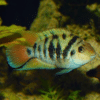
I recently added the Astronotus Ocellatus “Albino Red” to my 75-gallon aquarium, and I couldn’t be happier! This vibrant fish has truly transformed my tank with its beautiful colors and personality. After about two months of care, I can confidently say this Oscar loves to explore and interact with me during feeding time. I’ve been feeding him high-quality cichlid food, which he devours enthusiastically. He even seems to prefer certain types of sinking pellets over others!
I also made sure my aquarium plants are well-established, offering him hiding spots and enrichment. Compared to other cichlids I’ve kept, this Red Albino Oscar is definitely more social and curious. One minor concern is that they can be a bit territorial, so I’d recommend this fish for aquarists with some experience or those who can provide ample space.
If you’re considering adding a fun and engaging fish to your setup, I highly recommend the Albino Red Oscar. This fish is not just beautiful; it also brings a unique charm to your aquarium. Just be sure to monitor water parameters regularly and provide a balanced diet for optimal health!