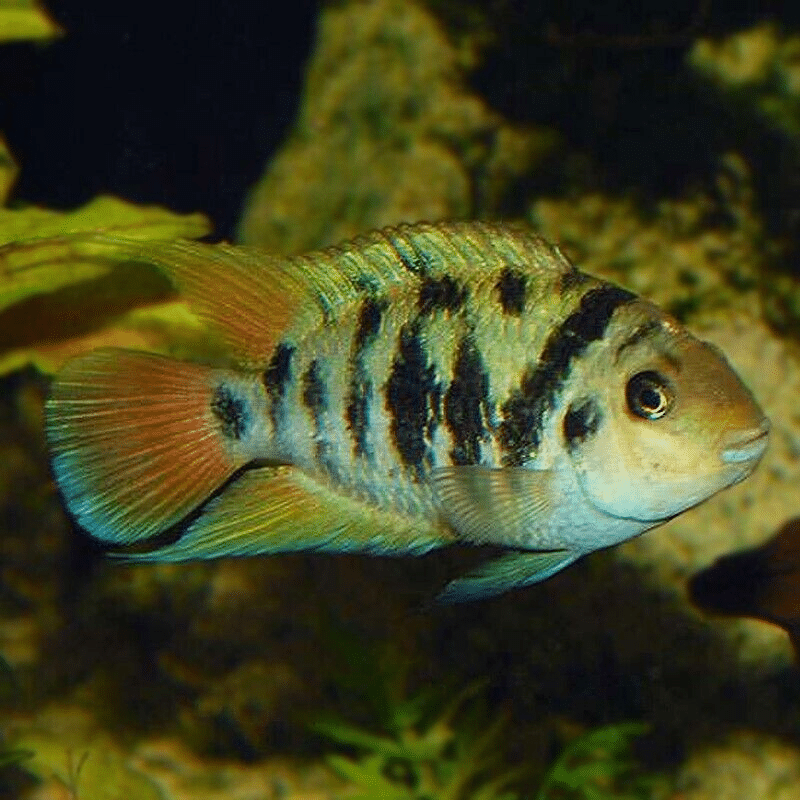
Blue Convict Cichlid – Cryptoheros Sp. Honduran Red Point
Original price was: £11.49.£9.68Current price is: £9.68.
Welcome these beautiful Cryptoheros Sp. Honduran Red Point – Blue Convict cichlids into your aquarium. Their vibrant red and blue colors make them a stunning addition to any tank. Ideal for both beginners and seasoned aquarists, these cichlids thrive with proper care and community members.
In stock


Species Introduction
The Cryptoheros Sp. Honduran Red Point, commonly referred to as the Blue Convict, is a fascinating species of South American cichlid found in the freshwater rivers and lakes of Honduras. This species is celebrated for its striking coloration and unique patterns, making it a popular choice among aquarists. Although the scientific classification of this species is still under discussion, it is closely related to the convict cichlid (Amatitlania nigrofasciata), sharing many physical and behavioral traits. In their natural habitat, these fish thrive in rocky substrates and areas with dense vegetation, which provide them with both shelter and breeding grounds. To ensure the health and well-being of these beautiful creatures, it is essential for aquarists to replicate their natural conditions.
Care Requirements Dashboard
Essential Care Guide for Your Cryptoheros Sp. Honduran Red Point – Blue Convict – South American Cichlid
| Optimal Living Conditions | |
|---|---|
| Water Temperature | 24-27°C (75-81°F) |
| pH Level | 6.5-7.5 |
| Water Hardness | 4-12 dKH |
| Minimum Tank Size | 80L (20 gal) |
| Salinity | Freshwater |
| Care Level | Beginner Friendly |
Natural Behavior & Temperament
The Blue Convict is characterized by its active swimming patterns and vibrant personality. These cichlids are known for their territorial nature, especially during breeding periods. They exhibit a variety of behaviors, including establishing territories, displaying courtship rituals, and defending their fry against potential threats. In a community tank, it is essential to consider their temperament as they may become aggressive towards smaller or less assertive tank mates. Despite their sometimes feisty demeanor, Blue Convicts can also display affectionate behaviors towards their owners, often recognizing them and becoming accustomed to their presence. They are intelligent fish that thrive on interaction and stimulation, making them a joy to observe in a well-maintained aquarium.
Tank Setup Guide
Creating an ideal environment for the Blue Convict involves establishing a habitat that closely resembles their natural surroundings. Start with a substrate of fine gravel or sand, which allows for natural digging behaviors. Incorporate various decorations such as rocks, caves, and driftwood to provide hiding spots and territories. Live plants can also enhance the tank’s aesthetic while offering additional cover and breeding sites. It is advisable to plant hardy species like Java Fern or Anubias, as these can withstand the cichlid’s digging and rearranging. Ensure that the tank has ample swimming space, as these fish are active swimmers. Additionally, consider using a good filtration system to maintain water clarity and quality, as Blue Convicts are sensitive to poor water conditions.
Water Quality Management
Maintaining optimal water quality is crucial for the health of the Blue Convict. Regular testing of water parameters is essential to ensure that the pH, temperature, and hardness levels remain within the recommended ranges. A pH level between 6.5 and 7.5 is ideal, with a temperature range of 75°F to 82°F. Additionally, the hardness should be maintained between 5-15 dGH. Regular water changes of 25-30% every two weeks will help to remove waste and toxins while replenishing essential minerals. It is also important to monitor ammonia and nitrite levels, as these can be harmful to fish health. Utilizing a high-quality filtration system will aid in maintaining water clarity and quality, ensuring a healthy environment for your aquatic companions.
Feeding & Nutrition
Diet: Omnivorous
Feeding Schedule: 2-3 times daily
Food Types: High-quality cichlid pellets, frozen or live foods, vegetables
The Blue Convict is an omnivorous fish that thrives on a varied diet. A balanced diet should consist of high-quality cichlid pellets, which provide essential nutrients for growth and health. Additionally, incorporating frozen or live foods such as brine shrimp, bloodworms, and daphnia will enhance their diet and promote natural hunting behaviors. Vegetables like blanched spinach or zucchini can also be offered to provide dietary variety. It is recommended to feed them 2-3 times daily, ensuring that they consume the food within a few minutes to prevent water quality issues. Observing their feeding habits can also provide insights into their health and well-being.
Compatibility Guide
When considering tank mates for the Blue Convict, it is essential to choose species that can coexist peacefully, given their territorial nature. Suitable tank mates include larger cichlids such as the Jack Dempsey or the Green Terror, as well as robust species like barbs or larger tetras. However, avoid keeping them with small or overly docile fish, as these may become targets for aggression. It is advisable to introduce new tank mates gradually and monitor interactions closely. Providing plenty of hiding spots and visual barriers can help reduce territorial disputes and establish a harmonious community tank.
Health & Wellness
Common Issues: Ich, fin rot
Prevention: Maintain water quality, quarantine new fish
The health of the Blue Convict can be affected by various factors, including water quality and tank conditions. Common health issues include ich and fin rot, which can arise from stress or poor water conditions. To prevent these issues, it is crucial to maintain stable water parameters and conduct regular water changes. Quarantining new fish before introducing them to the main tank can help prevent the spread of diseases. Observing your fish for any signs of illness, such as changes in behavior, appetite, or physical appearance, is essential for early detection and treatment. Providing a stress-free environment with plenty of hiding spots will also contribute to their overall well-being.
Breeding Information
Breeding Blue Convicts can be a rewarding experience, as these fish are known for their parental care. To encourage breeding, it is essential to provide a suitable environment with flat surfaces for egg laying, such as smooth rocks or breeding cones. The female will typically lay eggs in batches, and both parents will guard the eggs and fry once they hatch. It is important to separate the breeding pair from other tank mates to prevent aggression and ensure the safety of the fry. After a few weeks, the fry will become free-swimming and can be fed infusoria or finely crushed flakes. Monitoring the breeding process and providing the right conditions will lead to successful fry rearing.
Acclimation Process
Introducing new Blue Convicts to your aquarium requires careful acclimation to reduce stress and ensure a smooth transition. Begin by floating the sealed bag in the aquarium for about 15-20 minutes to equalize the temperature. After this, gradually introduce small amounts of tank water into the bag over the course of an hour. This process will help the fish adjust to the water parameters of their new environment. Once acclimated, gently release the fish into the tank, avoiding any water from the bag. It is advisable to monitor their behavior closely for the first few days to ensure they are settling in well and adapting to their new home.
Long-term Care
The Blue Convict has a lifespan of approximately 5-10 years when provided with optimal care. To ensure their longevity, it is essential to maintain a stable environment with consistent water parameters and a balanced diet. Regular monitoring of their health and behavior will help identify any issues early on. As they grow, it is important to provide adequate space and hiding spots to accommodate their territorial nature. Engaging with your Blue Convicts through feeding and observation will enhance their quality of life and strengthen the bond between you and your aquatic companions.
Natural Habitat Recreation
To create a biotope that reflects the natural habitat of the Blue Convict, consider incorporating elements that mimic the freshwater rivers and lakes of Honduras. Utilize a sandy substrate with scattered rocks and driftwood to replicate the natural environment. Adding live plants such as Vallisneria or Cryptocoryne can enhance the aesthetic while providing cover for the fish. Ensure that the tank has ample swimming space and hiding spots to accommodate their natural behaviors. By recreating their natural habitat, you will not only enhance the beauty of your aquarium but also promote the well-being of your Blue Convicts.
Seasonal Care Adjustments
As seasons change, it is important to make adjustments to the care of your Blue Convict to ensure their continued health and happiness. During warmer months, monitor the water temperature closely, as higher temperatures can stress the fish. Consider using a cooling fan or adjusting the aquarium’s location to maintain a stable environment. In colder months, ensure that the heater is functioning properly to keep the water temperature within the recommended range. Additionally, pay attention to lighting adjustments, as natural daylight hours may change. Providing a consistent environment throughout the year will help your Blue Convicts thrive.
Expert Tips
Professional Advice: Monitor water quality regularly
Consider using a quality test kit to ensure optimal conditions.
For optimal care of your Blue Convict, it is essential to monitor water quality regularly. Investing in a reliable test kit will allow you to keep track of pH, ammonia, nitrite, and nitrate levels. Additionally, maintaining a consistent feeding schedule and providing a varied diet will contribute to their overall health. Engaging with your fish through observation and interaction will enhance their quality of life and strengthen the bond between you and your aquatic companions. Lastly, always be prepared to adapt your care routine based on the specific needs of your Blue Convicts.
Troubleshooting
In the event of health issues or behavioral changes in your Blue Convict, it is important to troubleshoot effectively. Common signs of distress include changes in appetite, lethargy, or unusual swimming patterns. If you notice any of these signs, first check the water parameters to ensure they are within the acceptable ranges. If the water quality is good, consider potential stressors such as tank mates or environmental changes. Providing a stress-free environment with ample hiding spots can help alleviate anxiety. If health issues persist, consulting with an aquarium professional or veterinarian specialized in fish care may be necessary for further guidance.
Scientific Background
The scientific classification of the Blue Convict is still being explored, but it is generally categorized under the family Cichlidae. This family is known for its diverse range of species, many of which exhibit complex behaviors and social structures. Research into the genetics and behavior of the Blue Convict continues to evolve, providing aquarists with deeper insights into their care and breeding. Conservation efforts are also underway to protect their natural habitats, which are threatened by pollution and habitat destruction. By understanding the scientific background of the Blue Convict, aquarists can contribute to the preservation of this beautiful species and ensure their continued existence in both the wild and in captivity.
Advanced Care Techniques
For experienced aquarists looking to enhance the care of their Blue Convicts, consider implementing advanced techniques such as selective breeding and specialized feeding regimens. Selective breeding can help enhance desirable traits, such as coloration and temperament, while also contributing to the overall health of the population. Additionally, incorporating specialized feeding regimens that mimic their natural diet can promote optimal growth and health. This may include offering a variety of live foods, high-quality pellets, and fresh vegetables. Engaging in these advanced care techniques not only benefits your Blue Convicts but also enriches your experience as an aquarist.
Frequently Asked Questions
Q: What tank size is required for Cryptoheros Sp. Honduran Red Point?
For Cryptoheros Sp. Honduran Red Point, a minimum tank size of 75 litres is recommended to provide ample space for swimming and establishing territories. These cichlids can be territorial, especially during breeding periods, so having sufficient space is crucial. A larger tank, ideally around 100 to 150 litres, will help reduce aggression and allow for more stable water parameters. Ensure the tank is well-structured with hiding spots using rocks and driftwood, as this mimics their natural habitat and helps reduce stress. Remember to monitor water quality regularly as these fish can be sensitive to changes in their environment.
✓ Expert Tip
Adding plants can enhance their environment, but ensure they are robust as these fish may dig and uproot delicate varieties.
Q: What water parameters do Cryptoheros Sp. Honduran Red Point require?
Cryptoheros Sp. Honduran Red Point thrive in slightly acidic to neutral water, with a pH range of 6.5 to 7.5. The temperature should ideally be maintained between 24°C to 28°C. Regular water changes of 20-30% every week are essential to maintain optimal water quality. These fish are sensitive to ammonia and nitrite levels, so ensure that your filtration system is efficient and that you regularly test the water parameters. Stability in water conditions is key to preventing stress and disease.
✓ Expert Tip
Invest in a reliable water testing kit to monitor pH, ammonia, nitrite, and nitrate levels effectively.
Q: How often should I feed Cryptoheros Sp. Honduran Red Point?
Feeding Cryptoheros Sp. Honduran Red Point should be done twice a day with portions they can consume within a few minutes. Their diet should consist of high-quality pellets or flakes specifically formulated for cichlids, supplemented with live or frozen foods such as brine shrimp or bloodworms to enhance their colour and health. Overfeeding can lead to water quality issues, so it is essential to monitor their intake closely. Additionally, providing a varied diet will help ensure they receive necessary nutrients.
✓ Expert Tip
Consider using a feeding ring to keep food from floating away, ensuring your fish can enjoy their meal without stress.
Q: What are the best tank mates for Cryptoheros Sp. Honduran Red Point?
When selecting tank mates for Cryptoheros Sp. Honduran Red Point, it is advisable to choose other robust and semi-aggressive species to minimise territorial disputes. Suitable companions include larger tetras, barbs, and other cichlid species that can handle their temperament. Avoid smaller or more docile fish, as they may become targets for bullying. Always introduce new fish gradually and monitor interactions closely to ensure a harmonious environment.
✓ Expert Tip
Adding more hiding spots can help reduce aggression and provide a sense of security for all tank inhabitants.
Q: How do I properly acclimatise Cryptoheros Sp. Honduran Red Point to my aquarium?
Acclimatising Cryptoheros Sp. Honduran Red Point is crucial to ensure their health and reduce stress. Start by floating the sealed bag containing the fish in your aquarium for about 15-20 minutes to equalise the temperature. After this, gradually introduce aquarium water into the bag over the next hour, allowing the fish to adjust to the water parameters. Once acclimatised, gently release the fish into the tank using a net to avoid adding bag water. This method minimises stress and helps them adapt more efficiently to their new environment.
✓ Expert Tip
Avoid adding too many fish at once; introduce them gradually to prevent overwhelming the established tank mates.
Q: What are the signs of healthy Cryptoheros Sp. Honduran Red Point?
Healthy Cryptoheros Sp. Honduran Red Point exhibit vibrant colours and clear eyes. They should display active swimming behaviour and show interest in their surroundings. Healthy fish will feed readily and maintain a stable position in the water column without excessive hiding or lethargy. Regularly observe your fish for any changes in behaviour or appearance, such as clamped fins, frayed fins, or unusual swimming patterns, as these may indicate stress or illness. Early detection is key to successful treatment.
✓ Expert Tip
Regular water testing and maintenance are vital for keeping your fish healthy and stress-free.
Q: How do I successfully breed Cryptoheros Sp. Honduran Red Point?
Breeding Cryptoheros Sp. Honduran Red Point can be a rewarding experience. To encourage breeding, provide a separate breeding tank with a flat surface, such as a rock or slate, where the female can lay eggs. Maintain optimal water conditions and a temperature of around 26°C to 28°C. The female will lay eggs, which the male will fertilise. After a few days, fry will hatch, and both parents may protect them. Feed the fry with finely crushed flakes or specialised fry food. Remove the parents once the fry are free-swimming to prevent aggression.
✓ Expert Tip
Ensure the breeding environment is free from stressors and disturbances to promote successful spawning.
Q: What temperature should I maintain for Cryptoheros Sp. Honduran Red Point?
The ideal temperature range for Cryptoheros Sp. Honduran Red Point is between 24°C to 28°C. Maintaining a consistent temperature within this range is crucial for their health and behaviour. Sudden temperature fluctuations can cause stress and make them susceptible to diseases. Using a reliable aquarium heater with a thermometer will help you achieve and maintain the desired temperature. Regularly check the temperature to ensure it remains stable, as these fish thrive in a well-regulated environment.
✓ Expert Tip
Consider using a heater guard to prevent accidental burns or injuries to your fish.
Q: How long do Cryptoheros Sp. Honduran Red Point typically live in captivity?
In captivity, Cryptoheros Sp. Honduran Red Point can live anywhere from 5 to 10 years, depending on their care and environment. Providing optimal tank conditions, including stable water parameters, a balanced diet, and regular health checks, can significantly influence their lifespan. Keeping them in a stress-free environment and monitoring for signs of illness will contribute to their overall well-being and longevity. Remember that the quality of care directly correlates with their health and life expectancy.
✓ Expert Tip
Keeping a journal of water parameters and feeding schedules can help track their health over time.
Q: What type of substrate is most suitable for Cryptoheros Sp. Honduran Red Point?
For Cryptoheros Sp. Honduran Red Point, a substrate that mimics their natural environment is ideal. Fine gravel or sand is preferred, as it allows them to dig and forage without harming their delicate fins. A substrate that is too coarse may cause injury, so opt for smoother materials. Additionally, incorporating larger rocks and driftwood can enhance their habitat and provide hiding spots, which can help reduce stress and aggression. Maintaining a clean substrate is essential to prevent the build-up of waste and maintain water quality.
✓ Expert Tip
Regular vacuuming of the substrate will help keep it clean and free from detritus.
Q: What behavioural patterns should I expect from Cryptoheros Sp. Honduran Red Point?
Cryptoheros Sp. Honduran Red Point are known for their active and inquisitive behaviour. They often establish territories, especially during breeding, and may display aggressive posturing towards intruders. These cichlids are social and enjoy interacting with their environment, often exploring and foraging for food. It is not uncommon for them to rearrange tank decorations as they create their ideal habitat. Observing their behaviour can provide insights into their health and well-being, so regular monitoring is essential.
✓ Expert Tip
Providing a varied environment with plenty of hiding spots can help reduce aggression and encourage natural behaviours.
Q: How can I prevent common diseases in Cryptoheros Sp. Honduran Red Point?
Preventing diseases in Cryptoheros Sp. Honduran Red Point primarily involves maintaining optimal water quality and a stress-free environment. Regular water changes, proper filtration, and monitoring water parameters are crucial. Quarantining new fish before introducing them to the main tank can prevent the spread of pathogens. Additionally, avoid overfeeding, as uneaten food can deteriorate water quality. Observing your fish for any signs of illness, such as lethargy, changes in appetite, or unusual swimming patterns, will allow for early intervention if needed.
✓ Expert Tip
Consider adding aquarium salt to the water as a preventive measure against certain diseases, but ensure it is suitable for your fish.
Q: What lighting conditions do Cryptoheros Sp. Honduran Red Point prefer?
Cryptoheros Sp. Honduran Red Point thrive under moderate lighting conditions. Bright lighting can cause stress and encourage hiding behaviours, while too dim lighting may hinder their activity and feeding. Using a combination of natural and artificial lighting, such as LED lights with a timer, can help replicate their natural habitat. Providing shaded areas using plants or decorations can also help them feel secure. Aim for a photoperiod of about 10-12 hours a day to promote healthy behaviours.
✓ Expert Tip
Adjust the lighting gradually to prevent shocking your fish and to help them acclimatise to changes.
Q: How do I recognise stress in Cryptoheros Sp. Honduran Red Point?
Recognising stress in Cryptoheros Sp. Honduran Red Point involves observing changes in behaviour and appearance. Signs of stress include hiding excessively, loss of appetite, rapid gill movement, or erratic swimming patterns. Additionally, look for clamped fins or faded colours, which may indicate discomfort. Stress can arise from various factors, such as poor water quality, aggressive tank mates, or sudden changes in their environment. Immediate action should be taken to address the source of stress to restore their well-being.
✓ Expert Tip
Creating a stable environment with plenty of hiding spaces can help alleviate stress and promote healthier behaviours.
Q: What natural habitat conditions should I replicate for Cryptoheros Sp. Honduran Red Point?
In their natural habitat, Cryptoheros Sp. Honduran Red Point are found in freshwater rivers with moderate to strong currents, typically featuring sandy or rocky substrates. To replicate these conditions, create a tank environment with fine gravel or sand, along with plenty of hiding spots using rocks and driftwood. Incorporating live plants can enhance the aesthetic while providing shelter. Maintaining good water flow through an appropriate filter will also mimic their natural currents and help keep the water clean and well-oxygenated.
✓ Expert Tip
Regularly rearranging decorations can simulate natural changes in their environment, promoting mental stimulation.
1 review for Blue Convict Cichlid – Cryptoheros Sp. Honduran Red Point
Add a review
Related products


Emily Carter (verified owner) –
I recently added the Cryptoheros Sp. Honduran Red Point to my aquarium, and I couldn’t be happier! After just two weeks, this vibrant blue convict has become the star of my tank. It’s fascinating to watch their personality shine as they explore and interact with the live plants I have. I’ve noticed they respond positively to high-quality cichlid food, and I’ve been feeding them a mix that includes pellets and some fresh veggies – they go wild for it! Compared to other cichlids I’ve kept, the Honduran Red Point shows more activity and less aggression, which is a definite plus for community tanks. My only minor concern is that they can be a bit shy initially, but with the right environment, they really flourish. I highly recommend this cichlid for anyone looking to add some beautiful, lively fish to their setup, especially if you have plants and a balanced diet in mind. This fish has truly brightened my aquarium experience, and I can’t wait to see how they continue to develop!